Deutsch
  English
  简体中文
简体中文  Español
  Français
  Italiano
  日本語
日本語  한국어
한국어  Polski
  Português
  Русский
  Türkçe
  Nederlands
  Tiếng Việt
  ไทย
ไทย 
Akustische Beleuchtung kostet in der Regel mehr Vorlauf als normale LED-Beleuchtung, wobei kommerzielle Leuchten häufig zwischen $400–$2,500+ pro Einheit Je nach Größe und akustischer Leistung im Vergleich zu $80–$600 für handelsübliche LED-Leuchtendrohen Die Gesamtkosten des Projekts hängen jedoch davon ab, ob eine separate akustische Behandlung erforderlich ist.
Für Architekten, Beschaffungsmanager und Facility Manager reicht der aussagekräftige Vergleich über die Preisgestaltung hinaus. Eine ordnungsgemäße Finanzbewertung muss die Einheitskosten, die Installationsarbeit, die Wartungsanforderungen, die Lebenszykluskosten über drei bis fünf Jahre und die langfristige Systemkoordination umfassen.
Dieser Artikel konzentriert sich streng auf die Kostenstruktur, Preisvariablen, Installationsaufwand, Wartung und finanzielle Auswirkungen auf den kommerziellen Markt 2026.
Marktpreisübersicht (Gewerblicher Markt 2026)
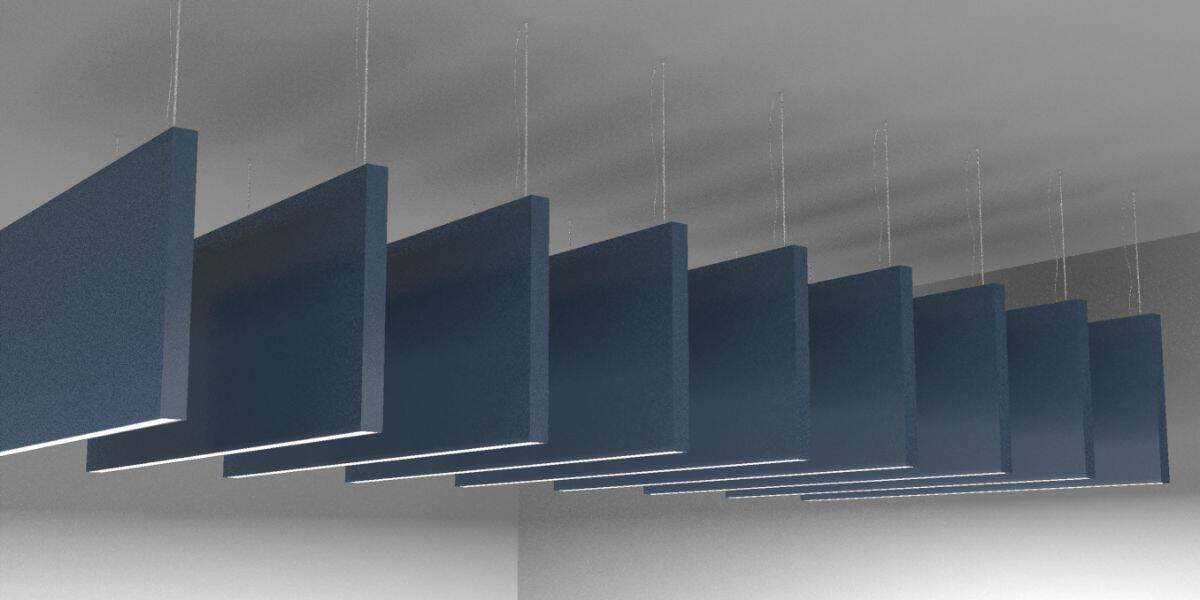
Die Preise für kommerzielle Beleuchtung variieren je nach Abmessungen der Leuchte, LED-Leistungsspezifikationen, akustischer Bewertung, Anpassungsniveau und Kaufvolumen. Verbrauchermarktplätze spiegeln häufig dekorative oder Einstiegsprodukte wider, während B2B-Lieferantenkataloge technische kommerzielle Systeme widerspiegeln.
Nachfolgend finden Sie eine strukturierte Übersicht über die typischen Preise pro Einheit auf dem kommerziellen Markt 2026.
Typische Marktpreisbereiche (pro Einheit)
| Produkttyp | Typische Preisspanne (USD) | Was ist enthalten | Typische Anwendung |
| Standard-LED-Panel (2×2 oder 2×4 Troffer) | $80–$250 | LED-Platine, Fahrer, Stahlgehäuse | Büros, Schulen, Gesundheitswesen |
| Linearer LED-Anhänger (kommerziell) | $150–$600 | Aluminiumgehäuse, Fahrer, Federungs-Kit | Großraumbüros, Einzelhandel |
| Dekorativer Filzanhänger (nicht akustisch bewertet) | $120–$400 | PET-Filz-Schatten mit LED-Modul | Cafés, kleine Büros |
| Akustisches Lichtpaneel (kommerziell) | $400–$1,200 | Integrierte LED + Akustisches PET-Filzsystem | Offene Büros, Kooperationsgebiete |
| Große akustische Beleuchtungskörper (custom/commercial) | $1,200–$2,500+ | Benutzerdefinierte Größe, höhere NRC-Bewertung, technische Federung | Firmenhauptquartier, Coworking, Atrien |
| Separate Akustikdeckenplatte (pro Panel) | $150–$500 | Akustikplatte aus PET oder Fiberglas | Sound Control-Projekte nachrüsten |
Die Preisspannen basieren auf öffentlich verfügbaren 2026-Katalogen für kommerzielle Lieferanten, Händlerlisten und Marktplatzdaten. Die tatsächlichen Kosten variieren je nach Region, Auftragsvolumen, akustische Materialstärke, LED-Spezifikation, Anpassungsanforderungen und Projektumfang.
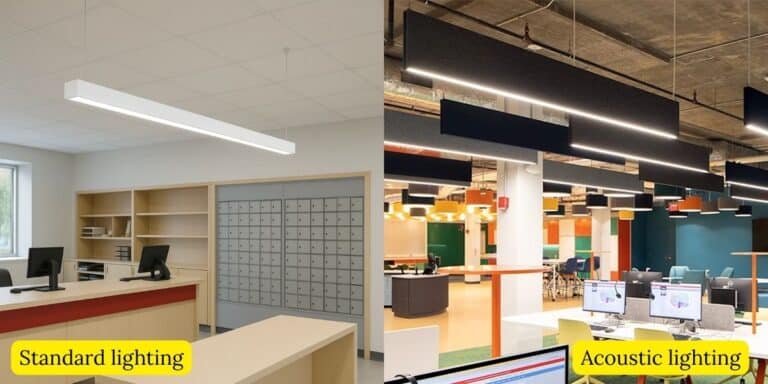
Die Hauptkostenunterscheidung ist klar: Akustikbeleuchtung Die Leuchten kosten in der Regel zwei- bis viermal mehr als Standard-LED-Leuchten. Der Finanzvergleich wird nur dann sinnvoll, wenn die Gesamtsystemkosten berücksichtigt werden.
Warum akustische Beleuchtung mehr kostet
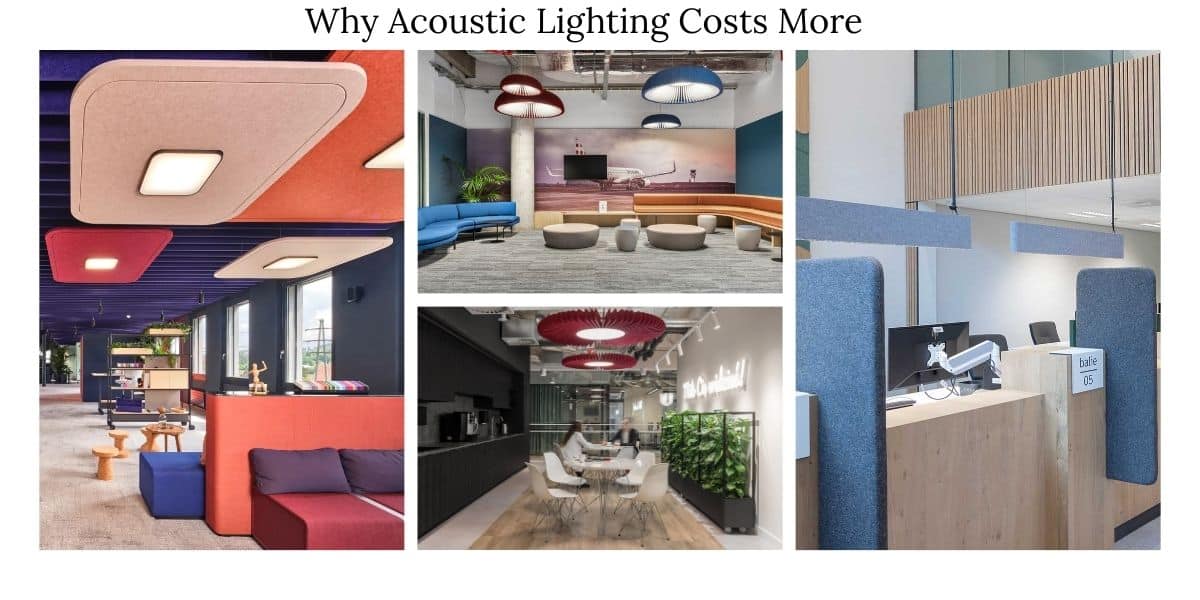
Die höheren Kosten für die akustische Beleuchtung sind strukturell und nicht kosmetisch. Diese Systeme integrieren Beleuchtung und Schallabsorption in einer einzigen technischen Vorrichtung.
Der erste Kostentreiber ist akustisches Haustierfilz. Kommerzielle Akustikarmaturen verwenden dichtes recyceltes PET-Material, das typischerweise im Bereich von 9 mm bis 24 mm Dicke liegt. Dieses Material ist wesentlich teurer als dünner Dekorfilz. Größere Dichte und Dicke verbessern die Schallabsorption, erhöhen aber die Rohstoffkosten.
Die Komplexität der Fertigung ist ein weiterer Faktor. Akustische Befestigungen erfordern CNC-Schneiden, Formen und manchmal geschichtete Montage, um strukturelle Stabilität zu erreichen. Standard-LED-Panels dagegen verwenden gestanzte Stahl- oder Aluminiumgehäuse, die in sehr hohem Volumen hergestellt werden.
Die Engineering-Integration erhöht auch die Kosten. LED-Module müssen in teilweise geschlossenen Filzstrukturen thermisch verwaltet werden. Aufhängesysteme müssen größere Oberflächen unterstützen und gleichzeitig die Sicherheitsstandards erfüllen. Diese Integrationsstufe erhöht den Produktionsaufwand im Vergleich zu Basisleuchten.
Akustische Leuchten sind in der Regel physikalisch größer als herkömmliche Beleuchtungsprodukte, da die Schallabsorption von der Oberfläche abhängt. Ein vier Fuß linearer LED-Anhänger kann 1 TP4T300–$400 kosten, während eine ähnlich große akustische Version mit verlängerten Filzplatten aufgrund erhöhter Material- und struktureller Anforderungen 1 TP4T900–$1.500 kosten kann.
Das Produktionsvolumen beeinflusst die Preisgestaltung weiter. Standard-LED-Leuchten werden weltweit maßstabsgetreu produziert. Akustische Vorrichtungen sind oft projektspezifisch oder für kommerzielle Innenräume angepasst, was zu höheren Kosten pro Einheit führt.
Integrierte kommerzielle Systeme wie die auf der OEM-Seite von Signlited Acoustic Lighting veranschaulichen, wie Hersteller konstruierte LED-Module mit Akustikplatten für Anwendungen auf Projektebene und nicht im Einzelhandelsumfeld für Verbraucher kombinieren.
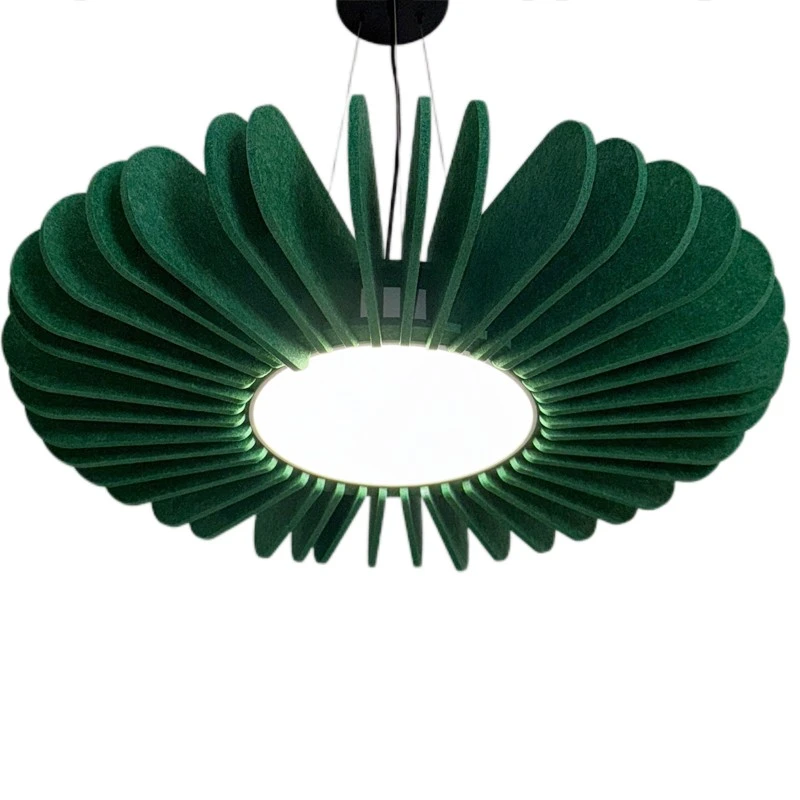
Ultradünne, runde akustische LED-Pendelleuchte
- Eingangsspannung: AC100-277V / AC220-240V,50-60Hz
- Gehäusegröße: 120 mm
- Ausstrahlen: Abwärts
- Größe DH: 500 * 80mm
- CCT: 3000K / 4000K / 6000K
- Leistung: 15W
- Lichtstrom: 100-110lm/W
- CRI:> 90ra
- PF:> 0,90
- Flicker Free: Ja
- Abstrahlwinkel: 120°
- IP-Grad: IP20
- Garantie: 5 Jahre
- Akustikpanel Farboption: Rot / Grün / Blau / Grau Mehr als 48 Farben Option
Vergleich der Installationskosten
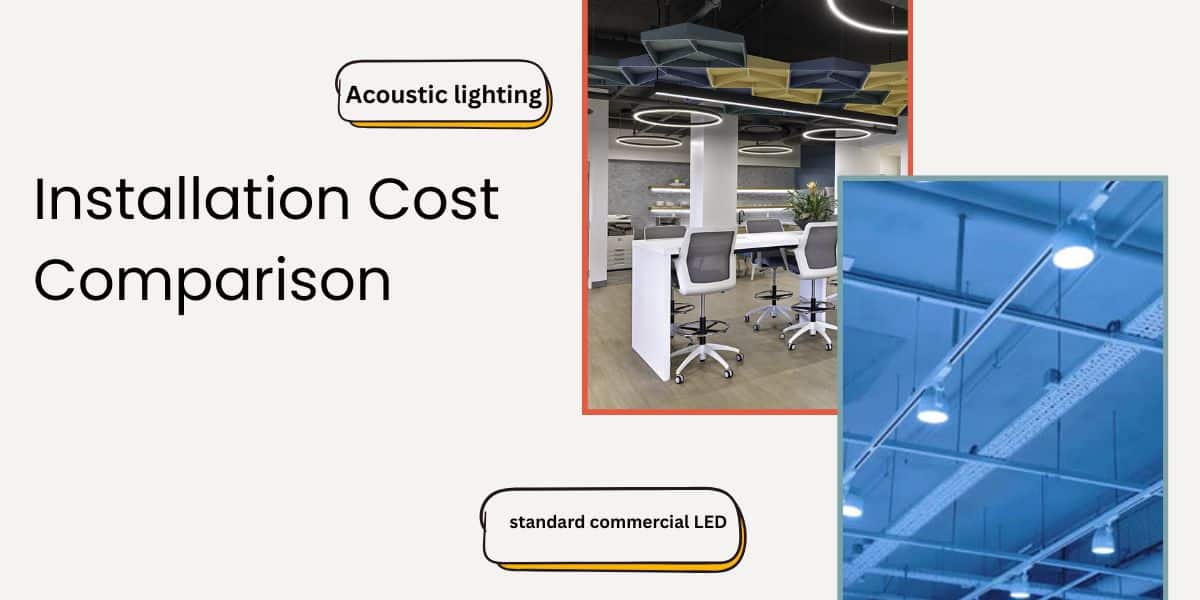
Die Installationskosten können das gesamte Projektbudget erheblich beeinflussen.
Bei handelsüblichen LED-Leuchten liegt die Arbeit typischerweise zwischen $50–$150 pro Gerätdrohen Drop-in-Troffers, die in abgehängten Deckengittern installiert sind, fallen am unteren Ende. Hängende lineare Anhänger benötigen zusätzliche Zeit für die Ausrichtung und Kabeleinstellung.
Akustische Beleuchtungsinstallation reicht normalerweise zwischen $100–$300 pro Gerät, je nach Größe, Aufhängungsdesign und Deckenstruktur. größer Akustik Aufgrund des Gewichts und der Oberfläche können zusätzliche Ankerpunkte oder zwei Personen-Installationsteams erforderlich sein.
Wenn die normale Beleuchtung mit separaten Akustikplatten gepaart wird, muss zusätzlicher Arbeitsaufwand berücksichtigt werden. Installation von Akustikdeckenplatten generell Kosten $80–$200 pro Bedienfelddrohen Dies ist von der Beleuchtungsarbeit getrennt und kann zwischen Elektro- und Deckenbauern koordiniert werden.
Projekte, die separate Systeme verwenden, können auch die Komplexität der Koordination verursachen, insbesondere wenn Layoutkonflikte zwischen der Platzierung der Beleuchtung und der akustischen Abdeckungszone auftreten.
Gesamtsystemkostenbeispiel (1.000 qm Open Office)
Stellen Sie sich ein 1.000 Quadratmeter großes Großraumbüro vor, das zwölf Hauptbeleuchtungsgeräte und eine mäßige Schallabsorption erfordert.
Option A: Normale LED-Beleuchtung + separate Akustikplatten
Beleuchtung:
12 Linear-Anhänger bei $300 = $3.600
Installation bei $100 = $1.200
Akustische Behandlung:
12 Deckenplatten bei $300 = $3,600
Installation bei $120 = $1.440
Geschätzte Gesamtsystemkosten: $9,840
Option B: Integrierte Akustikbeleuchtung
Beleuchtung:
12 Akustikarmaturen bei $1,100 = $13.200
Installation bei je $200 = $2.400
Geschätzte Gesamtsystemkosten: $15,600
In diesem Szenario führt die integrierte akustische Beleuchtung eine höhere Vorabinvestition. Wenn jedoch unter Option A eine größere akustische Abdeckung erforderlich wäre, würden zusätzliche Tafeln die Gesamtkosten erhöhen. Die richtige Entscheidung hängt von den akustischen Leistungszielen, der Deckenkonfiguration und den langfristigen Entwurfsplänen ab.
Vergleich der Wartungskosten
Beide Systeme setzen auf LED-Module und Treiber mit vergleichbaren Leistungsmerkmalen. Kommerzielle LEDs bieten typischerweise eine Lebensdauer zwischen 30.000–50.000 Stundendrohen Die Kosten für den Fahrerwechsel liegen im Allgemeinen zwischen $40–$120, je nach Watt und Spezifikation.
Über einen Zeitraum von drei bis fünf Jahren sind die LED-bezogenen Wartungskosten für beide Systeme ähnlich.
Akustische Beleuchtung führt Filzoberflächen ein, die regelmäßig gereinigt werden müssen. In den meisten Büroumgebungen reicht das Staubsaugen alle drei bis sechs Monate aus. Staubansammlung kann das Aussehen mehr beeinträchtigen als die Leistung.
Der Austausch von Akustikplatten ist ungewöhnlich, aber in stark schlag- oder stark verschmutzten Umgebungen möglich. Die Wiederbeschaffungskosten hängen von der Größe der Geräte und der Anpassungsstufe ab.
Standard-LED-Leuchten aus Aluminium erfordern gelegentliche Reinigung der Linse und das Abwischen des Gehäuses. Während akustische Vorrichtungen etwas mehr Reinigungsaufwand beinhalten können, sind die Gesamtkostenunterschiede in der Wartung in der Regel gering.
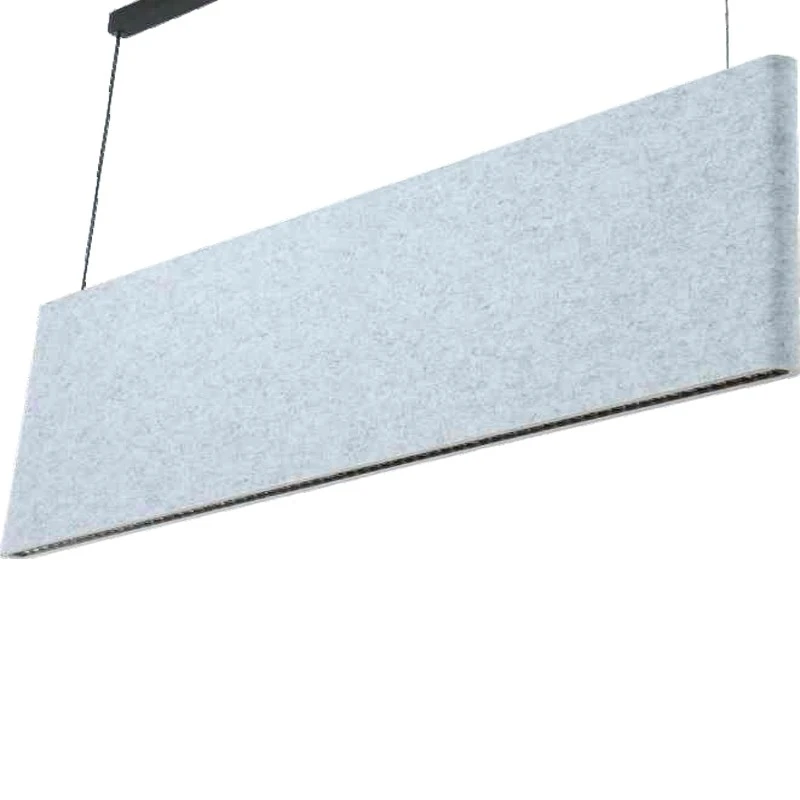
Akustisches LED-Reflektor-Linearlicht
- Eingangsspannung: AC110-120V / AC220-240V,50-60Hz
- Breite: 36mm/ 58mm/80mm
- Höhe: 400mm
- Länge: 1218mm / 1288mm
- LED-Chip: SMD2835
- UGR: 0,90
- CRI:> 90ra
- Lichtstrom: 100lm/W
- Abstrahlwinkel: 34°
- CCT: 3000K / 4000K / 6000K
- Leistung: 20W/ 40W/ 60W
- Garantie: 5 Jahre
- Akustikplatte: rot / grün / blau / grau mehr als 48 Farben Option
Lebenszykluskosten (3-5 Jahre Perspektive)
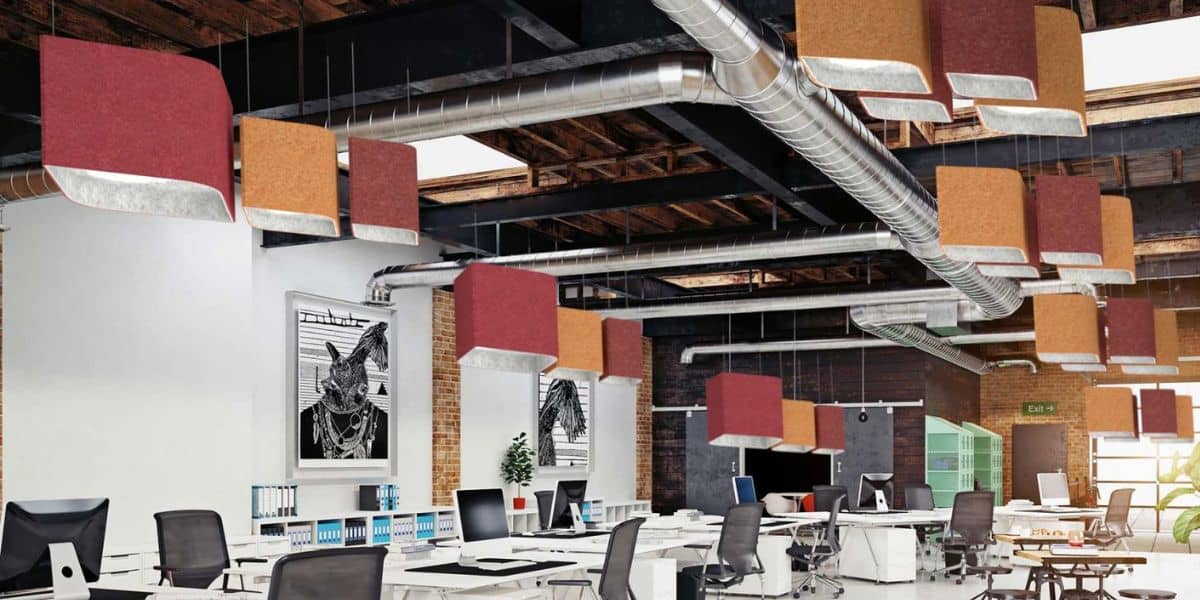
Die Bewertung der Lebenszykluskosten sollte die Systemintegration und nicht nur den Einzelpreis berücksichtigen.
Akustische Beleuchtung kann die Notwendigkeit separater Deckenakustiksysteme verringern, was die Beschaffungsduplizierung und die Durchdringung der Decken verringern kann. Bei Renovierungsprojekten kann die Kombination von Beleuchtung und akustischer Behandlung die Rekonfiguration im Vergleich zur Verwaltung von zwei getrennten Systemen vereinfachen.
Akustische Beleuchtung garantiert jedoch nicht automatisch finanzielle Einsparungen. In Räumen, in denen die akustische Anforderungen durch Deckenkonstruktion minimal sind oder bereits erfüllt sind, bleibt die Standard-LED-Beleuchtung kosteneffizienter.
Eine drei- bis fünfjährige Bewertung sollte den Bedarf an akustischer Abdeckung, Arbeitsraten, erwartete Änderungen an den Layouts und Wartungsplanung umfassen.
Vergleich der Wartung und des Lebenszyklus
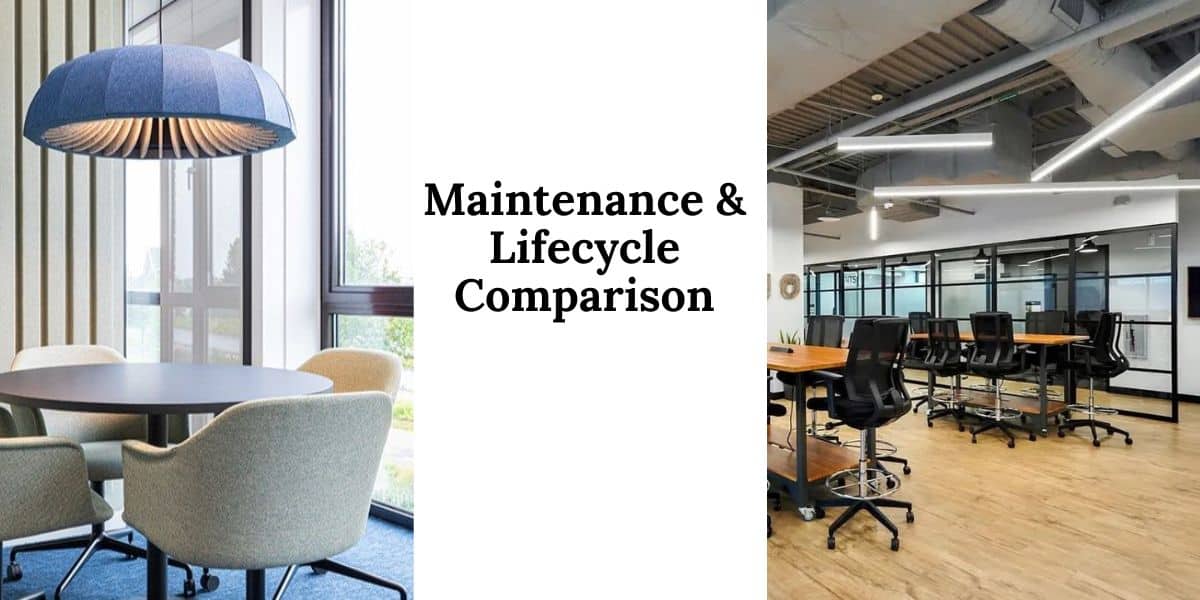
Kosten- und Lebenszyklusvergleich (3-5 Jahre)
| Kostenfaktor | Akustikbeleuchtung | regelmässig | 3–5 Jahre Auswirkungen |
| Anfangskosten | $400–$2,500+ | $80–$600 | Höhere Investition im Vorfeld |
| Installationsarbeit | $100–$300 pro Einheit | $50–$150 pro Einheit | Mäßiger Anstieg |
| Zusätzliche akustische Behandlung | oft integriert | $150–$500 pro Tafel + Arbeit | Kann die Gesamtsystemkosten erhöhen |
| LED-Bewertung | 30.000–50.000 Stunden | 30.000–50.000 Stunden | Überschreitet 3–5 Jahre Bewertungsfenster |
| Garantiedeckung | 5 Jahre (Herstellerabhängig) | 3–5 Jahre typisch | während der Hauptrisikoperiode abgedeckt |
| Putzaufwand | regelmäßiges Absaugen von Filzoberflächen | Reinigung von Linsen und Gehäuse | etwas höherer Wartungsaufwand |
| Handelskoordination | Integriertes System | Separate Beleuchtungs- und Akustik-Auftragnehmer | Komplexität der Planungsmöglichkeit |
Wenn akustische Beleuchtung finanziell gerechtfertigt ist
Akustische Beleuchtung ist in Großraumbüros mit hoher Sprachdichte, Coworking-Umgebungen, konferenzlastigen Layouts, gewerblichen Innenräumen mit hohen Decken und designorientierten Unternehmensräumen mit integrierten Lösungen finanziell gerechtfertigt. In diesen Kontexten kann die Kombination von Klangsteuerung und Beleuchtung in einem einzigen abgehängten System die Spezifikation vereinfachen und die Abhängigkeit von umfangreichen Deckenplatten verringern.
Wenn die regelmäßige Beleuchtung kostengünstiger ist
In kleinen geschlossenen Räumen, sprachbetätigten Bereichen mit geringer Sprachaktivität, Gebäuden mit vorhandenen Akustikdecken und preisgünstigen Nachrüstungsprojekten bleibt die regelmäßige LED-Beleuchtung wirtschaftlicher. In solchen Fällen können die höheren Gerätekosten der akustischen Beleuchtung keinen anteiligen finanziellen Wert liefern.
Häufige Fehler bei der Kostenbewertung
Zu den häufigsten Fehlern gehören der Vergleich der Gerätepreise ohne Berücksichtigung der Kosten für die Akustiktafel, das Ignorieren der separaten Installationsarbeit, die Unterschätzung der Komplexität der Deckenkoordination und die Nichtbeurteilung der Wartungsplanung über mehrere Jahre. Eine vollständige Systemanalyse liefert ein genaueres Finanzbild.
Abschluss
Akustische Beleuchtung kostet höhere Kosten als normale LED-Beleuchtung im Bereich von 1 TP4T400 bis 1 TP4T2.500 pro Leuchte im Vergleich zu $80 bis $600 für Standardoptionen.
In akustisch anspruchsvollen Umgebungen kann eine integrierte akustische Beleuchtung die Abhängigkeit von separaten Panels verringern und die Koordination vereinfachen. In einfacheren Anwendungen bleibt die normale LED-Beleuchtung wirtschaftlicher.
Die geeignete Entscheidung sollte auf den Gesamtsystemkosten und der Bewertung des Lebenszyklus von drei bis fünf Jahren und nicht allein auf dem Spielpreis basieren.
FAQs
Verwandte Artikel