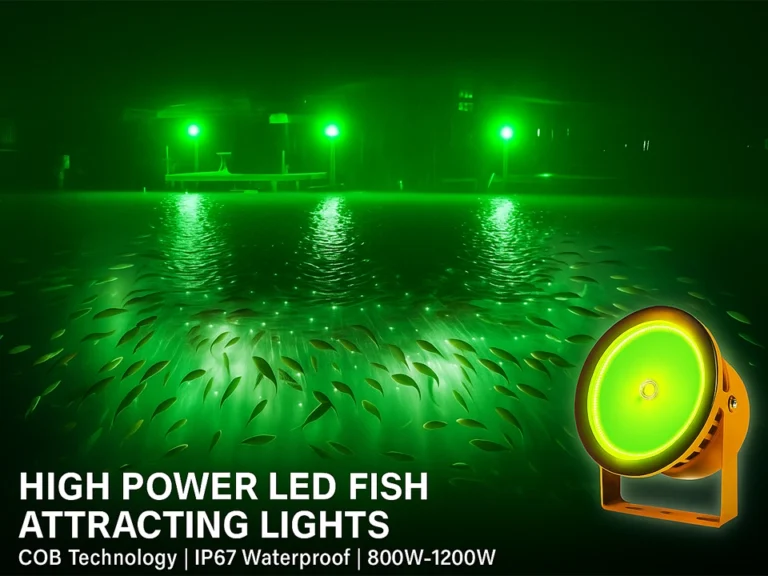
Deutsch
  English
  简体中文
简体中文  Español
  Français
  Italiano
  日本語
日本語  한국어
한국어  Polski
  Português
  Русский
  Türkçe
  Nederlands
  Tiếng Việt
  ไทย
ไทย 
Wenn es darum geht, helle Farben zu wählen, stellt sich die erste Frage, die viele Angler stellen: „Welche Farbe ist die beste?“ - Diese Frage kann jedoch irreführend sein. In Wirklichkeit hängt die Wirksamkeit eines Angellichts nicht von einer einzigen "besten Farbe" ab. Es ist eine Systementscheidung: Die helle Farbe muss den Wasserbedingungen, der Zielart, der Fangmethode und der Installationseinrichtung entsprechen.
Dieser Leitfaden stellt ein klares vierstufiges Entscheidungs-Framework vor, das Ihnen bei der Auswahl der am besten geeigneten LED-Fischlichtfarben und Einrichtungen für Salzwasser-, Süßwasser- und kommerzielle Fischereiszenarien. Durch das Verständnis der Beziehung zwischen Wasser, Licht und Fischverhalten können Sie Ihre Zielart konsistenter und effizienter anziehen, Versuch-und-Fehler reduzieren und Ihren Erfolg bei der Nachtfischerei verbessern.
Wie sich Wasserbedingungen auf die Farbleistung des Angelns auswirken
Lichtverhalten im Wasser
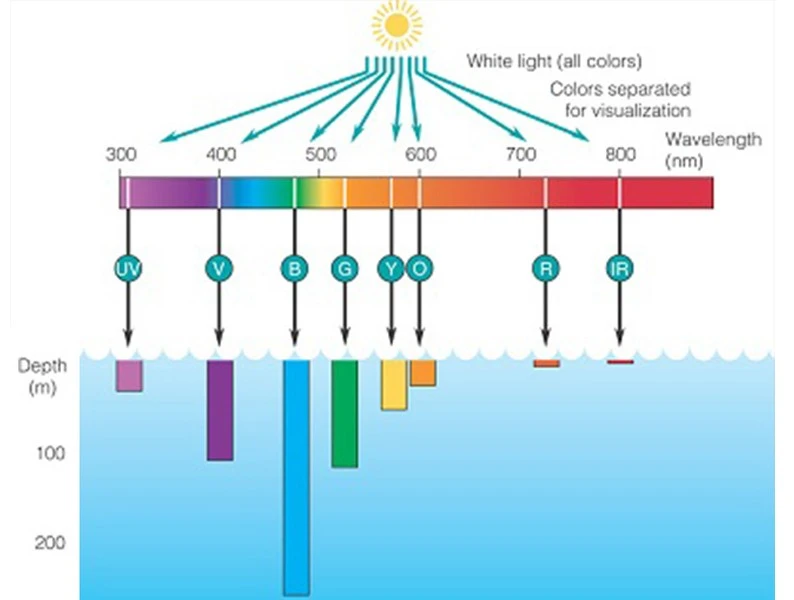
Die Leistung der Fische-Lichtfarben hängt stark davon ab, wie das Licht durch das Wasser fließt. Anders als in der Luft wird das Licht unter Wasser schnell durch Absorption und Streuung beeinflusst. Unterschiedliche Wellenlängen verblassen mit unterschiedlichen Geschwindigkeiten, was bedeutet, dass einige Farben viel weiter als andere sichtbar bleiben.
Kürzere Wellenlängen wie Blau und Grün bewegen sich im Allgemeinen weiter unter Wasser, während längere Wellenlängen schneller abnehmen. Dieser Unterschied ist ein Hauptgrund, warum die Auswahl der Lichtfarben für die Angelfarben niemals zufällig sein sollte.
Klarheit und Sichtbarkeit des Wassers
Die Klarheit des Wassers spielt eine wichtige Rolle bei der Bestimmung der am besten abbildenden Lichtfarbe. In klarem Wasser kann das Licht vor der Streuung weiter wandern, sodass bestimmte Farben einen größeren Bereich beleuchten können. Im Gegensatz dazu absorbiert trübes oder planktonreiches Wasser Licht schneller und verringert die Sicht.
Grünes Licht wird oft bevorzugt, da es ein Gleichgewicht zwischen Penetration und Kontrast aufrechterhält und sowohl unter klaren als auch bei mäßig trüben Bedingungen sichtbar bleibt.
Wassertiefe und Umgebungslicht in der Nacht
Die Tiefe beeinflusst die Leistung des Angellichts weiter. Mit zunehmender Wassertiefe werden bestimmte Farben schneller absorbiert als andere. Eine Farbe, die im flachen Süßwasser gut funktioniert, kann in tieferen Salzwasserumgebungen an Wirksamkeit verlieren.
Nachts sinkt das Umgebungslicht deutlich. Selbst Angelscheinwerfer mit mäßiger Leistung können einen starken Kontrast zur umgebenden Dunkelheit erzeugen, wodurch die Farbwahl kritischer ist als die bloße Helligkeit.
Warum es keine universelle „beste“ Angelfarbe gibt
Da die Klarheit, Tiefe und Umgebungslichtbedingungen so weit variieren, ist keine einzelne Farbe des Angellichts in jeder Situation am besten geeignet. Eine effektive Farbauswahl hängt immer davon ab, das Licht an die jeweilige Angelumgebung anzupassen.
Aus diesem Grund werden die Farbauswahl für das Angeln eher nach Szenarien und nicht als Einheitslösung besprochen.
| Faktor | Auswirkungen auf die Lichtfarbe |
| Klarheit | Klares Wasser begünstigt längere Sicht, trübes Wasser verringert die Reichweite |
| Wassertiefe | Größere Tiefe erhöht die Farbabsorption |
| Wellenlänge | Kürzere Wellenlängen fahren weiter unter Wasser |
| Nachtbedingungen | Niedriges Umgebungslicht verstärkt den Farbkontrast |
Beste Angelfarben für das Salzwasserfischen
Salzwasserumgebungen stellen aufgrund ihrer Tiefe und unterschiedlicher Klarheit des Wassers einzigartige Herausforderungen. Die beste Angelfarbe für das Salzwasserfischen hängt von mehreren Faktoren ab, einschließlich der Tiefe des Wassers, der Klarheit des Wassers und der Art des Fisches, auf den Sie abzielen. Unter diesen Bedingungen bieten einige helle Farben wie Grün, Blau und Cyan Vorteile gegenüber anderen.
Salzwasserumgebungen stellen aufgrund der Tiefe, der Klarheit der Wasser und der variablen Bedingungen einzigartige Herausforderungen. Die Wahl der effektivsten Farbe des Angelns hängt nicht nur von der Zielart ab, sondern auch von den Wassereigenschaften und der Angeltiefe. In diesen Umgebungen können Grün, Blau, Cyan, Rot und sogar Weißes Licht Vorteile beim Anziehen von Fischen und Ködern bieten.
Übersicht über die helle Farbe
Grünes Licht: Die am weitesten verbreitete Wahl
Grüne Angelleuchten werden häufig beim Salzwasserfischen verwendet, da sie das Eindringen und die Sicht ausgleichen. Grünes Licht dringt effektiv in Wasser ein, bleibt in mäßigen Tiefen sichtbar und zieht das Plankton stark an, das wiederum Köderfische und größere Raubtiere anzieht.
Blaues Licht: Wirksam in klaren und tiefen Gewässern
Blaues Licht dringt tiefer als andere Farben ein und ist ideal für das Offshore- oder Tiefwasserfischen. Es ist am effektivsten in klarem Wasser, aber weniger unter trüben Bedingungen.
Cyan-Licht: ausgewogene Durchdringung und Kontrast
Cyan (blau-grün) Licht kombiniert das Eindringen von Blau mit der Sichtbarkeit von Grün und funktioniert in tieferen oder planktonreichen Gewässern. Es schafft einen guten Kontrast für Fische, um das Licht zu sehen und darauf zu reagieren.
Rotes Licht: heimliche Attraktion
Rotes Licht ist für die meisten Fische weniger sichtbar, was es in Druckgebieten oder in flachen Gewässern nützlich macht, in denen Fische lichtempfindlich sind. Es ist jedoch weniger effektiv, Plankton anzuziehen.
Weißes Licht: breite Beleuchtung
Weißes Licht bietet eine breite, gleichmäßige Beleuchtung und kann für die Navigation oder allgemeine Sichtbarkeit nützlich sein. Es ist im Allgemeinen weniger wirksam als Grün, Blau oder Cyan, um Plankton und Raubfische anzuziehen.
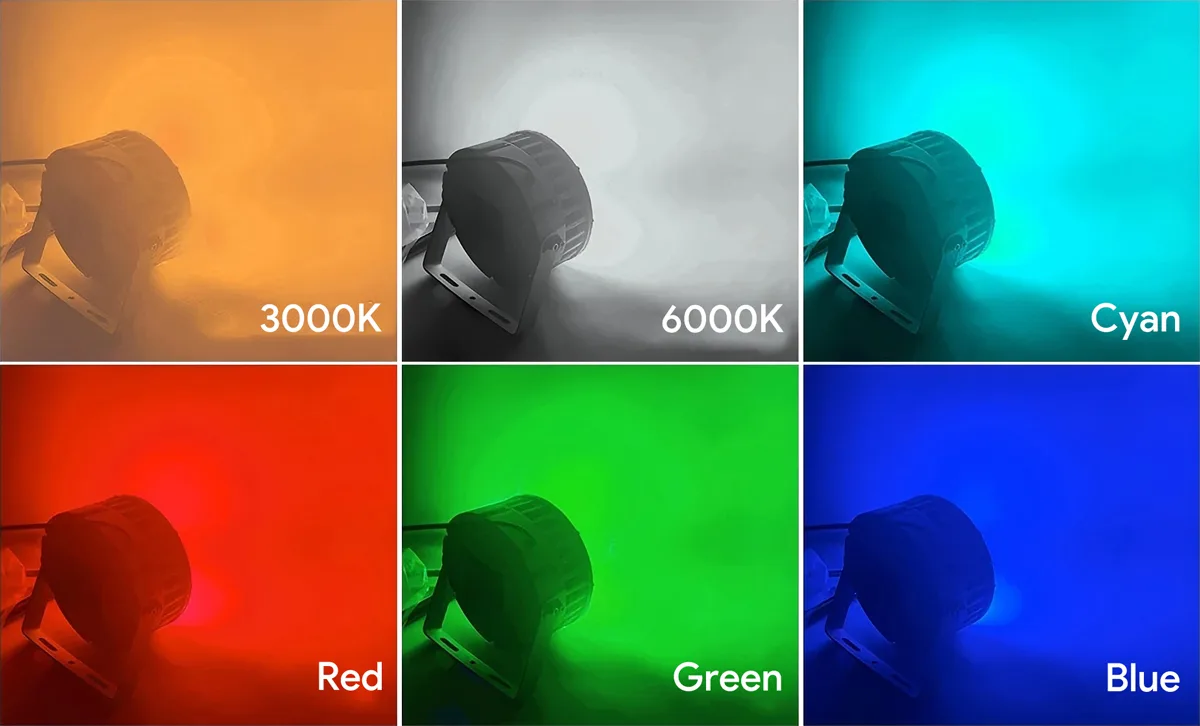
Unten sehen Sie ein Beispielbild, das zeigt, wie sich unterschiedliche Lichtfarben (weiß, grün, blau, rot) in einer Salzwasserumgebung mit einem Boot und schwimmendem Plankton verhalten. Dieses Bild zeigt Penetration, Farbsichtbarkeit und Anziehungszonen für Köderfische und Zielarten.
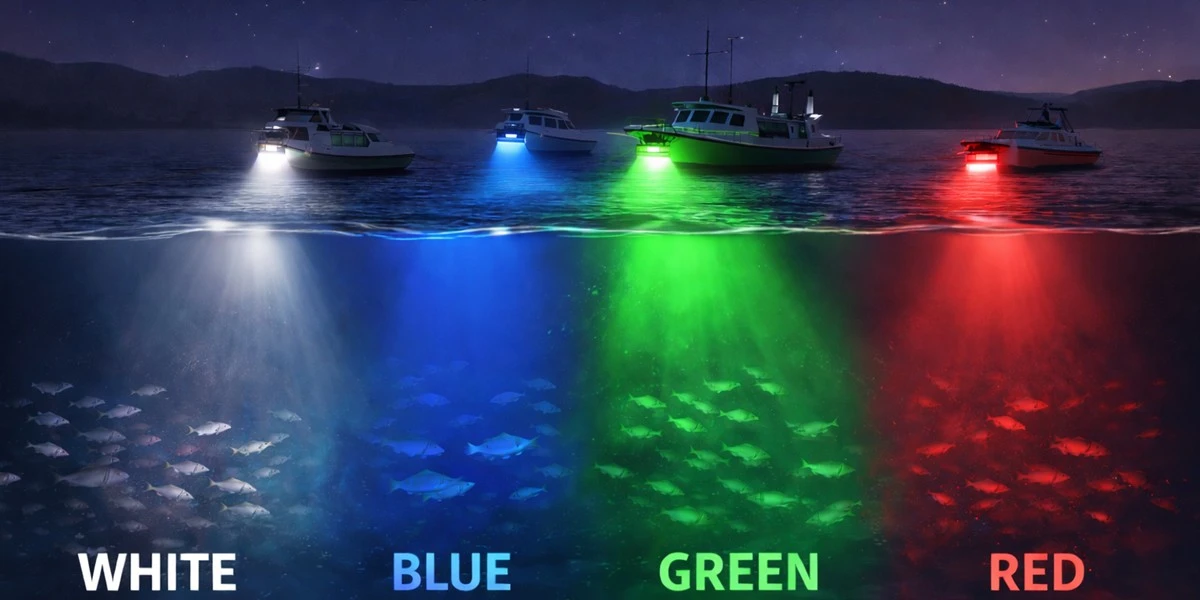
Schneller Vergleich: Salzwasserfischen helle Farben
| Helle Farbe | Bester Salzwasser-Anwendungsfall | Hauptvorteil | Beschränkung |
| Grün | Nearshore & Offshore | Ausgewogene Penetration & Anziehung | - |
| Blau | Klares, tiefes Offshore-Wasser | Weitsichtigkeit | niedrigerer Kontrast in trübem Wasser |
| Cyan | Tiefe, planktonreiche Gewässer | Hohe Durchdringung, guter Kontrast | kann in trüben Gewässern weniger effektiv sein |
| Rot | Flachwasser & gepresster Fisch | Weniger sichtbar für Fische, keine Störung | Weniger effektiv für Plankton |
| Weiß | Ufer, allgemeine Beleuchtung | Breite Ausleuchtung, gute Sicht | Weniger effektiv für das Anziehen von Plankton und Raubfisch |
Beste Angelfarben für das Süßwasserfischen
Was funktioniert am besten unter typischen Süßwasserbedingungen
In den meisten Süßwasserumgebungen - wie Seen, Stauseen und langsamen Flüssen - ist das Ziel keine extreme Penetration, sondern eine stabile Fischaggregation.
Im Vergleich zum Offshore-Fischen reagieren Süßwasserfische besser auf mäßiges, gleichmäßig verteiltes Licht als auf sehr intensive oder scharf fokussierte Strahlen.
In der Praxis werden Grün- und Cyanlicht häufig in Süßwasserfischereien eingesetzt, da sie eine sichtbare Anziehungszone schaffen, ohne Fisch zu überreizen.
Blaues Licht kann in klareren Seen wirksam sein, während rotes Licht aufgrund seiner schnellen Dämpfung in Wasser normalerweise auf sehr flache oder kurzstreckende Anwendungen beschränkt ist.
Um die Farbauswahl zu erleichtern, fasst die folgende Tabelle zusammen, wie unterschiedliche Lichtfarben in typischen Süßwasserumgebungen funktionieren.
Süßwasserfischen Licht Farbvergleich
| Helle Farbe | Typische Süßwasserleistung | Best-Use-Szenarien | Notizen |
| Grün | Starke und stabile Fischaggregation | Seen, Stauseen, langsame Flüsse | Ausgewogene Attraktion, weit verbreitet zum Nachtangeln |
| Cyan | Ähnlich wie Grün mit weicherem optischen Effekt | Klares Süßwasser, Freizeitfischen | Weniger aggressiv als grün, gut für lange Sitzungen |
| Blau | Moderater Anziehungskraft im klaren Wasser | Klare Seen, flaches Süßwasser | weniger wirksam in trübe Wasser |
| Weiß | Hohe Sichtbarkeit, breite Beleuchtung | Allgemeinbeleuchtung, kurzer Einsatz | kann Insekten anziehen; weniger selektiv |
| Rot | Begrenzte Unterwasserdurchdringung | Sehr flaches Wasser, Oberflächenbeleuchtung | Hauptsächlich zur Sicht, nicht zur primären Fischattraktion |
Praktische Tipps zur Verwendung von Angelscheinwerfern in Seen & Flüssen
Für das Süßwasserfischen sind die Platzierung und die Ausgangskontrolle häufiger als Farbe.
Wenn Sie das Licht über Wasser montieren und nach unten richten, kann sich der Strahl auf natürliche Weise ausbreiten, wodurch sich Köderfische und Raubtiere allmählich sammeln.
Die Verwendung von weniger Lichtern mit konsistenter Ausgabe liefert normalerweise bessere Ergebnisse als die Installation mehrerer Hochleistungslampen.
In den meisten kleinen bis mittelgroßen Süßwasserbooten reichen ein bis zwei richtig positionierte Angelscheinwerfer für den Nachtbetrieb.
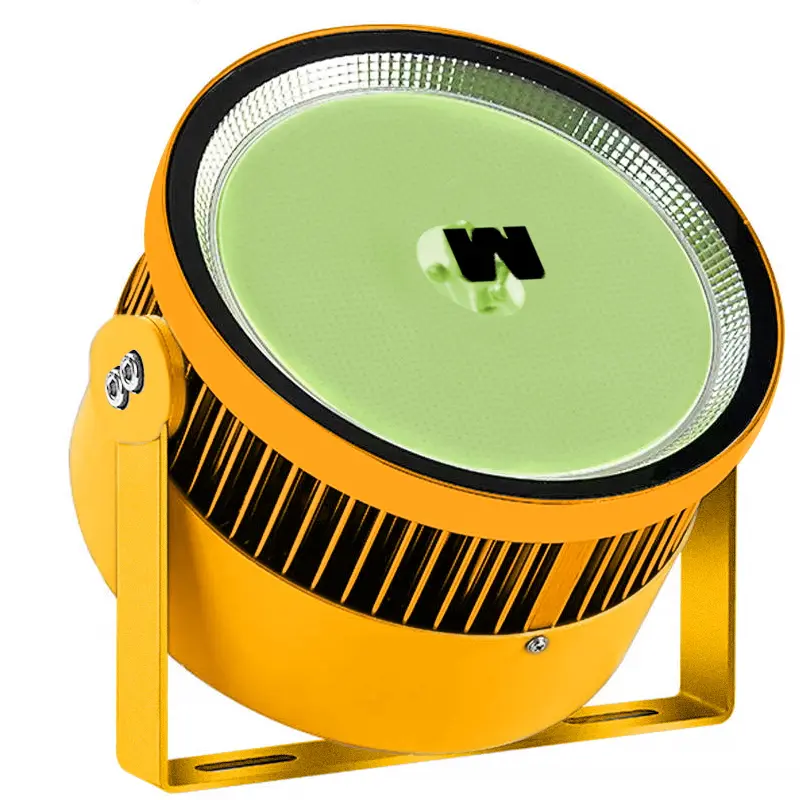
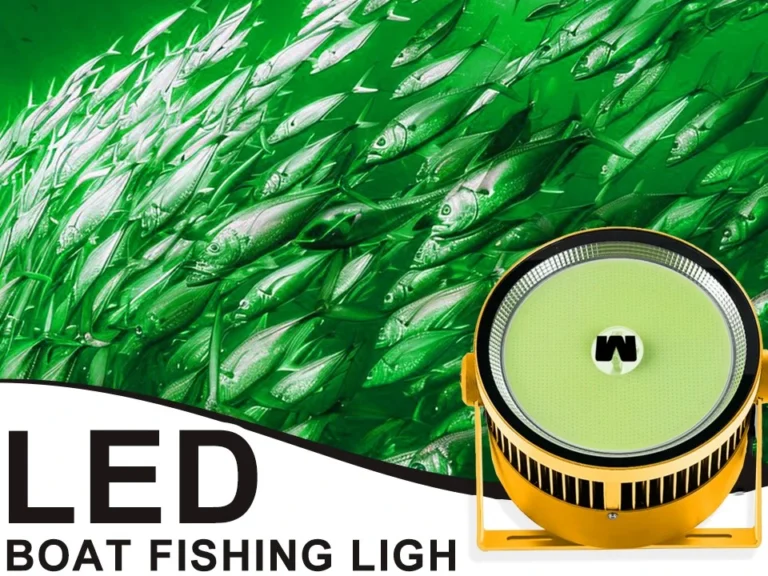
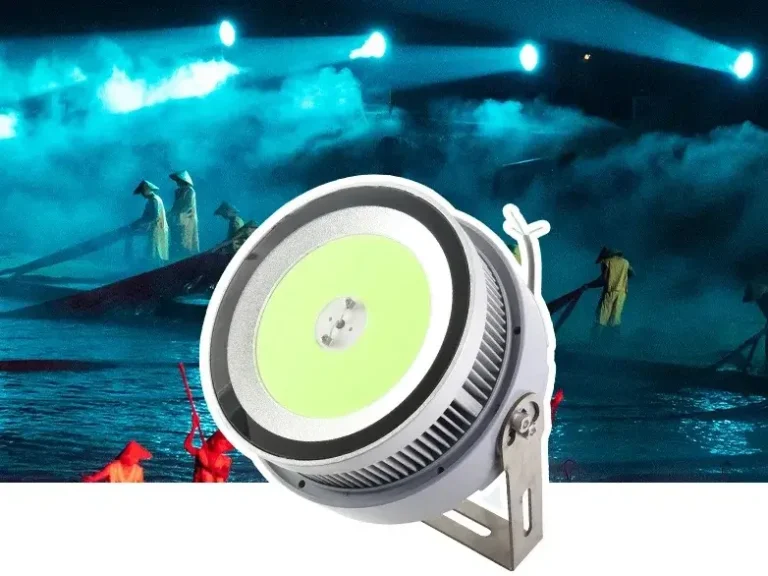
HOCHLEISTUNGSKOLBENFISCH-BELEUCHTUNG
Muster Nr..: Rund Typ
Eingangsspannung: AC100-320V
Überspannung: 10000V
Watt/Stk: 800W/1000W/1200W
LED-Typ: COB
Größe (mm): Φ230 × 140
Farbe: 3000K / 4000K / 5000K / 6000K/ Rot / Grün / Blau / Violett
CRI: >80@3000K / 4000K / 5000K / 6000K/
Lumen: >120lm/w@3000K / 4000K / 5000K / 6000K/
IP Grad: IP67
So bauen Sie ein effektives Angellicht-Setup auf
In den vorherigen Abschnitten haben wir analysiert, wie sich Lichtfarben in verschiedenen Wasserumgebungen verhalten, Fischreaktionen auf verschiedene Wellenlängen und praktische Leistung verschiedener Farben in Salzwasser und Süßwasser. Unter Berücksichtigung dieser Prinzipien besteht der nächste entscheidende Schritt darin, sie in ein reales Angellichtsystem zu übersetzen.
Die Wahl einer Fishing Light-Farbe ist nur ein Teil des Systems. Um eine stabile und effiziente Fischanziehung unter verschiedenen Wasserbedingungen zu erreichen, müssen Faktoren wie Wasserklarheit, Tiefe, Zielart und Fangmethode zusammen berücksichtigt werden. Wenn Sie sich nur auf die „Beste Farbe“ konzentrieren, führen Sie häufig zu inkonsistenten Ergebnissen.
Um diesen Prozess einfacher zu gestalten, können wir ihn in ein einfaches Entscheidungsrahmenwerk zerlegen, das Sie Schritt für Schritt vom Verständnis Ihrer Angelumgebung bis zur Bestimmung der optimalen Farbe, Anzahl der Lichter und des Layouts führt.
Entscheidungsfluss für die Beleuchtung von Angelbeleuchtung
- Identifizieren Sie die Umwelt (Süßwasser / Salzwasser / Trübung)
- Definieren Sie das primäre Ziel (Köderfisch anziehen / Ziel-Raubtiere)
- Wählen Sie Farben basierend auf Tiefen- und Eindringungsbedürfnissen (Grün / Blau / Cyan)
- Bestimmen Sie die Anzahl der Lichter und das Layout nach Bootsgröße
Empfohlene Anzahl der Angelscheinwerfer nach Bootstyp
| Bootstyp / Angelszenario | Typische Bootslänge | Empfohlene Lichtmenge | Vorgeschlagener Gesamtleistungsbereich | Notizen |
| Kleine Freizeitboote | <6 m | 1–2 Einheiten | 200–400 W | Geeignet für ruhiges Süßwasser oder Nearshore-Fischen; Anbauleuchten bevorzugt |
| Kleine kommerzielle Fischerboote | 6–10 m | 2–4 Einheiten | 400–800 W | Auch die Verteilung um das Boot verbessert die Anziehungsstabilität |
| Mittelgroße Offshore-Fischfahrzeuge | 10–20 m | 4–8 Einheiten | 800–1500 W | Breitere Lichtverteilung wichtiger als einzelne Hochleistungsleuchten |
| Große kommerzielle Fischereifahrzeuge | > 20 m | 8+ Einheiten | 1500 W und darüber | Licht sollte gleichmäßig verteilt sein für einheitliche Anziehungszonen |
| Dock / feste Angelplattformen | Festeinbau | 2–6 Einheiten | 300–1000 W | Konzentrieren Sie sich auf die Wassertiefe und den Strahlwinkel als auf die Anzahl; die Installation der Oberfläche wird bevorzugt |
Optimales Anglerlicht-Setup
- Verbesserte Betriebssicherheit
Die Montage über dem Wasser reduziert das Risiko von Wassereintritt, elektrischen Gefahren und Schäden durch Strömungen oder Schmutz im Vergleich zu untergetauchten Beleuchtungsaufbauten. - Breite Lichtabdeckung
Richtig positionierte Oberflächenlichter reflektieren und brechen in das Wasser und bilden breite Anziehungszonen, in denen Plankton, Köderfische und Zielfüßer effektiv gesammelt werden. - Einfache Wartung und Inspektion
Die Montage auf der Wasseroberfläche ermöglicht einen einfachen Zugang zur Reinigung, Einstellung und routinemäßigen Wartung, ohne dass das Wasser vom Wasser entfernt werden muss. - Flexible Installationsoptionen
Oberflächenlichter können auf Schienen, Stangen oder Halterungen um das Boot oder die Plattform montiert werden, was eine präzise Kontrolle über Strahlwinkel, Überlappung und Lichtverteilung ermöglicht.
Passende Ausgabe und Layout
Erfahrene Betreiber konzentrieren sich eher auf Systemsynergien als auf Farbe
- Passen Sie die Gesamtleistung und die Lichtverteilung an das Szenario an:
Offshore / Große Schiffe / Hochstrom → Höhere Gesamtleistung + breitere Abdeckung ruhig Süßwasser / Nearshore → Moderate Leistung + fokussierte Beleuchtung - Lichtverteilung und Überlappung sind wichtiger als einzelne Hochleistungslichter
- Erfahrene Betreiber konzentrieren sich eher auf Systemsynergien als auf Farbe
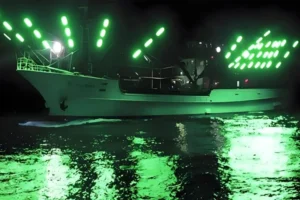
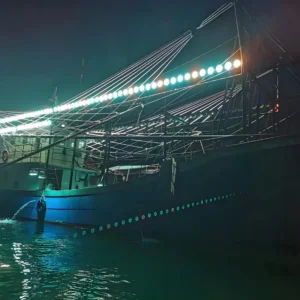
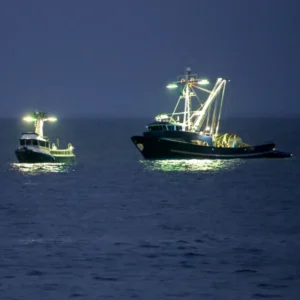
Abschluss
Während die Farbe des Angelns eine wichtige Rolle bei der Anziehung von Fischen spielt, hängt die tatsächliche Wirksamkeit eines Angellichtsystems davon ab, wie gut Farbe, Lichtleistung, Abdeckung und Installation zusammenarbeiten. Verschiedene Angelumgebungen - Süßwasser, Salzwasser, Nearshore oder Offshore - erfordern verschiedene Beleuchtungsstrategien und nicht eine einheitliche Lösung.
Grüne Angelleuchten werden weit verbreitet, da sie eine ausgewogene Kombination aus Eindringtiefe, Sicht und Energieeffizienz bieten. Die Auswahl der richtigen Anzahl von Lichtern, geeigneten Strahlwinkeln und die richtige Montagehöhe ist jedoch häufig kritischer als die Farbe allein, wenn man stabile und wiederholbare Fischergebnisse anstrebt.
Wenn Sie ein neues Angellicht-Setup planen oder ein bestehendes Upgrade durchführen, Verstehen, wie die Beleuchtung in echtem Fischzustand funktionierts Kann Ihnen helfen, Trial-and-Error zu reduzieren und die Effizienz von Anfang an zu verbessern. Weitere Informationen zu Lichttypen, Installationsmethoden und anwendungsspezifischen Empfehlungen finden Sie in unseren zugehörigen Anleitungen zum Verständnis von Angellicht, zum Booten von Lichtlösungen und zu den bootmontierten Lichtlösungen und Praktische Anwendungen über verschiedene Fangszenarien.
Verwandte Artikel