Deutsch
  English
  简体中文
简体中文  Español
  Français
  Italiano
  日本語
日本語  한국어
한국어  Polski
  Português
  Русский
  Türkçe
  Nederlands
  Tiếng Việt
  ไทย
ไทย 
Die Bewertung von Lieferanten von LED-Blattleuchten erfordert einen strukturierten Verifizierungsprozess, der mit dem Test der technischen Muster beginnt und durch Lieferantenaudit, Pilotproduktion und Validierung der Fertigung fortgesetzt wird. Ein Lieferant kann nicht allein aufgrund der Probenqualität genehmigt werden. Die Bewertung muss bestätigen, dass die Leistung, Prozesskontrolle und Fertigungsdisziplin vom ersten Prototyp bis zur Massenproduktion konsistent bleiben.
Viele Käufer haben ein vorhersehbares Problem: Erste Muster arbeiten gut, aber sobald die Bestellungen skalieren, sinken die Helligkeitskonsistenz, Änderungen des thermischen Verhaltens, Schnitttoleranzen oder die Klebkraft ab. Diese „Qualitätsverblassen“ tritt auf, wenn die Prozesskontrolle des Lieferanten die Serienproduktion nicht unterstützen kann, selbst wenn das Engineering-Team starke frühe Proben herstellen kann.
Dieser Leitfaden beschreibt ein schrittweises Bewertungssystem. Es empfiehlt keine bestimmten Lieferanten. Stattdessen wird definiert, wie Beschaffungsmanager, OEM / ODM-Käufer, Projektingenieure und Markeninhaber die Lieferanten von LED-Blattleuchten aus dem Testen von Banktests bis zur vollständigen Produktionsbereitschaft überprüfen sollten.
Stufe 1: Stichprobenauswertung
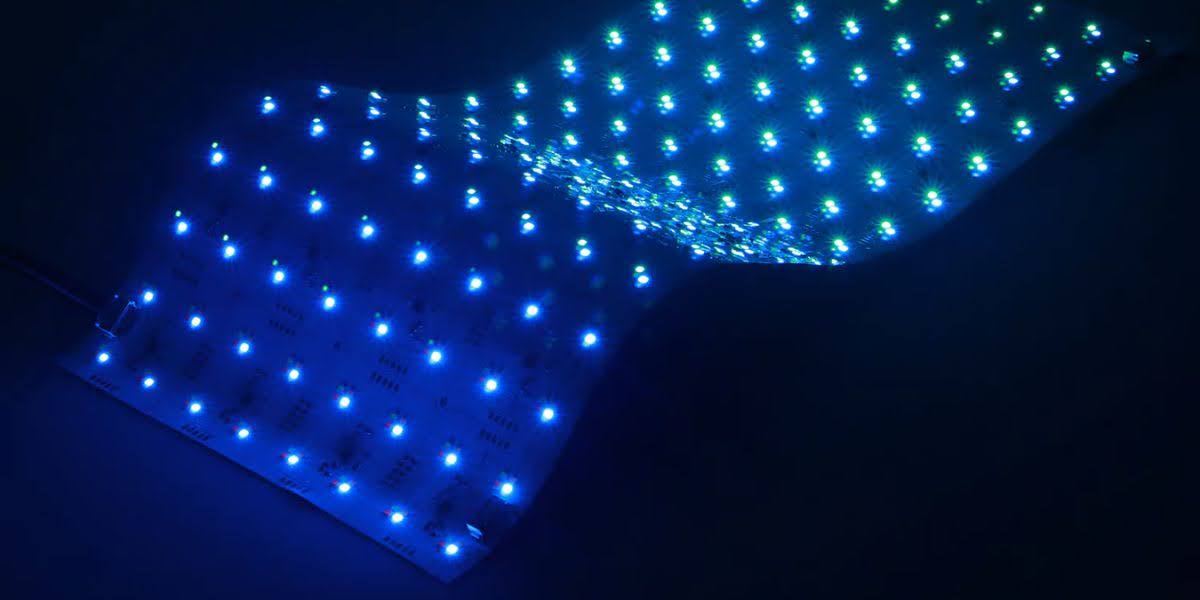
Bei Probentests geht es nicht um den ersten Eindruck. Es geht um Wiederholbarkeit unter kontrollierten Bedingungen. Jede LED-Bogenlichtprobe muss anhand messbarer Kriterien bewertet werden, die später auf Produktionschargen angewendet werden können.
Käufer sollten Proben anhand des folgenden Verifizierungsrahmens testen:
- Optische Gleichmäßigkeit über die LED-Blatt-Lichtplatte
Messen Sie die Helligkeit an mehreren Gitterpunkten. Schwankungen der Lichtstärke über das Blatt der LED-Leuchten sollten innerhalb eines definierten Toleranzbereichs bleiben. Ungleichmäßige Diffusion oder inkonsistenter Diodenabstand weisen auf mögliche Skalierungsprobleme hin. - Helligkeitsstabilität unter verlängerter Laufzeit
Führen Sie für LED-Lichtblattproben mit hoher Helligkeit kontinuierliche Tests für 8–24 Stunden durch. Verfolgen Sie Lumenabfall, Farbverschiebung und aktuelle Schwankungen. Die Stabilität unter thermischer Belastung ist wichtiger als die anfängliche Spitzenleistung. - Wärmeleistungs-Mapping
Verwenden Sie die Wärmebildgebung, um die Hotspot-Verteilung aufzuzeichnen. Vergleichen Sie die Temperaturerhöhung der Mitte mit der Kante. Übermäßige Wärmekonzentration sagt häufig eine langfristige Verschlechterung bei der Skalierung der Produktion voraus. - Mechanische Integrität von flexiblen und starren Formaten
Führen Sie für flexible LED-Lichtbogenformate Biegezyklustests durch. Bei starren Formaten eine leichte Torsionsspannung aufbringen, um die Haltbarkeit der Lötstellen zu bestätigen. Die mechanische Stabilität muss über mehrere Proben wiederholbar sein. - Schnitttoleranz und elektrische Kontinuität
Wenn die LED-Bogenleuchte Feldschnitte erlaubt, testen Sie mehrere Schnittpunkte. Stellen Sie sicher, dass die elektrische Durchgangsfähigkeit stabil bleibt und kein Kantendimmen auftritt. Inkonsistente Kupferspurenführung wird hier sichtbar. - Klebkraft und Substratverkleben
Bewerten Sie die Schälfestigkeit und die Haftstabilität unter Hitzeeinwirkung. Schwache Klebesysteme verschlechtern sich bei der Produktion in großem Maßstab aufgrund von Materialsubstitutionen häufig.
Das Schlüsselprinzip ist die Replikation. Käufer sollten mehrere Muster aus verschiedenen Produktionsdaten testen, wenn möglich. Wenn die Leistung zwischen den Einheiten variiert, fehlt dem Lieferanten wahrscheinlich die Prozesskonsistenz.
Stufe 2: Lieferanten-Hintergrund- und Fähigkeits-Audit
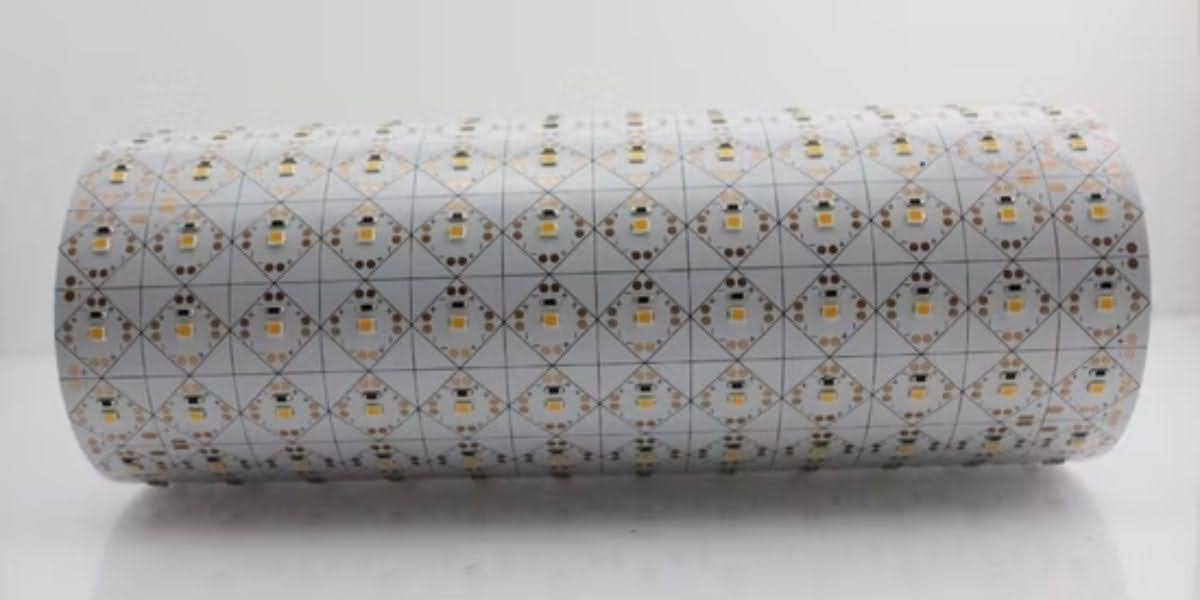
Starke Proben garantieren keinen fähigen Hersteller. Viele Lieferanten lagern Teilproduktion aus oder setzen bei Auswerteeinheiten auf kleine Engineering-Chargen. Ein Hintergrund-Audit bestimmt, ob der Lieferant konsequent produzieren kann LED-Bogenlicht bei Volumen.
Beginnen Sie mit der Prüfung der Spezialisierung. Eine Fabrik, die hauptsächlich generische LED-Streifen herstellt, hat möglicherweise keine tiefen Erfahrung in der Herstellung von LED-Lichtplatten mit hoher Helligkeit. Produktionslinien, SMT-Konfiguration und optische Diffusionskontrolle unterscheiden sich erheblich zwischen den Formaten.
Als nächstes beurteilen Sie die Engineering-Ti Benutzerdefinierte LED-Blatt Beleuchtungsprojekte Erfordern Layoutoptimierung, aktuelles Ausgleich und thermische Modellierung. Lieferanten sollten die Fähigkeit demonstrieren, die PCB-Architektur zu ändern und nicht nur die Helligkeitsstufen anzupassen. Überprüfen Sie die vorherige Projektdokumentation und die Engineering-Änderungs-Work
Auch die Produktionsgeschichte zählt. Einem Lieferanten mit begrenzten Produktionszyklen fehlt möglicherweise eine strukturierte Ertragsüberwachung. Konsistente Historie mit großen Chargen verringert das Skalierungsrisiko.
Schließlich bewerten Sie die Reife des Qualitätssystems. Der Fokus sollte nicht auf Zertifikatsanzeigen liegen. Überprüfen Sie stattdessen, ob:
- Es sind definierte Kontrollpunkte für die Inspektion.
- Prozessparameter werden dokumentiert und gesperrt.
- Technische Änderungen erfordern eine strukturierte Genehmigung.
- Die Ursachenanalyse wird aufgezeichnet und nachvollziehbar.
Ein fähiger Lieferant zeigt operative Disziplin, nicht Marketingdokumentation.
Stufe 3: Compliance & Prozessverifizierung
Bei der Compliance-Validierung geht es nicht um die Auflistung von Standards Es geht darum zu bestätigen, dass der Lieferant die Rückverfolgbarkeit und die regulatorische Übereinstimmung mit dokumentierten Beweisen nachweisen kann.
Überprüfen Sie zunächst, ob die Sicherheitsprüfung der tatsächlich gekauften LED-Bogenlichtkonfiguration entspricht. Die Dokumentation muss die Wattzahl, den Substrattyp und die Treiberkompatibilität entsprechen. Generische Zertifikate, die sich nicht auf bestimmte Build-Konfigurationen beziehen, stellen ein Risiko dar.
Zweitens bestätigen Sie die internen Qualitätsprüfpunkte. Fragen Sie, wie die Lötpaste-Inspektion überprüft wird. Überprüfen Sie, wie die Auswahl der LED-Binds aufgezeichnet wird. Untersuchen Sie, wie die Stromkalibrierung für LED-Lichtbogenvarianten mit hoher Helligkeit durchgeführt wird.
Drittens, überprüfen Sie die Rückverfolgbarkeit der Charge. Jedes Blatt LED-Leuchten sollte auf LED-Bin-Codes, PCB-Lotennummern und Montageschicht-Shift-Datensätze zurückgeführt werden. Ohne Rückverfolgbarkeit werden Feldfehleruntersuchungen unmöglich.
Unüberprüfbare Dokumentation signalisiert potenzielle Instabilität. Kann ein Lieferant nicht erklären, wie ein Testergebnis erzeugt wurde oder welche Charge es darstellt, kann die Produktionssicherheit nicht gewährleistet werden.
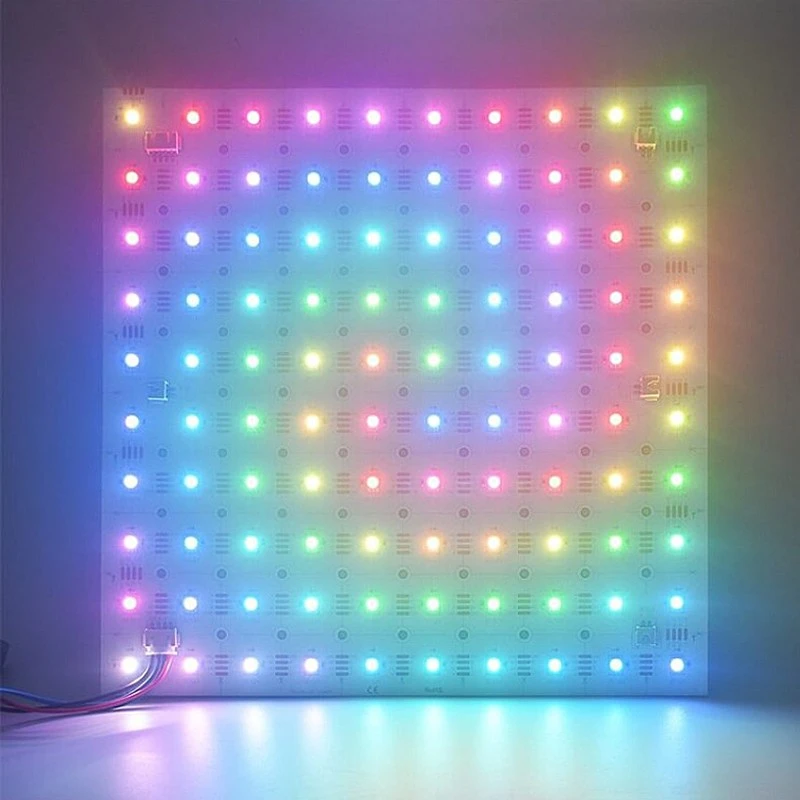
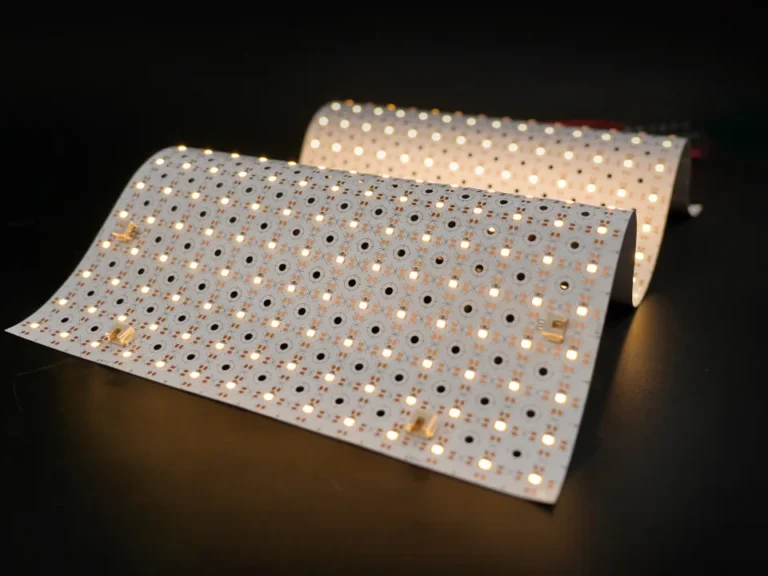
Adressierbare LED-Blätter
- Größe (L x W): 250mmx250mm
- LED-Typ: 5050 SMD
- LED-Menge: 100Stück
- IC-Typ: Eingebautes WS2812
- ic-Menge: 100Stück
- Farbe: RGBIC
- Betriebsspannung: DC 12V
- Aktuell: 1.08a
- Macht: 13w
- Lichtstrom: 20lm/LED
- Abstrahlwinkel: 120°
- Wasserdichtes Niveau: IP20 nicht wasserdicht, IP54 wasserdicht
- Lebenserwartung: > 35.000 Stunden
- Garantie: 3 Jahre
Stufe 4: Pilotlauf & Vorproduktionsvalidierung
Die Musterzulassung sollte immer von einem kontrollierten Pilotlauf erfolgen. Dies ist der Stadium, in dem echte Fertigungsstress eingeführt wird.
Die Käufer sollten die Pilotproduktion anhand dieser Kriterien bewerten:
- Replikation von Produktionseinstellungen in Kleinserien
Der Pilot sollte tatsächliche Massenproduktionswerkzeuge und -materialien verwenden, keine Prototypenkomponenten. - Konsistenz über mehrere LED-Lichtplatten
Messen Sie Helligkeit, Farbtemperatur und Leistungsaufnahme über mindestens 20–50 Einheiten. Variabilität zeigt Prozessstabilität. - Thermische Stabilität unter gruppierten Einbaubedingungen
Testen Sie mehrere Panels zusammen, um die tatsächliche Wärmeakkumulation der Anwendung zu simulieren. - Verfolgung von Ertrags- und Fehlerquoten
Fordern Sie Daten zum Prozentsatz der Produktionsausbeute an. Frühzeitige Instabilität zeigt zukünftige Skalenprobleme an. - Verpackung und Handhabungsbeständigkeit
Vibrationstests im Versand zeigen schwache Lötstellen oder Klebefehler.
Pilotläufe stellen Probleme auf, die einzelne Stichproben nicht aufdecken können. Kleinere Schwankungen der Lötrücklauftemperatur oder der LED-Bind-Mischung treten häufig nur auf, wenn die Chargengröße zunimmt.
Stufe 5: Übergang zur Massenproduktion
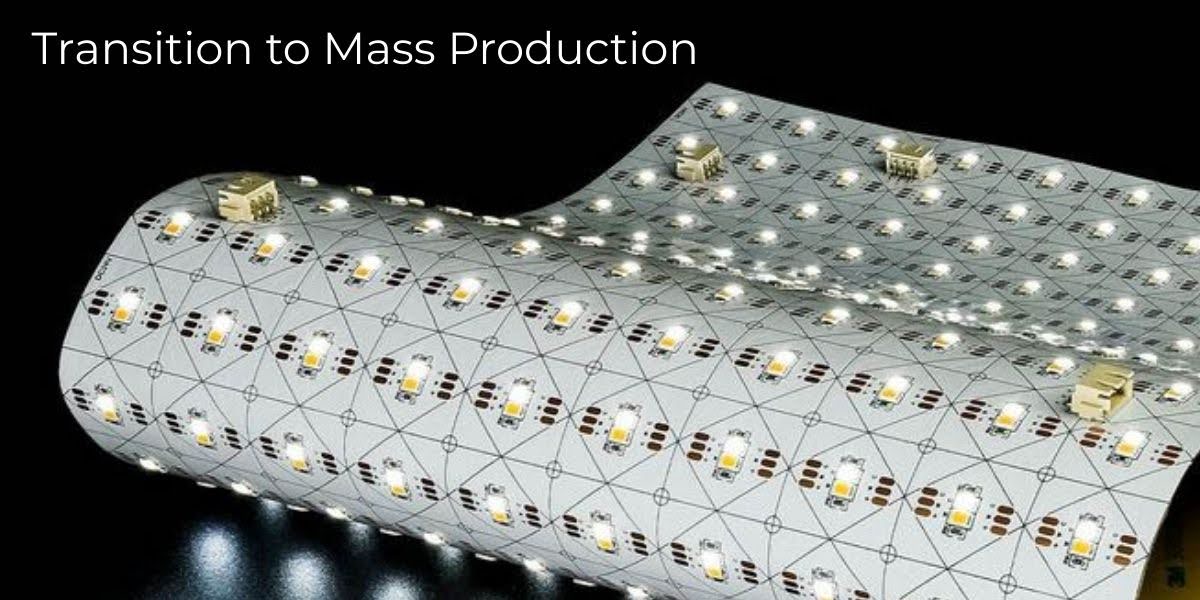
Der Übergang von der Piloten zur Massenproduktion ist der Ort, an dem die Qualität am häufigsten verblasst. Selbst leistungsstarke flexible LED-Lichtblechprodukte können sich bei steigendem Volumendruck verschlechtern.
Mehrere Faktoren tragen zu diesem Risiko bei:
Materialsubstitution ist im Maßstab üblich. Lieferanten können Klebstoffmarken, Leiterplatten-Kupferdicke oder LED-Chargen wechseln, um die Kostenziele zu erreichen. Jede Substitution beeinflusst die optische und thermische Stabilität.
Werkzeugdrift kann auftreten, wenn die Schablonenverschleiß die Lotvolumenablagerung ändert. Im Laufe der Zeit beeinflusst dies die Helligkeitsgleichmäßigkeit über das LED-Blattlichtfeld.
Das thermische Lastverhalten verschiebt sich ebenfalls im Maßstab. Bei der Produktion von LED-Lichtplatten hoher Helligkeit wird ein geringfügiges Stromungleichgewicht über große Mengen verstärkt. Die Varianz der Wärmeableitung kann zu einer vorzeitigen Lumenabwertung führen.
Prozesssperre ist kritisch. Sobald die Genehmigung des Piloten abgeschlossen ist, sollten die Lieferanten die Komponentenspezifikationen, die SMT-Parameter und die Prüfschwellen einfrieren. Jede Änderung muss eine dokumentierte technische Überprüfung auslösen.
Käufer sollten eine Bestätigung von:
- Komponenten-Sperrverfahren
- Zugelassene Lieferantenlisten für Rohstoffe
- Benachrichtigungsprotokolle ändern
- Laufende Methoden zur Leistungsüberwachung
Die Massenproduktionsbereitschaft wird durch Kontrolle und nicht durch Kapazität definiert.
Stufe 6: Laufende Qualitätskontrolle während der Massenproduktion
Die Qualitätssicherung endet nicht bei der Auftragserteilung. Kontinuierliche Überprüfung ist erforderlich, um die Leistungsstabilität in zu erhalten LED-Bogenlicht.
Die eingehende Materialprüfung stellt sicher, dass die LED-Bins den genehmigten Spezifikationen entsprechen. PCB-Substrate müssen definierte Kupferdicke- und Isolationswiderstandskriterien erfüllen.
Die Inspektion sollte die Ablagerung von Lötpasten, die Genauigkeit der LED-Platzierung und die aktuelle Kalibrierung überwachen. Die automatische optische Inspektion kann die Ausrichtungsdrift erkennen, bevor sich die Fehler vermehren.
Die Endkontrolle sollte überprüfen:
- Elektrische Kontinuität über Schnittpunkte
- Gleichmäßige Helligkeitsverteilung
- Stromverbrauch innerhalb der Toleranz
- Integrität der Klebeverbindung
Fabriken mit disziplinierter Prozesskontrolle übertreffen größere, aber lose verwaltete Operationen. Konsistenz wird durch Prozessdisziplin bestimmt, nicht durch Produktionsvolumen.
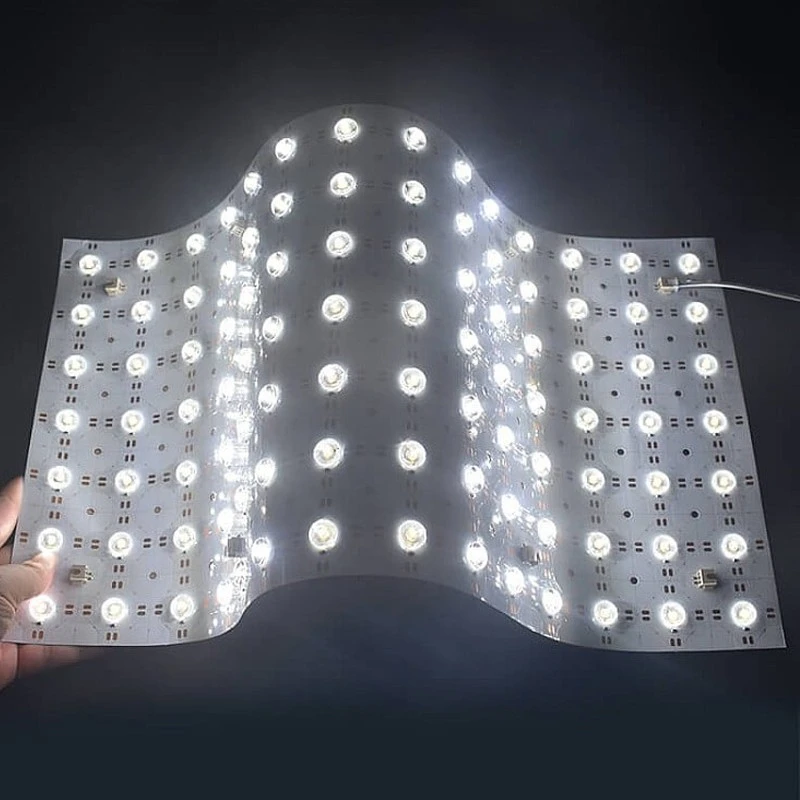
Optische Linsen-LED-Blätter
- Größe (L x B x H): 500mmx250mmx8mm
- LED-Typ: 2835 SMD
- LED-Menge: 98pcs
- Betriebsspannung: DC 24V
- Macht: 20W
- CCT: 2700K/ 3000K/ 4000K/ 6000K/ 6500K
- Leuchtender Fluss: 1800lm
- CRI:> 90ra
- Abstrahlwinkel: 180°
- Schnittgröße: 1 LED
- IP-Note: IP20 nicht wasserdicht
- Lebenserwartung: > 35.000 Stunden
- Garantie: 3 Jahre
Vergleichstabelle für Lieferantenbewertungen
| Auswertungsstufe | Welcher Käufer sollte überprüfen | Warum es in der Größe wichtig ist | Risiko, wenn übersprungen |
| Musterprüfung | Optische Gleichmäßigkeit, thermische Stabilität, Wiederholbarkeit | Erkennt frühe Designschwächen | Versteckte Mängel treten in der Produktion auf |
| Lieferantenaudit | Tiefbautiefe, Prozessdisziplin, Produktionsgeschichte | bestätigt die Fähigkeit, zuverlässig zu skalieren | Starke Proben aus schwachen Fabriken |
| Compliance-Prü | Nachvollziehbare Dokumentation, Chargenaufzeichnungen | Ermöglicht Fehlerverfolgung | Unkontrolliertes regulatorisches Risiko |
| Lotsen | Konsistenzkennzahlen für die Chargen, Ertragsrate | Simuliert Produktionsstress | Qualität verblasst nach Auftragsbestätigung |
| Massenproduktionsschloss | Materialkontrolle, Werkzeugstabilität | Verhindert Drift im Laufe der Zeit | Leistungsrückgang über Chargen |
Häufige Käuferfehler
Viele Beschaffungsteams genehmigen Lieferanten nur aufgrund der Erstmusterleistung. Dies ignoriert Prozessfähigkeit und Skalierungsdisziplin.
Das Überspringen von Pilotenläufen ist ein weiterer häufiger Fehler. Ohne Stapelreplikation bleiben versteckte Ertragsprobleme unentdeckt.
Käufer gehen oft davon aus, dass sich flexible LED-Lichtblechprodukte im Volumen gleich verhalten wie in kleinen Testchargen. In der Realität ändern sich Löttoleranz, Kupferspurenspannung und Wärmeverteilung mit der Produktionsskala.
Ein weiterer Fehler ist das Übersehen der internen Rückverfolgbarkeit. Wenn in Feldinstallationen ein Fehler auftritt, verhindert das Fehlen einer Batch-Dokumentation die Ursachenanalyse.
Die Lieferantenbewertung muss über Preisvergleiche und ästhetische Inspektion hinausgehen. Es erfordert eine strukturierte Überprüfung von der ersten Probe bis zur laufenden Produktionsüberwachung.
Abschluss
Die Bewertung von Lieferanten von LED-Blattleuchten ist eine prozessgesteuerte Übung, die Schritt für Schritt von der Probenvalidierung zur Massenproduktion übergeht. Starke Proben sind notwendig, aber nicht ausreichend. Echte Lieferantenfähigkeit wird durch Wiederholbarkeit, Rückverfolgbarkeit, Pilotreplikation und Prozesssperre nachgewiesen.
Qualitätsverbund zwischen Probe und Skala ist vermeidbar, wenn Käufer in jeder Phase eine strukturierte Überprüfung durchführen. Beschaffungsentscheidungen sollten auf der Prozesskontrollstärke und nicht auf der ersten Preisgestaltung oder auf den ersten Eindrücken basieren.
Von der Prüfstandsprüfung bis zur Volumenstabilität ist die Lieferantenbewertung ein System. Bei rigoroser Anwendung schützt es Leistung, Zuverlässigkeit und langfristige Produktintegrität.
FAQs
Verwandte Artikel