Deutsch
  English
  简体中文
简体中文  Español
  Français
  Italiano
  日本語
日本語  한국어
한국어  Polski
  Português
  Русский
  Türkçe
  Nederlands
  Tiếng Việt
  ไทย
ไทย 
Die LED-Beleuchtungsindustrie hat moderne Beleuchtung für Wohn-, Gewerbe-, Industrie- und Automobilanwendungen verändert. LEDs werden für hohe Energieeffizienz, lange Lebensdauer und kompakte Größe bevorzugt. Ihre Leistung hängt jedoch stark von der Leiterplattenkonstruktion, der SMT-Montagequalität und der Zuverlässigkeit der Lötverbindung ab. Auch kleinere Montagefehler können zu Flackern, Farbinkonsistenz, Hotspot-Bildung oder vorzeitigem Ausfall führen.
Dieser Leitfaden untersucht
- Strategien zur Verbesserung der PCB-LED-Zuverlässigkeit
- Schwerpunkt auf SMT-Best Practices, Optimierung der Lötverbindung und Thermomanagement.
- Helfen Sie den Herstellern, hochwertige und langlebige LED-Systeme zu erreichen.
Häufige Herausforderungen bei der Zuverlässigkeit von PCB-LEDs
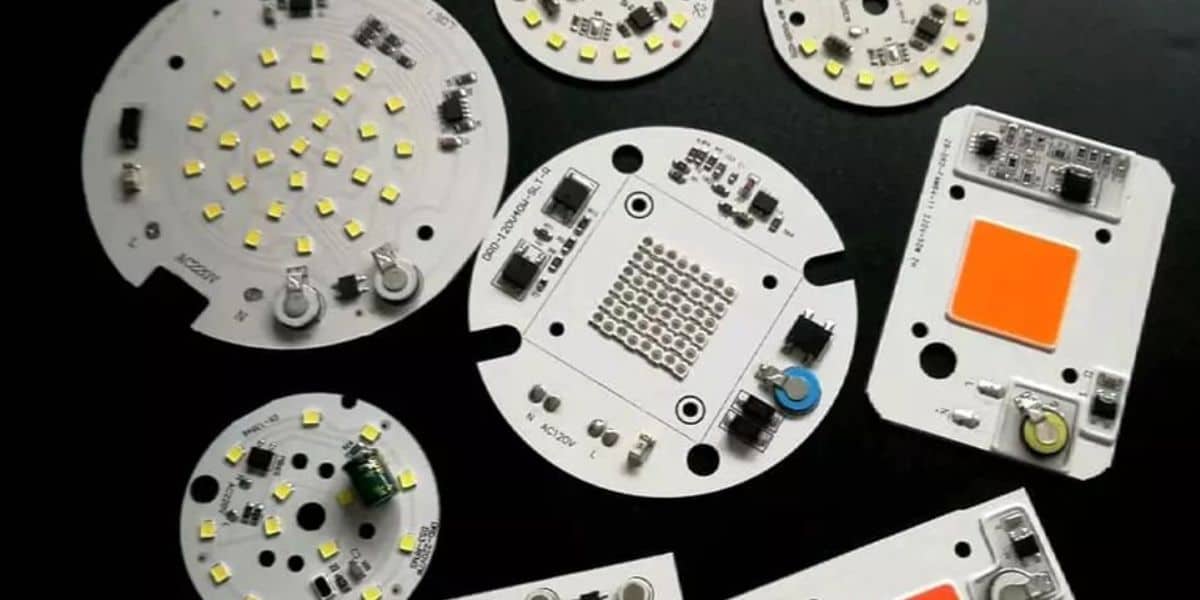
LEDs sind sehr empfindlich gegenüber thermischen, elektrischen und mechanischen Belastungen. Schlechtes Design oder Montage kann Leistung und Lebensdauer beeinträchtigen. Typische Herausforderungen sind:
- Gerissene oder offene Lötverbindungen, die zu intermittierenden Verbindungen führen.
- Wärmebelastung, die PCB-Wölbung und Komponentenverschlechterung verursacht.
- Elektromigration schädigt Kupferspuren unter hoher Stromdichte.
- Mechanische Belastung durch Handling, Transport oder thermische Radfahren.
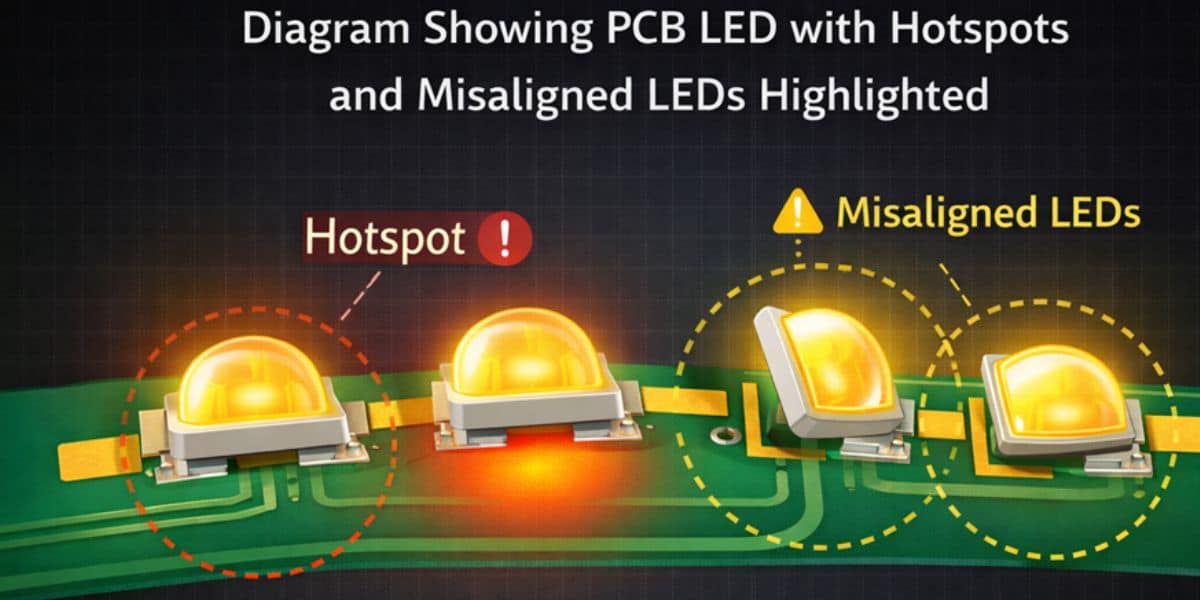
- Fehlausrichtungs-LEDs, die zu ungleichmäßiger Lichtleistung oder sichtbaren Hotspots führen.
Tabelle 1: Auswirkungen von PCB- und SMT-Problemen auf die LED-Zuverlässigkeit
| erlassen | bedingen | Wirkung auf LED-System |
| Gebrochene Lötverbindungen | Thermo-Radfahren, mechanische Belastung | Flackern, offene Schaltungen |
| fehlerhafte LEDs | Pick-and-Place-Fehler | ungleichmäßige Lichtverteilung |
| Thermische Hotspots | Schlechte Wärmeableitung | Lumenabschreibung, frühes Versagen |
| Elektromigration | Hohe Stromdichte, dünne Spuren | Spurenschaden, Ausfall im Laufe der Zeit |
| Löthohlräume | Unsachgemäße Pastenablagerung | Reduzierte thermische/elektrische Leitfähigkeit |
Überlegungen zur Oberflächenmontagetechnik (SMT)
SMT ermöglicht eine präzise LED-Platzierung, kleinere Formfaktoren und eine verbesserte elektrische Leistung. Schlechte SMT-Praktiken verringern jedoch die Zuverlässigkeit.
1: Leiterplattendesign für SMT
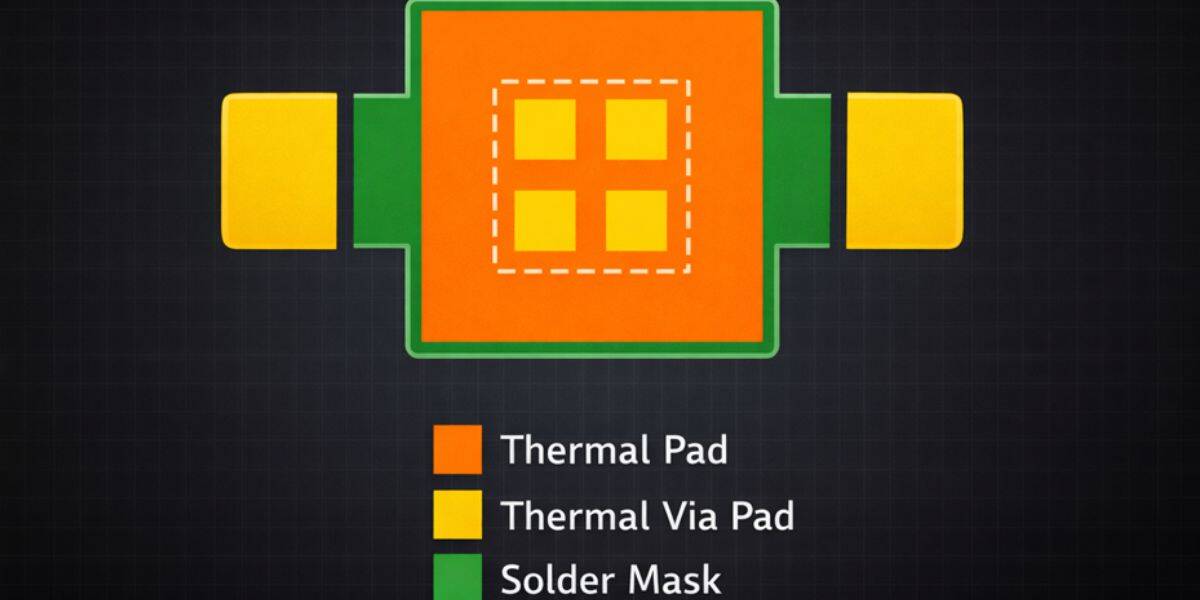
Ein ausgereiftes PCB-Layout unterstützt Zuverlässigkeit:
| Gestaltungselement | Beste Praxis |
| Pad Größe und Form | Achten Sie auf eine ordnungsgemäße Lötbenetzung und vermeiden Sie Überbrückungen |
| Thermopolster | Verbessern Sie die Wärmeableitung für Hochleistungs-LEDs |
| Lötmaskendesign | Verhindern Sie das Verschütten von Lötstellen und halten Sie die Platzierungsgenauigkeit |
| Spurbreite & Kupfer | Niedrigen Widerstand beibehalten und Strom effizient umgehen |
2: Pick-and-Place-Genauigkeit
Richtige Platzierung ist entscheidend für eine einheitliche Beleuchtung:
- Düsenauswahl, Platzierungsgeschwindigkeit und Druck müssen optimiert werden.
- Eine Fehlausrichtung kann zu optischen Inkonsistenzen und mechanischen Belastungen führen.
- Regelmäßige Kalibrierung reduziert Platzierungsfehler und Nacharbeit.
3: Anwendung für Lötpaste
Qualität und Anwendung von Lötpasten sind von entscheidender Bedeutung:
- Eine lückenlose, hochwertige Paste sorgt für eine gleichmäßige Benetzung.
- Präzisionsschablonen verhindern unzureichendes oder übermäßiges Löten.
- Der Flussmittelgehalt muss geeignet sein, um eine Oxidation zu verhindern.
Zuverlässigkeit der Lötverbindung
Lötstellen bilden die mechanische und elektrische Verbindung zwischen LEDs und Leiterplatten. Schlechtes Löten ist eine Hauptfehlerursache.
1: Auswahl der Lötlegierung
- SAC305 (SNAGCU) ist der bleifreie Standard.
- Niedrig schmelzende Legierungen reduzieren die thermische Belastung beim Reflow.
- Legierung muss mit PCB-Finish (ENIG, HASL, OSP) kompatibel sein.
2 : Optimierung des Reflow-Profils
Die Rücklauftemperatur muss kontrolliert werden:
- Vorheizen, Einweichen und Spitzentemperaturen müssen den Empfehlungen der Hersteller entsprechen.
- Vermeiden Sie Überhitzung von LEDs oder Pads, um einen Wärmeschock zu vermeiden.
- Kontrollierte Kühlung reduziert Rissrisiken.
3: Lötstellengeometrie
Richtige Gelenkform verbessert Festigkeit und Leitfähigkeit:
- Die Filethöhe sollte das Pad ohne überschüssiges Lötmittel abdecken.
- Glatte, konkave Filets reduzieren die Bildung von Hohlräumen.
- Koplanarität sorgt für stabilen elektrischen Kontakt.
4: Inspektion und Qualitätskontrolle
- Die automatische optische Inspektion (AOI) erkennt sichtbare Defekte.
- Die Röntgeninspektion identifiziert versteckte Hohlräume in Wärmeleitpads.
- Regelmäßige Prozessaudits sorgen für gleichbleibende Qualität.
Tabelle 2: Empfohlene Lötfilet-Spezifikationen für LEDs
| LED-Typ | Filethöhe (mm) | Gelenkwinkel | Notizen |
| 0,2–0,5 w LEDs | 0,2–0,3 | 45–60 ° | Standard-Oberflächenmontage-LED |
| 1–3 W LEDs | 0,3–0,5 | 45–70 ° | Hochleistungs-LEDs benötigen thermische Unterstützung |
| > 5 W LEDs | 0,4–0,6 | 60–75 ° | Verwenden Sie thermische Durchkontaktierungen und Metallkern-Leiterplatten |
Thermomanagement für SMT-LEDs
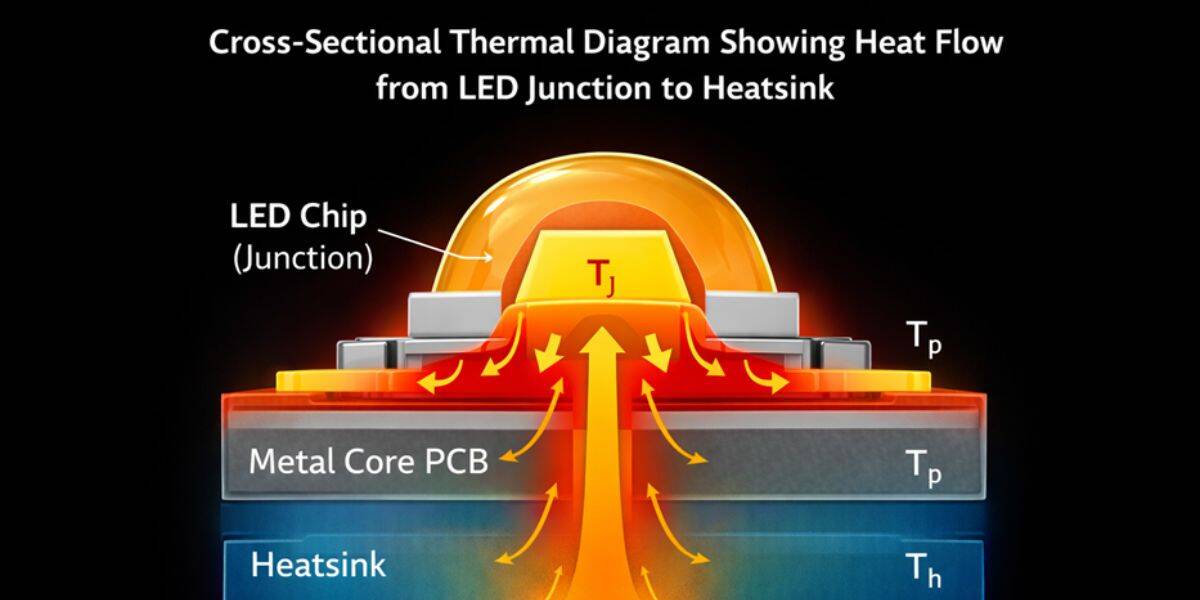
Wärme ist am meisten Kritischer Faktor für LED-Zuverlässigkeitdrohen Hohe Temperaturen beschleunigen die Lumenabwertung und verkürzen die Lebensdauer.
Schlüsselstrategien:
- Aluminium-Kern-Leiterplatten verbessern die Wärmeableitung.
- Thermische Durchkontaktierungen unter LEDs übertragen Wärme auf größere Kupferebenen.
- Kühlkörper und TIMs sind für Hochleistungsanwendungen unerlässlich.
- Korrekter LED-Abstand verhindert Hotspots und sorgt für eine gleichmäßige Temperaturverteilung.
Häufige Probleme mit SMT und Löten
| erlassen | bedingen | Lösung |
| Grabstein | Ungleichmäßige Oberflächenspannung beim Reflow | Passen Sie das Volumen und das Profil des Lötpastens an |
| Lötbrücke | Überschüssiges Lot, falsch ausgerichtete Pads | Pastenablagerung reduzieren, Schablone verbessern |
| Kaltlötverbindungen | Schlechte Benetzung, niedrige Temperatur | Reflow-Profil und Löttyp optimieren |
| Entleerung | eingeschlossene Luft oder Fluss | Verwenden Sie eine geringe Hohlpaste, ordnungsgemäße Reflow |
Best Practices für zuverlässige Leiterplatten-LED-Montage
Design für Herstellbarkeit (DFM): Ausrichten von Pads, Spuren und Wärmepfaden mit SMT-Funktionen.
- Verwenden Sie hochwertige Lötpaste: Hohlraum-, konsistente Legierung mit richtigem Fluss.
- Kontrolliertes Reflow-Profil: Überhitzung und schnelles Abkühlen verhindern.
- Inspektion: Aoi, Röntgen- und manuelle Überprüfungen.
- Handhabung: Minimieren Sie die mechanische Belastung während des Transports und der Montage.
- Thermisches Design: Metallkern-Leiterplatten, thermische Durchkontaktierungen und Kühlkörper.
- Standardisierte Prozesse: Die Dokumentation sorgt für Wiederholbarkeit.
Fallstudie: High-Power-LED-Modul
Ein industrielles LED-Modul mit Hochregal-Lötverbindungen aufgrund von Wärmekreislauf.
Verbesserungen umgesetzt:
- auf Aluminium-Kern-Leiterplatten umgestellt.
- Optimierte Lotpastenablagerung.
- kontrollierte Reflow-Profile.
- Thermovisier unter LEDs hinzugefügt.
Ergebnisse:
- 30% Reduktion von Lötstellenfehlern.
- Verbesserte Lumenwartung nach 5.000 Betriebsstunden.
Aufkommende Trends in der Leiterplattenmontage
- Niedertemperaturlötlegierungen reduzieren die thermische Belastung.
- Bleifreies Löten sorgt für die Einhaltung der Vorschriften ohne die Zuverlässigkeit zu verringern.
- AI-gestützte Inspektion erkennt Fehler schneller als herkömmliche Methoden.
- Fortschrittliche PCB-Materialien mit hoher Wärmeleitfähigkeit verbessern die Wärmeableitung.
- 3D-Thermosimulationen prognostizieren Hotspots vor der Produktion.
Zusätzliche Tipps für Hersteller
- Verwenden Sie die Schablonen-Design-Software für die präzise Lotpastenablagerung.
- Führen Sie thermische Simulationen durch, um Hotspots vor der Produktion zu vermeiden.
- Pick-and-Place-Maschinen regelmäßig kalibrieren.
- Halten Sie die kontrollierte Luftfeuchtigkeit und Temperatur in den Montagebereichen aufrecht.
- Verwenden Sie Schutzbeschichtungen für Umgebungen mit hoher Luftfeuchtigkeit.
Abschluss
Die Zuverlässigkeit der PCB-LED hängt von der Qualität der SMT-Baugruppe, der Integrität der Lötverbindung und dem Wärmemanagement ab. Richtiges Design, Löten und Prozesskontrolle verhindern Ausfälle, verbessern die Leistung und verlängern die Lebensdauer der LED. Hersteller, die optimierte Layouts, hochwertige Lötung und fortschrittliche Wärmestrategien implementieren, erreichen zuverlässige, langlebige LED-Systeme mit gleichbleibender Lichtleistung.
Für leistungsstarke, langlebige LED-Lösungen vertrauen Sie auf fachkundig konstruierte Leiterplatten-LED-Baugruppen. Wir konzentrieren uns auf die SMT-Optimierung, das präzise Löten und das fortschrittliche Thermomanagement, um eine zuverlässige Beleuchtung zu liefern.
Kontakt Signlited heute Um Ihre Produktqualität zu verbessern, Ausfälle zu reduzieren und überlegene LED-Leistung zu gewährleisten.
FAQs
Verwandte Artikel