Español
  English
  简体中文
简体中文  Deutsch
  Français
  Italiano
  日本語
日本語  한국어
한국어  Polski
  Português
  Русский
  Türkçe
  Nederlands
  Tiếng Việt
  ไทย
ไทย 
La cadena de suministro de PCB LED en 2026 se define por cambios estructurales en lugar de disrupción a corto plazo. La demanda de iluminación, pantallas y sistemas de LED integrados sigue aumentando, pero la oferta se basa en la diversificación regional, las dependencias más estrictas de los componentes y la planificación impulsada por datos en lugar de un exceso de capacidad. Como resultado, los plazos de entrega para los productos LED de PCB son menos predecibles, lo que obliga a los fabricantes, ingenieros y compradores a planificar la incertidumbre en lugar de los horarios fijos.
¿Qué está cambiando en la cadena de suministro de PCB LED en 2026?
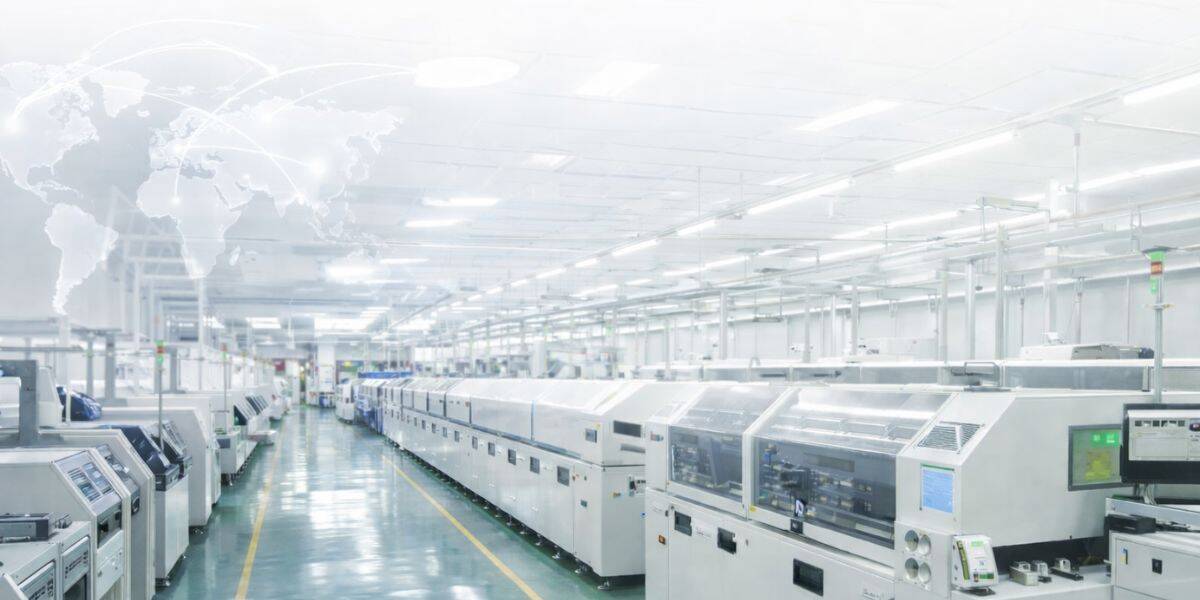
El entorno de la cadena de suministro que ingresa a 2026 no es un regreso a las normas previas a la interrupción. Varios cambios subyacentes ahora son permanentes y los PCB LED se ven afectados de manera específica en comparación con los PCB generales.
Los cambios clave que dan forma a 2026 incluyen:
- Presión sostenida de la demanda global
Las aplicaciones de LED continúan expandiéndose a través de proyectos de infraestructura arquitectónica, industrial, automotriz e inteligente. Esta demanda es estable en lugar de cíclica, lo que limita la capacidad ociosas en toda la cadena de suministro. - Realineamiento estructural de abastecimiento y producción
Los fabricantes ya no optimizan solo por costo. El equilibrio regional, la continuidad de la oferta y la exposición al riesgo ahora influyen en las decisiones de abastecimiento en todos los niveles. - Dependencias específicas de LED
A diferencia de las placas estándar, un LED PCB integra componentes ópticos, térmicos y electrónicos que deben alinearse con precisión. Esto hace que los PCB LED sean más sensibles a la disponibilidad de componentes y a las discrepancias de programación.
Estos cambios significan que las restricciones de suministro suelen ser indirectas. Una placa puede ser fabricable, pero retrasada por una sola dependencia ascendente.
Tendencias clave de la cadena de suministro de PCB LED que definen 2026
Las tendencias que dan forma a la cadena de suministro de PCB LED en 2026 son de naturaleza a largo plazo. Influye en la disponibilidad, la programación y la planificación de las suposiciones en lugar de las operaciones diarias.
Automatización y planificación impulsada por IA
Los fabricantes dependen cada vez más de los sistemas de planificación automatizados para administrar la capacidad, los materiales y la programación. Estos sistemas mejoran la eficiencia interna, pero también aprietan las ventanas de producción.
- La capacidad se asigna antes y se bloquea más rápido
- Los cambios de diseño tardíos tienen un mayor impacto de programación
- Los pedidos de corto plazo son más difíciles de absorber, incluso si el volumen es pequeño
Para LED PCB proyectos, esto significa que los plazos de entrega son más sensibles a la precisión de la planificación que en el pasado.
Diversificación regional y cercanía
El enfoque "China+1" ahora es estándar en lugar de experimental. La producción se distribuye en múltiples regiones para reducir la exposición al riesgo de un solo país.
Los efectos en la cadena de suministro de PCB LED incluyen:
- Ciclos de calificación más largos para nuevos proveedores
- Variación en la disponibilidad de materiales entre regiones
- Diferencias en la fiabilidad del tiempo de entrega en lugar de la velocidad absoluta
NearShoring mejora la resiliencia pero no elimina los retrasos. Cambia dónde y cómo aparecen.
Complejidad tecnológica y presión de disponibilidad
Los diseños de PCB LED se están volviendo más específicos de la aplicación. Los diseños térmicos, la integración de control actual y las restricciones de factor de forma aumentan la complejidad.
A medida que aumenta la complejidad:
- Menos instalaciones pueden manejar ciertos requisitos de placa de PCB personalizado
- La validación de ingeniería tarda más tiempo antes de que pueda comenzar la producción
- La alineación de componentes se vuelve más crítica para la programación
Los diseños complejos reducen la flexibilidad cuando cambian las condiciones de suministro.
Impacto de Sostenibilidad e Material de Abastecimiento de
Las regulaciones ambientales y los objetivos de sostenibilidad están influyendo en las opciones de materiales y la calificación de los proveedores.
Esta tendencia afecta:
- Disponibilidad de material base
- Acabados superficiales y procesos compatibles
- Cronologías de aprobación de proveedores
Si bien la sostenibilidad mejora la estabilidad a largo plazo, puede introducir variabilidad del tiempo de entrega a corto plazo durante las transiciones.
Por qué los plazos de entrega son menos predecibles para los PCB LED
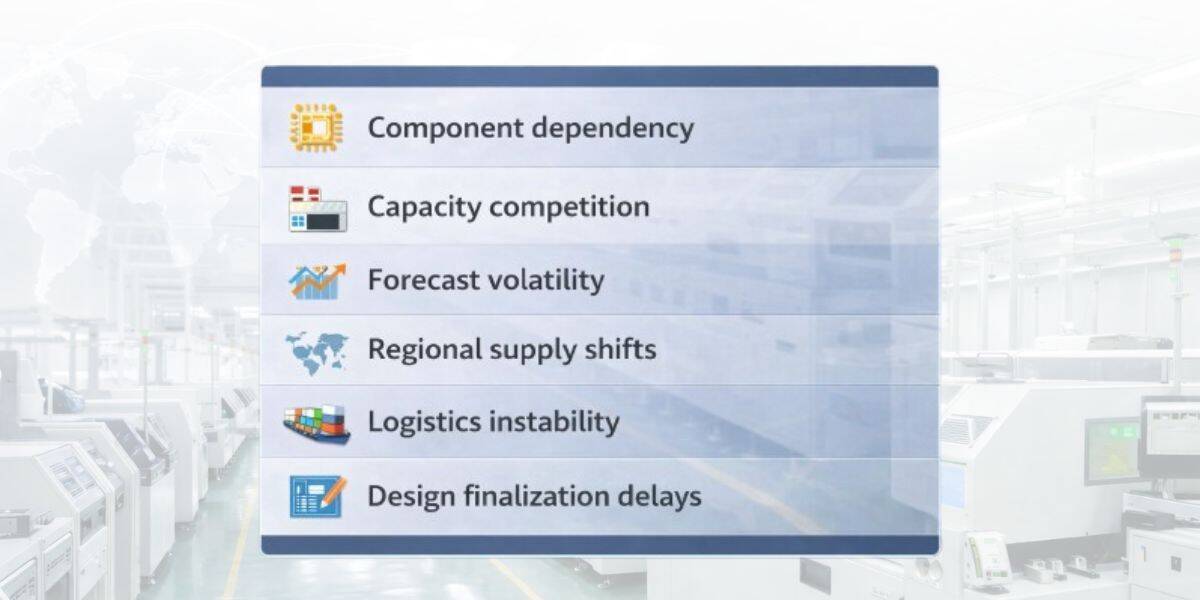
La inestabilidad del tiempo de entrega en 2026 está impulsada por múltiples factores superpuestos en lugar de un solo cuello de botella. Para los PCB LED, estos factores se componen.
Dependencia de componentes
Los PCB LED dependen de LED específicos, controladores y componentes de soporte que no siempre son intercambiables.
- Sustitución de límites de consistencia de rendimiento y binning LED
- Disponibilidad del conductor CAN GATE FINALE
- La escasez de componentes menores puede retrasar las tablas completadas
Incluso cuando existe la capacidad de fabricación de PCB, los componentes faltantes pueden extender las líneas de tiempo.
Competencia de capacidad
La producción de alto volumen y mezcla está compitiendo con contratos de gran volumen para los mismos recursos de fabricación.
Esto resulta en:
- Prioridad dada a pedidos a largo plazo o con respaldo de pronóstico
- Reducción de la flexibilidad para la producción no planificada
- Volatilidad de programación para ejecuciones personalizadas más pequeñas
Los plazos de fabricación de PCB personalizados están cada vez más influenciados por la forma en que se comunica la demanda temprana.
Inestabilidad logística
La confiabilidad del transporte sigue siendo desigual en todas las regiones.
Los factores incluyen:
- Variabilidad de congestión de puertos
- Cambio de requisitos de cumplimiento comercial
- Límites de capacidad de transporte regional
Los retrasos en la logística a menudo aparecen tarde en el proceso, lo que dificulta la mitigación una vez que se completa la producción.
Riesgos de tiempo de entrega comunes que enfrentan los compradores en 2026
Los riesgos del tiempo de entrega en 2026 se entienden mejor como categorías en lugar de eventos aislados. Los compradores a menudo encuentran múltiples riesgos simultáneamente.
- Retrasos de material
Los materiales o acabados base pueden tener periodos de asignación prolongados, especialmente para tableros especializados. - Cuellos de botella de componentes
Los LED, los controladores o los componentes de control pueden convertirse en la ruta crítica, incluso cuando la fabricación de PCB esté lista. - Disrupción geopolítica
Los cambios de política, las restricciones comerciales o la inestabilidad regional pueden afectar las rutas de abastecimiento con poca antelación. - Desequilibrio de capacidad de fabricación
Ciertas instalaciones pueden estar sobrevendidos mientras que otras carecen de calificación para requisitos específicos de PCB LED.
Estos riesgos no siempre causan grandes retrasos individualmente, pero juntos reducen la certeza del cronograma.
Cómo los fabricantes y compradores pueden reducir el riesgo de tiempo de entrega
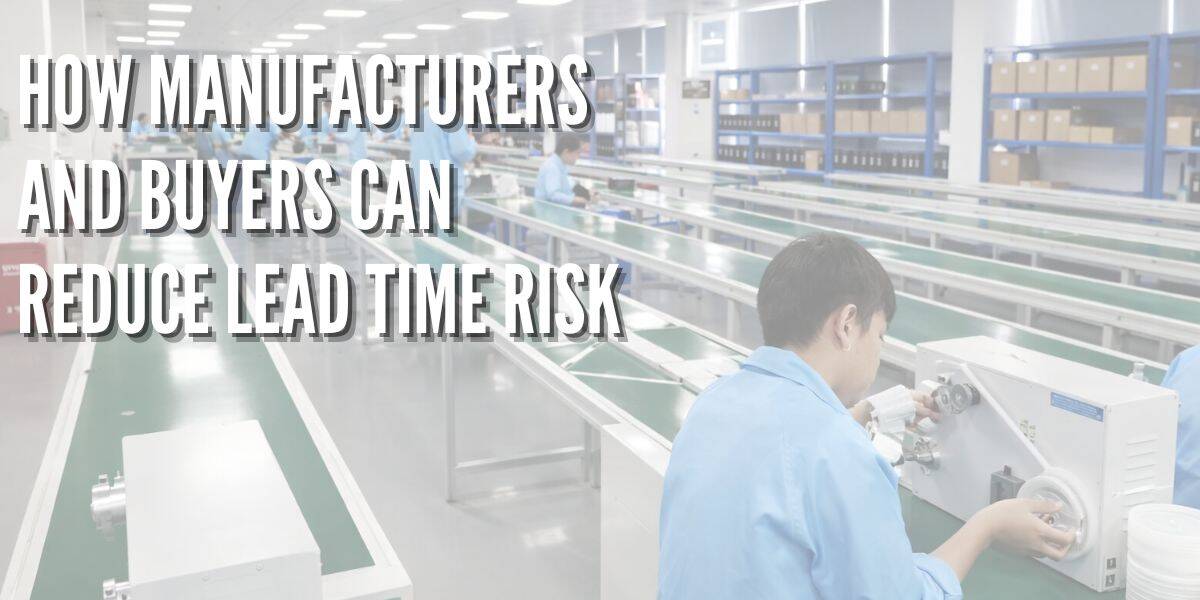
Reducir el riesgo de tiempo de entrega en 2026 se trata de gestionar la incertidumbre en lugar de eliminarla. Los enfoques efectivos se centran en la preparación y la alineación.
Preparación para el diseño
Los diseños estables reducen el retrabajo y la reprogramación.
- Los diseños finalizados limitan los cambios de ingeniería de última hora
- Requisitos térmicos y eléctricos claros Reducen los ciclos de aclaración
- Las selecciones de componentes alineadas con la disponibilidad mejoran la continuidad
La madurez del diseño influye directamente en la fiabilidad de la programación.
Compartir pronóstico
La visibilidad de la demanda temprana y realista permite una mejor planificación de la capacidad.
- Las previsiones no vinculantes siguen ayudando a asignar recursos
- Los pronósticos continuos reducen los picos de demanda repentinos
- La transparencia mejora la alineación de prioridades
La precisión del pronóstico importa más que la precisión.
Diversificación de proveedores
Dependiendo de una sola fuente aumenta la exposición a la interrupción localizada.
- Múltiples proveedores calificados mejoran la resiliencia
- El equilibrio regional reduce el riesgo logístico
- Las opciones de copia de seguridad acortan el tiempo de recuperación cuando surgen problemas
La diversificación aumenta las opciones de planificación incluso si no acorta los plazos de entrega base.
Papel de un fabricante de PCB personalizado experimentado
Un fabricante de PCB personalizado experimentado no elimina el riesgo de la cadena de suministro, pero puede reducir la incertidumbre al:
- Anticipando los cuellos de botella comunes
- Alinear las decisiones de diseño y abastecimiento temprano
- Comunicar cronogramas realistas basados en la capacidad actual
La experiencia mejora la previsibilidad, no las garantías de velocidad.
Cómo afectan las tendencias de la cadena de suministro de PCB LED a la planificación a largo plazo
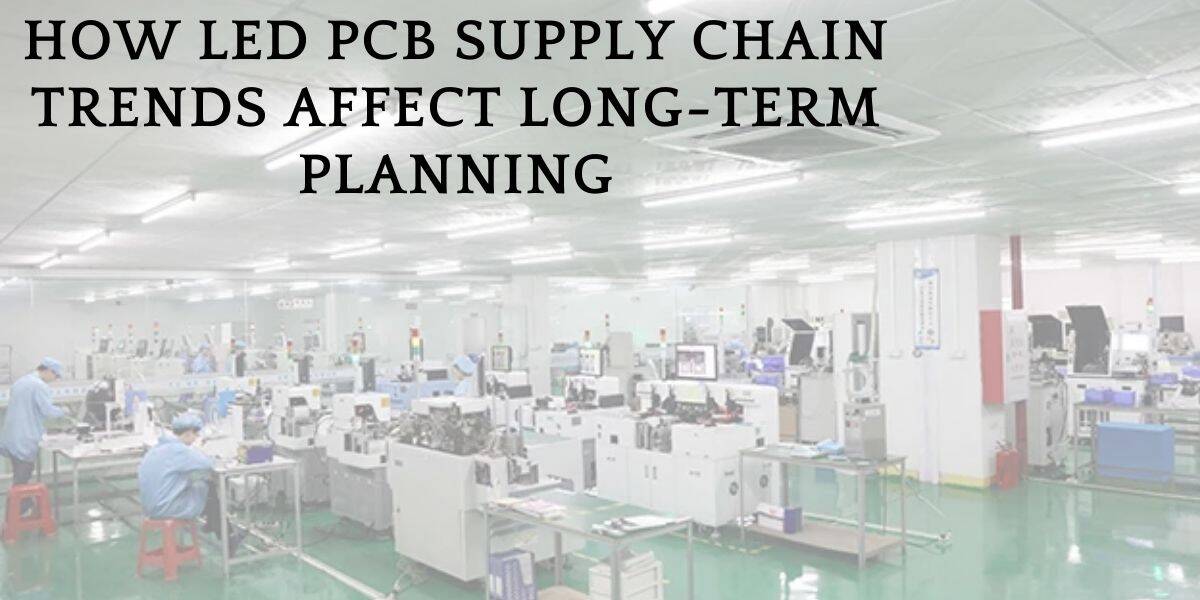
El efecto acumulativo de las tendencias de la cadena de suministro de 2026 es un cambio en la forma en que las organizaciones planean.
Planificación de lanzamiento de productos
Los plazos de lanzamiento incluyen períodos de amortiguamiento.
- Las fechas de lanzamiento fijas son más difíciles de apoyar sin un compromiso temprano
- Las compilaciones piloto requieren una programación anterior
- La planificación de contingencia se convierte en estándar
La velocidad por sí sola ya no es el objetivo principal.
Estrategia de inventario
Los modelos justo a tiempo están siendo reevaluados.
- Inventario estratégico reduce el impacto de la interrupción
- Mantener componentes críticos mejora la continuidad
- Decisiones de inventario Equilibrar el costo con la exposición al riesgo
El inventario ahora se ve como una herramienta de resiliencia en lugar de ineficiencia.
Interdecimientos de riesgo vs coste
El abastecimiento de menor costo no siempre es de menor riesgo.
- Los proveedores más estables pueden tener plazos de entrega nominales más largos
- El abastecimiento regional puede aumentar el costo pero reducir la volatilidad
- Las decisiones de planificación sopesan la continuidad sobre los ahorros a corto plazo
La resiliencia se ha convertido en un objetivo de planificación medible.
Tendencias de la cadena de suministro e impacto de planificación
| dirección | Impacto práctico | Implicación de planificación |
| Diversificación regional | Plazos de entrega variables por ubicación | Se requiere planificación multirregional |
| Aumento de la automatización | Ventanas de programación más ajustadas | Compromiso anterior de diseño y pronóstico |
| Dependencia de componentes | Los retrasos de una sola pieza afectan las compilaciones | Alineación de componentes tempranos |
| Requisitos de sostenibilidad | Calificación material más larga | Planificación previa de materiales |
Conclusión
En 2026, las cadenas de suministro de PCB LED se moldean por cambios estructurales en lugar de disrupción temporal. El crecimiento de la demanda, la diversificación regional, la creciente complejidad del diseño y la dependencia de los componentes han hecho que los tiempos de entrega sean menos predecibles. Para los fabricantes y compradores, el desafío central no es la velocidad sino la fiabilidad. La planificación efectiva ahora se centra en la preparación del diseño, la visibilidad temprana y la resiliencia. Comprender estas tendencias permite a las organizaciones gestionar el riesgo de tiempo de entrega con claridad en lugar de una reacción.
Preguntas frecuentes
Publicaciones relacionadas