Español
  English
  简体中文
简体中文  Deutsch
  Français
  Italiano
  日本語
日本語  한국어
한국어  Polski
  Português
  Русский
  Türkçe
  Nederlands
  Tiếng Việt
  ไทย
ไทย 
La evaluación de proveedores de luces de láminas LED requiere un proceso de verificación estructurado que comienza con pruebas de muestras técnicas y continúa a través de la auditoría de proveedores, la producción piloto y la validación de fabricación a gran escala. Un proveedor no puede ser aprobado en base a la calidad de la muestra. La evaluación debe confirmar que el rendimiento, el control de procesos y la disciplina de fabricación siguen siendo consistentes desde el primer prototipo hasta la producción en masa.
Muchos compradores experimentan un problema predecible: las muestras iniciales funcionan bien, pero una vez que los pedidos de escala, la consistencia de brillo, los cambios de comportamiento térmico, la deriva de las tolerancias de corte o el rendimiento del adhesivo se debilita. Este "desvanecimiento de calidad" ocurre cuando el control de procesos del proveedor no puede soportar la producción de volumen, incluso si su equipo de ingeniería puede producir muestras tempranas sólidas.
Esta guía describe un sistema de evaluación paso a paso. No recomienda proveedores específicos. En su lugar, define cómo los gerentes de adquisiciones, los compradores de OEM/ODM, los ingenieros de proyectos y los propietarios de marcas deben verificar a los proveedores de luces de láminas LED desde las pruebas de banco hasta la plena preparación de la producción.
Etapa 1: Evaluación de la muestra
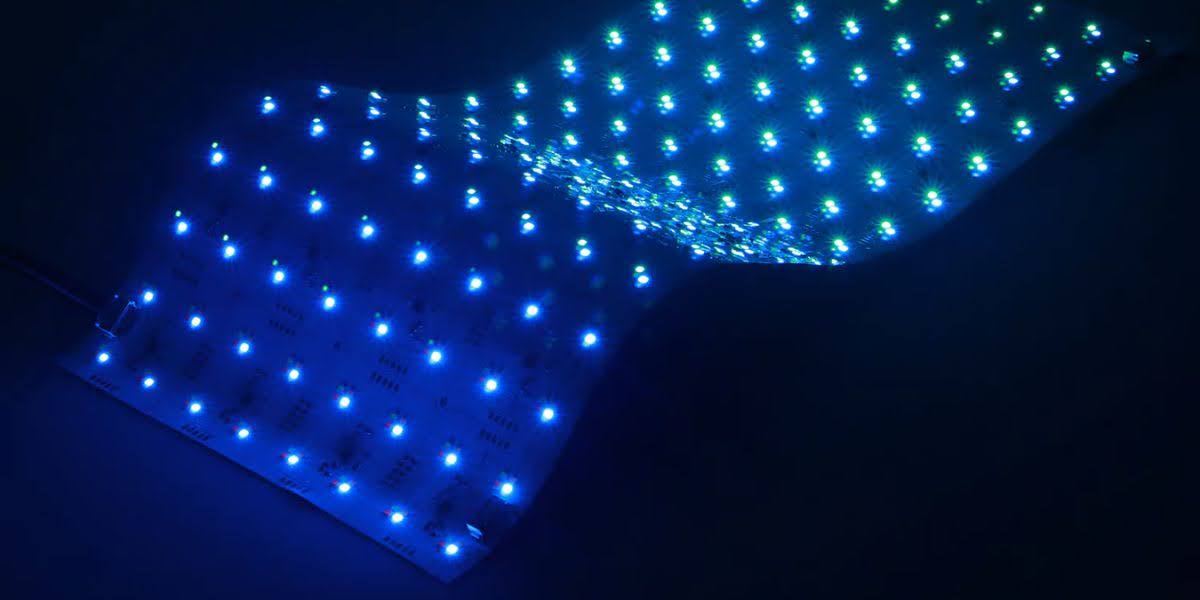
Las pruebas de muestra no se trata de primeras impresiones. Se trata de la repetibilidad en condiciones controladas. Cada muestra de luz de hoja LED debe evaluarse utilizando criterios medibles que luego se pueden aplicar a los lotes de producción.
Los compradores deben probar muestras utilizando el siguiente marco de verificación:
- Uniformidad óptica a través del panel de luz de hoja LED
Mide el brillo en varios puntos de la cuadrícula. Las variaciones en la intensidad luminosa a través de la hoja de luces LED deben permanecer dentro de un rango de tolerancia definido. La difusión desigual o el espaciado inconsistente de diodos indican problemas de escala potenciales. - Estabilidad de brillo bajo un tiempo de ejecución prolongado
Para muestras de láminas de luz LED de alto brillo, realice pruebas de operación continua durante 8 a 24 horas. Caída de lumen de pista, cambio de color y fluctuación de corriente. La estabilidad bajo carga térmica es más importante que la salida de pico inicial. - Mapeo de rendimiento térmico
Utilice imágenes térmicas para registrar la distribución de puntos de acceso. Compare el aumento de temperatura del centro frente al borde. La concentración excesiva de calor a menudo predice la degradación a largo plazo al escalar la producción. - Integridad mecánica de formatos flexibles y rígidos
Para formatos de láminas de luz LED flexibles, realice pruebas de ciclo de flexión. Para formatos rígidos, aplique un esfuerzo de torsión leve para confirmar la durabilidad de la junta de soldadura. La estabilidad mecánica debe ser repetible en múltiples muestras. - Tolerancia de corte y continuidad eléctrica
Si la luz de hoja LED permite el corte de campo, pruebe varios puntos de corte. Confirme que la continuidad eléctrica permanece estable y que no se produce atenuación de bordes. Aquí se ve el enrutamiento inconsistente de trazas de cobre. - Rendimiento adhesivo y unión del sustrato
Evalúe la resistencia al desprendimiento y la estabilidad de la adhesión bajo la exposición al calor. Los sistemas adhesivos débiles a menudo se degradan durante la producción a gran escala debido a las sustituciones de materiales.
El principio clave es la replicación. Los compradores deben probar múltiples muestras de diferentes fechas de producción si es posible. Si el rendimiento varía entre unidades, es probable que el proveedor carezca de consistencia del proceso.
Etapa 2: Antecedentes de Antecedentes y Capacidad de
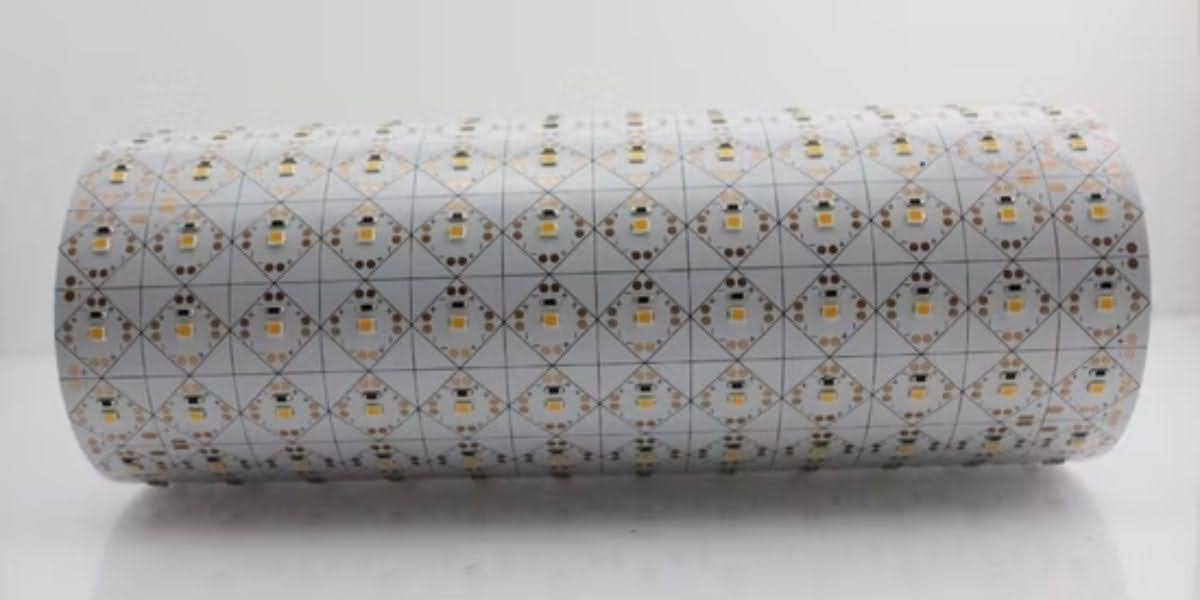
Las muestras fuertes no garantizan un fabricante capaz. Muchos proveedores subcontratan la producción parcial o dependen de pequeños lotes de ingeniería para las unidades de evaluación. Una auditoría de fondo determina si el proveedor puede producir de manera consistente luces de hoja led en volumen.
Comience por examinar la especialización. Una fábrica que produce principalmente tiras de LED genéricas puede no tener una profunda experiencia en la fabricación de paneles de láminas de luz LED de alto brillo. Las líneas de producción, la configuración de SMT y el control de difusión óptica difieren significativamente entre los formatos.
A continuación, evalúe la profundidad de ingeniería. Hoja LED personalizada Proyectos de iluminación Requiere optimización de diseño, equilibrio de corriente y modelado térmico. Los proveedores deben demostrar la capacidad de modificar la arquitectura de PCB, no simplemente ajustar los niveles de brillo. Revise la documentación anterior del proyecto y los flujos de trabajo de cambio de ingeniería.
El historial de producción también importa. Un proveedor con ciclos de producción limitados puede carecer de un monitoreo de rendimiento estructurado. El historial consistente de grandes lotes reduce el riesgo de escalado.
Finalmente, evaluar la madurez del sistema de calidad. El foco no debe estar en las pantallas de certificados. En su lugar, verifique si:
- Hay puntos de control de inspección en proceso definidos.
- Los parámetros del proceso están documentados y bloqueados.
- Los cambios de ingeniería requieren una aprobación estructurada.
- El análisis de causa raíz se registra y se puede rastrear.
Un proveedor capaz muestra disciplina operativa, no documentación de marketing.
Etapa 3: Verificación de Cumplimiento y Proceso
La validación de cumplimiento no se trata de las normas de listado. Se trata de confirmar que el proveedor puede probar la trazabilidad de la prueba y la conformidad regulatoria con la evidencia documentada.
Primero, verifique si las pruebas de seguridad corresponden a la configuración de luz de hoja LED real que se está comprando. La documentación debe coincidir con la potencia, el tipo de sustrato y la compatibilidad del controlador. Los certificados genéricos que no hacen referencia a configuraciones de compilación específicas presentan riesgo.
En segundo lugar, confirme los puntos de control de calidad internos. Pregunte cómo se verifica la inspección de la soldadura en pasta. Revise cómo se registra la selección de la bandeja de LED. Examine cómo se realiza la calibración de corriente para las variantes de láminas de luz LED de alto brillo.
Tercero, revise la trazabilidad de lotes. Cada hoja de luces LED debe ser rastreable a códigos de bin LED, números de lote de PCB y registros de turnos de montaje. Sin trazabilidad, las investigaciones de fallas de campo se vuelven imposibles.
La documentación no verificable señala una posible inestabilidad. Si un proveedor no puede explicar cómo se generó el resultado de una prueba o qué lote representa, no se puede garantizar la fiabilidad de la producción.
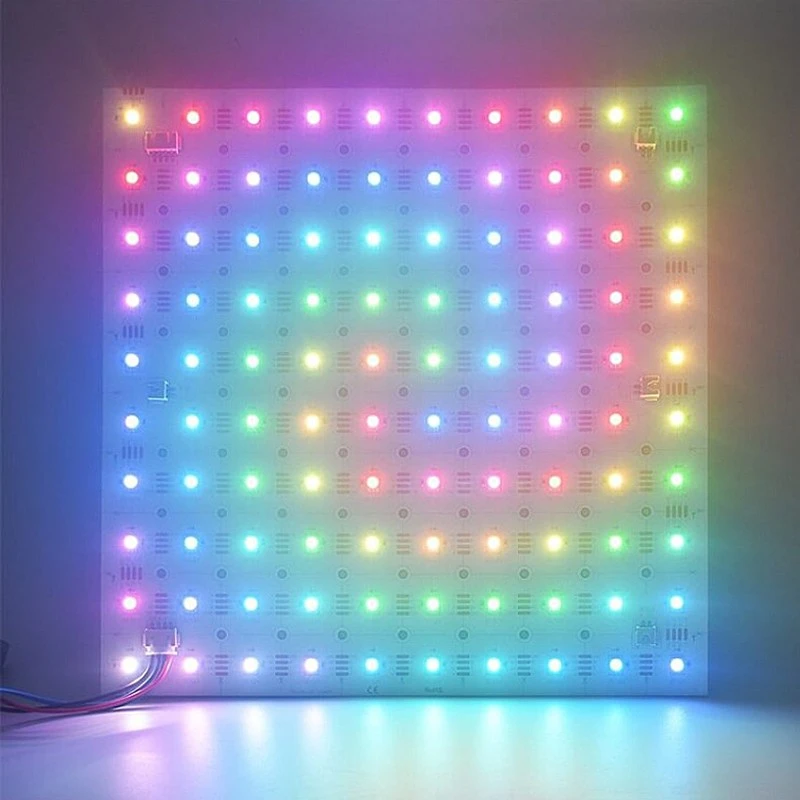
Hojas de LED direccionables
- Tamaño (L x W): 250mmx250mm
- Tipo de LED: 5050 SMD
- Cantidad LED: 100 unidades
- Tipo de IC: WS2812 incorporado
- Cantidad de IC: 100 unidades
- Color: RGBIC
- Tensión de trabajo: CC 12V
- actual: 1.08a
- Poder: 13W
- Flujo luminoso: 20lm/led
- Ángulo de haz: 120°
- Nivel de impermeabilidad: IP20 no impermeable, IP54 impermeable
- Vida útil: >35.000 horas
- Garantía: 3 años
Etapa 4: Ejecución piloto y validación de preproducción
La aprobación de la muestra siempre debe ir seguida de una carrera piloto controlada. Esta es la etapa donde se introduce el estrés de fabricación real.
Los compradores deben evaluar la producción piloto utilizando estos criterios:
- Replicación de lotes pequeños de los ajustes de producción
El piloto debe utilizar herramientas y materiales de producción en masa, no componentes prototipo. - Consistencia en varios paneles de hojas de luz LED
Mida el brillo, la temperatura del color y el consumo de energía en al menos 20 a 50 unidades. La variabilidad revela estabilidad del proceso. - Estabilidad térmica en condiciones de instalación agrupadas
Pruebe varios paneles instalados juntos para simular la acumulación de calor de aplicación real. - Seguimiento de la tasa de rendimiento y defectos
Solicitar datos sobre el porcentaje de rendimiento de producción. La inestabilidad del rendimiento temprano indica problemas de escala futuros. - Durabilidad de embalaje y manipulación
Las pruebas de vibración de envío revelan uniones de soldadura débiles o defectos adhesivos.
Las ejecuciones piloto exponen problemas que las muestras individuales no pueden revelar. Las variaciones menores en la temperatura de reflujo de la soldadura o la mezcla de contenedores LED suelen aparecer solo cuando aumenta el tamaño del lote.
Etapa 5: Transición a la producción en masa
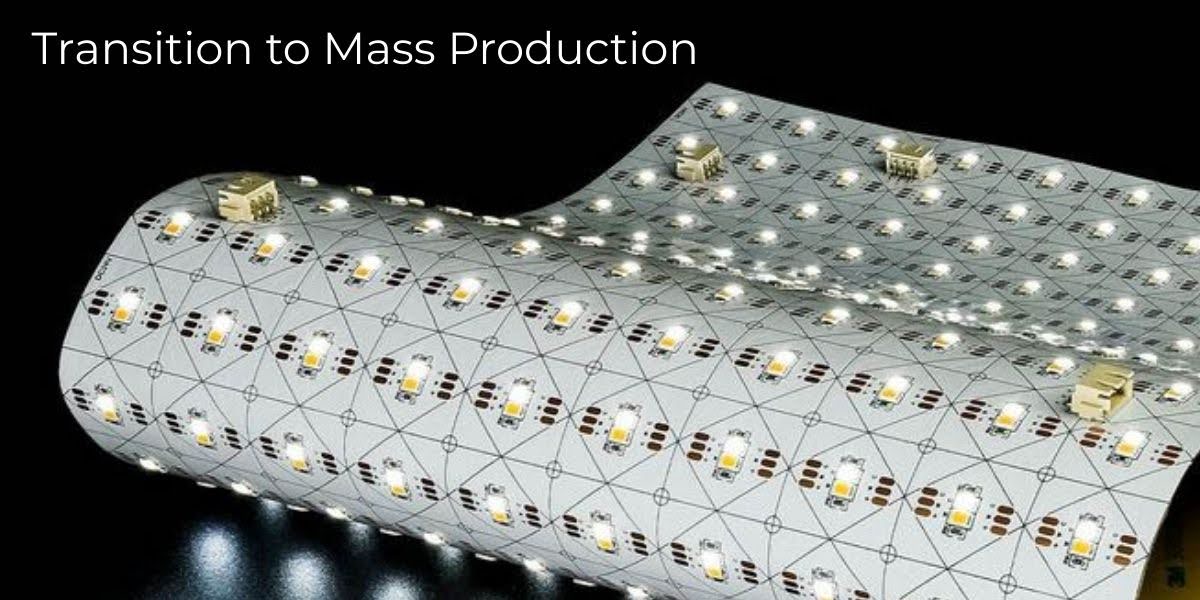
La transición de la producción piloto a la masa es donde la calidad se desvanece más comúnmente. Incluso los productos de láminas de luz LED flexibles de buen rendimiento pueden degradarse cuando aumentan las presiones de volumen.
Varios factores contribuyen a este riesgo:
La sustitución de materiales es común a escala. Los proveedores pueden cambiar de marca adhesiva, grosor de cobre PCB o lotes de LED para cumplir con los objetivos de costos. Cada sustitución afecta la estabilidad óptica y térmica.
La deriva de herramientas puede ocurrir cuando el desgaste de la plantilla cambia la deposición del volumen de soldadura. Con el tiempo, esto afecta la uniformidad del brillo en todo el panel de luz de hoja LED.
El comportamiento de carga térmica también cambia a escala. En la producción de láminas de luz LED de alto brillo, se amplifica un desequilibrio de corriente menor en grandes cantidades. La variación de disipación de calor puede conducir a una depreciación prematura del lumen.
El bloqueo de procesos es crítico. Una vez que se completa la aprobación del piloto, los proveedores deben congelar las especificaciones de los componentes, los parámetros de SMT y los umbrales de inspección. Cualquier cambio debe desencadenar una revisión de ingeniería documentada.
Los compradores deben solicitar la confirmación de:
- Procedimientos de bloqueo de componentes
- Listas de proveedores aprobados para materias primas
- Cambiar protocolos de notificación
- Métodos de monitoreo de rendimiento continuo
La preparación para la producción en masa se define por el control, no por la capacidad.
Etapa 6: Control de calidad continuo durante la producción en masa
El aseguramiento de la calidad no termina en la emisión de la orden de compra. Se requiere una verificación continua para mantener la estabilidad del rendimiento en luces de hoja led.
La inspección de material entrante garantiza que los contenedores de LED coincidan con las especificaciones aprobadas. Los sustratos de PCB deben cumplir con los criterios definidos de espesor de cobre y resistencia al aislamiento.
La inspección en proceso debe monitorear la deposición de la soldadura en pasta, la precisión de la colocación de LED y la calibración de la corriente. La inspección óptica automatizada puede detectar la deriva de alineación antes de que se multipliquen los defectos.
La lógica de inspección final debe verificar:
- Continuidad eléctrica a través de puntos de corte
- Distribución uniforme de brillo
- Consumo de energía dentro de la tolerancia
- Integridad de unión adhesiva
Las fábricas con control de procesos disciplinados superan a las operaciones más grandes pero manejadas de manera poco favorable. La consistencia está determinada por la disciplina del proceso, no por el volumen de producción.
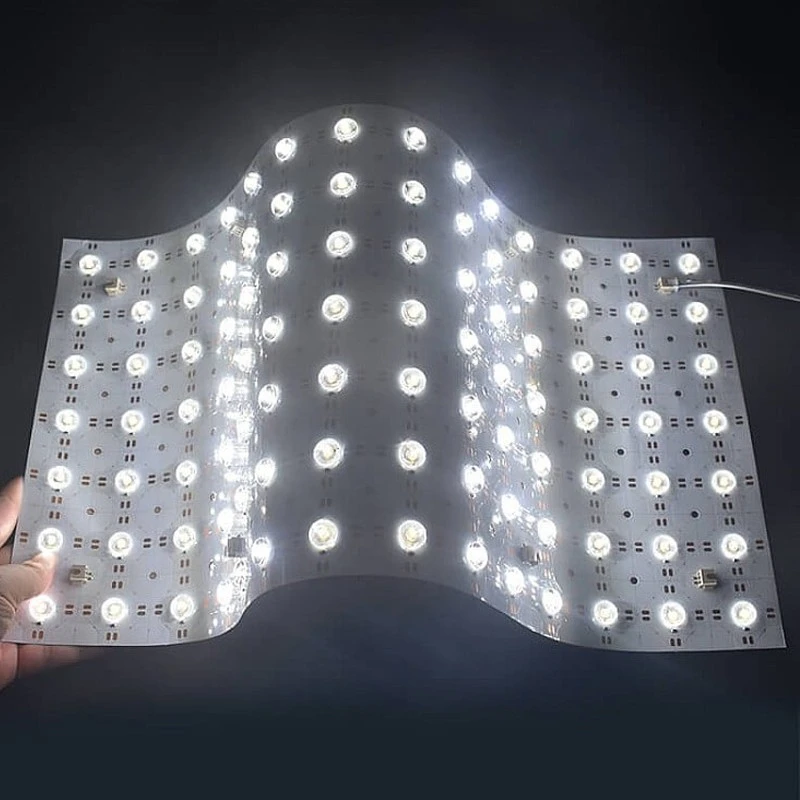
Hojas de lentes de lente óptica
- Tamaño (L x An x Alto): 500mmx250mmx8mm
- Tipo de LED: 2835 SMD
- Cantidad LED: 98 piezas
- Tensión de trabajo: 24 V CC
- Poder: 20W
- CCT: 2700K/ 3000K/ 4000K/ 6000K/ 6500K
- Flujo iluminó: 1800lm
- CRI: > 90RA
- Ángulo de haz: 180°
- Tamaño del corte: 1 LED
- Grado de IP: IP20 no estanco
- Vida útil: >35.000 horas
- Garantía: 3 años
Tabla de comparación de evaluación de proveedores
| Etapa de evaluación | Lo que el comprador debe verificar | Por qué importa a escala | Riesgo si se salta |
| Prueba de muestra | Uniformidad óptica, estabilidad térmica, repetibilidad | Detecta las debilidades tempranas del diseño | Los defectos ocultos aparecen en producción |
| Auditoría de proveedores | Profundidad de ingeniería, disciplina de procesos, historia de producción | Confirma la capacidad de escalar de forma confiable | Muestras fuertes de fábricas débiles |
| Comprobación de cumplimiento | Documentación trazable, registros de lotes | Permite el seguimiento de defectos | Riesgo regulatorio no controlado |
| carrera piloto | Métricas de consistencia de lote, tasa de rendimiento | Simula el estrés de producción | Se desvanece la calidad después de la confirmación del |
| Bloqueo de producción en masa | Control de material, estabilidad de herramientas | Previene la deriva en el tiempo | Disminución del rendimiento en los lotes |
Errores comunes de compradores
Muchos equipos de adquisiciones aprueban a los proveedores basados solo en el rendimiento de la muestra inicial. Esto ignora la capacidad del proceso y la disciplina de escala.
Saltarse las carreras del piloto es otro error común. Sin la replicación por lotes, los problemas de rendimiento ocultos permanecen sin ser detectados.
Los compradores a menudo asumen que los productos de láminas de luz LED flexibles se comportan de manera idéntica a la cantidad de volumen que en los pequeños lotes de prueba. En realidad, la tolerancia a la soldadura, el estrés traza de cobre y la distribución del calor cambian con escala de producción.
Otro error es pasar por alto la trazabilidad interna. Cuando se produce un error en las instalaciones de campo, la falta de documentación por lotes impide el análisis de causa raíz.
La evaluación del proveedor debe ir más allá de las comparaciones de precios y la inspección estética. Requiere verificación estructurada desde la primera muestra hasta el monitoreo continuo de la producción.
Conclusión
La evaluación de proveedores de luces de láminas LED es un ejercicio basado en procesos que se mueve paso a paso desde la validación de la muestra hasta la disciplina de producción en masa. Las muestras fuertes son necesarias pero insuficientes. La verdadera capacidad del proveedor se demuestra a través de la repetibilidad, la trazabilidad, la replicación piloto y el bloqueo de procesos.
La calidad de desvanecimiento entre la muestra y la escala se puede prevenir cuando los compradores aplican la verificación estructurada en cada etapa. Las decisiones de adquisiciones deben basarse en la fuerza del control de procesos, no en el precio inicial o en las primeras impresiones.
Desde pruebas de banco hasta estabilidad de volumen, la evaluación de proveedores es un sistema. Cuando se aplica rigurosamente, protege el rendimiento, la fiabilidad y la integridad del producto a largo plazo.
Preguntas frecuentes
Publicaciones relacionadas