Español
  English
  简体中文
简体中文  Deutsch
  Français
  Italiano
  日本語
日本語  한국어
한국어  Polski
  Português
  Русский
  Türkçe
  Nederlands
  Tiếng Việt
  ไทย
ไทย 
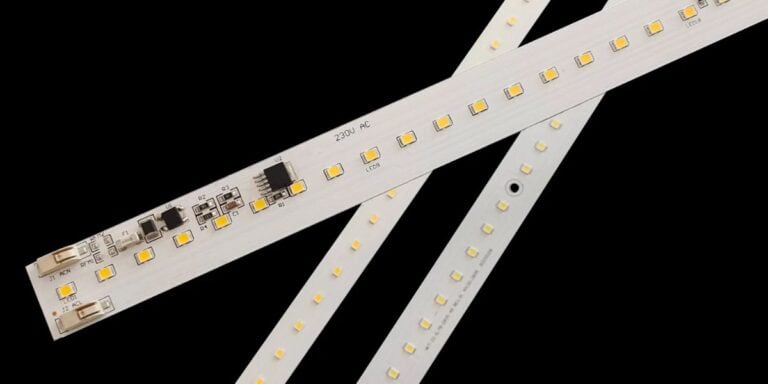
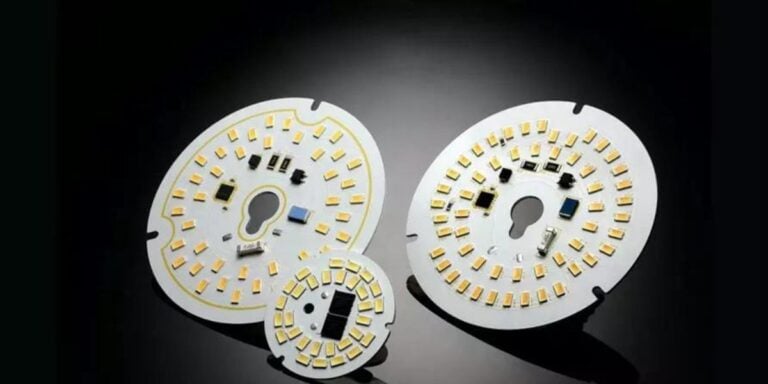
La industria de la iluminación LED ha transformado la iluminación moderna en aplicaciones residenciales, comerciales, industriales y automotrices. Los LED se favorecen para una alta eficiencia energética, una larga vida útil y un tamaño compacto. Sin embargo, su rendimiento depende en gran medida del diseño de PCB, la calidad del ensamblaje de SMT y la fiabilidad de la junta de soldadura. Incluso los defectos de montaje menores pueden provocar parpadeo, inconsistencia de color, formación de puntos calientes o fallas prematuras.
Esta guía explora
- Estrategias para mejorar la fiabilidad de los LED de PC
- Centrarse en las mejores prácticas de SMT, optimización de juntas de soldadura y gestión térmica.
- Ayudar a los fabricantes a lograr sistemas LED duraderos y de alta calidad.
Desafíos comunes de confiabilidad en los LED de PCB
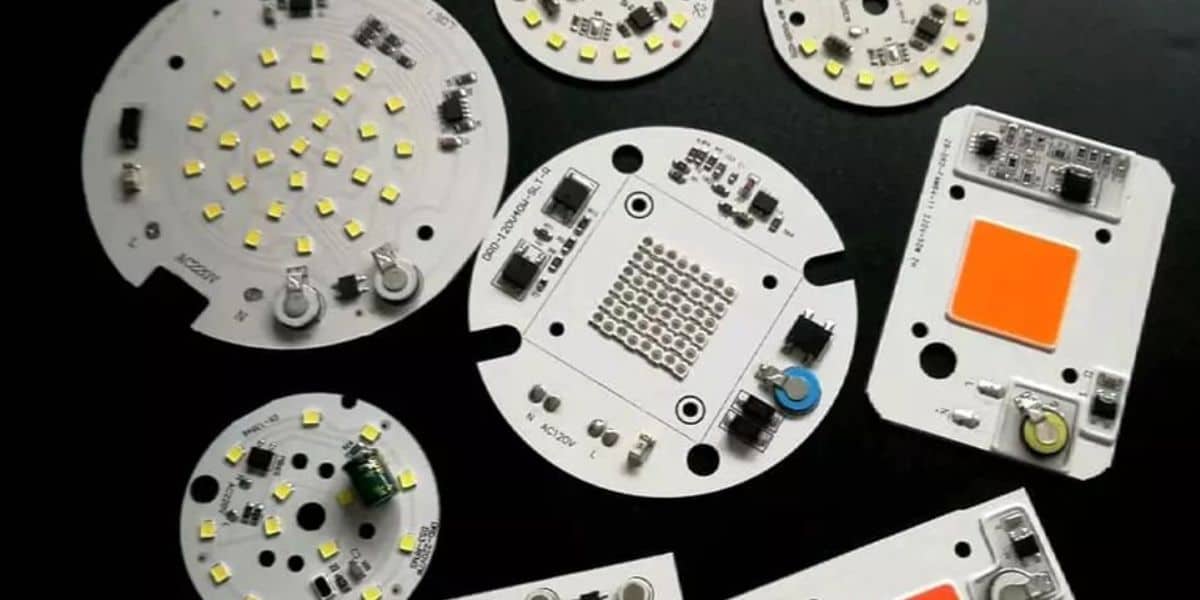
Los LED son muy sensibles a las tensiones térmicas, eléctricas y mecánicas. Un diseño o montaje deficiente puede comprometer el rendimiento y la vida útil. Los desafíos típicos incluyen:
- Juntas de soldadura agrietadas o abiertas que conducen a conexiones intermitentes.
- Estrés térmico que causan deformaciones de PCB y degradación de componentes.
- Electromigración dañando trazas de cobre bajo alta densidad de corriente.
- Estrés mecánico de manipulación, transporte o ciclo térmico.
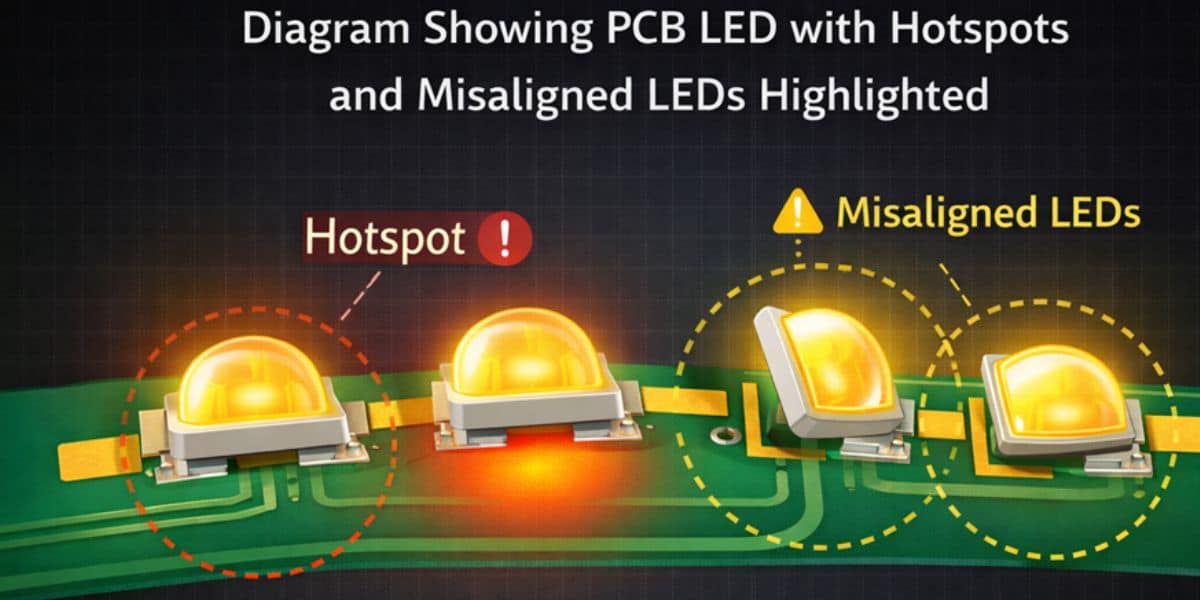
- LEDs desalineados que dan como resultado una salida de luz desigual o puntos de acceso visibles.
Tabla 1: Impacto de los problemas de PCB y SMT en la confiabilidad de LED
| edición | acarrear | Efecto sobre el sistema LED |
| Uniones de soldadura agrietada | Ciclismo térmico, estrés mecánico | Parpadeo, circuitos abiertos |
| LEDs desalineados | Errores de pick-and-lugar | Distribución de luz desigual |
| Puntos de acceso térmico | Pobre disipación de calor | Depreciación de lumen, fracaso temprano |
| electromigración | Alta densidad de corriente, trazas delgadas | Rastrear el daño, falla en el tiempo |
| Vacíos de soldadura | Deposición de pasta inadecuada | Conductividad térmica/eléctrica reducida |
Consideraciones sobre la tecnología de montaje en superficie (SMT)
SMT permite una colocación precisa de LED, factores de forma más pequeños y un rendimiento eléctrico mejorado. Sin embargo, las malas prácticas de SMT reducen la fiabilidad.
1: diseño de PCB para SMT
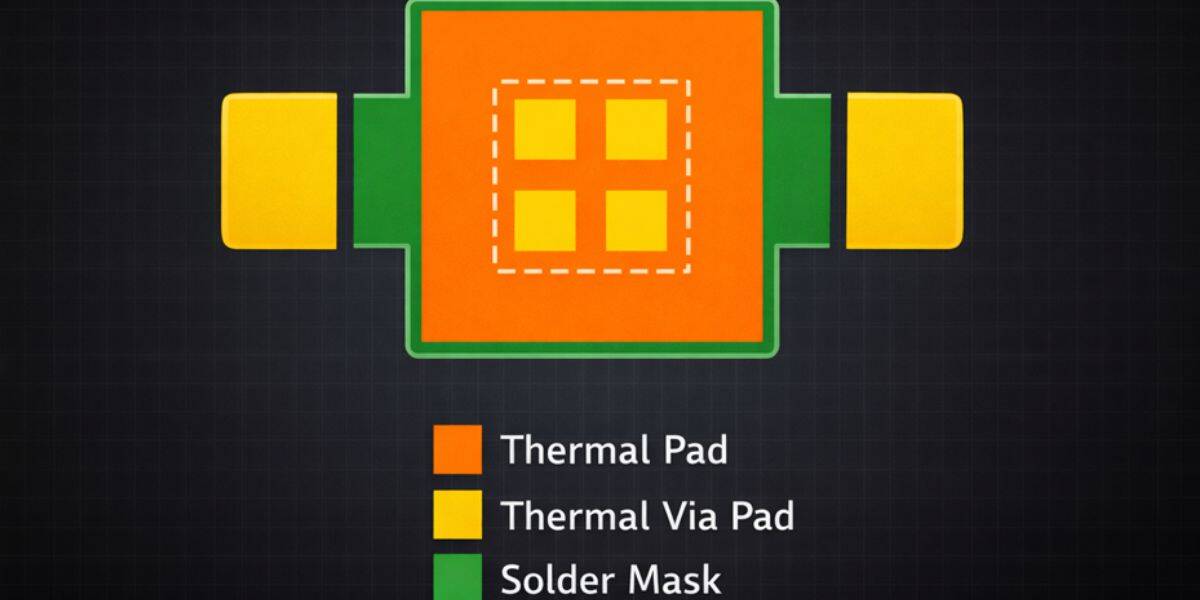
Un diseño de PCB bien diseñado admite la confiabilidad:
| Elemento de diseño | MEJOR PRÁCTICA |
| Tamaño y forma de la almohadilla | Asegure la humectación adecuada de la soldadura y evite un puente |
| Almohadillas térmicas | Mejora la disipación de calor para LED de alta potencia |
| Diseño de máscara de soldadura | Evitar derrames de soldadura y mantener la precisión de la colocación |
| Ancho de traza y cobre | Mantenga una baja resistencia y maneje la corriente de manera eficiente |
2: Precisión de pick-and-lugar
La colocación adecuada es fundamental para la iluminación uniforme:
- La selección de boquillas, la velocidad de colocación y la presión deben optimizarse.
- La desalineación puede crear inconsistencias ópticas y estrés mecánico.
- La calibración regular reduce los errores de colocación y la retrabajo.
3: Soldar aplicación de pasta de soldadura
La calidad de la pasta de soldadura y la aplicación son vitales:
- La pasta de baja calidad y bajas garantiza una humectación constante.
- Las plantillas de precisión evitan la soldadura insuficiente o excesiva.
- El contenido de flujo debe ser adecuado para evitar la oxidación.
Fiabilidad de la junta de soldadura
Las juntas de soldadura forman la conexión mecánica y eléctrica entre los LED y los PCB. La mala soldadura es una causa de falla primaria.
1: Selección de aleación de soldadura
- SAC305 (SNAGCU) es el estándar sin plomo.
- Las aleaciones de bajo fusión reducen el estrés térmico durante el reflujo.
- La aleación debe ser compatible con los acabados de PCB (ENIG, HASL, OSP).
2 : Optimización del perfil de reflujo
La temperatura de reflujo debe controlarse:
- Las temperaturas de precalentamiento, remojo y pico deben coincidir con las recomendaciones del fabricante.
- Evite el sobrecalentamiento de los LED o las almohadillas para evitar choques térmicos.
- El enfriamiento controlado reduce los riesgos de agrietamiento.
3: Geometría de la junta de soldadura
La forma adecuada de las articulaciones mejora la resistencia y la conductividad:
- La altura del filete debe cubrir la almohadilla sin exceso de soldadura.
- Los filetes cóncavos suaves reducen la formación de vacíos.
- La coplanaridad garantiza un contacto eléctrico estable.
4: Inspección y control de calidad
- La inspección óptica automatizada (AOI) detecta defectos visibles.
- La inspección de rayos X identifica los huecos ocultos en las almohadillas térmicas.
- Las auditorías de procesos regulares mantienen una calidad constante.
Tabla 2: Especificaciones recomendadas de filete de soldadura para LED
| Tipo LED | Altura de filete (mm) | Ángulo | notas |
| 0,2–0,5 LEDs W | 0.2–0.3 | 45-60° | LED de montaje en superficie estándar |
| LEDs de 1 a 3 W | 0,3–0,5 | 45-70° | Los LED de alta potencia requieren soporte térmico |
| > 5 W LED | 0.4–0.6 | 60–75° | Utilice vías térmicas y PCB de núcleo metálico |
Gestión térmica para LEDs SMT
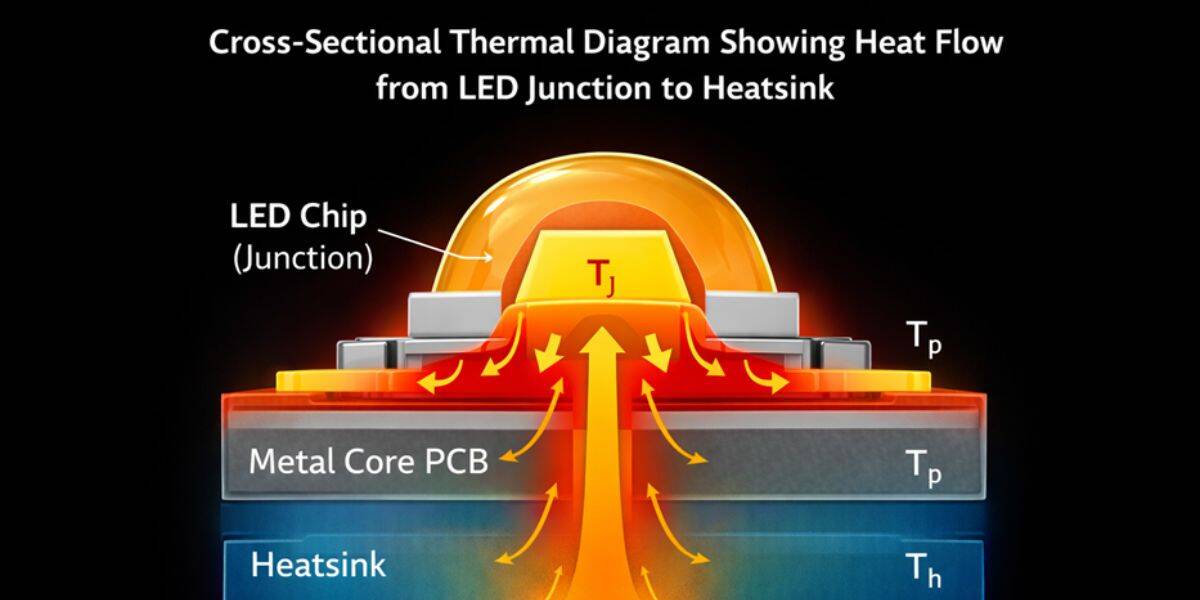
El calor es lo más Factor crítico para la confiabilidad LED. Las altas temperaturas aceleran la depreciación del lumen y reducen la vida útil.
Estrategias clave:
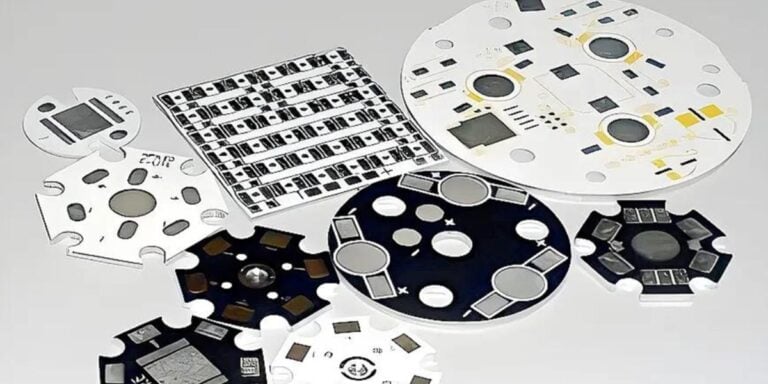
- Los PCB de núcleo de aluminio mejoran la disipación del calor.
- Las vías térmicas bajo los LED transfieren calor a planos de cobre más grandes.
- Los disipadores de calor y los TIMS son esenciales para aplicaciones de alta potencia.
- El espaciado correcto de LED evita los puntos de acceso y garantiza una distribución uniforme de la temperatura.
Problemas comunes de SMT y soldadura
| edición | acarrear | Solución |
| lápida sepulcral | Tensión superficial desigual durante el reflujo | Ajustar el volumen y el perfil de la soldadura de la soldadura |
| puente de soldadura | Soldadura excesiva, almohadillas desalineadas | Reducir la deposición de pasta, mejorar la plantilla |
| Juntas de soldadura en frío | Poco humectación, baja temperatura | Optimizar perfil de reflujo y tipo de soldadura |
| minucio | aire atrapado o flujo | Use pasta de vacío bajo, reflujo adecuado |
Mejores prácticas para un ensamblaje de LED PCB confiable
Diseño para la manufacturabilidad (DFM): Alinee las almohadillas, las trazas y las rutas térmicas con las capacidades de SMT.
- Utilice pasta de soldadura de alta calidad: Aleación de bajo vacío y consistente con flujo adecuado.
- Perfil de reflujo controlado: Evitar el sobrecalentamiento y enfriamiento rápido.
- Inspección: AOI, rayos X y controles manuales.
- Manejo: Minimice el estrés mecánico durante el transporte y el montaje.
- Diseño térmico: PCB de núcleo metálico, vías térmicas y disipadores de calor.
- Procesos estandarizados: La documentación garantiza la repetibilidad.
Caso de estudio: Módulo LED de alta potencia
Un módulo LED industrial de bahía alta experimentó fallas frecuentes en las juntas de soldadura debido al ciclo térmico.
Mejoras implementadas:
- Cambiado a PCB de núcleo de aluminio.
- Deposición de pasta de soldadura optimizada.
- Perfiles de reflujo controlados.
- Se agregaron vías térmicas bajo LED.
Resultados:
- 30% Reducción de defectos de junta de soldadura.
- Mantenimiento mejorado del lumen después de 5.000 horas de funcionamiento.
Tendencias emergentes en el ensamblaje de PCB LED
- Las aleaciones de soldadura a baja temperatura reducen el estrés térmico.
- La soldadura sin plomo garantiza el cumplimiento de las normas sin reducir la fiabilidad.
- La inspección asistida por IA detecta defectos más rápido que los métodos tradicionales.
- Los materiales de PCB avanzados con alta conductividad térmica mejoran la disipación del calor.
- Las simulaciones térmicas 3D predicen puntos de acceso antes de la producción.
Consejos adicionales para fabricantes
- Utilice el software de diseño de plantillas para una deposición precisa de pasta de soldadura.
- Realice simulaciones térmicas para evitar puntos de acceso antes de la producción.
- Calibre las máquinas pick-and-place regularmente.
- Mantener la humedad y temperatura controladas en las áreas de montaje.
- Utilice recubrimientos protectores para ambientes de alta humedad.
Conclusión
La fiabilidad del LED de PCB depende de la calidad del ensamblaje de SMT, la integridad de la junta de soldadura y la gestión térmica. El diseño, la soldadura y el control de procesos adecuados evitan fallas, mejoran el rendimiento y extienden la vida útil del LED. Los fabricantes que implementan diseños optimizados, soldadura de alta calidad y estrategias térmicas avanzadas logran sistemas LED confiables y duraderos con una salida de luz consistente.
Para soluciones LED duraderas de alto rendimiento, confíe en SignLited para ensamblajes de LED PCB diseñados por expertos. Nos enfocamos en la optimización de SMT, la soldadura precisa y la gestión térmica avanzada para proporcionar una iluminación confiable.
Contacto Signliteled hoy Para mejorar la calidad de su producto, reducir fallas y garantizar un rendimiento superior de LED.
Preguntas frecuentes
Publicaciones relacionadas