Español
  English
  简体中文
简体中文  Deutsch
  Français
  Italiano
  日本語
日本語  한국어
한국어  Polski
  Português
  Русский
  Türkçe
  Nederlands
  Tiếng Việt
  ไทย
ไทย 
Sí, Iluminación acú Puede valer la pena la inversión en espacios comerciales cuando se requieren tanto rendimiento de iluminación como control acústico dentro del mismo sistema de techo. Al combinar la iluminación y la absorción de sonido en un solo dispositivo diseñado, las organizaciones pueden reducir la reverberación, mejorar la claridad del habla y minimizar la necesidad de paneles acústicos separados. En oficinas y entornos colaborativos, las reducciones mensurables en el tiempo de reverberación pueden mejorar la concentración y la eficiencia de las reuniones. Desde una perspectiva de ciclo de vida, la integración de la iluminación y el tratamiento acústico también puede reducir la complejidad de la instalación y los costos de coordinación a largo plazo.
Este artículo evalúa el costo, el ROI, el valor a largo plazo y cuando la iluminación acústica tiene sentido financiero para los compradores comerciales. El enfoque está estrictamente en la lógica de inversión, el impacto del rendimiento y el valor operativo para arquitectos, diseñadores, gerentes de instalaciones y equipos de adquisiciones.
Lo que los compradores comerciales realmente están pagando
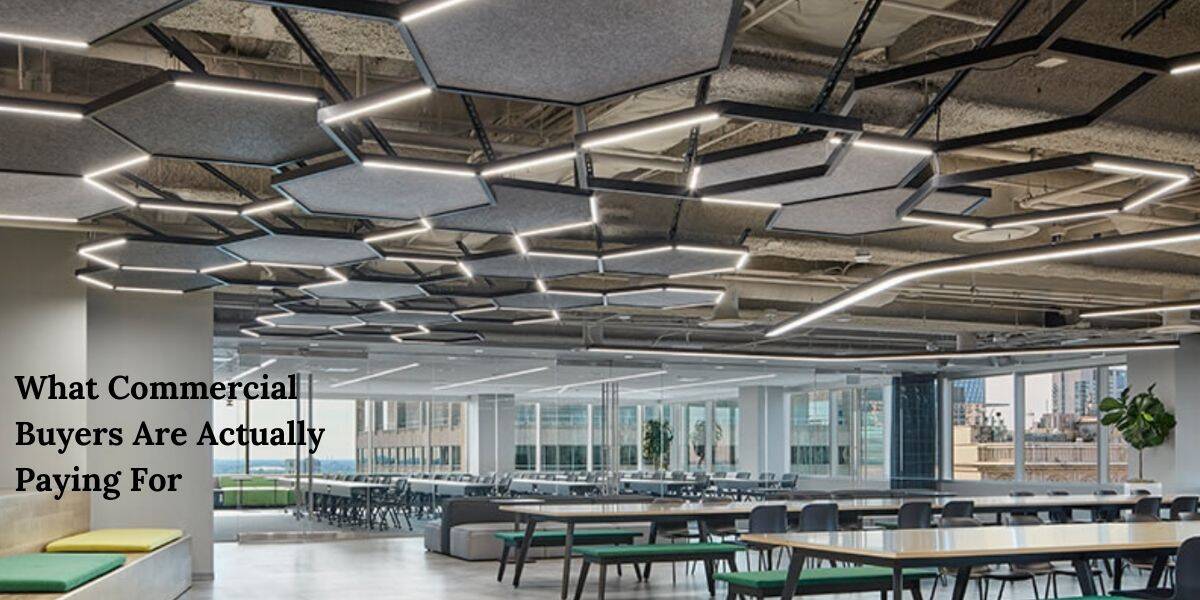
Cuando los equipos de adquisiciones evalúan Iluminación acú, la inversión va mucho más allá de una lámpara con una cubierta de fieltro. Los sistemas de calidad comercial están diseñados para cumplir con los estándares de iluminación, objetivos de absorción acústica y códigos de seguridad simultáneamente.
La estructura de costos generalmente incluye:
- Material acústico de ingeniería
La mayoría de los sistemas utilizan fieltro PET de alta densidad o material absorbente equivalente. Densidad, espesor, rendimiento de NRC (coeficiente de reducción de ruido) y clasificación de fuego influyen en el costo. Las especificaciones comerciales a menudo requieren clasificaciones de fuego de clase A y datos de rendimiento acústico verificados. - Sistema LED integrado
A diferencia de los colgantes decorativos, los verdaderos accesorios acústicos incluyen módulos LED de calidad comercial, controladores, gestión térmica, verificación de salida de lumen y representación de color consistente. Las clasificaciones de vida útil comúnmente caen entre 30.000 y 50.000 horas. - Diseño estructural de doble función
La lámpara está diseñada para absorber el sonido mientras mantiene la distribución óptica. Esto requiere deflectores internos, cavidades acústicas o geometrías de fieltro que aumentan el área de la superficie. - Hardware de suspensión y montaje
Los sistemas de suspensión adecuados garantizan una altura óptima tanto para la absorción acústica como para la distribución de la iluminación. La planificación de la instalación es un poco más complicada que los troffers de superficie. - Intención de pruebas acústica
Los sistemas comerciales se desarrollan típicamente teniendo en cuenta el modelado acústico. El objetivo es la reducción de reverberación medible, no solo la amortiguación del sonido estético.
Lámparas de fieltro decorativas frente a sistemas de iluminación acústica de ingeniería
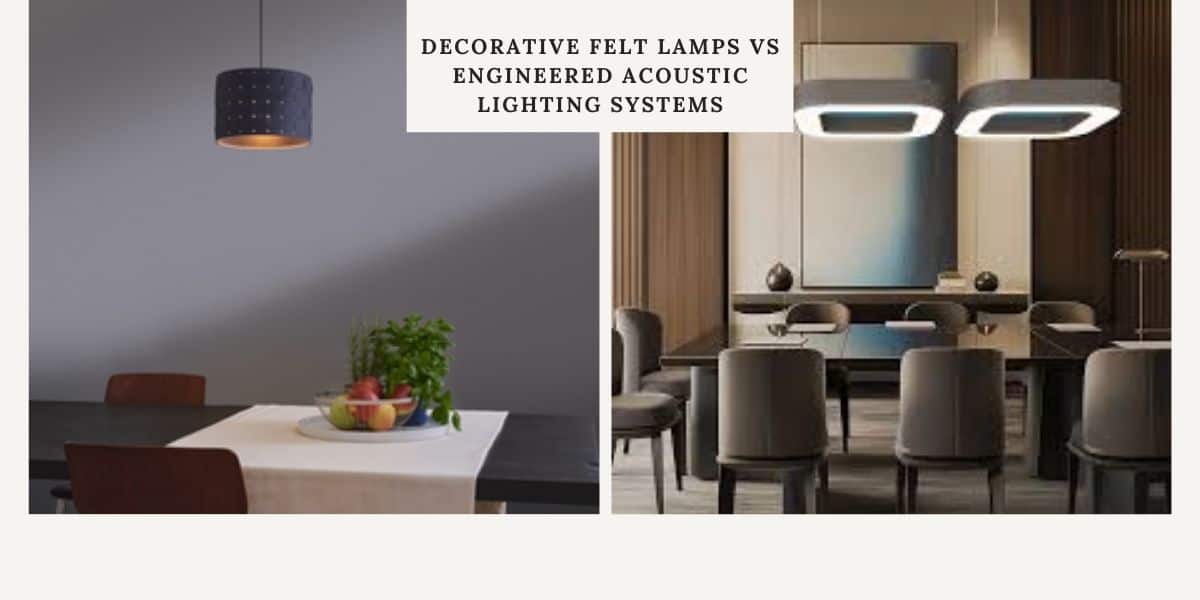
Un riesgo clave de adquisición es confundir la iluminación decorativa de fieltro con verdaderos sistemas de iluminación acústica.
Lámparas de fieltro decorativas:
- principalmente estético
- Pruebas acústicas limitada
- Área de superficie mínima para la absorción
- No diseñado para una contribución mensurable de la NRC
Sistemas de iluminación acústica reales:
- Diseñado para funcionar como accesorios acústicos
- Proporcionar valores de absorción cuantificables
- Apoyar los estándares de rendimiento de iluminación
- Contribuir a la estrategia acústica en todo el techo
Por ejemplo, los sistemas diseñados específicamente ofrecidos por fabricantes profesionales ilustran cómo la iluminación y el control del sonido se diseñaron juntos en lugar de tratarlos como una ocurrencia tardía. Estos sistemas están diseñados con una intención acústica verificada, una distribución de luz adecuada y un soporte estructural integrado en lugar de simplemente envolver un accesorio decorativo en fieltro.
Desde una perspectiva comercial, esta distinción afecta directamente al ROI.
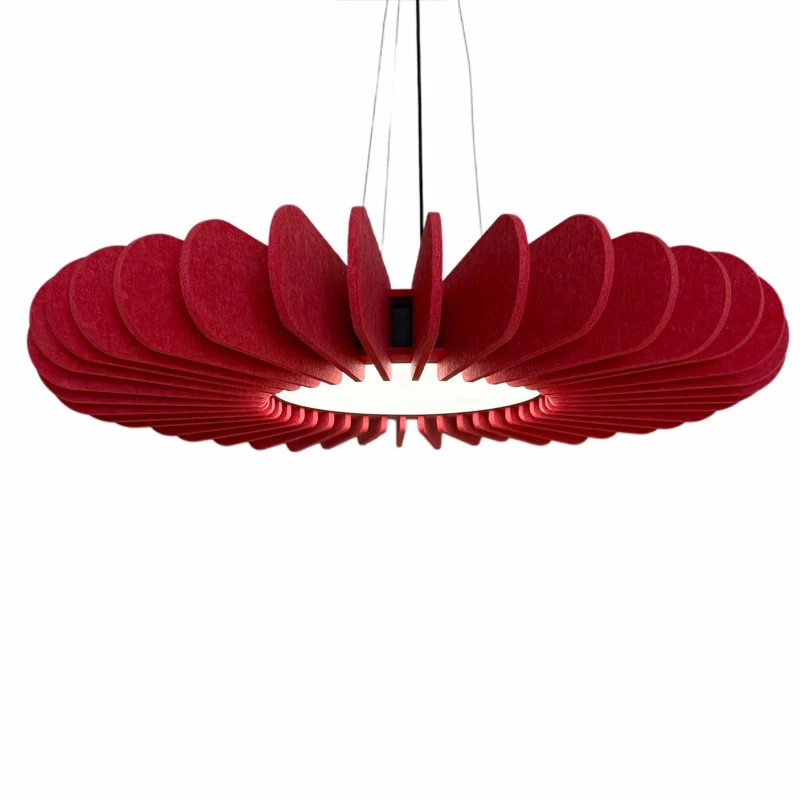
Lámpara colgante LED acústica redonda delgada ultrafina
- Voltaje de entrada: AC100-277V / AC220-240V,50-60Hz
- Tamaño de la carcasa: 120 mm
- Dirección de emisión: hacia abajo
- Tamaño DH: 500*80mm
- CCT: 3000K / 4000K / 6000K
- Potencia: 15W
- Flujo luminoso: 100-110lm/W
- CRI: >90RA
- PF: >0.90
- Flicker gratis: si
- Ángulo del haz: 120
- Grado IP: IP20
- Garantía: 5 años
- Opción de color del panel acústico: rojo / verde / azul / gris más de 48 colores opción
Desglose de costos claro
La iluminación acústica cuesta más por adelantado que los accesorios LED comerciales estándar. Sin embargo, el precio del accesorio por sí solo no representa el costo total del proyecto.
A continuación se muestra una comparación de costos realista para sistemas de grado comercial:
| Categoría de costo | Iluminación acú | Iluminación LED comercial estándar |
| costo de unidad | $400–$1200+ por dispositivo | $120–$450 por dispositivo |
| Instalación | Ligeramente más alto (suspensión + posicionamiento) | estándar |
| Se necesitan paneles acústicos adicionales | A menudo reducido o eliminado | Por lo general se requiere |
| Ciclo de vida (LED) | 30.000 a 50.000 horas | 30.000 a 50.000 horas |
Por qué la iluminación acústica cuesta más por adelantado
La prima de precio es impulsada por:
- Material de fieltro PET de grado acústico
- Mayor volumen de material
- Soporte estructural integrado
- Ingeniería acús
- Geometrías personalizadas
- Mayores costos de envío y manipulación
En muchos proyectos, los accesorios de iluminación acústica cuestan aproximadamente de 1,5 a 3 veces más por unidad que los accesorios LED estándar.
Sin embargo, esta comparación se vuelve incompleta cuando se requieren paneles acústicos en paralelo.
Los paneles de techo acústicos comerciales típicos o los deflectores suspendidos pueden costar:
- $25–$60 por pie cuadrado instalado
- $300–$900 por elemento acústico montado en el techo, según el tamaño
Si un proyecto requiere tanto tratamiento de iluminación como acústico, la separación de los sistemas puede aumentar significativamente el costo total de instalación.
Cuando se combinan la iluminación y la absorción, el proyecto puede reducir:
- desorden de techo
- Coordinación de trabajo de instalación
- Número total de elementos suspendidos
- Sistemas de suspensión redundantes
Para los equipos de adquisiciones, la evaluación real debe ocurrir a nivel de proyecto en lugar de nivel de dispositivo.
ROI e impacto comercial
El retorno de la inversión para la iluminación acústica está ligado al rendimiento laboral y a la eficiencia operativa en lugar de ahorros de energía únicamente.
En las oficinas comerciales, la reverberación excesiva reduce la claridad del habla y aumenta la distracción. Los estudios muestran consistentemente que los entornos acústicos deficientes reducen la productividad y aumentan la fatiga cognitiva. En las oficinas de planta abierta, los tiempos de reverberación incontrolados pueden superar los umbrales recomendados, especialmente en espacios con hormigón visto o techos duros.
La iluminación acústica contribuye a:
- Menor tiempo de reverberación
- Mejora de la inteligibilidad del habla
- Distracción reducida
- Zonas de colaboración más eficientes
A continuación se muestra un resumen estructurado del impacto del valor:
| área de valor | impactar |
| Reducción de ruido | Menor reverberación y eco |
| Claridad del habla | Mejora de la eficiencia de colaboración |
| Eficiencia espacial | Se requieren menos paneles acústicos separados |
| Mantenimiento a largo plazo | El sistema de doble propósito reduce la complejidad |
Lógica financiera detrás del ROI
- Costos de modernización reducidos
Si se aborda el rendimiento acústico durante la construcción inicial utilizando sistemas integrados, se pueden evitar las costosas actualizaciones. La actualización de paneles de techo después de la ocupación a menudo implica la interrupción operativa. - Cumplir con las ganancias de eficiencia
La claridad mejorada del habla puede acortar los tiempos de reunión y reducir la falta de comunicación. Aunque es difícil cuantificar con precisión, esto contribuye a una mejora de la productividad medible. - Coordinación de techo simplificada
Los sistemas integrados reducen la coordinación entre los oficios eléctricos y acústicos. - Comodidad y retención de los empleados
Los entornos acústicos cómodos mejoran la calidad percibida en el lugar de trabajo, lo que apoya indirectamente la retención de talento.
El período de recuperación depende en gran medida del tipo de espacio. En las oficinas abiertas de alta densidad, el ROI puede realizarse a través de instalaciones de paneles acústicos evitadas dentro del presupuesto de construcción inicial en lugar de ahorros operativos.
Cuando la iluminación acústica vale la pena la inversión
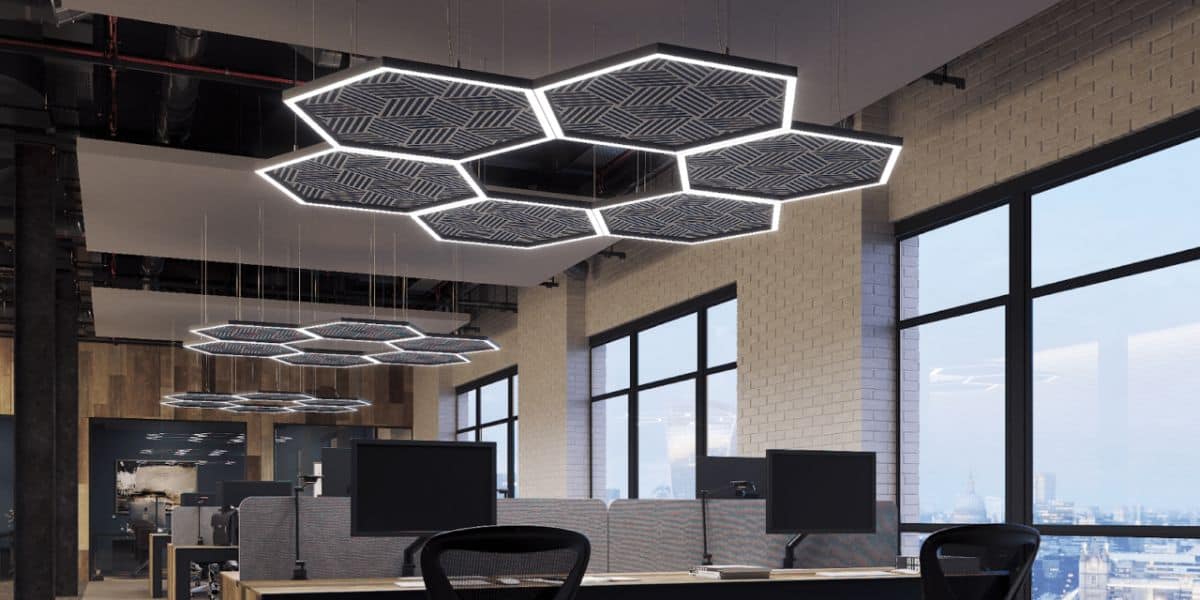
La iluminación acústica vale la pena invertir cuando:
- Oficinas de planta abierta con alta actividad de habla
- Techos reflectantes duros (hormigón, cubierta expuesta)
- Espacios de colaboración híbridos
- Salas de formación y áreas de conferencias
- Proyectos ya presupuestando para tratamiento acústico
En estos entornos, combinando iluminación y Accesorios acústicos Apoya los objetivos de rendimiento medibles.
Puede que no esté económicamente justificado en:
- Pequeñas oficinas cerradas con poca ocupación
- Habitaciones alfombradas con amplios muebles suaves
- Espacios ya tratados con tejas acústicas completas
- Aplicaciones de iluminación estrictamente decorativas
La decisión debe alinearse con los objetivos de rendimiento acústico, no con las tendencias estéticas.
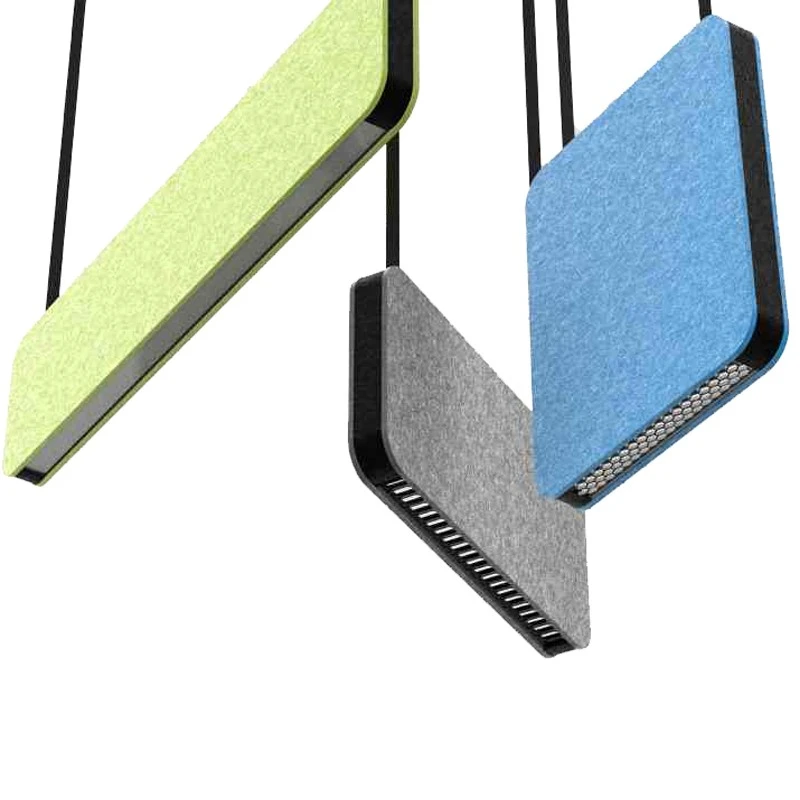
Luz lineal LED acústica super delgada
- Voltaje de entrada: AC100-277V / AC220-240V,50-60Hz
- Dirección de emisión: hacia abajo
- Tamaño: 121836400mm
- CCT: 3000K / 4000K / 6000K
- Potencia: 30W
- Flujo luminoso: 100-110lm/W
- CRI: >80RA
- PF: >0.90
- Flicker gratis: si
- Ángulo del haz: 120
- Grado IP: IP20
- Garantía: 5 años
- Color de la placa acústica de fieltro: rojo / verde / azul / gris más de 48 colores opción
Mantenimiento a largo plazo y costo del ciclo de vida
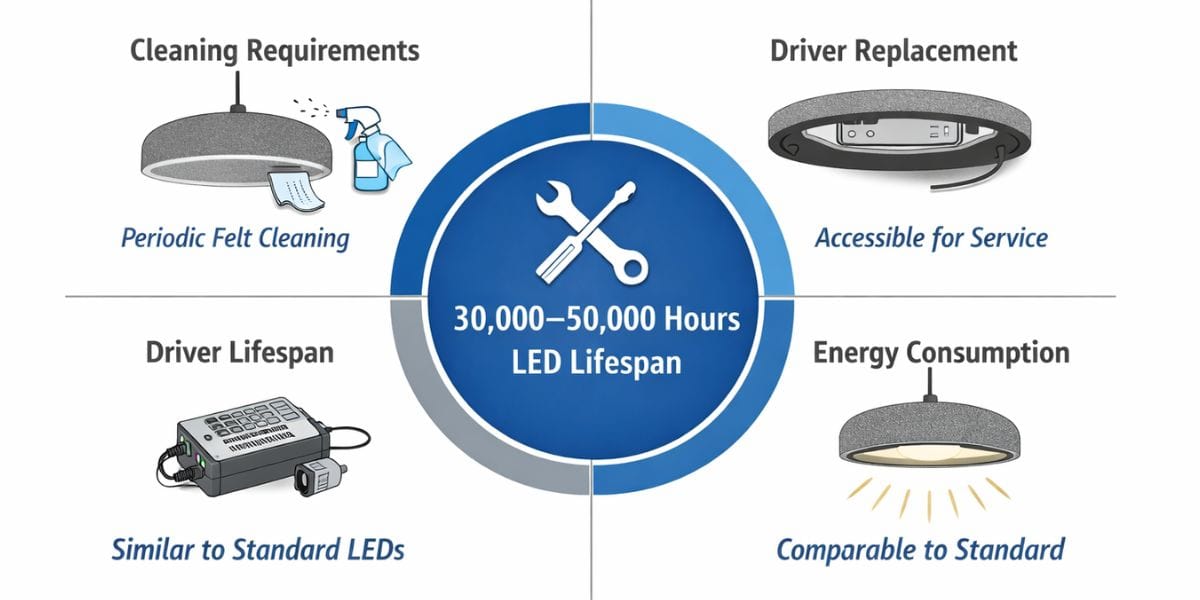
Desde un punto de vista operativo, la iluminación acústica funciona de manera similar a los sistemas LED estándar en términos de consumo de energía.
Vida útil de los LED
Los módulos LED comerciales suelen durar entre 30.000 y 50.000 horas. La vida útil del conductor puede variar, pero generalmente es comparable a las luminarias estándar.
Requisitos de limpieza
Los materiales de fieltro para mascotas atraen menos polvo que la tapicería de tela, pero requieren una limpieza superficial ocasional. En aplicaciones de techo alto, la frecuencia de mantenimiento es mínima.
Reemplazo del conductor
El acceso a los controladores LED debe ser considerado durante la especificación. Los sistemas de alta calidad proporcionan compartimentos de driver accesibles para reducir la mano de obra de mantenimiento.
Impacto de costos operativos
El uso de energía sigue siendo comparable a Accesorios LED estándar con salida de lumen equivalente. La diferencia radica en el rendimiento acústico, no en el ahorro de energía.
Con el tiempo, los sistemas integrados pueden reducir la complejidad del mantenimiento porque requieren menos elementos de techo separados.
Evaluación de riesgos para compradores comerciales
Los compradores comerciales deben evaluar cuidadosamente la iluminación acústica para evitar un bajo rendimiento.
Los riesgos clave incluyen:
- Selección de accesorios decorativos de fieltro sin pruebas acústicas verificadas.
- Instalación de accesorios sin cálculos de cobertura acústica adecuados.
- Altura de la suspensión pobre, reduciendo la eficiencia de absorción.
- Ignorar el cumplimiento de la clasificación de incendios.
- Subestimar el área de cobertura requerida.
La iluminación acústica debe incorporarse a una estrategia acústica general en lugar de instalarse al azar.
Si no se evalúa los requisitos de cobertura puede resultar en una reducción insuficiente de reverberación, reduciendo el valor percibido de la inversión.
Resumen de inversión estratégica
La iluminación acústica no es una mejora decorativa. Es una decisión funcional del sistema de techo que integra dos elementos de rendimiento de construcción.
La inversión debe ser evaluada a nivel de proyecto, considerando:
- Costo total de iluminación
- Costo total del tratamiento acústico
- Coordinación de instalación
- Eficiencia operativa a largo plazo
En proyectos que requieren tanto control acústico y de iluminación, los sistemas de doble función pueden reducir la complejidad general y reducir el costo total de instalación potencialmente más bajo en comparación con soluciones separadas.
La lógica financiera central es simple: combinar dos sistemas de rendimiento en un solo accesorio puede reducir la redundancia, los costos de coordinación y la congestión del techo.
Conclusión
La iluminación acústica vale la pena invertir en espacios comerciales donde se requiera iluminación y control acústico. Puede reducir la necesidad de accesorios acústicos separados, simplificar los sistemas de techo y soportar la eficiencia operativa a largo plazo.
El mayor costo inicial se justifica cuando se evalúa a nivel de proyecto en lugar de por elemento. En entornos con alta actividad de habla y superficies reflectantes, la iluminación acústica integrada proporciona mejoras de rendimiento medibles y valor estratégico.
Para los compradores comerciales, la decisión debe basarse en objetivos acústicos, costo total de instalación y rendimiento de construcción a largo plazo en lugar de precios de accesorio por sí solo.
Preguntas frecuentes
Publicaciones relacionadas