Español
  English
  简体中文
简体中文  Deutsch
  Français
  Italiano
  日本語
日本語  한국어
한국어  Polski
  Português
  Русский
  Türkçe
  Nederlands
  Tiếng Việt
  ไทย
ไทย 
En el diseño de iluminación moderno, lograr una distribución uniforme de la luz ya no es una preferencia visual. Un diseño de LED PCB optimizado garantiza un brillo constante, un deslumbramiento reducido y una mayor comodidad visual. Más allá de la estética, la optimización de diseño influye directamente en el rendimiento térmico, la eficiencia eléctrica y la vida útil del producto. La colocación incorrecta de LED a menudo causa puntos de acceso, iluminación desigual, variación de color y degradación acelerada de los componentes.
La optimización del diseño de LED de PCB se extiende más allá de la simple colocación, lo que requiere una planificación óptica, térmica y eléctrica. La selección equilibrada de material y el enrutamiento preciso garantizan que cada LED contribuye de manera uniforme a la salida final. Las malas opciones de diseño crean puntos de acceso, sombreado, inconsistencia de color y fallas tempranas que reducen la confiabilidad.
Este blog explora los principios de diseño para optimizar Placa de PCB LED Distribuciones que logran una distribución uniforme de la luz. Cubre estrategias de espaciado de LED, control de ángulo de haz y técnicas de alineación óptica. Las vías térmicas y las opciones de sustratos se explican para mejorar la durabilidad y el rendimiento de iluminación a largo plazo.
Comprender la distribución uniforme de la luz en los productos LED
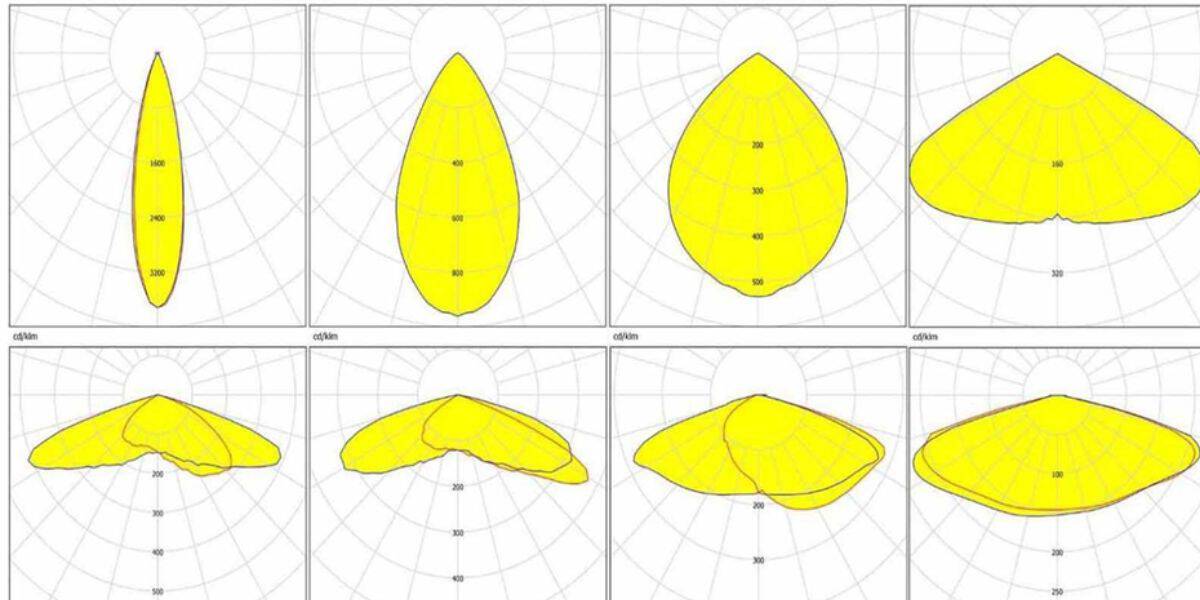
La distribución uniforme de la luz se refiere a la dispersión uniforme de la intensidad luminosa a través del área iluminada prevista, sin variaciones de brillo visibles. En productos LED prácticos, la no uniformidad típicamente aparece como:
- Puntos brillantes directamente sobre los LED
- Áreas oscuras entre LED
- Iluminación de borde desigual
- Resplandor causado por puntos de luz concentrados
Estos problemas generalmente no son causados por los propios chips LED, sino por un diseño de PCB subóptimo, espaciado y desequilibrio térmico.
Función de la distribución de PCB en la uniformidad de la luz LED
La PCB es la plataforma física que determina:
- Geometría de colocación de LED
- Espacio entre LED
- Distribución de corriente eléctrica
- Rutas de disipación térmica
Debido a que los LED son fuentes de luz puntuales, su disposición en la PCB dicta cómo la luz se superpone y se mezcla antes de llegar a difusores, lentes o aire abierto. Un diseño mal planificado puede causar picos de brillo localizados, mientras que un diseño optimizado garantiza una mezcla suave de la luz.
Espaciamiento de LED y optimización de tono
1: Importancia de un espaciado LED adecuado
El espaciado de LED, a menudo denominado paso de LED, es la distancia entre los LED adyacentes en la PCB. El espaciado incorrecto es una de las causas más comunes de salida de luz desigual.
(a) Espaciamiento demasiado cercano
- Crea una concentración de brillo excesivo
- Aumenta la densidad térmica
- Conduce al deslumbramiento y al malestar óptico
(b) Espaciado demasiado amplio
- Causa manchas oscuras entre LED
- Requiere difusores más fuertes
- Reduce la eficiencia general
El espaciado óptimo depende de la potencia del LED, el ángulo del haz, la altura de montaje y los componentes ópticos utilizados en el producto final.
2 : Espaciamiento coincidente con diseño óptico
Para productos que usan difusores o lentes, el espaciado de LED debe alinearse con la capacidad de mezcla de luz del difusor. Los materiales de alta difusión permiten un espaciado ligeramente más amplio, mientras que los diseños de baja difusión requieren una colocación de LED más estrecha para mantener la uniformidad.
Colocación LED simétrica y consistente
Importancia de la simetría de diseño
La colocación simétrica de LED garantiza una distribución equilibrada de la luz en la superficie de la PCB. Los diseños asimétricos a menudo dan como resultado un brillo desigual, especialmente cerca de los bordes o esquinas.
Los principios clave incluyen:
- Espaciado igual en direcciones x e y
- Patrones de alineación consistentes (cuadrícula o circular)
- Evitar el posicionamiento de LED aleatorio o irregular
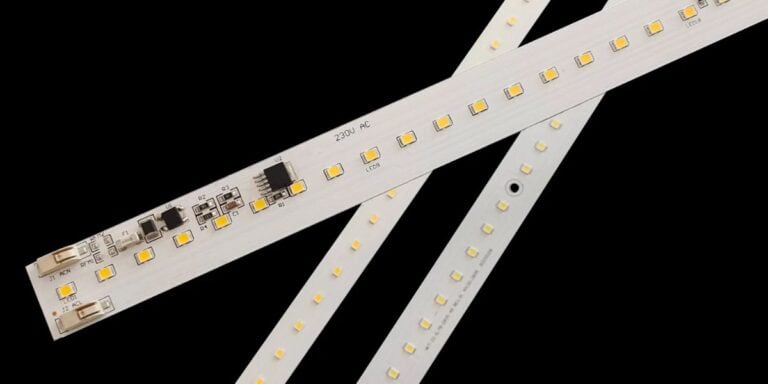
En los productos de iluminación lineal, los LED deben seguir una línea recta y espaciada uniformemente. En la iluminación de paneles o áreas, se prefieren los diseños de cuadrículas de matriz o de cuadrícula para mejorar la superposición de luz.
Control de iluminación de bordes y esquinas
Los bordes y las esquinas son áreas problemáticas comunes donde la salida de luz tiende a caer. La mala iluminación de los bordes hace que los productos parezcan más oscuros y de menor calidad.
Para abordar esto:
- Coloque los LED más cerca de los bordes de la PCB
- Use una colocación de densidad ligeramente superior cerca de las esquinas
- Mantener el equilibrio térmico para evitar el sobrecalentamiento de los LED de borde
Esto garantiza un brillo constante en toda la superficie emisora.
Distribución de corriente y balance eléctrico
Corriente uniforme es igual a luz uniforme
Incluso si los LED están perfectamente espaciados, la distribución de corriente desigual aún puede causar variaciones de brillo. Los LED conectados a diferentes rutas de corriente pueden funcionar a corrientes ligeramente diferentes, lo que provoca una salida de luz inconsistente.
Las mejores prácticas incluyen:
- Diseño de circuitos equilibrados en serie en paralelo
- Longitudes de traza iguales para cadenas de LED paralelos
- Evitar caídas de voltaje excesivas en trazas largas
El diseño eléctrico uniforme garantiza que cada LED funcione al nivel de potencia previsto.
Uniformidad térmica y su impacto en la salida de luz
1: Relación entre calor y brillo
El brillo del LED se ve afectado directamente por la temperatura de la unión. Los LED que funcionan más calientes producen menos luz y se degradan más rápido. Por lo tanto, la distribución desigual de calor a través de la PCB conduce a una salida de luz desigual con el tiempo.
2: Disposición LED con conciencia térmica
Para mantener un brillo uniforme:
- Distribuya los LED de manera uniforme para evitar los puntos de acceso térmico
- Evite agrupar LED de alta potencia en un área
- Utilice trayectorias térmicas consistentes para todos los LED
El rendimiento térmico uniforme garantiza una salida luminosa constante en toda la PCB.
Material de PCB y su influencia en la efectividad del diseño
Si bien la geometría de diseño es fundamental, Material de PCB juega un papel de apoyo en el mantenimiento de la uniformidad. Los PCB con una mejor conductividad térmica ayudan a equilibrar las diferencias de temperatura en todos los ámbitos, reduciendo la variación de brillo causada por la acumulación de calor.
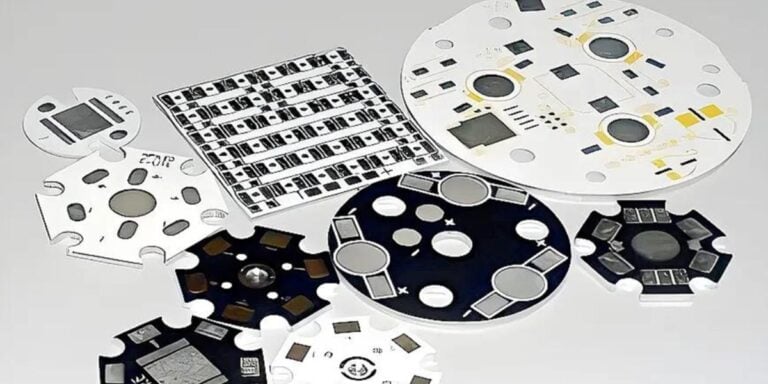
Los PCB de núcleo metálico, particularmente los diseños a base de aluminio, se usan comúnmente en productos LED de alta potencia porque admiten un comportamiento térmico constante en todo el diseño.
Interacción óptica entre LED
Superposición y mezcla de luz
La iluminación uniforme se basa en la superposición controlada de patrones de luz LED individuales. El diseño adecuado de la PCB garantiza que el haz de cada LED se superponga con los LED vecinos en el ángulo y la distancia correctos.
Los diseñadores deben considerar:
- Ángulo de visión LED
- Distancia de PCB a difusor
- Superficies reflectantes dentro de la carcasa del producto
El diseño optimizado reduce la necesidad de una difusión excesiva, mejorando la eficiencia y manteniendo la uniformidad.
Consideraciones de diseño para diferentes productos LED
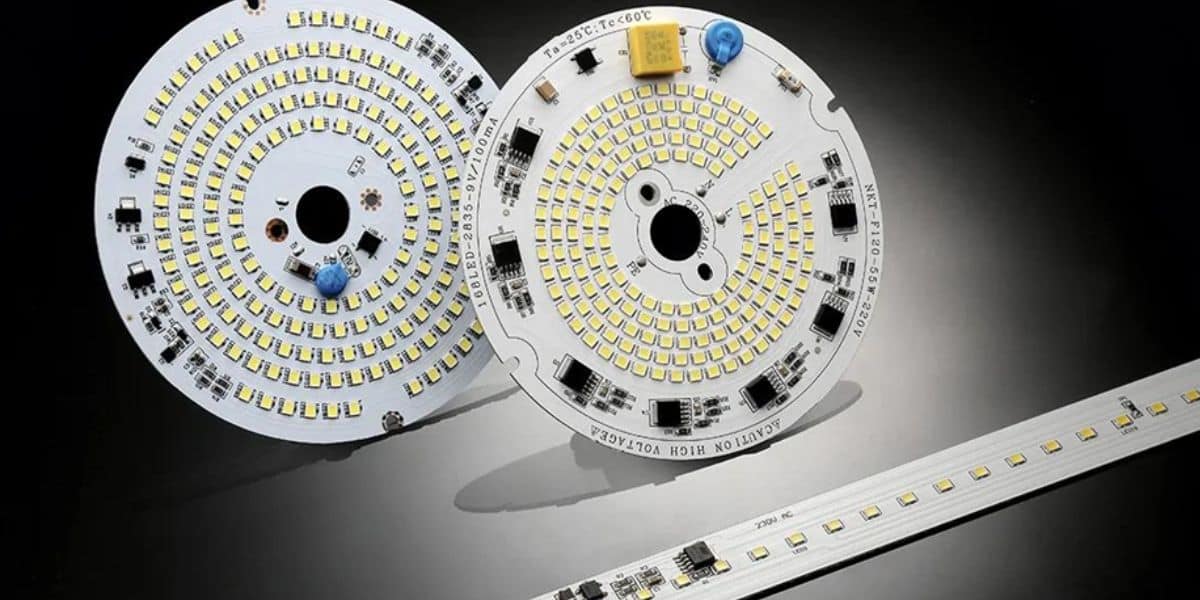
1: Productos LED lineales
- Use un espaciado LED de línea recta y consistente
- Mantener la distancia igual a la del difusor
- Evite huecos cerca de los extremos
2 : Luces de techo y panel
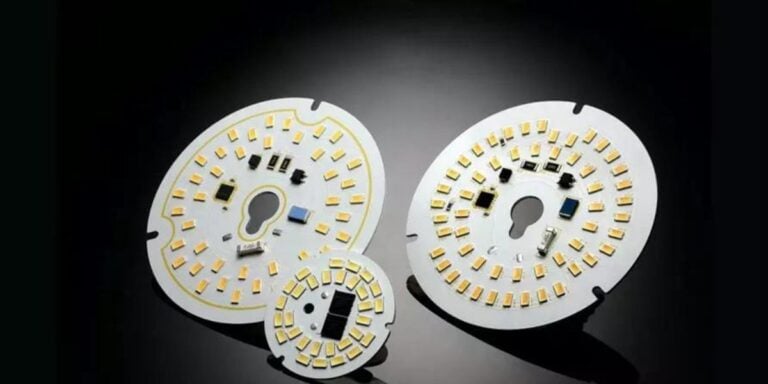
- Usar diseños de cuadrícula o matriz escalonada
- Aumente la densidad del LED de borde si es necesario
- Centro de equilibrio e iluminación perimetral
3: Luces de alta potencia o de inundación
- Usa diseños circulares simétricos
- Garantice el equilibrio térmico alrededor del LED central
- Evite los LED centrales de sobreconducción
Cada categoría de producto requiere un diseño adaptado a su diseño óptico y mecánico.
Minimizar artefactos visuales
El mal diseño de LED PCB puede causar artefactos visuales no deseados como:
- Efecto de punteado (puntos LED visibles)
- Rayas de cebra en accesorios lineales
- Bandas de sombras en superficies iluminadas
El diseño optimizado, combinado con la correcta selección del difusor, elimina estos defectos y mejora la calidad percibida del producto.
Pruebas e iteraciones en la optimización de diseño
Lograr la perfecta uniformidad a menudo requiere prototipos y pruebas. Las herramientas de simulación pueden predecir la distribución de la luz, pero las pruebas del mundo real validan las suposiciones.
Los pasos recomendados incluyen:
- Simulación óptica de colocación de LED
- Análisis térmico de diseño de PCB
- Prototipado físico y pruebas fotométricas
- Refinamiento iterativo basado en resultados
Este enfoque sistemático garantiza una uniformidad ligera fiable y repetible en la producción en masa.
¿Por qué debería considerar Signliteled para su próximo compañero?
Para soluciones de iluminación superiores y rendimiento LED confiable, SignLiteled se especializa en soluciones de LED PCB de alta calidad diseñadas para precisión y durabilidad.
- Nuestro equipo experimentado desarrolla avanzado Diseño de placa PCB LED Disposiciones que garantizan un brillo uniforme, estabilidad eléctrica y fiabilidad a largo plazo.
- Al utilizar materiales de primera calidad como Placa de PCB LED SMD y LED PCB de aluminio redondo, Logramos una excelente gestión térmica y una mejor disipación del calor.
- Nuestro personalizado Diseño de PCB de luz LED enfoque apoya la producción escalable, haciendo que nuestro PCB LED personalizado Soluciones ideales para aplicaciones de iluminación comercial, industrial y arquitectónica.
Conclusión
La optimización del diseño de LED PCB es fundamental para lograr una distribución uniforme de la luz en los productos LED. El espaciado LED adecuado, la colocación simétrica, el diseño de corriente equilibrada y la uniformidad térmica funcionan en conjunto para proporcionar una iluminación suave y sin deslumbramiento. En resumen, la luz uniforme no ocurre por casualidad. Es el resultado de un diseño de diseño de LED PCB preciso y reflexivo.
Contacto Signliteled hoy Para discutir los requisitos de su proyecto y experimentar una alta calidad y durabilidad Fabricante de PCB LED adaptado a sus aplicaciones.
Preguntas frecuentes
Publicaciones relacionadas