Español
  English
  简体中文
简体中文  Deutsch
  Français
  Italiano
  日本語
日本語  한국어
한국어  Polski
  Português
  Русский
  Türkçe
  Nederlands
  Tiếng Việt
  ไทย
ไทย 
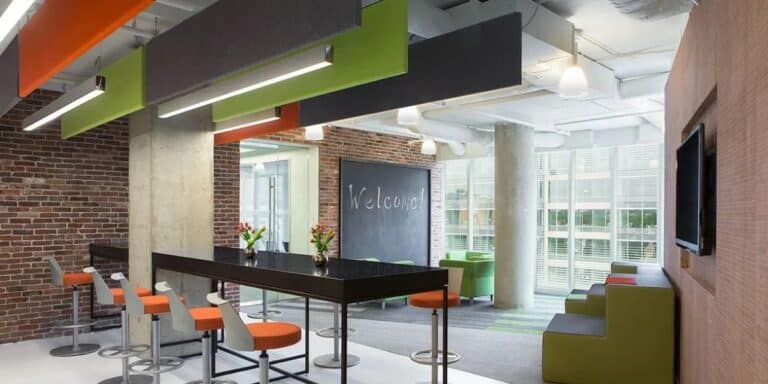
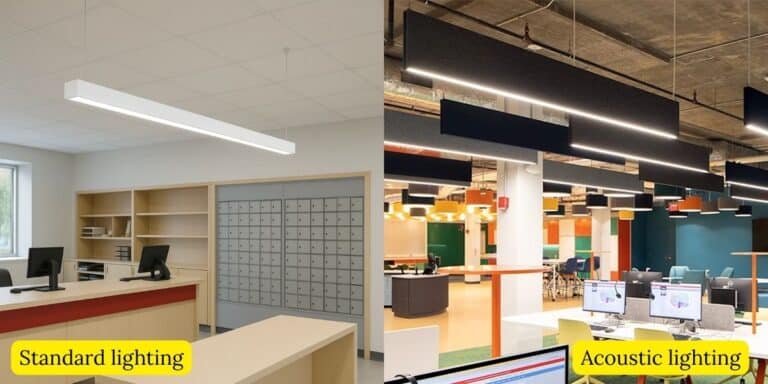
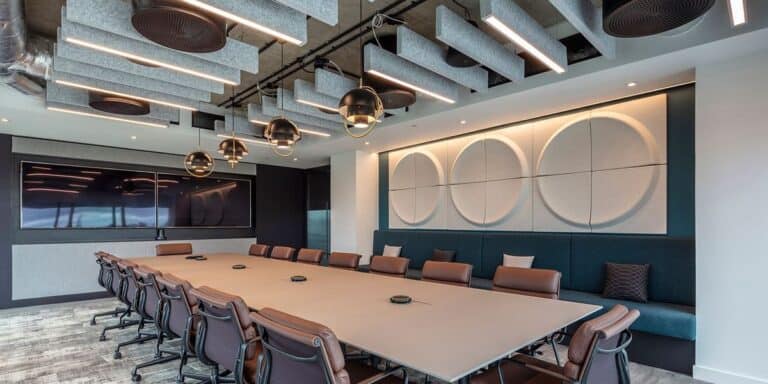
La iluminación acústica funciona mejor cuando se instala directamente sobre las zonas de actividad de sonido principal, como estaciones de trabajo, mesas de conferencias, áreas de colaboración y asientos de planta abierta. La colocación del techo es fundamental porque el techo actúa como una superficie de reflexión principal para el habla. El espaciado, la altura y la distribución adecuados determinan la eficacia con la que el dispositivo reduce la reverberación y mejora la claridad del habla.
Este artículo explica las zonas de colocación óptimas, consideraciones de altura, lógica de control de reflexión, estrategias de tipo de sala y errores comunes de instalación. La atención se centra estrictamente en el rendimiento de la colocación para que los arquitectos, diseñadores, consultores acústicos y gerentes de instalaciones puedan tomar decisiones de instalación informadas.
Por qué la colocación del techo es más importante que la colocación de paredes
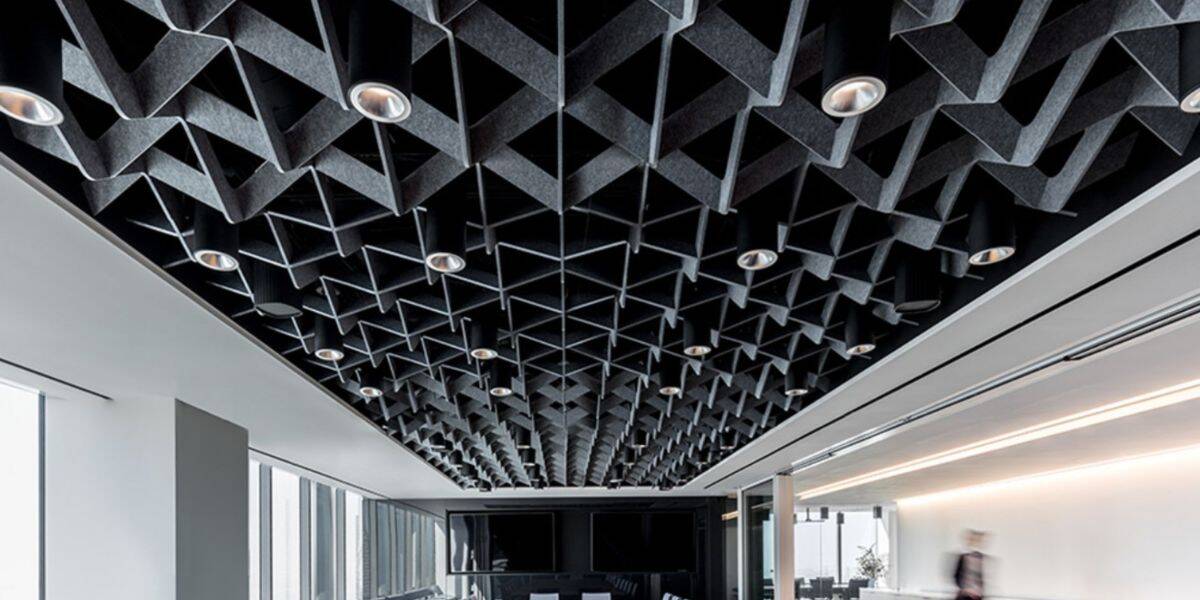
En la mayoría de los interiores comerciales, la energía del habla se desplaza hacia arriba inmediatamente después de dejar la boca del hablante. La primera reflexión significativa a menudo ocurre en el plano del techo antes de regresar hacia abajo a la zona ocupada. Esto crea lo que los acústicos llaman un primer camino de reflexión:
Fuente de voz → Techo → Energía reflejada → Oyentes.
Cuando los techos son duros, las superficies reflectantes como la placa de yeso, el hormigón expuesto o la plataforma de metal, la energía del habla reflejada vuelve a entrar rápidamente en la habitación, aumentando el tiempo de reverberación y reduciendo la claridad.
La absorción montada en la pared ayuda, pero aborda principalmente los reflejos laterales. Los reflejos de los gastos generales suelen ser más dominantes en entornos de plan abierto y de conferencia porque:
- El techo abarca toda la zona ocupada.
- Refleja la energía de regreso al campo del habla.
- Refuerza el ruido en grandes áreas horizontales.
Iluminación acú Interrumpe este bucle de reflexión vertical directamente en el plano de reflexión. Al colocar accesorios acústicos dentro de la trayectoria de reflexión del techo, la energía del habla de frecuencia media (típicamente 500-2000 Hz) se absorbe antes de que vuelva a los ocupantes.
La colocación de la pared perimetral no intercepta este rebote vertical temprano. Las luminarias de fieltro de fieltro basadas en el techo reducen la intensidad de los primeros reflejos de manera más efectiva porque se sientan directamente en la trayectoria del sonido.
Especialmente en entornos abiertos, la absorción de los gastos generales ofrece un mayor impacto acústico por metro cuadrado en comparación con el tratamiento solo por perímetro.
Zonas de colocación central
R: Estaciones de trabajo y clústeres de escritorio
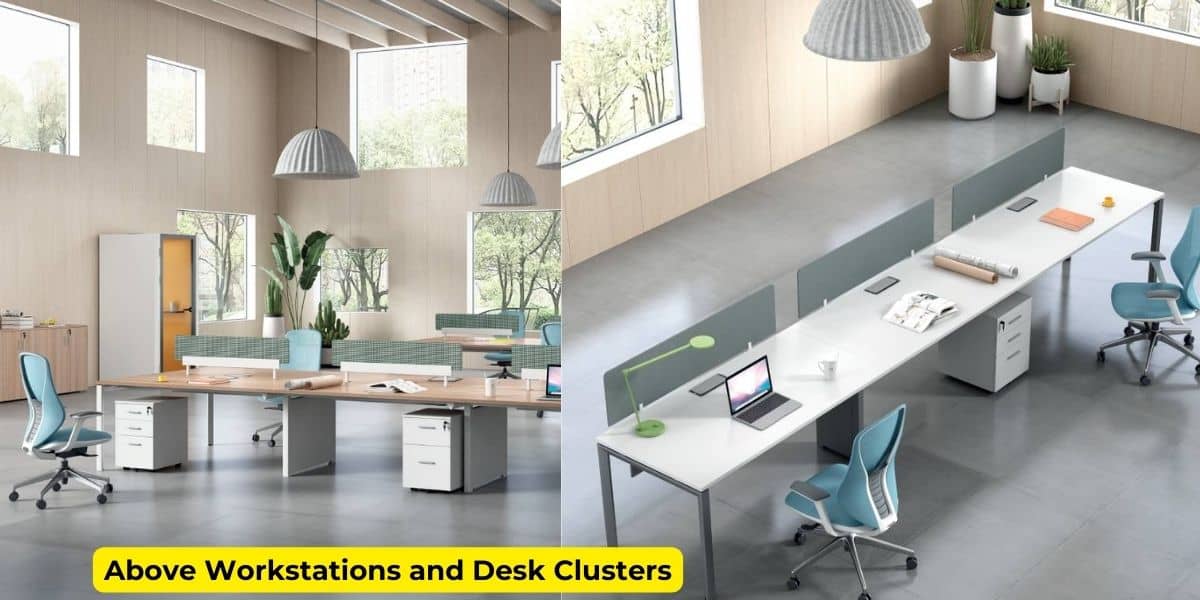
Las oficinas de planta abierta concentran el habla dentro de las agrupaciones de estaciones de trabajo. Las conversaciones, las videollamadas y los intercambios colaborativos generan energía sonora sostenida de frecuencia media.
Instalación de iluminación acústica directamente sobre los grupos de escritorio:
- Absorbe el habla antes de que se extienda lateralmente.
- Reduce la acumulación reverberante en las filas.
- Limita la interradiación entre equipos.
Accesorios de iluminación de fieltro son particularmente efectivos porque el fieltro de poliéster denso absorbe el habla de frecuencia media donde se encuentra la mayor parte de la energía de inteligibilidad.
La lógica de distribución importa. En lugar de colocar accesorios a lo largo de los pasillos o cerca de las paredes, los accesorios deben centrarse sobre los escritorios activos y extenderse ligeramente más allá de la huella del asiento. Como guía:
- Apunte a una cobertura de techo de 20 a 35% sobre las zonas de escritorio de alta actividad.
- Mantenga un espaciado constante para evitar las lagunas reflectantes no tratadas.
- Evite los diseños de solo perímetro, que permiten que las zonas de voz centrales permanezcan reflectantes.
Los diseños de bajo rendimiento generalmente colocan la iluminación decorativamente a lo largo de los caminos de circulación en lugar de las fuentes de sonido anteriores.
B: Mesas de conferencias anteriores
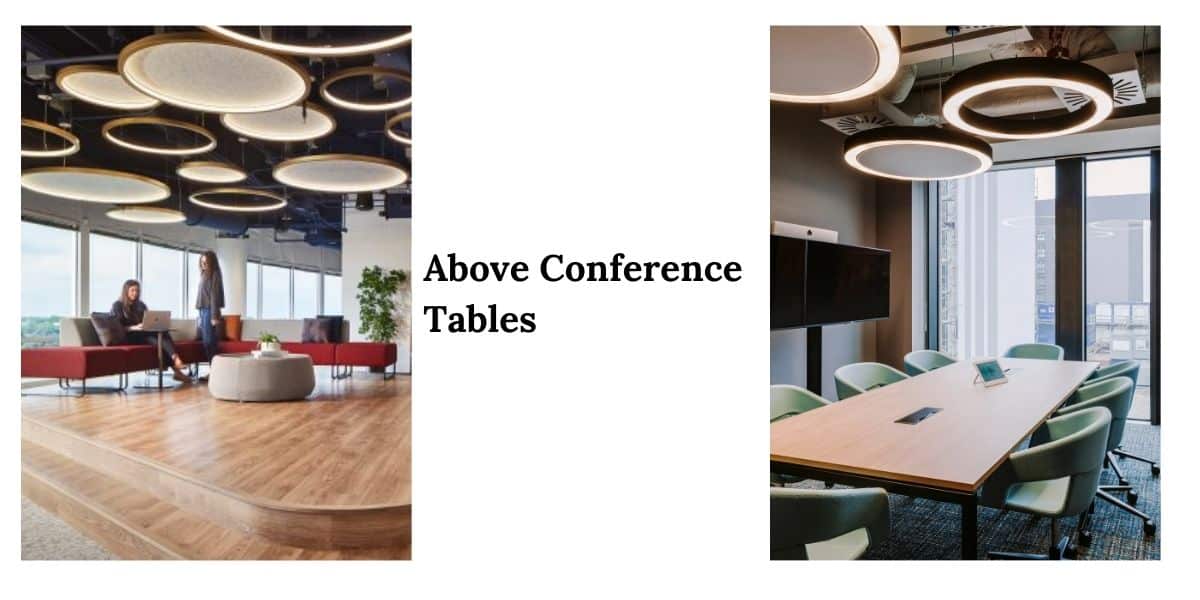
Las salas de conferencias concentran el discurso directo en un área fija. Múltiples participantes hablan hacia el centro de la mesa y el sonido se refleja verticalmente en el techo.
La configuración óptima:
- Instale la iluminación acústica centralmente sobre la mesa.
- Extienda la cobertura de 300 a 600 mm más allá de la huella de la mesa.
- Alinee los accesorios con el eje de la mesa para una absorción uniforme.
Si una habitación es alargada, una disposición lineal que refleja la forma de la mesa funciona mejor que un solo grupo compacto.
La altura también importa. En techos típicos de 2,7 a 3 m, los accesorios de suspensión de 400 a 800 mm por debajo de la losa mejoran la eficiencia de absorción al colocar el material más cerca de la zona de reflexión.
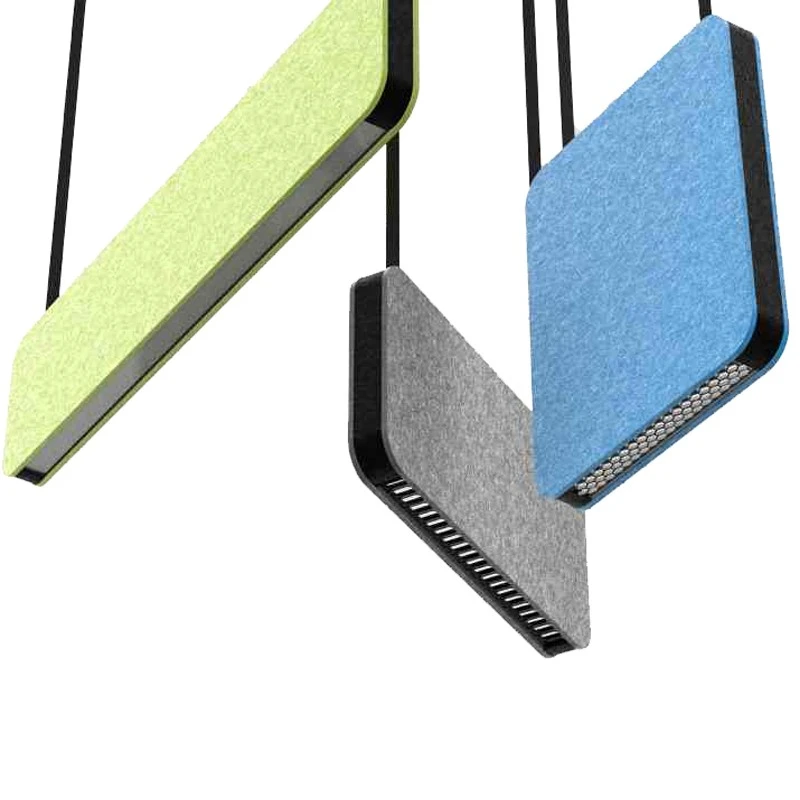
Luz lineal LED acústica super delgada
- Voltaje de entrada: AC100-277V / AC220-240V,50-60Hz
- Dirección de emisión: hacia abajo
- Tamaño: 121836400mm
- CCT: 3000K / 4000K / 6000K
- Potencia: 30W
- Flujo luminoso: 100-110lm/W
- CRI: >80RA
- PF: >0.90
- Flicker gratis: si
- Ángulo del haz: 120
- Grado IP: IP20
- Garantía: 5 años
- Color de la placa acústica de fieltro: rojo / verde / azul / gris más de 48 colores opción
C: Zonas de colaboración y áreas de salón
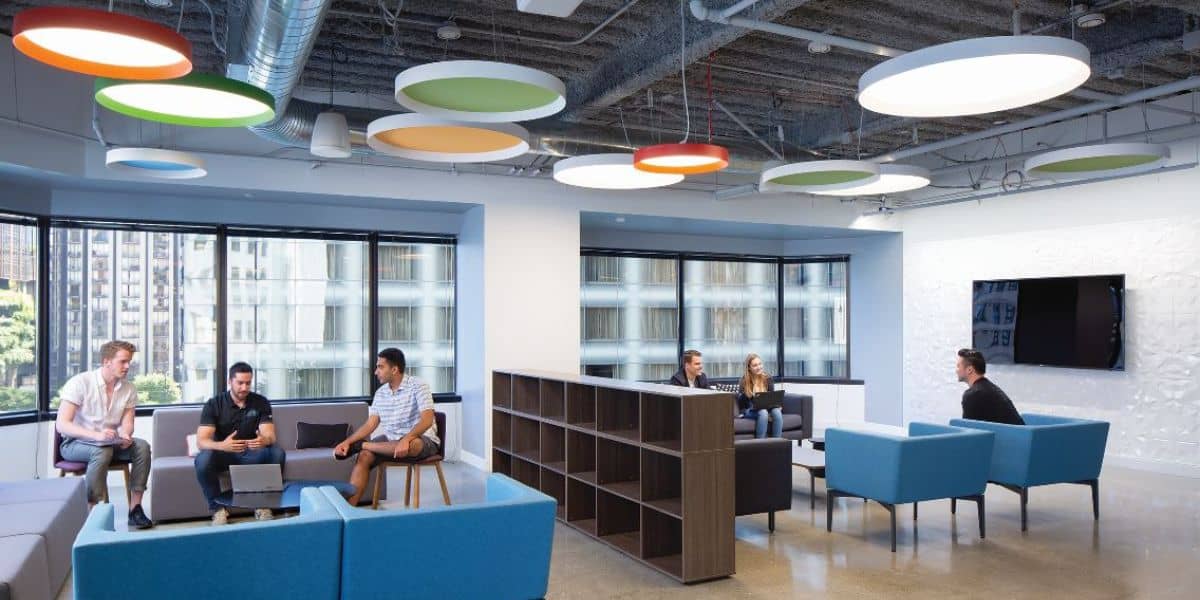
Las zonas informales generan cúmulos de voz impredecibles pero concentrados. Sin absorción de techo, el ruido se derrama en zonas tranquilas adyacentes.
Instalación de iluminación acústica arriba:
- Racimos de asientos suaves
- espacios de grupo
- Pods de reuniones informales
Crea zonas de absorción localizadas. Esto contiene sonido cerca de su fuente y evita la acumulación de reverberación en la placa del piso.
La estrategia de colocación debe priorizar la contención del sonido, no la simetría visual.
Pautas de altura y suspensión de instalación
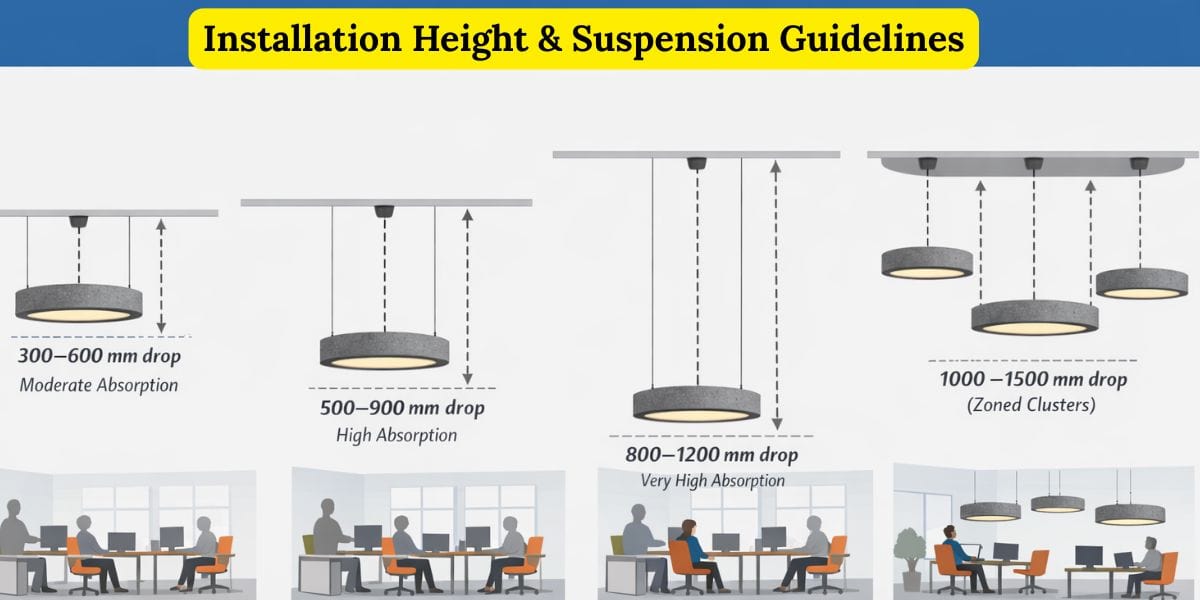
La profundidad de la suspensión influye significativamente en el rendimiento. La reducción de la iluminación acústica aumenta su interacción con las ondas de sonido al posicionar el material dentro de los caminos de reflexión activa.
Para techos expuestos o losas altas, la suspensión más profunda mejora la captura acústica.
Tabla 1 – Pautas de suspensión recomendadas
| Altura del techo | Profundidad de suspensión sugerida | Impacto acús | notas |
| 2,6–2,8 m | 300–600 mm | Moderado a alto | Adecuado para salas de conferencias y oficinas |
| 2,8–3,2 m | 500–900 mm | Alta | Mejora el control de voz en plan abierto |
| 3,2 a 4,0 m | 800-1200 mm | Alto (zonas localizadas) | Esencial para techos expuestos |
| >4.0 m | 1000–1500 mm (grupos zonificados) | objetivo | Combinar con accesorios acústicos adicionales |
La suspensión más baja aumenta la absorción efectiva porque el sonido encuentra el material antes de dispersarse por completo.
En techos altos por encima de 3 m, la instalación de accesorios apretados a la losa reduce significativamente el rendimiento. Traer la iluminación acústica hacia abajo mejora la interacción con las frecuencias del habla.
Estrategia de Cobertura y Dis
El porcentaje de cobertura y el patrón de distribución determinan la efectividad general.
Como regla general:
- Cobertura de 20 a 25% en oficinas de ruido moderado.
- Cobertura 30–40% en zonas de alta colaboración.
- Mayor densidad localizada por encima de las áreas de conferencia.
La distribución uniforme en las zonas activas supera a la agrupación de todos los accesorios en un área.
Los pequeños colgantes espaciados uniformemente pueden funcionar tan bien como paneles grandes si se distribuyen correctamente. Los grandes paneles de iluminación acústica crean campos de absorción más amplios, pero requieren una alineación cuidadosa con las zonas de actividad.
Tabla 2 – Estrategia de Distribución por Tipo de Espacio
| Tipo de espacio | Zona de colocación primaria | Patrón de distribución | ¿Se necesita tratamiento adicional? |
| oficina abierta | Clústeres de escritorio | incluso la red sobre las áreas de trabajo | A veces, los accesorios acústicos de pared son altamente reflectantes |
| cuarto de conferencia | Centrado arriba de la mesa | Clúster lineal o rectangular | Rara vez si la cobertura es adecuada |
| Espacio de coworking | Áreas de colaboración mixta | Clústeres zonificados | A menudo sí para paredes de vidrio |
| acogida | Zona de asientos de espera | concentrado sobre asientos | Posiblemente para techos altos |
| Atrio de techo alto | Bolsillos de actividad | Clústeres suspendidos | Sí para el control de volumen |
Evite colocar toda la iluminación acústica a lo largo de los bordes perimetrales. La colocación distribuida alineada con la concentración de voz produce un mejor rendimiento que la agrupación decorativa.
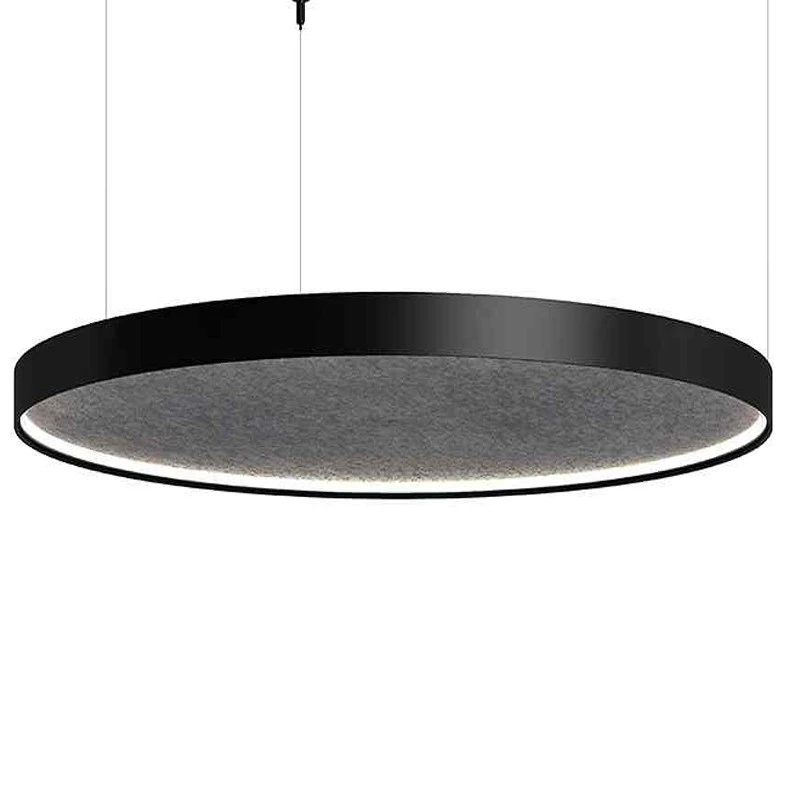
Lámpara colgante LED acústica de círculo directo
- Voltaje de entrada: AC100-277V / AC220-240V,50-60Hz
- Tamaño de altura: H65mm
- Tamaño D: 600mm / 800mm / 1000mm / 1200mm
- CCT: 3000K / 4000K / 6000K
- Potencia: 40 W / 60 W / 80 W / 96 W
- Flujo luminoso: 100-110lm/W
- antihipón -Deslumbramiento: Sí
- CRI: >80RA
- PF: >0.90
- Flicker gratis: si
- Ángulo del haz: 120
- Grado IP: IP20
- Garantía: 5 años
- Color de la placa acústica de fieltro: rojo / verde / azul / gris más de 48 colores opción
Guía de instalación específica de la habitación
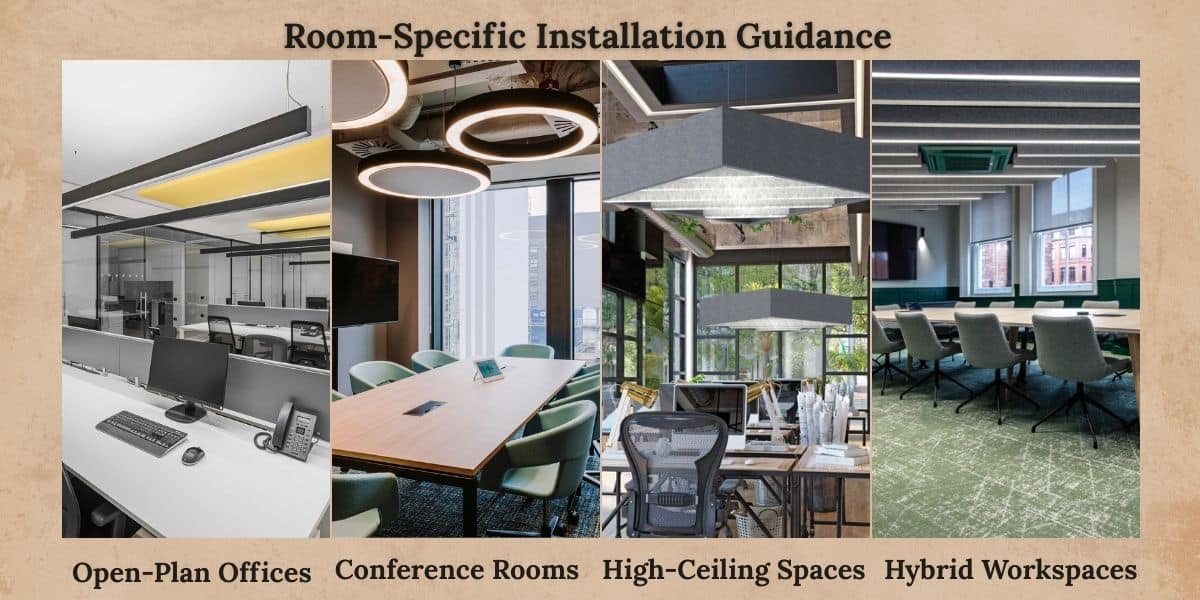
Oficinas de planta abierta
Use rejillas distribuidas sobre escritorios, no corredores. Los diseños centralizados solo en el corredor no abordan el habla en su origen.
Si los techos superan los 3 m:
- Aumente la profundidad de la suspensión.
- Cluster Acoustic Fixtures directamente sobre los escritorios activos.
- Complemente con accesorios acústicos adicionales si la reverberación sigue siendo alta.
Salas de conferencias
Instale la iluminación acústica central sobre la mesa. Para habitaciones largas:
- Utilice arreglos lineales que sigan la geometría de la tabla.
- Agregue accesorios secundarios cerca de los extremos de la mesa si es necesario.
Evite colocar accesorios cerca de las paredes a menos que los reflejos laterales sean severos.
Espacios de techo alto
Los techos altos aumentan la reverberación debido a un mayor volumen. En estos espacios:
- Suspender los accesorios más abajo en la zona ocupada.
- agrupación sobre áreas de asientos o colaboración activas.
- Combine con accesorios acústicos de pared si dominan las superficies de vidrio.
La ubicación debe apuntar a las áreas de actividad, no al espacio abierto de vacío.
Espacios de trabajo híbridos
Las oficinas híbridas reconfiguran con frecuencia los diseños de escritorio. Los sistemas de iluminación acústica modular ofrecen flexibilidad.
Estrategia de colocación:
- Identificar los cúmulos de voz probables.
- Utilice sistemas de suspensión reconfigurables.
- Evite centros de mesa decorativos fijos que no se adapten a los cambios de diseño.
La lógica acústica debe permanecer alineada con los patrones de ocupación en evolución.
Cuando la iluminación acústica sola no es suficiente
Ciertas condiciones limitan el rendimiento independiente:
- Tiempos de reverberación muy altos.
- Grandes fachadas de vidrio.
- muros de hormigón.
- Volúmenes de doble altura.
En estos casos, la iluminación acústica debe servir como absorción de la cabeza, complementada con vertical Accesorios acústicos.
El tratamiento del techo intercepta reflejos verticales, mientras que el tratamiento de pared controla los reflejos laterales. La combinación produce un rendimiento equilibrado.
Ignorar la reflectividad de la pared en espacios de gran acristalamiento puede socavar las soluciones solo para techos.
Errores de instalación comunes
- Instalación solo en las zonas de voz perímetro en lugar de arriba.
- Tratar la iluminación acústica como puramente decorativa.
- Ignorando la altura de la suspensión en techos altos.
- Accesorios de sobreespaciado, creando huecos reflectantes no tratados.
- Instalación de trazados de circulación por encima solamente.
- No alinear la ubicación con los patrones de voz reales.
La mayoría de los problemas de rendimiento se derivan de una colocación desalineada, no de un recuento de accesorios insuficiente.
Lista de verificación de decisión de ubicación
Tabla 3 – Lista de verificación de decisión de instalación
| Factor de evaluación | Qué evaluar | Por qué afecta el rendimiento |
| Concentración de actividad del habla | Densidad de escritorio, zonas de reunión | Determina dónde debe ser más alta la absorción |
| Altura del techo | Dimensión de losa al piso | Influye en la profundidad de la suspensión |
| Reflectividad superficial | vidrio, hormigón, metal | Mayores reflectividad aumenta la necesidad de cobertura |
| Volumen de la habitación | metros cúbicos | Mayor volumen aumenta la reverberación |
| Disposición híbrida vs fija | Frecuencia de reconfiguración | Impactos Necesidad de colocación modular |
| Necesidad de accesorios acústicos adicionales | Gravedad de la reflexión de | Asegura un control acústico equilibrado |
Esta lista de verificación respalda la toma de decisiones estructurada en lugar de la instalación basada en la estética.
Flujo de trabajo de colocación práctica
Un proceso de colocación profesional generalmente sigue estos pasos:
Paso 1: Identificar zonas de habla pesada
Mapee grupos de estaciones de trabajo, mesas de reuniones y áreas de asientos informales.
Paso 2: Mapear superficies de reflexión
Evalúe la reflectividad del techo y la altura de la habitación.
Paso 3: Determinar el rango de suspensión
Seleccione la profundidad de la suspensión en función de la altura del techo y la eficiencia de absorción deseada.
Paso 4: Patrón de distribución de planes
Elija diseños de cuadrícula, lineales o agrupados alineados con zonas de actividad.
Paso 5: Evaluar el tratamiento adicional
Evalúe si se requieren accesorios acústicos de pared para un control equilibrado.
Este flujo de trabajo prioriza la alineación del rendimiento sobre la uniformidad visual.
Tendencias de colocación 2026
Las tendencias emergentes enfatizan la integración del rendimiento:
- Sistemas de techo integrados que combinan iluminación y absorción.
- Iluminación acústica modular para entornos de trabajo híbridos.
- Sistemas de suspensión flexibles para un rendimiento ajustable.
- Control acústico zonificado Reemplazo de rejillas de paneles de techo completo.
Cada vez más, la iluminación acústica reemplaza los paneles de techo separados al combinar la iluminación y la absorción específica dentro de la zona de reflexión.
Conclusión
La iluminación acústica debe instalarse directamente sobre las zonas de sonido primarias, distribuirse estratégicamente en las áreas del techo y suspendirse en alturas que maximicen la eficiencia de absorción. La lógica de colocación importa más que el recuento de accesorios. Cuando se alinea con los patrones de voz y la geometría del techo, la iluminación acústica mejora significativamente la comodidad y la claridad.
Preguntas frecuentes
Publicaciones relacionadas