Français
  English
  简体中文
简体中文  Deutsch
  Español
  Italiano
  日本語
日本語  한국어
한국어  Polski
  Português
  Русский
  Türkçe
  Nederlands
  Tiếng Việt
  ไทย
ไทย 
L'évaluation des fournisseurs de feux de feuille de LED nécessite un processus de vérification structuré qui commence par des tests techniques et se poursuit grâce à l'audit des fournisseurs, à la production pilote et à la validation de la fabrication à grande échelle. Un fournisseur ne peut pas être approuvé en fonction de la seule qualité de l'échantillon. L'évaluation doit confirmer que les performances, le contrôle des processus et la discipline de fabrication restent cohérents, du premier prototype à la production de masse.
De nombreux acheteurs connaissent un problème prévisible : les échantillons initiaux fonctionnent bien, mais une fois que les commandes sont à l'échelle, les baisses de cohérence de la luminosité, les changements de comportement thermique, les tolérances de coupe ou les performances des adhésifs s'affaiblissent. Cette « fanfare de qualité » se produit lorsque le contrôle des processus du fournisseur ne peut pas prendre en charge la production de volume, même si son équipe d'ingénieurs peut produire des échantillons précoces solides.
Ce guide décrit un système d'évaluation étape par étape. Il ne recommande pas des fournisseurs spécifiques. Au lieu de cela, il définit comment les responsables des achats, les acheteurs OEM/ODM, les ingénieurs de projet et les propriétaires de marques devraient vérifier les fournisseurs de feux de feuille de LED, des tests de banc jusqu'à la préparation de la production.
Étape 1 : Évaluation des échantillons
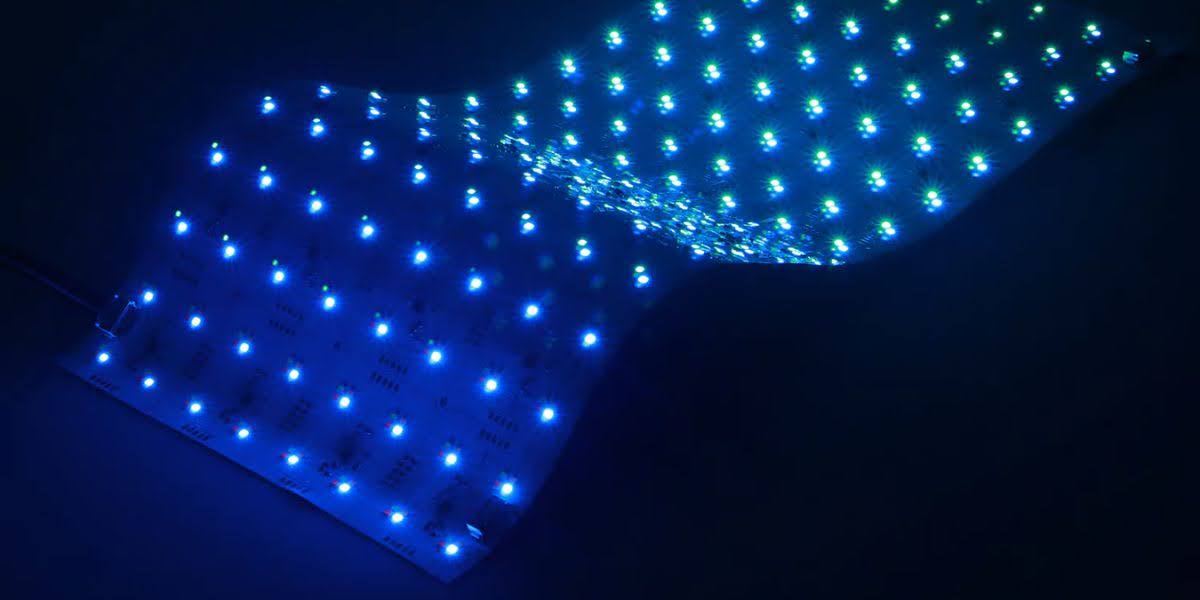
Les tests d'échantillon ne concernent pas les premières impressions. Il s'agit de répétabilité dans des conditions contrôlées. Chaque échantillon de lumière de feuille LED doit être évalué à l'aide de critères mesurables qui peuvent être appliqués ultérieurement aux lots de production.
Les acheteurs doivent tester des échantillons à l'aide du cadre de vérification suivant :
- Uniformité optique sur le panneau lumineux de la feuille LED
Mesurez la luminosité à plusieurs points de grille. Les variations d'intensité lumineuse sur la feuille de lumières LED doivent rester dans une plage de tolérance définie. La diffusion inégale ou l'espacement des diodes incohérents indique des problèmes de mise à l'échelle potentiels. - Stabilité de la luminosité sous une exécution prolongée
Pour les échantillons de feuilles de lumière LED à haute luminosité, effectuez des tests de fonctionnement continu pendant 8 à 24 heures. Suivez la chute de la lumière, le changement de couleur et la fluctuation du courant. La stabilité sous charge thermique est plus importante que la sortie de crête initiale. - Cartographie des performances thermiques
Utilisez l'imagerie thermique pour enregistrer la distribution des points d'accès. Comparez l'élévation de température du centre et du bord. Une concentration de chaleur excessive prédit souvent une dégradation à long terme lors de la mise à l'échelle de la production. - Intégrité mécanique des formats flexibles et rigides
Pour les formats de feuilles de lumière LED flexibles, effectuez des tests de cycle de pliage. Pour les formats rigides, appliquez une légère contrainte de torsion pour confirmer la durabilité des joints de soudure. La stabilité mécanique doit être reproductible sur plusieurs échantillons. - Tolérance de coupe et continuité électrique
Si la lumière de la feuille LED permet de couper sur le terrain, testez plusieurs points de coupe. Confirmez que la continuité électrique reste stable et qu'aucune gradation de bord ne se produit. Un routage de traces de cuivre incohérent devient visible ici. - Performances des adhésifs et collage de substrat
Évaluer la résistance au pelage et la stabilité d'adhérence sous exposition à la chaleur. Les systèmes adhésifs faibles se dégradent souvent lors de la production à grande échelle en raison des substitutions de matériaux.
Le principe clé est la réplication. Les acheteurs doivent tester plusieurs échantillons à partir de différentes dates de production si possible. Si les performances varient d'une unité à l'autre, le fournisseur manque probablement de cohérence des processus.
Étape 2 : Audit des fournisseurs et des capacités des fournisseurs
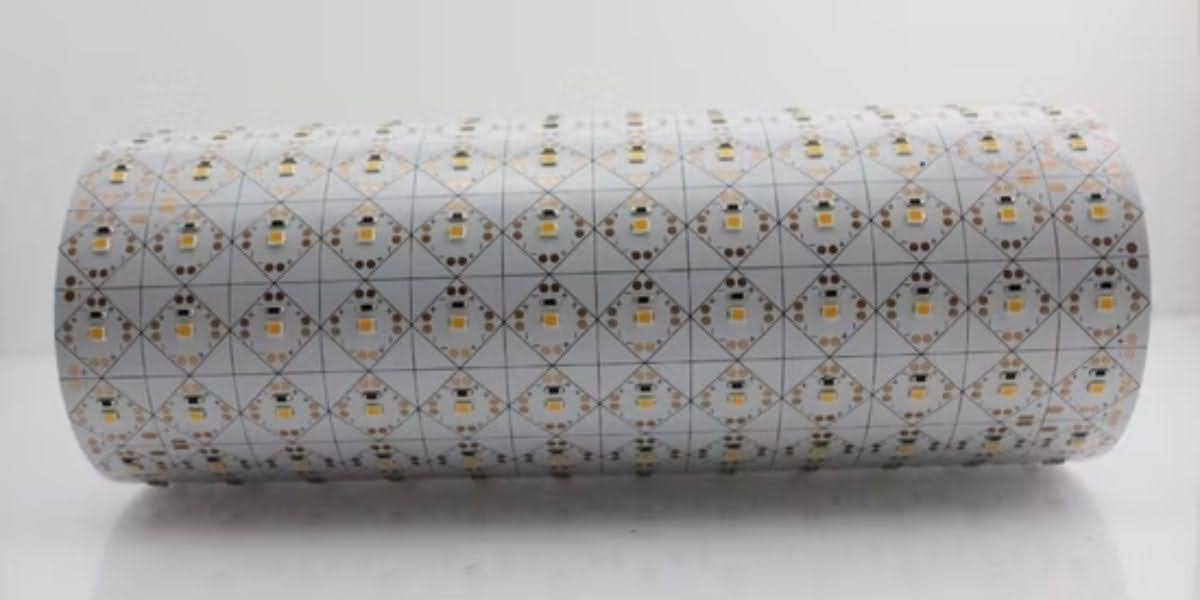
Les échantillons forts ne garantissent pas un fabricant compétent. De nombreux fournisseurs sous-traitent la production partielle ou comptent sur de petits lots d'ingénierie pour les unités d'évaluation. Une vérification de fond détermine si le fournisseur peut produire de manière cohérente Lampes à feuille LED au volume.
Commencez par examiner la spécialisation. Une usine qui produit principalement des bandes de LED génériques peut ne pas avoir une expérience approfondie de la fabrication de panneaux de lumière LED à haute luminosité. Les lignes de production, la configuration SMT et le contrôle de diffusion optique diffèrent considérablement d'un format à l'autre.
Ensuite, évaluez la profondeur de l'ingénierie. Feuille de LED personnalisée Projets d'éclairage Nécessite une optimisation de la mise en page, un équilibrage actuel et une modélisation thermique. Les fournisseurs doivent démontrer la possibilité de modifier l'architecture des PCB, et non pas simplement d'ajuster les niveaux de luminosité. Examinez la documentation du projet et les flux de travail de modification technique.
L'historique de la production compte également. Un fournisseur avec des cycles de production limités peut manquer de surveillance structurée des rendements. Un historique de lots cohérents réduit le risque de mise à l'échelle.
Enfin, évaluez la maturité du système de qualité. L'accent ne doit pas être mis sur les affichages de certificat. Vérifiez plutôt si :
- Il existe des points de contrôle d'inspection en cours définis.
- Les paramètres de processus sont documentés et verrouillés.
- Les modifications techniques nécessitent une approbation structurée.
- L'analyse des causes profondes est enregistrée et traçable.
Un fournisseur compétent montre une discipline opérationnelle, et non une documentation marketing.
Étape 3 : Conformité et vérification des processus
La validation de la conformité n'est pas une question de liste des normes. Il s'agit de confirmer que le fournisseur peut prouver la traçabilité des tests et la conformité réglementaire avec les preuves documentées.
Vérifiez tout d'abord si les tests de sécurité correspondent à la configuration réelle de la lampe LED en cours d'achat. La documentation doit correspondre à la puissance, au type de substrat et à la compatibilité du pilote. Les certificats génériques qui ne font pas référence à des configurations de build spécifiques présentent un risque.
Deuxièmement, confirmez les points de contrôle de qualité internes. Demandez comment l'inspection de la pâte à souder est vérifiée. Examinez la façon dont la sélection de bacs LED est enregistrée. Examinez comment le calibrage actuel est effectué pour les variantes de feuille de lumière LED à haute luminosité.
Troisièmement, examinez la traçabilité des lots. Chaque feuille de voyants LED doit être traçable aux codes de la boîte à LED, aux numéros de lots de circuits imprimés et aux enregistrements de quart de travail. Sans traçabilité, les enquêtes sur les pannes de terrain deviennent impossibles.
Une documentation non vérifiable signale une instabilité potentielle. Si un fournisseur ne peut pas expliquer comment un résultat de test a été généré ou quel lot il représente, la fiabilité de la production ne peut être garantie.
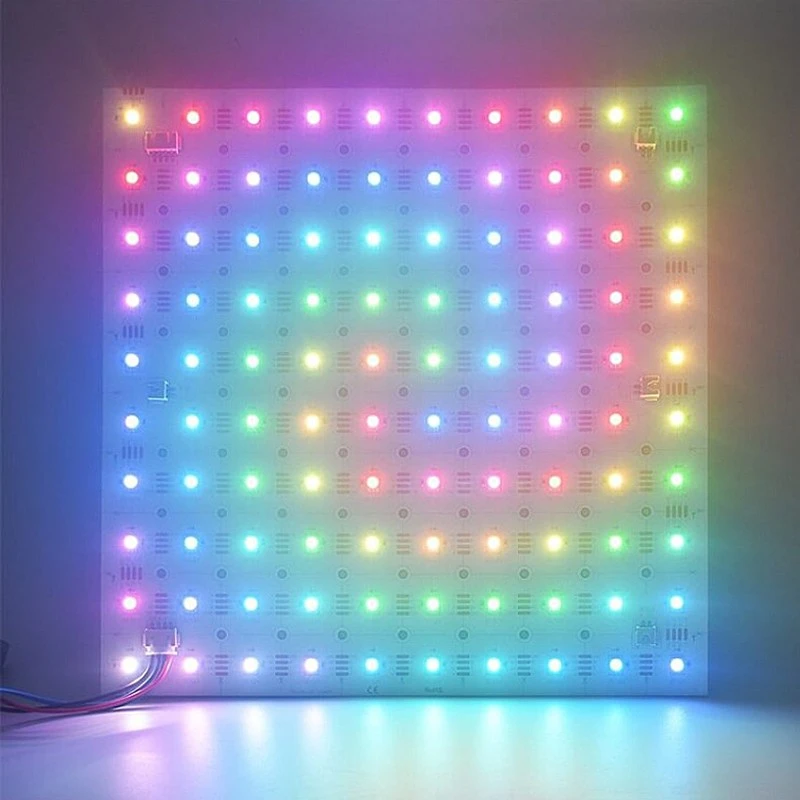
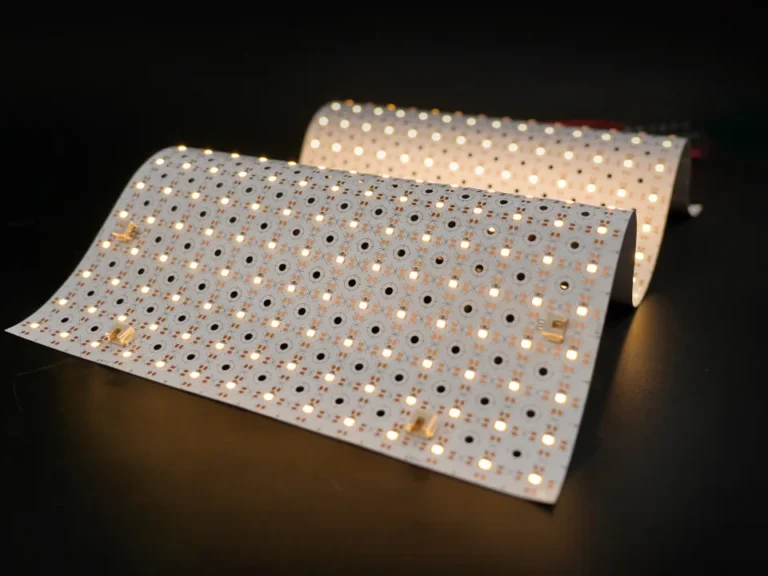
Feuilles de LED adressables
- Taille (L x L ) : 250mmx250mm
- Type de LED : 5050 SMD
- Quantité LED : 100pcs
- Type de CI : WS2812 intégré
- Quantité IC : 100pcs
- Couleur : RGBIC
- Tension de fonctionnement : DC 12V
- Actuel : 1.08a
- Puissance : 13w
- Flux lumineux : 20lm/LED
- Angle de faisceau : 120°
- Niveau imperméable : IP20 non étanche, IP54 étanche
- Durée de vie : >35 000 heures
- Garantie: 3 ans
Étape 4 : Pilote Run & Validation de pré-production
L'approbation de l'échantillon doit toujours être suivie d'un pilote contrôlé. C'est le stade où le stress de fabrication réel est introduit.
Les acheteurs doivent évaluer la production pilote en utilisant ces critères :
- Réplication en petits lots des paramètres de production
Le pilote doit utiliser des outils et des matériaux de production de masse réelles, et non des composants prototypes. - Cohérence sur plusieurs panneaux de feuilles de lumière LED
Mesurez la luminosité, la température de couleur et la consommation d'énergie sur au moins 20 à 50 unités. La variabilité révèle la stabilité du processus. - Stabilité thermique dans des conditions d'installation groupées
Testez plusieurs panneaux installés ensemble pour simuler l'accumulation réelle de chaleur des applications. - Suivi du rendement et des taux de défauts
Demander des données sur le pourcentage de rendement de production. L'instabilité précoce des rendements indique des problèmes d'échelle futurs. - Emballage et manutention Dur
Les tests de vibration d'expédition révèlent des joints de soudure faibles ou des défauts d'adhésif.
Les exécutions pilotes exposent des problèmes que des échantillons uniques ne peuvent pas révéler. Les variations mineures de la température de reflux de soudure ou du mélange de bacs à LED n'apparaissent souvent que lorsque la taille du lot augmente.
Étape 5 : Transition vers la production de masse
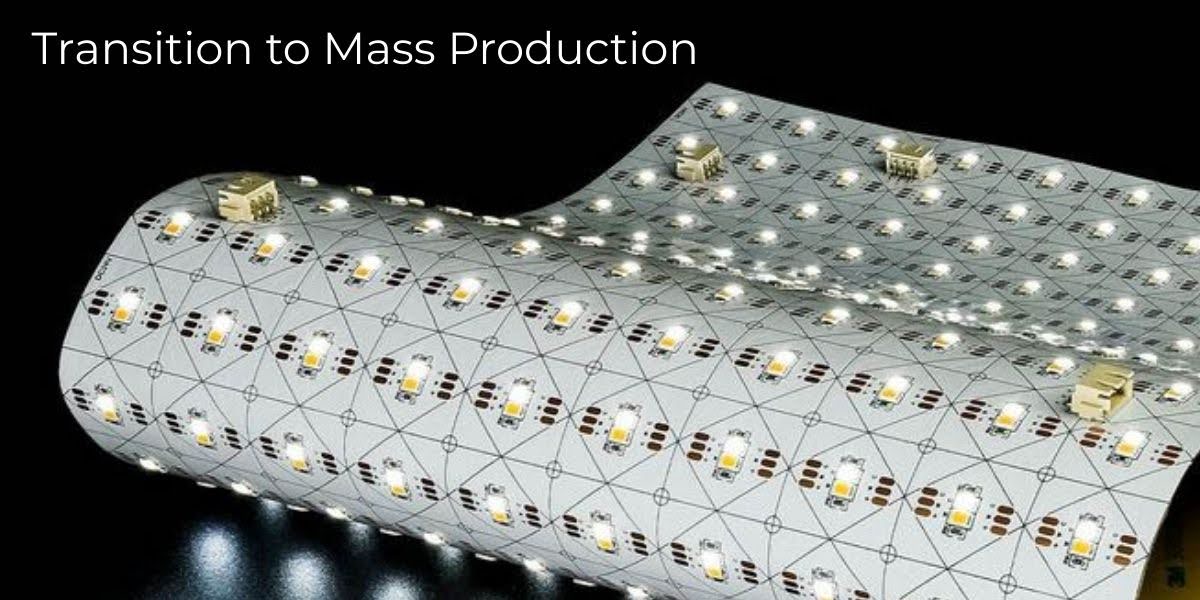
La transition de la production pilote à la production de masse est celle où la qualité de fondu se produit le plus souvent. Même les produits flexibles de la lumière LED flexibles peuvent se dégrader lorsque les pressions volumiques augmentent.
Plusieurs facteurs contribuent à ce risque :
La substitution matérielle est courante à l'échelle. Les fournisseurs peuvent changer de marques adhésives, d'épaisseur de cuivre de PCB ou de lots LED pour atteindre les objectifs de coûts. Chaque substitution affecte la stabilité optique et thermique.
La dérive d'outillage peut se produire lorsque l'usure du pochoir modifie le dépôt de volume de soudure. Au fil du temps, cela affecte l'uniformité de la luminosité sur le panneau lumineux de la feuille de LED.
Le comportement de charge thermique se déplace également à l'échelle. Dans la production de feuilles de lumière LED à haute luminosité, un déséquilibre de courant mineur s'amplifie sur de grandes quantités. La variance de dissipation de chaleur peut entraîner une dépréciation prématurée de la lumière.
Le verrouillage des processus est essentiel. Une fois l'approbation du pilote terminée, les fournisseurs doivent geler les spécifications des composants, les paramètres SMT et les seuils d'inspection. Toute modification doit déclencher une revue technique documentée.
Les acheteurs doivent demander la confirmation de :
- Procédures de verrouillage des composants
- Listes de fournisseurs approuvées pour les matières premières
- Modifier les protocoles de notification
- Méthodes de surveillance des performances continues
La préparation à la production de masse est définie par le contrôle et non par la capacité.
Étape 6 : Contrôle de la qualité en cours lors de la production de masse
L'assurance qualité ne s'arrête pas à l'émission du bon de commande. Une vérification continue est nécessaire pour maintenir la stabilité des performances dans Lampes à feuille LED.
L'inspection des matériaux entrants garantit que les bacs à LED correspondent aux spécifications approuvées. Les substrats de circuits imprimés doivent répondre à des critères définis d'épaisseur de cuivre et de résistance à l'isolation.
L'inspection en cours doit surveiller le dépôt de la pâte de soudure, la précision du placement des LED et l'étalonnage actuel. L'inspection optique automatisée peut détecter la dérive d'alignement avant que les défauts ne se multiplient.
La logique d'inspection finale doit vérifier :
- Continuité électrique à travers les points de coupure
- Distribution uniforme de la luminosité
- Consommation d'énergie dans la
- Adhérence de liaison
Les usines avec contrôle de processus discipliné surpassent les opérations plus importantes mais gérées de manière vague. La cohérence est déterminée par la discipline de processus, et non par le volume de production.
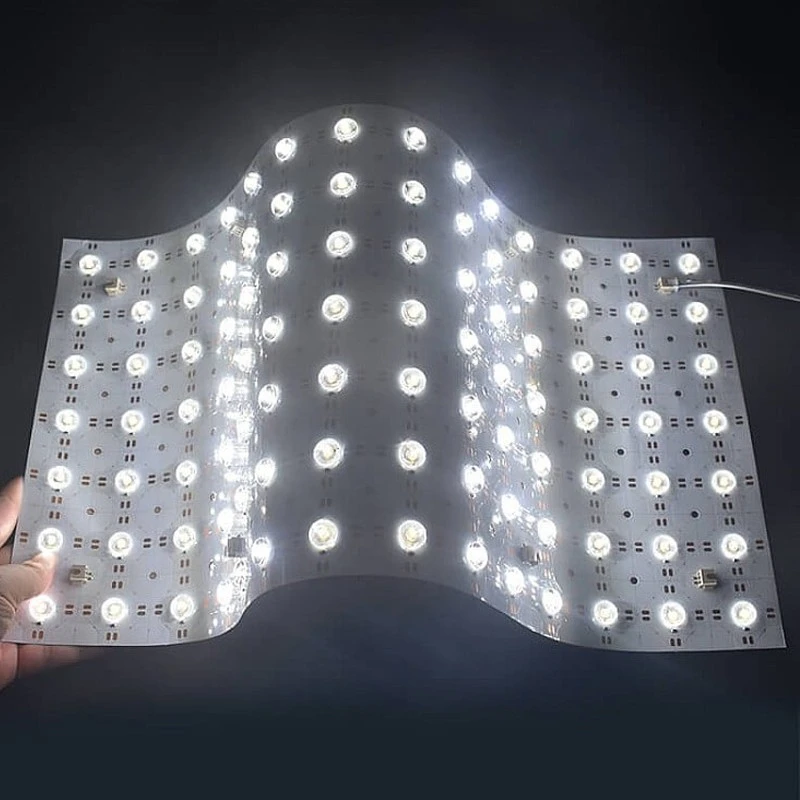
Feuilles LED optiques
- Taille (L x L x H) : 500mmx250mmx8mm
- Type de LED : 2835 SMD
- Quantité LED : 98 pièces
- Tension de fonctionnement : DC 24V
- Puissance : 20W
- CCT : 2700K/ 3000K/4000K/6000K/6500K
- Flux illuminés : 1800lm
- CRI : > 90 ra
- Angle de faisceau : 180°
- Taille de coupe : 1 LED
- Grade IP : IP20 non étanche
- Durée de vie : >35 000 heures
- Garantie: 3 ans
Tableau de comparaison d'évaluation de fournisseurs
| Étape d'évaluation | Quel acheteur doit vérifier | Pourquoi c'est important à l'échelle | Risque s'il est ignor |
| Exemple de test | Uniformité optique, stabilité thermique, répétabilité | Détecte les premières faiblesses de la conception | Des vices cachés apparaissent en production |
| Audit des fournisseurs | Profondeur technique, discipline des processus, historique de production | Confirme la capacité de mettre à l'échelle de manière fiable | Des échantillons forts provenant de fabriques faibles |
| Contrôle de conformité | Documentation traçable, enregistrements de lots | Active le suivi des défauts | Risque réglementaire non contrôlé |
| course pilote | Mesures de cohérence des lots, taux de rendement | Simule le stress de production | La qualité s'estompe après confirmation de la commande |
| Verrou de production de masse | Contrôle des matériaux, stabilité de l'outillage | Empêche la dérive dans le temps | Diminution des performances entre les lots |
Erreurs courantes de l'acheteur
De nombreuses équipes d'approvisionnement approuver les fournisseurs uniquement en fonction des performances initiales de l'échantillon. Cela ignore la capacité de processus et la discipline de mise à l'échelle.
Sauter des courses de pilotes est une autre erreur courante. Sans réplication par lots, les problèmes de rendement cachés restent non détectés.
Les acheteurs supposent souvent que les produits flexibles en feuille de lumière LED se comportent de la même manière au volume que dans les petits lots de tests. En réalité, la tolérance à la soudure, le stress de trace de cuivre et la répartition de la chaleur changent avec l'échelle de production.
Une autre erreur est de négliger la traçabilité interne. Lorsque la défaillance se produit dans les installations sur le terrain, le manque de documentation des lots empêche l'analyse des causes profondes.
L'évaluation des fournisseurs doit aller au-delà des comparaisons de prix et de l'inspection esthétique. Il nécessite une vérification structurée du premier échantillon à la surveillance de la production continue.
Conclusion
L'évaluation des fournisseurs de lampes à LED est un exercice axé sur les processus qui passe de la validation des échantillons à la discipline de production de masse. Des échantillons forts sont nécessaires mais insuffisants. La véritable capacité du fournisseur est prouvée grâce à la répétabilité, à la traçabilité, à la réplication pilote et au verrouillage des processus.
La qualité du fondu d'un échantillon et d'une échelle est évitable lorsque les acheteurs appliquent une vérification structurée à chaque étape. Les décisions d'approvisionnement doivent être basées sur la force du contrôle des processus, et non sur la tarification initiale ou les premières impressions.
Des tests en banc à la stabilité du volume, l'évaluation des fournisseurs est un système. Lorsqu'il est appliqué rigoureusement, il protège les performances, la fiabilité et l'intégrité à long terme du produit.
FAQ
Articles Similaires