Français
  English
  简体中文
简体中文  Deutsch
  Español
  Italiano
  日本語
日本語  한국어
한국어  Polski
  Português
  Русский
  Türkçe
  Nederlands
  Tiếng Việt
  ไทย
ไทย 
Les solutions de modules linéaires LED pour l'éclairage architectural sont des systèmes d'éclairage intégrés construits autour d'un circuit imprimé rigide, combinés à des optiques, des boîtiers et des interfaces de contrôle. Contrairement aux bandes de LED de base, elles fonctionnent comme des moteurs de lumière stables conçus pour une utilisation architecturale à long terme, offrant un éclairage cohérent, un comportement thermique contrôlé et une intégration transparente dans les plafonds, les murs et les caractéristiques de conception linéaire.
Quels sont les modules linéaires LED dans l'éclairage architectural ?
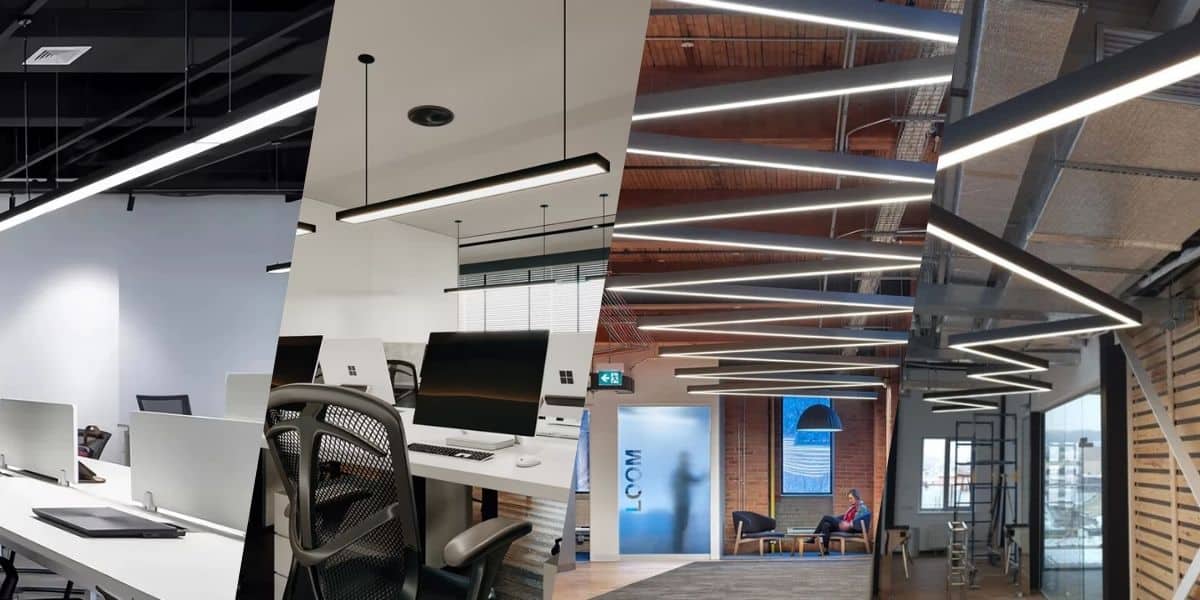
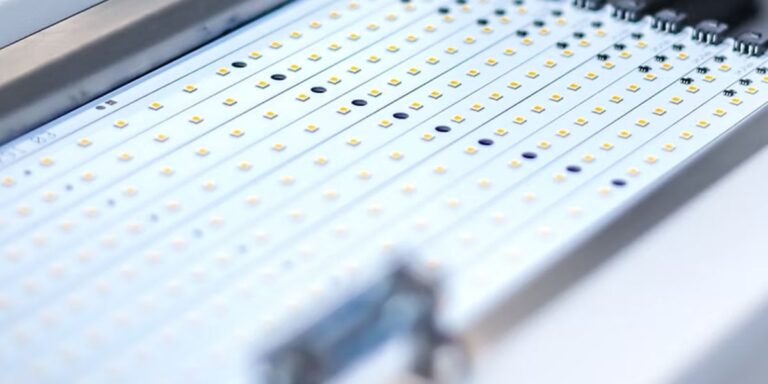
Dans l'éclairage architectural, un module linéaire est une unité d'éclairage rigide conçue pour produire une lumière continue et uniforme sur une longueur définie. À la base, un circuit imprimé qui agit comme moteur léger, supportant les LED, gérant le flux de chaleur et assurant la stabilité électrique.
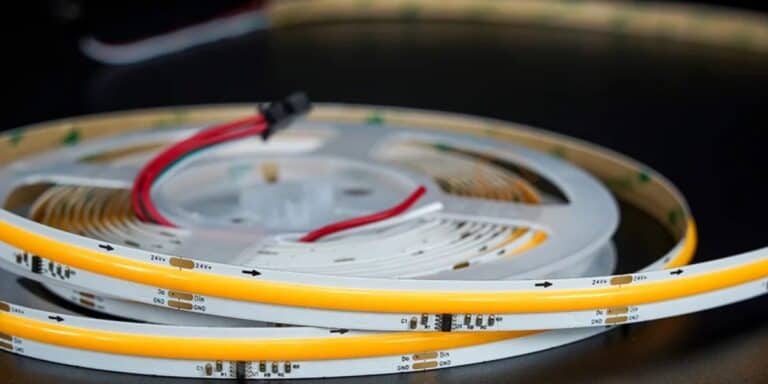
Contrairement aux bandes LED flexibles, qui privilégient l'adaptabilité, les modules linéaires privilégient la cohérence structurelle et les performances prévisibles. Les espaces architecturaux exigent un éclairage identique aujourd'hui et des années plus tard, notamment dans les installations fixes où l'accès est limité.
Les composants de base comprennent généralement :
- PCB LED agissant comme le moteur de lumière principal
- Chemin thermique défini pour la dissipation thermique
- Diffuseur ou objectif optique pour une propagation de la lumière contrôlée
- Interface pilote pour une puissance et un contrôle stables
Cette approche au niveau du système est la raison pour laquelle les modules linéaires sont préférés lorsque l'éclairage devient une partie de l'architecture elle-même.
Pourquoi les modules linéaires basés sur des PCB sont utilisés dans l'architecture
Les environnements architecturaux imposent des exigences très différentes à l'éclairage par rapport aux applications décoratives ou temporaires. Les modules linéaires basés sur des PCB offrent une rigidité mécanique, ce qui maintient l'espacement des LED fixes et empêche la distorsion visuelle au fil du temps.
La cohérence thermique est une autre raison clé. un rigide Carte de circuit imprimé LED bande de circuit imprimé Permet à la chaleur de se propager uniformément sur la longueur, ce qui réduit les points chauds localisés qui peuvent affecter la couleur et la durée de vie. Cela compte dans les projets où les lumières fonctionnent chaque jour pendant de longues heures.
Une distribution uniforme de la lumière est également plus facile à réaliser lorsque les LED sont montées sur une disposition de circuit imprimé contrôlée plutôt que sur un substrat flexible qui peut se plier ou s'affaisser. Pour les architectes et les ingénieurs, cette fiabilité réduit le risque visuel une fois le projet terminé.
Dans le cadre de projets d'architecture professionnelle, de nombreux modules linéaires sont conçus autour Cohérence mécanique et électrique à base de Zhaga, qui aide à maintenir des performances uniformes dans tous les luminaires et à simplifier la maintenance à long terme dans les grandes installations.
Principales caractéristiques techniques Les architectes se soucient
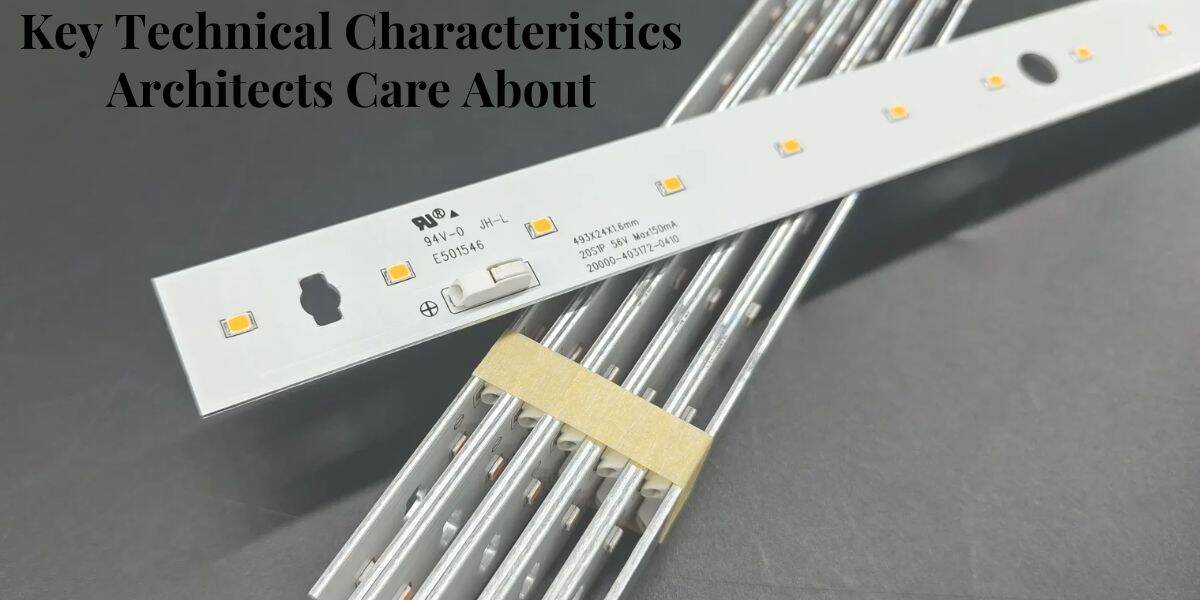
Les architectes et les concepteurs d'éclairage se concentrent rarement sur les seuls chiffres de lumen brut. Ce qui compte le plus, c'est le comportement de la lumière dans les espaces réels.
L'uniformité légère sur de longues courses est essentielle, en particulier dans les couloirs, les criques et les lignes de caractéristiques. Toute variation devient immédiatement perceptible. Le comportement thermique est tout aussi important, car les modules sont souvent enfermés dans des plafonds ou des murs où le flux d'air est limité.
La cohérence des couleurs dans plusieurs modules garantit que les grandes installations semblent cohérentes plutôt que segmentées. L'évolutivité compte également, car les projets nécessitent souvent le même effet d'éclairage sur différentes longueurs et mises en page sans interruption visuelle.
En 2026, les projets architecturaux équilibrent généralement l'efficacité et la qualité visuelle, favorisant des performances stables et une fidélité des couleurs plutôt que la chasse à la sortie seule. Ces facteurs déterminent si un Bande de LED de PCB La solution semble architecturale ou improvisée.
Solutions de montage de modules linéaires en conception architecturale
Applications encastrées et sans tronçonnage
Ces installations permettent à la lumière de sortir directement des surfaces architecturales. Les modules linéaires fonctionnent bien ici car leur forme rigide maintient des lignes droites et des bords propres, soutenant une intention de conception minimale.
Lignes architecturales montées en surface
Lorsque l'éclairage est visible, la cohérence devient encore plus importante. Les modules linéaires fournissent un alignement précis et une sortie uniforme, renforçant la conception intentionnelle plutôt que d'apparaître comme un luminaire supplémentaire.
Éclairage linéaire suspendu
Dans les espaces ouverts, les modules suspendus deviennent eux-mêmes des éléments visuels. La stabilité et l'équilibre sont essentiels, c'est pourquoi les solutions rigides basées sur les PCB sont préférées aux alternatives flexibles.
Contexte de contrôle, de gradation et d'intégration intelligente
L'éclairage architectural est rarement statique. Les modules linéaires doivent s'intégrer en douceur aux systèmes de contrôle à l'échelle du bâtiment pour prendre en charge la gradation, la mise en scène et l'éclairage adaptatif.
Les performances de variation sont évaluées par la douceur et la cohérence dans tous les modules, et non seulement si la variation est possible. Un comportement incompatible rompt la continuité visuelle. Les concepteurs recherchent donc des solutions qui se comportent de manière prévisible dans le cadre d'un système plus large, quelle que soit la méthode de contrôle.
L'accent est mis sur la compatibilité au niveau du système plutôt que des fonctionnalités individuelles.
Considérations de conception et de fabrication pour les modules linéaires architecturaux
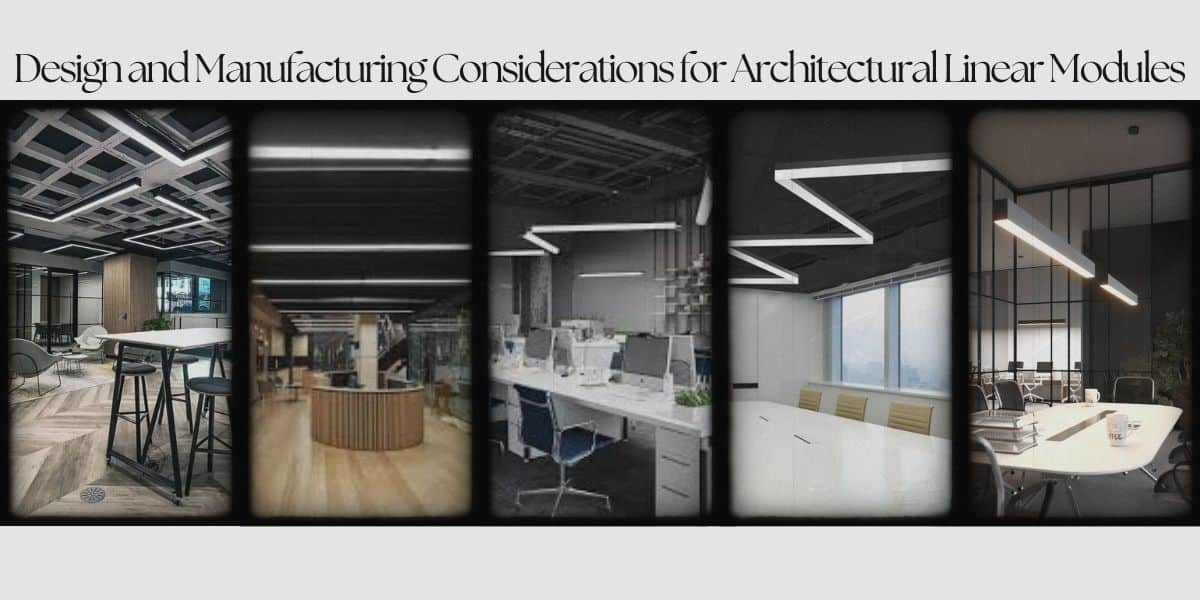
La conception des PCB affecte directement les résultats architecturaux. Le placement des LED, l'épaisseur du cuivre et la disposition influencent à la fois l'uniformité visuelle et le flux de chaleur. Au cours de longs cycles de service, les petits compromis de conception deviennent des défaillances visibles.
La gestion de la chaleur est particulièrement critique dans les installations continues où les modules fonctionnent quotidiennement pendant de longues périodes. Le contrôle des tolérances lors de la fabrication est également important, car même des variations mineures peuvent entraîner des incohérences visibles une fois les modules installés côte à côte.
Les solutions de bandes bon marché échouent souvent dans les paramètres architecturaux, car elles ne sont pas conçues pour ces exigences à long terme au niveau du système.
Erreurs courantes lors de la sélection de solutions d'éclairage linéaire
Une erreur courante consiste à traiter l'éclairage architectural comme un éclairage décoratif, en supposant que des produits similaires se comporteront de la même manière. Ignorer le comportement thermique en est un autre, en particulier dans les installations fermées.
Les équipes de conception privilégient parfois la production de lumens par rapport à la cohérence, entraînant un éclairage inégale et une gêne visuelle. Ces problèmes sont rarement apparents lors de courts tests mais deviennent évidents après l'installation.
Comprendre la différence entre un Lumière de circuit imprimé LED Conçu pour l'architecture et une bande de base aide à éviter ces problèmes.
Comparaison des approches d'éclairage dans les projets architectur
| Approche d'éclairage | Caractéristiques typiques | Adaptation architecturale |
| Bandes LED flexibles | Adaptable, faible rigidité, espacement variable | Limité pour l'architecture permanente |
| Appareils linéaires de base | Formats prédéfinis, cohérence modérée | Convient aux applications générales |
| Modules linéaires LED basés sur PCB | Structure rigide, optique contrôlée, comportement thermique stable | Bien adapté à l'intégration architecturale |
Comment les modules linéaires LED prennent en charge les objectifs d'éclairage architectural moderne
L'architecture moderne met l'accent sur le confort visuel, les lignes épurées et la fiabilité à long terme. Les modules linéaires soutiennent ces objectifs en fournissant une lumière cohérente qui s'intègre naturellement dans les espaces plutôt que de les concurrencer.
Leur nature modulaire permet aux concepteurs de maintenir un langage unifié dans différents domaines, tandis que la conception du système sous-jacente garantit des performances prévisibles dans le temps. Les conceptions modulaires basées sur des PCB prennent également en charge la durabilité à long terme en permettant la maintenance ou le remplacement au niveau du module plutôt que de supprimer des systèmes d'éclairage entiers.
Cet équilibre entre l'intention de conception et la stabilité technique est la raison pour laquelle les modules linéaires restent au cœur des stratégies d'éclairage architectural.
Conclusion
Les solutions de modules linéaires LED pour l'éclairage architectural sont des moteurs d'éclairage basés sur le système conçus pour la stabilité, la cohérence et l'intégration. En combinant un circuit imprimé rigide, une optique contrôlée, une gestion thermique et des contrôles compatibles, ils répondent aux exigences à long terme des espaces architecturaux. Leur valeur ne réside pas uniquement dans la production, mais dans un comportement prévisible qui prend en charge la conception sur la durée de vie d'un bâtiment.
FAQ
Articles Similaires