Français
  English
  简体中文
简体中文  Deutsch
  Español
  Italiano
  日本語
日本語  한국어
한국어  Polski
  Português
  Русский
  Türkçe
  Nederlands
  Tiếng Việt
  ไทย
ไทย 
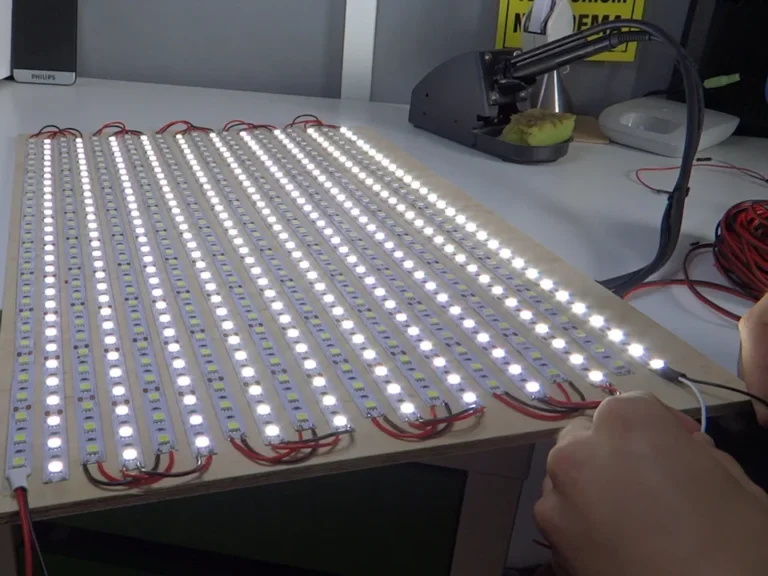
Les cartes d'éclairage LED sont des composants de base qui intègrent des unités d'émission de lumière LED, des résistances, des condensateurs, des circuits intégrés de commande et d'autres éléments sur un substrat de circuit imprimé. Contrairement aux circuits électroniques traditionnels, les panneaux d'éclairage LED mettent un accent particulier sur les performances thermiques, la capacité de transport de courant et la stabilité à long terme, qui dépendent toutes fortement de la conception et de la qualité de la fabrication de circuits imprimés.
En particulier dans les bandes de LED et les circuits imprimés de modules, tels que l'épaisseur du cuivre, le matériau du substrat thermique, la largeur de trace/l'espacement et le contrôle de l'impédance affectent directement l'efficacité lumineuse, la stabilité thermique et la durée de vie. Par conséquent, il faut équilibrer les considérations de coût avec les spécifications techniques et le contrôle de la qualité lors de la sélection des services de fabrication et d'assemblage de PCB. Cet article explore ce qui constitue une fabrication et un assemblage de PCB de grande valeur, en mettant l'accent sur les applications LED.
Exigences essentielles pour les circuits imprimés et modules de LED pour les bandes et les module
Comme composants de base de l'éclairage moderne, les bandes et modules LED sont largement utilisés dans l'éclairage décoratif, les feux arrière automobiles, les présentoirs publicitaires et les applications de maison intelligente. Leurs performances reposent fortement sur la capacité de dissipation thermique du PCB, l'efficacité de la conductivité électrique et la résistance aux intempéries. En particulier avec la prolifération de la technologie mini/micro LED, les circuits imprimés doivent prendre en charge des dispositions de densité plus élevée et des conceptions thermiques optimisées. Par exemple, dans les affichages publicitaires extérieurs, les PCB doivent maintenir la stabilité dans des conditions de haute température et d'humidité élevée pour éviter la décomposition légère causée par une dissipation thermique inadéquate.
Avec l'avancement des technologies 5G et IoT, les modules LED imposent des exigences considérablement accrues à l'intégrité du signal des PCB. Les modules LED dans les systèmes de conduite autonomes automobiles, par exemple, nécessitent des temps de réponse de niveau milliseconde, présentant des défis plus importants pour la précision du routage des PCB et la sélection des matériaux.
Quels sont les types de PCB LED ?
Les PCB LED sont la composante essentielle des produits d'éclairage LED. Différentes applications exigent des structures et des matériaux de circuits imprimés variables. Les types courants incluent.
| Type | Matériau | Scénario d'application | Fourchette de prix |
| PCB à bande flexible LED | Circuit imprimé flexible (FPC) | Emplacements d'éclairage, armoires, environnements d'installation irrégulières | 0,88 USD (démarrage) |
| PCB de module LED | panneau de fibre de verre FR-4 / fond de base en aluminium | Lumières linéaires, plafonniers (FR-4 pour faible puissance, aluminium pour haute puissance) | 1,35 USD (démarrage) |
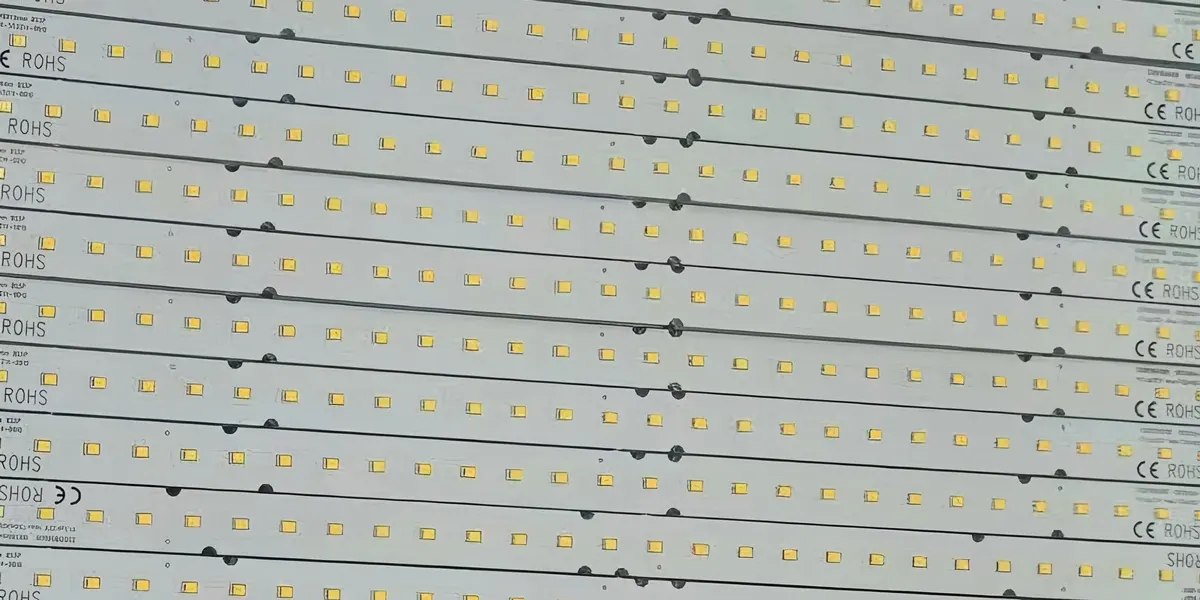
| PCB à bande rigide LED | CIDE ALUMINIUM BASE PCB / CUIVRE ÉPAISSE FR | Éclairage linéaire, éclairage industriel | 2,10 USD (démarrage) |
| Carte de circuit imprimé LED personnalisée | Carte de circuit imprimé LED personnalisée | Éclairage haut de gamme / professionnel | 2.2USD (démarrage) |
PCB à bande flexible LED
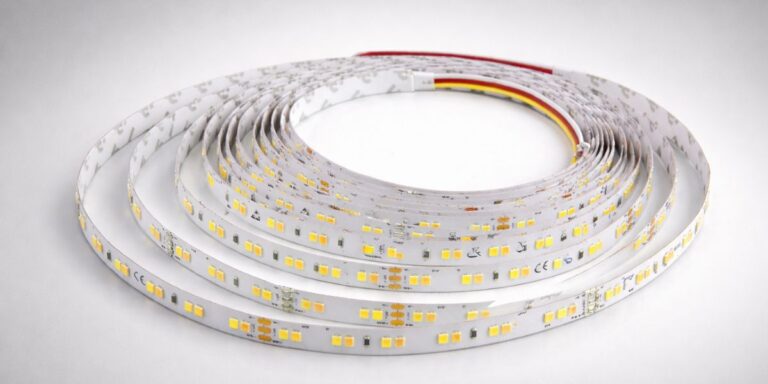
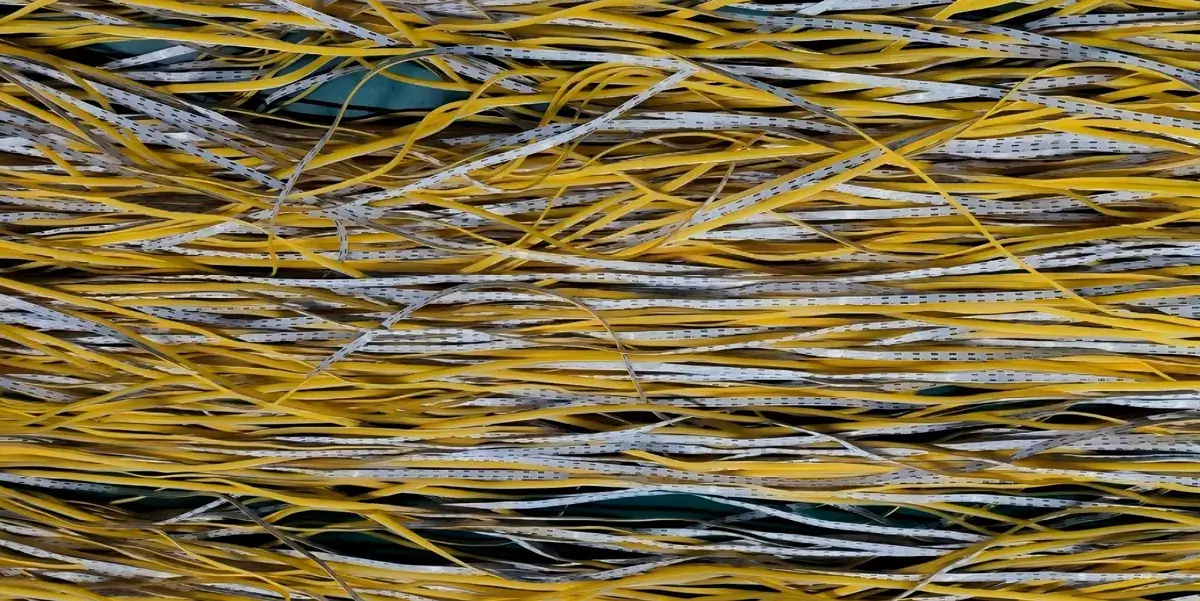
Les circuits imprimés flexibles (FPC) sont principalement utilisés pour Bandes lumineuses LED, offrant une capacité de flexion et des profils minces, idéal pour les canaux légers, les armoires et les environnements d'installation irréguliers. Ces PCB nécessitent un équilibre entre flexibilité et conductivité, généralement obtenus grâce à une feuille de cuivre plus épaisse ou à des structures à double couche pour améliorer la capacité et la stabilité du transport de courant.
PCB de module LED
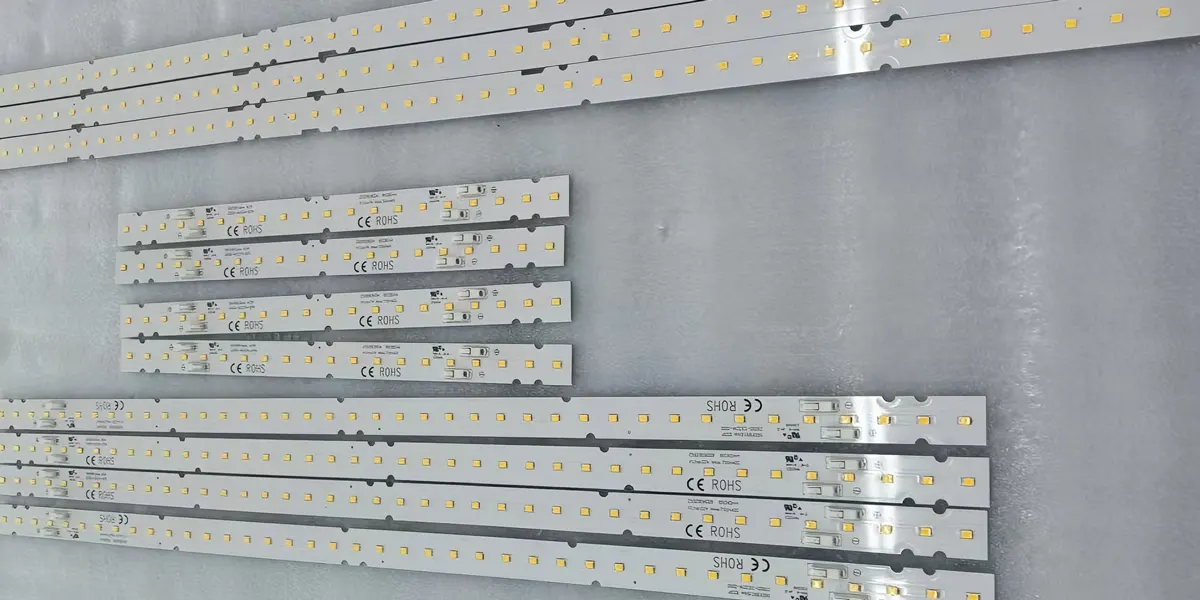
Modules LED sont largement utilisés dans les luminaires linéaires et les plafonniers. Les PCB courants comprennent les panneaux de fibre de verre FR-4 ou les substrats en aluminium. FR-4 offre un coût inférieur et convient aux applications à alimentation faible à moyenne; les substrats en aluminium offrent une dissipation thermique supérieure, ce qui les rend idéaux pour les modules de haute luminosité, bien qu'ils exigent une fiabilité et une cohérence plus élevées dans les coussins de soudure.
PCB à bande rigide LED
Bandes légères rigides Utilisez généralement des PCB à base d'aluminium ou des cartes FR-4 épaisses en cuivre, offrant une rigidité structurelle élevée et une dissipation thermique efficace. Ils sont couramment utilisés dans les applications d'éclairage linéaire et industriel, réduisant efficacement la dégradation de la lumière et prolongeant la durée de vie.
Carte de lumière LED personnalisée PCB
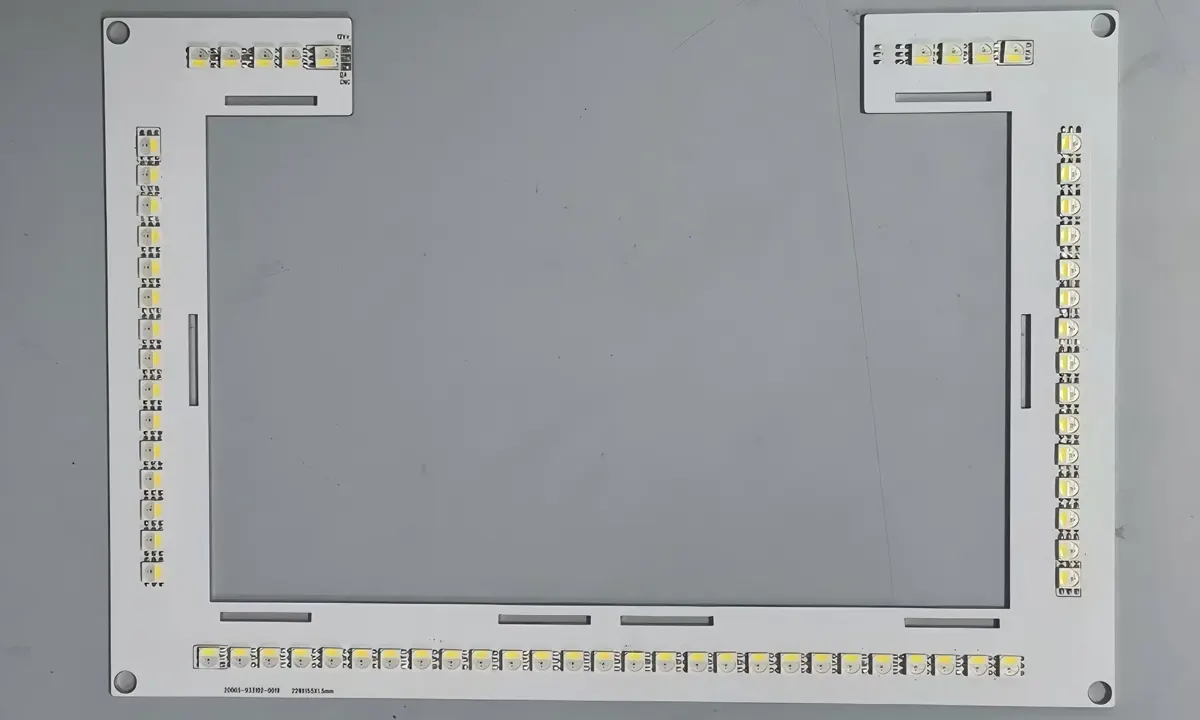
Les cartes d'éclairage personnalisées sont conçues en fonction des besoins en puissance, des dimensions et des besoins de gestion thermique, permettant une sélection flexible des structures de circuits imprimés. Ils constituent une base essentielle pour les solutions d'éclairage haut de gamme et spécialisées.
Recommandations pratiques pour la sélection des fabricants de PCB
Lors du choix d'un fabricant de PCB, effectuez une évaluation complète basée sur trois aspects clés : la qualité, la capacité et le service.
Premièrement, évaluez le système de gestion de la qualité. Priorisez les fabricants certifiés ISO9001, ISO14001, etc., et vérifient qu'ils possèdent des processus d'inspection complets, y compris l'inspection des matériaux entrants et les tests en cours de processus (AOI, test de sonde volante/fixture) - pour assurer la stabilité du produit.
Deuxièmement, évaluez les capacités techniques et la capacité de production, y compris le contrôle de l'épaisseur du cuivre, la qualité du substrat, la précision de trace et l'expérience pertinente avec les assemblages de cartes LED, les circuits imprimés de bande et les circuits imprimés de modules. Cela empêche la gestion thermique et les problèmes de durée de vie causés par des processus de fabrication inadéquats.
Troisièmement, priorisez les délais de livraison et la réactivité. Des cycles de livraison cohérents et une assistance technique rapide réduisent considérablement les risques du projet. Enfin, concentrez-vous sur la rentabilité et le potentiel de partenariat à long terme. Le prix ne doit pas être le seul critère, les fabricants de PCB capables de fournir une qualité constante, un soutien technique et un service après-vente sont mieux adaptés à une collaboration soutenue.
Lorsque vous comparez des devis de différents fabricants de circuits imprimés, évitez de vous concentrer uniquement sur les prix des cartes nues. Vérifiez si les tests électriques, l'inspection AOI et les processus de traitement de surface des électrodes sont inclus. Évaluez simultanément si le fabricant prend en charge l'épaisseur de cuivre et les matériaux de substrat personnalisés selon les exigences de conception. Pour les cartes, bandes et modules d'éclairage LED, effectuez un examen DFM avant la production de masse pour éviter de manière proactive les incompatibilités avec les processus de conception, minimiser les reprises, les retards et les coûts supplémentaires.
Tendances de personnalisation des PCB LED
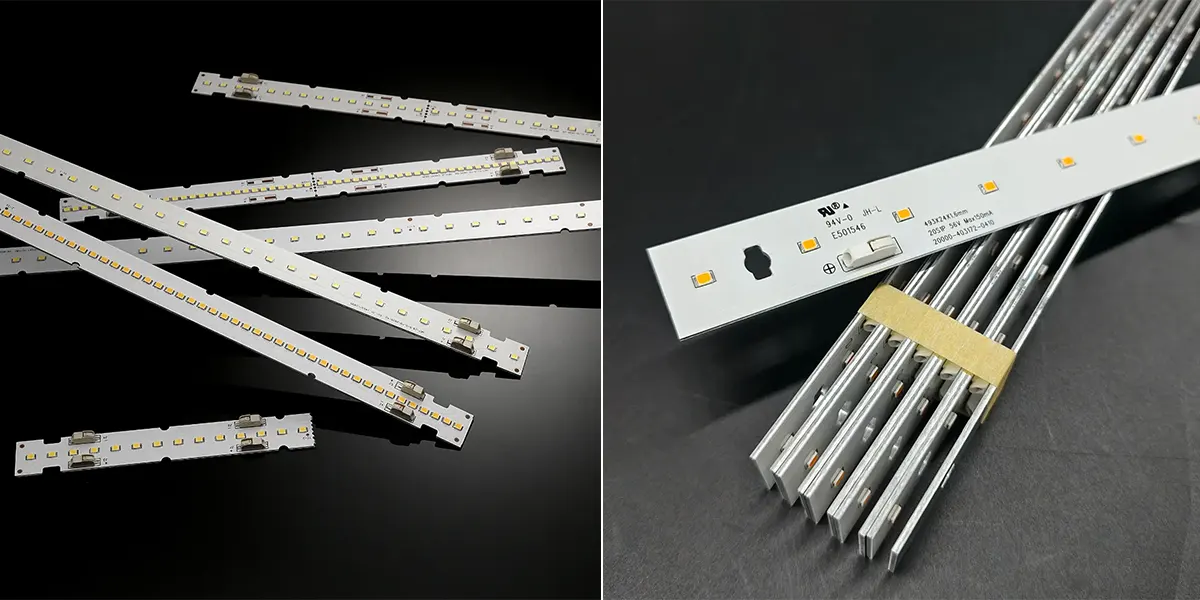
Les applications LED modernes évoluent vers une puissance, une personnalisation et une intelligence élevées. Notamment, la mise en place de la norme Zhaga permet aux modules linéaires LED d'atteindre la flexibilité de conception, la commodité de maintenance et la durabilité à long terme grâce à des spécifications techniques spécifiques, conduisant l'industrie de l'éclairage vers le développement modulaire. Les cartes d'éclairage personnalisées prennent en charge le remplacement rapide de modules de différentes formes (telles que circulaires ou linéaires), s'adaptant aux downlights, aux lumières linéaires, etc. Doté d'une conception plug-and-play, ils prennent en charge l'extension de modules parallèles pour répondre aux exigences de sortie de lumen divers, permettant une installation rapide sans outil des luminaires.
Les panneaux d'éclairage personnalisés offrent les avantages suivants :
- Installation et maintenance: La conception plug-and-play permet une installation sans outil. L'utilisation standardisée des modules réduit les coûts de conception, facilite les remplacements futurs et réduit les dépenses globales.
- Fiabilité: Certifié par des centres de test indépendants pour assurer une efficacité lumineuse élevée, une faible lumière bleue et d'autres caractéristiques. Une gestion thermique et des PCB supérieurs avec des bases à haute épaisseur de cuivre améliorent considérablement la convivialité et la qualité du produit.
- Innovation efficace: Les fabricants qui mettent à jour un luminaire n'ont pas besoin de repenser à partir de zéro. Ils peuvent adhérer aux composants d'éclairage de base Zhaga standard tout en modifiant des sections spécifiques. La conception modulaire facilite les remplacements partiels, réduisant les coûts d'entretien globaux. Cela permet non seulement d'économiser des dépenses de R&D, mais aussi d'accélérer les lancements de nouveaux produits.
Ces tendances exigent que les fabricants et assembleurs de PCB possèdent des capacités de processus plus solides, telles que la technologie multicouche et l'expertise en fabrication de substrats métalliques.
Quels sont les avantages de Signiteled dans les services de fabrication et d'assemblage de circuits imprimés ?
Fabrication rapide et avantages à faible coût
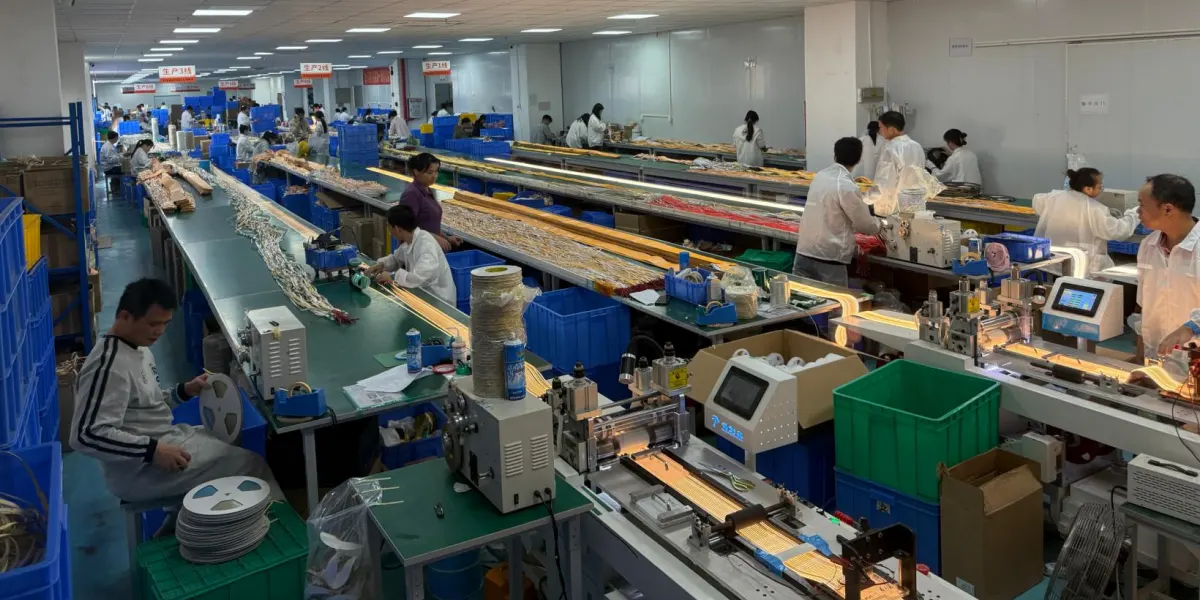
Signiteled propose des services de fabrication électroniques uniques couvrant l'approvisionnement en composants électroniques, la production et le traitement des PCB, le placement SMT, les tests PCBA et l'assemblage final. Tirant parti des achats à grande échelle et d'un système de contrôle de la qualité rigoureux, l'entreprise entretient des partenariats à long terme avec de nombreux fournisseurs de composants nationaux et internationaux de premier plan. Cela garantit une qualité de matériau stable et une livraison fiable, avec des avantages d'approvisionnement directement transmis aux clients. Des avantages de coûts importants existent pour les matériaux courants tels que les LED, les résistances, les condensateurs et les inducteurs, réduisant efficacement la pression des stocks des clients, améliorant l'efficacité du roulement de la production et raccourcissant les délais de livraison.
Capacités d'assurance qualité
Signiteled a mis en place un système complet de gestion de la qualité, mettant en œuvre un contrôle complet des matériaux entrants, des processus de fabrication et des expéditions. Pour les cartes, les bandes et les produits de modules LED, la société fournit des tests de vieillissement et une vérification de la fiabilité pour atténuer de manière proactive les risques d'application. Grâce à des opérations standardisées et à des mécanismes d'amélioration continue, nous améliorons les taux de rendement et la stabilité de la livraison, en fournissant des services de fabrication de PCBA fiables et de haute qualité.
Solutions de fabrication et d'assemblage intégrées
Signiteled intègre en profondeur la fabrication de circuits imprimés avec un assemblage SMT, complété par la gestion des commandes numériques et la prise en charge de la nomenclature. Cela permet une validation rapide de la conception et un développement de prototypes fonctionnels, particulièrement adaptés aux cartes, bandes et modules LED, améliorant ainsi considérablement l'efficacité de la chaîne d'approvisionnement tout en réduisant les coûts de fabrication globaux.
Capacités de fabrication de PCBA rentables
La société couvre à la fois le prototypage rapide des PCB et la production de volume, avec des capacités de fabrication de circuits imprimés multicouches et de stratifiés en métal (MCPCB) adaptés aux applications LED de puissance moyenne à élevée. Grâce à une capacité de production stable, à des processus matures et à des services de test complets, nous proposons des solutions de fabrication de PCBA durables et rentables.
Capacités de support et de recherche complètes en R&D et en
Au-delà des forces de fabrication et d'assemblage, Signitele possède des capacités de R&D et d'ingénierie matures. Nos équipes expérimentées en ingénierie électronique, processus de circuits imprimés et développement d'applications LED fournissent un support de projet à un stade précoce, notamment l'évaluation de la solution, les revues DFM et l'optimisation des nomenclatures. La société propose un développement collaboratif de bout en bout, de la conception et de l'optimisation des PCB au prototypage et à la production de masse, permettant une réponse rapide aux exigences personnalisées, raccourcissant les cycles de développement de produits et améliorant les taux de réussite de la conception pour la première fois. L'intégration transparente de la R&D et de la production améliore la compétitivité des produits en termes de performances, de fiabilité et de contrôle des coûts.
Impact des propriétés des matériaux de circuits imprimés sur les produits LED
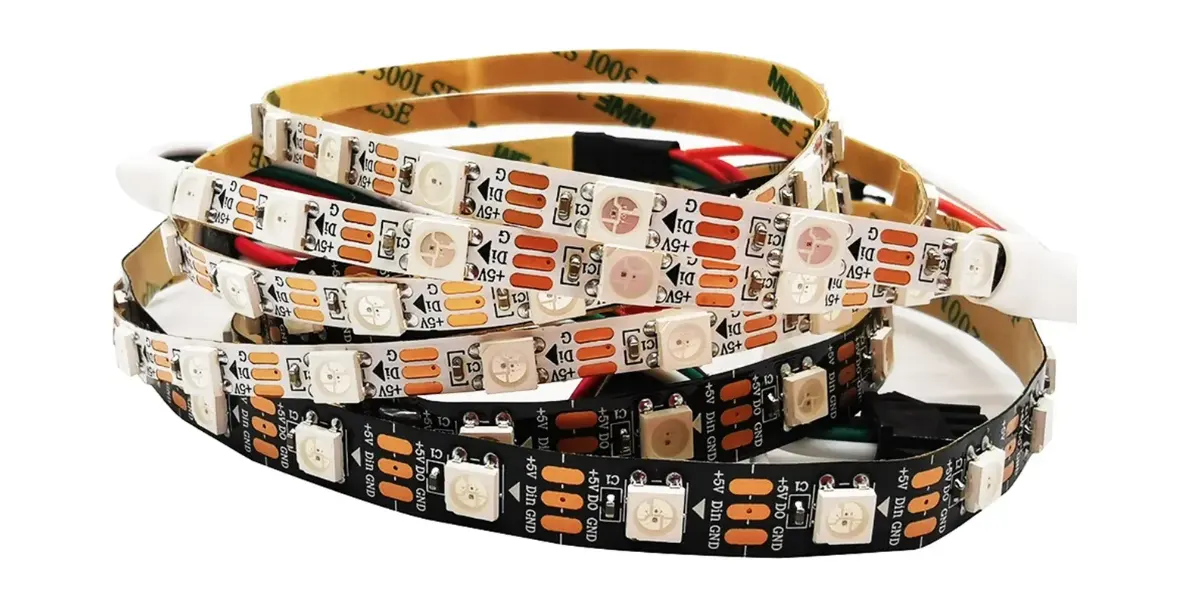
- Type de matériau de base: Les substrats FR-4 offrent une dissipation thermique faible mais moyenne, ce qui les rend adaptés aux bandes de faible puissance comme l'éclairage décoratif résidentiel. Les substrats en aluminium offrent une dissipation thermique supérieure pour les modules de haute puissance tels que les phares de l'automobile. Les substrats en céramique résistent à des températures élevées, idéal pour les environnements extrêmes comme les équipements d'éclairage industriel.
- Épaisseur de feuille de cuivre: Une feuille de cuivre plus épaisse (par exemple, 2 oz) améliore la capacité de transport de courant, réduit la production de chaleur et améliore la stabilité de la bande. Par exemple, les tests de chute de tension sur des bandes LED 24 V DC montrent une feuille de cuivre de 2 oz offrant une stabilité de courant de 301 TP3T supérieure à 1 once.
- souder Msolliciter: Le masque de soudure blanc réfléchit la lumière pour augmenter l'efficacité lumineuse, adapté aux applications de haute luminosité comme l'éclairage de scène. Le masque de soudure noir est utilisé dans les installations cachées, en équilibrant l'esthétique et la fonctionnalité, telles que les bandes lumineuses cachées dans les maisons intelligentes.
Comment distinguer la qualité des PCB ?
- Contrôle visuel: Les circuits imprimés de haute qualité sont dotés de coussinets plats et de traces nettes et sans bavure. Les produits de qualité inférieure présentent souvent des rayures ou une déformation, compromettant la fiabilité des joints de soudure. Par exemple, dans AOI (inspection optique automatisée), les taux de défauts pour les PCB de qualité supérieure sont inférieurs à 0,1%, tandis que les produits de qualité inférieure peuvent dépasser 5%.
- dimensionnel Acurare: Les tolérances doivent respecter strictement les spécifications de conception. Par exemple, les déviations de diamètre de trou peuvent entraîner des pannes d'installation de composants. Vérifier les paramètres critiques à l'aide des outils de mesure de précision : les tolérances de largeur/d'espacement de la ligne doivent être contrôlées à ±0,05 mm.
- fonctionnel Testing: Les tests de continuité assurent l'intégrité du circuit, tandis que les tests de résistance d'isolement empêchent les courts-circuits. Le dépistage de base peut être effectué avec des outils simples comme des multimètres, mais les équipements professionnels tels que les compteurs LCR fournissent des données plus précises.
- Épaisseur de cuivre: La sélection d'épaisseur de cuivre PCB est essentielle dans les panneaux lumineux LED. Les couches de cuivre plus épaisses supportent des courants plus élevés et une meilleure dissipation thermique, empêchant les dommages thermiques causés par une augmentation excessive de la température. Pour les bandes LED standard, 2 oz de cuivre sont considérés comme suffisants. Cependant, pour les bandes LED haute puissance ou un fonctionnement prolongé, il est recommandé de 3 oz ou plus pour garantir une luminosité stable, une chute de tension minimale et une fiabilité à long terme.
Méthodes de test pour les PCB LED
- Test de performances électriques: Le test de chute de tension évalue la stabilité du courant. Une alimentation à courant constant simule les conditions de charge réelles pour éviter une luminosité irrégulière. Par exemple, à un courant de 1A, un circuit imprimé de haute qualité devrait présenter une chute de tension inférieure à 0,5 V.
- Tests de performances thermiques: L'imagerie thermique infrarouge détecte les points chauds localisés pour identifier les défauts de dissipation thermique. Par exemple, après un fonctionnement continu pendant 1 heure, les substrats en aluminium doivent présenter une répartition uniforme de la température sans surchauffe localisée.
- Test de fiabilité: Le cycle de température simule les variations saisonnières, tandis que les tests de vibrations vérifient la durabilité du transport. Par exemple, pendant les cycles de -40 °C à 85 °C, les PCB de haute qualité doivent maintenir un taux de défaillance inférieur à 0,01%.
- Test de performances optiques: Une sphère intégrante mesure la température de couleur et la consistance de la luminosité pour éviter les variations de luminosité entre les modules. Par exemple, dans les écrans publicitaires, les différences de couleur entre les modules doivent être contrôlées dans ΔE<3.
- Inspection de qualité de soudure: AOI L'inspection optique automatique et le balayage par rayons X détectent les joints de soudure à froid ou les ponts de soudure pour améliorer les taux de rendement. Par exemple, dans les modules électroniques automobiles, l'inspection par rayons X atteint un taux de détection de défauts de 99,9%.
- Tests d'adaptabilité environnementale: Les tests de pulvérisation saline évaluent la résistance à la corrosion en extérieur, tandis que les tests d'imperméabilité valident les cotes Par exemple, lors des tests IP65, les modules doivent fonctionner en continu pendant 24 heures sans défaillance dans des conditions de pulvérisation d'eau.
Problèmes et solutions courants
- Luminosité de la bande LED inégale: Peut résulter d'une distribution de courant de circuit imprimé irrégulier ou d'un classement de LED incorrect. Les contre-mesures comprennent l'optimisation de la conception du routage et le criblage rigoureux des composants, tels que l'utilisation de circuits de commande à courant constant.
- Mauvaise dissipation de la chaleur du module: L'épaisseur du substrat en aluminium ou une application de pâte thermique inadéquate sont des causes principales. L'augmentation de l'épaisseur du substrat et l'amélioration des processus d'application améliorent considérablement les performances, par exemple, élevant l'épaisseur du substrat d'aluminium de 1,5 mm à 2,0 mm.
- Défauts de soudure: Mauvaise qualité de pâte de soudure ou de placement insuffisant de la machine de précision provoque des joints de soudure à froid. La sélection de matériaux et d'équipements de calibrage à haute fiabilité réduit les pannes, par exemple, en utilisant de la pâte à souder sans plomb et un équipement d'inspection optique automatique.
Conclusion
La compétitivité de base des fournisseurs de PCB haut de gamme réside dans l'itération technologique, le contrôle de la qualité et les services personnalisés. Avec une demande croissante de serveurs d'intelligence artificielle et de mini-applications LED, l'industrie des circuits imprimés s'oriente vers des solutions haute fréquence, haute vitesse et à faible perte. Cela impose des exigences plus importantes en matière de sélection des matériaux et de processus de fabrication. Il est recommandé d'équilibrer les coûts et les performances en fonction des exigences du projet : les innovations matérielles futures, telles que les nouveaux stratifiés en cuivre, amélioreront encore les performances des produits LED. Par exemple, l'adoption de substrats en céramique de nitrure d'aluminium peut améliorer considérablement l'efficacité thermique.
Avec l'adoption et l'avancement technologiques généralisés des produits d'éclairage LED, la demande de cartes de circuits imprimés, des circuits imprimés à bande LED et des PCB de modules LED aux applications d'éclairage à haute puissance, augmente rapidement. Par conséquent, la valeur de la « fabrication et assemblage de PCB » est devenue une priorité au sein de la chaîne industrielle. Les entreprises de fabrication et d'assemblage de circuits imprimés offrent une valeur optimale dans les scénarios d'application LED, soulignant l'importance cruciale de la sélection des PCB dans la conception des cartes LED.
FAQ
Articles Similaires