Italiano
  English
  简体中文
简体中文  Deutsch
  Español
  Français
  日本語
日本語  한국어
한국어  Polski
  Português
  Русский
  Türkçe
  Nederlands
  Tiếng Việt
  ไทย
ไทย 
L'illuminazione del palco a LED dovrebbe essere selezionata in base alla funzione del luogo, alla struttura spaziale, alla distanza del pubblico e agli obiettivi di prestazione piuttosto che al solo tipo di apparecchio.
Luoghi diversi, come teatri, chiese, club e spazi per eventi, pongono esigenze tecniche e visive fondamentalmente diverse sui sistemi di illuminazione teatrale.
Dalla nostra esperienza di lavoro con acquirenti professionisti e integratori di progetti, molti sistemi di illuminazione non sono performanti non a causa della qualità del prodotto, ma perché la selezione e il layout degli apparecchi non si allineano con gli scenari di utilizzo del mondo reale. Questo articolo fornisce un framework di selezione dell'illuminazione per stage mordern basato su sede che combina standard tecnici, logica di configurazione pratica e best practice professionali.
Come gli standard di illuminazione si applicano in modo diverso tra le sedi

Mentre i sistemi di illuminazione a palcoscenico professionali vengono valutati utilizzando standard tecnici simili, diverse sedi danno naturalmente la priorità a tali standard in modi diversi.
In pratica, i pianificatori dell'illuminazione non considerano tutti i fattori di prestazione ugualmente importanti. Invece, regolano la loro attenzione in base a come viene utilizzato lo spazio, chi gestisce il sistema e come l'illuminazione viene vissuta dal pubblico, sia di persona che davanti alla telecamera.
Ad esempio, i teatri si basano fortemente sulla precisione del colore e sulla precisione del raggio per supportare la narrazione, mentre le chiese spesso pongono maggiore enfasi sulle prestazioni senza sfarfallio e sulla facilità d'uso. I club e i locali di musica dal vivo richiedono una risposta rapida e apparecchi durevoli per un uso continuo e ad alta energia, mentre l'illuminazione di eventi e matrimoni dà la priorità alla flessibilità, alla portabilità e all'output adatto alle telecamere per le configurazioni temporanee. Riconoscere queste differenze aiuta a evitare di eccessivo specificare le caratteristiche non necessarie e assicura che i moderni sistemi di illuminazione da palcoscenico si comportino in modo affidabile in condizioni del mondo reale.
| Tipo di luogo | Prioritari di prestazioni chiave | Ragione pratica |
| teatro | Alto CRI, controllo preciso del fascio, dimmerazione regolare | Resa cromatica accurata e narrazione visiva coerente |
| chiesa | Uscita senza sfarfallio, temperatura del colore stabile, controllo DMX semplice | Qualità di streaming live e facilità d'uso |
| Musica da club / dal vivo | Velocità di risposta DMX, velocità di padella e inclinazione, gestione termica, durata | Effetti dinamici e lunghe ore di funzionamento |
| Evento / Matrimonio | Portabilità, configurazione rapida, illuminazione adatta alla telecamera, controllo flessibile | Luoghi temporanei e requisiti fotografici |
Priorità per le prestazioni di illuminazione basate sulla sede
Comprendere come queste priorità si spostano da un ambiente all'altro consente a progettisti di illuminazione e acquirenti di selezionare apparecchi di illuminazione a LED che corrispondono alle condizioni di utilizzo effettive, piuttosto che basarsi esclusivamente su specifiche tecniche generali.
Cosa sono le luci a LED e perché sono gli standard del settore
Le luci a LED sono apparecchi di illuminazione professionali che utilizzano diodi emettitori di luce per fornire un'illuminazione controllata e programmabile per palchi e spazi di spettacolo.
Vantaggi chiave dei dispositivi basati su LED
Gli apparecchi a LED sono diventati lo standard globale grazie ai vantaggi tecnici misurabili:
| Caratteristica | Apparecchi scenici a LED | Illuminazione da palcoscenico |
| Consumo di energia | Basso | Alto |
| Potenza termica | minimo | molto alto |
| Controllo del colore | RGB digitale / RGBW | gel-base |
| Durata della vita | 30.000–50.000 ore | 1.000–2.000 ore |
| Manutenzione | Basso | frequentare |
| Compatibilità DMX | natio | limitato |

Questo cambiamento spiega perché le luci del palco a LED per le luci e i riflettori di pannocchia ora dominano teatri, chiese, concerti e sedi di eventi in tutto il mondo.
Tipi di base di apparecchi a LED
Diverse luci a LED svolgono ruoli diversi all'interno di un sistema di illuminazione completo.
| Tipo di apparecchio | funzione primaria | Applicazioni tipiche |
| Luci da palcoscenico a LED | Lavaggio e accento compatti | Eventi, Chiese, Stage |
| Luci di lavaggio a LED | Illuminazione ad ampia area | sfondi, fasi |
| Luci da palco a LED | Luce a chiave morbida | Teatro, adorazione |
| Faretto a LED / Profilo | Luce anteriore focalizzata | teatro, dramma |
| fari anteriori in movimento a LED | Effetti dinamici | Club, concerti |
| Barre per palcoscenici basati su LED | Effetti lineari e pixel | fondali, club |
Comprendere questi ruoli funzionali è fondamentale prima della selezione specifica della sede. imparare Guida completa all'illuminazione a LED articolo.
Standard professionali e migliori pratiche nell'illuminazione di scena
I sistemi di illuminazione a palcoscenico professionali sono progettati e valutati sulla base di standard di illuminazione riconosciuti e pratiche di settore consolidate.
Che si tratti di teatri, chiese, eventi aziendali o locali di musica dal vivo, le apparecchiature di illuminazione da palco devono soddisfare chiari requisiti tecnici e di sicurezza per garantire prestazioni coerenti, compatibilità del sistema e affidabilità a lungo termine.
Nella progettazione di illuminazione a stage professionale, gli standard non sono linee guida teoriche: influenzano direttamente la selezione degli apparecchi, la configurazione del sistema e il funzionamento in loco.
Standard di settore comunemente utilizzati nei progetti di illuminazione scenica
La maggior parte delle configurazioni di illuminazione professionali sono costruite attorno a standard di controllo, sicurezza e prestazioni accettati a livello internazionale.
I seguenti standard sono ampiamente referenziati da progettisti, integratori e produttori:
| vessillo | Utilizzo del settore | Impatto pratico |
| Controllo dell'illuminazione da palco DMX512 | Sistemi di illuminazione per palco | Garantisce la compatibilità tra dispositivi a LED e controller di illuminazione |
| IEC 60598 | Apparecchiature per l'illuminazione | Definisce i requisiti elettrici e di sicurezza per gli apparecchi |
| Conformità CE e RoHS | Luci a LED professionali | Richiesto per installazioni commerciali in molte regioni |
| CRI (Indice di resa cromatica) | Illuminazione teatrale e di scena | Garantisce una riproduzione del colore accurata su artisti e paesaggi |
| Linee guida per l'illuminazione a LED senza sfarfallio | Illuminazione per trasmissione ed evento | Previene gli artefatti visivi in video e live streaming |
Questi standard sono particolarmente importanti quando si selezionano apparecchiature di illuminazione professionali per luoghi con installazioni permanenti o uso pubblico frequente.
Perché gli standard contano nelle applicazioni di illuminazione teatrale del mondo reale
Aderendo agli standard del settore migliora direttamente la qualità dell'illuminazione, la stabilità del sistema e l'efficienza operativa.

Ad esempio, l'utilizzo di luci a LED conformi a DMX512 consente una perfetta integrazione di:
- illuminazione a LED par
- Barre per illuminazione a LED
all'interno di un unico sistema di controllo dell'illuminazione.
Dalla nostra esperienza a supporto di progetti di illuminazione da palco su larga scala, la maggior parte dei problemi di installazione non deriva da guasti alle apparecchiature, ma da protocolli di controllo non corrispondenti o requisiti di conformità trascurati. conoscere Le migliori interfacce DMX 512 per l'illuminazione del palco articolo.
Considerazioni sulle prestazioni oltre le specifiche di base
La selezione professionale dell'illuminazione per palcoscenico va oltre la potenza e l'uscita del lume.
In pratica, i progettisti di illuminazione e i pianificatori di sistemi valutano ulteriori fattori di prestazione:
| fattore di prestazione | Perché è importante |
| Coerenza dell'angolo del raggio | anche la copertura del palco |
| Stabilità della temperatura del colore | Comfort visivo e precisione |
| Comportamento della curva di attenuazione | Transizioni di scena fluide |
| Controllo sfarfallio | Qualità video e fotografia |
| gestione termica | Durata della vita dell'apparecchio |

Queste considerazioni sono particolarmente importanti quando si progettano l'illuminazione scenica per teatri, chiese ed eventi dal vivo, in cui la coerenza visiva influisce direttamente sull'esperienza del pubblico.
Applicazione di standard per il design dell'illuminazione specifico per la sede
Luoghi diversi danno priorità a diversi standard tecnici.
- L'illuminazione del cinema enfatizza il CRI alto e il controllo preciso del fascio
- L'illuminazione del palcoscenico della chiesa da priorità alle prestazioni senza sfarfallio e alla consistenza bianca calda
- L'illuminazione di club e concerti si concentra sulla reattività e sulla durata del dispositivo DMX
- Portabilità dei valori di illuminazione per eventi, controllo semplificato e configurazione rapida del sistema
Capire come gli standard si traducono in prestazioni del mondo reale aiuta gli acquirenti a scegliere apparecchi di illuminazione a LED che si adattano veramente alla loro applicazione, piuttosto che basarsi esclusivamente su specifiche generiche.
Illuminazione del palcoscenico: precisione, coerenza e narrazione visiva

L'illuminazione del palcoscenico richiede un controllo preciso del fascio, un'elevata resa cromatica e un output stabile e ripetibile per supportare la narrazione e la chiarezza delle prestazioni.
Obiettivi di illuminazione negli ambienti teatrali
- Illuminazione facciale accurata per gli attori
- Transizioni fluide tra le scene
- Minimo abbagliamento e distrazione del pubblico
- Temperatura del colore costante tra gli apparecchi
Combinazione di apparecchi consigliata per i teatri
| funzione di illuminazione | Apparecchi LED consigliati |
| Luce anteriore/chiave | Luci da palco a LED |
| Luce di riempimento morbido | Illuminazione a LED per palcoscenico |
| Lavaggio dello sfondo | Luci di lavaggio a LED |
| accento / colore | illuminazione a LED par |

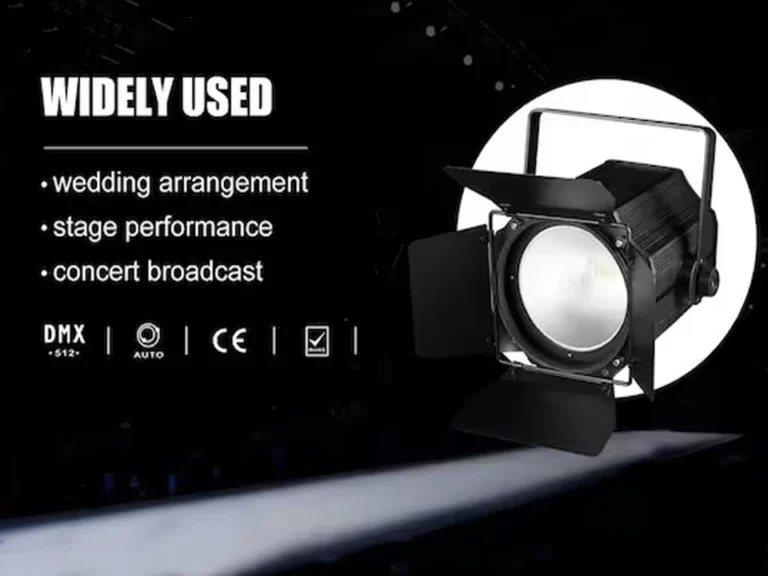
Luce spot del palcoscenico di pannocchia
Stage Spot utilizza chip LED densamente imballati per un raggio potente, uniforme e focalizzato, ideale per evidenziare artisti o aree su un palco con luminosità.
modello. no .styt200g
Tensione: AC90-220V 50-60Hz
Colore: 3200-6500K / RGB / RGBW
Sorgente LED: COB ad alta potenza
Potenza: 200W
Dimensioni: 42 * 40 mm
CRI (RA>): ≥80
Materiale: alluminio
Canale: 2/3/4/5CH
Peso: 5,5 kg
Dimensioni del cartone 30 * 22 * 37 cm
Dimmer elettronico: Dimmer lineare 0-100%
Durata lavorativa (ora): 50000 ore
Grado di protezione: IP20
Perché l'alta CRI è importante nell'illuminazione del teatro
L'elevata CRI è essenziale nell'illuminazione del teatro perché il pubblico deve vedere gli artisti esattamente come previsto in condizioni dal vivo.
In ambienti teatrali, l'illuminazione non riguarda solo la visibilità, ma l'accurata riproduzione del colore e la narrazione emotiva. Un alto indice di resa cromatica (CRI ≥90) assicura che i toni della pelle, i costumi, il trucco e gli elementi scenici appaiano naturali sotto le luci del palco. Gli infissi a basso CRI possono distorcere i colori, facendo sembrare i volti degli attori piatti o innaturali, il che influisce direttamente sull'immersione del pubblico e sulla qualità della produzione.
Dal punto di vista pratico del design, l'illuminazione del teatro combina spesso luce frontale, luce laterale e luce di fondo, ognuno dei quali svolge un ruolo distinto. Quando questi livelli di illuminazione utilizzano una resa cromatica incoerente, la continuità visiva viene persa. Ecco perché gli apparecchi di illuminazione a LED con CRI ad alta CRI sono ora preferiti rispetto ai sistemi a incandescenza convenzionali: offrono un'emissione di colore costante mantenendo l'efficienza energetica e una lunga durata.
Nella nostra esperienza di lavoro con progetti teatrali, i riflettori per palco in pannocchia ad alta CRI e gli apparecchi a LED in stile Fresnel sono particolarmente efficaci per le posizioni di illuminazione chiave. Consentono ai progettisti di luci di modellare con precisione le travi mantenendo la precisione del colore su diversi livelli di oscuramento. Questo diventa ancora più critico nei teatri moderni che si basano su fotocamere digitali, trasmissioni in diretta o registrazioni d'archivio, dove gli artefatti di illuminazione di bassa qualità sono immediatamente visibili.
In breve, High CRI non è un lusso nell'illuminazione del teatro: è un requisito tecnico di base per sistemi di illuminazione da palcoscenico professionali che danno la priorità alla fedeltà visiva, alla presenza degli esecutori e al coinvolgimento del pubblico.

Illuminazione del palcoscenico della chiesa: creare un'atmosfera senza distrazioni
L'illuminazione del palcoscenico della chiesa deve supportare i servizi di culto creando un ambiente visivo calmo, caldo e rispettoso.
Requisiti unici per l'illuminazione della chiesa
- Illuminazione morbida e distribuita uniformemente
- Performance senza sfarfallio per lo streaming live
- Temperatura di colore bianco caldo o sintonizzabile
- Funzionamento silenzioso e manutenzione ridotta
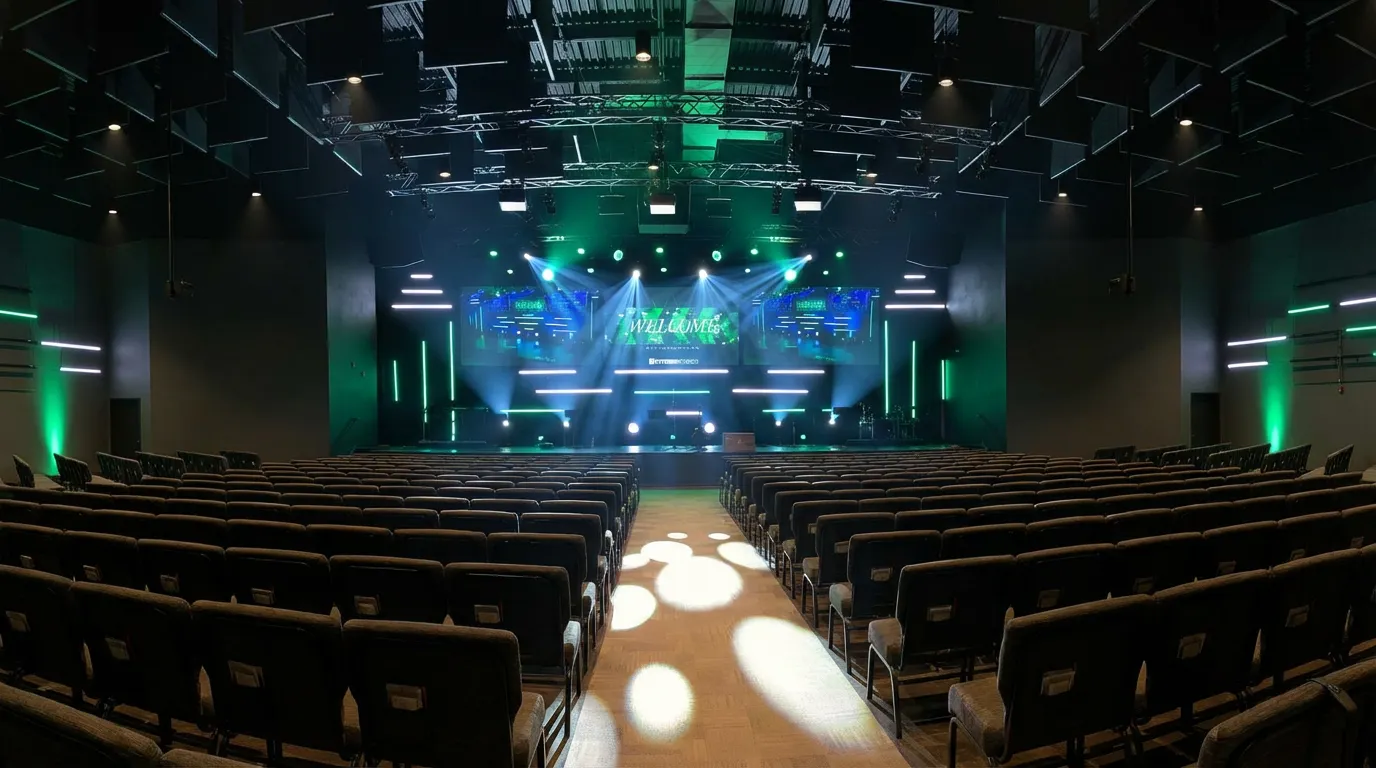
Configurazione consigliata per l'illuminazione della
| zona | Tipo di fissaggio a LED |
| pulpito / altare | Luci da palco a LED |
| lavaggio di scena | illuminazione a LED par |
| fondo | illuminazione a LED par |
| accento architettonico | Barre per illuminazione a LED |
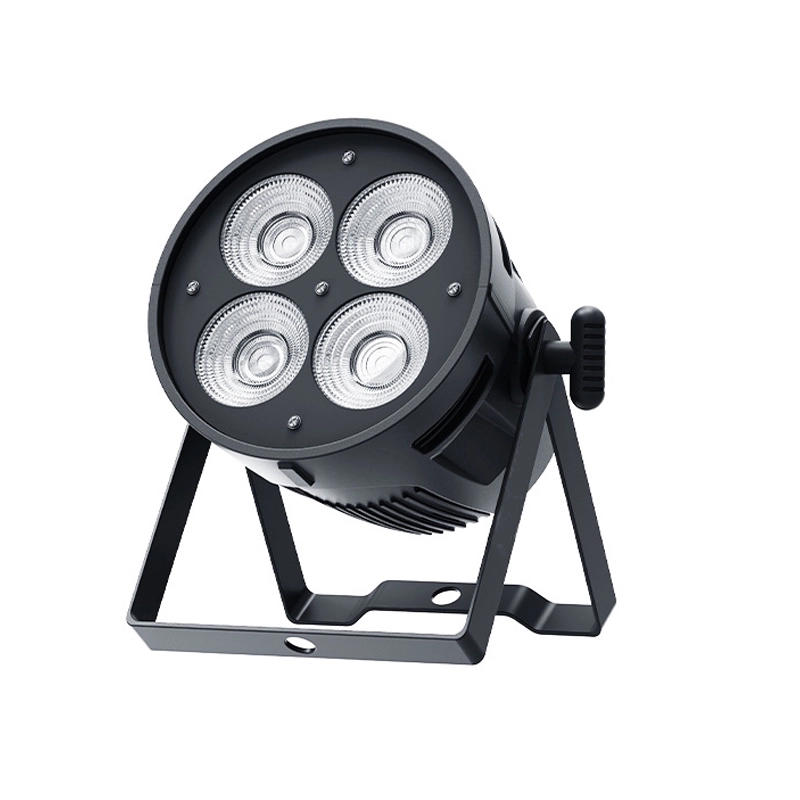
"4 Eyes Par Stage Lights" si riferisce tipicamente a apparecchi di illuminazione per palcoscenici che presentano quattro singole sorgenti luminose (spesso LED COB) utilizzate per produrre effetti di illuminazione potenti, focalizzati o lavare.
modello. no .styt200gb
Tensione: AC100 -240V 50-60Hz
Colore: 3200-6500K/2 in 1 pannocchia
Sorgente LED: COB ad alta potenza
Potenza: 4 * 50 W
Dimensioni: 27 * 27 * 38 mm
CRI (RA>): ≥80
Angolo di luce: 15°25°45°60°Facoltativo
Modalità di controllo: DMX512/Master Slave/Auto-run/Sound
Materiale: alluminio
Peso: 3,2 kg
Dimensioni del pacchetto: 27x27x38cm
Dimmer elettronico: Dimmer lineare 0-100%
Durata lavorativa (ora): 50000 ore
Grado di protezione: IP20
Perché il design dell'illuminazione teatrale per le chiese è diverso
Il design dell'illuminazione teatrale per le chiese è fondamentalmente diverso perché deve bilanciare visibilità, riverenza e semplicità operativa.
A differenza dei teatri o dei club, le chiese sono spazi multiuso utilizzati per il culto, i sermoni, le esibizioni musicali e il live streaming. Il sistema di illuminazione deve quindi supportare sia la chiarezza della parola che l'espressione musicale senza sopraffare la congregazione. Ecco perché le soluzioni di illuminazione per palcoscenici Church danno la priorità all'illuminazione morbida, uniforme piuttosto che al contrasto drammatico o agli effetti aggressivi.
Dal punto di vista tecnico, le chiese spesso favoriscono le luci da palco in stile Fresnel e gli infissi a LED statici a causa dei loro ampi fasci di luce e della distribuzione regolare della luce. Questi infissi aiutano a ridurre le ombre dure sui volti, rendendo i pastori e i leader del culto chiaramente visibili da tutte le aree di seduta. L'alto CRI rimane importante, ma ugualmente critica è la performance senza sfarfallio, in particolare per le chiese che trasmettono servizi online o registrano sermoni.
Un'altra differenza fondamentale risiede nel funzionamento del sistema. Molte chiese si affidano a volontari piuttosto che a tecnici dell'illuminazione a tempo pieno. Di conseguenza, le configurazioni di illuminazione devono essere intuitive, affidabili e di facile manutenzione. I sistemi di illuminazione a palcoscenico controllati da DMX con scene preimpostate consentono agli operatori di passare da modalità sermone, culto ed evento senza programmazione complessa.
In pratica, un'illuminazione efficace della chiesa riguarda meno lo spettacolo e più la coerenza, il calore e la fiducia. Se progettata correttamente, l'illuminazione da palcoscenico supporta il messaggio senza attirare l'attenzione su se stesso, un risultato che definisce un design delluminoso di successo negli ambienti di culto.
Locali di musica dal vivo e da club: illuminazione dinamica e ad alto impatto
I club e i locali di musica dal vivo richiedono soluzioni di illuminazione da palcoscenico in grado di movimenti veloci, colori saturi ed effetti sincronizzati.
Obiettivi di illuminazione di base per i club
- Alta energia visiva
- Effetti di illuminazione sincronizzati con il ritmo
- forte presenza di colore anche in foschia o fumo
- Fixture durevoli per lunghe ore di funzionamento
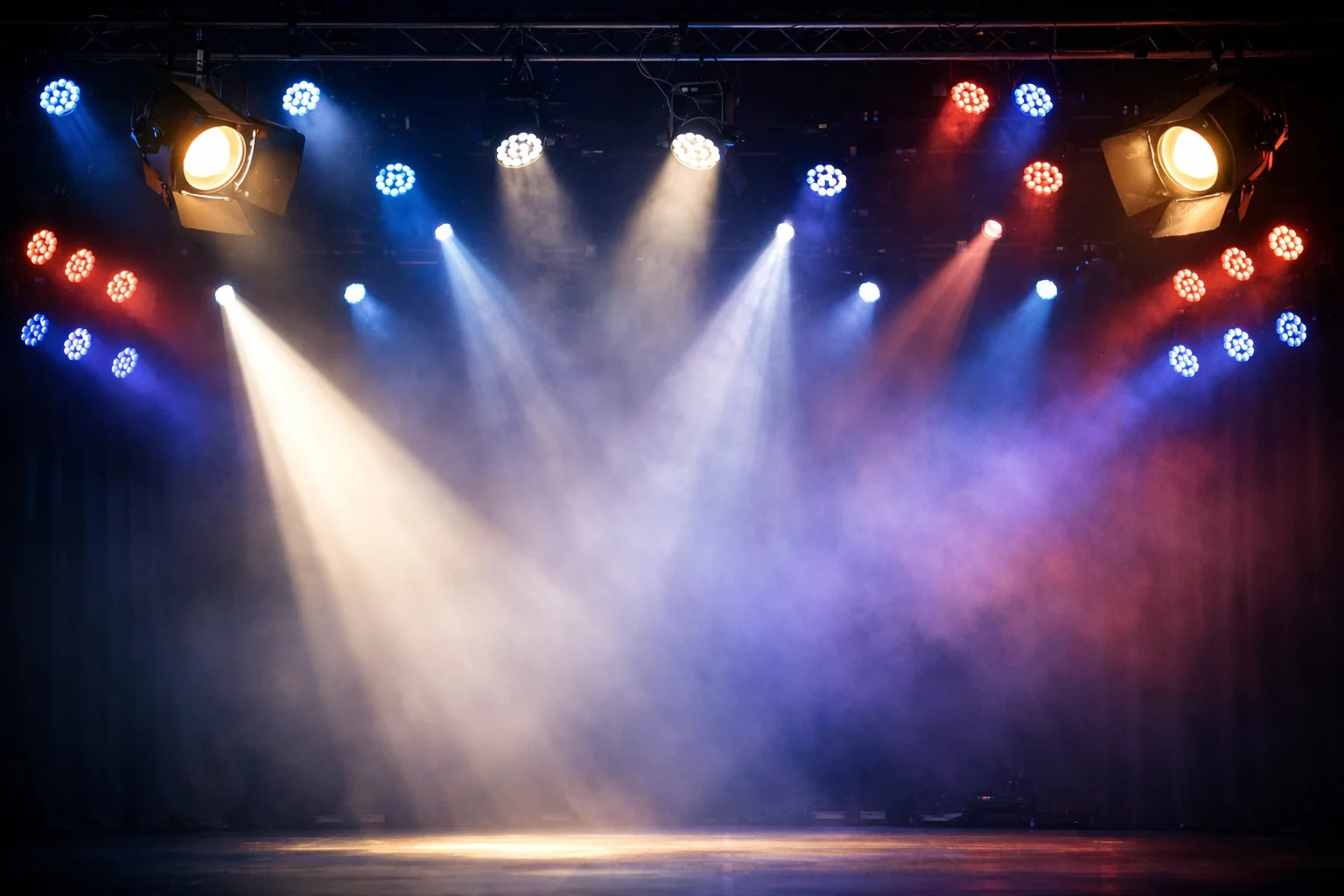
Sistemi di illuminazione consigliati per club e locali di musica dal vivo
| Funzione | Apparecchio a LED |
| Effetti dinamici | Barre per illuminazione a LED |
| lavaggio di scena | Luci da palcoscenico a LED |
| effetti lineari | Barre di fissaggio basate su LED |
| accento | Luci da palcoscenico a LED |
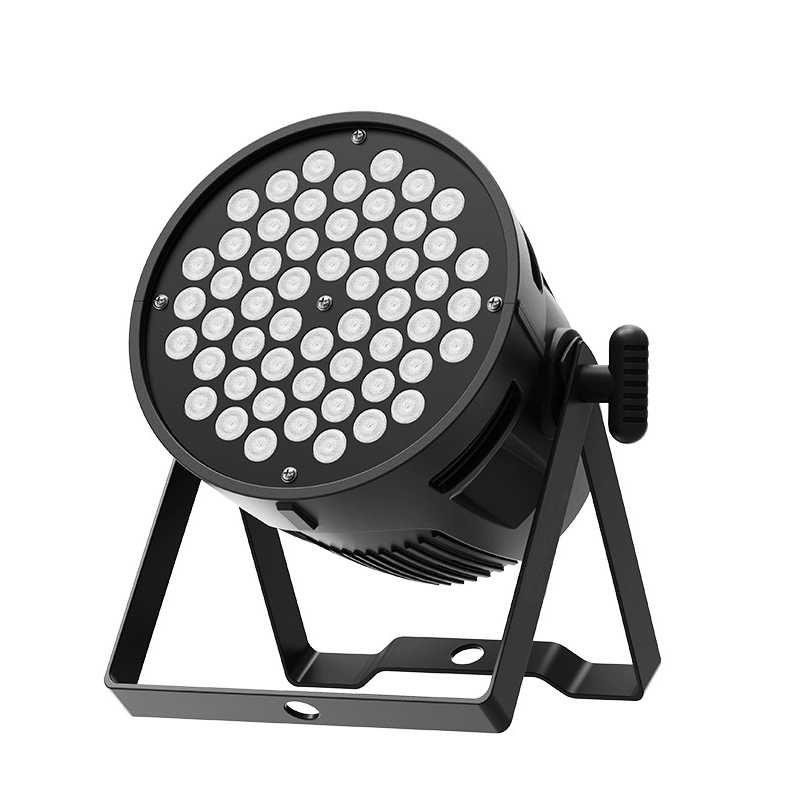
Queste sono un'opzione conveniente per l'illuminazione generale e i lavaggi dei colori. Forniscono una luce brillante e uniforme e molti modelli offrono funzionalità di miscelazione a colori (RGB, RGBA, RGBW, ecc.) senza bisogno di gel.
modello. no .styq162gb
Tensione: AC100 -240V 50-60Hz
Colore: RGB/RGBW/ DMX
Sorgente LED: pannocchia
Potenza: 3 * 54 W
Dimensioni: 29 * 21 * 32 mm
CRI (RA>): ≥80
Angolo di luce: 25°-60°Facoltativo
Canali: 7 canali
Modalità di controllo: DMX512/Master Slave/Auto-run/Sound
Materiale: alluminio
Peso: 2,6 kg
Dimensioni del pacchetto: 27 * 27 * 38 cm
Dimmer elettronico: Dimmer lineare 0-100%
Durata lavorativa (ora): 50000 ore
Grado di protezione: IP20
Fari in movimento in illuminazione del club
Le barre di illuminazione per palcoscenici a LED propongono effetti visivi dinamici e sono ideali per creare atmosfere vivaci. Questi dispositivi vengono spesso utilizzati in combinazione con altri effetti di luce per migliorare il coinvolgimento del pubblico. Offrono effetti di illuminazione sincronizzati con una ricca saturazione del colore e possono essere azionati con controller DMX.
Illuminazione per matrimoni ed eventi: flessibilità e comfort visivo
L'illuminazione per matrimoni ed eventi dà priorità alla flessibilità, alla portabilità e all'illuminazione adatta alle telecamere.

Priorità di illuminazione per eventi
- Illuminazione a lavaggio morbido per la fotografia
- Installazione e smontaggio rapidi
- Apparecchi leggeri e portatili
- Uscita a basso rumore e sfarfallio
Illuminazione da palco portatile per eventi e matrimoni
| Applicazione | Apparecchi consigliati |
| lavaggio di scena | illuminazione a LED par |
| uplighting | illuminazione a LED par |
| Effetti decorativi | Luci a LED per barre |
| Kit mobili | Pacchetti di illuminazione per palco portatili |

Luci da palcoscenico a pannello morbido
Le luci scenografiche a pannello morbido forniscono un'illuminazione diffusa e delicata, ideale per produzioni cinematografiche, televisive e teatrali in cui si desiderano un'illuminazione morbida e uniforme.
modello. no Stet200g
Tensione: AC90-240V 50-60Hz
Colore: 3200-6500K / RGB / RGBW
Sorgente LED: 5730 SMD
Qtà LED: 432/600/1200pcs
Potenza: 200W
Dimensioni: 48,5 * 29 * 10 mm
CRI (RA>): ≥80
Materiale: alluminio
Canale: 4-6 canali
Peso: 5 kg
Dimmer elettronico: Dimmer lineare 0-100%
Durata lavorativa (ora): 50000 ore
Grado di protezione: IP20
Perché l'illuminazione a LED domina la produzione di eventi
L'illuminazione a LED domina la produzione di eventi perché offre flessibilità, portabilità e affidabilità in tempi stretti.
Eventi come matrimoni, funzioni aziendali, mostre e spettacoli temporanei richiedono sistemi di illuminazione che possono essere installati rapidamente, trasportati facilmente e adattati a luoghi diversi. I sistemi di illuminazione tradizionali lottano in queste condizioni a causa dell'elevato consumo energetico, della potenza termica e dei complessi requisiti di infrastrutture. Al contrario, i sistemi di illuminazione da palco portatili costruiti attorno a dispositivi a LED sono diventati lo standard del settore.
Uno dei principali vantaggi dell'illuminazione per eventi basato su LED è l'efficienza. Lower Power Draw consente agli organizzatori di eventi di eseguire più dispositivi da fonti di alimentazione limitate, che è comune in luoghi all'aperto o temporanei. Inoltre, la ridotta emissione di calore migliora la sicurezza e il comfort, soprattutto negli spazi chiusi o negli eventi di lunga durata.
Dal punto di vista del design, i dispositivi a LED forniscono cambi di colore istantanei e attenuazione senza filtri fisici, rendendoli ideali per ambienti di eventi frenetici. Le luci del palcoscenico a LED, le barre di illuminazione del palco e gli apparecchi multi-LED vengono comunemente utilizzati per creare illuminazione di sfondo ambientale, evidenziare le caratteristiche architettoniche e definire zone di eventi, il tutto senza una riconfigurazione complessa.
Altrettanto importante è l'affidabilità. La produzione di eventi lascia poco spazio al fallimento tecnico. Gli apparecchi a LED offrono una lunga durata, un'uscita stabile e una manutenzione minima, motivo per cui sono ampiamente adottati in pacchetti di illuminazione per eventi professionali. Nella nostra esperienza di progetto, questa affidabilità si traduce direttamente in configurazioni più fluide, meno problemi in loco e migliori risultati complessivi per clienti e pubblico.
Progettare la giusta combinazione di illuminazione
Un efficace sistema di illuminazione a LED bilancia tre ruoli di illuminazione: illuminazione chiave, illuminazione di riempimento e illuminazione ad effetto.

Luce chiave
- Illuminazione primaria per artisti o altoparlanti
- Tipicamente faretti a LED o infissi Fresnel
Riempire la luce
- Riduce le ombre dure
- Di solito luci di lavaggio a LED o luci par
Effetto Luce
- aggiunge colore, movimento o atmosfera
- Include testine mobili, barre di pixel ed effetti RGB
Nei nostri consigli professionali, nessun singolo apparecchio può sostituire una combinazione di illuminazione bilanciata, indipendentemente dalle dimensioni del luogo.
Illuminazione a LED vs illuminazione convenzionale
L'installazione di illuminazione professionale offre controllo, efficienza e valore a lungo termine superiori.
| Aspetto | Luci a LED | Luci convenzionali |
| Efficienza energetica | Alto | Basso |
| Flessibilità di colore | digitale | limitato |
| costo della manutenzione | Basso | Alto |
| gestione del calore | Eccellente | Povero |
| Precisione di controllo | nativo di DMX | limitato |
Questo confronto spiega perché l'illuminazione professionale da palco si è spostata quasi interamente sulla tecnologia LED.
Errori di illuminazione da palcoscenici comuni e come evitarli
L'errore più comune nella progettazione dell'illuminazione a stadi è l'eccessiva dipendenza dalla quantità di apparecchi anziché dalla logica del layout.
Altri errori frequenti includono:
- Utilizzo di luci a fascio stretto per applicazioni di lavaggio
- ignorando la distanza di lancio e l'altezza di montaggio
- Miscelazione di temperature di colore incompatibili
- Sistemi di controllo eccessivamente complicati

Sulla base della nostra esperienza di supporto al progetto, un layout di illuminazione a LED ben pianificato con meno apparecchi spesso offre risultati migliori rispetto ai rig sovraffollati.
Domande frequenti
Post correlati