Italiano
  English
  简体中文
简体中文  Deutsch
  Español
  Français
  日本語
日本語  한국어
한국어  Polski
  Português
  Русский
  Türkçe
  Nederlands
  Tiếng Việt
  ไทย
ไทย 
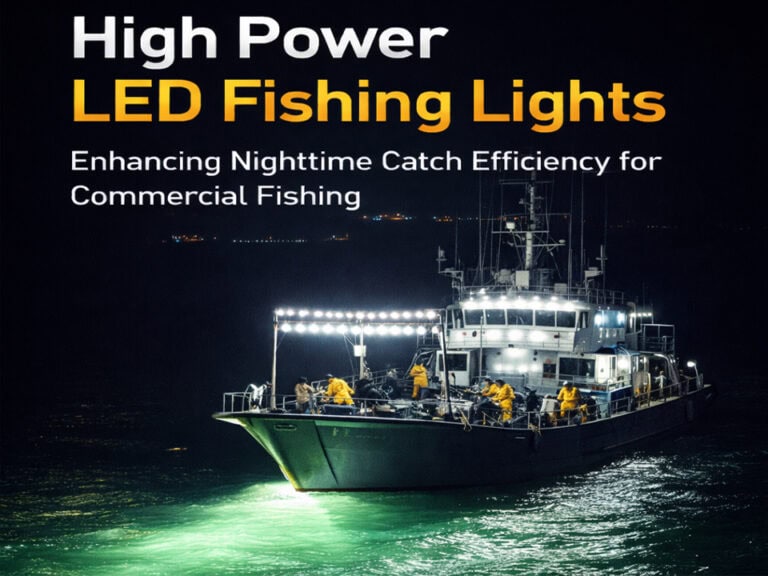
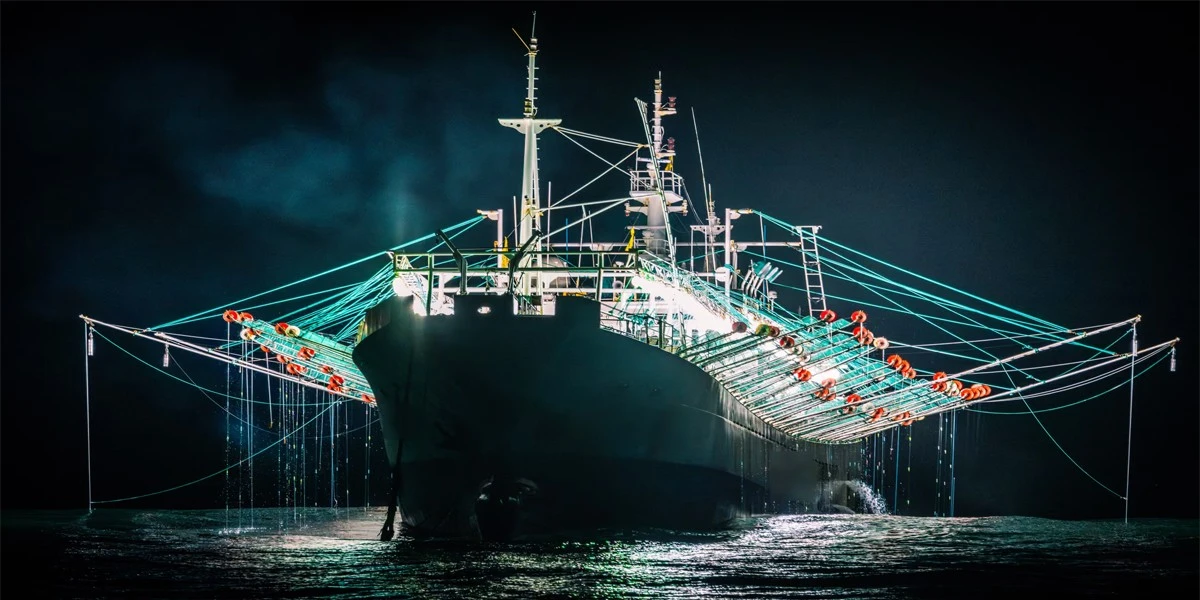
Le luci di pesca svolgono un ruolo cruciale nella pesca notturna, aiutando i pescatori ad attrarre pesci e a migliorare la visibilità. Il numero e il posizionamento delle luci da pesca sono fondamentali per ottimizzare la cattura.
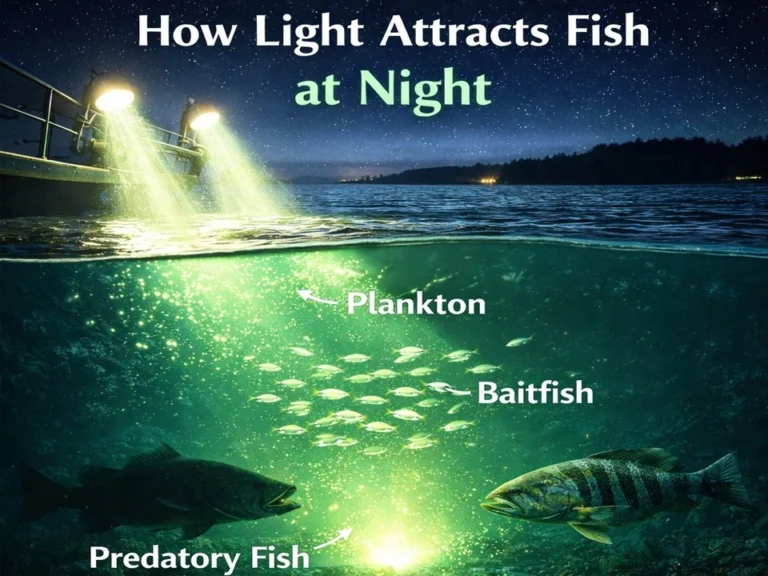
I pesci sono naturalmente attratti dalla luce e la corretta configurazione dell'illuminazione può aumentare significativamente il tuo successo. Luci verdi, in particolare, sono altamente efficaci in quanto penetrano più in profondità nell'acqua e sono visibili per i pesci di notte. Tuttavia, è essenziale trovare un equilibrio: troppe luci possono causare inquinamento luminoso, mentre troppo poche possono limitare il tuo fermo.
Il numero di luci di cui hai bisogno dipende dalle dimensioni della tua barca e dai requisiti di pesca. In questa guida, ti mostreremo come calcolare il numero di luci in base alle dimensioni della tua barca, nonché le migliori strategie di colore e installazione per massimizzare la tua esperienza di pesca.
Selezione del giusto numero di luci in base alle dimensioni della barca
Il numero di luci da pesca che ti serve dipende dalle dimensioni della tua barca. Ecco una guida rapida per determinare quante luci sono ideali per diverse dimensioni della barca.
Piccole barche (meno di 20 piedi)
Per le barche più piccole, sono generalmente sufficienti 1-2 luci. Queste barche hanno una superficie limitata, quindi le luci a LED con un ampio angolo di fascio (120°) funzionano meglio. Le luci verdi sono un'ottima scelta per attirare i pesci senza sopraffare l'area con troppa luce.
- Area di copertura: fino a 10 piedi su ciascun lato.
- Luci consigliate: 1-2 luci.
- Miglior tipo di luce: luci a LED verdi o bianche.
Barche medie (20-40 piedi)
Per le barche medie, sono necessarie 2-4 luci per coprire l'area più ampia. Le luci a LED verdi o blu sono l'ideale, poiché attirano una varietà di specie di pesci. Posiziona le luci nei punti chiave attorno alla barca, come la poppa, i lati e la prua.
- Area di copertura: fino a 20 piedi o più.
- Luci consigliate: 2-4 luci.
- Migliori luci a LED verdi o blu a LED.
Barche grandi (40 piedi e oltre)
Le barche più grandi richiedono 4-6+ luci per coprire l'intera area. Queste barche spesso operano in acque più profonde, quindi una combinazione di luci verdi e bianche è l'ideale per attirare pesci a varie profondità.
- Area di copertura di oltre 30 piedi, inclusi entrambi i lati e intorno a poppa.
- Luci consigliate: 4-6+ luci.
- Miglior tipo di luce: luci a LED verdi, luci bianche per acque più profonde.
| boa taglia | Numero di luci consigliato | area di copertura | Miglior tipo di luce |
| Piccole barche (meno di 20 piedi) | 1-2 luci | fino a 10 piedi su ciascun lato | LED verde o bianco |
| Barche medie (20-40 piedi) | 2-4 luci | fino a 20 piedi o più | LED verde o blu |
| Barche grandi (40 piedi e oltre) | 4-6+ luci | Oltre 30 piedi | LED verde, LED bianco per acque più profonde |
Copertura vs Angolo del fascio vs Altezza di installazione
Quando si installano le luci di pesca, è fondamentale capire come l'angolo di fascio e l'altezza di installazione influiscano sull'area di copertura della luce. La giusta combinazione assicura che le luci siano efficaci nell'attrarre i pesci fornendo al contempo un'illuminazione ottimale senza inutili sprechi di energia. Di seguito, discuteremo di come questi fattori influiscono sulla configurazione generale dell'illuminazione.
1. Angolo del fascio
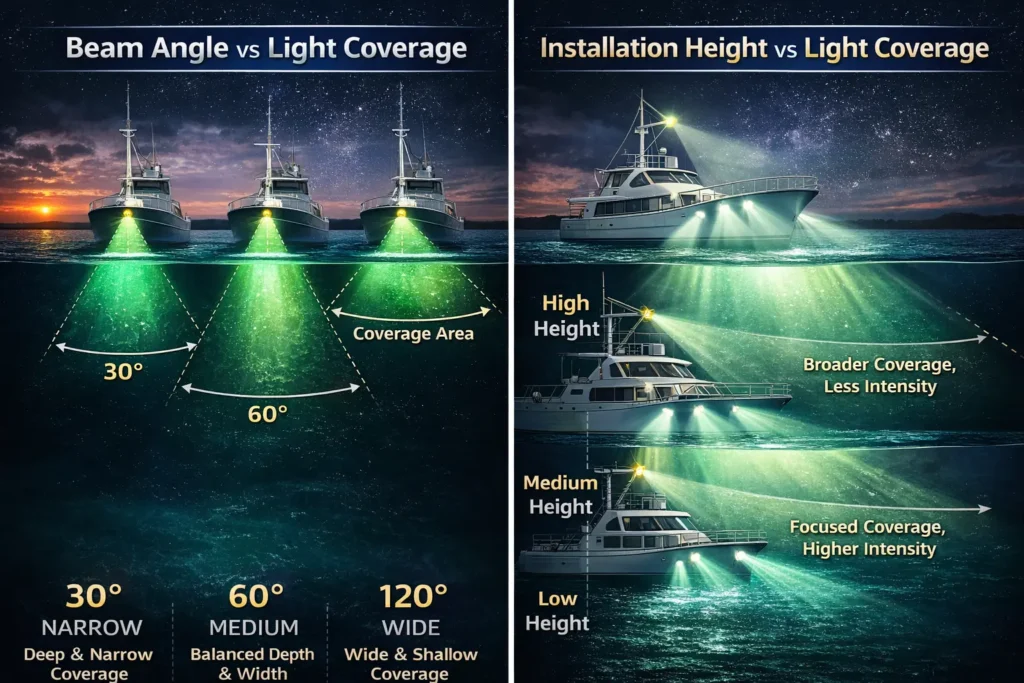
L'angolo del raggio è uno dei fattori più importanti nel determinare la quantità di area che coprirà le luci di pesca. L'angolo del fascio si riferisce alla diffusione della luce, con angoli più stretti che concentrano la luce in un'area più piccola e angoli più ampi che distribuiscono la luce su un'area più ampia. La scelta dell'angolo del raggio dipende dalle dimensioni della tua barca e dal tipo di pesca che stai facendo.
- Angolo di fascio stretto: un angolo di fascio stretto (ad es. 30°) concentra la luce in un punto focalizzato, ideale per attirare pesci in aree di pesca specifiche o piccole imbarcazioni. Queste luci funzionano meglio in acque poco profonde o quando si prende di mira un piccolo punto di pesca concentrato.
- Angolo di fascio largo Un angolo di fascio più ampio (ad es. 120°) disperde la luce su un'area più ampia, rendendola perfetta per barche più grandi o per la pesca in acque più profonde. Questo tipo di luce è più efficace per attirare i pesci su un ampio raggio.
Chiave da asporto
- Trave stretta: ideale per piccole imbarcazioni, acque poco profonde e punti di pesca specifici.
- Ampia trave: migliore per barche di grandi dimensioni, acque più profonde e attrarre una gamma più ampia di specie ittiche.
2. Altezza di installazione
L'altezza alla quale installi le luci di pesca influisce in modo significativo sulla loro copertura. Le luci installate più in alto sopra l'acqua forniscono una distribuzione più ampia della luce, che può coprire un'area più ampia. Tuttavia, le luci posizionate troppo alte potrebbero non fornire un'illuminazione sufficiente direttamente sotto la barca, che spesso è il luogo in cui i pesci si riuniscono. D'altra parte, l'installazione di luci più vicine alla superficie dell'acqua focalizza la luce in modo più preciso, aumentando la sua intensità direttamente sotto la barca ma riducendone la diffusione.
- Installazione alta: fornisce una copertura più ampia ma potrebbe avere meno intensità sulla superficie dell'acqua. Adatto per barche più grandi o quando si prende di mira un'ampia area di pesca.
- Bassa installazione: aumenta l'intensità e la concentrazione della luce direttamente sotto la barca. Ideale per attirare pesci vicino alla barca o quando si pesca in aree poco profonde.
Chiave da asporto
- Installazione elevata: fornisce una copertura più ampia, ma l'intensità della luce può diminuire sulla superficie dell'acqua.
- L'installazione bassa aumenta l'intensità direttamente sotto la barca, ma la copertura potrebbe essere limitata.
3. Copertura rispetto alle dimensioni della barca
La combinazione di angolo di fascio e altezza di installazione influenza direttamente l'area di copertura delle luci da pesca, ma deve essere bilanciata con le dimensioni della tua barca. Le barche più piccole spesso richiedono meno luci, che possono essere focalizzate in aree specifiche, mentre le barche più grandi necessitano di più luci posizionate in posizioni strategiche per garantire una copertura completa.
Per le piccole imbarcazioni, gli angoli di fascio stretti con altezza di installazione bassa sono sufficienti per attirare i pesci all'interno di una piccola area. Per le barche più grandi, gli angoli di fascio più ampi con un'altezza di installazione più elevata funzionano meglio per coprire un'area più ampia e attirare pesci da direzioni diverse.
Strategie di illuminazione per diversi ambienti di pesca
Le condizioni di pesca variano a seconda dell'ambiente e ogni situazione richiede una strategia di illuminazione su misura. Che tu stia pescando in acque poco profonde o profonde, prendendo di mira specie specifiche o pescando di notte, è essenziale ottimizzare la tua configurazione di illuminazione per i migliori risultati.
Pesca in acque basse
In acque poco profonde, le luci di pesca dovrebbero essere posizionate vicino alla superficie per attirare i pesci vicino allo strato superiore. Gli angoli del fascio stretti (30°) funzionano meglio per creare zone di luce concentrate.
- Configurazione dell'illuminazione consigliata:
- Angolo del fascio: 30°
- Posizionamento della luce: vicino alla superficie dell'acqua, idealmente a poppa o lati della barca.
- Colore: Le luci verdi o blu sono ideali per le acque poco profonde in quanto attraggono varie specie di pesci.
- consiglio d'illuminazione: posizionare le luci ad angolo per massimizzare la diffusione della luce senza causare abbagliamento.
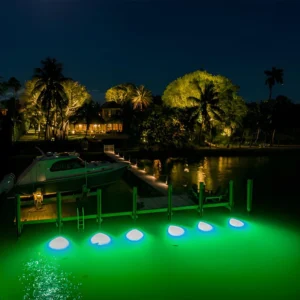
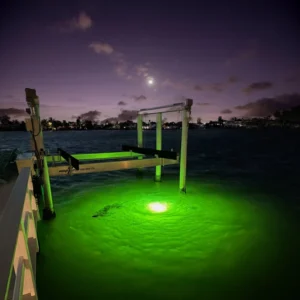
Per ulteriori esempi di come le luci che attirano i pesci LED vengono utilizzate in diversi ambienti acquatici, inclusi banchine, stagni e progetti offshore, Consulta la nostra guida all'applicazione.
Pesca in acque profonde
La pesca in acque profonde richiede luci con angoli di fascio più ampi (120°) e posizionamenti più elevati per coprire un'area più ampia e raggiungere acque più profonde.
- Configurazione dell'illuminazione consigliata:
- Angolo del fascio di luce: 120°
- Posizionamento della luce: posiziona le luci più in alto sulla barca per diffondere la luce su un'area più ampia.
- Colore: le luci bianche o blu sono efficaci per le acque profonde, attirando i pesci da una distanza maggiore.
- consiglio d'illuminazione: Usa più luci intorno alla barca per creare un'area illuminata più grande.
pesca notturna
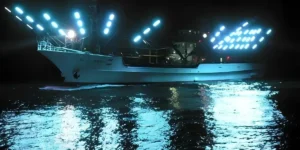
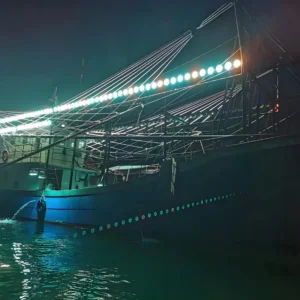
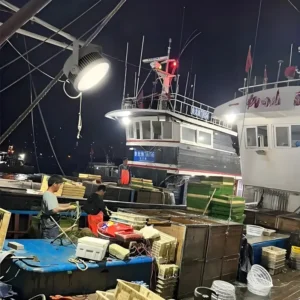
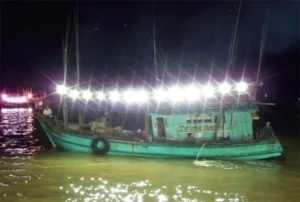
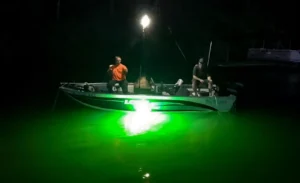
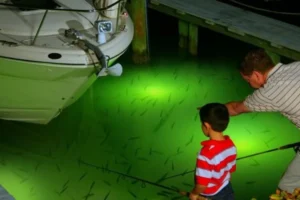
La pesca notturna richiede una forte illuminazione per attirare i pesci attratti naturalmente dalla luce. Le luci verdi e bianche sono altamente efficaci, poiché attraggono un'ampia gamma di specie di pesci in condizioni di bassa visibilità.
- Configurazione dell'illuminazione consigliata:
- Angolo del fascio: 120° per un'ampia copertura, 90° se si concentra su punti specifici.
- Posizionamento della luce: posizionare le luci sia a prua che a poppa per una copertura a 360°.
- Colore: le luci verdi o bianche attirano un'ampia varietà di specie di pesci.
- consiglio d'illuminazione: Combina luci verdi e bianche per ottenere il massimo effetto, poiché il verde attira i pesci esca, che a loro volta attirano i pesci predatori.
La scelta del giusto colore della luce è essenziale in diversi ambienti. Per una guida sistematica sulla selezione dei colori della luce da pesca, puoi fare riferimento a La nostra guida dettagliata sulla selezione del colore.
Acqua salata vs acqua dolce
Il tipo di acqua, acqua salata o dolce, influisce sulla scelta dell'illuminazione. L'acqua salata può causare corrosione, quindi è importante utilizzare luci resistenti alla corrosione. Le luci di pesca d'acqua dolce hanno una maggiore flessibilità, con meno preoccupazione per la corrosione.
- Acqua salata: utilizzare luci a LED resistenti alla corrosione con speciali rivestimenti per prevenire danni all'acqua salata.
- Acqua dolce: le luci di pesca d'acqua dolce sono più versatili, con meno preoccupazione per la corrosione. Le luci verdi e bianche funzionano in modo efficace in entrambi gli ambienti.

Risoluzione dei problemi di illuminazione comuni
Le luci di pesca possono riscontrare problemi comuni, come scarse prestazioni, malfunzionamento o copertura insufficiente. Ecco come risolvere e risolverli:
Le luci non funzionano
Se le luci smettono di funzionare, potrebbe essere dovuto a problemi di alimentazione, cablaggi danneggiati o lampadine difettose. Ecco come risolvere i problemi:
- Controllare l'alimentazione: assicurarsi che la fonte di alimentazione funzioni. Controllare i livelli di carica della batteria o gli impianti elettrici della barca. Per le luci solari, assicurarsi che il pannello sia pulito e riceve la luce solare.
- Ispezionare il cablaggio: cercare fili allentati o danneggiati. Serrare i collegamenti allentati e sostituire eventuali cablaggi danneggiati.
- Sostituire la lampadina o il LED: se la luce continua a non funzionare, la lampadina o il LED potrebbero essere difettosi. Sostituiscilo per ripristinare la funzionalità.
Copertura insufficiente
Se le tue luci di pesca non coprono un'area sufficiente, considera le seguenti soluzioni:
- Regolare il posizionamento della luce: posizionare correttamente le luci attorno alla barca per una copertura uniforme. Per le barche più grandi, potresti aver bisogno di più luci.
- Controllare l'angolo del raggio: utilizzare gli angoli del raggio regolabili per mettere a fuoco la luce dove necessario. I raggi stretti si concentrano su aree specifiche, mentre i raggi più larghi coprono spazi più ampi.
- Aggiungi più luci: per barche più grandi o acque più profonde, prendi in considerazione l'aggiunta di luci extra o la regolazione dell'altezza per una migliore copertura.
danni causati dall'acqua e corrosione
Le luci di pesca sono esposte ad ambienti marini difficili, che possono causare danni all'acqua o corrosione. Ecco come prevenirlo:
- Scegli luci resistenti alla corrosione: usa luci progettate per l'uso marino con rivestimenti o guarnizioni resistenti alla corrosione.
- Manutenzione regolare: pulire le luci dopo ogni utilizzo per rimuovere l'accumulo di sale e prevenire la corrosione.
- Conservazione corretta: conservare le luci in un luogo asciutto e protetto quando non viene utilizzato.
leggero sfarfallio o attenuazione
Le luci tremolanti o dimmerabili possono indicare problemi elettrici. Ecco come risolverli:
- Controllare la fonte di alimentazione: assicurarsi un alimentatore stabile. Per le luci a batteria, sostituire o ricaricare le batterie secondo necessità.
- Ispezionare il cablaggio: serrare eventuali connessioni allentate e sostituire i fili danneggiati per garantire un flusso di potenza costante.
Soluzioni di illuminazione efficienti e convenienti
Le luci di pesca possono consumare una quantità significativa di energia, soprattutto se utilizzata per lunghi periodi su barche più grandi. Tuttavia, scegliendo prodotti ad alta efficienza energetica come le luci che attirano i pesci ad alta potenza, puoi ridurre il consumo di energia mantenendo alta luminosità e prestazioni. In questa sezione, esploreremo i modi per migliorare l'efficienza energetica e ridurre i costi durante l'utilizzo delle luci da pesca.
Scegli luci a LED ad alta efficienza
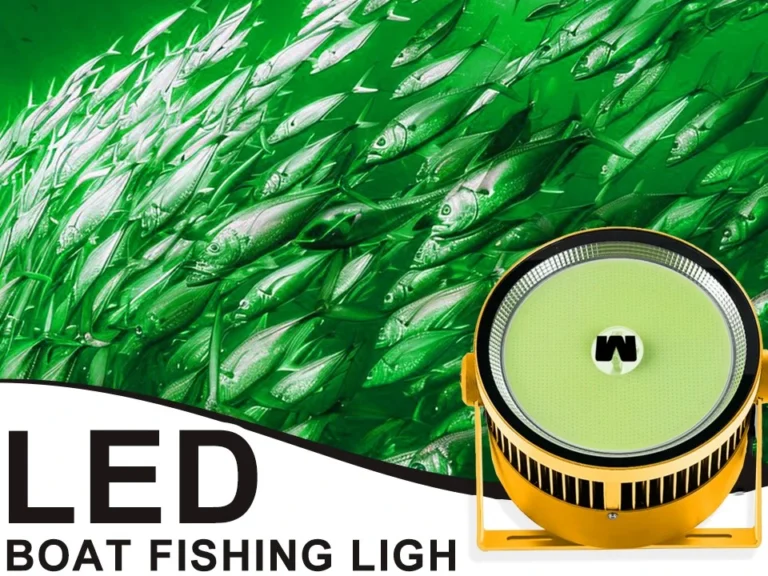
Le luci attrattive a LED ad alta potenza sono progettate per fornire la massima luminosità con un consumo energetico minimo. La tecnologia LED utilizzata in queste luci garantisce un basso consumo energetico offrendo al contempo un'intensità luminosa eccezionale, perfetta per attirare i pesci su vaste aree.
Vantaggi dei pesci LED ad alta potenza che attirano le luci:
- Efficienza energetica: queste luci consumano significativamente meno energia rispetto alle tradizionali lampadine alogene o a incandescenza, riducendo nel tempo i costi energetici.
- Luminoso e durevole: i LED ad alta potenza mantengono una luminosità costante e durano molto più a lungo, fornendo fino a 50.000 ore di utilizzo, riducendo i costi di sostituzione.
- Design specifico per marine: costruite per resistere a condizioni marine difficili, queste luci sono resistenti alla corrosione e possono gestire l'esposizione all'umidità e all'acqua salata tipica negli ambienti di pesca.
Suggerimento per l'illuminazione: quando si selezionano le luci da pesca a LED, assicurarsi che siano classificate per l'uso marino, come le luci di attrazione dei pesci a LED ad alta potenza, per garantire una durata ed efficienza energetica di lunga durata.
Per capire meglio in che modo la tecnologia a LED, l'efficienza ottica e la progettazione del sistema influiscono sul consumo di energia e sulle prestazioni complessive, puoi fare riferimento alla nostra guida dettagliata su Pesce LED attrarre la tecnologia e la selezione della luce.
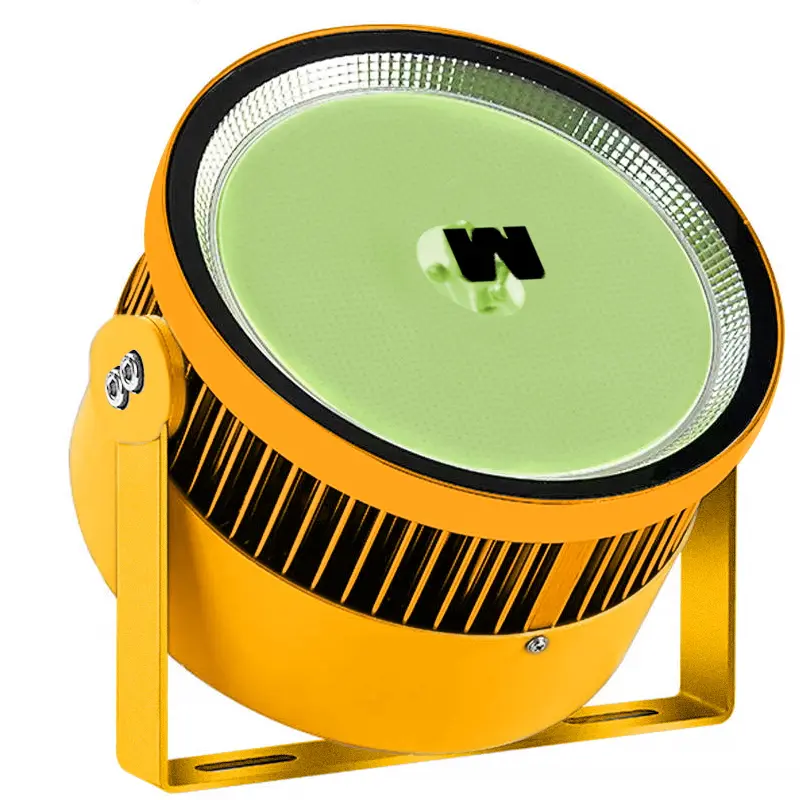
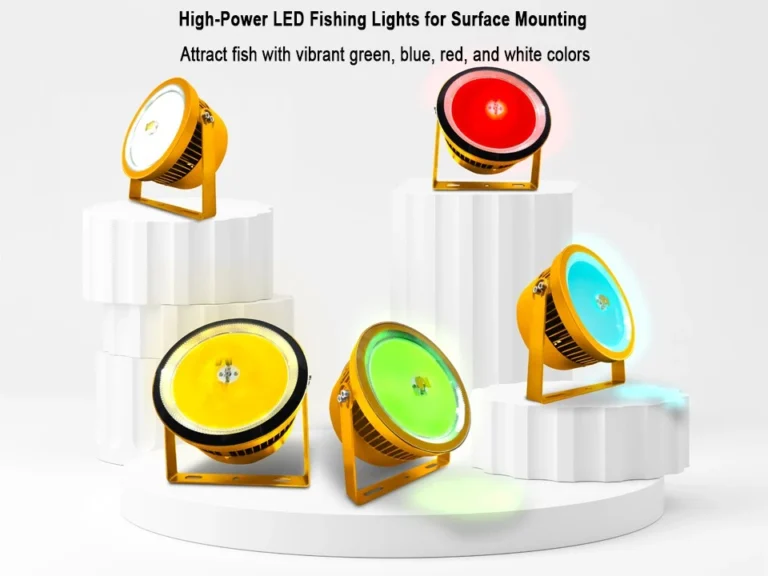
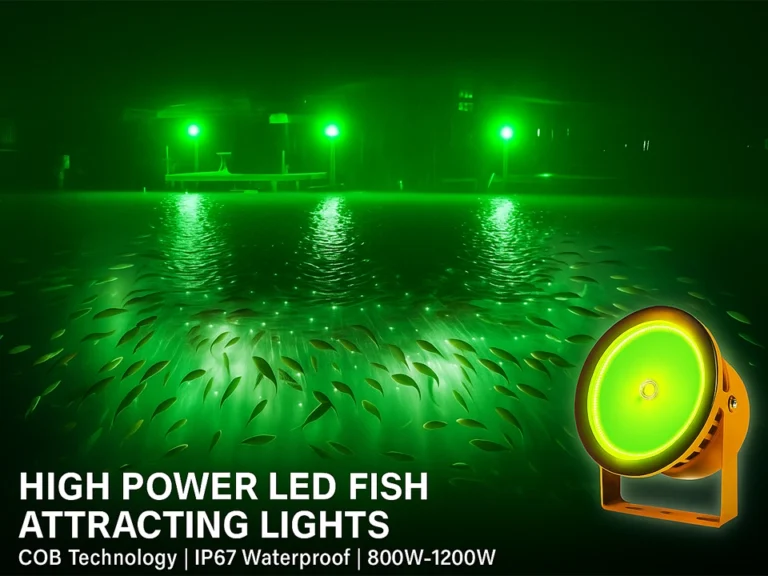
ILLUMINAZIONE PER PESCI COB AD ALTA POTENZA
Modello n..: Tipo rotondo
Tensione di ingresso: AC100-320V
Impennata: 10000V
Watt/pz: 800W/1000W/1200W
Tipo di LED: COB
Dimensioni (mm): Φ230 × 140
Colore: 3000K / 4000K / 5000K / 6000K/ Rosso / Verde / Blu / Viola
CRI: >80@3000K / 4000K / 5000K / 6000K/
Lumen: >120lm/w@3000K / 4000K / 5000K / 6000K/
Grado IP: IP67
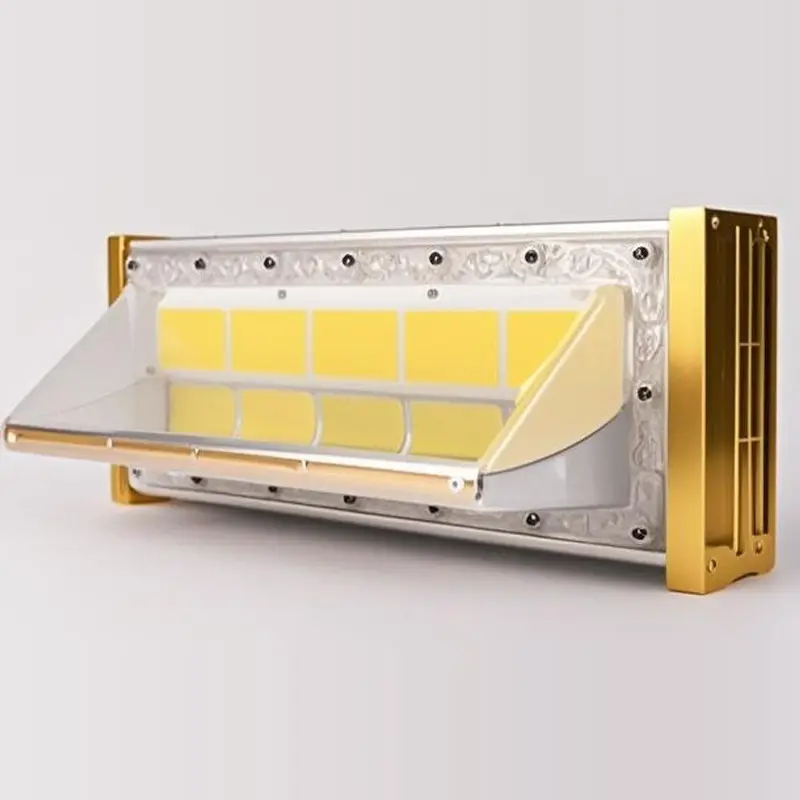
ILLUMINAZIONE PER PESCI COB AD ALTA POTENZA
Modello n..: Tipo quadrato
Tensione di ingresso: AC86-277V
Impennata: 10000V
Watt/pz: 800W/1000W/1200W
Tipo di LED: COB
Dimensioni (mm): 390* 140*210 mm/ 400* 150*200 mm
Colore: 3000K / 4000K / 5000K / 6000K
CRI: >80
Lumen: >120lm/w
Grado IP: IP67
Manutenzione regolare per la massima efficienza
Per mantenere le luci funzionanti in modo efficiente, la manutenzione regolare è essenziale. Per i pesci ad alta potenza che attirano le luci, è importante mantenere pulite le lenti e ispezionare regolarmente le guarnizioni e il cablaggio per evitare problemi di prestazioni causati dall'esposizione all'acqua salata.
Suggerimenti per la manutenzione:
- Pulire le luci: dopo ogni utilizzo, pulire le lenti per rimuovere sale e sporco. Ciò garantisce che le luci rimangano luminose ed efficaci.
- Verificare la presenza di usura: ispezionare il cablaggio e le connessioni per eventuali corrosioni o danni causati da condizioni marine. Sostituire tempestivamente i componenti danneggiati.
Suggerimento per l'illuminazione: mantieni le luci a LED ad alta potenza che attirano le luci in ottime condizioni pulendole dopo ogni utilizzo ed eseguendo controlli periodici per assicurarsi che funzionino a piena efficienza.
Sistemi di illuminazione intelligenti
Prendi in considerazione l'integrazione di sistemi di illuminazione intelligenti per un controllo avanzato sulle luci di pesca. Con i sistemi intelligenti, puoi regolare la luminosità della luce, accendere/spegnere le luci da remoto e persino automatizzare i programmi di illuminazione, ottimizzando il consumo energetico in base alle condizioni di pesca e all'ora del giorno.
Vantaggi dei sistemi di illuminazione intelligenti:
- Controllo e praticità: controlla le luci dal tuo telefono o tablet, ottimizzandone l'uso per diverse condizioni di pesca.
- Ottimizzazione energetica: programmare le luci per accendersi solo quando necessario, massimizzando l'efficienza energetica.
- Caratteristiche avanzate: alcuni sistemi intelligenti possono integrarsi con altri sistemi sulla barca, fornendo un'automazione migliorata sia per l'illuminazione che per altre apparecchiature.
Suggerimento per l'illuminazione: se stai utilizzando luci a LED ad alta potenza che attraggono luci, considera di abbinarle a un sistema intelligente per automatizzarne l'uso e ottimizzare l'efficienza energetica.
Conclusione
Scegliere il giusto numero di luci da pesca e utilizzarle in modo efficiente è fondamentale per un'esperienza di pesca di successo. Considerando le dimensioni della barca, gli angoli del raggio e il posizionamento, puoi creare la migliore configurazione per attirare i pesci e massimizzare la visibilità. di Le luci a LED ad alta potenza di SignLiteled che attraggono le luci, si garantisce sia prestazioni ottimali che efficienza energetica, risparmiando sui costi a lungo termine.
A SignLiteled, le nostre luci sono costruite per durare e sono ideali per qualsiasi ambiente di pesca. Visita il nostro sito per scoprire la nostra gamma completa di prodotti e trovare la soluzione di illuminazione perfetta per la tua barca.
Post correlati