Italiano
  English
  简体中文
简体中文  Deutsch
  Español
  Français
  日本語
日本語  한국어
한국어  Polski
  Português
  Русский
  Türkçe
  Nederlands
  Tiếng Việt
  ไทย
ไทย 
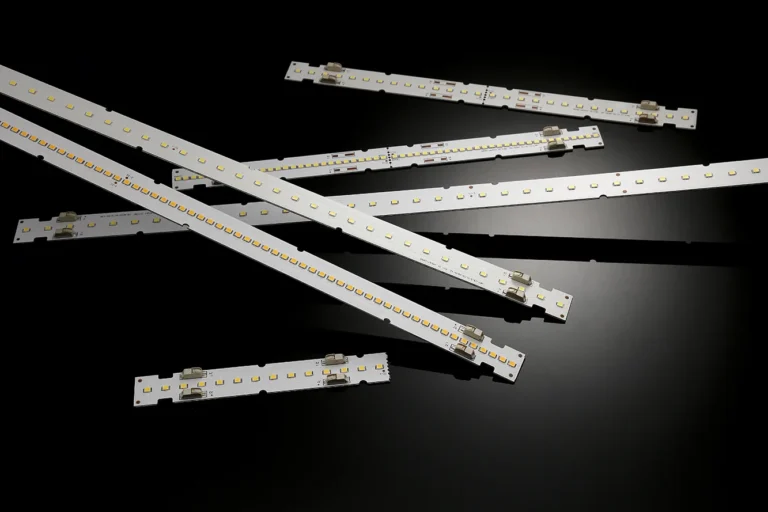
A customized LED linear module is a scalable lighting solution designed for office and commercial projects where fixture dimensions, lighting uniformity, and installation efficiency must be precisely controlled. By combining modular PCB design with consistent optical performance, it allows manufacturers to standardize production while maintaining flexibility across different project requirements.
This article explains how scalable LED module design works and includes a real project case from a European office lighting manufacturer.
Why Customized LED Linear Modules Are Used in Office Projects
Office lighting projects often require:
- Long, continuous linear fixtures
- Uniform brightness without dark spots
- Flexible installation in different ceiling layouts
- Reliable performance across large quantities
Standard LED strips may not meet these requirements due to limitations in structure, consistency, and installation efficiency.
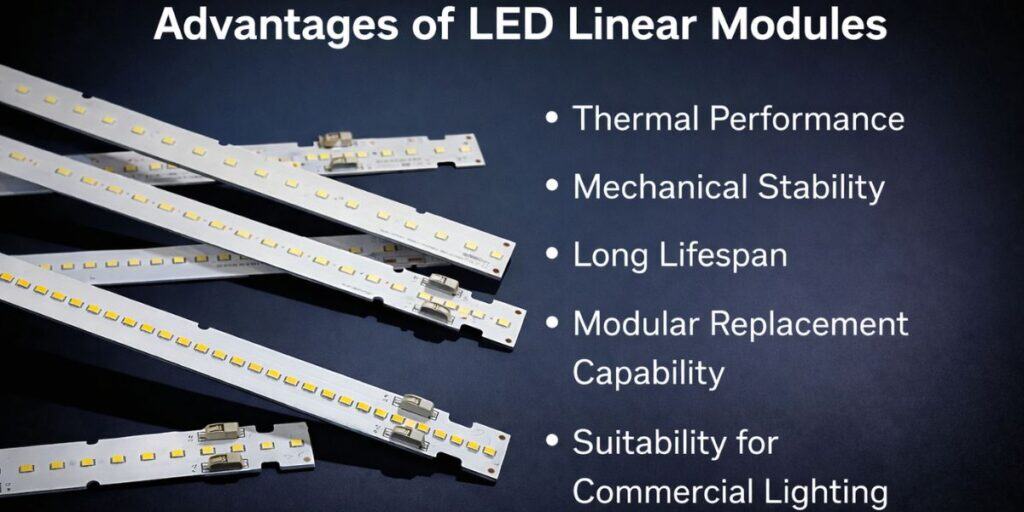
What Defines a Scalable LED Linear Module Solution?
A scalable solution is not just customization, but repeatable customization.
Key characteristics include:
- Modular PCB lengths
- Consistent lumen output across batches
- Flexible electrical configuration
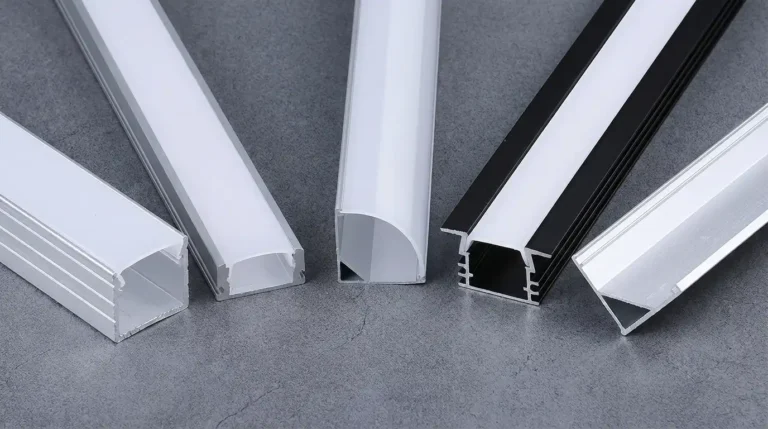
- Compatibility with different aluminum profiles
What Are the Key Specifications of a Customized LED Linear Module?
A typical customized LED linear module is defined by a combination of mechanical, optical, and electrical parameters.
Common specification ranges include:
Mechanical: Length, Width, Thickness
ottico: Luminous flux, color temperature, CRI, beam angle.
elettrico: Voltage, power
Real Project Case – Scalable LED Module for Office Lighting Manufacturer
Project Overview
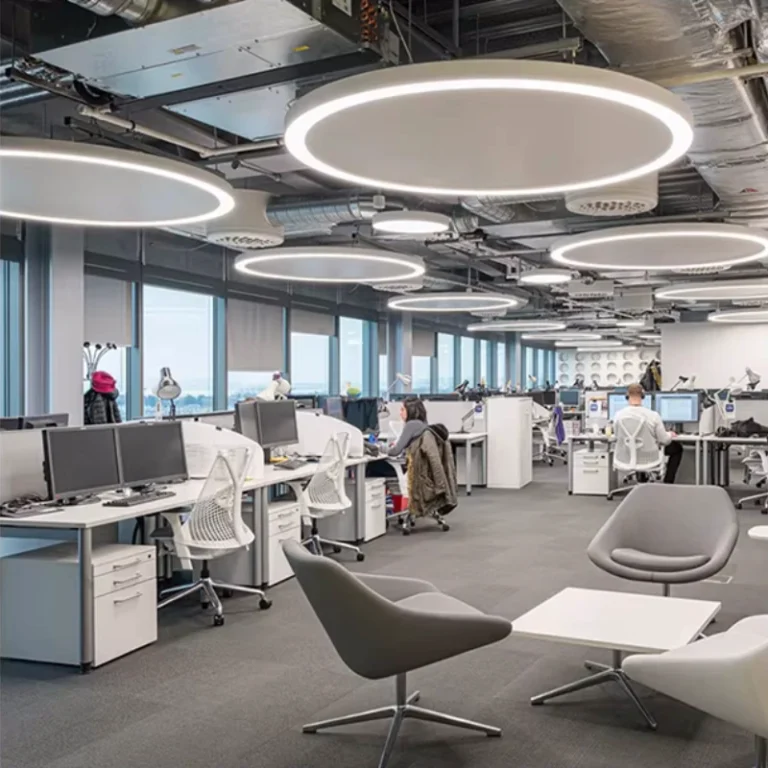
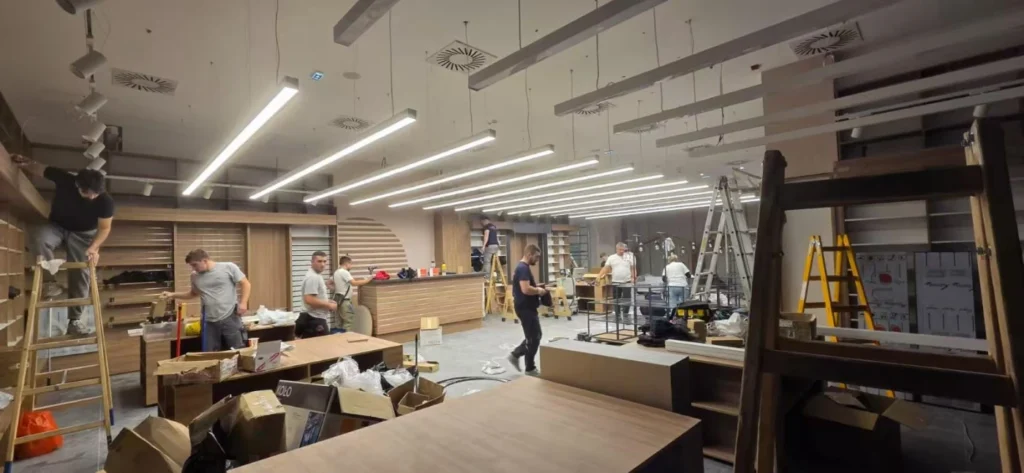
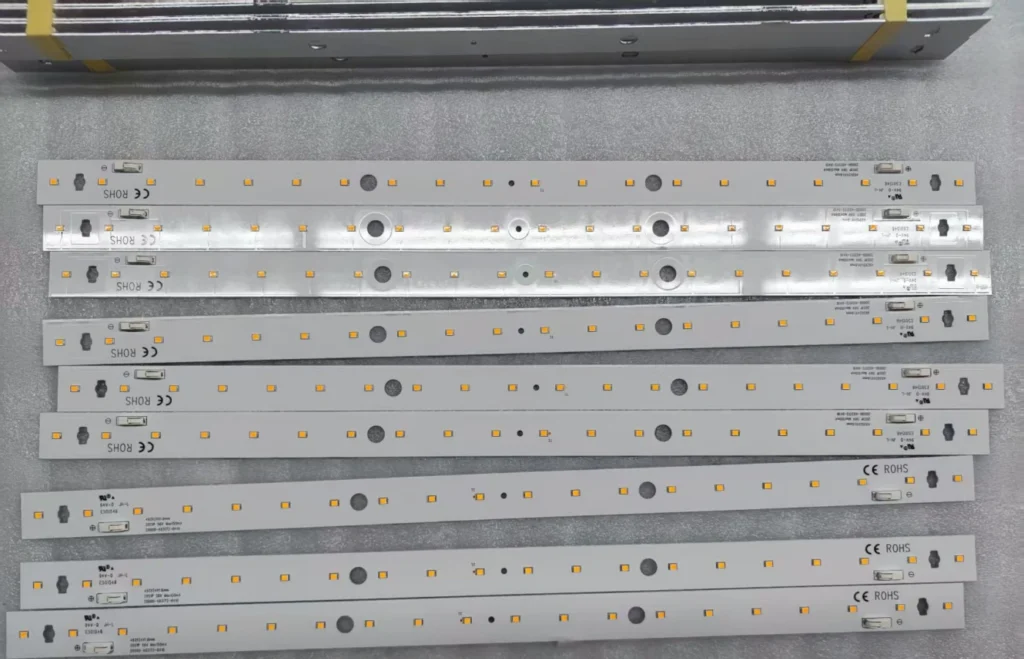
This project involved developing a scalable LED linear module system for a European lighting manufacturer serving office and commercial spaces. The goal was to create a standardized yet flexible solution that could be applied across multiple fixture designs and project requirements.
Project Background
The client is a professional linear lighting manufacturer based in Europe, providing complete lighting solutions for office and commercial environments, including design, production, and installation services.
They required a customized LED linear module solution that could be standardized across multiple projects while maintaining flexibility for different fixture designs.
Key Technical Requirements
The project required:
- Consistent illumination across long linear fixtures
- Flexible module lengths for different designs
- Compatibility with multiple aluminum profiles
- Reliable performance in large-scale production
Solution Design
To address these requirements, a modular LED linear system was developed with the following specifications:
Mechanical Design
- Module length: 493mm
- PCB width: 50/24/20mm
- Compatible profile: SL-5075
Optical Performance
- Luminous flux: 5500lm
- LED spacing: 35mm
- Color temperature: 3000K
Electrical Configuration
- Voltage: 50-60V
- Potenza: 30W
- Dimming system: 0-10V/PWM
Implementation Process
The project was executed through a structured development process:
1. Requirement confirmation with the client
2. Optical and structural design
3. Prototype production and testing
4. Design optimization based on feedback
5. Mass production and delivery
Performance Outcome
The final solution delivered measurable improvements:
- Lighting uniformity: high consistency (>90%) achieved across continuous linear fixtures, with no visible dark areas
- Installation efficiency improvement: modular design reduced on-site installation time by approximately 20–30%
- Defect rate reduction: optimized production process helped reduce common defects and improve overall yield
- Production consistency: stable quality maintained across multiple batches, ensuring reliable performance in large-scale projects
Overall, the solution improved both installation efficiency and lighting consistency, making it suitable for large-scale office lighting applications.
Why Modular LED Design Improves Project Efficiency
Compared with non-standard solutions, modular LED systems offer:
- Faster installation
- Reduced wiring complexity
- Easier maintenance
- Better scalability across projects
Where Are Customized LED Linear Modules Typically Used?
Customized LED linear modules are widely used in:
- Office lighting systems
- Commercial retail lighting
- Architectural linear lighting
- Suspended and recessed luminaires
Takeaway chiave
- Customized LED linear modules provide better adaptability for complex commercial lighting projects
- Modular design improves installation efficiency and reduces on-site errors
- Consistent optical performance is critical for office lighting quality
- Scalable solutions enable reliable mass production with stable performance
- Customized modules are more suitable for professional lighting manufacturers and contractors
FAQ
What is a linear LED module used for?
A linear LED module is used for integrated lighting fixtures in office, commercial, and architectural applications where consistent illumination and structural stability are required.
Why not use LED strips instead of modules?
LED strips are flexible but may lack structural stability, thermal management, and consistency, making them less suitable for professional lighting fixtures.
Can LED linear modules be customized for different projects?
Yes, they can be customized in size, power, color temperature, and connector type to match specific project requirements.
How do you ensure consistency in large-scale production?
Consistency is achieved through standardized module design, strict binning control, and stable manufacturing processes.
Are customized LED modules cost-effective?
For large projects, customized modules often reduce installation time and maintenance costs, making them more cost-effective overall.
Need a Scalable LED Module Solution for Your Project?
If you are working on office or commercial lighting projects that require consistent performance and flexible design, a modular LED linear solution can help simplify both production and installation.
For project-specific specifications or technical discussion, it is recommended to evaluate requirements such as fixture dimensions, electrical configuration, and lighting standards before finalizing the module design.
Post correlati