Italiano
  English
  简体中文
简体中文  Deutsch
  Español
  Français
  日本語
日本語  한국어
한국어  Polski
  Português
  Русский
  Türkçe
  Nederlands
  Tiếng Việt
  ไทย
ไทย 
La prototipazione rapida di 3–5 giorni nell'assemblaggio di PCB a LED si riferisce alla produzione di un campione PCB LED funzionale a quantità limitata all'interno di una finestra di produzione compressa. Non significa saltare i passi o correre incompleti. La velocità di turnaround dipende dalla disponibilità del progetto, dalla disponibilità confermata dei componenti e da un ambito di assemblaggio chiaramente definito. Quando queste condizioni si allineano, le build prototipo accelerate sono realizzabili senza modificare il processo di produzione sottostante.
Cosa significa "prototipazione veloce da 3 a 5 giorni" nell'assemblaggio di PCB a LED
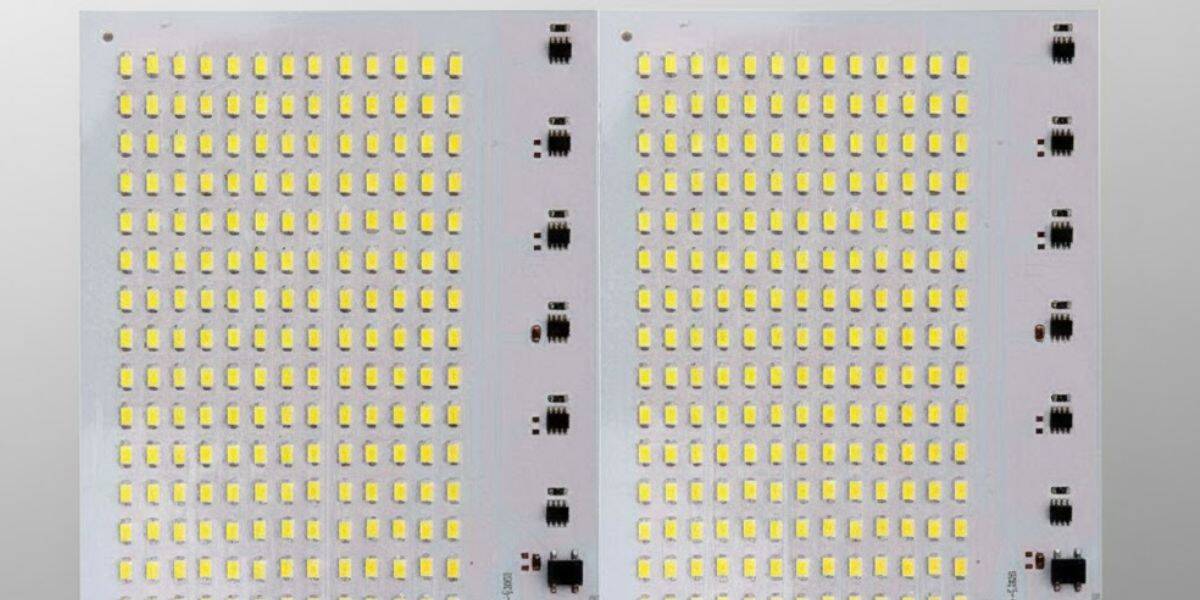
La prototipazione veloce descrive una scorciatoia controllata attraverso i tempi di consegna standard, non una scorciatoia attraverso la disciplina ingegneristica. L'output è un prototipo, non un lotto pronto per la produzione. L'obiettivo è la convalida, non il volume.
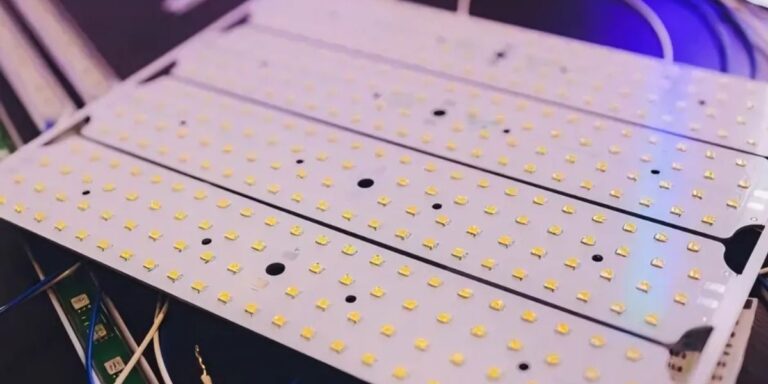
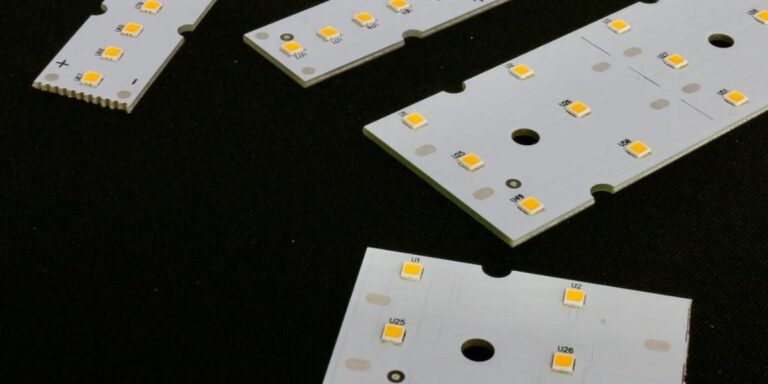
L'assemblaggio di PCB LED comporta vincoli più stretti rispetto a molti altri tipi di schede. Percorsi termici, precisione di posizionamento del LED e coerenza attuale contano immediatamente, anche nella fase del prototipo. Per questo motivo, la prototipazione veloce si concentra su schede che sono già prodotte, non i progetti sono ancora in fase di esplorazione.
In termini pratici, la prototipazione veloce di 3-5 giorni di solito include la fabbricazione di schede nude, il posizionamento dei componenti LED e del driver disponibili e la verifica funzionale di base. Esclude l'ottimizzazione del processo, il burn-in esteso e l'ottimizzazione cosmetica che appartengono a fasi successive.
Flusso di lavoro tipico dietro la prototipazione PCB a LED veloce
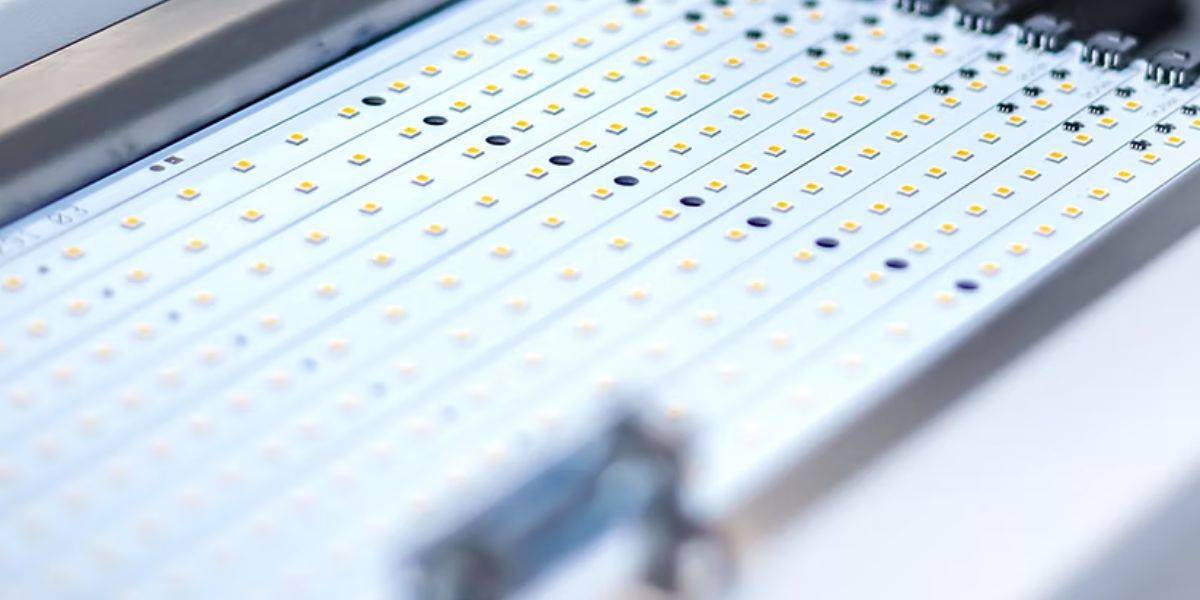
La rapida turnround è possibile solo quando il flusso di lavoro rimane prevedibile. Il processo non cambia, ma le priorità lo fanno.
La preparazione al design è il primo cancello. I file devono essere definitivi, revisionati internamente e privi di domande aperte. Non esiste un buffer di tempo per i cicli di chiarificazione.
L'approvvigionamento dei componenti segue la realtà, non l'intento. Possono essere utilizzate solo parti in magazzino, approvate e già qualificate per l'assemblaggio. Le sostituzioni rallentano tutto.
La definizione delle priorità dell'assemblaggio avviene a livello di programmazione. I lavori di prototipo vengono inseriti in linee esistenti tra le esecuzioni di produzione o assegnate a una capacità di svolta rapida dedicata.
L'ambito del test è intenzionalmente limitato. L'obiettivo è la conferma che la scheda funziona come progettata, non caratterizzazione della piena affidabilità.
La velocità si ottiene riducendo l'incertezza, non comprimendo la fisica.
Fattori che consentono un turnaround di 3-5 giorni
1. Completezza e producibilità del design
Un design completo è l'unico predittore più forte di consegna rapida. Gerber, dati pick-and-place e distinta base devono allinearsi senza interpretazione. Le schede LED che seguono già le impronte standard, le regole di spaziatura e le strategie termiche si muovono rapidamente.
- Piccoli errori di layout spesso causano un ripristino completo della pianificazione
- La chiarezza di DFM conta più della novità del design
2. Disponibilità dei componenti per gli assiemi LED
I componenti LED non sono intercambiabili all'ultimo minuto. I contenitori ottici, le classi di tensione e i tipi di pacchetto limitano la flessibilità. La prototipazione rapida si basa su componenti già stoccati o di provenienza locale.
- I LED a piombo lungo rimuovono ogni possibilità di build da 3 a 5 giorni
- La disponibilità di IC del conducente diventa spesso il collo di bottiglia
3. Configurazione della catena di montaggio per schede LED
Non tutte le linee SMT sono ugualmente adatte per il lavoro a LED. Schede che richiedono una manipolazione speciale, un peso elevato in rame o un'interfaccia termica che porta a velocità lenta. Le linee già configurate per il posizionamento a LED consentono transizioni più rapide tra i lavori.
4. Limiti di collaudo e ispe
I prototipi veloci sono sottoposti a un'ispezione mira I controlli elettrici e la convalida funzionale di base sono tipici. Vengono posticipati l'invecchiamento prolungato, la misurazione fotometrica o i test ambientali. Questa limitazione è intenzionale e necessaria per proteggere le tempistiche.
Quando la prototipazione del PCB a LED a 3–5 giorni è realistica e quando non lo è
La prototipazione veloce è realistica per progetti PCB LED da semplici a moderatamente complessi che riutilizzano architetture note. I moduli LED lineari, le integrazioni di base dei driver e i layout a scheda singola si adattano bene alle linee temporali accelerate.
Diventa irrealistico quando i progetti introducono più tipi di LED, nuove strutture termiche o layout non provati. Ogni variabile aggiunta aumenta lo sforzo di coordinamento e il rischio.
Le linee temporali perse di solito derivano da lacune nelle aspettative. Gli ingegneri si aspettano velocità nonostante i dettagli di progettazione irrisolti. L'approvvigionamento prevede velocità nonostante l'offerta di componenti incerta. La produzione può muoversi solo velocemente quanto gli input consentono.
Comprendere questi confini previene la frustrazione da tutte le parti.
Ruolo delle considerazioni di assemblaggio specifiche del LED
L'assemblaggio LED PCB introduce vincoli che influiscono sulla velocità anche nella fase del prototipo. La precisione del posizionamento a LED influisce direttamente sulle prestazioni ottiche e non può essere trattata casualmente. La rilavorazione è limitata una volta montati i LED.
I percorsi termici devono essere continui e intenzionali. Le interfacce termiche scarse si rivelano rapidamente durante l'accensione iniziale, interrompendo spesso ulteriori test.
Il comportamento a livello di sistema conta all'inizio. Anche i prototipi devono gestire la diffusione del calore, l'equilibrio di corrente e l'allineamento meccanico. Queste realtà spiegano perché le prototipi guidati a ricompense veloci maturano disegni e penalizza quelli esplorativi.
La velocità con cui la prototipazione supporta le decisioni di assemblaggio di PCB personalizzate
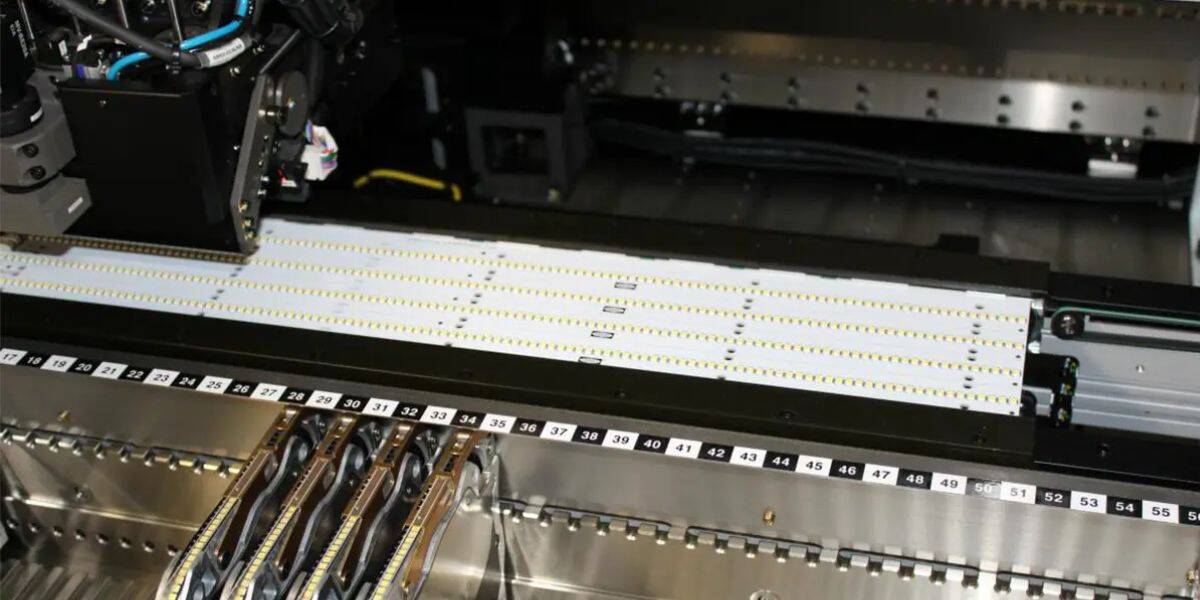
Esistono prototipi veloci per ridurre l'incertezza prima dell'impegno. Gli ingegneri li usano per verificare le ipotesi di layout, confermare il comportamento elettrico e osservare la risposta termica in condizioni reali.
Dal punto di vista decisionale, Assemblaggio PCB personalizzato La pianificazione beneficia dei primi segnali. Un prototipo può confermare che un progetto è pronto per ridimensionare o rivelare che è necessaria una revisione prima dell'investimento in volume.
Vanno anche i team di approvvigionamento. Le prime build espongono i rischi di approvvigionamento e aiutano a convalidare se i componenti pianificati supportano pianificazioni realistiche.
La prototipazione veloce non riguarda solo la velocità. si tratta di un processo decisionale informato.
La prototipazione veloce si inserisce nelle pipeline di fabbricazione di PCB personalizzate
La prototipazione rapida occupa una posizione stretta ma critica nel più ampio flusso di fabbricazione di PCB personalizzato.
| palcoscenico | Scopo | Aspettativa di velocità |
| prototipo | Convalida funzionale | Ambito di portata limitato e veloce |
| convalida | raffinatezza del design | vessillo |
| revisione | Correzione del problema | variabile |
| scala | Produzione stabile | Tempi di consegna pianificati |
La prototipazione rapida termina una volta stabilita la fiducia nel progetto. La fabbricazione standard inizia quando la coerenza, la resa e la ripetibilità diventano priorità.
Cercare di estendere i metodi di trasformazione rapida in produzione crea rischi di qualità e pianificazione.
Malintesi comuni sulla prototipazione veloce del PCB
Una convinzione comune è che veloce significa bassa qualità. In realtà, la qualità dipende dalla disciplina del design, non dalla lunghezza del programma. I prototipi veloci soddisfano i controlli definiti ma evitano quelli non necessari.
Un altro malinteso è che ogni design si qualifica. Fast Turnaround favorisce i progetti che sono già stabili. I concetti di fase iniziale raramente si adattano.
Un terzo presupposto è che i prototipi rappresentino il prodotto finale. I prototipi rispondono alle domande. Non definiscono da soli la prontezza alla produzione.
Chiarire questi punti impedisce le aspettative disallineate.
Conclusione
La prototipazione rapida di 3–5 giorni nell'assemblaggio di PCB a LED significa produrre un prototipo PCB LED funzionale entro un lasso di tempo compresso ma controllato. Dipende dalla disponibilità del progetto, dalla disponibilità dei componenti e dall'ambito di assemblaggio limitato. Non è una promessa di velocità per ogni progetto, né un sostituto dei processi di produzione standard. Se utilizzata correttamente, la prototipazione rapida fornisce informazioni tecniche iniziali e supporta migliori decisioni di produzione di PCB personalizzate.
Domande frequenti
Post correlati