Italiano
  English
  简体中文
简体中文  Deutsch
  Español
  Français
  日本語
日本語  한국어
한국어  Polski
  Português
  Русский
  Türkçe
  Nederlands
  Tiếng Việt
  ไทย
ไทย 
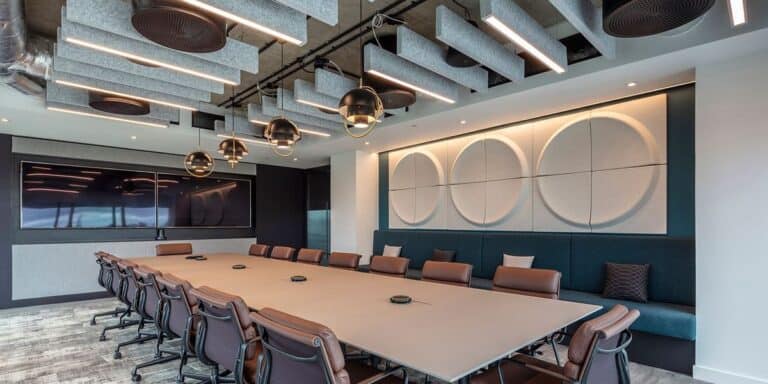
La selezione dell'illuminazione acustica si riduce al bilanciamento del controllo del suono, alla qualità dell'illuminazione, alle prestazioni dei materiali e al modo in cui il sistema si inserisce in un vero spazio commerciale. L'illuminazione acustica combina l'illuminazione con l'assorbimento acustico, quindi la scelta giusta può ridurre l'eco, migliorare la chiarezza del parlato e supportare il comfort visivo negli uffici, negli interni pubblici e negli ambienti condivisi. Per architetti, progettisti e facility manager, la decisione influisce direttamente sull'usabilità sul posto di lavoro, sulla conformità e sui costi operativi a lungo termine.
Questo articolo spiega i principali fattori tecnici, acustici e di progettazione da considerare quando si seleziona l'illuminazione acustica per gli ambienti commerciali.
Come funziona l'illuminazione acustica all'interno di un sistema di costruzione
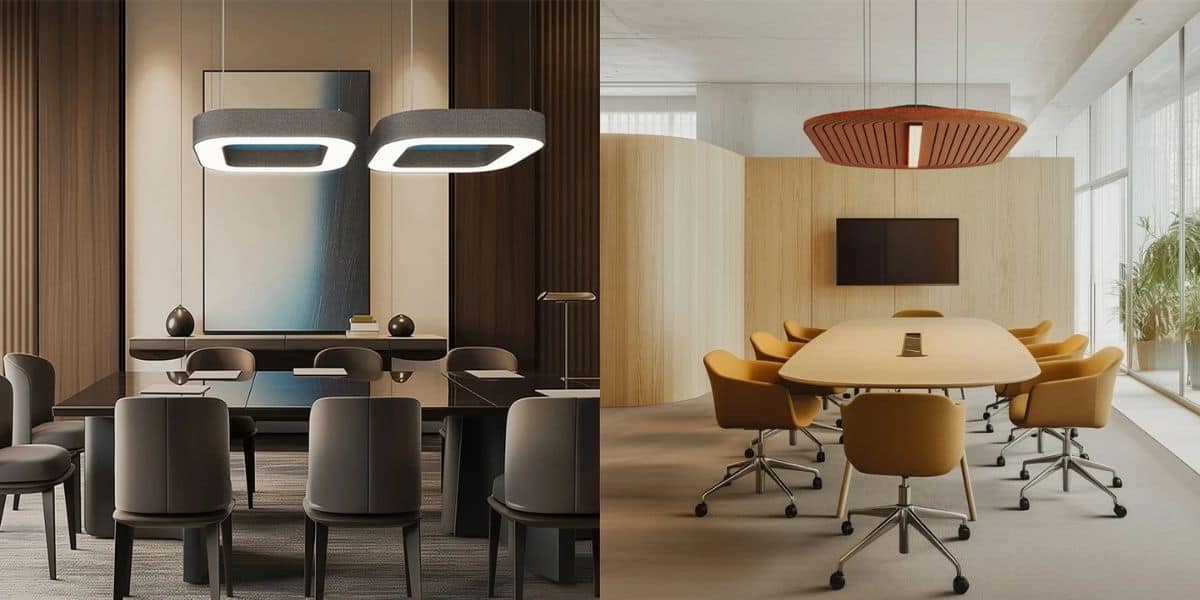
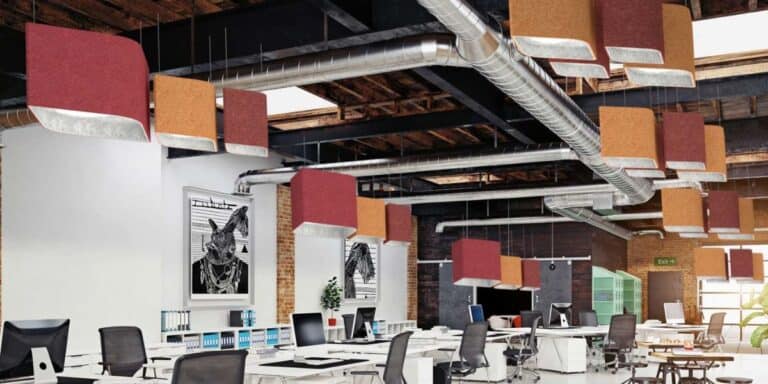
Illuminazione acu Non dovrebbe essere inteso come semplice lampada ricoperta di feltro. Negli ambienti commerciali, opera come parte della strategia generale acustica e di illuminazione dell'edificio.
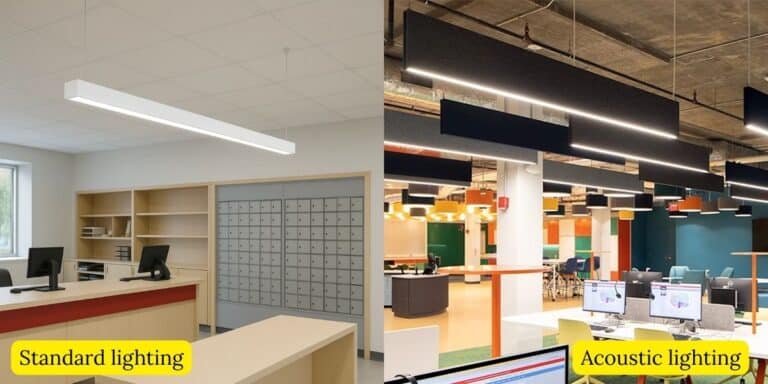
Nella maggior parte degli interni moderni, i soffitti rappresentano la più grande superficie riflettente ininterrotta. Quando la parola e il suono ambientale salgono, si riflettono dai soffitti e si diffondono nella stanza. Gli apparecchi di illuminazione tradizionali installati su soffitti duri contribuiscono poco al controllo del suono e possono persino aumentare i modelli di riflessione.
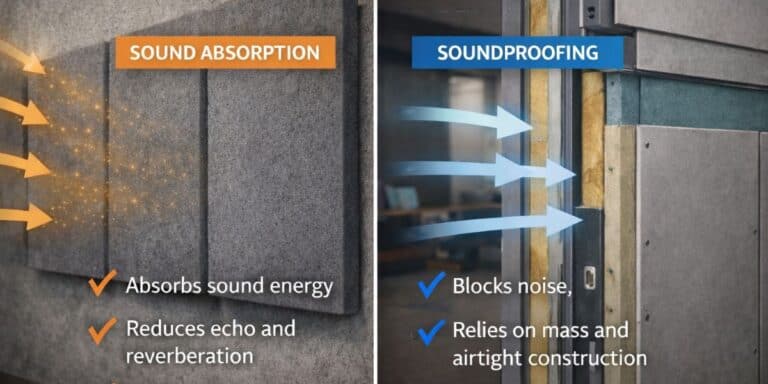
L'illuminazione acustica cambia questa dinamica introducendo massa di assorbimento direttamente nel piano del soffitto. Invece di consentire all'energia sonora di riflettere liberamente, il corpo acustico integrato cattura e dissipa le onde sonore a media e alta frequenza. Ciò riduce il tempo di riverbero e limita la diffusione del discorso in aree aperte.
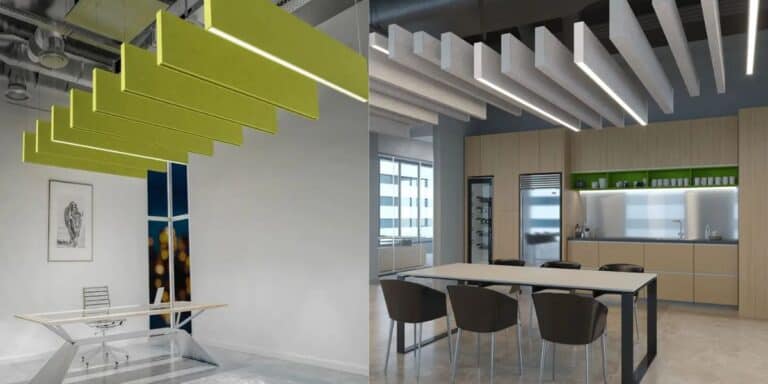
A differenza di pannelli acustici separati e apparecchi, l'illuminazione acustica consolida due sistemi in un unico elemento architettonico. La componente di illuminazione fornisce illuminazione in base ai livelli di LUX richiesti e agli standard di comfort visivo, mentre la struttura acustica modifica il comportamento del suono nella stessa zona.
Questo approccio a doppia funzione conta di più negli ambienti in cui lo spazio sul soffitto è limitato o visivamente sensibile. In uffici aperti, aree di collaborazione e sale conferenze, l'illuminazione acustica consente ai progettisti di controllare il riverbero senza coprire l'intero soffitto con pannelli.
Dal punto di vista delle prestazioni dell'edificio, l'illuminazione acustica dovrebbe essere valutata in base a:
- Come altera i percorsi di riflessione all'interno della stanza
- se contribuisce in modo significativo al controllo del riverbero
- Come la copertura acustica uniforme è distribuita sul soffitto
- Se il componente di illuminazione mantiene standard di comfort visivo
Se specificato correttamente, l'illuminazione acustica diventa una parte strutturale delle prestazioni spaziali piuttosto che un'aggiunta decorativa.
Fattori chiave da considerare nella selezione dell'illuminazione acustica
Prestazioni acustiche
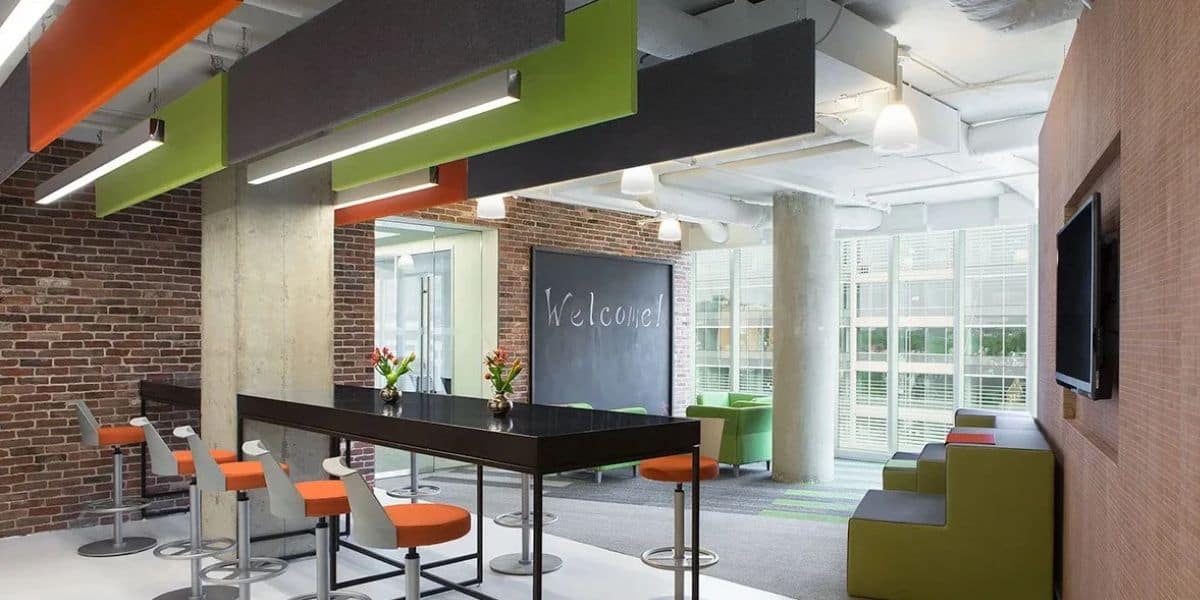
Le prestazioni acustiche sono la ragione principale per cui esistono questi sistemi, ma spesso è la meno compresa.
Il coefficiente di riduzione del rumore (NRC) è la metrica più comune utilizzata per descrivere quanto suono assorbe un materiale. In parole povere, NRC indica quanta energia sonora viene assorbita piuttosto che riflessa in uno spazio. Per gli interni commerciali, i valori NRC da medio a alto sono particolarmente importanti perché la voce umana, le telefonate e il rumore di collaborazione si trovano in genere nella gamma delle frequenze medie.
L'assorbimento delle medie frequenze conta più di quanto molti acquirenti si rendano conto. Un dispositivo che funziona bene solo alle alte frequenze potrebbe non migliorare in modo significativo la chiarezza del linguaggio negli uffici o nelle sale riunioni. La revisione dei dati sulle prestazioni specifiche della frequenza, non solo un singolo numero NRC, aiuta a evitare questo problema.
Il posizionamento influisce anche sulle prestazioni. L'illuminazione acustica funziona meglio se posizionata dove si accumula energia sonora, come sopra postazioni di lavoro, zone di collaborazione o tavoli da conferenza. anche ad alte prestazioni infissi acustici Può consegnare se sono scarsamente distribuiti o trattati come elementi del soffitto puramente decorativi.
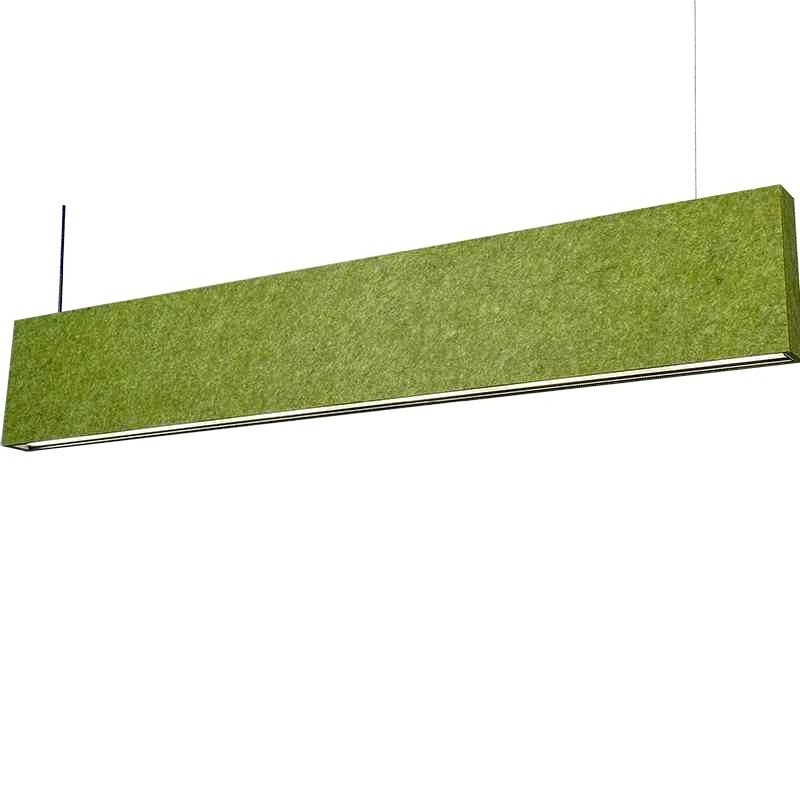
Luce lineare acustica a LED sottile antiriflesso
- Tensione di ingresso: AC100-277V / AC220-240V,50-60Hz
- Dimensioni custodia: W58 * H200 mm / W58 * H300 mm
- Direzione emettendo: verso il basso
- Opzione di lunghezza: 1218 mm / 1220 mm / 1288 mm
- CCT: 3000K / 4000K / 6000K
- Potenza: 30W / 32W
- Flusso luminoso: 100-110lm/W
- CRI: >90RA
- PF: >0.90
- sfarfallio gratuito: sì
- Angolo del fascio: 36°
- Grado IP: IP20
- Garanzia: 5 anni
- Colore del pannello acustico in feltro: rosso / verde / blu / grigio Più di 48 colori
qualità materiale
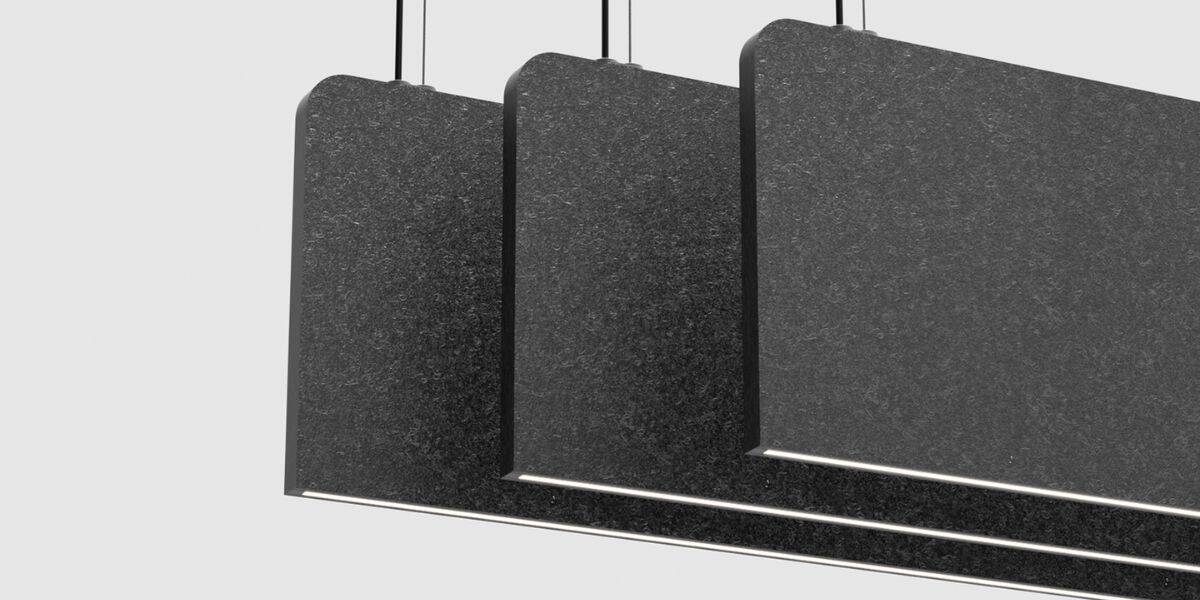
La selezione del materiale determina in gran parte se l'illuminazione acustica si comporta costantemente nel tempo.
Il feltro PET è il materiale più comune nell'illuminazione acustica di livello commerciale perché offre un comportamento acustico prevedibile, stabilità dimensionale e prestazioni di fuoco. I materiali in feltro di bassa qualità o legati liberamente possono sembrare inizialmente simili, ma tendono a invecchiare, scolorire o perdere l'efficienza di assorbimento man mano che invecchiano.
Densità, spessore e stratificazione influenzano direttamente l'assorbimento. I pannelli più spessi e più densi generalmente si comportano meglio alle frequenze inferiori e medie. Le costruzioni a strati possono migliorare le prestazioni senza aumentare significativamente la massa visiva.
La valutazione antincendio non è negoziabile nei progetti commerciali. L'illuminazione acustica dovrebbe soddisfare gli standard di sicurezza antincendio pertinenti per i prodotti montati a soffitto, in particolare negli uffici, nell'ospitalità e negli interni pubblici.
La durata e l'invecchiamento sono spesso trascurati. I materiali di alta qualità resistono all'accumulo di polvere, mantengono la stabilità del colore e mantengono le loro proprietà acustiche nel corso degli anni di utilizzo, riducendo i cicli di sostituzione.
Prestazioni di illuminazione
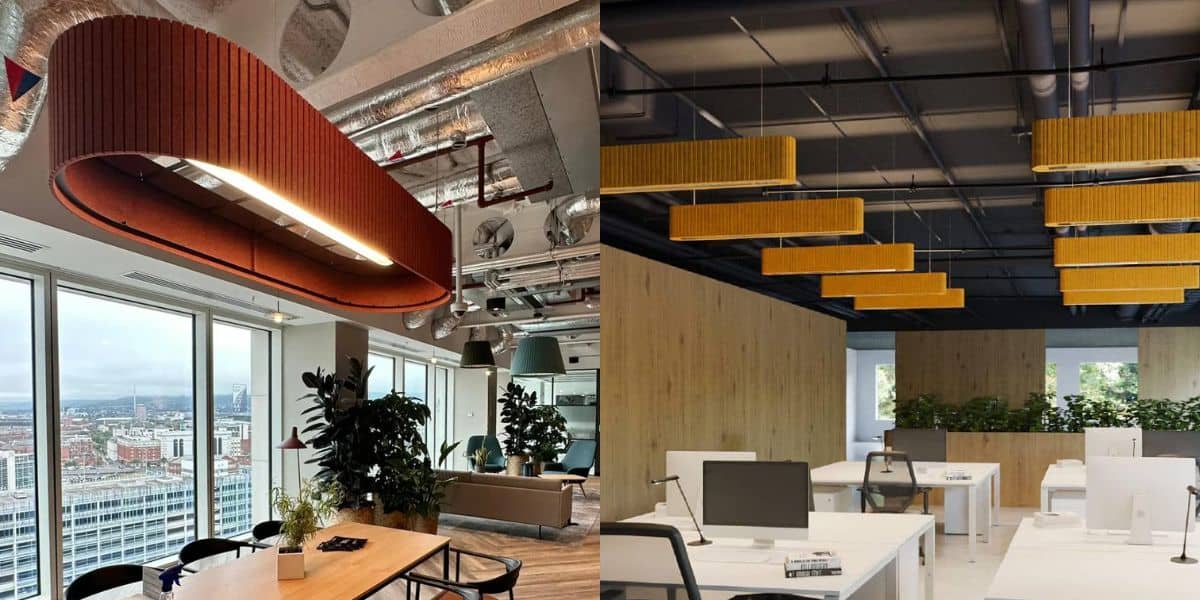
I vantaggi acustici non dovrebbero mai compromettere la qualità dell'illuminazione.
La distribuzione della luce deve adattarsi al compito. Gli uffici e le sale riunioni richiedono un'illuminazione controllata e uniforme senza punti caldi. Un design ottico scadente può portare a una luminosità irregolare che mina l'usabilità.
Il controllo dell'abbagliamento è fondamentale, in particolare negli ambienti pesanti dello schermo. L'illuminazione acustica spesso si trova direttamente sopra gli occupanti, quindi i diffusori, la schermatura e gli angoli ottici contano più che nei ciondoli decorativi standard.
La stabilità della temperatura del colore influisce sul comfort visivo e sulla coerenza in uno spazio. Gli apparecchi con CCT instabile possono creare zone di illuminazione non corrispondenti nel tempo.
La qualità del conducente e la durata della vita influenzano i cicli di manutenzione e il costo totale di proprietà. I progetti commerciali beneficiano di driver affidabili con prestazioni prevedibili piuttosto che guadagni di efficienza a breve termine.

Luce lineare acustica a LED da 58 mm di larghezza
- Tensione di ingresso: AC110-120V / AC220-240V,50-60Hz
- Larghezza: 58 mm
- Dimensioni: 1288 * 58 * 400 mm / 1288 * 80 * 400 mm
- Chip LED: SMD2835
- Ugr: <19
- PF: >0.90
- CRI: >90RA
- Flusso luminoso: 100lm/W
- CCT: 3000K / 4000K / 6000K
- Potenza: 30W
- Grado IP: IP20
- Garanzia: 5 anni
- Opzione colore del pannello acustico: rosso / verde / blu / grigio Più di 48 colori
Progettazione e integrazione
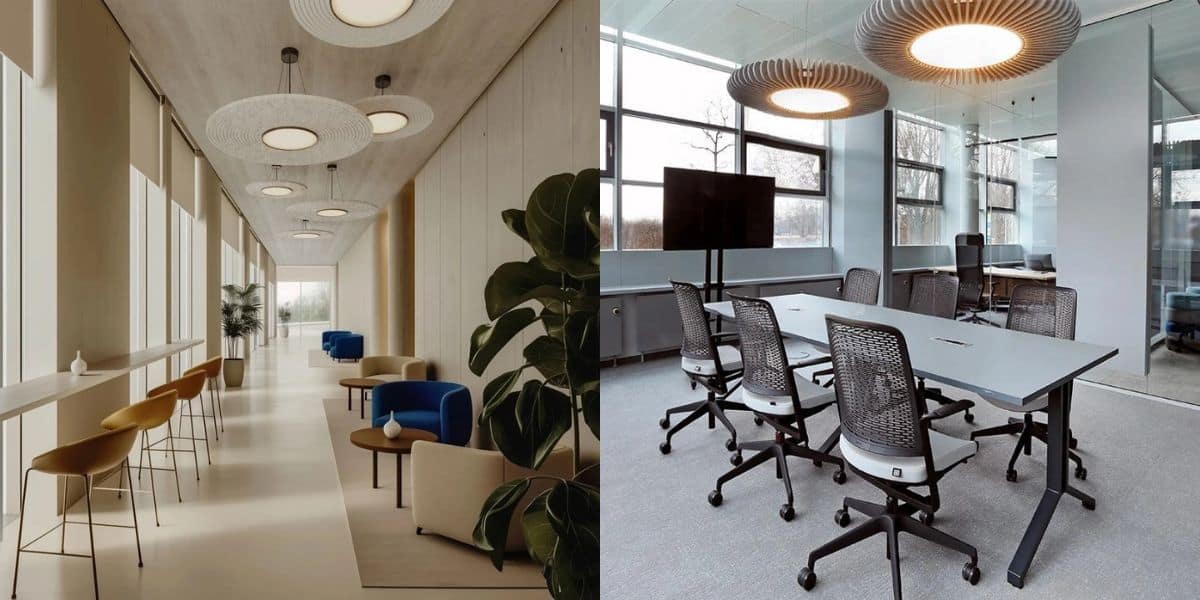
L'illuminazione acustica deve integrarsi sia nella pianta del soffitto che nel concetto di interni complessivi.
Il settore immobiliare del soffitto è limitato in molti progetti commerciali. La combinazione di acustica e illuminazione in un unico sistema può liberare spazio altrimenti occupato da pannelli e apparecchi separati.
Visivamente, l'illuminazione acustica ammorbidisce gli interni dominati da superfici dure come vetro, cemento e metallo. L'obiettivo non è la decorazione, ma l'equilibrio visivo che supporta il comfort.
La compatibilità con gli interni moderni è importante. Forme neutre, geometrie scalabili e configurazioni adattabili consentono all'illuminazione acustica di lavorare attraverso uffici, ospitalità e spazi pubblici senza bloccare il design in una tendenza specifica.
Installazione e manutenzione
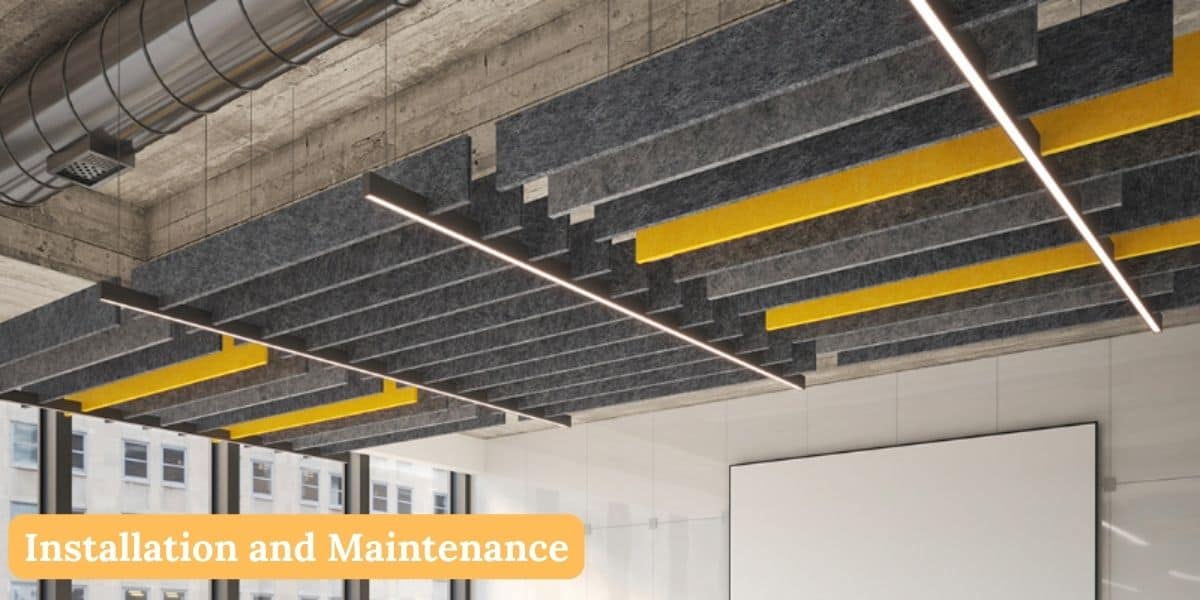
Il metodo di installazione influisce sulla flessibilità e sull'usabilità a lungo termine.
I sistemi sospesi sono comuni perché mettono l'assorbimento più vicino alle sorgenti sonore e consentono un posizionamento regolabile. Le opzioni montate in superficie possono funzionare dove l'altezza del soffitto è limitata, ma può ridurre l'efficacia acustica.
La pulizia e la manutenzione dovrebbero essere semplici. I materiali che intrappolano la polvere o richiedono una pulizia specialistica aumentano l'alto in alto. I driver accessibili e i componenti modulari semplificano la manutenzione a lungo termine.
Le aspettative chiare sugli intervalli di manutenzione aiutano i gestori di struttura a pianificare i costi in modo più accurato durante la durata della vita dell'apparecchio.
Sostenibilità e conformità
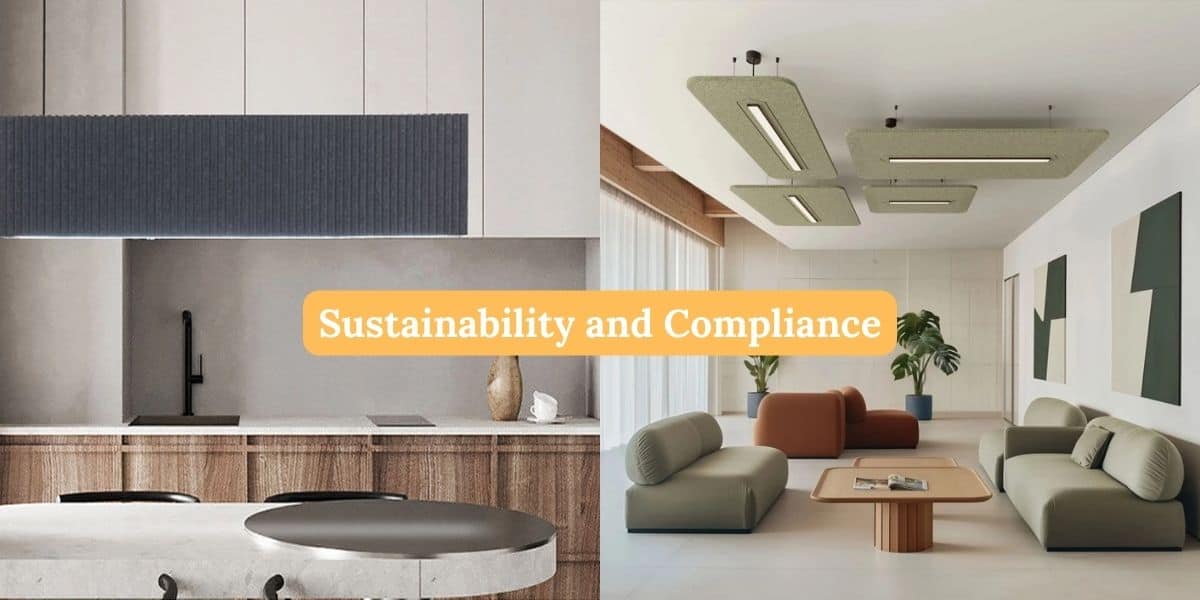
La sostenibilità è ora un requisito di base per molti acquirenti commerciali.
contenuto riciclato, in particolare in feltro da compagnia, riduce l'impatto ambientale senza sacrificare le prestazioni. Molti sistemi ora utilizzano alte percentuali di materiale riciclato post-consumo.
Le certificazioni ambientali e la conformità con gli standard di costruzione supportano le approvazioni dei progetti e gli obiettivi di sostenibilità. Per gli acquirenti B2B, questo è spesso legato agli impegni ESG aziendali piuttosto che all'estetica.
Anche l'approvvigionamento di materiali responsabili e la lunga durata di servizio contribuiscono alla sostenibilità riducendo la frequenza e gli sprechi di sostituzione.
Confronto rapido per acquirenti B2B
| Fattore di selezione | Cosa controllare | Perché è importante |
| Prestazioni acustiche | Gamma NRC, area di copertura | Determina il controllo dell'eco e del parlato |
| materiale di feltro | Densità di animali domestici, incendio | Sicurezza, durata, consistenza |
| qualità dell'illuminazione | Controllo dell'abbagliamento, stabilità del CCT | Comfort visivo e usabilità |
| disegno dell'apparecchio | Pannello, Pendente, Sistema Integrato | Integrazione e flessibilità del soffitto |
| Manutenzione | Metodo di pulizia, accesso ai componenti | Costo e affidabilità a lungo termine |
dove l'illuminazione acustica ha più senso
L'illuminazione acustica è più efficace in ambienti in cui il controllo del suono e il comfort visivo sono ugualmente critici.
Negli uffici e negli spazi di coworking, supporta la messa a fuoco e la chiarezza del parlato nei layout aperti senza aggiungere disordine visivo. Le sale conferenze beneficiano di una migliore intelligibilità durante le riunioni e le videochiamate. Gli spazi di ospitalità utilizzano l'illuminazione acustica per gestire il rumore ambientale mantenendo un'atmosfera raffinata. Gli interni pubblici, come le biblioteche o le strutture educative, si affidano a esso per bilanciare l'apertura con il controllo acustico.
La decisione dovrebbe sempre essere guidata da come viene utilizzato lo spazio, non solo dall'aspetto dell'apparecchio.
errori comuni che fanno gli acquirenti
Un errore frequente è scegliere l'illuminazione acustica in base esclusivamente all'aspetto, supponendo che tutti gli infissi basati sul feltro forniscano un assorbimento significativo. Un altro è ignorare le specifiche dei materiali e i dati acustici, che porta a prestazioni inferiori negli spazi reali.
Alcuni acquirenti presumono che il posizionamento non abbia importanza, installando gli apparecchi in cui hanno un aspetto migliore piuttosto che dove assorbono efficacemente il suono. Altri sottovalutano le esigenze di manutenzione, selezionando materiali che si degradano rapidamente in ambienti ad alto utilizzo.
Evitare questi errori richiede il trattamento dell'illuminazione acustica come un sistema di costruzione funzionale, non un accessorio decorativo.
Tendenze di selezione dell'illuminazione acustica per il 2026
Le tendenze attuali enfatizzano l'illuminazione e l'acustica integrate piuttosto che le soluzioni aggiuntive. I sistemi modulari che si adattano ai layout mutevoli stanno guadagnando terreno, in particolare negli ambienti di lavoro ibridi. C'è anche una maggiore attenzione al benessere, con un design basato sulle prestazioni che ha la precedenza su caratteristiche puramente decorative.
Conclusione
I fattori chiave da considerare quando si seleziona l'illuminazione acustica sono le prestazioni acustiche, la qualità del materiale, l'affidabilità dell'illuminazione e l'idoneità per lo spazio previsto. Per i progetti commerciali, la scelta giusta dipende dai dati sulle prestazioni verificati, dai materiali durevoli e dall'integrazione ponderata, non solo dall'estetica. L'illuminazione acustica è una decisione progettuale funzionale che influenza il comfort, la produttività e il valore a lungo termine.
Domande frequenti
Post correlati