Italiano
  English
  简体中文
简体中文  Deutsch
  Español
  Français
  日本語
日本語  한국어
한국어  Polski
  Português
  Русский
  Türkçe
  Nederlands
  Tiếng Việt
  ไทย
ไทย 
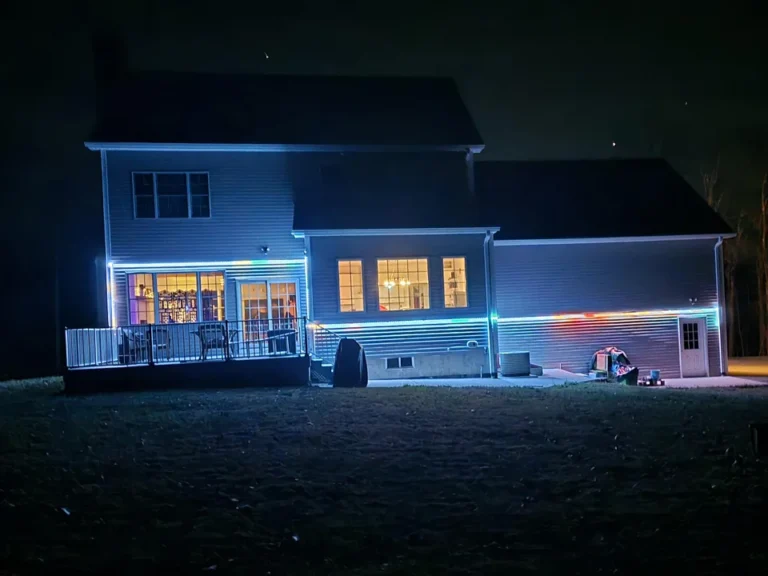
Il nastro LED dimmerabile per esterni è ampiamente utilizzato in contorni architettonici, illuminazione paesaggistica e applicazioni decorative esterne, dove sono essenziali sia le prestazioni luminose che la durata ambientale. Rispetto alle installazioni interne, i progetti all'aperto richiedono maggiori esigenze di protezione impermeabile, stabilità di regolazione e compatibilità generale del sistema. Diverse applicazioni possono dare priorità a fattori diversi a seconda delle condizioni di installazione, dei metodi di controllo e della scala del progetto. Questo articolo delinea diverse considerazioni chiave quando si seleziona il nastro LED dimmerabile per l'uso esterno, fornendo punti di riferimento pratici per aiutare gli acquirenti a valutare i prodotti e le soluzioni in modo più efficace per le loro applicazioni specifiche.
Ambiente esterno e valutazione impermeabile
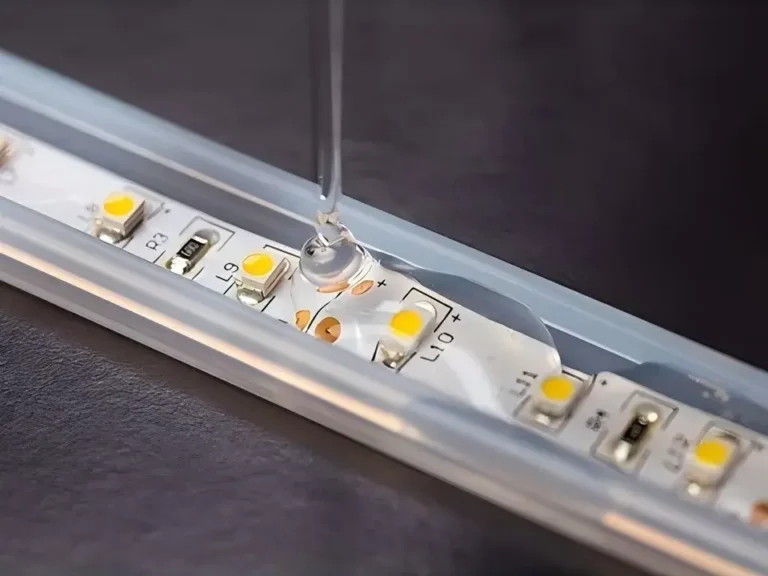
Il nastro LED dimmerabile per esterni è disponibile in una varietà di costruzioni impermeabili e la selezione dovrebbe sempre essere basata sull'ambiente di installazione effettivo. Le opzioni comuni includono rivestimento in silicone IP65, tubo in silicone IP65, estrusione cava IP67, riempimento in silicone IP68 ed estrusione in silicone IP68. Ogni struttura offre un diverso equilibrio tra protezione dall'umidità, flessibilità, dissipazione del calore e durata a lungo termine. Non esiste un unico nastro LED impermeabile “Best” per tutti i progetti all'aperto; la scelta appropriata dipende dal livello di esposizione, dalla posizione di montaggio e dalle condizioni ambientali.
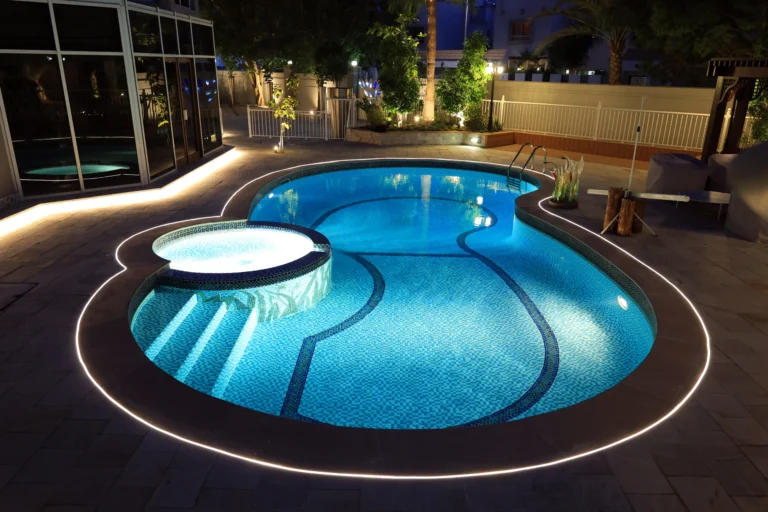
Da un punto di vista pratico, le valutazioni IP definiscono i confini di protezione piuttosto che la qualità complessiva del prodotto. IP65 nastro LED è adatto per ambienti esposti a pioggia o spruzzi d'acqua ma non a contatto con l'acqua continua. I prodotti IP67 sono progettati per luoghi in cui può verificarsi un'immersione temporanea dell'acqua, come installazioni a livello del suolo o aree soggette ad accumulo di acqua. Il nastro LED IP68 è destinato all'immersione a lungo termine o frequente ed è tipicamente utilizzato in fontane, piscine o caratteristiche paesaggistiche ad alto umidità.
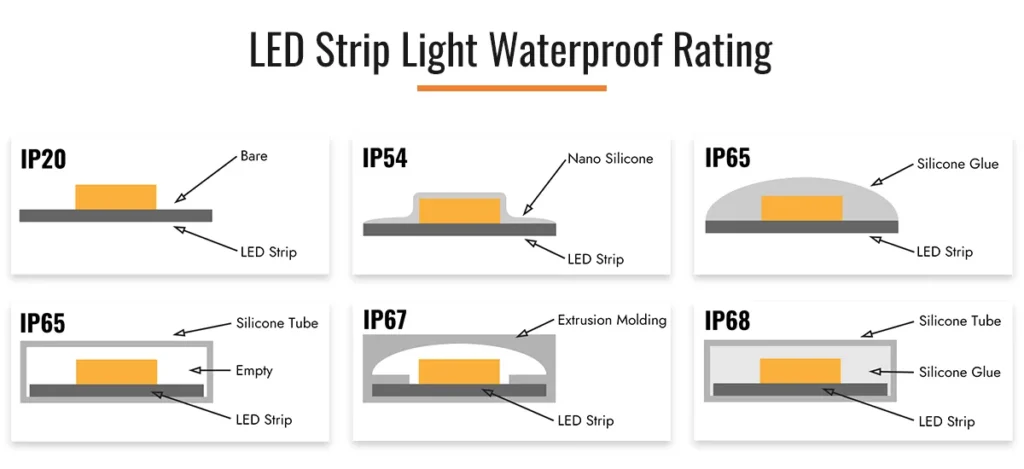
La tabella seguente riassume le valutazioni impermeabili raccomandate per le applicazioni comuni all'aperto:
| Scenario di applicazione | Classificazione IP consigliata |
| Profili della facciata dell'edificio | IP65 |
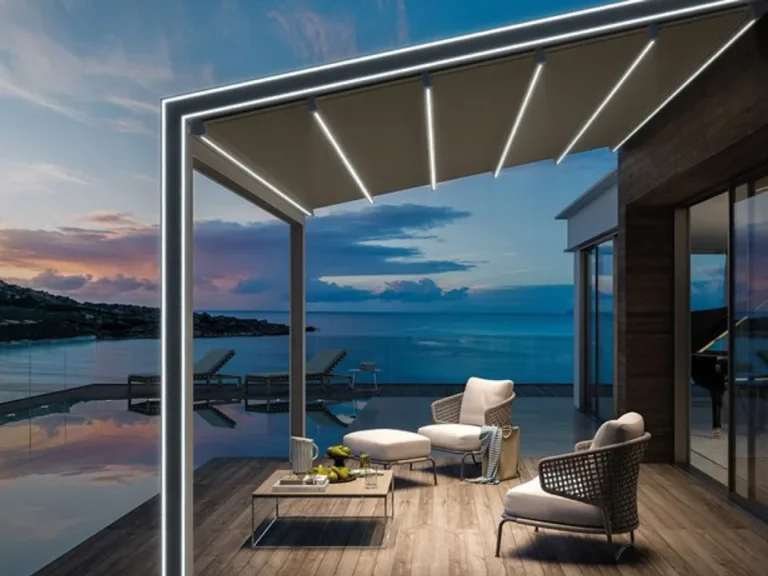
| gronda e baldacchini | IP65 |
| Balconi e terrazzi | IP65 / IP67 |
| Linee architettoniche a livello del suolo | IP67 |
| Illuminazione del giardino e del paesaggio | IP67 |
| Vicino alle piscine | IP68 |
| Giochi d'acqua e fontane | IP68 |
| Installazioni all'aperto costiere | IP67 / IP68 |
In sintesi, la selezione della valutazione impermeabile dovrebbe essere guidata da condizioni di esposizione reali piuttosto che da ipotesi. Per installazioni esterne completamente esposte, si consiglia vivamente di un nastro a LED con materiali resistenti ai raggi UV per prevenire l'ingiallimento e il degrado del materiale. Per gli ambienti costieri o ad alta salinità, i prodotti che hanno superato i test a nebbia salina garantiscono una maggiore affidabilità e una maggiore durata.
Metodo di dimmerazione e compatibilità del sistema
Diversi metodi di dimming sono comunemente usati nei progetti di nastri a LED per esterni, ciascuno adatto a diversi requisiti di controllo e scale di progetto. I metodi più ampiamente applicati includono l'attenuazione PWM, l'attenuazione 0–10 V, l'attenuazione DALI, il triac (taglio di fase) e il controllo DMX. Sebbene tutti questi metodi possano essere implementati in ambienti esterni, le loro prestazioni e praticità dipendono in gran parte dalla progettazione del sistema, dalla complessità del cablaggio e dal livello di controllo richiesto.
La tabella seguente confronta questi metodi di dimming dal punto di vista del progetto esterno:
| Metodo di oscuramento | Vantaggi | Limitazioni | Applicazioni tipiche per esterni |
| PWM | Semplice, conveniente, stabile | Controllo centralizzato limitato | Progetti all'aperto di piccole e medie dimensioni |
| 0–10V | Standard maturo, buona stabilità | Cablaggio di controllo aggiuntivo | facciate commerciali, segnaletica esterna |
| Dalì | Controllo indirizzabile e flessibile | Costo di sistema più elevato | Grandi sistemi di illuminazione architettonica |
| triac | Compatibile con alimentazione CA | Dimming limitato a basso livello | retrofit illuminazione esterna |
| DMX | Controllo preciso, effetti dinamici | Richiede una corretta configurazione del decoder | Illuminazione architettonica e paesaggistica |
Nella maggior parte delle applicazioni per esterni, il nastro LED DC è compatibile con tutti e cinque i metodi di dimmerazione se abbinato a driver o controller appropriati. Per i progetti basati su DMX, tuttavia, la selezione del decoder DMX corretto è essenziale, poiché la configurazione del canale e il tipo di output influiscono direttamente sulla stabilità del sistema. Al contrario, il nastro a LED CA è in genere limitato all'attenuazione del triac e ai sistemi di controllo di taglio di fase selezionati, rendendolo più adatto per installazioni all'aperto più semplici.
Luminosità e uniformità della luce
La luminosità è spesso una considerazione primaria nelle applicazioni di nastri a LED per esterni, in particolare per i contorni architettonici e l'illuminazione esterna funzionale. Quando sono richieste un'elevata efficacia luminosa e una luminosità massima, il nastro LED SMD è generalmente l'opzione preferita. Il nastro LED SMD ad alta efficienza può raggiungere un'efficacia luminosa superiore a 180 lm/W, mentre il nastro LED COB raggiunge in genere fino a circa 150 lm/W. Per progetti che hanno come obiettivo lo stesso livello di luminosità, il nastro LED SMD di solito offre una migliore efficienza energetica e un minor consumo energetico, rendendolo adatto per installazioni esterne su larga scala.
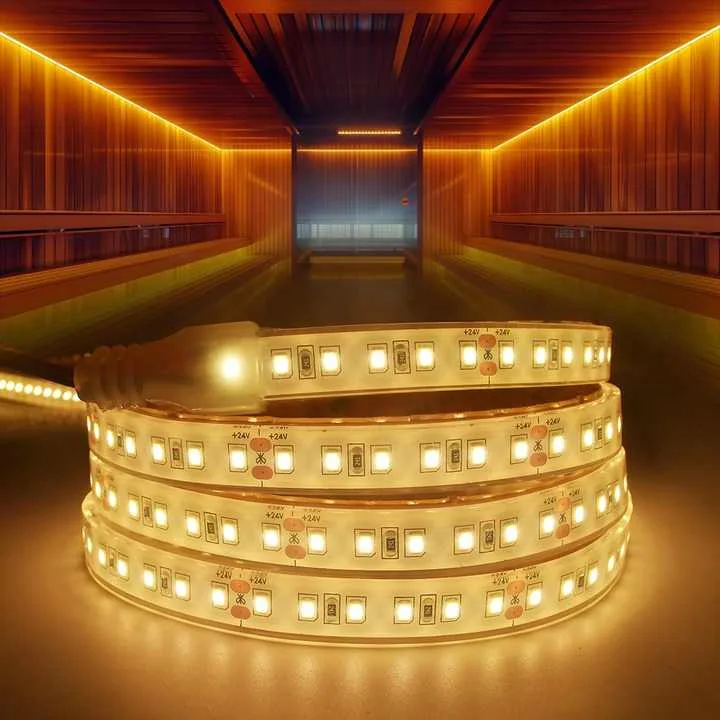
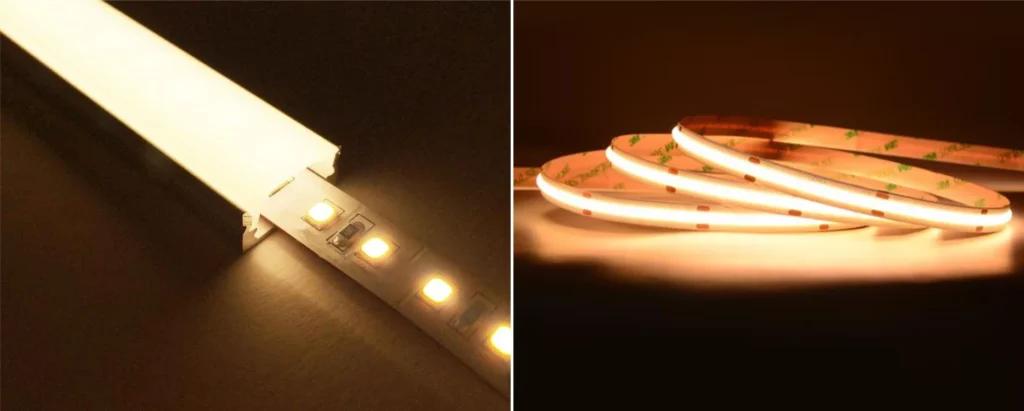
L'uniformità della luce è un fattore separato ma altrettanto importante, soprattutto nelle applicazioni di illuminazione lineare a vista. Quando è necessario un effetto di illuminazione continuo e privo di punti, il nastro LED COB offre chiari vantaggi grazie alla sua maggiore densità di chip e alla superficie emessa dalla luce strettamente imballata, con conseguente illuminazione liscia senza macchie scure. In alternativa, il nastro LED SMD combinato con profili e diffusori in alluminio può anche ottenere una buona uniformità migliorando al contempo la dissipazione del calore e la protezione meccanica.
Selezione della tensione di ingresso per nastro LED dimmerabile all'aperto
Per i progetti all'aperto, il nastro LED ad alta tensione è generalmente sconsigliato a causa dell'aumento del rischio di scosse elettriche e dei requisiti di sicurezza più complessi. Di conseguenza, il nastro LED a bassa tensione CC è più comunemente utilizzato, con DC12V e DC24V le opzioni più ampiamente applicate. Tuttavia, quando si seleziona il nastro LED dimmerabile, caduta di tensione deve essere attentamente considerato, poiché influisce direttamente sull'uniformità della luminosità e sulla consistenza dimmering lungo la corsa.
Con l'ingresso di alimentazione a estremità singola, il nastro LED DC12V dovrebbe essere in genere limitato a 5 metri, mentre il nastro LED DC24V può estendersi fino a 7 metri. Quando si utilizza l'ingresso di alimentazione a doppia estremità, i sistemi DC12V possono raggiungere circa 15 metri e i sistemi DC24V fino a 20 metri. Il superamento di queste lunghezze può comportare una riduzione visibile della luminosità e prestazioni di dimmerazione irregolari.
Per i progetti che richiedono lunghe tirature continue, il nastro LED DC48V offre un'alternativa pratica. Supporta fino a 15 metri con ingresso single-end e fino a 40 metri con ingresso a doppia estremità, semplificando il cablaggio e riducendo la caduta di tensione. Il limite principale è la selezione relativamente più piccola di alimentatori compatibili. Quando si utilizza il dimming PWM, la consistenza di dimmerazione può essere ulteriormente migliorata aggiungendo amplificatori di segnale tra le sezioni a nastro LED o adottando controller sincroni, in particolare nelle grandi installazioni esterne.
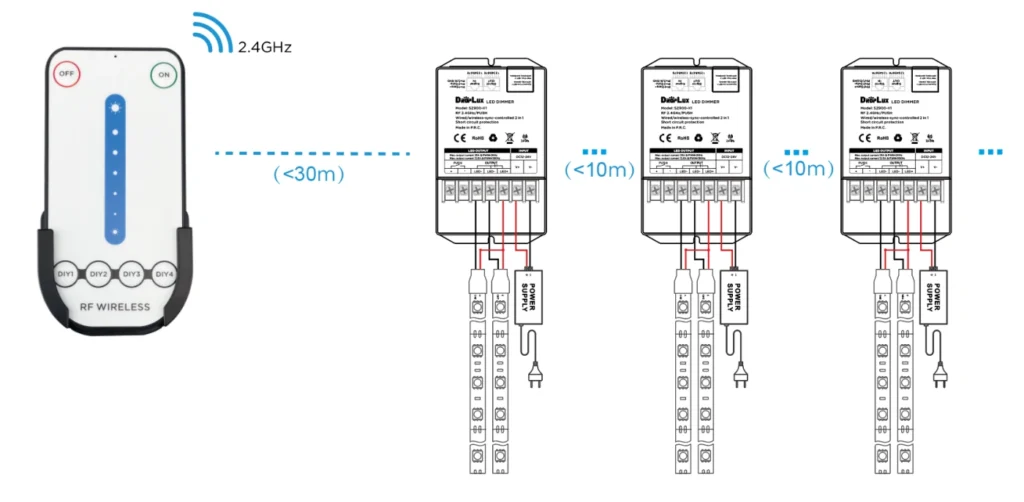
Scegliere il fornitore giusto per progetti all'aperto di medie e grandi dimensioni
Per progetti di illuminazione per esterni di medie e grandi dimensioni, la selezione dei fornitori svolge un ruolo importante nelle prestazioni complessive del progetto. Nella maggior parte dei casi, lavorare direttamente con un produttore originale è preferibile all'approvvigionamento attraverso mercati online o società di trading. I produttori in genere offrono prezzi più competitivi, competenze di prodotto più profonde e supporto tecnico più forte. Ancora più importante, sono posizionati meglio per fornire una personalizzazione non standard, che è spesso richiesta nei progetti di nastri LED dimmerabili all'aperto
Quando si valutano i produttori, dovrebbero essere prese in considerazione anche le capacità di conformità del prodotto e test. Certificazioni pertinenti come UL, CE e RoHS dimostrano la conformità normativa, mentre i rapporti di test, inclusi i dati fotometrici IES, l'integrazione dei test Sphere e i test della nebbia salina, offrono ulteriore garanzia di prestazioni, sicurezza e affidabilità a lungo termine in ambienti esterni.
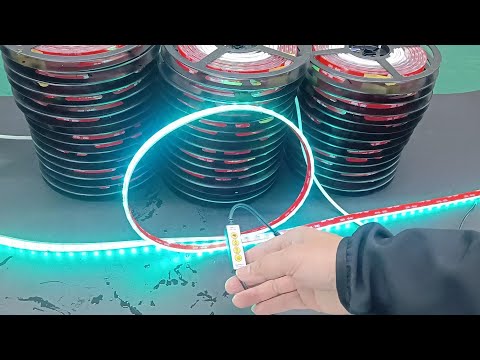
Altri fattori importanti da considerare
Oltre alla valutazione dell'impermeabilità, al metodo di dimmerazione, alla luminosità, alla selezione della tensione e alla scelta del fornitore, diversi fattori aggiuntivi possono influenzare le prestazioni a lungo termine del nastro LED dimmerabile all'aperto. La gestione termica è particolarmente importante, poiché le strutture impermeabili possono limitare la dissipazione del calore; l'installazione corretta con profili in alluminio può aumentare significativamente l'affidabilità. La consistenza del colore durante l'attenuazione, soprattutto a bassi livelli di luminosità, dovrebbe essere valutata anche in illuminazione architettonica visibile. Inoltre, il design dell'uscita del cavo, la sigillatura del cappuccio terminale e i dettagli di installazione svolgono un ruolo chiave nel prevenire l'ingresso di umidità nel tempo. Per ambienti difficili, la resistenza ai raggi UV, la protezione dalla corrosione e i dati di test verificati forniscono un'ulteriore garanzia di un funzionamento stabile a lungo termine.
Con oltre dieci anni di esperienza nella produzione di nastri a LED per esterni, SignLiteled supporta un'ampia gamma di applicazioni di illuminazione esterna. Oltre ai prodotti standard, offriamo soluzioni di nastri a LED personalizzati su misura per specifiche esigenze di progetto, tra cui progettazione di circuiti, opzioni di colore e costruzione impermeabile. Per garantire la compatibilità del sistema e le prestazioni di dimmerazione stabili, forniamo anche soluzioni di supporto complete come controller, amplificatori, decoder e alimentatori. Combinando la personalizzazione del prodotto con il supporto pratico del sistema, aiutiamo i clienti a implementare soluzioni di nastri LED dimmerabili per esterni in modo più efficiente e affidabile.
Post correlati