2011年からの看板とLEDストリップ照明工場

2011年からの看板とLEDストリップ照明工場

ボートには何本の釣り灯が必要ですか?

Fishing lights play a crucial role in night fishing, helping anglers attract fish and improve visibility. The right number and placement of fishing lights are key to optimizing your catch.

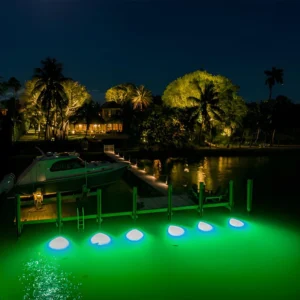
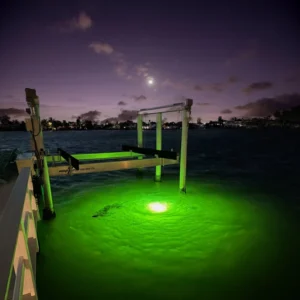
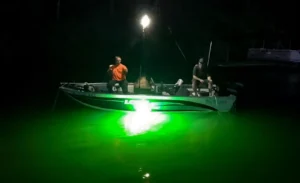
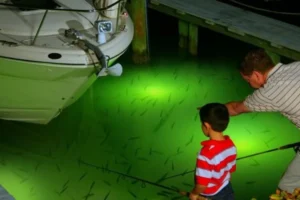
Fish are naturally drawn to light, and the correct lighting setup can significantly increase your success. Green lights, in particular, are highly effective as they penetrate deeper into the water and are visible to fish at night. However, it’s essential to find a balance—too many lights can cause light pollution, while too few may limit your catch.

The number of lights you need depends on your boat size and fishing requirements. In this guide, we’ll show you how to calculate the number of lights based on your boat size, as well as the best light color and installation strategies to maximize your fishing experience.

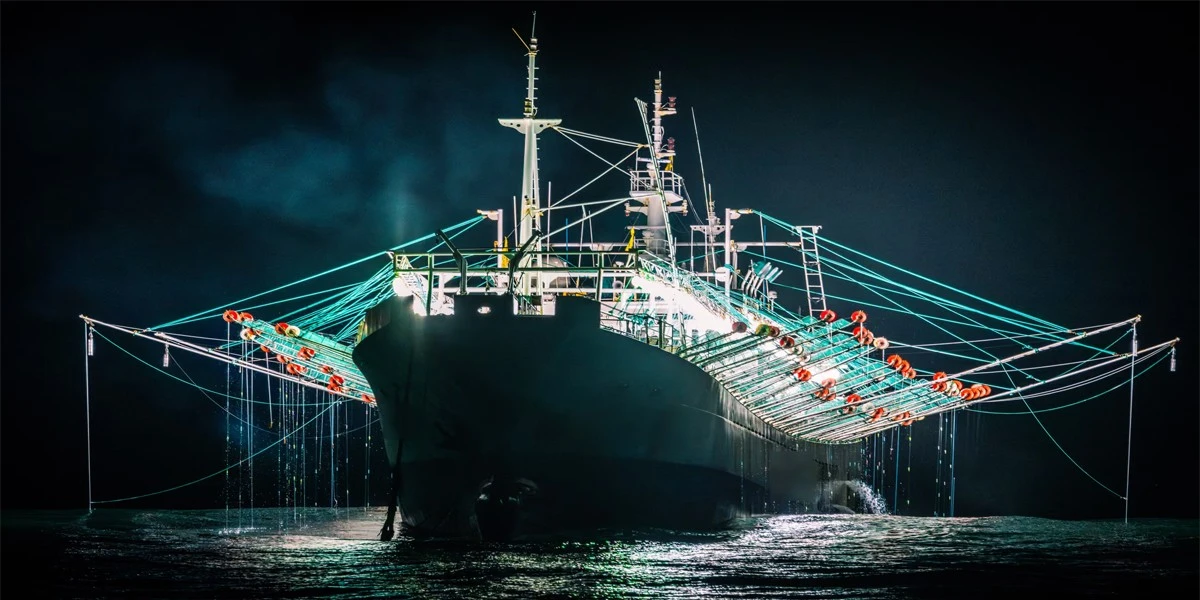
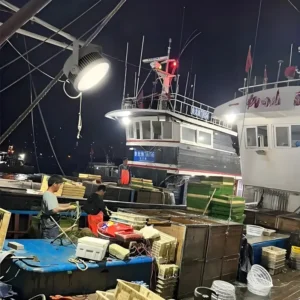
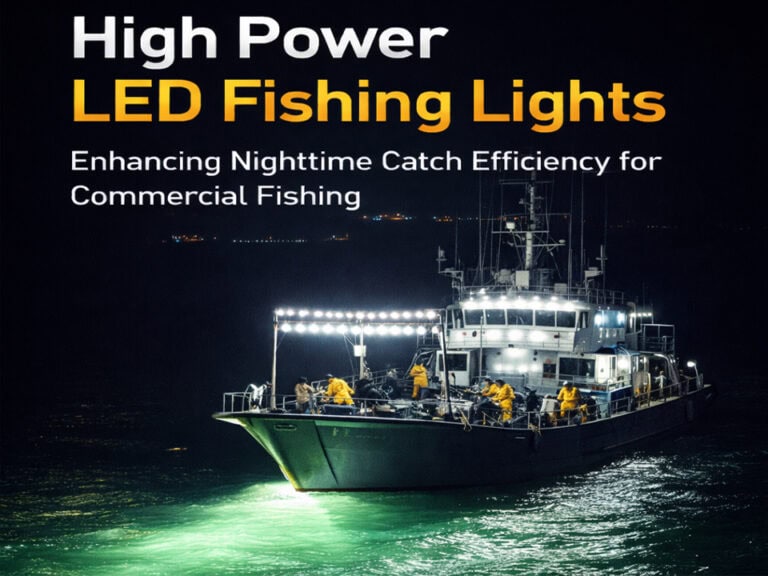
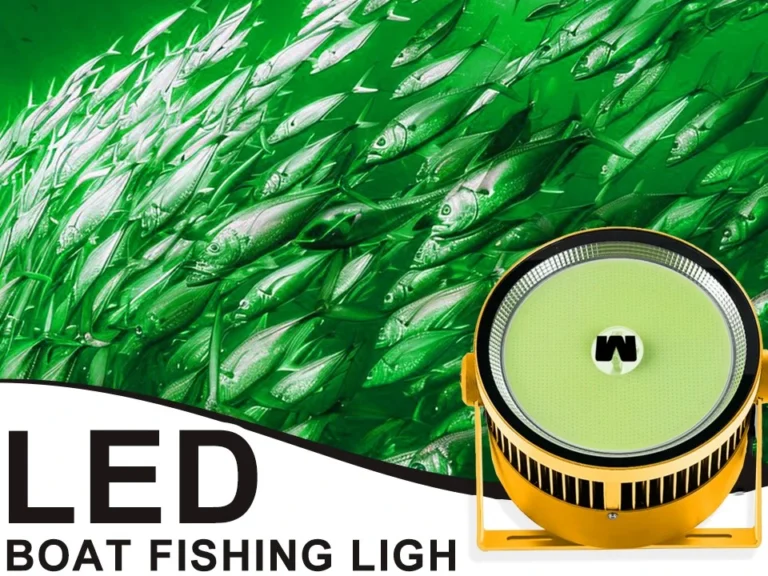
high power fishing lights used on large commercial fishing vessels

 Selecting the Right Number of Lights Based on Boat Size

The number of fishing lights you need depends on your boat size. Here’s a quick guide to determine how many lights are ideal for different boat sizes.

Small Boats (Under 20 feet)

For smaller boats, 1-2 lights are typically sufficient. These boats have limited surface area, so LED lights with a wide beam angle (120°) work best. Green lights are a great choice for attracting fish without overpowering the area with too much light.

  • Coverage Area: Up to 10 feet on each side.
  • Recommended Lights: 1-2 lights.
  • Best Light Type: Green or white LED lights.

Medium Boats (20–40 feet)

For medium boats, 2-4 lights are needed to cover the larger area. Green or blue LED lights are ideal, as they attract a variety of fish species. Place the lights at key points around the boat, such as the stern, sides, and bow.

  • Coverage Area: Up to 20 feet or more.
  • Recommended Lights: 2-4 lights.
  • Best Light Type Green or blue LED lights.

Large Boats (40 feet and above)

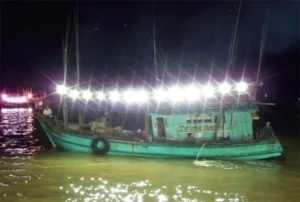
Larger boats require 4-6+ lights to cover the entire area. These boats often operate in deeper waters, so a combination of green and white lights is ideal for attracting fish at various depths.

  • Coverage Area Over 30 feet, including both sides and around the stern.
  • Recommended Lights: 4-6+ lights.
  • Best Light Type: Green LED lights, white lights for deeper waters.
Boat SizeRecommended Number of LightsCoverage AreaBest Light Type
Small Boats (Under 20 feet)1-2 lightsUp to 10 feet on each sideGreen or White LED
Medium Boats (20-40 feet)2-4 lightsUp to 20 feet or moreGreen or Blue LED
Large Boats (40 feet and above)4-6+ lightsOver 30 feetGreen LED, White LED for deeper waters

 Coverage vs Beam Angle vs Installation Height

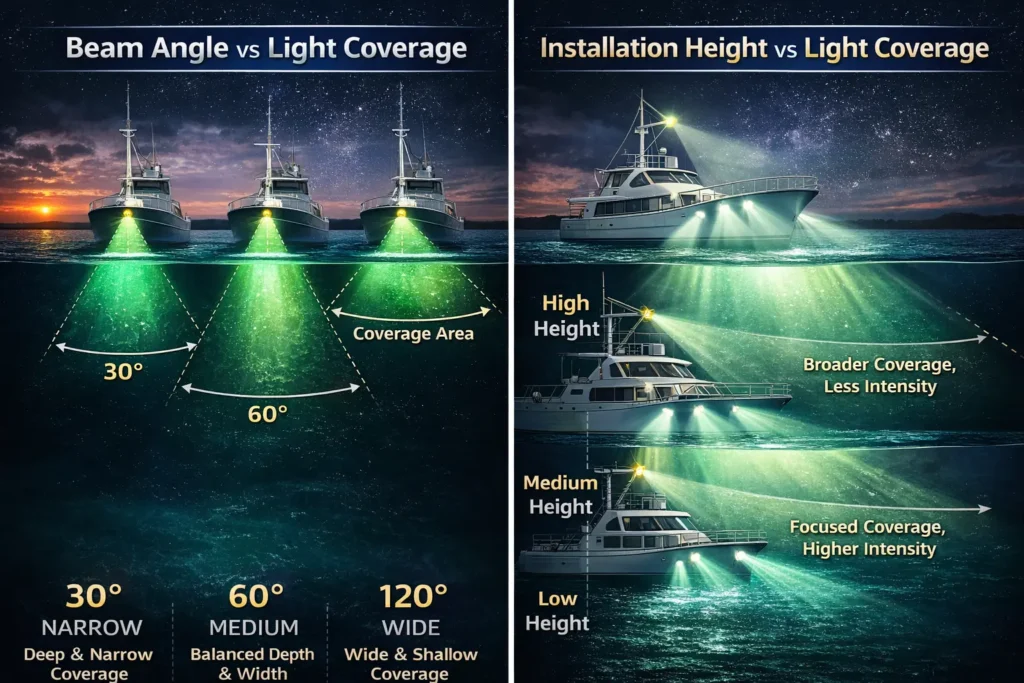
When installing fishing lights, it’s crucial to understand how the beam angle and installation height impact the light’s coverage area. The right combination ensures that your lights are effective in attracting fish while providing optimal illumination without unnecessary wastage of energy. Below, we’ll discuss how these factors affect the overall lighting setup.

fishing-light-coverage-beam-angle-installation-height-diagram

1. ビーム角

The beam angle is one of the most important factors in determining how much area your fishing lights will cover. The beam angle refers to the spread of light, with narrower angles concentrating light in a smaller area and wider angles distributing light over a larger area. The choice of beam angle depends on the size of your boat and the type of fishing you’re doing.

  • Narrow Beam Angle: A narrow beam angle (e.g., 30°) concentrates the light in a focused spot, ideal for attracting fish in specific fishing areas or small boats. These lights work best in shallow water or when targeting a small, concentrated fishing spot.
  • Wide Beam Angle A wider beam angle (e.g., 120°) disperses the light across a larger area, making it perfect for larger boats or when fishing in deeper waters. This type of light is more effective for attracting fish over a wide radius.

キーの持ち帰り

  • Narrow Beam: Ideal for small boats, shallow waters, and specific fishing spots.
  • Wide Beam: Best for large boats, deeper waters, and attracting a broader range of fish species.

2. Installation Height

The height at which you install your fishing lights significantly affects their coverage. Lights installed higher above the water provide a broader distribution of light, which can cover a larger area. However, lights that are positioned too high may not provide enough illumination directly below the boat, which is often where fish gather. On the other hand, installing lights closer to the water surface focuses the light more precisely, increasing its intensity directly below the boat but reducing its spread.

  • High Installation: Provides broader coverage but may have less intensity at the water surface. Suitable for larger boats or when targeting a wide fishing area.
  • Low Installation: Increases intensity and concentration of light directly below the boat. Best for attracting fish close to the boat or when fishing in shallow areas.

キーの持ち帰り

  • High Installation: Provides wider coverage, but light intensity may decrease at the water surface.
  • Low Installation Increases intensity directly below the boat, but coverage may be limited.

3. Coverage vs Boat Size

The combination of beam angle and installation height directly influences the coverage area of your fishing lights, but it must be balanced with the size of your boat. Smaller boats often require fewer lights, which can be focused in specific areas, while larger boats need multiple lights placed at strategic locations to ensure full coverage.

For small boats, narrow beam angles with low installation height are sufficient to attract fish within a small area. For larger boats, wider beam angles with higher installation height work better to cover a larger area and attract fish from different directions.

Lighting Strategies for Different Fishing Environments

Fishing conditions vary depending on the environment, and each situation requires a tailored lighting strategy. Whether you are fishing in shallow or deep waters, targeting specific species, or fishing at night, it’s essential to optimize your lighting setup for the best results.

Shallow Water Fishing

In shallow waters, fishing lights should be placed close to the surface to attract fish near the top layer. Narrow beam angles (30°) work best for creating concentrated light zones.

  • Recommended Lighting Setup:
    • Beam Angle: 30°
    • Light Placement: Close to the water surface, ideally at the boat’s stern or sides.
    • Color: Green or blue lights are ideal for shallow waters as they attract various fish species.
  • Lighting Tip: Position lights at an angle to maximize light spread without causing glare.

For more examples of how LED fish attracting lights are used in different aquatic environments, including docks, ponds, and offshore projects, see our application guide.

Deep Water Fishing

Deep water fishing requires lights with wider beam angles (120°) and higher placements to cover a larger area and reach deeper waters.

  • Recommended Lighting Setup:
    • ビーム角:120
    • Light Placement: Position lights higher on the boat to spread light over a broader area.
    • Color: White or blue lights are effective for deep waters, attracting fish from a greater distance.
  • Lighting Tip: Use multiple lights around the boat to create a larger illuminated area.

Night Fishing

Night fishing requires strong lighting to attract fish naturally drawn to light. Green and white lights are highly effective, as they attract a broad range of fish species in low-visibility conditions.

  • Recommended Lighting Setup:
    • Beam Angle: 120° for wide coverage, 90° if focusing on specific spots.
    • Light Placement: Place lights at both the bow and stern for 360° coverage.
    • Color: Green or white lights attract a wide variety of fish species.
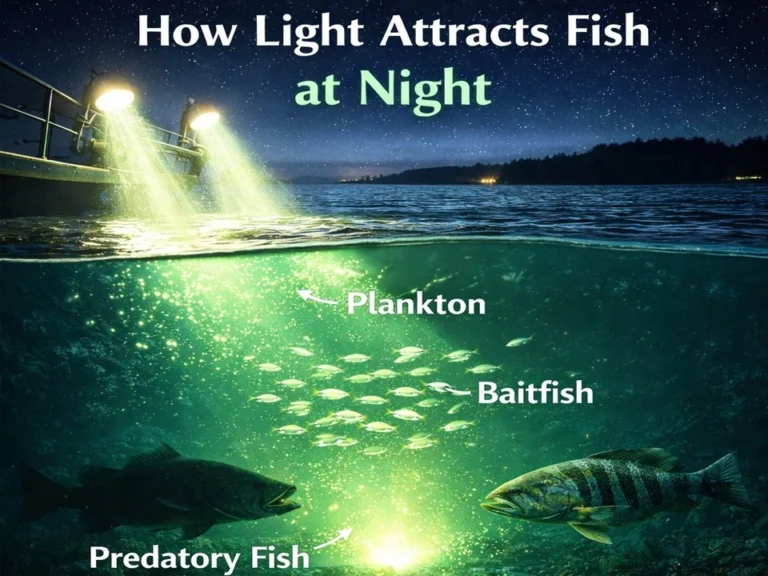
  • Lighting Tip: Combine green and white lights for maximum effect, as green attracts baitfish, which in turn attracts predator fish.

Choosing the right light color is essential in different environments. For a systematic guide on selecting fishing light colors, you can refer to our detailed color selection guide.

Saltwater vs. Freshwater

Water type—saltwater or freshwater—affects the choice of lighting. Saltwater can cause corrosion, so it’s important to use corrosion-resistant lights. Freshwater fishing lights have more flexibility, with less concern for corrosion.

  • Saltwater: Use corrosion-resistant LED lights with special coatings to prevent damage from saltwater.
  • Freshwater: Freshwater fishing lights are more versatile, with less concern for corrosion. Green and white lights work effectively in both environments.

 Troubleshooting Common Lighting Issues

Fishing lights can experience common issues, such as poor performance, malfunction, or insufficient coverage. Here’s how to troubleshoot and fix them:

Lights Not Working

If the lights stop working, it could be due to power issues, damaged wiring, or faulty bulbs. Here’s how to troubleshoot:

  • Check the Power Supply: Ensure the power source is working. Check battery charge levels or boat electrical systems. For solar lights, ensure the panel is clean and receiving sunlight.
  • Inspect the Wiring: Look for loose or damaged wires. Tighten loose connections and replace any damaged wiring.
  • Replace the Bulb or LED: If the light still doesn’t work, the bulb or LED might be faulty. Replace it to restore functionality.

Insufficient Coverage

If your fishing lights aren’t covering enough area, consider the following solutions:

  • Adjust Light Placement: Position the lights correctly around the boat for even coverage. For larger boats, you may need more lights.
  • Check Beam Angle: Use adjustable beam angles to focus light where needed. Narrow beams focus on specific areas, while wider beams cover larger spaces.
  • Add More Lights: For larger boats or deeper water, consider adding extra lights or adjusting their height for better coverage.

Water Damage and Corrosion

Fishing lights are exposed to harsh marine environments, which can cause water damage or corrosion. Here’s how to prevent it:

  • Choose Corrosion-Resistant Lights: Use lights designed for marine use with corrosion-resistant coatings or seals.
  • Regular Maintenance: Clean your lights after each use to remove salt buildup and prevent corrosion.
  • Proper Storage: Store lights in a dry, protected place when not in use.

Light Flickering or Dimming

Flickering or dimming lights may indicate electrical issues. Here’s how to fix them:

  • Check the Power Source: Ensure a stable power supply. For battery-operated lights, replace or recharge batteries as needed.
  • Inspect the Wiring: Tighten any loose connections and replace damaged wires to ensure consistent power flow.

Energy Efficiency and Cost-Effective Lighting Solutions

Fishing lights can consume a significant amount of energy, especially when used for extended periods on larger boats. However, by choosing energy-efficient products like High Power LED Fish Attracting Lights, you can reduce energy consumption while maintaining high brightness and performance. In this section, we’ll explore ways to enhance energy efficiency and reduce costs while using your fishing lights.

Choose High-Efficiency LED Lights

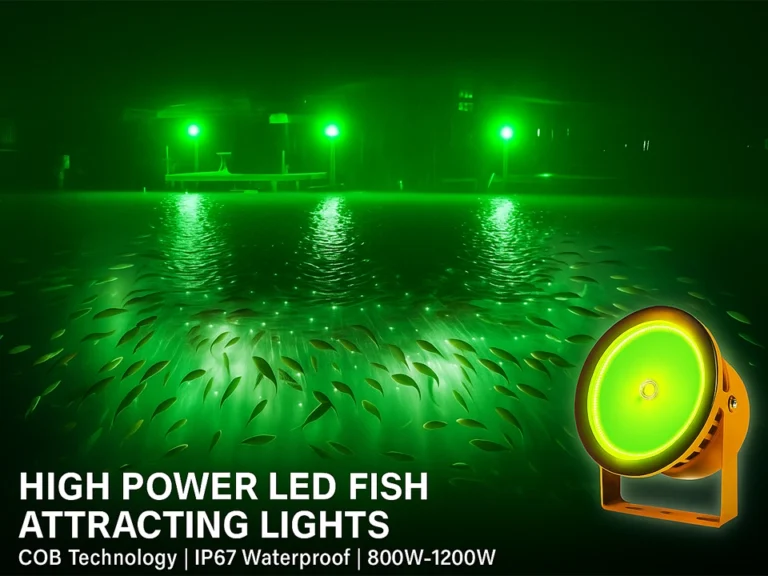
High Power LED Fish Attracting Lights are designed to provide maximum brightness with minimal power consumption. The LED technology used in these lights ensures low energy usage while offering exceptional light intensity, perfect for attracting fish over large areas.

Benefits of High Power LED Fish Attracting Lights:

  • Energy Efficient: These lights consume significantly less power than traditional halogen or incandescent bulbs, reducing energy costs over time.
  • Bright and Durable: High Power LEDs maintain consistent brightness and last much longer, providing up to 50,000 hours of usage, reducing replacement costs.
  • Marine-Specific Design: Built to withstand harsh marine conditions, these lights are resistant to corrosion and can handle the moisture and saltwater exposure typical in fishing environments.

Lighting Tip: When selecting LED fishing lights, ensure they are rated for marine use, like the High Power LED Fish Attracting Lights, to ensure long-lasting durability and energy efficiency.

To better understand how LED technology, optical efficiency, and system design impact energy consumption and overall performance, you can refer to our detailed guide on LED fish attracting light technology and selection.

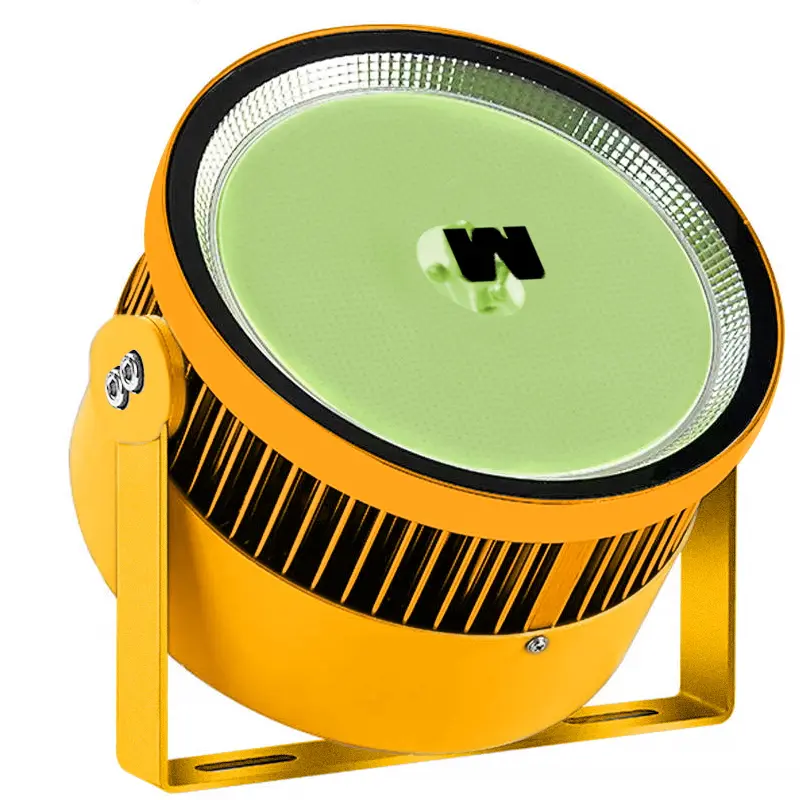
業務用釣り灯

ハイパワーコブフィッシュライティング

モデル番号.: 丸型
入力電圧: AC100-320V
サージ: 10000V
ワット/PC: 800W/1000W/1200W
LEDタイプ: 穂軸
サイズ (mm): φ230×140
カラー: 3000k / 4000k / 5000k / 6000k/ 赤/緑/青/紫
クリ: >80@3000k / 4000k / 5000k / 6000k/
ルーメン: >120lm/w@3000k / 4000k / 5000k / 6000k/
IPグレード:IP67
LED-魚の魅力的な光の穂軸

ハイパワーコブフィッシュライティング

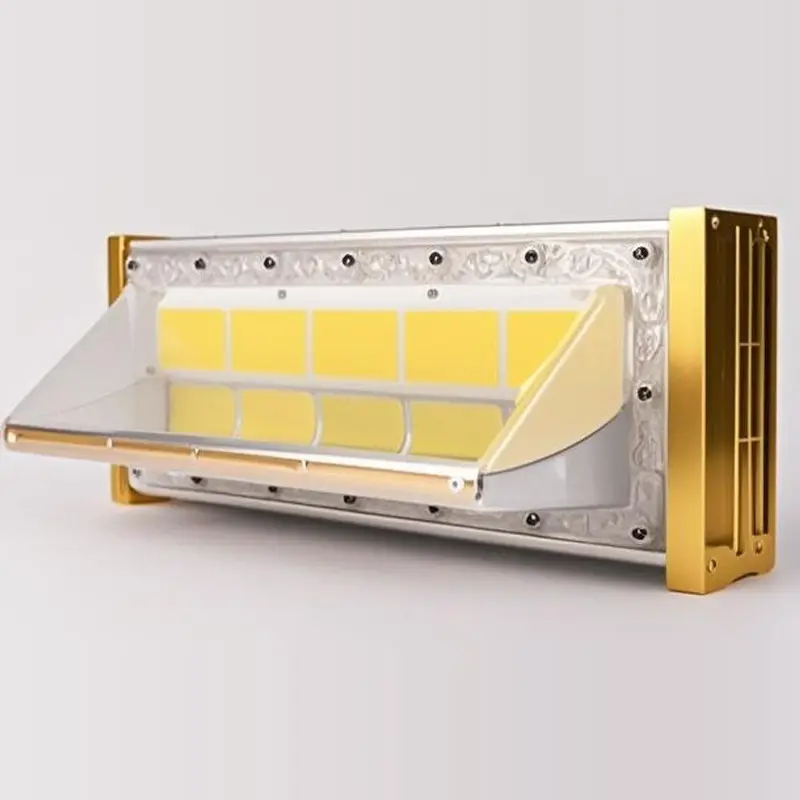
モデル番号.: スクエアタイプ
入力電圧: AC86-277V
サージ: 10000V
ワット/PC: 800W/1000W/1200W
LEDタイプ: 穂軸
サイズ (mm): 390* 140*210mm/400* 150*200mm
カラー: 3000k / 4000k / 5000k / 6000k
クリ: >80
ルーメン: >120lm/w
IPグレード:IP67

Regular Maintenance for Maximum Efficiency

To keep your lights working efficiently, regular maintenance is essential. For High Power LED Fish Attracting Lights, it’s important to keep the lenses clean and inspect the seals and wiring regularly to avoid performance issues caused by saltwater exposure.

Maintenance Tips:

  • Clean the Lights: After each use, clean the light lenses to remove salt and dirt buildup. This ensures the lights stay bright and effective.
  • Check for Wear: Inspect the wiring and connections for any corrosion or damage caused by marine conditions. Replace damaged components promptly.

Lighting Tip: Keep your High Power LED Fish Attracting Lights in top condition by cleaning them after each use and performing periodic checks to ensure they are operating at full efficiency.

Smart Lighting Systems

Consider integrating smart lighting systems for advanced control over your fishing lights. With smart systems, you can adjust light brightness, turn lights on/off remotely, and even automate lighting schedules, optimizing energy consumption based on fishing conditions and time of day.

Benefits of Smart Lighting Systems:

  • Control & Convenience: Control your lights from your phone or tablet, optimizing their use for different fishing conditions.
  • Energy Optimization: Schedule lights to turn on only when necessary, maximizing energy efficiency.
  • Advanced Features: Some smart systems can integrate with other systems on the boat, providing enhanced automation for both lighting and other equipment.

Lighting Tip: If you’re using High Power LED Fish Attracting Lights, consider pairing them with a smart system to automate their use and optimize energy efficiency.

結論

Choosing the right number of fishing lights and using them efficiently is crucial for a successful fishing experience. By considering boat size, beam angles, and placement, you can create the best setup to attract fish and maximize visibility. With SignliteLED’s High Power LED Fish Attracting Lights, you ensure both optimal performance and energy efficiency, saving on long-term costs.

At SignliteLED, our lights are built to last and are ideal for any fishing environment. Visit our website to discover our full range of products and find the perfect lighting solution for your boat.

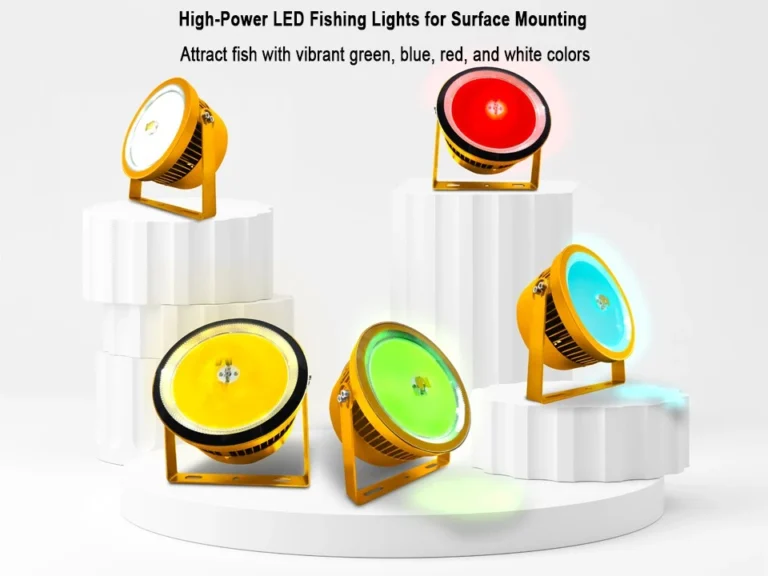
表面実装型釣り灯 - 緑青青赤白表面実装型釣り灯 - 緑青青赤白
釣りの明るさの色の選び方: 海水、淡水、商業漁業に関する体系的なガイド
釣りの明るい色を選ぶとき、多くの釣り人が最初に尋ねる質問は、「どの色が一番いい?」ですが、この質問は誤解を招く可能性があります。 実際には、釣りライトの効果は、単一の「最高の色」に依存しません。 それはシステムの決定です: 明るい色は...
緑の LED 魚の魅力的な光の夜のシーン緑の LED 魚の魅力的な光の夜のシーン
青信号は魚の魅力に優れていますか?
緑の釣り灯は、小型のレクリエーション ボートから大型の商業船まで、夜釣りで広く使用されています。 多くの漁師は、緑の光が他の色よりも多くの魚を引き付けると信じていますが、これは常に真実ですか? この記事では、特に緑の釣り灯に焦点を当て、より効果的かどうかを調べます...
魚の魅力の引き寄せ、ライト、夜の働き方魚の魅力の引き寄せ、ライト、夜の働き方
なぜ魚は夜に光に惹かれるのですか?
魚は夜の光に本当に惹かれますか? これは、商業漁業者やレクリエーションの釣り人の間で最もよく寄せられる質問の 1 つです。 ボートに取り付けられた、またはドックベースの白熱灯は、夜間の漁獲を改善するために使用されてきました。 ただし、光自体は伝統的な意味では餌ではありません。 魚はしない...
高出力の LED 魚を引き付けるライト高出力の LED 魚を引き付けるライト
中国のトップ ボートに取り付けられた LED 釣り用ライト メーカー (2025 年ガイド)
ボート用のトップ LED 釣りライト – 2025 メーカー ガイド 高出力のボートに取り付けられた LED 魚を引き付ける 商用釣りライトとしても知られている - イカのジギングやマグロの釣りには、海洋釣りや深海のトロール漁から、川のイルミネーションまで、オフショア フィギングやマグロ釣りには不可欠になっています。 2025 年も、海洋グレードの LED 釣りライトの需要は増加し続けています...
特殊ビーム角度 LED ストリップ ライト特殊ビーム角度 LED ストリップ ライト
特殊ビーム角度 LED ストリップ ライト
SMD2835 30 & 60 度ビーム角度 LED ストリップ ウォールウォッシャー用 SMD6060 160 度ビーム角 LED ストリップ 一体型レンズ付き バックライト用 バックライト用 バックライト用 ビーム角度 アーキテクチャおよびディスプレイ LED ストリップでビーム角度が重要 ロケット 照明 LED 光の角度は、LED ソースからの光の広がりを指します。
薄暗く暖かい導かれた滑走路端燈は何であるか。
dim to warm led stripは、特別なLEDライトストリップで、ユーザーが実際のニーズに応じて光の色温度を調整し、より暖かい光の効果を生み出すことができる。具体的には、この種のライトストリップは、通常、複数のLEDダイオードを含み、色温度を調整することができます...

共有:

フェイスブック
ツイッター
ピンタレスト
リンクトイン
購読する
通知する
ゲスト
0 コメント
最古
最新 最も投票された
インラインフィードバック
すべてのコメントを表示

SignliteLEDブログを検索

カテゴリー

トップへ

今すぐ見積もりを取る