2011年からの看板とLEDストリップ照明工場

2011年からの看板とLEDストリップ照明工場

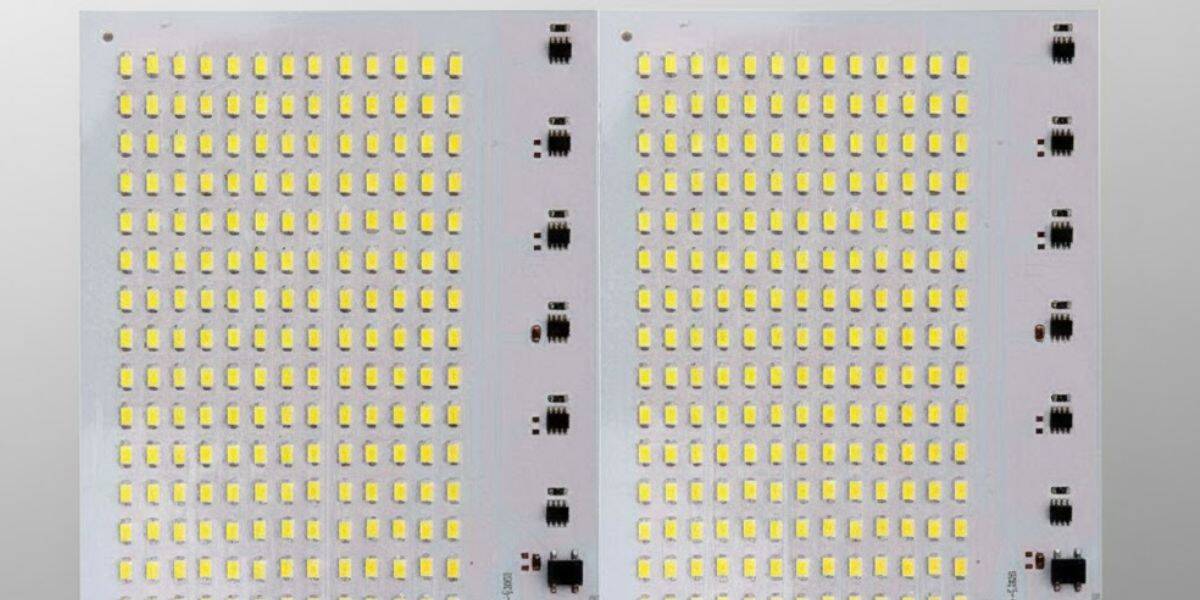
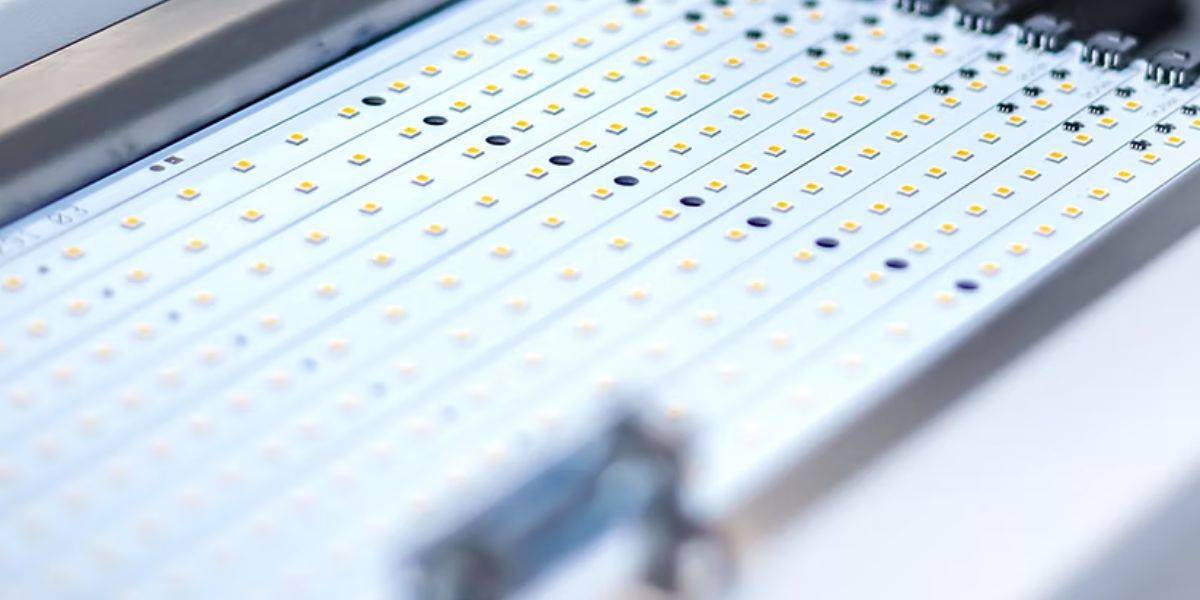
LED PCB アセンブリ: 3 ~ 5 日の高速プロトタイピング

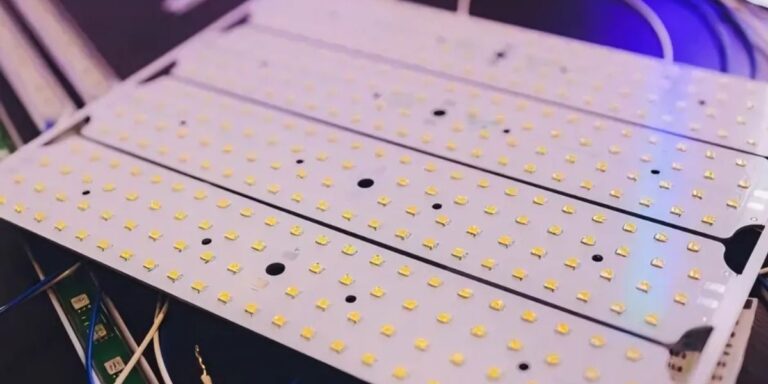
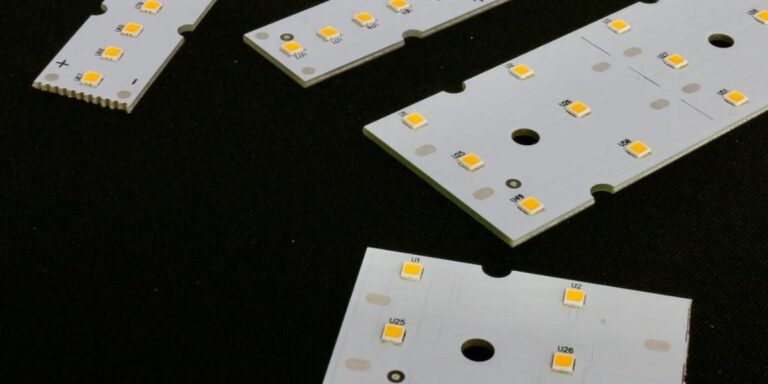
3–5 day fast prototyping in LED PCB assembly refers to producing a functional, limited-quantity LED PCB sample within a compressed manufacturing window. It does not mean skipping steps or rushing incomplete designs. Turnaround speed depends on design readiness, confirmed component availability, and a clearly defined assembly scope. When these conditions align, accelerated prototype builds are achievable without changing the underlying manufacturing process.

What “3–5 Day Fast Prototyping” Means in LED PCB Assembly

カスタム PCB アセンブリ

Fast prototyping describes a controlled shortcut through standard lead times, not a shortcut through engineering discipline. The output is a prototype, not a production-ready batch. The goal is validation, not volume.

LED PCB assembly carries tighter constraints than many other board types. Thermal paths, LED placement accuracy, and current consistency matter immediately, even at the prototype stage. Because of this, fast prototyping focuses on boards that are already manufacturable, not designs still being explored.

In practical terms, 3–5 day fast prototyping usually includes fabrication of bare boards, placement of available LED and driver components, and basic functional verification. It excludes process tuning, extended burn-in, and cosmetic optimization that belong to later stages.

Typical Workflow Behind Fast LED PCB Prototyping

カスタム PCB アセンブリ

Fast turnaround is possible only when the workflow remains predictable. The process does not change, but priorities do.

Design readiness is the first gate. Files must be final, internally reviewed, and free of open questions. There is no time buffer for clarification cycles.

Component sourcing follows reality, not intent. Only parts that are in stock, approved, and already qualified for assembly can be used. Substitutions slow everything.

Assembly prioritization happens at the scheduling level. Prototype jobs are slotted into existing lines between production runs or assigned to dedicated fast-turn capacity.

Testing scope is intentionally limited. The objective is confirmation that the board functions as designed, not full reliability characterization.

Speed is achieved by reducing uncertainty, not by compressing physics.

Factors That Enable 3–5 Day Turnaround

1. Design Completeness and Manufacturability

A complete design is the single strongest predictor of fast delivery. Gerbers, pick-and-place data, and BOMs must align without interpretation. LED boards that already follow standard footprints, spacing rules, and thermal strategies move quickly.

  • Minor layout errors often cause full schedule resets
  • DFM clarity matters more than design novelty

2. Component Availability for LED Assemblies

LED components are not interchangeable at the last minute. Optical bins, voltage classes, and package types limit flexibility. Fast prototyping relies on components that are already stocked or locally sourced.

  • Long-lead LEDs remove any chance of 3–5 day builds
  • Driver IC availability often becomes the bottleneck

3. Assembly Line Configuration for LED Boards

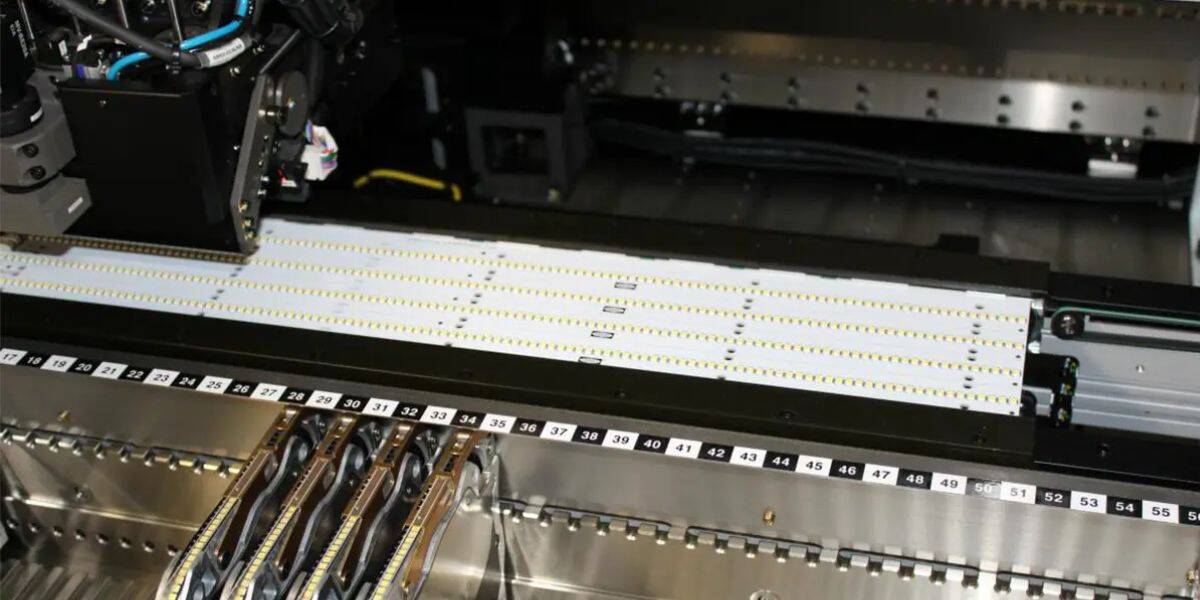
Not all SMT lines are equally suited for LED work. Boards requiring special handling, high copper weight, or thermal interface steps slow throughput. Lines already configured for LED placement enable faster transitions between jobs.

4. Testing and Inspection Limits

Fast prototypes undergo focused inspection. Electrical checks and basic functional validation are typical. Extended aging, photometric measurement, or environmental testing are deferred. This limitation is intentional and necessary to protect timelines.

When 3–5 Day LED PCB Prototyping Is Realistic — and When It Is Not

Fast prototyping is realistic for simple to moderately complex LED PCB designs that reuse known architectures. Linear LED modules, basic driver integrations, and single-board layouts fit well within accelerated timelines.

It becomes unrealistic when designs introduce multiple LED types, novel thermal structures, or unproven layouts. Each added variable increases coordination effort and risk.

Missed timelines usually come from expectation gaps. Engineers expect speed despite unresolved design details. Procurement expects speed despite uncertain component supply. Manufacturing can only move as fast as inputs allow.

Understanding these boundaries prevents frustration on all sides.

Role of LED-Specific Assembly Considerations

PCB LED assembly introduces constraints that affect speed even at the prototype stage. LED placement accuracy directly impacts optical performance and cannot be treated casually. Rework is limited once LEDs are mounted.

Thermal paths must be continuous and intentional. Poor thermal interfaces reveal themselves quickly during initial power-on, often halting further testing.

System-level behavior matters early. Even prototypes must manage heat spread, current balance, and mechanical alignment. These realities explain why LED fast prototyping rewards mature designs and penalizes exploratory ones.

How Fast Prototyping Supports Custom PCB Assembly Decisions

カスタム PCB アセンブリ

Fast prototypes exist to reduce uncertainty before commitment. Engineers use them to verify layout assumptions, confirm electrical behavior, and observe thermal response under real conditions.

From a decision standpoint, カスタム PCB アセンブリ planning benefits from early signals. A prototype may confirm that a design is ready to scale or reveal that a revision is required before volume investment.

Procurement teams also benefit. Early builds expose sourcing risks and help validate whether planned components support realistic schedules.

Fast prototyping is not about speed alone. It is about informed decision-making.

How Fast Prototyping Fits Into Custom PCB Fabrication Pipelines

Fast prototyping occupies a narrow but critical position in the broader custom pcb fabrication flow.

Stage目的Speed Expectation
PrototypeFunctional validationFast, limited scope
ValidationDesign refinement標準
RevisionIssue correctionVariable
ScaleStable productionPlanned lead times

Fast prototyping ends once design confidence is established. Standard fabrication begins when consistency, yield, and repeatability become priorities.

Trying to stretch fast-turn methods into production creates quality and scheduling risks.

Common Misunderstandings About Fast PCB Prototyping

One common belief is that fast means low quality. In reality, quality depends on design discipline, not schedule length. Fast prototypes meet defined checks but avoid unnecessary ones.

Another misunderstanding is that every design qualifies. Fast turnaround favors designs that are already stable. Early-stage concepts rarely fit.

A third assumption is that prototypes represent the final product. Prototypes answer questions. They do not define production readiness on their own.

Clarifying these points prevents misaligned expectations.

結論

3–5 day fast prototyping in LED PCB assembly means producing a functional LED PCB prototype within a compressed but controlled timeframe. It depends on design readiness, component availability, and limited assembly scope. It is not a promise of speed for every project, nor a substitute for standard production processes. When used correctly, fast prototyping provides early technical insight and supports better custom pcb production decisions.

よくある質問

カスタム PCB メーカーカスタム PCB メーカー
信頼できる LED PCB SMT アセンブリ パートナーの選び方 (10 の重要な質問)
信頼できる LED PCB SMT アセンブリ パートナーは、LED を高精度で一貫して配置し、ボード レベルで熱を管理し、試作および生産の実行全体で繰り返し結果をもたらすことができるパートナーです。 LED PCB アセンブリは、配置エラーが小さい、熱管理が誤り、またはコンポーネントの変動が小さいため、標準の SMT よりも複雑です。
LED トライプルーフ ライトとは - あなたが知る必要があるすべてLED トライプルーフ ライトとは - あなたが知る必要があるすべて
LED トライプルーフ ライトとは何ですか? あなたが知る必要があることすべて
産業用および商用照明アプリケーションでは、LED トリプルーフ ライトが従来の蛍光灯と防水管に徐々に取って代わり、さまざまな過酷な環境での主流の照明ソリューションになりました。 防水 LED バテン ライトまたは防湿器具としても知られています。これらは、倉庫、ガレージ、トンネル、地下鉄の駅、食品加工工場などでよく使用されます。
LED 魚の引き寄せるライトの技術と選択のガイドLED 魚の引き寄せるライトの技術と選択のガイド
LED 魚の引き寄せライトのガイド: テクノロジーと選択
漁師がボートで魚を引き寄せるライトを使っているのを見たことがありますか? これらの魔法の電球は照明用ではありません。魚を引き付けるためのものです。 魚の引き寄せるライトは、魚の光線を利用して、漁師が魚を捕まえやすくします。 魚を引き寄せるライトは、釣りをより効率的にするだけでなく、保護も強化します。
2025年の照明トレンド:COB LEDストリップの意外な台頭-なぜ主流になるのか?
照明技術の進化において、COB LEDストリップは画期的なイノベーションとして輝いています。卓越した性能と洗練されたデザインにより、家庭、企業、産業の照明ソリューションに変革をもたらします。生活空間の雰囲気を高めるにせよ、厳しい商業照明の基準を満たすにせよ、COB LEDストリップは急速に普及しつつあります。
LEDアルミプロファイル_240816LEDアルミプロファイル_240816
間接照明にアルミ形材を使うには?
間接照明は、建築やインテリアデザインのプロジェクトに最適です。この照明器具は、光源そのものを見せずに空間を照らすことを目的としています。空間に直接光を当てず、光が壁や天井に反射することで、優しく拡散された輝きを放ち、部屋の雰囲気を高めます。 それは...
シリコーンLEDネオンフレックス-メリットシリコーンLEDネオンフレックス-メリット
シリコーンLEDネオンフレックスのメリット
シリコーンLEDネオンフレックスは、その適応性と実用性から、近年人気が高まっている最先端の照明ソリューションである。シリコーンLEDネオンフレックスは、強力で柔軟なシリコーン素材から作られており、従来のものとは異なり、傷つきにくく、どのような形状にも成形することができる。

共有:

フェイスブック
ツイッター
ピンタレスト
リンクトイン
購読する
通知する
ゲスト
0 コメント
最古
最新 最も投票された
インラインフィードバック
すべてのコメントを表示

SignliteLEDブログを検索

カテゴリー

トップへ

今すぐ見積もりを取る