Polski
  English
  简体中文
简体中文  Deutsch
  Español
  Français
  Italiano
  日本語
日本語  한국어
한국어  Português
  Русский
  Türkçe
  Nederlands
  Tiếng Việt
  ไทย
ไทย 
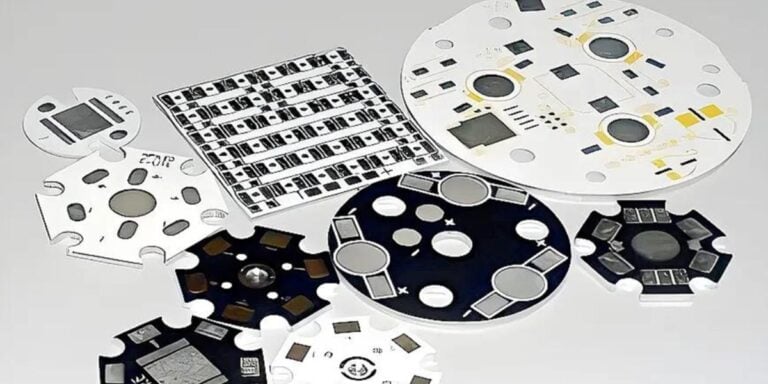
Łańcuch dostaw LED PCB w 2026 r. jest definiowany przez przesunięcia strukturalne, a nie krótkoterminowe zakłócenia. Popyt na oświetlenie, wyświetlacze i zintegrowane systemy LED nadal rosną, ale podaż jest kształtowana przez dywersyfikację regionalną, węższe zależności komponentów i planowanie oparte na danych, a nie nadmierną przepustowością. W rezultacie czasy realizacji produktów PCB LED są mniej przewidywalne, co zmusza producentów, inżynierów i kupujących do planowania wokół niepewności zamiast ustalonych harmonogramów.
Co się zmienia w łańcuchu dostaw LED PCB w 2026 roku
Środowisko łańcucha dostaw wchodzące w 2026 rok nie jest powrotem do norm przed zakłóceniem. Kilka podstawowych zmian jest teraz trwałych, a PCB LED są narażone na określony sposób w porównaniu z ogólnymi płytkami PCB.
Kluczowe zmiany kształtujące 2026 obejmują:
- Utrzymująca się presja na światowym poziomie popyt
Aplikacje LED wciąż rozwijają się w projektach architektonicznych, przemysłowych, motoryzacyjnych i inteligentnych. Popyt ten jest raczej stały niż cykliczny, co ogranicza przepustowość bezczynności w całym łańcuchu dostaw. - Strukturalna zmiana pozyskiwania i produkcji
Producenci nie optymalizują już tylko kosztów. Równowaga regionalna, ciągłość dostaw i narażenie na ryzyko wpływają teraz na decyzje dotyczące pozyskiwania na każdym poziomie. - Zależności specyficzne dla LED
W przeciwieństwie do standardowych płyt, dioda LED PCB integruje elementy optyczne, termiczne i elektroniczne, które muszą precyzyjnie wyrównać. Dzięki temu PCB LED są bardziej wrażliwe na dostępność komponentów i niedopasowania planowania.
Zmiany te oznaczają, że ograniczenia podaży są często pośrednie. Płyta może być wykonalna, ale opóźniona przez pojedynczą zależność w górę.
Kluczowe trendy w łańcuchu dostaw LED PCB definiujące 2026
Trendy kształtujące łańcuch dostaw LED PCB w 2026 roku mają charakter długoterminowy. Wpływają one na dostępność, planowanie i założenia planowania, a nie na codzienne operacje.
Automatyzacja i planowanie oparte na sztucznej inteligencji
Producenci coraz częściej polegają na zautomatyzowanych systemach planowania w celu zarządzania wydajnością, materiałami i harmonogramem. Systemy te poprawiają wydajność wewnętrzną, ale także zaostrzają okna produkcyjne.
- Pojemność jest przydzielana wcześniej i blokowana szybciej
- Późne zmiany projektowe mają większy wpływ na harmonogramowanie
- Zamówienia na krótkie powiadomienia są trudniejsze do przyswojenia, nawet jeśli objętość jest niewielka
Dla dioda PCB projektów, co oznacza, że czasy realizacji są bardziej wrażliwe na dokładność planowania niż w przeszłości.
Dywersyfikacja regionalna i bliska szoring
Podejście „Chiny+1” jest teraz standardowe, a nie eksperymentalne. Produkcja jest rozłożona na wiele regionów, aby zmniejszyć narażenie na ryzyko jednego kraju.
Wpływ na łańcuch dostaw LED PCB obejmuje:
- Dłuższe cykle kwalifikacji dla nowych dostawców
- Różnice w dostępności materiałów między regionami
- Różnice w niezawodności czasu realizacji, a nie bezwzględnej prędkości
Nearshoring poprawia odporność, ale nie eliminuje opóźnień. Przesuwa się, gdzie i jak się pojawiają.
Złożoność technologii i presja dostępności
Projekty PCB LED stają się coraz bardziej specyficzne dla aplikacji. Układy termiczne, bieżąca integracja sterowania i ograniczenia współczynników kształtu zwiększają złożoność.
Wraz ze wzrostem złożoności:
- Mniej obiektów może obsłużyć określone wymagania dotyczące niestandardowych płytek drukowanych
- Walidacja inżynierska trwa dłużej, zanim rozpocznie się produkcja
- Wyrównanie komponentów staje się bardziej krytyczne dla planowania
Złożone projekty zmniejszają elastyczność, gdy zmieniają się warunki dostaw.
Zrównoważony rozwój i wpływ na pozyskiwanie materiałów
Przepisy środowiskowe i cele zrównoważonego rozwoju wpływają na wybory materiałowe i kwalifikacje dostawców.
Ten trend wpływa na:
- Dostępność materiału bazowego
- Wykończenia powierzchni i zgodne procesy
- Terminy zatwierdzania dostawcy
Chociaż zrównoważony rozwój poprawia długoterminową stabilność, może wprowadzić krótkoterminową zmienność czasu realizacji podczas przejścia.
Dlaczego czasy realizacji stają się mniej przewidywalne dla płytek PCB LED
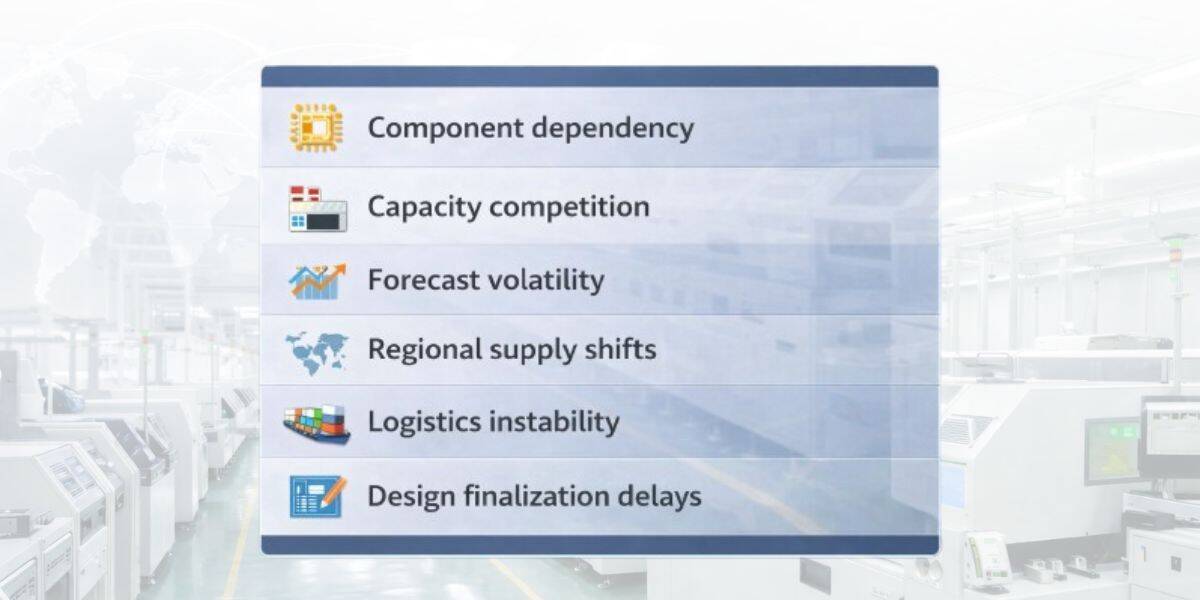
Niestabilność czasu realizacji w 2026 r. jest napędzana przez wiele nakładających się czynników, a nie pojedyncze wąskie gardło. W przypadku PCB LED te czynniki się zwijają.
Zależność komponentów
PCB LED zależą od określonych diod LED, sterowników i elementów pomocniczych, które nie zawsze są wymienne.
- Podstawianie binningu i spójności wydajności LED zastępowanie limitu wydajności
- Dostępność sterownika może brama montażowa
- Drobne niedobory komponentów mogą opóźnić ukończone tablice
Nawet jeśli istnieje pojemność produkcji PCB, brakujące komponenty mogą wydłużyć harmonogramy.
Konkurs pojemnościowy
Wysokomieszane, niskonakładowe produkcja konkuruje z kontraktami na duże ilości tych samych zasobów produkcyjnych.
Skutkuje to:
- pierwszeństwo nadawane zlecenia długoterminowe lub oparte na prognozie
- Zmniejszona elastyczność dla nieplanowanej produkcji
- Planowanie zmienności dla mniejszych przebiegów niestandardowych
Niestandardowe osie czasu produkcji PCB są coraz bardziej pod wpływem tego, jak wcześnie komunikować zapotrzebowanie.
Niestabilność logistyki
Niezawodność transportu pozostaje nierówna w różnych regionach.
Czynniki to:
- Zmienność zatorów w porcie
- Zmieniające się wymagania dotyczące zgodności handlowej
- Regionalne limity przepustowości transportowej
Opóźnienia logistyczne często pojawiają się późno w tym procesie, co utrudnia ich złagodzenie po zakończeniu produkcji.
Wspólne ryzyko związane z czasem realizacji, z jakimi borykają się kupujący w 2026 r.
Ryzyka czasu realizacji w 2026 r. najlepiej rozumieć jako kategorie, a nie pojedyncze wydarzenia. Kupujący często napotykają wiele zagrożeń jednocześnie.
- Opóźnienia materiałowe
Materiały bazowe lub wykończenia mogły mieć wydłużone okresy przydziału, zwłaszcza dla płytek specjalistycznych. - Wąskie gardła komponentów
Diody LED, sterowniki lub komponenty sterujące mogą stać się ścieżką krytyczną, nawet gdy fabrykacja PCB jest gotowa. - Zakłócenia geopolityczne
Zmiany polityki, ograniczenia handlowe lub niestabilność regionalna mogą wpływać na trasy pozyskiwania z niewielkim wyprzedzeniem. - Nierównowaga zdolności produkcyjnych
Niektóre obiekty mogą być przepełnione, podczas gdy inne nie mają kwalifikacji do określonych wymagań dotyczących PCB LED.
Zagrożenia te nie zawsze powodują indywidualnie duże opóźnienia, ale razem zmniejszają pewność harmonogramu.
Jak producenci i nabywcy mogą zmniejszyć ryzyko czasu realizacji
Skrócenie ryzyka czasu realizacji w 2026 r. polega na zarządzaniu niepewnością, a nie eliminowaniu jej. Skuteczne podejścia skupiają się na przygotowaniu i dostosowaniu.
Gotowość do projektowania
Stabilne projekty ograniczają przeróbkę i zmianę harmonogramu.
- Sfinalizowane układy ograniczają zmiany inżynieryjne w ostatniej chwili
- Wyraźne wymagania termiczne i elektryczne zmniejszają cykle klarowania
- Wybór komponentów zgodny z dostępnością Poprawia ciągłość
Dojrzałość projektu bezpośrednio wpływa na niezawodność planowania.
Udostępnianie prognozy
Wczesna i realistyczna widoczność popytu pozwala na lepsze planowanie pojemności.
- Niewiążące prognozy nadal pomagają przydzielać zasoby
- Prognozy kroczące zmniejszają nagłe wzrosty popytu
- Przejrzystość poprawia wyrównanie priorytetowe
Dokładność prognozy ma większe znaczenie niż precyzja.
Dywersyfikacja dostawców
Poleganie na jednym źródle zwiększa narażenie na zlokalizowane zakłócenia.
- Wielu wykwalifikowanych dostawców poprawia odporność
- Bilans regionalny zmniejsza ryzyko logistyczne
- Opcje tworzenia kopii zapasowych skracają czas odzyskiwania, gdy pojawiają się problemy
Dywersyfikacja zwiększa opcje planowania, nawet jeśli nie skraca czasu realizacji bazowych.
Rola doświadczonego producenta płyt PCB
Doświadczony producent niestandardowych płytek drukowanych nie eliminuje ryzyka łańcucha dostaw, ale może zmniejszyć niepewność poprzez:
- Przewidywanie typowych wąskich gardeł
- Wczesne dopasowywanie projektów i pozyskiwanie decyzji
- Komunikacja realistycznych terminów w oparciu o aktualną pojemność
Doświadczenie poprawia przewidywalność, a nie gwarancje prędkości.
Jak trendy w łańcuchu dostaw LED PCB wpływają na długoterminowe planowanie
Skumulowany efekt trendów w łańcuchu dostaw w 2026 r. to zmiana sposobu planowania organizacji.
Planowanie uruchomienia produktu
Osie czasu uruchamiania coraz częściej zawierają okresy buforowania.
- Stałe daty premiery są trudniejsze do obsługi bez wcześniejszego zaangażowania
- Piloty wymagają wcześniejszego planowania
- Planowanie awaryjne staje się standardem
Sama prędkość nie jest już głównym celem.
Strategia inwen
Modele just-in-time są ponownie oceniane.
- Inwentaryzacja strategiczna zmniejsza wpływ zakłóceń
- Trzymanie krytycznych komponentów poprawia ciągłość
- Decyzje o zapasach Bilans kosztu w stosunku do eks
Zapasy są teraz postrzegane jako narzędzie odpornościowe, a nie nieefektywność.
Ryzyko a kompromisy kosztowe
Najniższe koszty pozyskiwania nie zawsze są najniższe ryzyko.
- Bardziej stabilni dostawcy mogą mieć już nominalne czasy realizacji
- Pozyskiwanie regionalne może zwiększyć koszty, ale zmniejszyć zmienność
- Decyzje planistyczne ważą ciągłość nad oszczędnościami krótkoterminowymi
Odporność stała się mierzalnym celem planowania.
Trendy w łańcuchu dostaw i wpływ planowania
| próśb | Praktyczny wpływ | Implikacja planowania |
| Dywersyfikacja regionalna | Zmienne czasy realizacji według lokalizacji | Wymagane planowanie wielu regionów |
| Zwiększona automatyzacja | Większe okna planowania | Wcześniejsze zobowiązanie projektowe i prognozy |
| Zależność komponentów | Opóźnienia jednoczęściowe wpływają na kompilacje | Wczesne wyrównanie komponentów |
| Wymagania dotyczące zrównoważonego rozwoju | Dłuższa kwalifikacja materiałowa | Planowanie materiałów z wyprzedzeniem |
Wniosek
W 2026 roku łańcuchy dostaw PCB LED są kształtowane przez zmiany strukturalne, a nie tymczasowe zakłócenia. Wzrost popytu, dywersyfikacja regionalna, rosnąca złożoność projektu i zależność od komponentów sprawiły, że czasy realizacji są mniej przewidywalne. Dla producentów i kupujących głównym wyzwaniem nie jest szybkość, ale niezawodność. Skuteczne planowanie koncentruje się teraz na gotowości projektowej, wczesnej widoczności i odporności. Zrozumienie tych trendów pozwala organizacjom zarządzać ryzykiem czasu realizacji, a nie z reakcją, a nie z reakcją.
Najczęściej zadawane pytania
Powiązane posty