Polski
  English
  简体中文
简体中文  Deutsch
  Español
  Français
  Italiano
  日本語
日本語  한국어
한국어  Português
  Русский
  Türkçe
  Nederlands
  Tiếng Việt
  ไทย
ไทย 
W Signlited wspieramy profesjonalnych nabywców, dostarczając niezawodne, oparte na aplikacji rozwiązania LED.
W miarę postępów globalnego przemysłu oświetleniowego w 2026 roku wydajność LED nie jest już determinowana przez sam układ LED. dzisiaj, dioda PCB Projekt odgrywa decydującą rolę w stabilności termicznej, spójności kolorów, bezpieczeństwie elektrycznym i ogólnej żywotności systemu. Dla producentów oświetlenia, nabywców OEM i inżynierów projektów, wybierając Prawa dioda PCB Konfiguracja stała się krytyczną decyzją handlową i techniczną.
W tym blogu wyjaśnimy, w jaki sposób wartości znamionowe mocy wpływają na wydajność termiczną w diodach LED PCB. Pokazuje, jak skorelowana temperatura barwowa zależy od kontroli ciepła i projektu. Wyjaśnimy również jak Materiały PCB Wpływa na wydajność, żywotność i niezawodność oświetlenia.
Co to jest PCB LED?

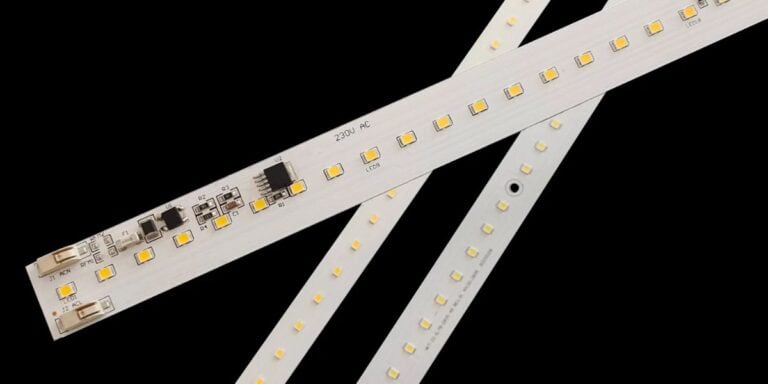
PCB LED to płytka drukowana specjalnie zaprojektowana do obsługi diod elektroluminescencyjnych. Zapewnia połączenia elektryczne i wsparcie mechaniczne podczas zarządzania ciepłem wytwarzanym podczas pracy. należyty Projekt PCB LED Zapewnia stabilną wydajność, stałą jasność i dłuższą żywotność w aplikacjach oświetleniowych.
W przeciwieństwie do standardowych płytek drukowanych, PCB LED skupiają się głównie na zarządzaniu termicznym i doborze materiałów. Często używają podłoży metalowych lub o wysokiej przewodności, aby skutecznie rozpraszać ciepło. Pomaga to zapobiegać przegrzaniu, przesunięciu kolorów i wczesnej awarii w nowoczesnym Systemy oświetlenia LED.
Podstawowa konstrukcja płytki PCB LED

PCB LED to starannie zaprojektowane wielowarstwowe płyty, z których każda warstwa odgrywa wyjątkową rolę w dostarczaniu mocy, zarządzaniu ciepłem i trwałości. Ich konstrukcja jest zaprojektowana nie tylko do mechanicznego podtrzymywania chipów LED, ale także do utrzymania optymalnej wydajności w warunkach pracy o dużej mocy i ciągłych warunkach.
Materiał podstawowy (substrat)
Podłoże stanowi podstawę płytki PCB LED. Aluminium jest najczęstszym wyborem ze względu na jego doskonałą przewodność cieplną, ale wysokiej klasy konstrukcje mogą wykorzystywać miedź lub ceramikę do jeszcze większego przenoszenia ciepła. Ta warstwa zapewnia sztywność płyty, a jednocześnie skutecznie odprowadza ciepło z diod LED.
Przewodząca warstwa miedzi
Warstwa miedzi przenosi energię elektryczną ze źródła zasilania do chipów LED. Jego wzór i grubość mają kluczowe znaczenie, ponieważ wpływają na rozkład prądu, stabilność napięcia i jednorodność strumień świetlny. Dodatkowo dobrze zaprojektowana sieć miedziana pomaga zmniejszyć nagromadzenie termiczne i zapobiec hotspotach.
Warstwa izolacji dielektrycznej
Położona pomiędzy warstwą miedzi a metalową podstawą, warstwa dielektryczna działa zarówno jako izolator elektryczny, jak i mostek termiczny. Umożliwia przepływ ciepła w dół, przy jednoczesnym utrzymaniu obwodów elektrycznych w izolacji, zapewniając bezpieczną pracę bez poświęcania wydajności cieplnej.
Maska ochronna lutownicza i wykończenie powierzchni
Maska ochronna lutowana zakrywa odsłonięte ślady miedzi, osłaniając je przed korozją i przypadkowymi zwarciami. Tymczasem wykończenie powierzchni wzmacnia złącza lutowane i zwiększa długotrwałą niezawodność, szczególnie w przypadku powtarzających się cykli ogrzewania i chłodzenia.
Optymalizacja ścieżek
Wydajne płytki LED zapewniają bezpośrednią ścieżkę termiczną od chipa LED do radiatora lub oprawy. Ciepło przemieszcza się sekwencyjnie przez złącze lutowane, obwody miedziane, warstwę dielektryczną i podłoże. Krótka ścieżka o niskiej rezystancji minimalizuje wzrost temperatury, przedłuża żywotność przewodu i stabilizuje z czasem świetlny.
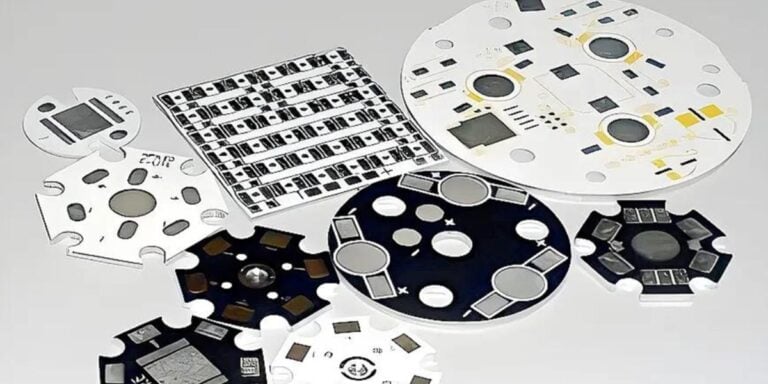
Różne rodzaje PCB LED według materiału
PCB LED są wykonane z różnych materiałów, z których każdy wpływa na rozpraszanie ciepła, wydajność elektryczną i trwałość. Wybór odpowiedniego materiału zapewnia długotrwałe, niezawodne oświetlenie, szczególnie w zastosowaniach o dużej mocy i przemysłowych.
| Typ materiału PCB | Kluczowa funkcja | Korzyści term | Typowe zastosowanie |
| FR-4 | niski koszt | Umiarkowane ciepło | Ozdobne diody |
| Aluminium | Trwała konstrukcja | Wysoka rozpraszanie ciepła | Ulica i reklama |
| miedziak | Wysoka przewodność | Doskonały transfer ciepła | diody przemysłowe |
| ceramiczny | Premium materiał | Doskonała odporność term | Motoryzacja i lotnictwo |
1: PCB LED FR-4
FR-4 PCB Składają się ze standardowego materiału z włókna szklanego z warstwą miedzianą do obwodów elektrycznych. Są niedrogie i nadają się do zastosowań LED o małej mocy przy minimalnym wytwarzaniu ciepła.
Płyty te są idealne do dekoracyjnych lub wskaźnikowych diod LED. Jednak ich ograniczona przewodność cieplna ogranicza zastosowanie w oświetleniu o dużej mocy lub oświetleniu przemysłowym, gdzie zarządzanie ciepłem ma kluczowe znaczenie dla wydajności i trwałości.
2 : Aluminiowe PCB LED
Aluminiowe płytki drukowane wykorzystują metalowy rdzeń do efektywnego przenoszenia ciepła z chipów LED. Dzięki temu diody LED o dużej mocy działają wydajnie bez przegrzania.
Są szeroko stosowane w oświetleniu ulicznym, oprawach komercyjnych i zastosowaniach przemysłowych. Aluminiowe płytki drukowane oferują wytrzymałość mechaniczną, stabilność termiczną i opłacalne działanie przy ciągłej pracy.
3: miedziane płytki LED PCB
PCB na bazie miedzi zapewniają najwyższą przewodność cieplną, umożliwiając niezwykle wydajne odprowadzanie ciepła. Są odpowiednie do kompaktowych projektów LED o dużej mocy, w których ciepło jest skoncentrowane na małych obszarach.
Te płytki drukowane są powszechnie spotykane w przemysłowych systemach LED, płytach o dużej gęstości i specjalistycznym sprzęcie. Wyższy koszt jest równoważony przez lepszą niezawodność, dłuższą żywotność i stabilną moc świetlną przy ciągłej pracy.
4: ceramiczne płytki LED PCB
Płytki ceramiczne łączą izolację elektryczną z wyjątkowym oporem termicznym Utrzymują stabilną wydajność w ekstremalnych temperaturach i wymagających warunkach pracy, dzięki czemu idealnie nadają się do precyzyjnych zastosowań.
Są one często używane w oświetleniu samochodowym, lotnictwie i innych wysokiej klasy lub specjalistycznych zastosowaniach. Ceramiczne płytki drukowane obsługują diody LED o dużej mocy, zapewniając jednocześnie stabilność koloru, wydajność i długoterminową trwałość.
Jak wybrać odpowiedni projekt PCB LED?
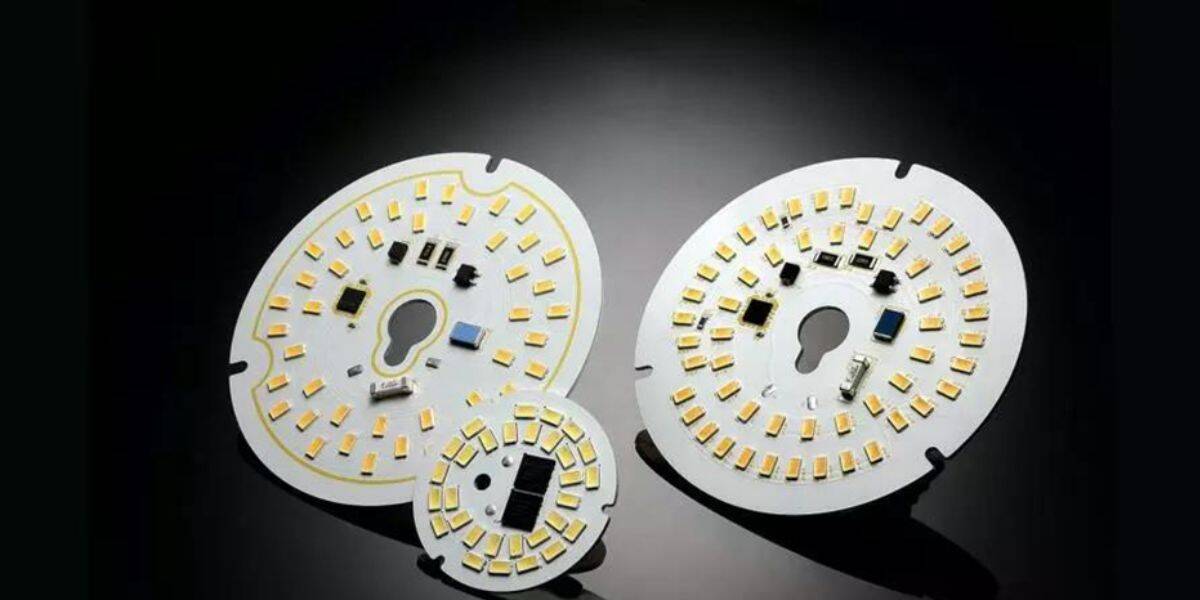
A Dobrze zaprojektowana płytka LED PCB Wagi termiczne, stabilność elektryczna i jakość światła. Elementy te współpracują ze sobą, aby zapewnić, że diody LED pozostają jasne, wydajne i niezawodne przez cały okres ich użytkowania.
- Zarządzanie temperaturą: Ciepło jest głównym czynnikiem ograniczającym wydajność LED. Dobra konstrukcja PCB skutecznie odprowadza ciepło od diody LED, redukując hotspoty i zapobiegając wczesnym awarii, szczególnie w zastosowaniach o dużej mocy.
- Radiator, przelotki termiczne i grubość miedzi: Radiator uwalnia ciepło do otaczającego środowiska, podczas gdy przelotki termiczne i grubsze warstwy miedzi równomiernie rozprowadzają ciepło na płycie. Zapewnia to niższe temperatury złącza i dłuższą żywotność LED.
- Układ obwodu i bilans prądu: Zoptymalizowany układ obwodu równomiernie rozprowadza prąd do każdej diody LED. Zrównoważony przepływ prądu zapobiega ściemnianiu, hotspotom lub migotaniu, zapewniając stałą jasność na całej planszy.
- Rozstaw LED i rozmieszczenie: Odpowiednie odstępy między diodami LED poprawiają przepływ powietrza i zmniejszają zlokalizowane nagrzewanie się. Strategiczne rozmieszczenie zapewnia również bardziej jednolitą moc światła, eliminując ciemne plamy i odblaski.
- Bezpieczeństwo elektryczne i izolacja: Płytka PCB musi bezpiecznie oddzielić obwód zasilania od metalowego rdzenia. Dobra izolacja zapobiega zwarciom, zmniejsza ryzyko elektryczne i zwiększa ogólną niezawodność systemu.
- Projekt optyczny: Układ PCB wpływa nie tylko na wydajność, ale także na dystrybucję światła. Prawidłowe ułożenie, kąt i wyrównanie LED pomagają uzyskać płynne, równomierne oświetlenie i zachować spójność kolorów.
Jak zrobić płytkę LED?

W tym rozdziale wyjaśnimy, jak PCB LED są zaprojektowane i wyprodukowane. Od wyboru odpowiedniego materiału po montaż chipów LED, każdy krok zapewnia optymalne zarządzanie ciepłem, wydajność elektryczną i długotrwałą niezawodność.
Krok 1: Wybierz podłoże
Wybierz odpowiedni materiał bazowy w oparciu o potrzeby cieplne i elektryczne. Opcje obejmują FR-4 dla niskiej mocy, aluminium do dużej mocy, miedź dla maksymalnej przewodności i ceramikę do specjalistycznych zastosowań. Podłoże określa rozpraszanie ciepła i wytrzymałość mechaniczną.
Krok 2: Nałóż i wytrawij warstwę miedzi
Miedź jest nakładana na podłoże i precyzyjnie wytrawiona w celu utworzenia obwodów elektrycznych. Układ kontroluje przepływ prądu, zapewnia stabilność napięcia i pomaga równomiernie rozprowadzać ciepło na płycie.
Krok 3: Dodaj izolację dielektryczną
Warstwa dielektryczna oddziela obwód miedzi od metalowej podstawy. Izoluje elektrycznie, jednocześnie umożliwiając wydajne przepływanie ciepła, utrzymując bezpieczną pracę i wspomagając zarządzanie termiczne.
Krok 4: Zastosuj maskę lutowniczą i wykończenie powierzchni
Maska ochronna lutowana chroni miedź ślady przed utlenianiem i zwarciami. Wykończenie powierzchni wzmacnia połączenia lutowane, zapewniając niezawodność podczas cykli grzewczych i przedłużoną pracę LED.
Krok 5: Zamontuj chipy LED i przetestuj
Chipy LED są umieszczane i lutowane na płycie. Płytka drukowana jest następnie testowana pod kątem wydajności cieplnej, wydajności elektrycznej i spójności światła, dzięki czemu spełnia wymagania projektowe i aplikacyjne.
Kluczowe zalety PCB LED

Dioda PCB jest niezbędna do oświetlenia o wysokiej wydajności. Łączy w sobie zarządzanie ciepłem, stabilność elektryczną i wsparcie mechaniczne. Dobrze zaprojektowana Płytka PCB LED Zapewnia sprawne i niezawodne działanie diod LED. Korzystanie z wysokiej jakości Płytka PCB LED Light Zapobiega spadkom napięcia i zwarciom. należyty Projekt PCB LED Gwarantuje stabilny przepływ prądu. światły Projekt LED PCB Zwiększa trwałość i długotrwałe działanie.
Wydajne rozpraszanie ciepła
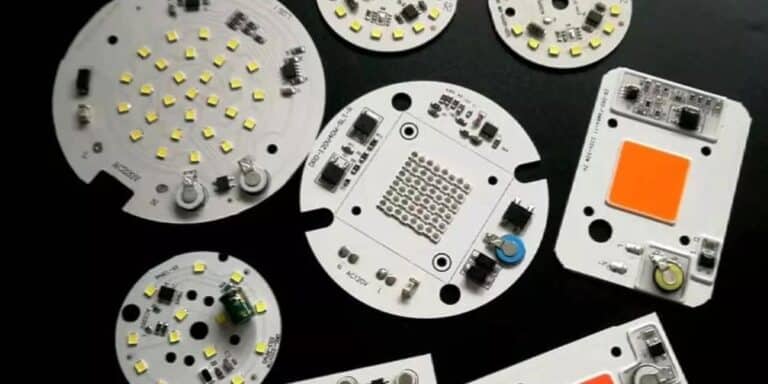
Płytka PCB LED SMD I Okrągły aluminiowy PCB LED Podłoża przenoszą ciepło z chipów LED. Panel PCB LED 2835SMD Układy zapobiegają przegrzaniu. LED do PCB Układy utrzymują jednolitą temperaturę. Płyty o dużej mocy, np. PCB LED 100W I PCB panelu LED 220V Bezpiecznie zarządzaj prądami. Te projekty wydłużają żywotność LED i chronią wrażliwe komponenty.
Jednolita moc światła
Zrównoważone ścieżki miedziane w Projekt PCB światła LED Upewnij się, że wszystkie diody LED świecą równomiernie. do światło led PCB Deski eliminują hotspoty i przyciemnione obszary. PCB z diodami LED Układy zapewniają stałą jasność. należyty Taśma LED taśma PCB Konstrukcja zapewnia płynne oświetlenie we wszystkich zastosowaniach.
Niezawodność elektryczna
Wysokiej jakości materiały od zaufanych producentów płytek PCB LED i dostawców płytek PCB LED poprawiają stabilność obwodu. Precyzyjny niestandardowy montaż PCB redukuje zwarcia i straty energii. Rozwiązania taśmowe LED PCB obsługują elastyczne projekty oświetlenia bez uszczerbku dla bezpieczeństwa.
Wytrzymałość mechaniczna i kompatybilność
Sztywna lub wzmocniona płytka PCB podłoża 18W zapewniają silne wsparcie. Zmniejszają uszkodzenia podczas instalacji lub długotrwałej eksploatacji. Dobrze zaprojektowane 3W LED No PCB i RGB LED projekty LED radzą sobie z naprężeniem mechanicznym. Zaawansowane płytki drukowane są idealne do komercyjnych, przemysłowych i zewnętrznych diod LED o dużej mocy.
Poprawiona wydajność optyczna
Staranne umieszczenie diod LED na PCB LED Philips i płytki PCB Osram LED poprawia dystrybucję światła. Właściwy wybór średnicy PCB LED zapewnia jednolitą temperaturę barwową. Zoptymalizowane układy poprawiają jakość wizualną i płynne oświetlenie we wszystkich przestrzeniach.
Typowe zastosowania PCB LED

PCB LED są używane w szerokiej gamie systemów oświetleniowych. Ich wydajność, zarządzanie ciepłem i niezawodność sprawiają, że nadają się zarówno do zastosowań na co dzień, jak i do specjalistycznych.
Oświetlenie mieszkaniowe
PCB LED są szeroko stosowane w domach do lamp sufitowych, opraw dekoracyjnych i oświetlenia pod szafką. Zapewniają energooszczędne oświetlenie z długotrwałą wydajnością.
Oświetlenie komercyjne
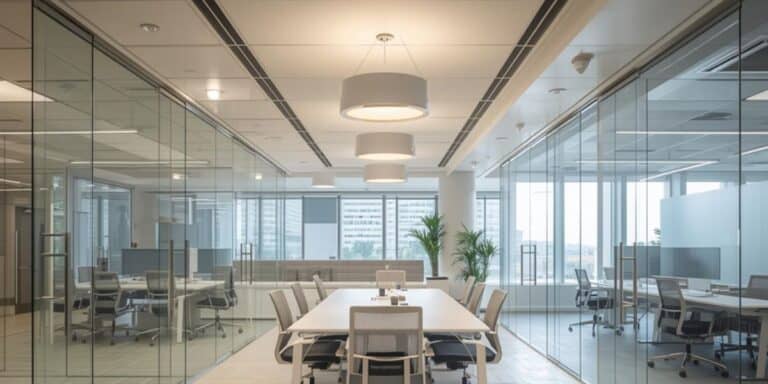
Biura, sklepy detaliczne i restauracje wykorzystują płytki LED w lampach panelowych, oświetleniach downlight i oświetleniu wyświetlacza. Zapewniają stałą jasność i obniżają koszty energii.
Oświetlenie przemysłowe
Fabryki, magazyny i warsztaty opierają się na płytkach LED o dużej mocy do reflektorów i oświetlenia wysokiego wnęki. Ich solidna konstrukcja wspiera ciągłą pracę w wymagających środowiskach.
Oświetlenie ulic i zewnętrznej
PCB LED z aluminium i metalowymi rdzeniami są używane w latarniach ulicznych, parkingach i przestrzeniach publicznych. Obsługują wysoką moc przy zachowaniu niezawodnej wydajności w ekstremalnych warunkach.
Oświetlenie samochodowe
PCB LED są używane w reflektorach, światłach tylnych i wewnętrznych światłach pojazdu. Ich kompaktowa konstrukcja, zarządzanie ciepłem i trwałość wspierają długotrwałe zastosowania motoryzacyjne.
Specjalistyczne aplikacje
Ceramiczne i elastyczne płytki LED PCB są używane w przemyśle lotniczym, urządzeniach medycznych i elektronice do noszenia. Zapewniają wysoką niezawodność, wydajność termiczną i elastyczność projektowania.
Przewodnik zakupowy krok po kroku przed wyborem PCB LED

Wybierając Prawa led PCB To coś więcej niż wybór płyty — wpływa to na wydajność cieplną, stabilność elektryczną i jakość oświetlenia. Ten przewodnik pomaga kupującym podejmować świadome decyzje dotyczące niezawodnych, wysokowydajnych systemów LED.
Zrozum swoje wymagania dotyczące mocy
Określ całkowite zapotrzebowanie mocy i bieżące zapotrzebowanie na konfigurację LED. Diody LED o niskiej mocy mogą używać płyt FR-4, podczas gdy diody LED o dużej mocy lub przemysłowe wymagają aluminiowych lub miedzianych rdzeni do optymalnej obsługi ciepła.
Priorytet nadzoru nad termicznym
Oceń, ile ciepła będą generować diody LED. Wybierz projekty z przelotkami termicznym, rdzeniami metalowymi lub wielowarstwowymi konstrukcjami, aby zapewnić stabilną pracę i zapobiec przedwczesnej awarii.
Wybierz optymalny materiał PCB
FR-4 do opłacalnych zastosowań o niskiej mocy, aluminium do oświetlenia komercyjnego i przemysłowego, miedzi do instalacji o dużej gęstości lub wysokoprądowej oraz ceramika do zastosowań premium lub specjalistycznych.
Zdecyduj się na strukturę warstwy
Jednowarstwowe płytki drukowane pasują do prostych instalacji. Wielowarstwowe lub dwuwarstwowe konstrukcje poprawiają dystrybucję ciepła, zmniejszają zakłócenia elektryczne i wspierają kompaktowe lub inteligentne rozwiązania oświetleniowe.
Planowanie układu obwodu i rozmieszczenie LED
Upewnij się, że prąd płynie równomiernie we wszystkich diodach LED. Prawidłowe odstępy i układ zapobiegają gorącym punktom, zwiększają przepływ powietrza i zapewniają stały rozsys światła.
Sprawdź bezpieczeństwo elektryczne i izolację
Płytka PCB musi izolować obwody elektryczne od metalowej podstawy. Właściwa izolacja zapobiega zwarciom, zwiększa niezawodność i zapewnia bezpieczną pracę w każdych warunkach.
Sprawdź za pomocą prototypowania i testowania
Symuluj lub prototypuj swoją płytkę PCB przed masowym wdrożeniem. Test na rozpraszanie ciepła, stabilność napięcia i jednorodność światła, aby potwierdzić, że spełnia on zarówno wymagania funkcjonalne, jak i długowieczności.
Rozważ przyszłe ulepszenia i skalowalność
Zaplanuj wybór PCB z myślą o przyszłych ulepszeniach. Elastyczne konstrukcje, płyty wielowarstwowe i układy modułowe umożliwiają łatwą adaptację do nowych diod LED lub inteligentnych systemów sterowania.
Wniosek
Wybór odpowiedniej płytki PCB LED zapewnia optymalną kontrolę ciepła, stabilność elektryczną i jakość światła. Właściwy materiał, układ i projekt poprawiają wydajność, niezawodność i żywotność. Dla producentów i kupujących, świadomy wybór płytek drukowanych zapewnia wydajne, spójne i trwałe rozwiązania oświetleniowe LED.
Najczęściej zadawane pytania
Powiązane posty