Polski
  English
  简体中文
简体中文  Deutsch
  Español
  Français
  Italiano
  日本語
日本語  한국어
한국어  Português
  Русский
  Türkçe
  Nederlands
  Tiếng Việt
  ไทย
ไทย 
Ocena dostawców lamp arkuszowych LED wymaga ustrukturyzowanego procesu weryfikacji, który rozpoczyna się od testów próbek technicznych i jest kontynuowany poprzez audyt dostawców, produkcję pilotażową i walidację produkcji na pełną skalę. Dostawca nie może być zatwierdzony na podstawie samej jakości próbki. Ocena musi potwierdzić, że wydajność, kontrola procesów i dyscyplina produkcyjna pozostają spójne od pierwszego prototypu do produkcji masowej.
Wielu kupujących doświadcza przewidywalnego problemu: próbki początkowe działają dobrze, ale gdy zamówień skala, spada spójność jasności, zmiany zachowań termicznych, dryf tolerancji cięcia lub wydajność klejenia się osłabia. Ta „zanikanie jakości” ma miejsce, gdy kontrola procesu dostawcy nie może obsługiwać produkcji objętościowej, nawet jeśli ich zespół inżynierów może wyprodukować mocne, wczesne próbki.
W tym przewodniku przedstawiono system oceny krok po kroku. Nie zaleca konkretnych dostawców. Zamiast tego definiuje, w jaki sposób menedżerowie zaopatrzenia, nabywcy OEM/ODM, inżynierowie projektów i właściciele marek powinni zweryfikować dostawców lamp arkuszowych LED od testów stołowych poprzez pełną gotowość do produkcji.
Etap 1: Ocena próbki
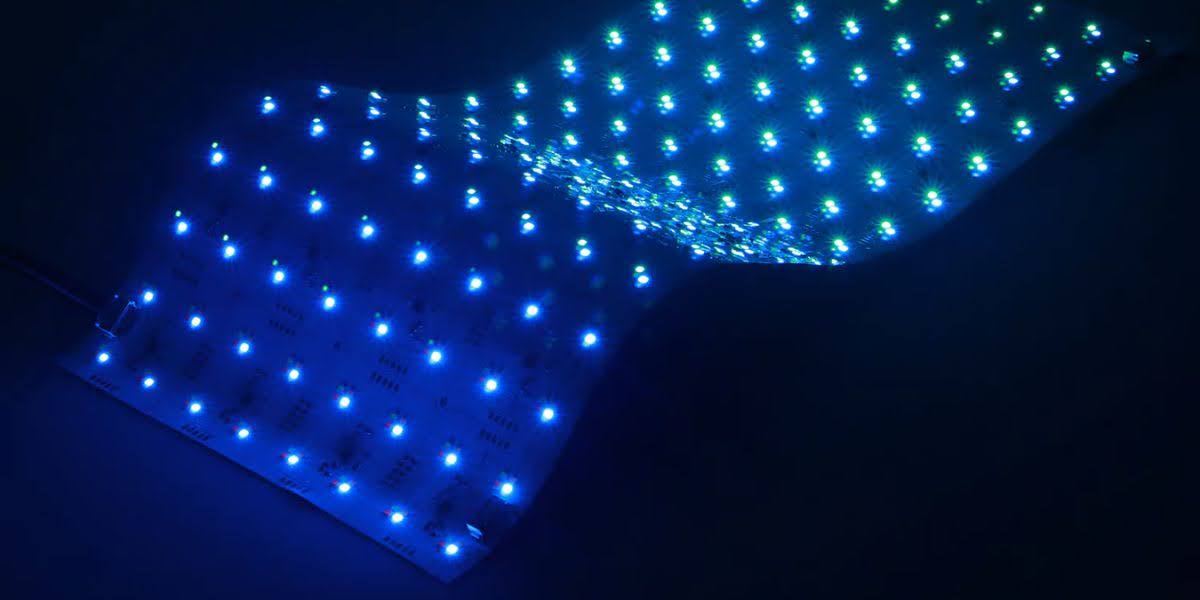
Przykładowe testy nie dotyczą pierwszych wrażeń. Chodzi o powtarzalność w kontrolowanych warunkach. Każda próbka światła arkuszowego LED musi być oceniana przy użyciu mierzalnych kryteriów, które można później zastosować do partii produkcyjnych.
Kupujący powinni przetestować próbki przy użyciu następujących ram weryfikacji:
- Jednorodność optyczna na panelu świetlnym z blachy LED
Zmierz jasność w wielu punktach siatki. Różnice w natężeniu świetlnym na arkuszu świateł LED powinny pozostać w określonym zakresie tolerancji. Nierównomierna dyfuzja lub niespójny odstęp diody wskazuje na potencjalne problemy ze skalowaniem. - Stabilność jasności przy dłuższym czasie pracy
W przypadku próbek świetlnych świetlnych LED o wysokiej jasności należy przeprowadzać ciągłe testy pracy przez 8–24 godziny. Śledź spadek lumenów, przesunięcie koloru i wahania prądu. Stabilność pod obciążeniem termicznym jest ważniejsza niż początkowa szczytowa moc. - Mapowanie wydajności cieplnej
Użyj obrazowania termicznego do rejestrowania dystrybucji hotspot. Porównaj wzrost temperatury na krawędzi i wzroście. Nadmierne stężenie ciepła często przewiduje długotrwałą degradację podczas skalowania produkcji. - Integralność mechaniczna elastycznych i sztywnych formatów
W przypadku elastycznych formatów świetlnych świetlówek LED należy wykonać testy cyklu gięcia. W przypadku sztywnych formatów zastosuj łagodne naprężenie skrętne, aby potwierdzić trwałość połączenia lutowanego. Stabilność mechaniczna musi być powtarzalna w wielu próbkach. - Tolerancja cięcia i ciągłość elektryczna
Jeśli dioda LED umożliwia cięcie w terenie, przetestuj wiele punktów cięcia. Potwierdź, że ciągłość elektryczna pozostaje stabilna i nie występuje ściemnianie krawędzi. Niespójne routing śladów miedzi staje się tutaj widoczny. - Wydajność kleju i wiązanie podłoża
Oceń wytrzymałość na skórze i stabilność przyczepności pod wpływem ciepła. Słabe systemy klejenia często ulegają degradacji podczas produkcji na dużą skalę z powodu substytucji materiału.
Kluczową zasadą jest replikacja. Kupujący powinni, jeśli to możliwe, przetestować wiele próbek z różnych dat produkcji. Jeśli wydajność różni się w zależności od jednostek, dostawcy prawdopodobnie brakuje spójności procesu.
Etap 2: Wsparcie i audyt zdolności dostawcy
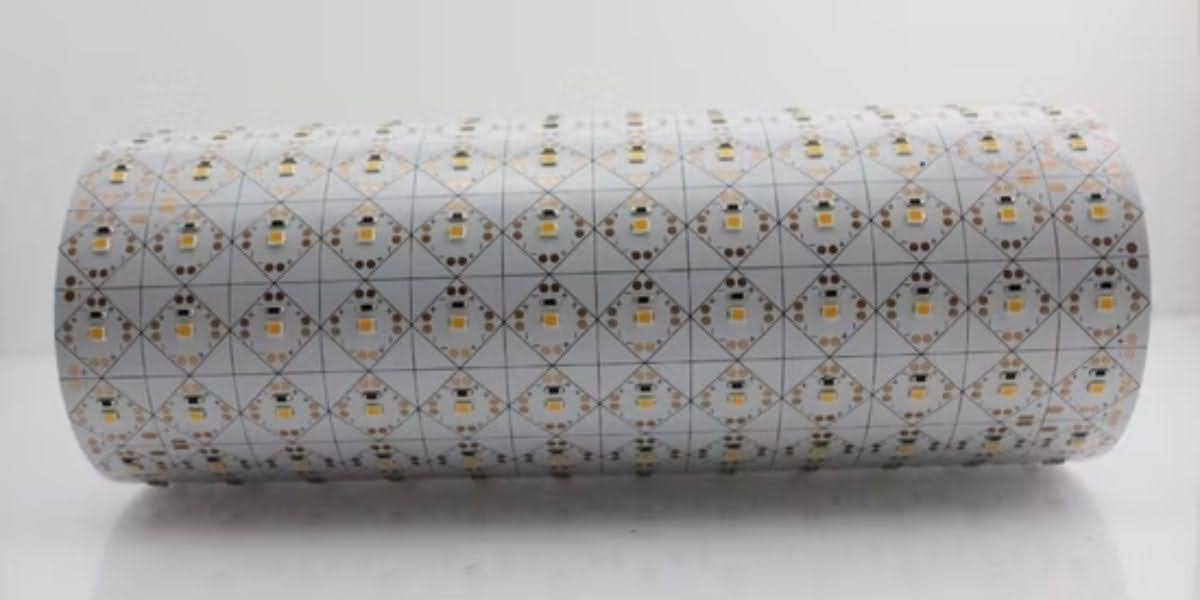
Mocne próbki nie gwarantują zdolnego producenta. Wielu dostawców zleca częściową produkcję na zewnątrz lub polega na małych partiach inżynieryjnych w przypadku jednostek oceny. Audyt w tle określa, czy dostawca może konsekwentnie produkować diody led przy objętości.
Zacznij od zbadania specjalizacji. Fabryka, która produkuje głównie ogólne taśmy LED, może nie mieć dużego doświadczenia w produkcji paneli świetlnych LED o wysokiej jasności. Linie produkcyjne, konfiguracja SMT i kontrola dyfuzji optycznej różnią się znacznie między formatami.
Następnie oceń głębię inżynierską. Niestandardowy arkusz LED Projekty oświetleniowe Wymagaj optymalizacji układu, równoważenia prądu i modelowania termicznego. Dostawcy powinni wykazać się możliwością modyfikowania architektury PCB, a nie tylko dostosowywania poziomów jasności. Przejrzyj wcześniejszą dokumentację projektową i przepływy pracy zmian inżynieryjnych.
Historia produkcji również ma znaczenie. Dostawca z ograniczonymi cyklami produkcyjnymi może nie być monitorowany ustrukturyzowany zysk. Spójna historia dużych partii zmniejsza ryzyko skalowania.
Na koniec oceń dojrzałość systemu jakości. Nie należy skupiać się na wyświetlaniu certyfikatów. Zamiast tego sprawdź, czy:
- Istnieją zdefiniowane punkty kontrolne kontroli w trakcie procesu.
- Parametry procesu są udokumentowane i zablokowane.
- Zmiany inżynieryjne wymagają zatwierdzenia ustrukturyzowanego.
- Analiza przyczyn źródłowych jest rejestrowana i identyfikowalna.
Zdolny dostawca wykazuje dyscyplinę operacyjną, a nie dokumentację marketingową.
Etap 3: Zgodność i weryfikacja procesów
Walidacja zgodności nie polega na standardach aukcji. Chodzi o potwierdzenie, że dostawca może udowodnić identyfikowalność testów i zgodność z udokumentowanymi dowodami.
Najpierw sprawdź, czy testy bezpieczeństwa odpowiadają rzeczywistej konfiguracji lampy ledowej, która jest kupowana. Dokumentacja musi odpowiadać mocy, typu podłoża i kompatybilności sterownika. Certyfikaty ogólne, które nie odwołują się do określonych konfiguracji kompilacji, stwarzają ryzyko.
Po drugie, potwierdź wewnętrzne punkty kontrolne jakości. Zapytaj, jak zweryfikowana jest inspekcja pasty lutowniczej. Sprawdź, w jaki sposób rejestrowany jest wybór pojemnika LED. Sprawdź, jak przeprowadzana jest bieżąca kalibracja dla wariantów arkusza świetlnego LED o wysokiej jasności.
Po trzecie, przejrzyj identyfikowalność partii. Każdy arkusz diody LED powinien być identyfikowany z kodami pojemników LED, numerami partii PCB i zapisami przesunięcia zespołu. Bez identyfikowalności badania awarii pola stają się niemożliwe.
Nieweryfikowalna dokumentacja sygnalizuje potencjalną niestabilność. Jeśli dostawca nie może wyjaśnić, w jaki sposób został wygenerowany wynik testu lub jaka partia reprezentuje, nie można zagwarantować wiarygodności produkcji.
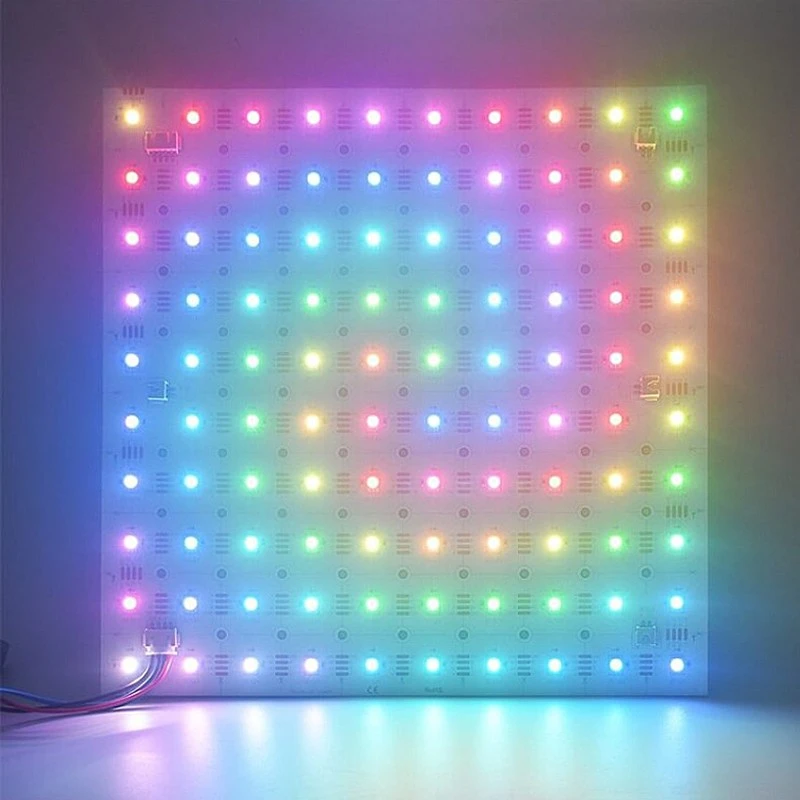
Adresowalne arkusze LED
- Rozmiar(dł. x szer): 250mm x 250mm
- Typ LED: 5050 SMD
- Ilość LED: 100szt
- Typ IC: Wbudowany WS2812
- Ilość IC: 100szt
- Kolor: RGBIC
- Napięcie robocze: DC 12V
- Prąd: 1.08A
- Moc: 13W
- Strumień świetlny: 20lm/led
- Kąt wiązki: 120°
- Poziom wodoodporny: IP20 niewodoodporny, wodoodporny IP54
- Żywotność: >35 000 godzin
- Gwarancja: 3 lata
Etap 4: Pilot Run & Pre-produkcja Walidacja
Po zatwierdzeniu próbki zawsze należy poprzeć kontrolowany przebieg pilotażowy. Jest to etap, w którym wprowadza się prawdziwy stres produkcyjny.
Kupujący powinni ocenić produkcję pilotażową, stosując następujące kryteria:
- Replikacja ustawień produkcyjnych w małych partach
Pilot powinien używać rzeczywistych narzędzi i materiałów do produkcji masowej, a nie elementów prototypowych. - Spójność wielu paneli świetlnych LED
Zmierzyć jasność, temperaturę barwową i moc na co najmniej 20-50 jednostek. Zmienność ujawnia stabilność procesu. - Stabilność termiczna w zgrupowanych warunkach instalacji
Przetestuj wiele paneli zainstalowanych razem, aby zasymulować prawdziwą akumulację ciepła w aplikacji. - Śledzenie wydajności i wskaźnika defektów
Żądaj danych dotyczących procentu plonów produkcji. Wczesna niestabilność plonów wskazuje na przyszłe problemy ze skalą. - Opakowanie i obsługa trwałość
Testy wibracyjne wysyłkowe ujawniają słabe złącza lutowane lub wady kleju.
Piloty przebiegają z problemami, których pojedyncze próbki nie mogą ujawnić. Niewielkie zmiany temperatury ponownego przepływu lutu lub mieszania bin LED często pojawiają się tylko wtedy, gdy wielkość partii wzrasta.
Etap 5: Przejście do produkcji masowej
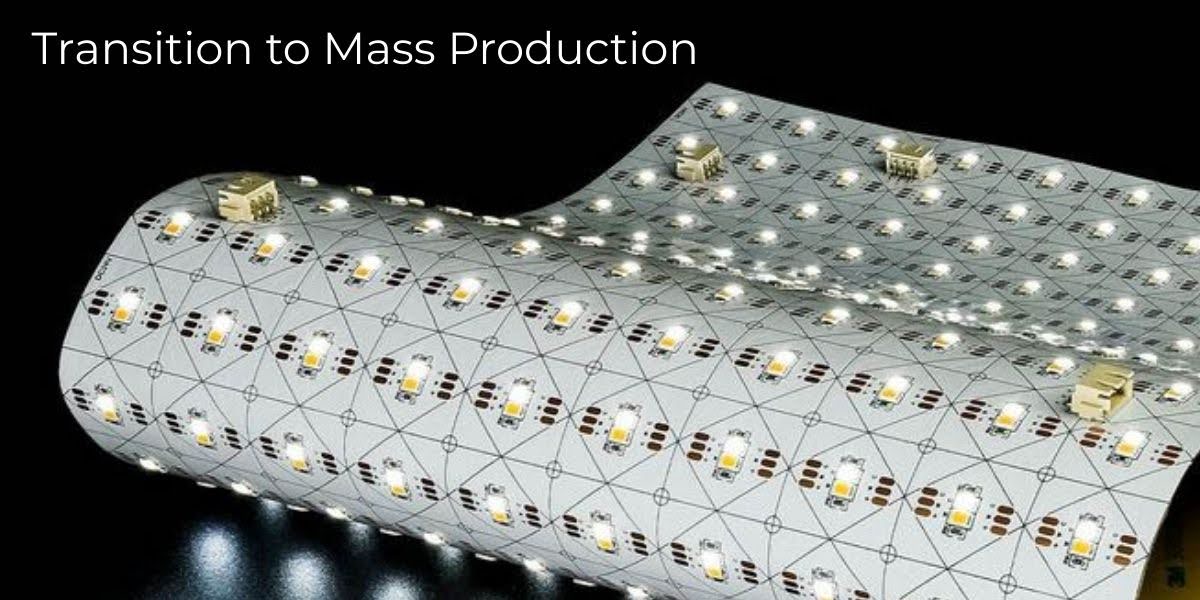
Przejście z produkcji pilotażowej do masowej jest miejscem, w którym najczęściej występuje zanikanie jakości. Nawet dobrze działające, elastyczne produkty z świetlówek LED mogą ulec pogorszeniu, gdy wzrasta ciśnienie objętościowe.
Na to ryzyko wpływa kilka czynników:
Podstawy materiałowe są powszechne na skalę. Dostawcy mogą zmieniać marki samoprzylepne, grubość miedzi PCB lub partie LED, aby osiągnąć cele kosztów. Każde podstawienie wpływa na stabilność optyczną i termiczną.
Dryft oprzyrządowania może wystąpić, gdy wzornik zmienia osadzanie objętości lutu. Z czasem wpływa to na jednorodność jasności na panelu oświetlenia arkusza LED.
Zachowanie obciążenia termicznego również zmienia się na dużą skalę. W produkcji arkuszy świetlnych LED o wysokiej jasności, niewielkie nierównowagi prądu ulegają wzmocnieniu w dużych ilościach. Wariancja rozpraszania ciepła może prowadzić do przedwczesnej amortyzacji światła.
Blokada procesu ma kluczowe znaczenie. Po zakończeniu zatwierdzania pilotażu dostawcy powinni zamrozić specyfikacje komponentów, parametry SMT i progi inspekcji. Każda zmiana musi wywołać udokumentowany przegląd inżynieryjny.
Kupujący powinni poprosić o potwierdzenie:
- Procedury blokowania komponentów
- Zatwierdzone listy dostawców surowców
- Zmień protokoły powiadamiania
- Bieżące metody monitorowania wydajności
Gotowość do produkcji masowej jest definiowana przez kontrolę, a nie pojemność.
Etap 6: Bieżąca kontrola jakości podczas masowej produkcji
Zapewnienie jakości nie kończy się przy wydaniu zamówienia zakupu. W celu utrzymania stabilności wydajności wymagana jest ciągła weryfikacja diody led.
Inspekcja materiałów przychodzących zapewnia, że pojemniki LED spełniają zatwierdzone specyfikacje. Podłoża PCB muszą spełniać określone kryteria grubości miedzi i kryteriów rezystancji izolacji.
Inspekcja w trakcie procesu powinna monitorować osadzanie pasty lutowniczej, dokładność umieszczenia LED i kalibrację prądu. Zautomatyzowana inspekcja optyczna może wykryć dryf wyrównania, zanim defekty się pomno
Logika kontroli końcowej powinna zweryfikować:
- Ciągłość elektryczna w punktach cięcia
- Równomierny rozkład jasności
- Zużycie energii w granicach toleran
- Integralność klejenia kleju
Fabryki z zdyscyplinowaną kontrolą procesu przewyższają większe, ale luźno zarządzane operacje. Spójność zależy od dyscypliny procesowej, a nie wielkości produkcji.
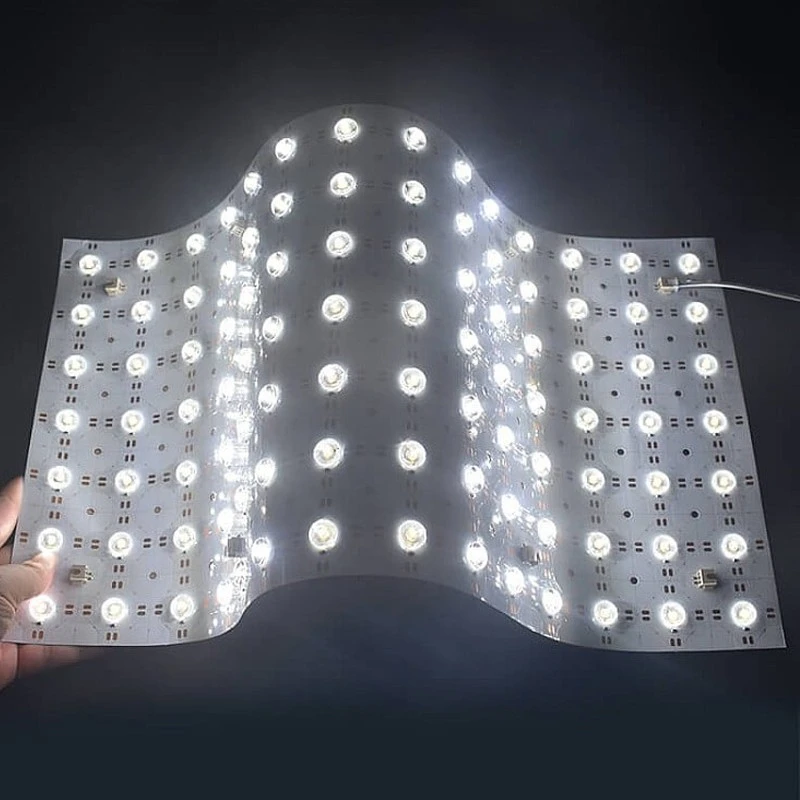
Arkusze LED z obiektywem optycznym
- Rozmiar(dł x szer x wys.): 500mm x 250mm x 8mm
- Typ LED: 2835 SMD
- Ilość LED: 98szt
- Napięcie robocze: DC 24V
- Moc: 20W
- CCT: 2700K/3000K/4000K/6000K/6500K
- Strumień świetlny: 1800lm
- CRI: > 90ra
- Kąt wiązki: 180°
- Rozmiar cięty: 1 LED
- Stopień IP: Niewodoodporność IP20
- Żywotność: >35 000 godzin
- Gwarancja: 3 lata
Tabela porównawcza oceny dostawców
| Etap oceny | Co kupujący powinien zweryfikować | Dlaczego ma to znaczenie na dużą skalę | Ryzyko, jeśli pominie |
| Przykładowe testy | Jednorodność optyczna, stabilność termiczna, powtarzalność | Wykrywa wczesne słabości projektowe | W produkcji pojawiają się ukryte wady |
| Audyt dostawcy | Inżynieria głębi, dyscyplina procesów, historia produkcji | Potwierdza zdolność do niezawodnego skalowania | Mocne próbki ze słabych fabryk |
| Kontrola zgodności | Dokumentacja identyfikowalna, rekordy wsadowe | Włącza śledzenie defektów | Niekontrolowane ryzyko regulacyjne |
| Bieg pilota | Wskaźniki spójności partii, współczynnik wydajności | Symuluje stres produkcyjny | Jakość zanika po potwierdzeniu zamówienia |
| Blokada do produkcji masowej | Sterowanie materiałem, stabilność narzędzi | Zapobiega dryfowi w czasie | Spadek wydajności w poszczególnych partach |
Typowe błędy kupującego
Wiele zespołów zaopatrzeniowych zatwierdza dostawców na podstawie wstępnej wydajności próbki. To ignoruje zdolność procesu i skalowanie dyscypliny.
Pomijanie biegów pilotów to kolejny powszechny błąd. Bez replikacji wsadowej problemy z ukrytymi wydajnościami pozostają niewykryte.
Kupujący często zakładają, że elastyczne produkty z świetlówek LED zachowują się identycznie przy objętości, jak w małych partiach testowych. W rzeczywistości tolerancja lutowania, naprężenie śladu miedzi i rozkład ciepła zmieniają się ze skalą produkcyjną.
Kolejnym błędem jest przeoczenie wewnętrznej identyfikowalności. Gdy wystąpi awaria w instalacjach polowych, brak dokumentacji wsadowej uniemożliwia analizę przyczyn źródłowych.
Ocena dostawcy musi wyjść poza porównania cen i inspekcję estetyczną. Wymaga to ustrukturyzowanej weryfikacji od pierwszej próbki do bieżącego monitorowania produkcji.
Wniosek
Ocena dostawców lamp ściennych LED to ćwiczenie oparte na procesach, które krok po kroku przechodzi od walidacji próbki do dyscypliny produkcji masowej. Mocne próbki są konieczne, ale niewystarczające. Prawdziwa zdolność dostawcy jest udowodniona dzięki powtarzalności, śledzenia, replikacji pilotażowej i blokowaniu procesów.
Zanikanie jakości między próbką a skalą można zapobiec, gdy kupujący zastosują weryfikację ustrukturyzowaną na każdym etapie. Decyzje o zakupie powinny opierać się na sile kontroli procesu, a nie na początkowych cenach czy pierwszym wrażeniu.
Od testowania laboratoryjnego po stabilność objętości, ocena dostawców jest systemem. Po rygorystycznym stosowaniu chroni wydajność, niezawodność i długoterminową integralność produktu.
Najczęściej zadawane pytania
Powiązane posty