Polski
  English
  简体中文
简体中文  Deutsch
  Español
  Français
  Italiano
  日本語
日本語  한국어
한국어  Português
  Русский
  Türkçe
  Nederlands
  Tiếng Việt
  ไทย
ไทย 
Przemysł oświetleniowy LED zmienił nowoczesne oświetlenie w zastosowaniach mieszkaniowych, komercyjnych, przemysłowych i motoryzacyjnych. Diody LED są preferowane ze względu na wysoką efektywność energetyczną, długą żywotność i kompaktowe rozmiary. Jednak ich wydajność zależy w dużej mierze od konstrukcji PCB, jakości montażu SMT i niezawodności złącza lutowanego. Nawet drobne wady montażowe mogą prowadzić do migotania, niespójności kolorów, tworzenia hotspotów lub przedwczesnej awarii.
Ten przewodnik bada
- Strategie poprawy niezawodności LED PCB
- Koncentrując się na najlepszych praktykach SMT, optymalizacji złączy lutowanych i zarządzaniu termicznym.
- Pomóż producentom osiągnąć wysokiej jakości i trwałe systemy LED.
Typowe wyzwania związane z niezawodnością w diodach PCB
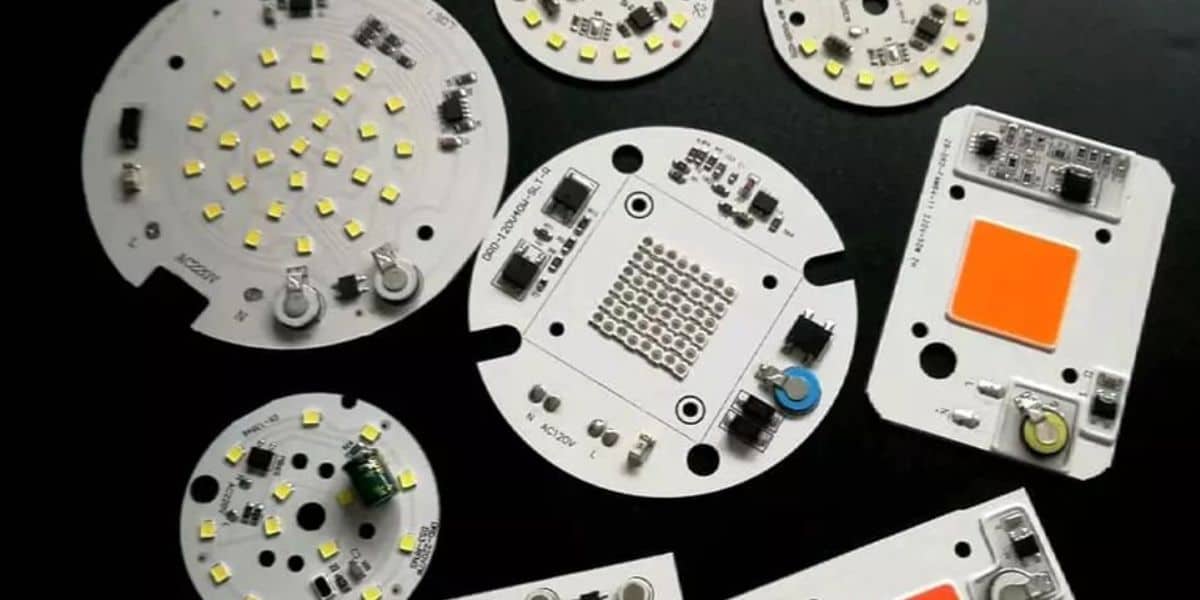
Diody LED są bardzo wrażliwe na naprężenia termiczne, elektryczne i mechaniczne. Słabe projektowanie lub montaż może pogorszyć wydajność i żywotność. Typowe wyzwania to:
- Pęknięte lub otwarte złącza lutowane prowadzące do przerywanych połączeń.
- Naprężenie termiczne powodujące wypaczenie PCB i degradację komponentów.
- Elektromigracja uszkadzająca ślady miedzi przy dużej gęstości prądu.
- Naprężenia mechaniczne związane z obsługą, transportem lub termicznym cyklem.
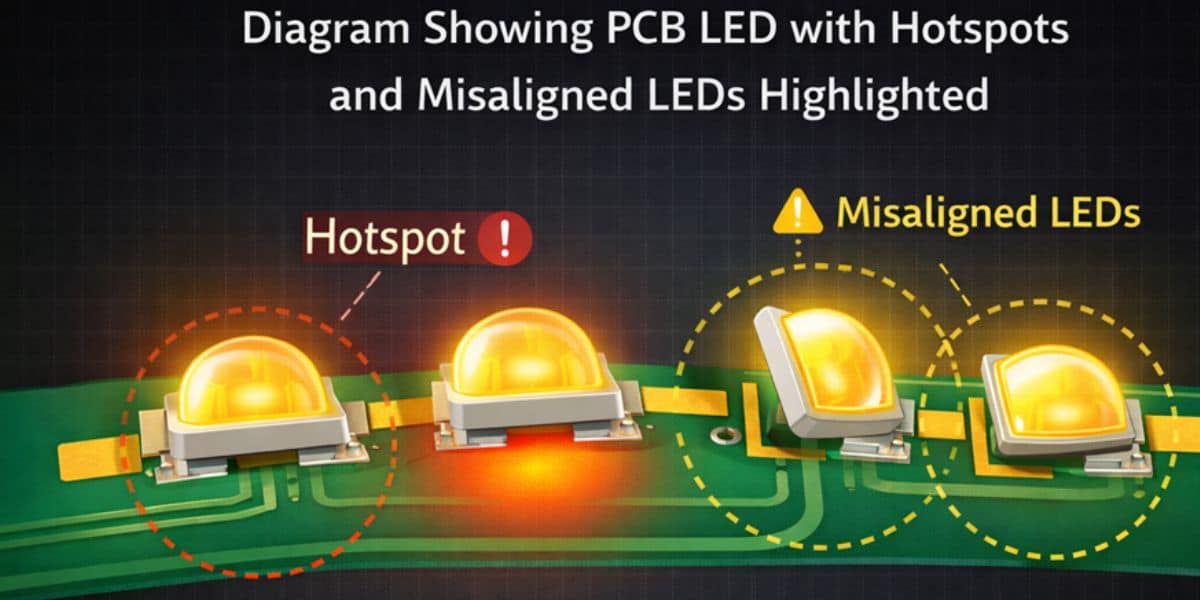
- Niedopasowane diody LED powodują nierówną moc światła lub widoczne gorące punkty.
Tabela 1: Wpływ problemów z PCB i SMT na niezawodność LED
| ukazanie | poczynić | Wpływ na system LED |
| pęknięte złącza lutowane | Cykl termiczny, naprężenia | Migotanie, otwarte obwody |
| Niewyrównane diody LED | Błędy wybierania i umieszczania | Nierównomierny rozkład światła |
| Hotspoty termiczne | Słabe rozpraszanie ciepła | Amortyzacja lumenów, wczesna awaria |
| elektromigracja | Wysoka gęstość prądu, cienkie ślady | Uszkodzenie śledzenia, porażka w czasie |
| Puste lutowane puste przestrzenie | Niewłaściwe osadzanie pasty | Zmniejszone przewodnictwo cieplne/elektryczne |
Uwagi dotyczące technologii montażu powierzchniowego (SMT)
SMT umożliwia precyzyjne rozmieszczenie LED, mniejsze współczynniki kształtu i lepszą wydajność elektryczną. Jednak złe praktyki SMT zmniejszają niezawodność.
1: projekt PCB dla SMT
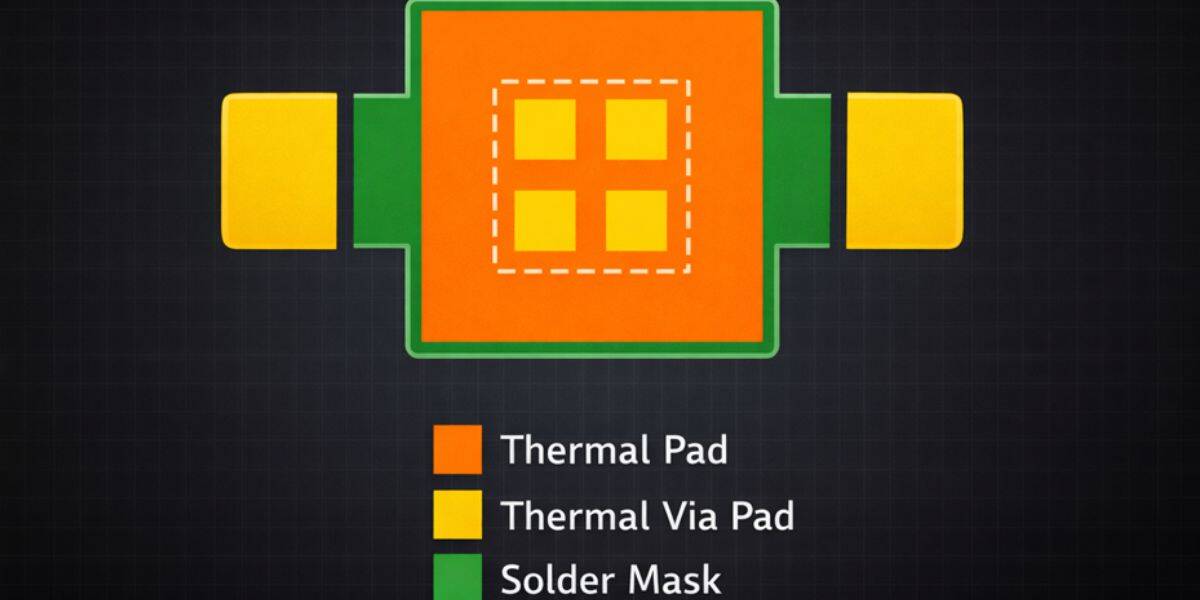
Dobrze zaprojektowany układ PCB obsługuje niezawodność:
| Element projektowy | Najlepsza praktyka |
| Rozmiar i kształt padów | Zapewnij prawidłowe zwilżanie lutowania i unikaj mostkowania |
| Podkładki termiczne | Popraw rozpraszanie ciepła dla diod LED o dużej mocy |
| Konstrukcja maski lutowniczej | Zapobiegaj rozlaniu lutu i utrzymuj dokładność umieszczenia |
| Szerokość śladu i miedź | Utrzymuj niską rezystancję i skutecznie kontroluj prąd |
2: Dokładność wybierania i umieszczania
Właściwe umieszczenie ma kluczowe znaczenie dla jednolitego oświetlenia:
- Należy zoptymalizować wybór dyszy, szybkość umieszczenia i ciśnienie.
- Niewspółosiowość może powodować niespójności optyczne i naprężenia mechaniczne.
- Regularna kalibracja zmniejsza błędy rozmieszczenia i przeróbkę.
3: Aplikacja pasty lutowniczej
Jakość pasty lutowniczej i zastosowanie są niezbędne:
- Niska ilość, wysokiej jakości pasta zapewnia stałe zwilżanie.
- Precyzyjne szablony zapobiegają niedostatecznej lub nadmiernej lutowaniu.
- Zawartość strumienia musi być odpowiednia, aby zapobiec utlenianiu.
Niezawodność połączenia lutowniczego
Połączenia lutowane tworzą mechaniczne i elektryczne połączenie między diodami LED i PCB. Słabe lutowanie jest główną przyczyną awarii.
1: wybór stopu lutowniczego
- SAC305 (SNAGCU) to standard bezołowiowy.
- Stopy o niskim stopie zmniejszają naprężenia termiczne podczas ponownego przepływu.
- Stop musi być kompatybilny z wykończeniami PCB (ENIG, HASL, OSP).
2 : Optymalizacja profilu rozpływu
Temperatura rozpływu musi być kontrolowana:
- Podgrzać, namoczyć i szczytowe temperatury muszą być zgodne z zaleceniami producenta.
- Unikaj przegrzania diod LED lub klocków, aby zapobiec szokowi termicznemu.
- Kontrolowane chłodzenie zmniejsza ryzyko pęknięć.
3: geometria złącza lutowanego
Właściwy kształt stawu poprawia wytrzymałość i przewodność:
- Wysokość filetu powinna zakrywać podkładkę bez nadmiaru lutowania.
- Gładkie, wklęsłe filety zmniejszają tworzenie się pustych przestrzeni.
- Współpłaszczyznowość zapewnia stabilny kontakt elektryczny.
4: Inspekcja i kontrola jakości
- Zautomatyzowana inspekcja optyczna (AOI) wykrywa widoczne wady.
- Kontrola rentgenowska identyfikuje ukryte puste przestrzenie w podkładkach termicznych.
- Regularne audyty procesów utrzymują stałą jakość.
Tabela 2: Zalecane specyfikacje zaokrąglenia lutowniczego dla diod LED
| Typ LED | Wysokość filetu (mm) | Kąt łączenia | notatki |
| 0,2–0,5 W diody LED | 0,2–0,3 | 45–60° | Standardowa dioda LED do montażu na |
| Diody LED 1-3 W | 0,3–0,5 | 45–70° | Diody LED o dużej mocy wymagają wsparcia termicznego |
| Diody LED >5 W | 0,4–0,6 | 60–75° | Użyj przewodów termicznych i płytek PCB z rdzeniem metalowym |
Zarządzanie termiczne dla diod SMT
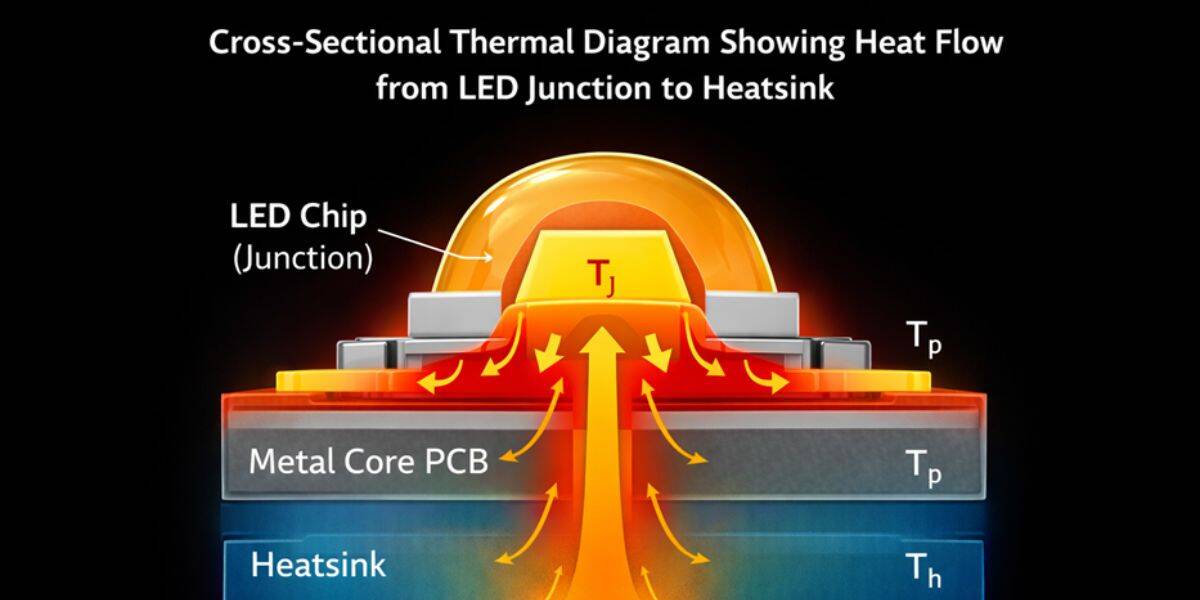
Ciepło jest najbardziej Krytyczny czynnik dla niezawodności LED. Wysokie temperatury przyspieszają amortyzację prześwitu i zmniejszają żywotność.
Kluczowe strategie:
- PCB z rdzeniem aluminiowym poprawiają rozpraszanie ciepła.
- Przelotki termiczne pod diodami LED przenoszą ciepło do większych płaszczyzn miedzianych.
- Radiatory i TIM są niezbędne do zastosowań o dużej mocy.
- Prawidłowy odstęp między diodą zapobiega podgrzewaniu punktów i zapewnia równomierny rozkład temperatury.
Częste problemy z SMT i lutowanie
| ukazanie | poczynić | Rozwiązanie |
| tombstonowanie | Nierównomierne napięcie powierzchniowe podczas rozpływu | Dostosuj objętość pasty lutowniczej i profil |
| Mostowanie lutowane | Nadmiar lutowania, niewspółosiowe podkładki | Zmniejsz osadzanie pasty, popraw szablon |
| Zimne złącza lutownicze | Słabe zwilżanie, niska temperatura | Optymalizuj profil rozpływu i typ lutowania |
| puąk | uwięzione powietrze lub strumień | Użyj pasty o niskiej zawartości, odpowiedni przepływ |
Najlepsze praktyki dotyczące niezawodnego montażu LED PCB
Projektowanie dla produkcyjności (DFM): Wyrównaj podkładki, ślady i ścieżki termiczne z możliwościami SMT.
- Użyj wysokiej jakości pasty lutowniczej: Stop o niskiej zawartości, spójny z odpowiednim strumieniem.
- Kontrolowany profil rozpływu: Zapobiegaj przegrzaniu i szybkiemu chłodzeniu.
- Inspekcja: AOI, rentgen i kontrole ręczne.
- Obsługa: Zminimalizuj naprężenia mechaniczne podczas transportu i montażu.
- Projekt termiczny: PCB z rdzeniem metalowym, przelotki termiczne i radiatory.
- Znormalizowane procesy: Dokumentacja zapewnia powtarzalność.
Studium przypadku: moduł LED o dużej mocy
Moduł LED przemysłowy o wysokim zatoce doświadczył częstych awarii złączy lutowanych z powodu cyklu termicznego.
Ulepszenia wdrożone:
- Przełączono na PCB z rdzeniem aluminiowym.
- Zoptymalizowane osadzanie pasty lutowniczej.
- Kontrolowane profile rozpływu.
- Dodano przelotki termiczne pod diodami LED.
Wyniki:
- 30% redukcja wad złącza lutowanego.
- Poprawiona konserwacja światła po 5000 godzin pracy.
Pojawiające się trendy w montażu LED PCB
- Stopy lutownicze w niskiej temperaturze zmniejszają naprężenia termiczne.
- Lutowanie bezołowiowe zapewnia zgodność z przepisami bez zmniejszania niezawodności.
- Inspekcja wspomagana przez AI wykrywa defekty szybciej niż tradycyjne metody.
- Zaawansowane materiały PCB o wysokiej przewodności cieplnej poprawiają rozpraszanie ciepła.
- Symulacje termiczne 3D przewidują hotspoty przed produkcją.
Dodatkowe wskazówki dla producentów
- Użyj oprogramowania do projektowania szablonów do precyzyjnego osadzania pasty lutowniczej.
- Przeprowadź symulacje termiczne, aby zapobiec hotspota przed produkcją.
- Regularnie kalibruj maszyny typu pick-and-place.
- Utrzymuj kontrolowaną wilgotność i temperaturę w miejscach montażu.
- Używaj powłok ochronnych dla środowisk o wysokiej wilgotności.
Wniosek
Niezawodność LED PCB zależy od jakości montażu SMT, integralności złącza lutowanego i zarządzania termicznego. Właściwe zaprojektowanie, lutowanie i kontrola procesu zapobiegają awariom, zwiększają wydajność i wydłużają żywotność LED. Producenci, którzy wdrażają zoptymalizowane układy, wysokiej jakości lutowanie i zaawansowane strategie termiczne, osiągają niezawodne, długotrwałe systemy LED o stałej mocy świetlnej.
W przypadku wysokowydajnych, trwałych rozwiązań LED, zaufanie sygnowane dla profesjonalnie zaprojektowanych zespołów LED PCB. Skupiamy się na optymalizacji SMT, precyzyjnym lutowaniu i zaawansowanym zarządzaniu termicznym, aby zapewnić niezawodne oświetlenie.
Kontakt SignOlited dzisiaj Aby poprawić jakość produktu, zmniejszyć awarie i zapewnić doskonałą wydajność LED.
Najczęściej zadawane pytania
Powiązane posty