Polski
  English
  简体中文
简体中文  Deutsch
  Español
  Français
  Italiano
  日本語
日本語  한국어
한국어  Português
  Русский
  Türkçe
  Nederlands
  Tiếng Việt
  ไทย
ไทย 
Jeśli chcesz naprawdę profesjonalnego, bezkropkowego oświetlenia liniowego, użycie odpowiedniego kanału LED nie jest opcjonalne — jest to niezbędne. Kanał LED bezpośrednio określa rozpraszanie ciepła, dyfuzję światła, komfort wizualny i długoterminową niezawodność systemu oświetlenia taśmy LED. Bez niego nawet wysokiej jakości taśmy LED mogą cierpieć z powodu olśnienia, widocznych gorących punktów i przyspieszonej amortyzacji światła spowodowanego słabą kontrolą termiczną.
Wiele problemów z oświetleniem obwinianych na paski LED jest w rzeczywistości wynikiem pomijania aluminiowego kanału LED. Gdy taśma LED jest instalowana bezpośrednio na drewnie, płytach gipsowo-kartonowych lub plastikowych powierzchniach, ciepło szybko gromadzi się, a światło pozostaje ostre i nierówne. Dobrze zaprojektowany system kanałów LED rozwiązuje te problemy, działając zarówno jako radiator, jak i optyczna obudowa sterowania, zamieniając surowe taśmy LED w wyrafinowane oświetlenie architektoniczne.
W tym przewodniku dowiesz się, jak wybrać odpowiedni kanał LED dla różnych aplikacji, zrozumieć krytyczne zasady rozmiaru, porównać opcje dyfuzora i zastosować praktyczne wskazówki dotyczące zakupu. Niezależnie od tego, czy określasz projekt, czy planujesz zakup systemów kanałów LED do instalacji, te zasady pomogą Ci osiągnąć spójne, nieskazitelne oświetlenie liniowe. Galeria inspiracji: Najlepsze zastosowania profili aluminiowych LED
Co to jest kanał LED i dlaczego go potrzebujesz?
Definicja techniczna i funkcja podstawowa
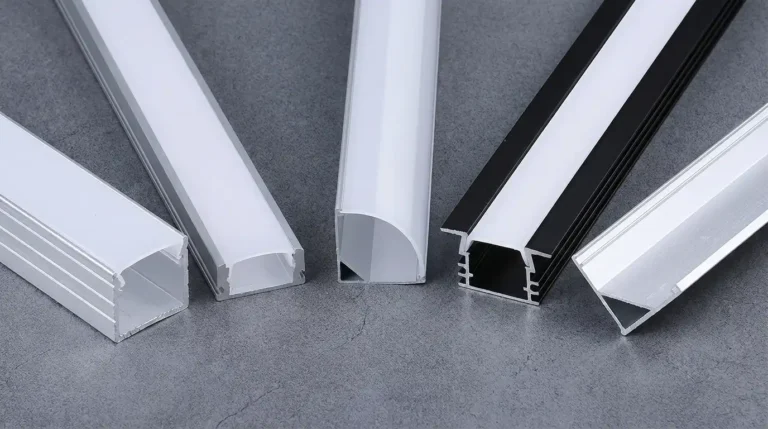
Kanał LED (nazywany również kanałem taśmy LED lub profilem aluminiowym LED) to sztywny system obudowy przeznaczony do montażu, ochrony, chłodzenia i wizualnego udoskonalenia taśm LED. Zwykle składa się z wytłaczanego aluminiowego korpusu, pokrywy dyfuzora i akcesoriów montażowych, takich jak zaciski i zaślepki.
W profesjonalnych zastosowaniach oświetleniowych kanał LED nie jest akcesorium — jest podstawowym elementem systemu. Przekształca odsłoniętą taśmę LED w kontrolowane, trwałe i zintegrowane architektonicznie rozwiązanie oświetlenia liniowego.
Rozpraszanie ciepła: podstawa długowieczności LED
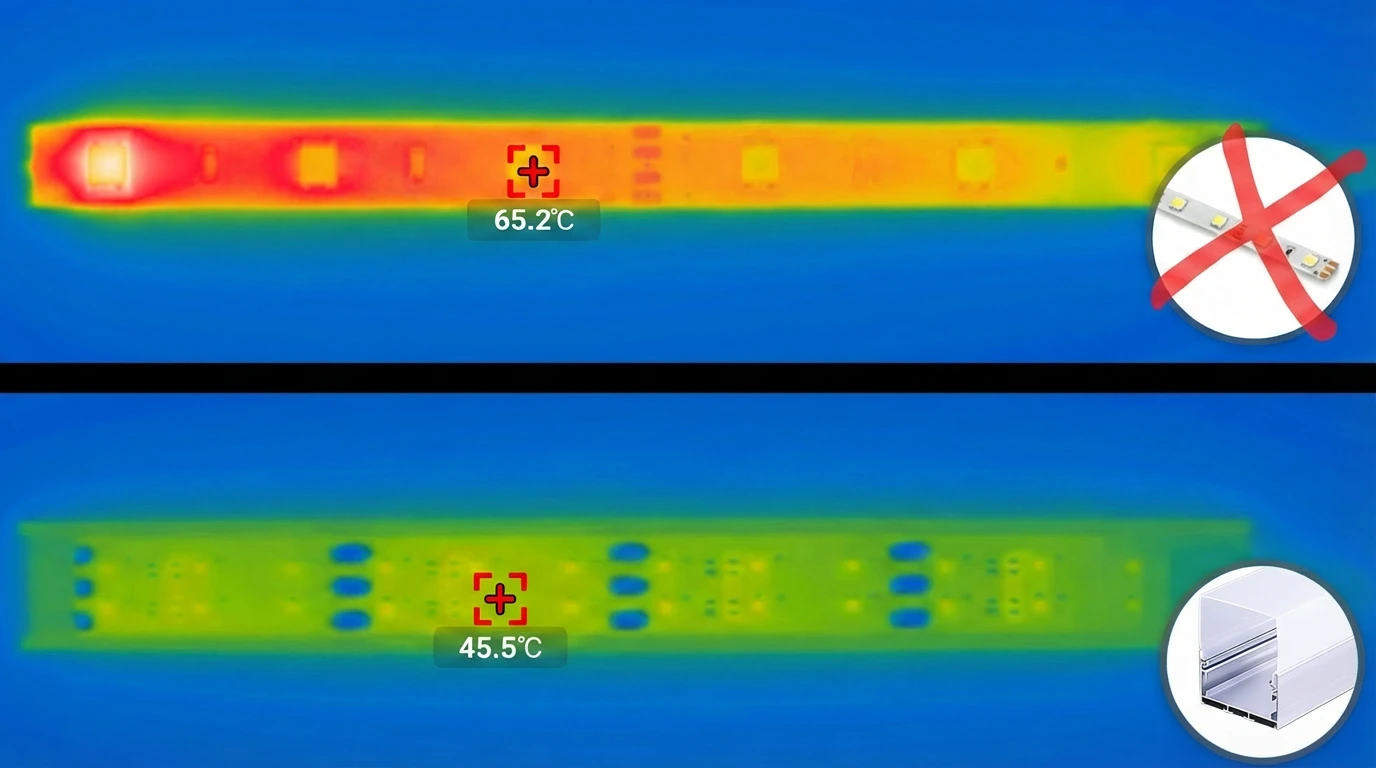
Taśmy LED generują ciepło na poziomie PCB. Bez efektywnego zarządzania termicznego temperatura złącza wzrasta, co prowadzi do szybszej amortyzacji prześwitu i przedwczesnej awarii. Aluminiowy kanał LED rozwiązuje to, działając jako pasywny radiator. Aluminium ma wysoką przewodność cieplną (około 205 W/m·K), co znacznie przewyższa materiały z tworzyw sztucznych.
Gdy taśma LED jest zainstalowana wewnątrz aluminiowego kanału LED, ciepło rozprzestrzenia się wzdłuż wytłaczania i rozprasza się w otaczającym powietrzu. Obniża to temperaturę roboczą i poprawia konserwację światła. Wysokiej jakości paski LED stosowane z aluminiowymi kanałami LED mogą przekroczyć 50 000 godzin (L70), podczas gdy paski zamontowane bezpośrednio na powierzchniach drewnianych lub z tworzywa sztucznego mogą ulec nawet o 30 procent szybszemu rozpadowi światła.
Inżynieria na wynos: Aluminiowy kanał LED to urządzenie do zarządzania termicznego, które bezpośrednio wydłuża żywotność LED i stabilizuje wydajność systemu.
Wydajność bez punktów: zamiana punktów w linie
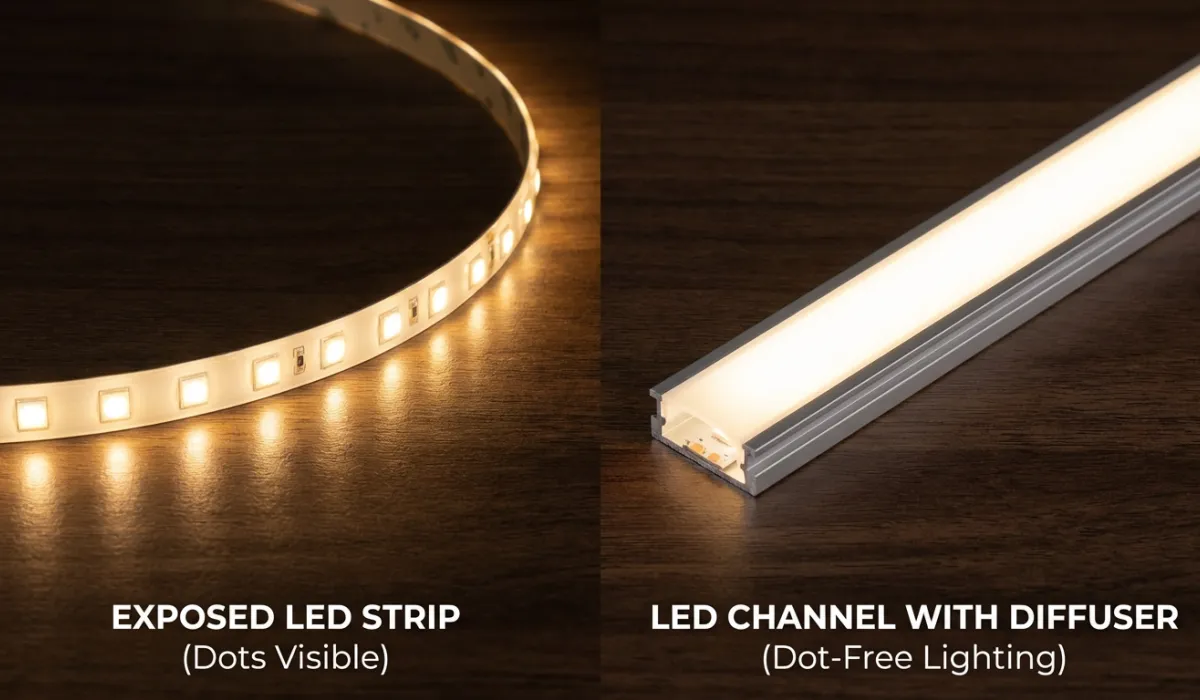
Surowe paski LED wytwarzają dyskretne punkty światła, ponieważ poszczególne diody są rozmieszczone wzdłuż płytki drukowanej. Bez kontroli optycznej tworzy to widoczne hotspoty, szczególnie w płytkich lub bezpośrednich instalacjach.
Kanał LED poprawia jednorodność wizualną poprzez dyfuzję optyczną:
- Głębokość kanału zwiększa odległość między źródłem LED a dyfuzorem
- Dyfuzor rozprzestrzenia się i miesza emitowane światło
- Rezultatem jest ciągły efekt liniowy zamiast widocznych kropek LED
Ta kontrola optyczna ma kluczowe znaczenie dla zastosowań takich jak zatoczki architektoniczne, odsłonięcia sufitowe, wypas ścienny i wysokiej klasy oświetlenie szafek.
Bez odpowiedniego rozmiaru kanału LED i dyfuzora uzyskanie naprawdę nieskazitelnego oświetlenia liniowego jest niezwykle trudne, nawet przy użyciu pasków LED o dużej gęstości.
Ochrona i integracja architektoniczna
Poza wydajnością termiczną i optyczną kanał LED zapewnia ochronę mechaniczną i wspiera czyste detale architektoniczne.
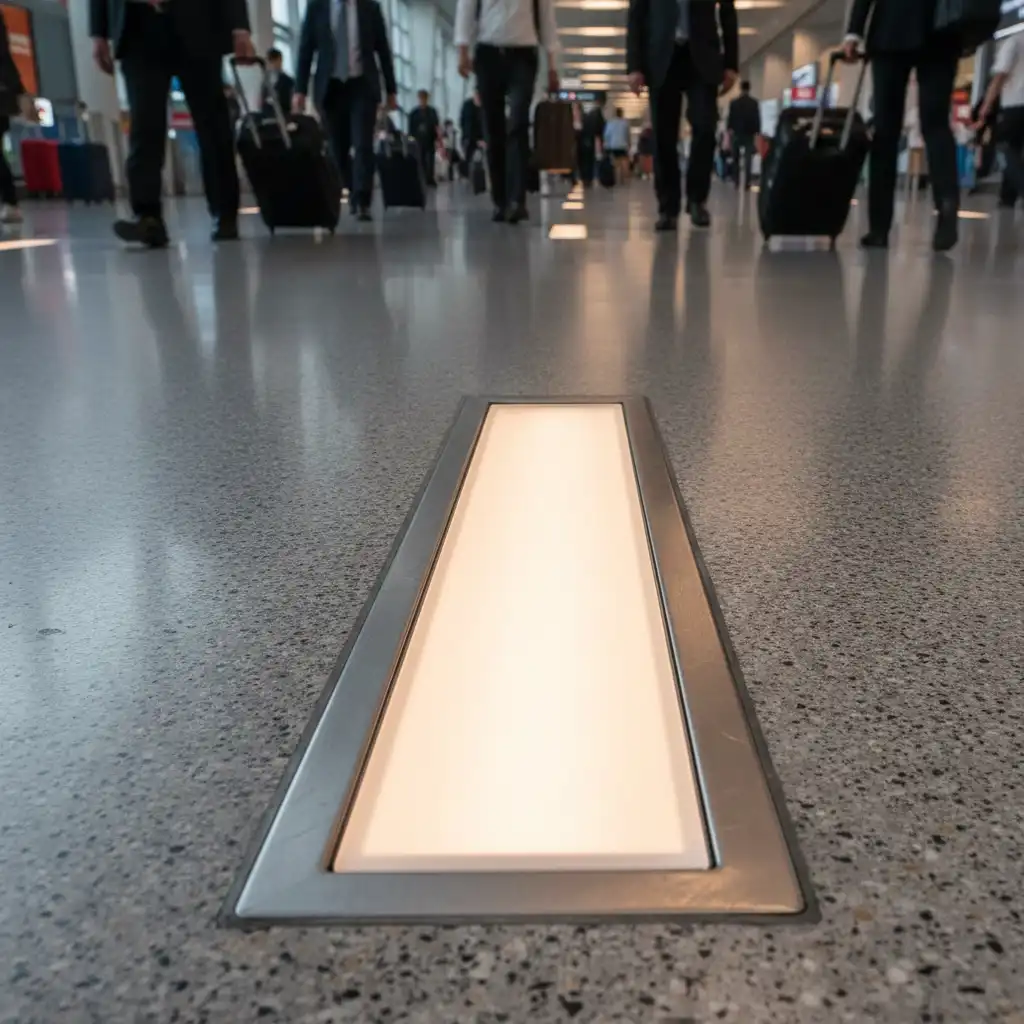
Ochrona fizyczna
• Osłony taśmy LED przed kurzem, uderzeniem i przypadkowym kontaktem
• Zapobiega zginaniu PCB i naprężeniu złącza lutowanego
• Wydłuża żywotność w środowiskach komercyjnych i o dużym natężeniu ruchu
Wykończenie architektoniczne
• Tworzy proste, czyste linie świetlne
• Ukrywa okablowanie i montaż niedoskonałości
• Umożliwia wpuszczone, bezproblemowe i bezszwowe szczegóły oświetlenia
Dla projektantów i inżynierów kanał LED działa zarówno jako element oświetleniowy, jak i element konstrukcyjny, łącząc systemy elektryczne i wykończenia architektoniczne.
Aluminium vs. Plastikowe kanały LED (dlaczego materiał ma znaczenie)
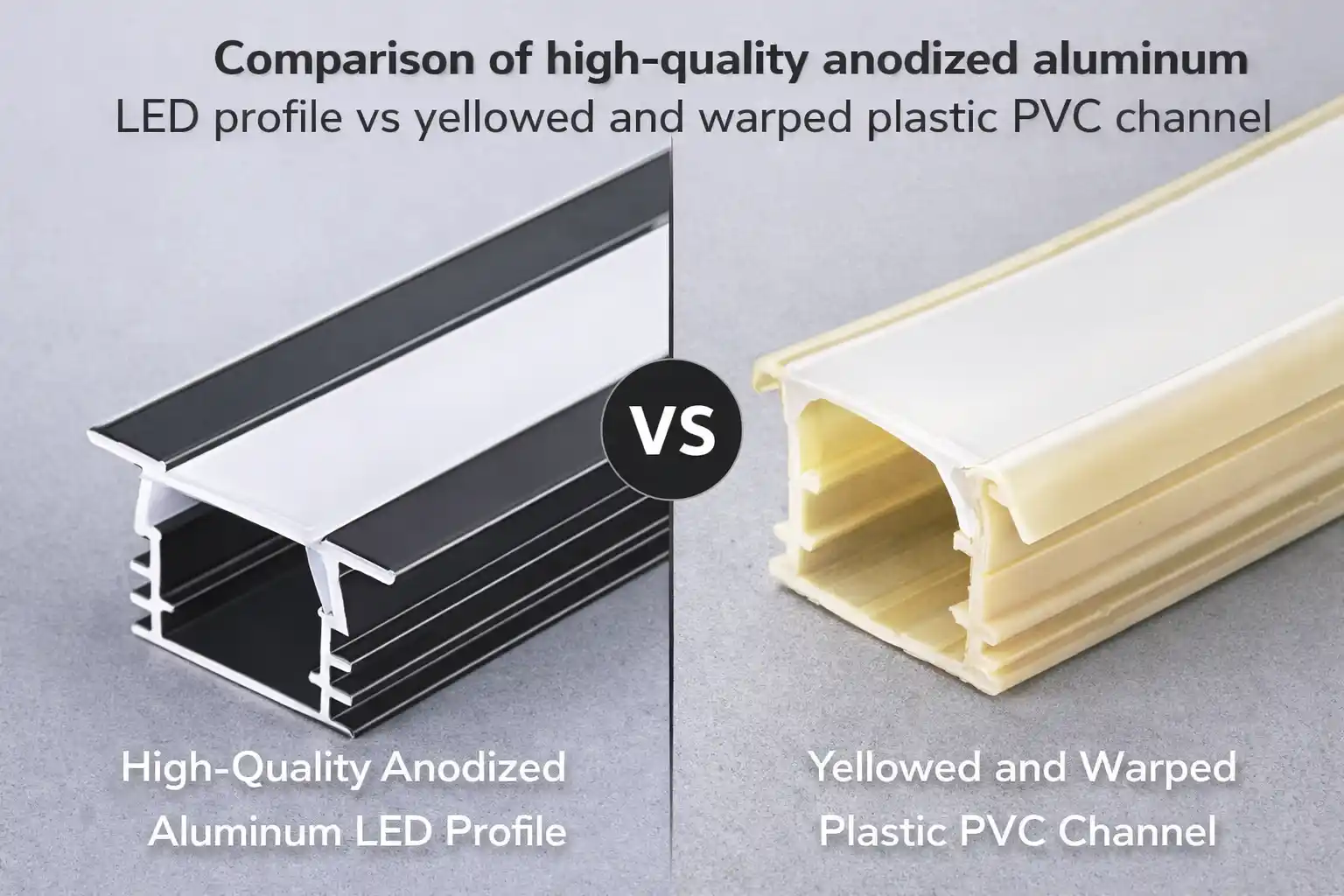
| Cecha | Aluminiowe kanały LED | Kanały z tworzywa sztucznego / P |
| Zarządzanie termiczne | Doskonałe odprowadzanie ciepła, stabilizuje temperaturę LED | Słabe przenoszenie ciepła, zatrzymuje ciepło |
| Trwałość | Sztywna, odporna na uderzenia, odporna na ciepło | Może z czasem się wypaczać, pękać lub odbarwiać |
| Konserwacja światła | Obsługuje długoterminową stabilność jasności | Nagromadzenie ciepła przyspiesza utratę światła |
| Jakość estetyczna | architektoniczne, profesjonalne wykończenie | często wygląda tymczasowo lub nisko-end |
Plastikowe kanały LED mogą być dopuszczalne do krótkotrwałego lub dekoracyjnego zastosowania, ale aluminiowe kanały LED są standardem branżowym dla oświetlenia architektonicznego, komercyjnego i o wysokiej wydajności, gdzie wydajność i długowieczność mają kluczowe znaczenie.
Rodzaje kanałów LED (według metody instalacji)
Wybór odpowiedniego kanału LED zależy od tego, jak zostanie zintegrowany z przestrzenią. Metoda instalacji bezpośrednio wpływa na wydajność termiczną, dyfuzję światła, kontrolę oślepiania i złożoność konstrukcji. Trzy podstawowe kategorie to montowane na powierzchni, wpuszczane (w tym beztrymowe) oraz narożne lub kątowe kanały LED.
Natynkowe kanały taśmowe LED
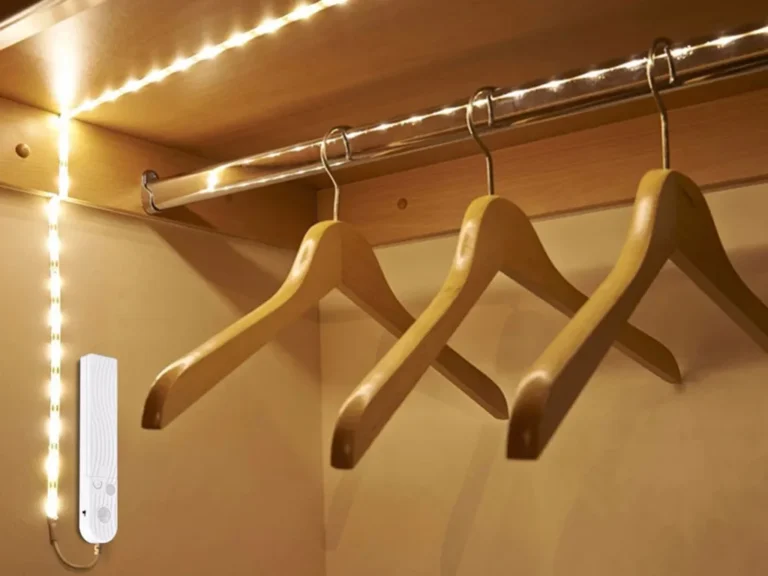
Kanały LED montowane na powierzchni są najbardziej wszechstronne i szeroko stosowane. Zainstalowane bezpośrednio na wykończonych powierzchniach, takich jak drewno, szafki, metal lub mur, są idealne do projektów modernizacyjnych i oświetlenia zintegrowanego z meblami. Typowe zastosowania obejmują oświetlenie pod szafą, oświetlenie półkowe i oświetlenie zadań.
Kluczowym czynnikiem technicznym jest wysokość kanału, która wpływa na mieszanie optyczne i widoczność DOT.
| Wysokość kanału | Typowy zakres | Efekt optyczny | Zalecane użycie |
| Niski profil | 7–10 mm | Minimalna odległość od diody LED do dyfuzora; wyższe ryzyko widocznych kropek | Akcenty dekoracyjne, paski o niskiej wydajności |
| Profil standardowy | 12–15 mm | Ulepszone mieszanie światła i kontrola olśnienia | Ogólne zadanie i oświetlenie architektoniczne |
| Głęboki profil powierzchni | 16–20+ mm | Doskonała dyfuzja i zmniejszona widoczność hotspotu | Taśmy LED o wysokiej gęstości lub COB |
Głębsze kanały LED zapewniają lepsze rozłożenie światła i bardziej jednorodne wyjście, co ma kluczowe znaczenie dla zmniejszenia widocznych punktów LED w instalacjach z bezpośrednim widokiem.
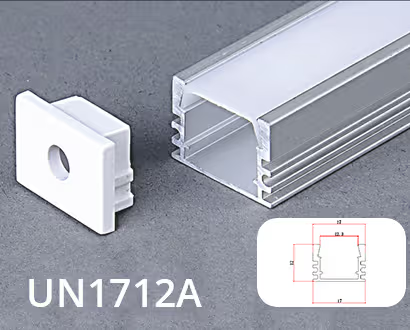
Profil aluminiowy do montażu powierzchniowego
Waga: 0,141 kg
Grubość: 0,8 mm
Kolor komputera: mlecznobiały
Rozmiar: L1000*W17*H12mm
Zaślepki/klipsy: 1para/m
Kolor aluminium: srebrny/czarny
Wpuszczane i beztryczne kanały LED z taśmą LED
Wpuszczane kanały LED są instalowane równo z otaczającymi materiałami budowlanymi, tworząc czysty, zintegrowany efekt świetlny. Bezproblemowe, zwane również kanałami LED z tynkiem, całkowicie eliminuje widoczne krawędzie i tworzy bezproblemowe „otwory na światło”, dzięki czemu idealnie nadają się do projektów architektonicznych z najwyższej półki. Kanały te są zazwyczaj osadzone w sufitach gipsowo-kartonowych lub zespołach ściennych.
| Cecha | Kanał wpuszczany | Kanał trymowany / gipsowy |
| Etap instalacji | Po wycięciu powierzchniowym | Przed końcowym tynkiem i wykończeniem |
| Widoczna ramka | Widoczna cienka krawędź wykończ | Brak widocznego wykończenia po zakończeniu |
| Efekt estetyczny | Czysty, ale zdefiniowany otwór | Bezszwowy efekt „światła” |
| Wymagania umiejętności | Umiarkowany | Wysoka (wymaga precyzji wykańczania płyt kartonowo-gipsowych) |
| Typowe zastosowania | Sufity, otwory ścienne, szafki | Luksusowe mieszkania, hotele, galerie |
Głębsze wpuszczane kanały LED są często łączone z paskami LED o wysokiej gęstości, aby poprawić mieszanie optyczne i uzyskać nieskazitelne oświetlenie liniowe.
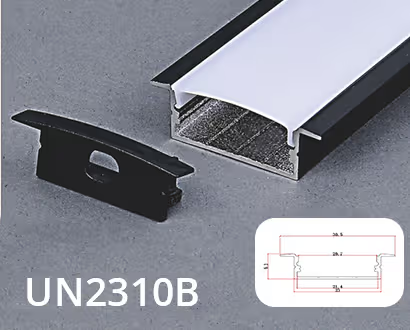
Wpuszczany profil aluminiowy
Waga: 0,102 kg
Grubość: 0,8 mm
Kolor komputera: mlecznobiały
Rozmiar: L1000*w23*H10mm
Zaślepki/klipsy: 1para/m
Kolor aluminium: srebrny/czarny
Narożne i 45° kanały taśmowe LED
Narożne i 45-stopniowe kanały LED są zaprojektowane tak, aby wysuwać światło po przekątnej, dzięki czemu idealnie nadają się do oświetlenia pośredniego, gdzie spotykają się pionowe i poziome powierzchnie. Przesuwając kąt wiązki, zmniejszają odblaski i poprawiają rozsys światła na sąsiednich powierzchniach. Typowe zastosowania obejmują narożniki szafek, szczegóły schodów, półki ekspozycyjne i przejścia w zatokach.
| Miejsce instalacji | Cel oświetlenia | Przewaga wydajności |
| Pod szafkami (tylny narożnik) | Oświetlenie zadań na blacie | Kieruje światło na zewnątrz, redukuje cienie backsplash |
| Połączenie sufitowe z ścianą | Oświetlenie pośrednie otoczenia | Tworzy efekt miękkiego mycia ścian |
| Narożniki półki przednie | Oświetlenie wyświetlacza | Równomiernie oświetla obiekty pionowe |
| Narożniki schodów i schodów | Bezpieczeństwo i akcentowanie oświetlenia | Poprawia widoczność bez bezpośredniego olśnienia |
Narożne kanały LED zwiększają postrzeganą jasność i komfort wizualny bez zwiększania mocy, co czyni je skutecznymi w projektowaniu oświetlenia warstwowego. Instrukcja instalacji: Mastering 45° narożne profile aluminiowe LED.
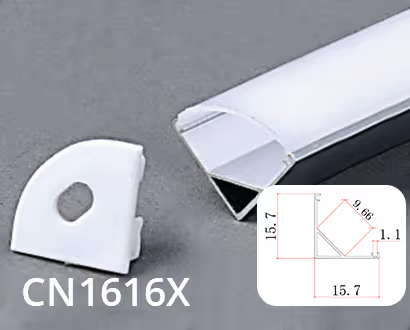
Narożne profile aluminiowe
Waga: 0,093 kg
Grubość: 0,8 mm
Kolor komputera: mlecznobiały
Rozmiar: L1000*w16*H16mm
Zaślepki/klipsy: 1para/m
Kolor aluminium: srebrny/czarny
Przegląd porównania typów instalacji
Metoda instalacji kanału LED wpływa zarówno na wymagania konstrukcyjne, jak i na wydajność optyczną. Poniższe podsumowanie pomaga uprościć decyzje dotyczące specyfikacji.
| Typ kanału | Metoda montażu | Styl wizualny | Typowa głębokość | Najlepsze dla | Złożoność instalacji |
| montowany powierzchniowo | przymocowane do gotowej powierzchni | Widoczna liniowa opraw | Płytki do głębokiego | Szafy, półki, modernizacje | Niski |
| wcale | zainstalowany w szczelinie wyciętej | spłukany, zintegrowany | Średnio-głęboka | sufity, ściany, młyna | Średni |
| trymowanie / gips | Osadzone przed zakończeniem | Bezszwowe gniazdo architekton | Średnio-głęboka | Luksusowe projekty architekton | Wysoki |
| Narożnik / 45° | Montowane pod kątem wewnętrznym | Pośrednie, kątowe światło | Płytki do średniego | Pod szafkami, zatoczki, wyświetlacze | Niski do średniego |
Wybór odpowiedniego typu kanału LED zapewnia wyrównanie systemu oświetlenia z ograniczeniami konstrukcyjnymi i pożądanym efektem wizualnym.
Rozmiary kanałów LED: Wyjaśnienie szerokości, głębokości i długości
Rozmiar kanału LED jest kluczowym czynnikiem w projektowaniu oświetlenia liniowego. Wybór niewłaściwych wymiarów może prowadzić do widocznych gorących punktów, przegrzania i zmniejszenia wydajności oświetlenia. Właściwe dopasowanie zapewnia dopasowanie mechaniczne, stabilne zachowanie termiczne i płynną dyfuzję optyczną.
W tej sekcji wyjaśniono, jak wybrać odpowiednią szerokość, głębokość i długość dla profesjonalnej instalacji kanału LED.
Zasada szerokości wewnętrznej
Przy określaniu kanału LED najważniejszym wymiarem jest wewnętrzna szerokość użytkowa, a nie rozmiar zewnętrznego profilu. To określa, czy pasek LED pasuje prawidłowo i czy jest odpowiednie miejsce na okablowanie, złącza lutowane i złącza.
Praktyczna zasada inżynierska polega na umożliwieniu odstępu po obu stronach taśmy LED.
Zalecane wytyczne:
Szerokość wewnętrznego kanału LED = taśma LED szerokość PCB + 1–2 mm
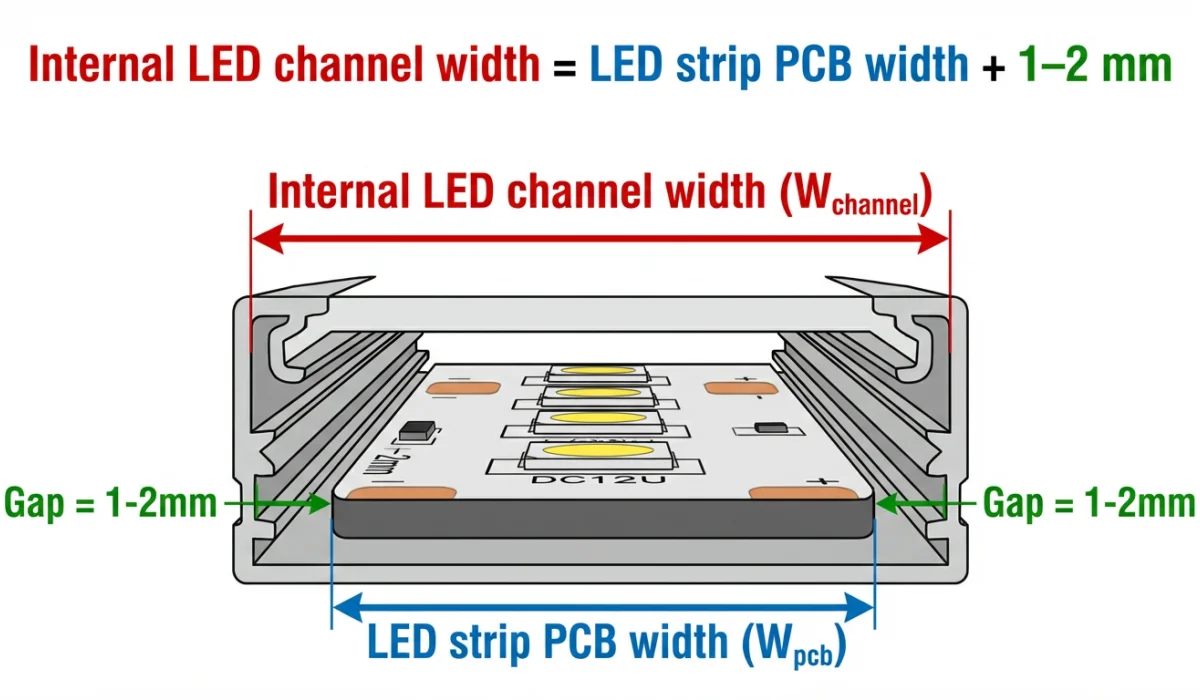
Ta dodatkowa przestrzeń zapobiega kompresji, zmniejsza obciążenie na klockach lutowniczych i upraszcza instalację.
| Szerokość taśmy LED taśmy LED | Minimalna szerokość kanału wewnętrznego | notatki |
| 8 mm | 10 mm | Nadaje się do jednorzędowych pasków SMD |
| 10 mm | 12 mm | Wspólne dla pasków o dużej gęstości 2835 lub 5050 |
| 12 mm | 14 mm | Zalecany do pasków RGB lub wyższych pasów zasilania |
| 16 mm | 18–20 mm | Potrzebne do pasków z szerokimi kolbami lub podwójnymi rzędami |
Niewymiarowe kanały LED ograniczają przepływ powietrza i zatrzymują ciepło, zmniejszając długoterminową niezawodność.
Głębia vs. Skok LED: Formuła nieskazitelnego oświetlenia
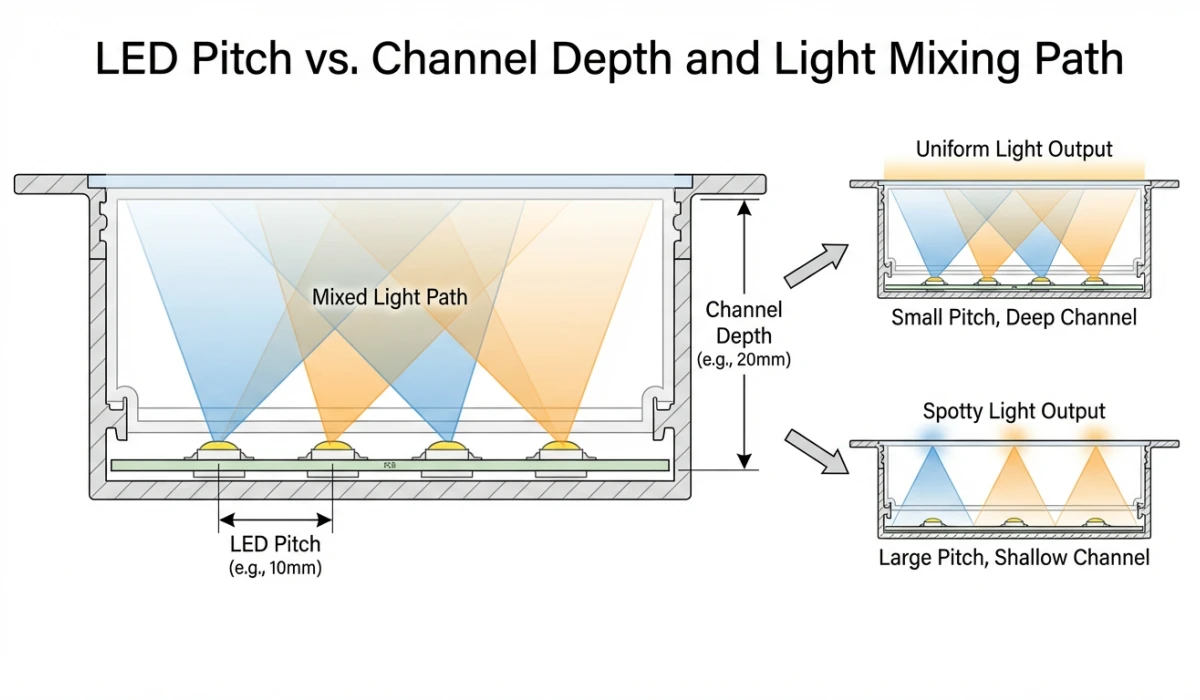
Głębokość kanału LED jest głównym czynnikiem dyfuzji światła. Większa głębokość zwiększa odległość między źródłem LED a dyfuzorem, umożliwiając bardziej efektywne wtapianie się światła. Aby uzyskać wydajność bez punktów z mlecznym dyfuzorem, głębokość kanału powinna być równa lub większa niż skok LED.
| Gęstość diod LED | ok. boisko LED | Zalecana minimalna głębokość kanału |
| 60 diod LED/m | ~16,6 mm | 16 mm lub głębszy |
| 120 diod LED/m | ~8,3 mm | 12 mm lub głębszy |
| 180 diod LED/m | ~5,5 mm | 10 mm lub głębszy |
| Taśma LED COB | ciągła warstwa fosforowa | 8–10 mm zazwyczaj wystarcza |
Płytkie kanały LED zwiększają ryzyko widocznych hotspotów, zwłaszcza w przypadku taśm LED o dużej gęstości.
Płytkie vs. głębokie kanały: kompromisy wydajnościowe
Głębsze kanały LED poprawiają jednorodność światła, ale wymagają większej przestrzeni instalacyjnej. Wybór zależy od oczekiwań wizualnych i ograniczeń konstrukcyjnych.
| Głębokość kanał | Zalety | Ograniczenia | Najlepsze aplikacje |
| Płytki (7–10 mm) | Smukły wygląd, pasuje do ciasnych przestrzeni | Większe ryzyko widocznych kropek | Ukryte zatoczki, oświetlenie pośrednie |
| Średni (12–15 mm) | Dobra dyfuzja, zrównoważony design | Nieco bardziej widoczny profil | Szafy, półki, ogólne zastosowanie architektoniczne |
| Głęboki (16–25+ mm) | Doskonałe tłumienie hotspot, zmniejszone odblaski | Wymaga większej głębokości instalacji | Oświetlenie architektoniczne premium, paski COB |
Tam, gdzie kanał LED jest bezpośrednio widoczny, głębsze profile znacznie poprawiają komfort wizualny i postrzeganą jakość światła.
Standardowe długości i względy inżynieryjne
Kanały LED są produkowane w standardowych długościach, a wybór odpowiedniego rozmiaru poprawia wyrównanie i wydajność instalacji.
| Długość standardowa | powszechne użycie | notatki |
| 1 metr | Projekty detaliczne i DIY | Łatwa obsługa i wysyłka |
| 2 metry | Komercyjne i lekkie komercyjne | Mniej stawów, czystsze linie |
| 3 metry | Projekty architektoniczne | Zmniejsza punkty połączeń |
| 8 stóp (94 cali) | Komercyjne projekty w Ameryce Północnej | Dopasowuje wspólny odstęp między modułami budowlanymi |
Dłuższe kanały LED zmniejszają liczbę połączeń, poprawiając ciągłość wizualną i wytrzymałość mechaniczną. Jednak instalatorzy muszą rozważyć rozszerzalność cieplną i pozostawić niewielką przerwę między sekcjami.
Szerokość, głębokość i wydajność termiczna
Wymiary kanału LED również wpływają na zachowanie termiczne. Szersze i głębsze profile aluminiowe zapewniają większą powierzchnię do rozpraszania ciepła, pomagając utrzymać niższe temperatury złącza i lepszą konserwację światła. Niewymiarowe kanały LED mogą zatrzymywać ciepło, przyspieszając zanikanie światła i skracanie żywotności systemu. Właściwy rozmiar zapewnia zatem wydajność optyczną, kontrolę olśnienia i długoterminową niezawodność, zamieniając prostą taśmę LED w profesjonalny liniowy system oświetlenia.
Dyfuzory mają znaczenie: jasne vs mleczne vs czarne okładki
Dyfuzor jest podstawowym elementem sterowania optycznego w systemie kanałów LED. Podczas gdy aluminiowy kanał LED zarządza ciepłem i strukturą, dyfuzor określa sposób widzenia światła — wpływając na jasność, odblaski, miękkość i czy kropki LED pozostają widoczne. Wybór niewłaściwego dyfuzora kanałowego może skutkować ostrym światłem, widocznymi punktami zapalnymi lub obniżonym komfortem wizualnym, nawet jeśli rozmiar kanału jest prawidłowy.
Nawiewniki są zaprojektowane tak, aby zrównoważyć transmisję światła i dyfuzję, a każdy typ służy do innego celu oświetleniowego.
| Typ dyfuzora | Transmisja światła | Efekt wizualny | Najlepsze dla |
| wykarczować | ~90–95% | Maksymalna jasność, kropki LED często widoczne | Oświetlenie pośrednie, ukryte zatoczki, ukryte kanały |
| Mleczny (opal) | ~70–75% | Miękki, jednolity, lekki wygląd, bez kropek | Pod szafką, półki, otwory ścienne, ogólne oświetlenie architektoniczne |
| Czarny (dym) | ~30–45% | Kanał wygląda na ciemny, gdy jest wyłączony, subtelny blask, gdy jest włączony | Wysokiej klasy handel detaliczny, hotelarstwo, kino, minimalistyczne wnętrza |
Wyczyść dyfuzory przedkładają wyjście nad miękkość i najlepiej nadają się tam, gdzie kanał LED jest ukryty przed bezpośrednim widokiem. Nawiewniki mleczne zapewniają najlepszą równowagę między wydajnością a komfortem wizualnym i są standardowym wyborem dla widocznego oświetlenia liniowego. Czarne dyfuzory skupiają się na estetyce, pomagając wizualnie znikać kanał LED, choć z obniżoną jasnością po oświetleniu.
Głębokie nurkowanie: Jak wybrać odpowiedni dyfuzor LED kanału (jasny vs. mleczny vs czarny)
Sprawy materialne: PC vs PMMA
Nawiewniki kanałowe LED są zazwyczaj wykonane z poliwęglanu (PC) lub akrylu (PMMA), a wybór materiału wpływa na trwałość i długotrwały wygląd.
Poliwęglan zapewnia wysoką odporność na uderzenia i lepszą tolerancję na ciepło, dzięki czemu nadaje się do instalacji kanałów LED o dużej mocy. Komputer stabilizowany promieniowaniem UV również odporny na żółknięcie w środowiskach zewnętrznych lub narażonych na działanie promieni słonecznych.
PMMA zapewnia doskonałą przejrzystość optyczną i płynną dyfuzję, ale może żółknąć szybciej przy długotrwałej ekspozycji na promieniowanie UV, chyba że specjalnie poddane leczeniu. W przypadku projektów architektonicznych i komercyjnych jakość materiału jest tak samo ważna jak kolor dyfuzora.
Wodoodporne i zewnętrzne kanały LED: co wiedzieć
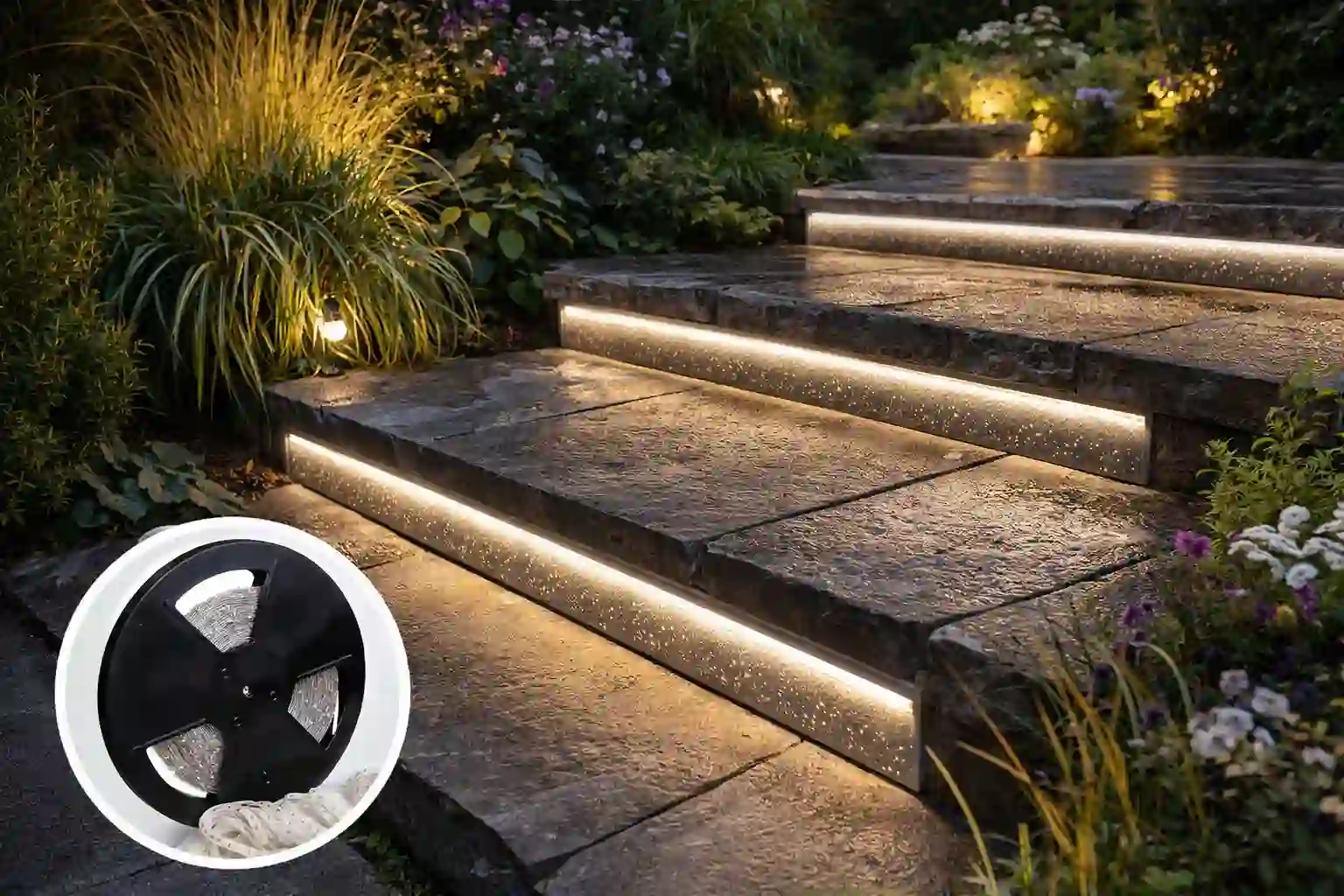
Wodoodporne i zewnętrzne kanały LED są niezbędne do ochrony liniowych systemów oświetlenia przed wilgocią, kurzem i trudnymi warunkami środowiskowymi przy zachowaniu wydajności termicznej i optycznej. Odpowiednio określony kanał LED nie tylko osłania taśmę LED przed wnikaniem wody, ale także zapewnia stabilne rozpraszanie ciepła w zmiennych temperaturach zewnętrznych. Zrozumienie metod hydroizolacji, ocen IP i trwałości materiału ma kluczowe znaczenie dla długoterminowej niezawodności.
Hydroizolacja strukturalna a hydroizolacja taśmowa
Hydroizolacja strukturalna odnosi się do uszczelnienia całego systemu kanałów LED w celu zablokowania wnikania wody. Obejmuje to użycie uszczelnionych zaślepek końcowych, uszczelek i neutralnego uszczelniacza silikonowego na wszystkich złączach i zakończeniach.
Wodoodporność taśmy odnosi się do samej taśmy LED powleczonej lub osłoniętej warstwą wodoodporną, zwykle o stopniu IP65 lub wyższej. Jednak nawet wodoodporna taśma LED może ulec awarii, jeśli zostanie zainstalowana w nieszczelnym kanale LED, w którym może się gromadzić woda.
W przypadku instalacji zewnętrznych zarówno taśma LED, jak i obudowa kanału LED należy traktować jako część jednego wodoodpornego systemu, szczególnie w środowiskach z silnym deszczem, wilgocią lub nasłoneczką.
Wybór odpowiedniej oceny IP dla zewnętrznych kanałów LED
Ochrony przedostania się (IP) wskazują, jak dobrze system kanałów LED jest odporny na kurz i wodę. Wybór prawidłowej oceny zależy od środowiska instalacji.
| Stopień ochrony IP | Poziom ochrony | Nadaje się dla |
| IP65 | Pyłowe i odporne na dysze wody | Ściany zewnętrzne, fasady i obszary narażone na deszcz |
| IP66 | Zabezpieczone przed silnymi strumieniami wody i kurzem szczelnymi | Mokre środowiska, takie jak fontanny i chodniki |
| IP67 | Zanurzanie do 1 metra przez 30 minut | Strefy o wysokiej wilgotności, w pobliżu basenów lub doków |
| IP68 | Nadaje się do ciągłego zanurzenia | Baseny, elementy wodne, oświetlenie architektoniczne podwodne |
Techniki instalacji wodoodpornych kanałów LED
Właściwa instalacja ma kluczowe znaczenie dla zachowania wodoodporności. Nawet kanał LED o wysokim IP może się nie udać, jeśli zostanie nieprawidłowo zmontowany.
• Użyj uszczelnionych zaślepek końcowych, aby zapobiec przedostawaniu się wody na zakończeniach kanału
• Nałóż neutralny uszczelniacz silikonowy utwardzający się wzdłuż połączeń i szwów
• Przeprowadź okablowanie przez wodoodporne skrzynki przyłączeniowe, aby uniknąć odsłoniętych połączeń
Dbałość o szczegóły podczas instalacji zapewnia, że system kanałów LED zachowuje swój poziom ochrony w czasie.
Materiały i odporność na promieniowanie UV dla zewnętrznych kanałów LED
Aluminiowe kanały LED są idealne do użytku na zewnątrz ze względu na ich wytrzymałość, odporność na korozję i doskonałe odprowadzanie ciepła. W przypadku miejsc narażonych na słońce kanały powinny być wyposażone w powłoki stabilizowane UV lub anodowane wykończenia, aby zapobiec przebarwieniu i degradacji powierzchni.
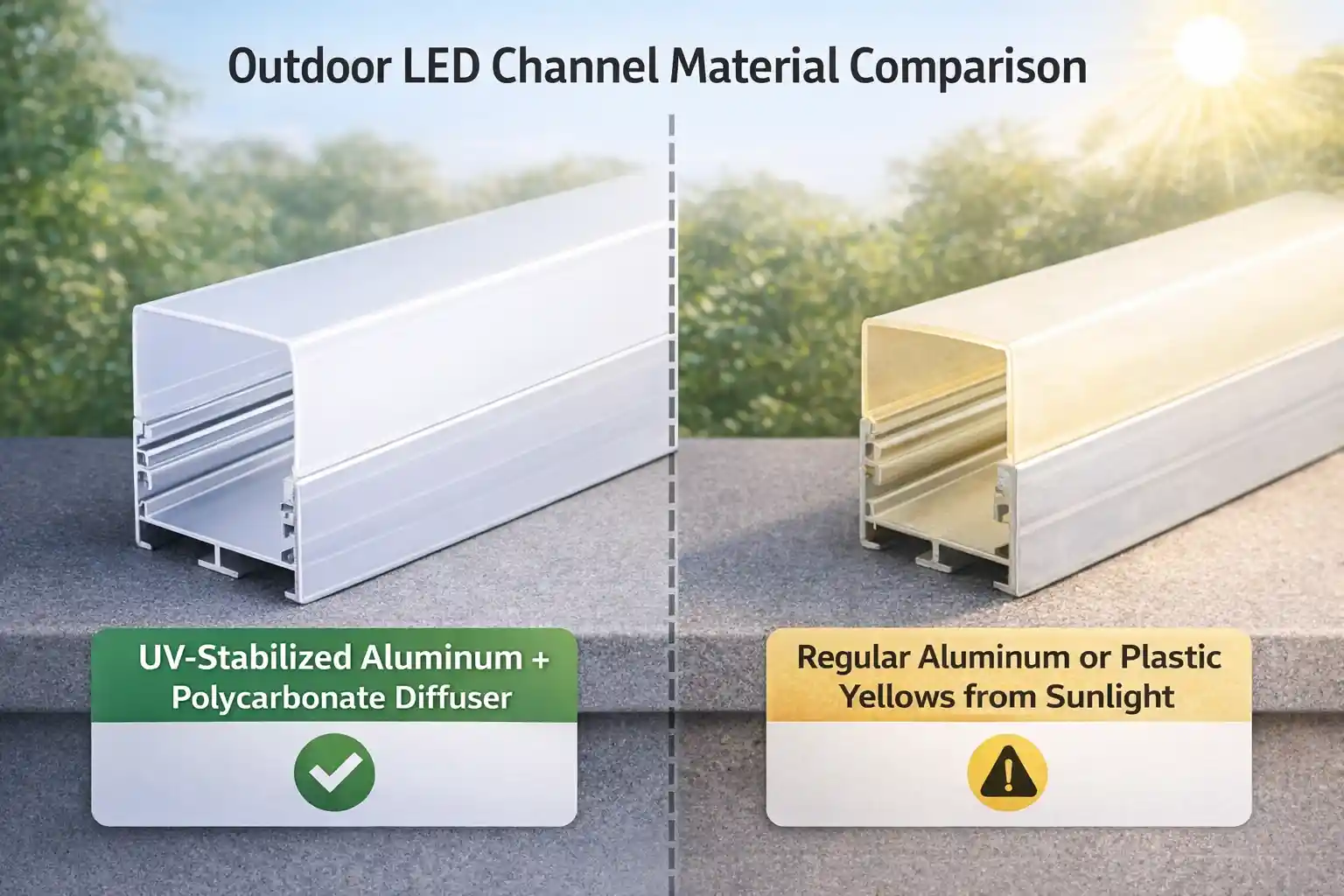
Dyfuzory stosowane w zewnętrznych kanałach LED powinny być również odporne na promieniowanie UV, zwykle wykonane z poliwęglanu stabilizowanego promieniowaniem UV, aby zapobiec żółknięciu i utracie przepuszczalności światła w czasie. Właściwy dobór materiału zapewnia utrzymanie zarówno wydajności, jak i wyglądu w wymagających środowiskach zewnętrznych.
Częste błędy przy zakupie kanałów LED
Wybór odpowiedniego kanału LED to coś więcej niż tylko wybór profilu, który „wygląda dobrze”. Specyfikacja i błędy instalacji mogą prowadzić do nierównej jasności, widocznych hotspotów, przegrzania i skrócenia żywotności systemu. Unikanie następujących błędów zapewnia niezawodne działanie systemu kanałów LED i zapewnia profesjonalne wyniki oświetlenia.
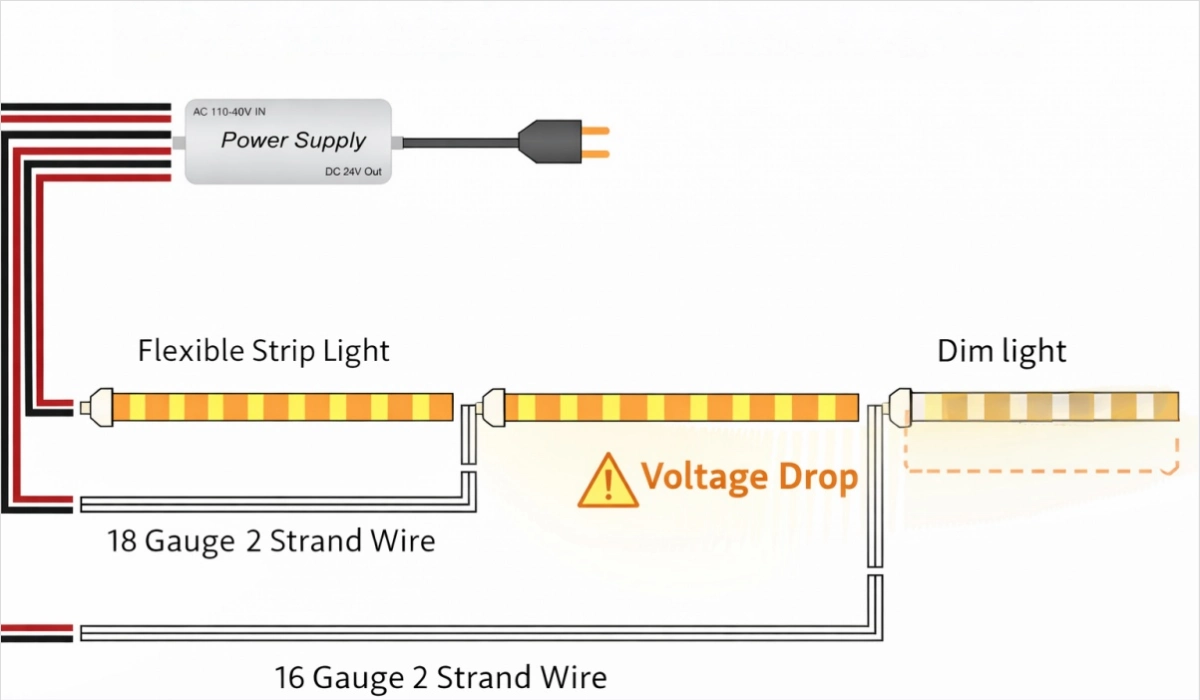
1. Ignorowanie spadku napięcia
W długich paskach LED (zazwyczaj powyżej 5-10 metrów) spadek napięcia może powodować ściemnianie i niespójną jasność. Nawet przy odpowiednio zwymiarowanym kanale LED słaba dystrybucja mocy wpływa na ogólną wydajność.
Użyj grubszych przewodów na długich dystansach, potwierdź, że zasilacz może obsłużyć pełne obciążenie i dodaj punkty wtrysku zasilania dla przebiegów powyżej 10 metrów, aby utrzymać stabilne oświetlenie.
2. Zaniedbanie zarządzania termicznego
Kanał LED jest również urządzeniem do zarządzania termicznego. Profile, które są zbyt płytkie lub wykonane z materiałów niskiej jakości, zatrzymują ciepło, przyspieszając amortyzację światła i zmniejszając żywotność LED.
Zawsze wybieraj aluminiowe kanały LED i dopasuj głębokość kanału, aby odgrabiać moc i gęstość. Głębsze profile są szczególnie ważne w przypadku taśm LED o dużej mocy, takich jak COB.
3. Przeoczenie głębokości kanału
Głębia kanału bezpośrednio wpływa na wydajność optyczną. Płytkie kanały LED mogą pozostawiać widoczne punkty LED, tworząc rozpraszające punkty zapalne.
Paski o niskiej wydajności mogą pracować w profilach 7–10 mm, ale instalacje z bezpośrednim widokiem lub o dużej gęstości zwykle wymagają kanałów LED o średnicy 12–16 mm lub głębszych, aby uzyskać gładkie, jednolite światło.
4. Ignorowanie typu dyfuzora
Dyfuzor kanału LED silnie wpływa na jakość końcową światła. Wybór niewłaściwej pokrywy może spowodować odblaski lub widoczne kropki LED.
| Typ dyfuzora | Transmisja światła | Efekt wizualny | Najlepsze dla |
| wykarczować | ~95% | Maksymalna jasność, widoczne kropki | Oświetlenie ukryte lub pośrednie |
| Mleczny (opal) | 70–75% | Miękkie, jednolite, bez kropek światło | Oświetlenie zadań, widoczne przebiegi liniowe |
| Czarny (dym) | 30–45% | Subtelny blask, kanał miesza się, gdy jest wyłączony | Wysoko-endowe powierzchnie architektoniczne i handlowe |
Dopasuj dyfuzor LED do wizualnego celu i środowiska instalacji.
5. Wybór niewłaściwej długości lub szerokości kanału
Szerokość wewnętrzna musi być o 1–2 mm szersza niż płytka drukowana taśmy LED, aby zapobiec kompresji i umożliwić miejsce okablowania. Kanały, które są zbyt wąskie, zatrzymują ciepło i komplikują instalację.
W przypadku długich przebiegów należy zapewnić planowanie długości kanałów LED, aby zminimalizować złącza i zachować ciągłość wizualną, jednocześnie umożliwiając przerwy w zakresie rozszerzalności cieplnej.
6. Nie planuję ekspansji
Systemy oświetlenia często ewoluują. Bez planowania przyszłe aktualizacje mogą wymagać demontażu zainstalowanych kanałów LED.
Pozostaw dodatkową pojemność okablowania, dostępne punkty zasilania i układy kanałów modułowych, aby można było dodać dodatkowe paski LED lub sterowniki bez uszkadzania gotowych powierzchni.
7 7 Pomijanie wytycznych dotyczących instalacji
Niewłaściwa instalacja może pogorszyć zarówno wydajność, jak i bezpieczeństwo. Zawsze postępuj zgodnie z instrukcjami producenta dotyczącymi montażu, okablowania i uszczelnienia.
W przypadku wodoodpornych kanałów LED użyj określonych zaślepek, uszczelek i uszczelniaczy, aby utrzymać zamierzoną ocenę IP i zapobiec wnikaniu wilgoci.

Wnioski: Szczególny nacisk na dystrybucję mocy, projektowanie termiczne, dobór dyfuzorów i praktyki instalacyjne zapewniają jednolite, wydajne i długotrwałe oświetlenie liniowe. Unikanie tych typowych błędów chroni zarówno wydajność, jak i jakość wizualną.
Niestandardowe i hurtowe kanały LED taśmowe od producenta
W przypadku projektów oświetleniowych na dużą skalę niestandardowe i hurtowe kanały LED zapewniają większą elastyczność i wydajność w porównaniu z rozwiązaniami gotowymi do półki. Współpracując bezpośrednio z producentami takimi jak Signlited, możesz zapewnić dostosowane rozwiązania, które spełniają Twoje unikalne wymagania projektowe, wydajność i koszty. Niezależnie od tego, czy jesteś architektem, projektantem oświetlenia czy dystrybutorem, zrozumienie zalet niestandardowych kanałów LED zapewnia osiągnięcie pożądanych rezultatów przez Twoje projekty oświetleniowe.
Opcje dostosowywania
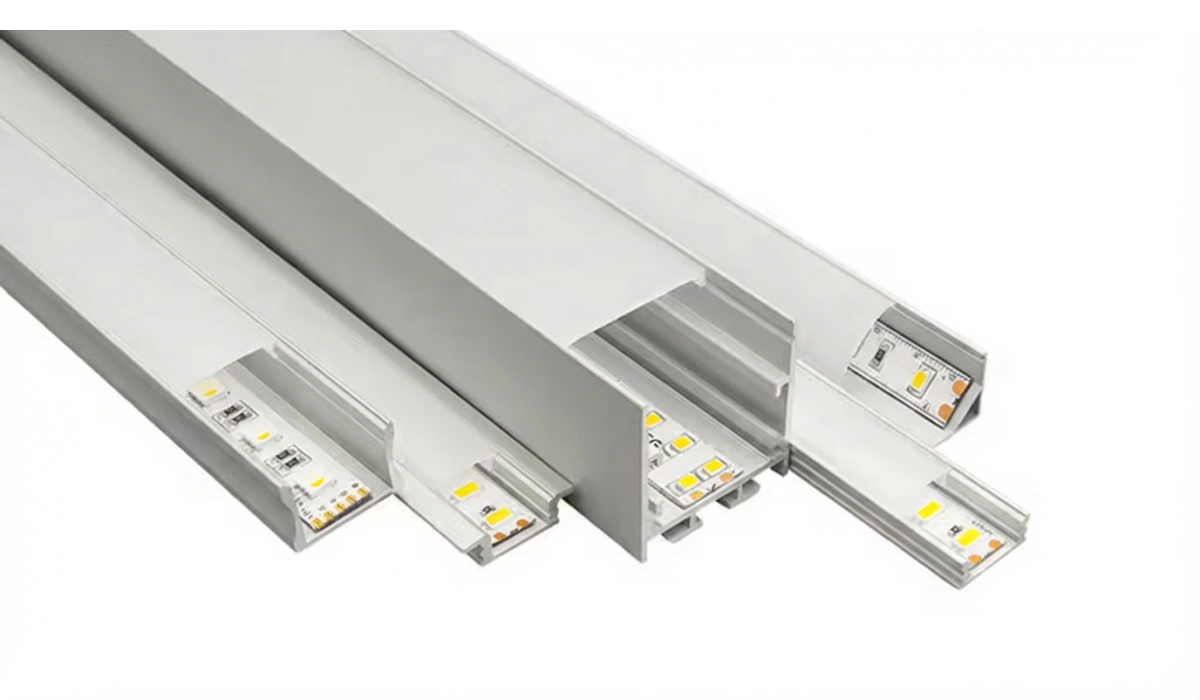
SignLiteLed oferuje szereg opcji dostosowywania, aby spełnić określone wymagania projektowe. Te opcje są niezbędne do osiągnięcia zarówno celów estetycznych, jak i potrzeb wydajnościowych.
| Opcja dostosowywania | Dostępne funkcje | Korzyści |
| Długość | Możliwość dostosowania do specyfikacji projektu | Pasuje do konkretnych potrzeb projektowych |
| apretować | Anodowane, matowe, błyszczące, malowane proszkowo | Mecze dopasowuje się do estetyki |
| Typ dyfuzora | Jasne, mleczne, czarne, matowe | Kontroluje dyfuzję światła |
| Głębokość kanał | Płytki do głębokiego | Zapewnia prawidłowe zarządzanie ciepłem i dyfuzję światła |
| Materiał | Aluminium, stal nierdzewna, niestandardowe stopy | Trwałe i odporne na rdzę opcje |
Wniosek
Wybór odpowiedniego kanału LED jest niezbędny zarówno dla wydajności, jak i jakości estetycznej instalacji oświetleniowej. Niezależnie od tego, czy Twoim celem jest wyeliminowanie widocznych plam LED, poprawa rozpraszania ciepła lub osiągnięcie eleganckiego wykończenia architektonicznego, prawy kanał LED może mieć ogromne znaczenie. Rozumiejąc różne typy, rozmiary i dostępne opcje dostosowywania, możesz podejmować świadome decyzje, które zwiększają zarówno funkcjonalność, jak i długowieczność systemu oświetlenia LED. Zawsze brać pod uwagę krytyczne czynniki, takie jak głębokość kanału, typ dyfuzora i środowisko instalacji, aby osiągnąć optymalne wyniki. Dzięki odpowiedniej wiedzy o kanałach LED będziesz tworzyć bezbłędne, profesjonalne rozwiązania oświetleniowe za każdym razem.
FAQ
Powiązane posty