Polski
  English
  简体中文
简体中文  Deutsch
  Español
  Français
  Italiano
  日本語
日本語  한국어
한국어  Português
  Русский
  Türkçe
  Nederlands
  Tiếng Việt
  ไทย
ไทย 
Zakup oświetlenia komercyjnego nie jest decyzją projektową. To decyzja o ryzyku. Wydajność oświetlenia, narażenie na zgodność, koszt operacyjny i długoterminowa konserwacja zależą od mierzalnych specyfikacji technicznych. Podsumowania marketingowe są nieistotne na tym poziomie.
Dla kupujących B2B, dioda świetlna jest podstawowym dokumentem walidacyjnym. Zawiera dane fotometryczne, elektryczne i środowiskowe, które określają, czy produkt będzie działał zgodnie z określonymi po zainstalowaniu.
W tym przewodniku wyjaśniono siedem specyfikacji technicznych, które bezpośrednio wpływają na wydajność, niezawodność cyklu życia i ryzyko projektu podczas pozyskiwania dioda świetlna lub powiązanych systemów. Każdy metryk można zweryfikować w dokumentacji technicznej. Każdy ma wymierne komercyjne benchmarki.
7 Specyfikacje techniczne Każdy kupujący B2B powinien sprawdzić
1. Skuteczność świetlna (LM/W)
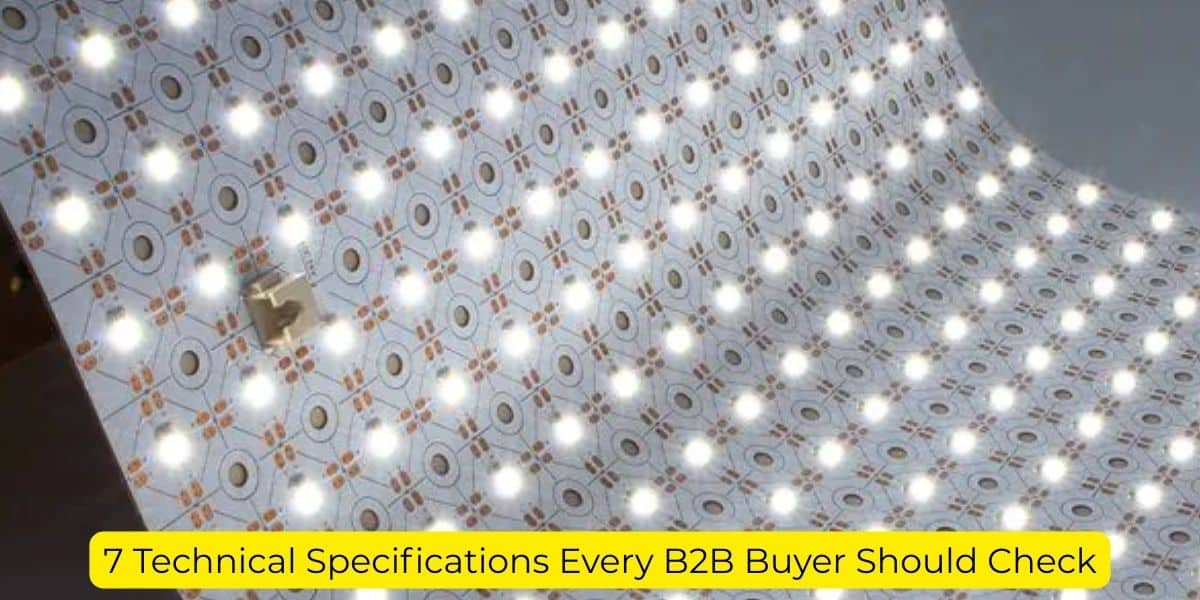
Skuteczność świetlna mierzy, jak skutecznie energia elektryczna jest przekształcana w światło widzialne. Wyraża się go w lumenach na wat (lm/w). Ta metryka jest często mylona z jasnością, ale jasność jest mierzona w lumenach. Mierzy skuteczność, a nie wydajność.
W systemach klasy komercyjnej realistyczne zakresy dla dioda świetlna są typowo 110–160 lm/w na poziomie systemu, w zależności od jakości sterownika i zarządzania termicznego. Dane znacznie powyżej tego zakresu często odzwierciedlają wartości laboratoryjne na poziomie chipa, a nie wydajność systemu zintegrowanego.
W rzeczywistych instalacjach skuteczność bezpośrednio wpływa na koszty operacyjne i obciążenie cieplne. Arkusz pracujący z prędkością 95 lm/W zużyje znacznie więcej energii, aby osiągnąć taką samą gęstość światła jak ta pracująca przy 140 lm/W. W porównaniu z dużymi wdrożeniami detalicznymi lub oznakowaniem, ta różnica składa się w mierzalny wzrost kosztów.
W przypadku zignorowania zespoły zaopatrzenia ryzykują zatwierdzanie produktów, które spełniają cele jasności, ale nie założenia modelowania energii. Aby zweryfikować, sprawdź pole „Skuteczność świetlna systemu” lub „Lumeny na wat” w arkuszu świetlnym LED, a nie tylko specyfikacje chipa LED.
2. Całkowite wyjście świetlne (lm/m²)
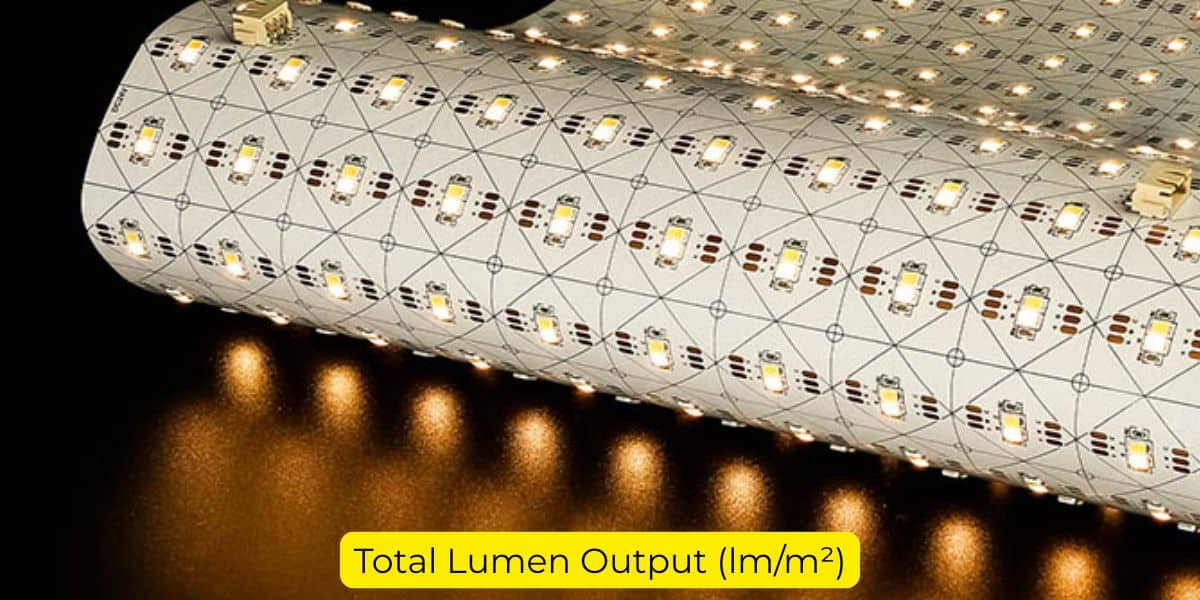
Całkowita moc lumenów na metr kwadratowy określa użyteczną gęstość jasności. W przypadku systemów na arkuszach gęstość światła jest bardziej istotna niż całkowita ilość lumenów na pasek, ponieważ obszar instalacji wpływa na wydajność wizualną.
Podświetlenie architektoniczne wnętrza często wymaga 3000–6000 lm/m², w zależności od głębokości dyfuzji. Oznakowanie detaliczne i aplikacje Lightbox mogą wymagać 6 000–10 000 lm/m², zwłaszcza w wysokich warunkach otoczenia. To tutaj Arkusz świetlny LED o wysokiej jasności staje się konieczne.
Jeśli gęstość światła jest niedostateczna, wynikiem jest nierównomierne oświetlenie, zacienienie za grafiką lub widoczne gorące punkty. Nadmierna kompensacja z dodatkowymi arkuszami zwiększa zużycie energii i złożoność okablowania.
Weryfikacja pojawia się w arkuszu świetlnym LED w sekcji „Total Lumen Output”, „Strumień świetlny na obszar” lub wyniki testu fotometrycznego. Kupujący powinni potwierdzić odległość testowania i warunki pomiaru.
3. CRI i spójność łączenia LED
Indeks oddawania kolorów (CRI) mierzy, jak dokładnie źródło światła renderuje kolory w porównaniu z naturalnym światłem. W większości środowisk komercyjnych, CR ≥80 jest podstawą. Środowiska handlowe, modowe i markowe często wymagają CR ≥90.
Poza CRI spójność binningowa ma kluczowe znaczenie. Producenci LED klasyfikują diody do pojemników na podstawie chromatyczności. Jeśli tolerancja pojemnika nie jest ściśle kontrolowana, wdrożenia wielu witryn mogą wykazywać widoczną zmienność kolorów między instalacjami.
W rzeczywistym wdrożeniu niespójny binning powoduje niespójność marki w sieciach sklepowych. Ściany zainstalowane w odstępie miesięcy mogą nie pasować wizualnie. To jest błąd w zakupie, a nie problem z instalacją.
Arkusz świetlny LED powinien określać wartość CRI i tolerancję chromatyczności, często wyrażoną jako SDCM (odchylenie standardowe dopasowania kolorów). Komercyjny punkt odniesienia to ≤3 SDCM Dla jednolitego wyglądu.
4. Dokładność temperatury barwowej (CCT)
Skorelowana temperatura barwowa (CCT) określa postrzegane ciepło lub chłód światła białego. Normy handlowe zazwyczaj obejmują:
- 3000K Dla gościnności i ciepłego środowiska handlowego
- 4000K Do biur i ogólnych wnętrz komercyjnych
- 6500K Dla przestrzeni o wysokiej widoczności lub technicznych
Dokładność ma znaczenie tak samo jak wartość nominalna. System 4000K z tolerancją ±500K może powodować zauważalne różnice między partiami.
W instalacjach architektonicznych nieprawidłowe zmiany CCT zmieniają postrzeganie materiału i tożsamość marki. W projektach wielofazowych niedopasowane zakresy temperatur tworzą widoczną segmentację między sekcjami.
Arkusz świetlny LED powinien określać nominalny zakres CCT i zakres tolerancji. Poszukaj tolerancji od ±100K do ±300K w produktach klasy komercyjnej. Szersze tolerancje zwiększają ryzyko niespójności wizualnej.
5. Konserwacja światła (L70 i TM-21)
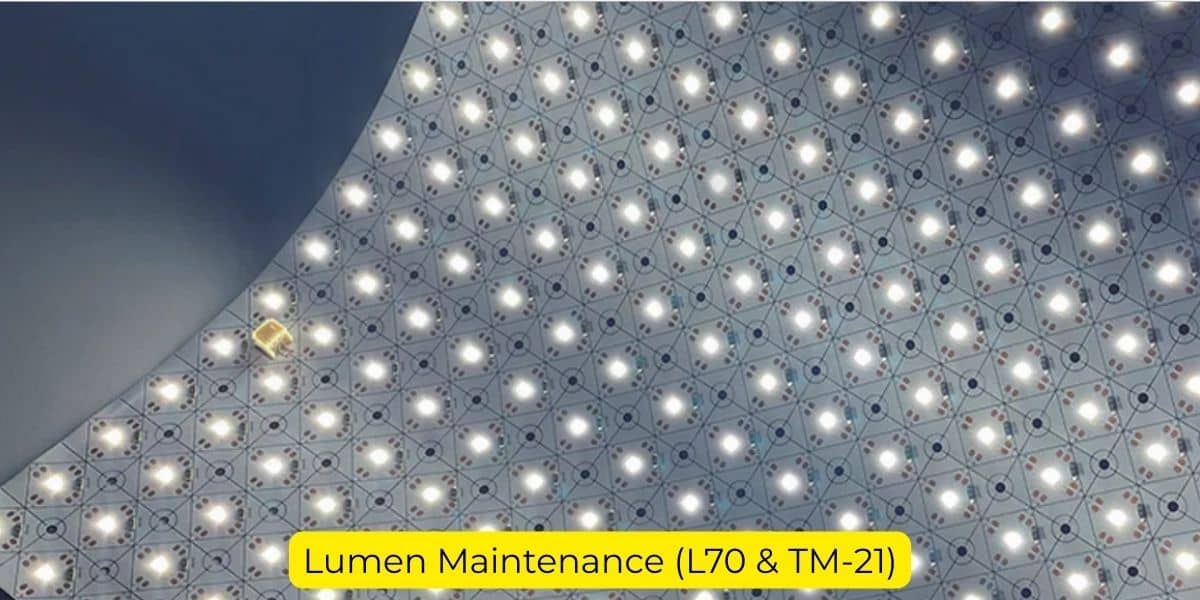
L70 reprezentuje liczbę godzin pracy do momentu, gdy strumień światła spadnie do 70 procent jego pierwotnej wartości. To nie jest punkt porażki. To jest próg amortyzacji.
Producenci często podają „50 000 godzin” bez kontekstu. Ważniejszą walidacją jest Dane testowe LM-80 w połączeniu z metodologią projekcji TM-21. TM-21 ekstrapoluje długotrwałą konserwację światła w oparciu o zmierzoną wydajność.
Dla Projekty komercyjne, wiarygodne systemy zapewniają L70 ≥50 000 godzin w określonej temperaturze otoczenia, obsługiwane przez obliczenia TM-21. Bez TM-21 roszczenia dotyczące żywotności nie są uzasadnione technicznie.
W przypadku zignorowania kupujący ryzykują przedwczesną amortyzację światła, co prowadzi do nierównej jasności w zainstalowanych obszarach. W arkuszu świetlnym LED zweryfikuj LM-80 Reference, raport projekcji TM-21 i warunki temperatury testowej.
6. Ocena IP i ochrona środowiska
Ochrona przed wnikaniem (IP) wskazuje na odporność na kurz i wilgoć. Format oceny jest zgodny z IPXX, gdzie pierwsza cyfra odnosi się do ciał stałych, a druga do cieczy.
IP20 Jest typowy dla suchych instalacji wewnętrznych.
IP65 lub wyższe są wymagane dla oznakowania, fasad zewnętrznych lub środowisk narażonych na wilgoć.
W zastosowaniach lightbox lub fasady kondensacja może pogorszyć obwody i skrócić żywotność. Nawet wewnętrzne oznakowanie sklepu w pobliżu wejść może wymagać podwyższonej ochrony IP.
Jeśli ocena środowiskowa jest niewystarczająca, przed przewidywanym cyklem życia wystąpi korozja i uszkodzenie sterownika. Arkusz świetlny LED powinien wyraźnie zawierać listę znamionową IP, standard testowy i zakres temperatur roboczych.
7 7 Kompatybilność napięcia i ściemniania
Komercyjne systemy blachowe LED zazwyczaj działają w 24 V DC, który obsługuje stabilny rozkład w większych panelach i zmniejsza spadek napięcia w porównaniu z systemami 12V.
Zgodność ściemniania musi być zgodna z systemami sterowania budynkiem. Wspólne standardy handlowe obejmują Ściemnianie analogowe 0-10V I Sterowanie cyfrowe DALI. Projekty z uwzględnieniem Ściemniane i RGBW świetlne arkusze świetlne LED Wymagaj potwierdzenia zgodności ze sterownikami.
Niezgodność prowadzi do migotania, nierówności krzywych ściemniania lub awarii integracji z systemami automatyki budynków. Te problemy często pojawiają się po instalacji, gdy naprawa jest kosztowna.
Arkusz świetlny LED powinien określać napięcie robocze, maksymalną długość pracy, typ sterownika, kompatybilność protokołu ściemniania i w stosownych przypadkach częstotliwość PWM.
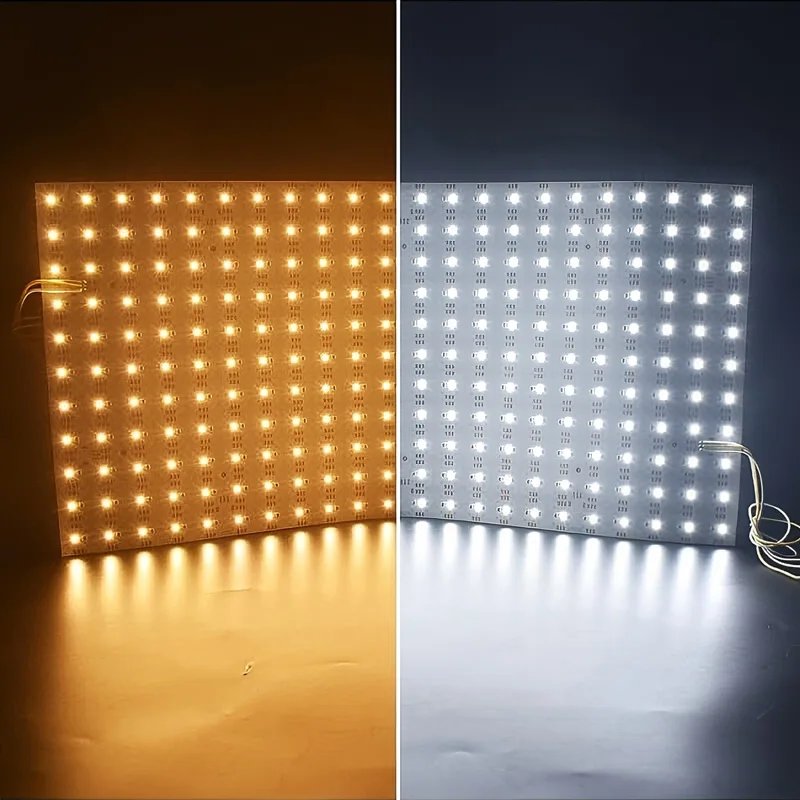
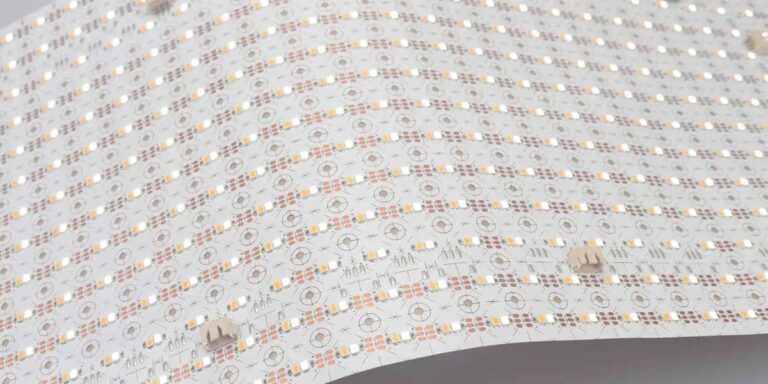
Przestrajalne białe arkusze LED
- Rozmiar(dł. x szer): 250mm x 250 mm/490mm x 245mm
- Typ LED: 2835 SMD
- Ilość LED: 200 sztuk/484 sztuk
- Napięcie robocze: DC 24V
- Moc: 16W/40W
- Zakres regulacji temperatury barw: 2700K-6500K
- Strumień świetlny: 1600lm/3800lm
- Wskaźnik oddawania barw: >90ra
- Minimalna długość cięcia: 25 mm x 25 mm/22,3 mm x 22,3 mm
- Możliwość ściemniania: ba
- Kąt wiązki: 120°
- Poziom wodoodporny: IP20 niewodoodporny, wodoodporny IP54
- Gwarancja: 3 lata
Podsumowanie listy kontrolnej dla kupujących B2B
| Specyfikacja techniczna | Co zweryfikować | benchmark komercyjny | Ryzyko, jeśli zostanie zignorowane |
| Skuteczność świetlna | System LM/W | 110–160 lm/w | Wyższy koszt energii, nadmiar ciepła |
| Całkowita moc wyjściowa | Lm/m² w warunkach testowych | 3 000–10 000 lm/m² w zależności od użytkowania | Nierównomierna jasność, cień |
| sznurek i binning | Wartość CRI, tolerancja SDCM | CRI ≥80 (≥90 detaliczny), ≤3 SDCM | Niespójność kolorów w witrynach |
| Dokładność CCT | Nominalne CCT i tolerancja | ±100K do ±300K | Niezgodność wizualna między partami |
| Konserwacja światła | Dane LM-80 i TM-21 | L70 ≥50 000 godzin obsługiwane przez TM-21 | Przedwczesna utrata jasności |
| Stopień ochrony IP | Klasyfikacja IP i zakres temp. | IP20 Indoor, oznakowanie IP65 | Uszkodzenie wilgoci, kor |
| Napięcie i ściemnianie | Specyfikacja 24 V, kompatybilność sterowania | 24V, 0-10V lub DALI | migotanie, awaria integracji |
Jak odczytać specyfikację światła arkusza LED
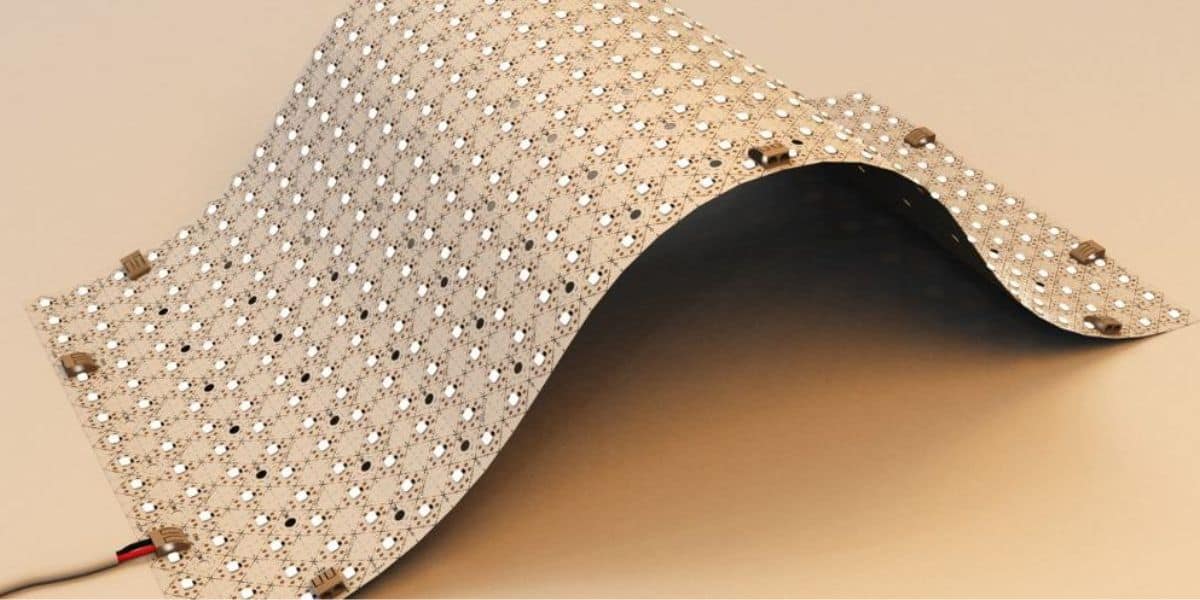
Arkusz świetlny LED jest podzielony na sekcje fotometryczne, elektryczne, cieplne i zgodności. Skuteczność świetlna i całkowita wydajność światła pojawiają się w warunkach fotometrycznych. CRI, CCT i tolerancja chromatyczności są zazwyczaj pogrupowane według cech koloru. Zgodność napięcia, prądu i ściemniania można znaleźć w tabeli Specyfikacja elektrycznych.
Oświadczenia dotyczące konserwacji Lumen powinny odwoływać się do raportów z testów LM-80 i zawierać projekcje TM-21. Jeśli długość życia jest podana bez danych LM-80, roszczenie nie ma podstaw technicznych. Podobnie pominięcie klasyfikacji BIN lub tolerancji SDCM wskazuje na potencjalne ryzyko niespójności barwy.
Ochrona środowiska pojawia się zgodnie ze specyfikacjami mechanicznymi lub zgodnością. Jeśli klasyfikacja IP jest wymieniona bez standardu referencyjnego, przed zatwierdzeniem wymagane jest wyjaśnienie.
Niekompletna dokumentacja sygnalizuje ekspozycję na zakup. Komercyjny dostawca powinien dostarczyć szczegółową kartę danych, a nie uproszczoną ulotkę marketingową.
Częste błędy w zakupach
Jednym z częstych błędów jest zatwierdzanie produktów opartych wyłącznie na całkowitym wyjściu świetlnym bez walidacji gęstości światła na powierzchnię. Innym jest akceptowanie roszczeń dożywotni bez weryfikacji danych projekcji TM-21. Nabywcy wielu witryn często pomijają tolerancję na bin, co skutkuje widoczną zmiennością kolorów w gałęziach. Czasami zakłada się, że kompatybilność napięcia jest raczej niż potwierdzona, co prowadzi do wymiany sterownika podczas uruchamiania.
Każda z tych awarii wynika z niewystarczającego przeglądu arkusza świetlnego LED.
Wniosek
Komercyjne zaopatrzenie w arkusze LED to proces oceny technicznej. Wydajność, koszt operacyjny i niezawodność cyklu życia zależą od mierzalnych specyfikacji, a nie podsumowań marketingowych.
Każda decyzja o zatwierdzeniu powinna być poparta zweryfikowaną diodą LED. Gdy dokumentacja potwierdza skuteczność, gęstość światła, stabilność koloru, ochronę środowiska i kompatybilność elektryczną, ryzyko projektu jest znacznie zmniejszone.
Nigdy nie polegaj na roszczeniach nagłówków. Sprawdź dane przed wdrożeniem.
Najczęściej zadawane pytania
Powiązane posty