Polski
  English
  简体中文
简体中文  Deutsch
  Español
  Français
  Italiano
  日本語
日本語  한국어
한국어  Português
  Русский
  Türkçe
  Nederlands
  Tiếng Việt
  ไทย
ไทย 
Szybkie prototypowanie 3-5 dni w montażu PCB LED odnosi się do wytwarzania funkcjonalnej próbki PCB o ograniczonej ilości w skompresowanym oknie produkcyjnym. Nie oznacza to pomijania kroków lub pośpiechu niekompletnych projektów. Szybkość realizacji zależy od gotowości projektowej, potwierdzonej dostępności komponentów i jasno określonego zakresu montażu. Gdy te warunki są zgodne, przyspieszone kompilacje prototypów są osiągalne bez zmiany podstawowego procesu produkcyjnego.
Co oznacza „szybkie prototypowanie 3–5 dni” w montażu PCB LED
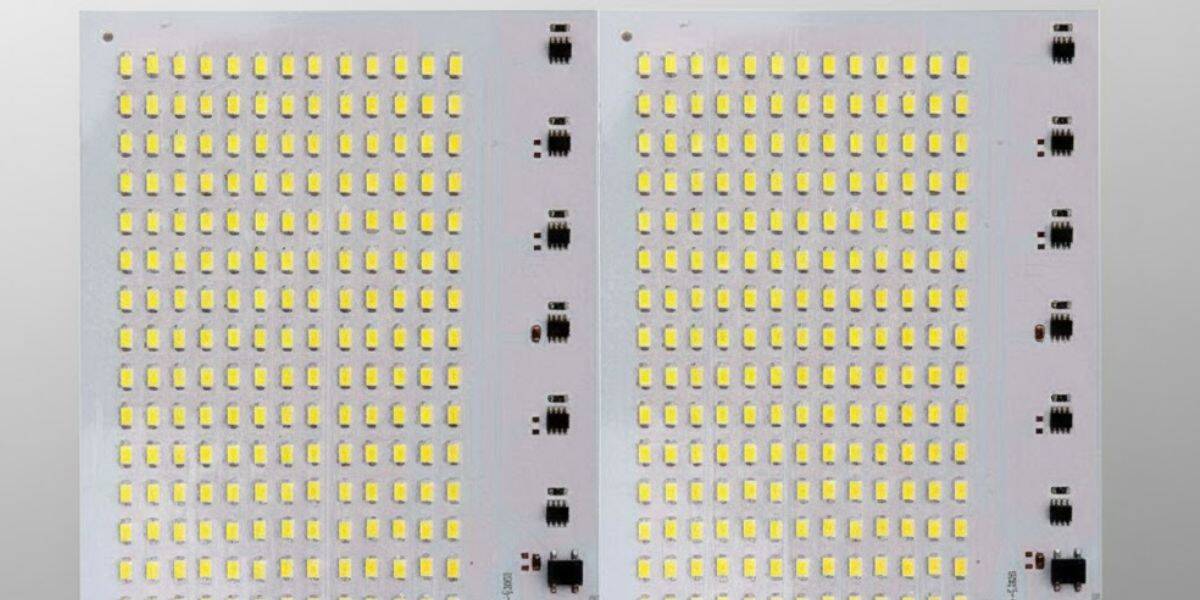
Szybkie prototypowanie opisuje kontrolowany skrót w standardowych czasach realizacji, a nie skrót w dyscyplinie inżynierskiej. Wyjście jest prototypem, a nie partią gotową do produkcji. Celem jest walidacja, a nie objętość.
Montaż PCB LED niesie ściślejsze ograniczenia niż wiele innych typów płyt. Ścieżki termiczne, dokładność rozmieszczenia LED i aktualna spójność mają znaczenie natychmiast, nawet na etapie prototypu. Z tego powodu szybkie prototypowanie skupia się na planszach, które są już produkowane, a nie projekty wciąż eksplorowane.
W praktyce szybkie prototypowanie 3-5 dniowe zwykle obejmuje wykonanie gołych desek, rozmieszczenie dostępnych komponentów LED i sterowników oraz podstawową weryfikację funkcjonalną. Wyklucza strojenie procesów, rozszerzone wypalanie i optymalizację kosmetyczną, które należą do późniejszych etapów.
Typowy przepływ pracy za szybkim prototypowaniem PCB LED
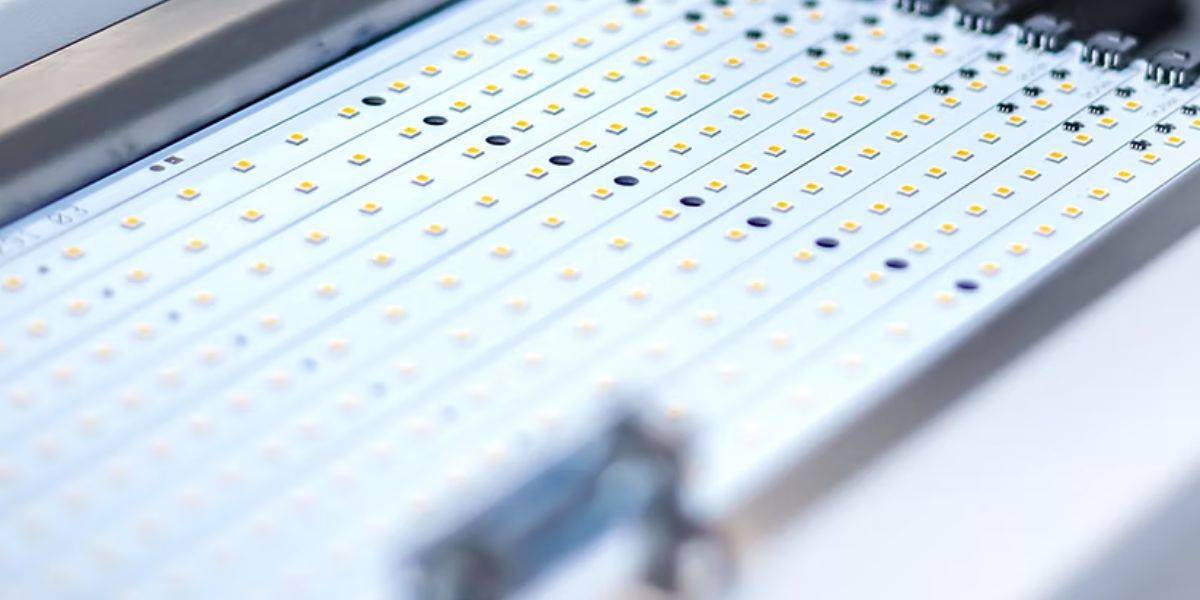
Szybki zwrot jest możliwy tylko wtedy, gdy przepływ pracy pozostaje przewidywalny. Proces się nie zmienia, ale priorytety tak.
Gotowość projektowa to pierwsza brama. Pliki muszą być ostateczne, przeglądane wewnętrznie i wolne od pytań otwartych. Nie ma bufora czasu dla cykli klarowania.
Pozyskiwanie komponentów podąża za rzeczywistością, a nie intencją. Można używać tylko części, które są w magazynie, zatwierdzone i już zakwalifikowane do montażu. Podmiany spowalniają wszystko.
Priorytetyzacja montażu ma miejsce na poziomie planowania. Zadania prototypów są umieszczane w istniejących liniach między seriami produkcyjnymi lub przypisane do dedykowanej pojemności szybkiego zakrętu.
Zakres testowania jest celowo ograniczony. Celem jest potwierdzenie, że płyta działa zgodnie z zaprojektowaniem, a nie w pełnej charakterystyce niezawodności.
Szybkość osiąga się poprzez zmniejszenie niepewności, a nie poprzez kompresję fizyki.
Czynniki, które umożliwiają 3-5 dniową realizacja
1. Kompletność projektu i wykonalność
Kompletny projekt jest najsilniejszym predyktorem szybkiej dostawy. Gerbery, dane typu pick-and-place i BOM muszą się wyrównać bez interpretacji. Tablice LED, które już przestrzegają standardowych śladów, reguły odstępów i strategii termicznych, poruszają się szybko.
- Drobne błędy układu często powodują resetowanie pełnego harmonogramu
- Przejrzystość DFM ma większe znaczenie niż nowość projektowania
2. Dostępność komponentów dla zespołów LED
Komponenty LED nie są wymienne w ostatniej chwili. Pojemniki optyczne, klasy napięcia i typy pakietów ograniczają elastyczność. Szybkie prototypowanie opiera się na komponentach, które są już zaopatrzone lub pozyskiwane lokalnie.
- Długie diody LED usuwają wszelkie szanse na 3-5 dniowe kompilacje
- Dostępność sterownika IC często staje się wąskim gardłem
3. Konfiguracja linii montażowej dla płyt LED
Nie wszystkie linie SMT są jednakowo odpowiednie do pracy LED. Płyty wymagające specjalnej obsługi, wysokiej masy miedzi lub kroków interfejsu termicznego spowalniają przepustowość. Linie już skonfigurowane do umieszczania diod LED umożliwiają szybsze przejścia między zadaniami.
4. Limity testowe i inspekcji
Szybkie prototypy przechodzą skoncentrowaną kontrolę. Typowe są kontrole elektryczne i podstawowa walidacja funkcjonalna. Przedłużone starzenie, pomiar fotometryczny lub testy środowiskowe są odroczone. To ograniczenie jest zamierzone i konieczne do ochrony terminów.
Kiedy 3-5-dniowe prototypowanie PCB LED jest realistyczne — a kiedy tak nie jest
Szybkie prototypowanie jest realistyczne dla prostych lub umiarkowanie złożonych projektów PCB LED, które ponownie wykorzystują znane architektury. Liniowe moduły LED, podstawowe integracje sterowników i układy jednopłytkowe dobrze pasują do przyspieszonych osi czasu.
Staje się to nierealne, gdy projekty wprowadzają wiele typów diod LED, nowatorskie struktury termiczne lub niesprawdzone układy. Każda dodana zmienna zwiększa wysiłek koordynacyjny i ryzyko.
Pominięte osie czasu zwykle pochodzą z luk w oczekiwaniach. Inżynierowie oczekują prędkości pomimo nierozwiązanych szczegółów projektowych. Zakup oczekuje prędkości pomimo niepewnej dostawy komponentów. Produkcja może poruszać się tylko tak szybko, jak pozwalają na to dane wejściowe.
Zrozumienie tych granic zapobiega frustracji ze wszystkich stron.
Rola zagadnień dotyczących montażu specyficznego dla LED
Montaż LED PCB wprowadza ograniczenia, które wpływają na prędkość nawet na etapie prototypu. Dokładność umieszczenia LED bezpośrednio wpływa na wydajność optyczną i nie może być traktowana swobodnie. Przeróbka jest ograniczona po zamontowaniu diod LED.
Drogi termiczne muszą być ciągłe i zamierzone. Słabe interfejsy termiczne ujawniają się szybko podczas początkowego włączania, często wstrzymując dalsze testy.
Zachowanie na poziomie systemu ma znaczenie wcześnie. Nawet prototypy muszą zarządzać rozprzestrzenianiem się ciepła, równoważeniem prądu i wyrównaniem mechanicznym. Te realia wyjaśniają, dlaczego ledowe prototypowanie nagradza dojrzałe projekty i karze te eksploracyjne.
Jak szybkie prototypowanie obsługuje niestandardowe decyzje dotyczące montażu płytek drukowanych
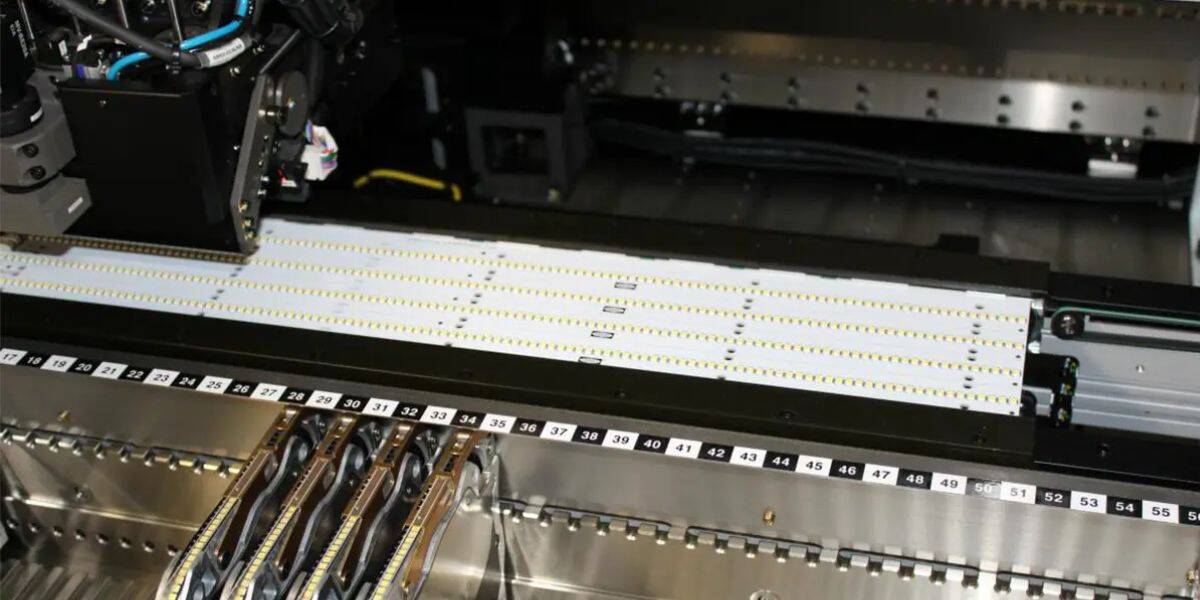
Szybkie prototypy istnieją, aby zmniejszyć niepewność przed zobowiązaniem. Inżynierowie używają ich do weryfikacji założeń układu, potwierdzania zachowania elektrycznego i obserwowania reakcji termicznej w rzeczywistych warunkach.
Z punktu widzenia decyzji, Niestandardowy montaż PCB Planowanie czerpie korzyści z wczesnych sygnałów. Prototyp może potwierdzić, że projekt jest gotowy do skalowania lub ujawnić, że przed inwestycją wolumenu wymagana jest zmiana.
Z tego też powodu korzystają również zespoły zakupowe. Wczesne kompilacje ujawniają ryzyko związane z zaopatrzeniem i pomagają weryfikować, czy planowane komponenty obsługują realistyczne harmonogramy.
Szybkie prototypowanie nie polega na samej szybkości. Chodzi o świadome podejmowanie decyzji.
Jak szybko prototypowanie pasuje do niestandardowych rurociągów do produkcji PCB
Szybkie prototypowanie zajmuje wąską, ale krytyczną pozycję w szerszym niestandardowym przepływie drukowania PCB.
| inscenizować | Cel | Oczekiwanie na prędkość |
| archetyp | Walidacja funkcjonalna | Szybki, ograniczony zakres |
| uprawomocnienie | Udoskonalenie projektu | pienny |
| rewizja | Korekta problemu | zmienny |
| tabela | Stabilna produkcja | Planowane terminy realizacji |
Szybkie prototypowanie kończy się po ustanowieniu pewności projektowania. Standardowe fabrykowanie zaczyna się, gdy spójność, wydajność i powtarzalność stają się priorytetami.
Próba szybkiego przekształcenia metod w produkcję stwarza ryzyko jakości i planowania.
Typowe nieporozumienia dotyczące szybkiego prototypowania PCB
Jednym z powszechnych przekonań jest to, że szybko oznacza niską jakość. W rzeczywistości jakość zależy od dyscypliny projektowej, a nie od długości harmonogramu. Szybkie prototypy spełniają określone kontrole, ale unikają niepotrzebnych.
Innym nieporozumieniem jest to, że każdy projekt się kwalifikuje. Szybka realizacja sprzyja projektom, które są już stabilne. Koncepcje na wczesnym etapie rzadko pasują.
Trzecim założeniem jest to, że prototypy reprezentują produkt końcowy. Prototypy odpowiadają na pytania. Nie definiują one gotowości produkcyjnej na własną rękę.
Wyjaśnienie tych punktów zapobiega błędnym oczekiwaniom.
Wniosek
Szybkie prototypowanie 3-5 dni w montażu PCB LED oznacza stworzenie funkcjonalnego prototypu PCB LED w skompresowanym, ale kontrolowanym przedziale czasowym. Zależy to od gotowości projektowej, dostępności komponentów i ograniczonego zakresu montażu. Nie jest to obietnica szybkości dla każdego projektu, ani substytutu standardowych procesów produkcyjnych. Przy prawidłowym użyciu, szybkie prototypowanie zapewnia wczesny wgląd techniczny i obsługuje lepsze niestandardowe decyzje dotyczące produkcji płytek drukowanych.
Najczęściej zadawane pytania
Powiązane posty