Polski
  English
  简体中文
简体中文  Deutsch
  Español
  Français
  Italiano
  日本語
日本語  한국어
한국어  Português
  Русский
  Türkçe
  Nederlands
  Tiếng Việt
  ไทย
ไทย 
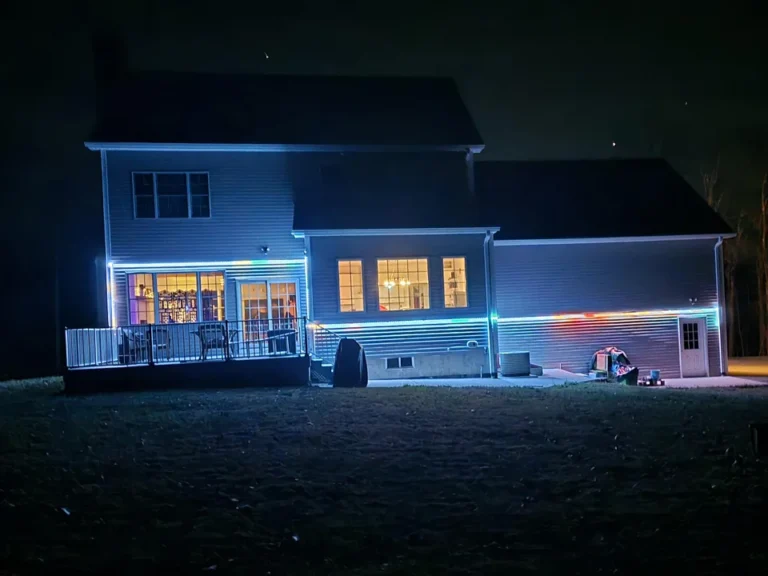
Zewnętrzna taśma LED z możliwością ściemniania jest szeroko stosowana w konturach architektonicznych, oświetleniu krajobrazu i zewnętrznych aplikacjach dekoracyjnych, gdzie zarówno wydajność oświetlenia, jak i trwałość środowiska są niezbędne. W porównaniu z instalacjami wewnętrznymi projekty zewnętrzne stawiają większe wymagania w zakresie ochrony wodoodpornej, stabilności przyciemniania i ogólnej kompatybilności systemu. Różne aplikacje mogą traktować priorytetowo różne czynniki w zależności od warunków instalacji, metod sterowania i skali projektu. W tym artykule przedstawiono kilka kluczowych kwestii przy wyborze taśmy LED do ściemniania do użytku na zewnątrz, zapewniając praktyczne punkty odniesienia, które pomogą kupującym skuteczniej oceniać produkty i rozwiązania w ich konkretnych zastosowaniach.
Środowisko zewnętrzne i ocena wodoodpor
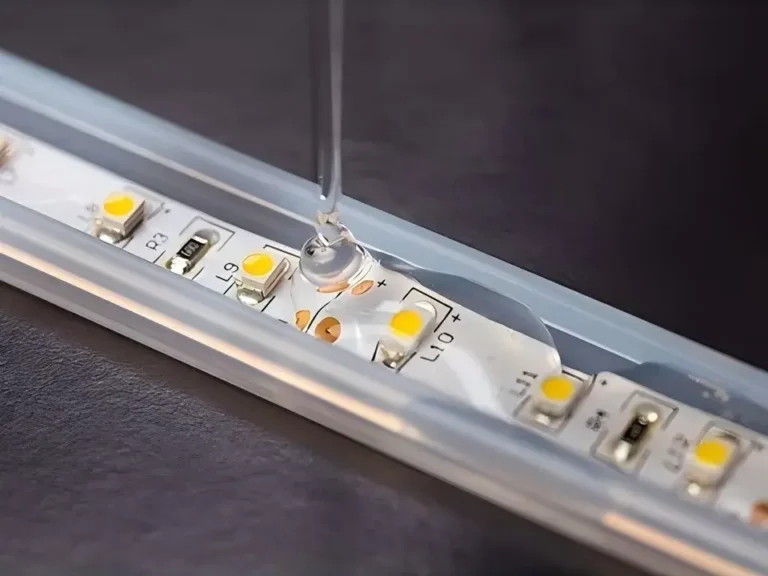
Zewnętrzna taśma LED z możliwością ściemniania jest dostępna w różnych wodoodpornych konstrukcjach, a wybór powinien zawsze opierać się na rzeczywistym środowisku instalacji. Typowe opcje obejmują silikonową powłokę IP65, rurkę silikonową IP65, wytłaczanie z pustym IP67, wypełnienie silikonowe IP68 i wytłaczanie silikonowe IP68. Każda konstrukcja zapewnia inną równowagę między ochroną przed wilgocią, elastycznością, rozpraszaniem ciepła i długotrwałą trwałością. Nie ma jednej „najlepszej” wodoodpornej taśmy LED do wszystkich projektów zewnętrznych; odpowiedni wybór zależy od poziomu naświetlenia, pozycji montażu i warunków środowiskowych.
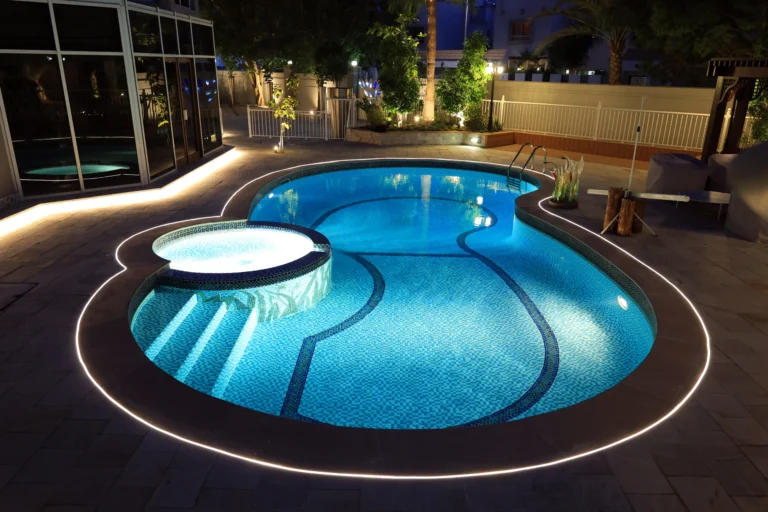
Z praktycznego punktu widzenia oceny IP definiują granice ochrony, a nie ogólną jakość produktu. IP65 taśma led Nadaje się do środowisk narażonych na deszcz lub rozpryskiwanie wody, ale nie w ciągły kontakt z wodą. Produkty IP67 są przeznaczone do miejsc, w których może wystąpić tymczasowe zanurzenie w wodzie, takie jak instalacje naziemne lub obszary narażone na gromadzenie się wody. Taśma LED IP68 jest przeznaczona do długotrwałego lub częstego zanurzenia i jest zwykle używana w fontannach, basenach lub cechach krajobrazu o wysokim wilgoci.
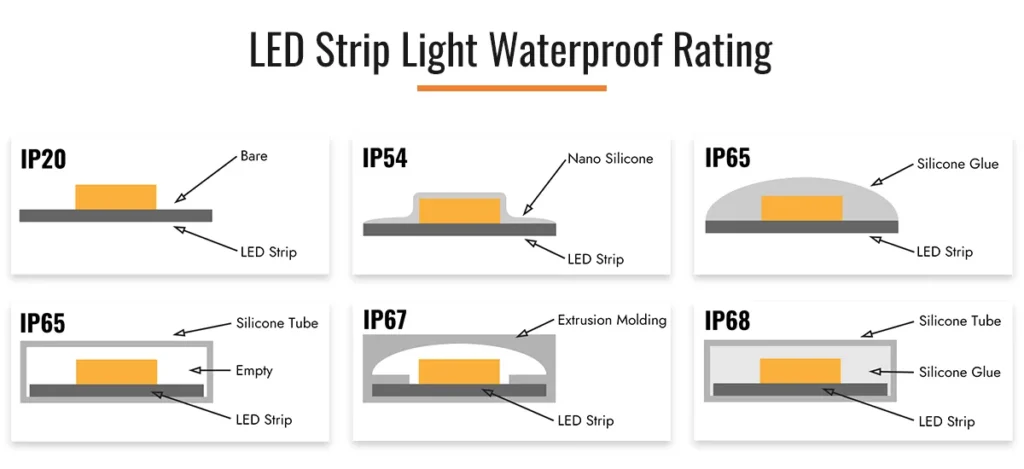
Poniższa tabela podsumowuje zalecane oceny wodoodporne dla popularnych zastosowań na zewnątrz:
| Scenariusz zastosowania | Zalecana ocena IP |
| Konturowe elewacji budynków | IP65 |
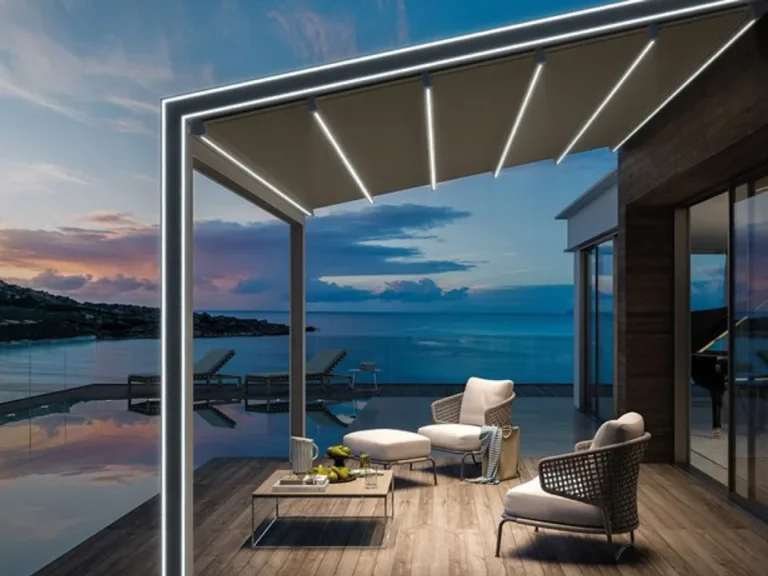
| Okapy i zadaszenia | IP65 |
| Balkony i tarasy | IP65 / IP67 |
| Linie architektoniczne na poziomie gruntu | IP67 |
| Oświetlenie ogrodowe i krajobrazowe | IP67 |
| Blisko baseny | IP68 |
| Funkcje wodne i fontanny | IP68 |
| Wybrzeża instalacje zewnętrzne | IP67 / IP68 |
Podsumowując, wybór oceny wodoodporności powinien być oparty na rzeczywistych warunkach ekspozycji, a nie założeniach. W przypadku całkowicie odsłoniętych instalacji zewnętrznych zdecydowanie zaleca się taśmę LED z materiałami odpornymi na promieniowanie UV, aby zapobiec żółknięciu i degradacji materiału. W przypadku środowisk przybrzeżnych lub o wysokim zasoleniu produkty, które przeszły testy natrysku solnego, zapewniają lepszą niezawodność i dłuższą żywotność.
Metoda ściemniania i kompatybilność z systemem
W projektach taśm LED na zewnątrz jest kilka metod ściemniania, z których każda odpowiada różnym wymaganiom sterowania i skalom projektowym. Najszerzej stosowane metody obejmują ściemnianie PWM, ściemnianie 0–10V, DALI, ściemnianie triac (fazowe) i kontrolę DMX. Chociaż wszystkie te metody mogą być implementowane w środowiskach zewnętrznych, ich wydajność i praktyczność zależą w dużej mierze od projektu systemu, złożoności okablowania i wymaganego poziomu kontroli.
Poniższa tabela porównuje te metody ściemniania z perspektywy projektu na zewnątrz:
| Metoda ściemniania | Zalety | Ograniczenia | Typowe aplikacje na zewnątrz |
| piasek | Proste, opłacalne, stabilne | Ograniczona scentralizowana | Małe i średnie projekty na świeżym powietrzu |
| 0–10V | Dojrzały standard, dobra stabilność | Dodatkowe okablowanie sterowania | Fasady handlowe, oznakowanie zewnętrzne |
| dali | Adresowalna, elastyczna kontrola | Wyższy koszt systemu | Duże systemy oświetlenia architektonicznego |
| triak | Kompatybilny z zasilaniem prądem | Ograniczone ściemnianie na niskim poziomie | Oświetlenie zewnętrzne |
| DMX | Precyzyjna kontrola, dynamiczne efekty | Wymaga poprawnej konfiguracji dekodera | Oświetlenie architektoniczne i krajobrazowe |
W większości zastosowań zewnętrznych taśma LED DC jest kompatybilna ze wszystkimi pięcioma metodami ściemniania w połączeniu z odpowiednimi sterownikami lub kontrolerami. Jednak w przypadku projektów opartych na DMX wybór prawidłowego dekodera DMX jest niezbędny, ponieważ konfiguracja kanału i typ wyjścia bezpośrednio wpływają na stabilność systemu. Natomiast taśma LED AC jest zazwyczaj ograniczona do ściemniania triakowego i wybranych systemów sterowania z cięciami fazowymi, co czyni ją bardziej odpowiednią do prostszych instalacji zewnętrznych.
Jasność i jednolitość światła
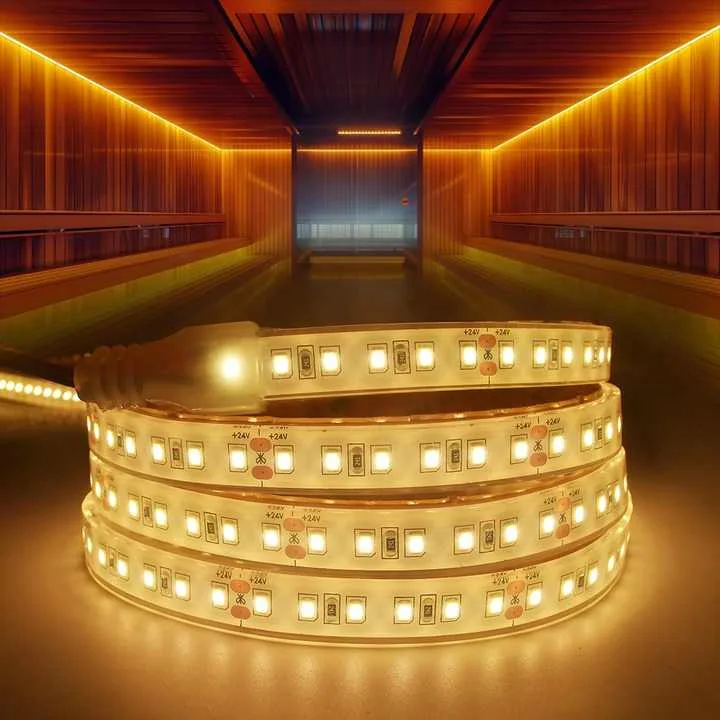
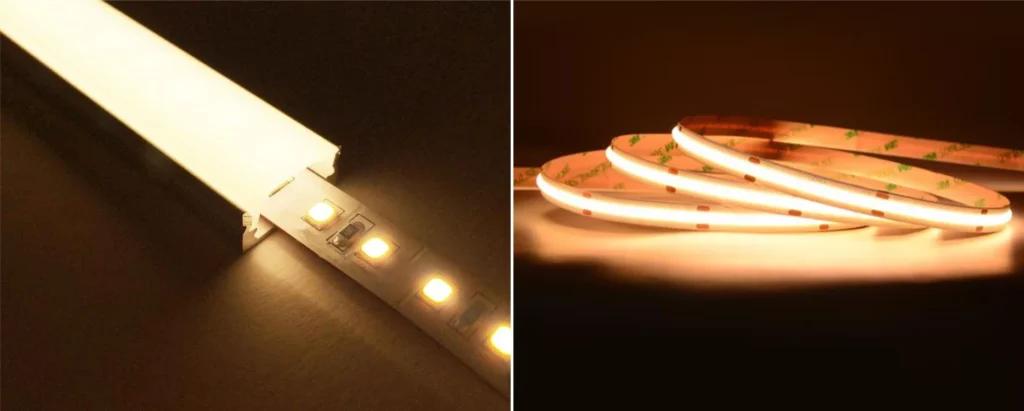
Jasność jest często głównym czynnikiem w aplikacjach taśmowych LED, szczególnie w przypadku konturów architektonicznych i funkcjonalnego oświetlenia zewnętrznego. Gdy wymagana jest wysoka skuteczność świetlna i maksymalna jasność, preferowaną opcją jest taśma LED SMD. Wysokowydajna taśma LED SMD może osiągnąć skuteczność świetlną powyżej 180 lm/W, podczas gdy taśma LED COB zwykle osiąga około 150 lm/W. W przypadku projektów o tym samym poziomie jasności, taśma LED SMD zwykle zapewnia lepszą energooszczędność i niższe zużycie energii, dzięki czemu nadaje się do dużych instalacji zewnętrznych.
Jednorodność światła jest odrębnym, ale równie ważnym czynnikiem, zwłaszcza w aplikacjach oświetlenia liniowego. Gdy wymagany jest ciągły efekt oświetlenia bez kropek, taśma LED COB oferuje wyraźne korzyści ze względu na wyższą gęstość wiórów i ściśle upakowaną powierzchnię emitującą światło, co skutkuje płynnym oświetleniem bez ciemnych plam. Alternatywnie taśma LED SMD w połączeniu z profilami aluminiowymi i dyfuzorami może również osiągnąć dobrą jednorodność, poprawiając rozpraszanie ciepła i ochronę mechaniczną.
Wybór napięcia wejściowego dla zewnętrznej taśmy ściemnianej LED
W przypadku projektów na zewnątrz taśma LED wysokiego napięcia generalnie nie jest zalecana ze względu na zwiększone ryzyko porażenia prądem i bardziej złożone wymagania bezpieczeństwa. W rezultacie częściej stosowana jest taśma LED niskiego napięcia DC, przy czym najczęściej stosowane są DC12V i DC24V. Jednak wybierając taśmę LED z możliwością ściemniania, spadek napięcia Należy dokładnie rozważyć, ponieważ bezpośrednio wpływa na jednorodność jasności i ściemnianie podczas biegu.
W przypadku pojedynczego wejścia zasilania taśma LED DC12V powinna być zazwyczaj ograniczona do 5 metrów, podczas gdy taśma LED DC24V może sięgać nawet do 7 metrów. W przypadku zastosowania podwójnego wejścia zasilania systemy DC12V mogą osiągnąć około 15 metrów, a systemy DC24V do 20 metrów. Przekroczenie tych długości może skutkować widocznym zmniejszeniem jasności i nierównomierną wydajnością ściemniania.
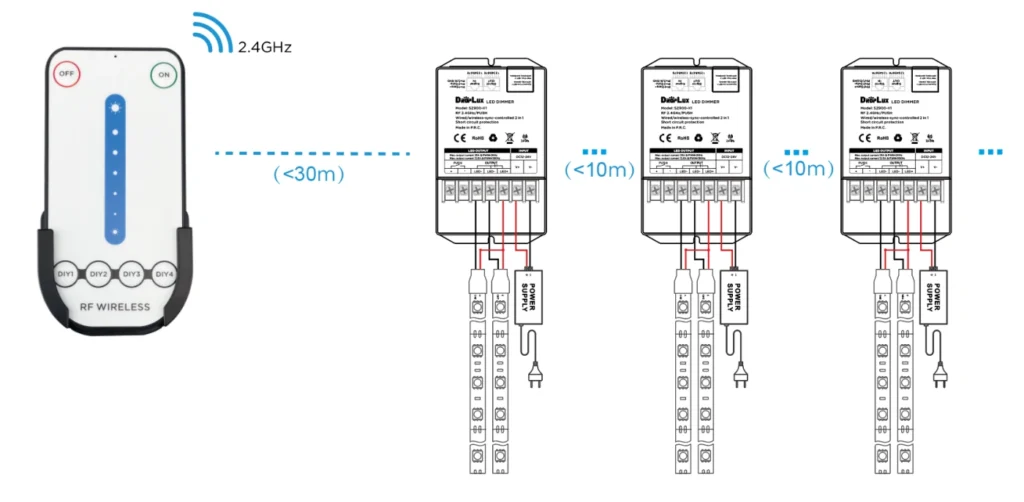
W przypadku projektów wymagających długich ciągłych przebiegów taśma LED DC48V stanowi praktyczną alternatywę. Obsługuje do 15 metrów z wejściem jedno-endowym i do 40 metrów z podwójnym wejściem, upraszczając okablowanie i zmniejszając spadek napięcia. Głównym ograniczeniem jest stosunkowo mniejszy wybór kompatybilnych zasilaczy. W przypadku stosowania ściemniania PWM można dodatkowo poprawić konsystencję ściemniania, dodając wzmacniacze sygnału między sekcjami taśmy LED lub stosując regulatory synchroniczne, szczególnie w dużych instalacjach zewnętrznych.
Wybór odpowiedniego dostawcy dla średnich i dużych projektów zewnętrznych
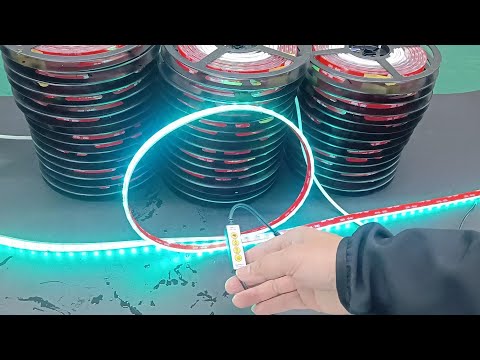
W przypadku średnich i dużych projektów oświetlenia zewnętrznego wybór dostawców odgrywa ważną rolę w ogólnej wydajności projektu. W większości przypadków praca bezpośrednio z prawdziwym producentem jest lepsza niż pozyskiwanie przez internet rynków lub firm handlowych. Producenci zazwyczaj oferują bardziej konkurencyjne ceny, głębszą wiedzę na temat produktów i silniejsze wsparcie techniczne. Co ważniejsze, są one lepiej przygotowane do niestandardowego dostosowania, co jest często wymagane w projektach taśm LED z możliwością ściemniania na zewnątrz.
Przy ocenie producentów należy również wziąć pod uwagę zgodność produktów i możliwości testowania. Odpowiednie certyfikaty, takie jak UL, CE i ROHS, wykazują zgodność z przepisami, podczas gdy raporty z testów — w tym dane fotometryczne IES, integracja testów sfer i testy wtrysku solnego — zapewniają dodatkowe zapewnienie wydajności, bezpieczeństwa i długoterminowej niezawodności w środowiskach zewnętrznych.
Inne ważne czynniki, które należy wziąć pod uwagę
Poza wodoodpornością, metodą ściemniania, jasnością, doborem napięcia i wyborem dostawcy, na długoterminową wydajność ściemnianej taśmy LED na zewnątrz może wpływać kilka dodatkowych czynników. Zarządzanie termiczne jest szczególnie ważne, ponieważ wodoodporne konstrukcje mogą ograniczać odprowadzanie ciepła; prawidłowa instalacja za pomocą profili aluminiowych może znacznie zwiększyć niezawodność. Konsystencja koloru podczas ściemniania, zwłaszcza przy niskich poziomach jasności, powinna być również oceniana w widocznym oświetleniu architektonicznym. Ponadto projektowanie wylotu kabla, uszczelnienie nasadki końcowej i szczegóły instalacji odgrywają kluczową rolę w zapobieganiu przedostawaniu się wilgoci w czasie. W przypadku trudnych środowisk, odporność na promieniowanie UV, ochrona przed korozją i zweryfikowane dane testowe zapewniają dalszą pewność stabilnej, długoterminowej pracy.
Dzięki ponad dziesięcioletniemu doświadczeniu w produkcji taśmy LED SIGNLITELED obsługuje szeroką gamę zastosowań oświetlenia zewnętrznego. Oprócz standardowych produktów oferujemy niestandardowe rozwiązania taśm LED dostosowane do konkretnych wymagań projektowych, w tym projektowanie obwodów, opcje kolorystyczne i wodoodporna konstrukcja. Aby zapewnić kompatybilność systemu i stabilną wydajność ściemniania, zapewniamy również kompletne rozwiązania pomocnicze, takie jak kontrolery, wzmacniacze, dekodery i zasilacze. Łącząc personalizację produktu z praktycznym wsparciem systemu, pomagamy klientom w bardziej efektywnym i niezawodnym wdrażaniu zewnętrznych rozwiązań taśmowych LED.
Powiązane posty