Português
  English
  简体中文
简体中文  Deutsch
  Español
  Français
  Italiano
  日本語
日本語  한국어
한국어  Polski
  Русский
  Türkçe
  Nederlands
  Tiếng Việt
  ไทย
ไทย 
Sim, as luzes de LED podem ser personalizadas para designs diferentes, e essa flexibilidade é uma das principais razões pelas quais são amplamente utilizadas em projetos de iluminação comercial e arquitetônica.
Em projetos modernos, a iluminação raramente é padrão ou retangular. Arquitetos desenham tetos curvos, paredes iluminadas, prateleiras flutuantes, painéis de pedra com iluminação traseira e elementos de marca que exigem uma distribuição precisa da luz. Os acessórios padrão geralmente limitam a liberdade de design. Em contraste, a iluminação de folha de LED personalizada permite que os layouts de iluminação se adaptem ao design, em vez de forçar o design a se adaptar ao acessório.
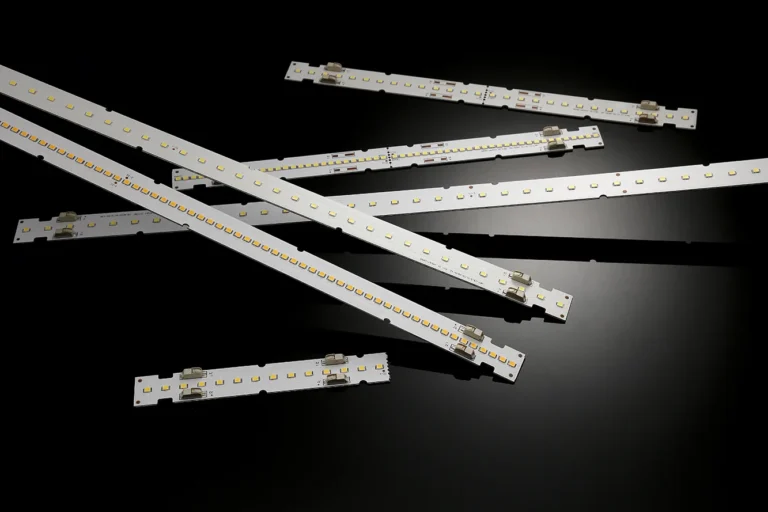
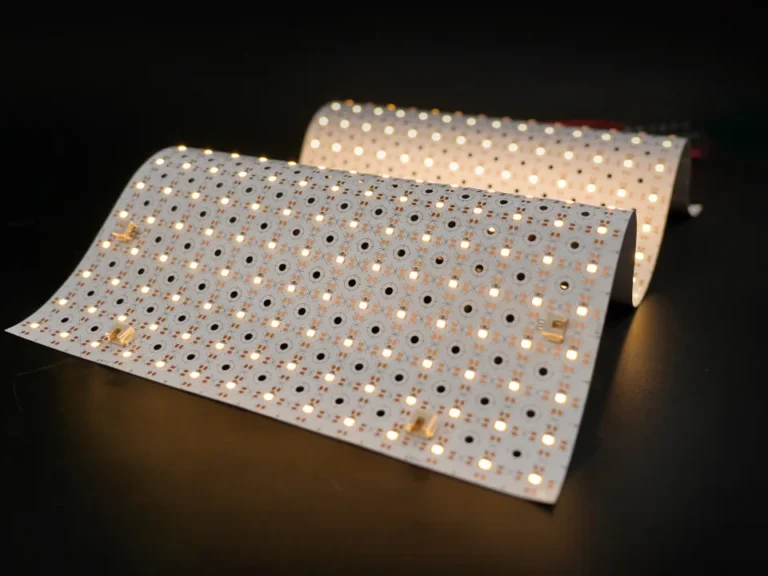
Os sistemas de iluminação por chapas de LED são construídos em torno de grades modulares de LEDs distribuídos em um painel fino. Muitos projetos permitem o corte em linhas predefinidas, segmentação elétrica e expansão de layout. Isso torna possível criar uma iluminação uniforme em formas irregulares, controlar os níveis de brilho e integrar a iluminação em elementos personalizados.
Este artigo explica como a personalização funciona em termos práticos B2B. Ele abrange personalização física, óptica e elétrica, aplicativos do mundo real, adaptação ao nível do fabricante, limitações e uma lista de verificação estruturada para apoiar arquitetos, engenheiros e equipes de compras avaliando uma folha de LED para uso comercial.
O que significa “personalização” para luzes de folha de LED
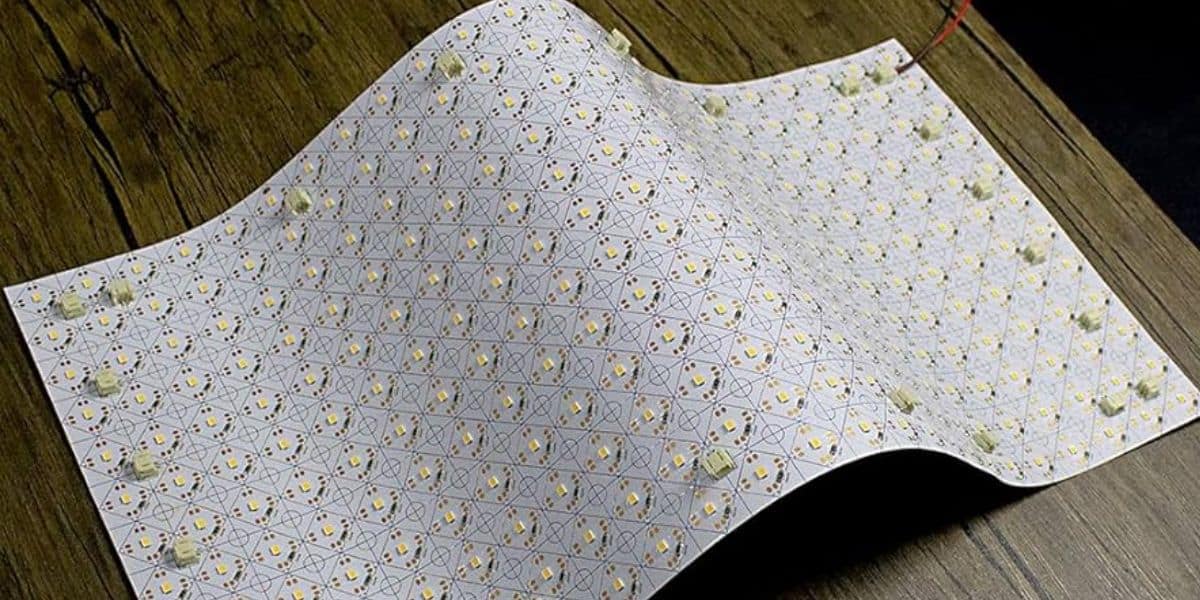
A personalização no contexto de luzes de folha LED vai muito além do redimensionamento simples. Para os compradores B2B, refere-se à flexibilidade estruturada em nível de engenharia que suporta a intenção do projeto, os requisitos de desempenho e as condições de instalação.
Em termos práticos, a iluminação de folha de LED personalizada pode envolver:
- Ajustando as dimensões gerais do painel
- Corte ao longo de linhas marcadas para se adequar a formas irregulares
- Segmentação de circuitos elétricos para grandes layouts
- Selecionando configurações específicas de brilho ou densidade
- Integrando o escurecimento ou o controle RGBW
Ao contrário dos painéis de LED fixos, fabricados em formatos rígidos, como 600×600 mm ou 1200×300 mm, uma folha de luz LED foi projetada para ser adaptável. Em vez de atuar como uma única luminária fechada, funciona como uma matriz de iluminação que pode ser integrada em marcenaria, superfícies arquitetônicas, sinalização e estruturas decorativas.
Um painel de LED padrão é tipicamente independente. Uma luz de folha de LED, por outro lado, é frequentemente instalada atrás de materiais translúcidos, como acrílico, tecido, folheado de pedra ou vidro para criar uma iluminação de fundo perfeita. A flexibilidade não é apenas em tamanho, mas também em configuração de layout e controle de iluminação.
Para engenheiros de iluminação e equipes de OEM/ODM, a personalização significa que o produto pode ser projetado em torno do projeto em vez de ser adaptado no local.
Opções de personalização física e estrutural
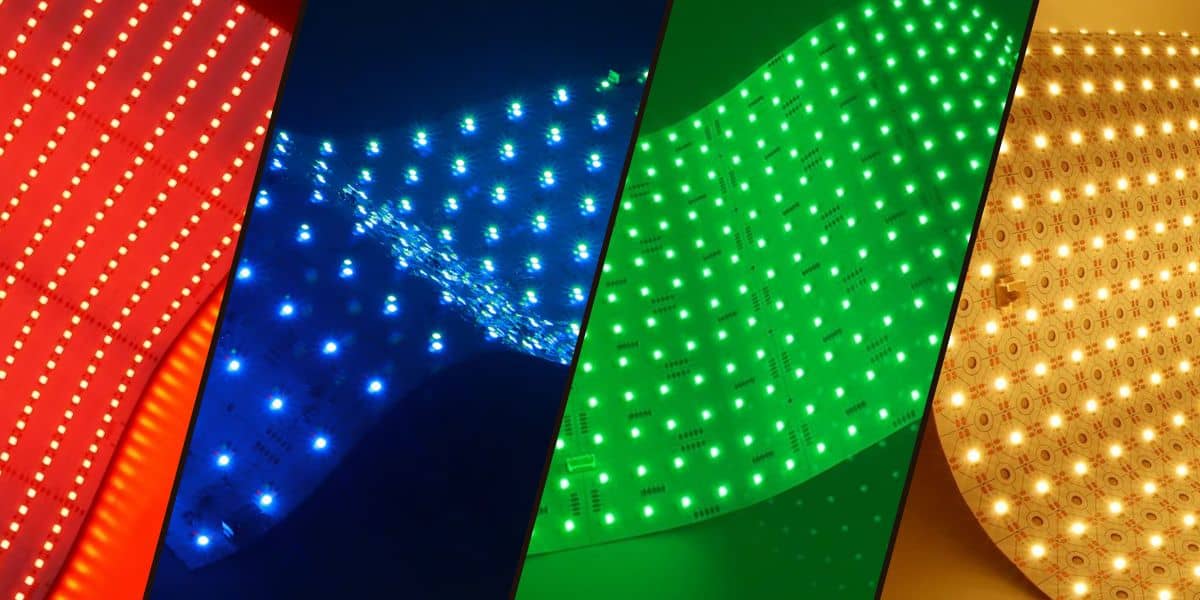
Fatores de forma flexíveis
Uma das vantagens mais importantes é a disponibilidade de uma folha de luz LED flexível. Esses produtos são construídos em substratos finos que permitem a flexão ou adaptação leve ao contorno. Embora não sejam destinadas a dobrar extremos, eles suportam superfícies curvas, como:
- colunas cilíndricas
- mesas de recepção curvas
- Painéis de exibição em arco
- enseadas arquitetônicas arredondadas
Isso permite que os projetistas mantenham uma iluminação contínua em todas as superfícies que, de outra forma, exigiriam várias luminárias rígidas.
Dimensões personalizadas e layouts modulares
Muitas folhas de luz LED incluem linhas de corte pré-marcadas. Isso permite que o instalador ou o fabricante aparem o painel sem danificar as vias elétricas. Para instalações maiores, várias folhas podem ser unidas para formar superfícies iluminadas contínuas.
Esta abordagem modular suporta:
- Grandes paredes com retroiluminação
- prateleiras de varejo estendidas
- Recursos de teto contínuo
- Painéis de marca de altura total
Em vez de depender de módulos fixos, uma folha de luzes LED pode ser dimensionada para o espaço necessário.
Conceitos de iluminação de ponta a ponta
Como os LEDs são distribuídos em toda a superfície, uma luz de folha LED pode fornecer cobertura de ponta a ponta. Isso é especialmente importante para lightboxes rasos ou detalhes arquitetônicos de perfil fino, onde soluções iluminadas por bordas podem produzir sombreamento ou distribuição irregular.
Em contextos arquitetônicos, essa flexibilidade estrutural permite a integração por trás de materiais translúcidos com profundidade mínima.
Personalização óptica e de iluminação
A adaptabilidade física por si só não é suficiente. A personalização óptica é igualmente importante em ambientes comerciais.
Seleção de brilho
iluminação de folha led personalizada Frequentemente permite diferentes densidades de LED. As configurações de densidade mais alta aumentam a produção luminosa e reduzem os hotspots visíveis quando colocados atrás dos difusores.
A seleção de brilho depende de:
- Tipo de aplicativo
- Visualizando a distância
- espessura do difusor
- Condições de luz ambiente
Os monitores de varejo e a sinalização normalmente exigem um brilho mais alto, enquanto os painéis decorativos arquitetônicos podem priorizar a produção mais suave.
Desempenho de iluminação uniforme
Uma folha de luz LED uniforme de iluminação é projetada para distribuir a luz uniformemente pela superfície. A uniformidade é fundamental para aplicações profissionais, pois o brilho desigual cria distrações visuais e reduz a qualidade percebida.
A iluminação uniforme é importante principalmente em:
- ônix ou paredes de pedra iluminadas
- caixas de luz de tecido
- vitrines
- Painéis de marca
Nesses ambientes, até mesmo inconsistências de brilho menores se tornam visíveis.
Escurecimento e controle de cores
As configurações avançadas incluem folhas de luz LED reguláveis e RGBW. Esses sistemas permitem:
- Controle de intensidade
- Ajuste da temperatura da cor
- Alterações de cor RGBW dinâmicas
Em ambientes de hospitalidade, varejo e exposições, o controle dinâmico aprimora o ambiente de humor e a narrativa da marca.
Quando devidamente projetados, a funcionalidade de escurecimento ou RGBW não compromete a iluminação uniforme, desde que a densidade do LED e a compatibilidade do driver sejam especificadas corretamente.
Personalização de Eletrotécnica e Controle
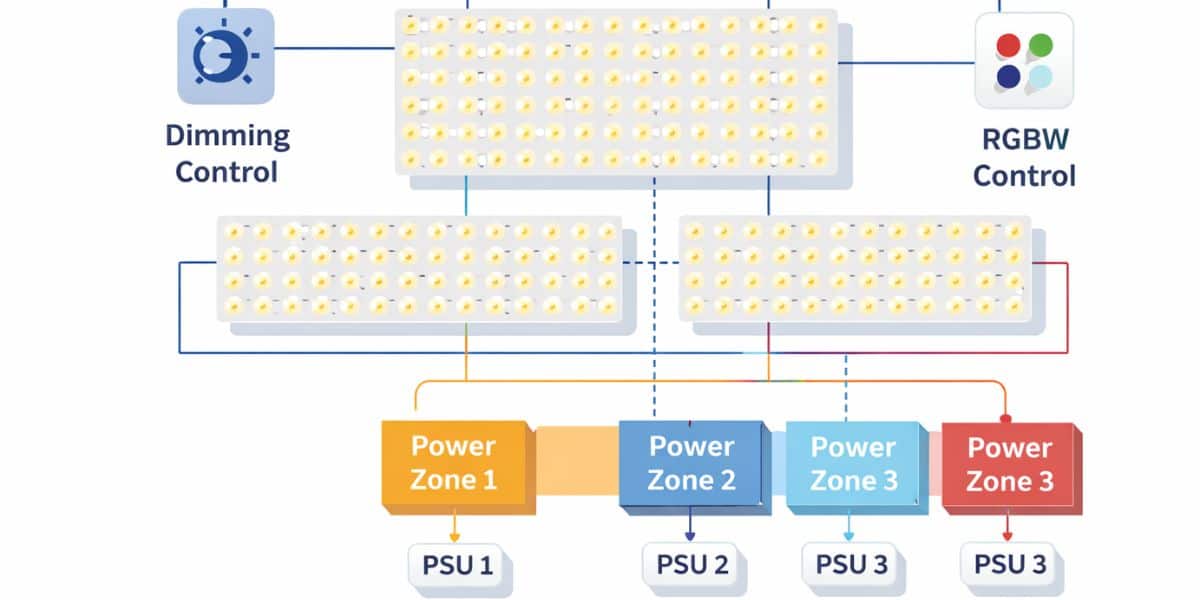
Do ponto de vista da aquisição e da engenharia, a flexibilidade elétrica é um componente central da personalização.
Compatibilidade de regulação de fluxo luminoso
Muitas luzes de folha de LED podem ser configuradas para funcionar com sistemas comuns de escurecimento. Isso permite a integração em ambientes de controle de iluminação centralizados sem a necessidade de soluções independentes.
Suportes para escurecimento:
- gerenciamento de energia
- ajuste da atmosfera
- Programação baseada no tempo
Configurações RGBW e tuneáveis
Folhas de luz LED reguláveis e RGBW permitem o controle independente dos canais vermelho, verde, azul e branco. Isso é valioso em ambientes onde a cor desempenha um papel estratégico, como interiores de marca ou espaços de varejo experienciais.
Versões ajustáveis em branco permitem o ajuste entre tons quentes e frios. Essa flexibilidade suporta:
- Transições do dia para a noite
- Destaque do produto
- Otimização do conforto visual
Segmentação de energia para grandes instalações
Para grandes superfícies iluminadas, a segmentação elétrica se torna importante. Em vez de alimentar uma parede inteira de um único feed, várias zonas podem ser divididas para:
- balanceamento de carga
- Flexibilidade de manutenção
- Controle de iluminação zonal
Essa segmentação estruturada deve ser definida durante a especificação do produto, principalmente para instalações de grande escala. Em projetos profissionais, layouts modulares e segmentação de circuitos são normalmente determinados no nível de fabricação para garantir um desempenho estável e confiabilidade a longo prazo.
Aplicações de design que exigem iluminação de folha LED personalizada
Iluminação arquitetônica
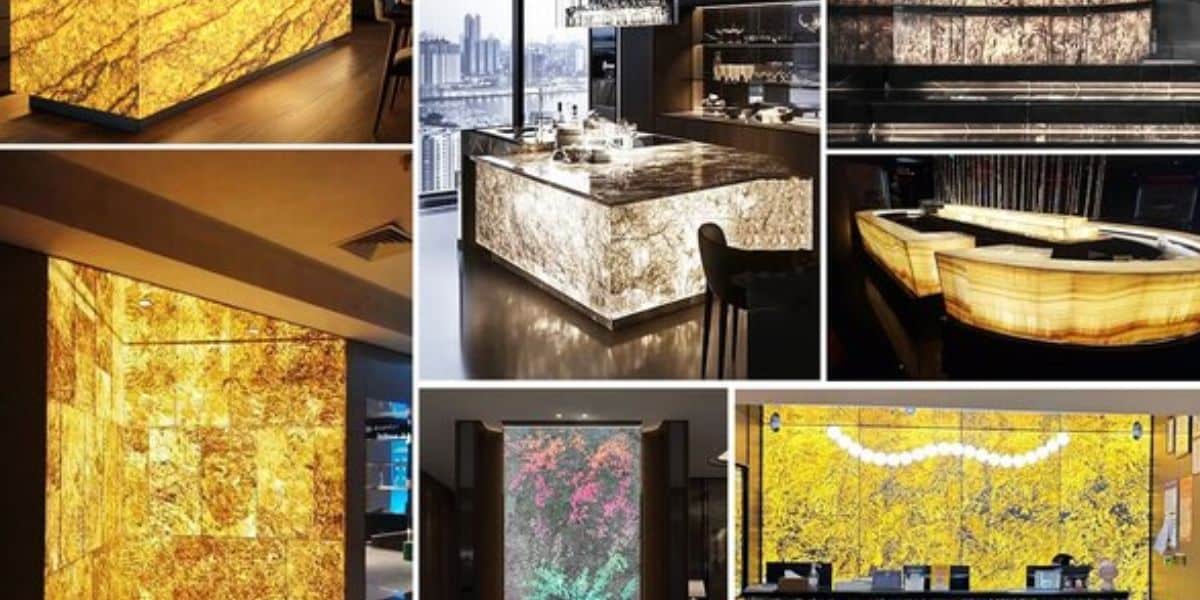
A iluminação arquitetônica geralmente envolve superfícies irregulares, como painéis de pedra, vidro texturizado ou tecido esticado. As luminárias padrão não podem igualar essas formas de forma eficaz.
A iluminação de folhas de LED personalizada permite que os designers criem superfícies verticais e horizontais uniformemente iluminadas que melhoram as características do material, mantendo a consistência visual.
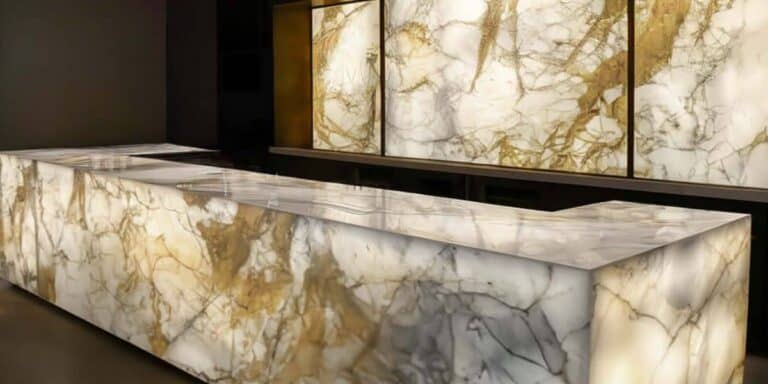
Em projetos de iluminação de arquitetura, a consistência visual e a flexibilidade estrutural são fundamentais. O exemplo abaixo demonstra como uma luz de folha de LED pode ser integrada atrás de painéis de pedra para obter uma iluminação uniforme na superfície.

Expositores de varejo e lojistas
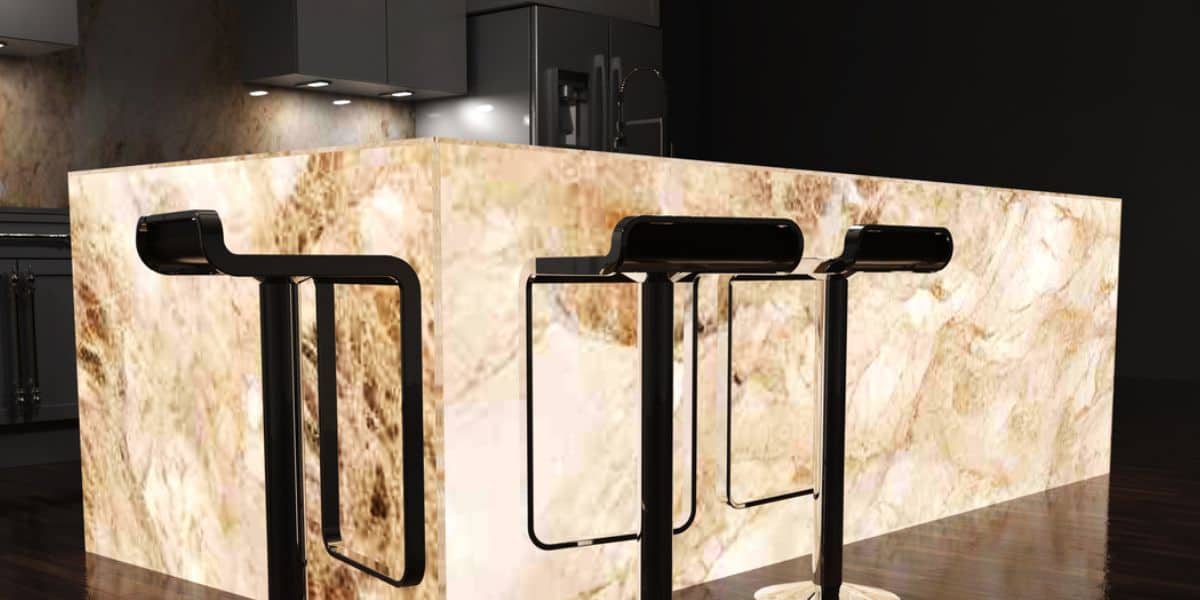
Os acessórios de varejo exigem uma iluminação precisa atrás das prateleiras, logotipos e painéis de recursos. Uma folha de luz LED pode ser cortada e adaptada para combinar com as dimensões dos armários sem espaços visíveis.
Como a iluminação é integrada à marcenaria, a personalização garante uma integração perfeita.
Painéis de sinalização e marca
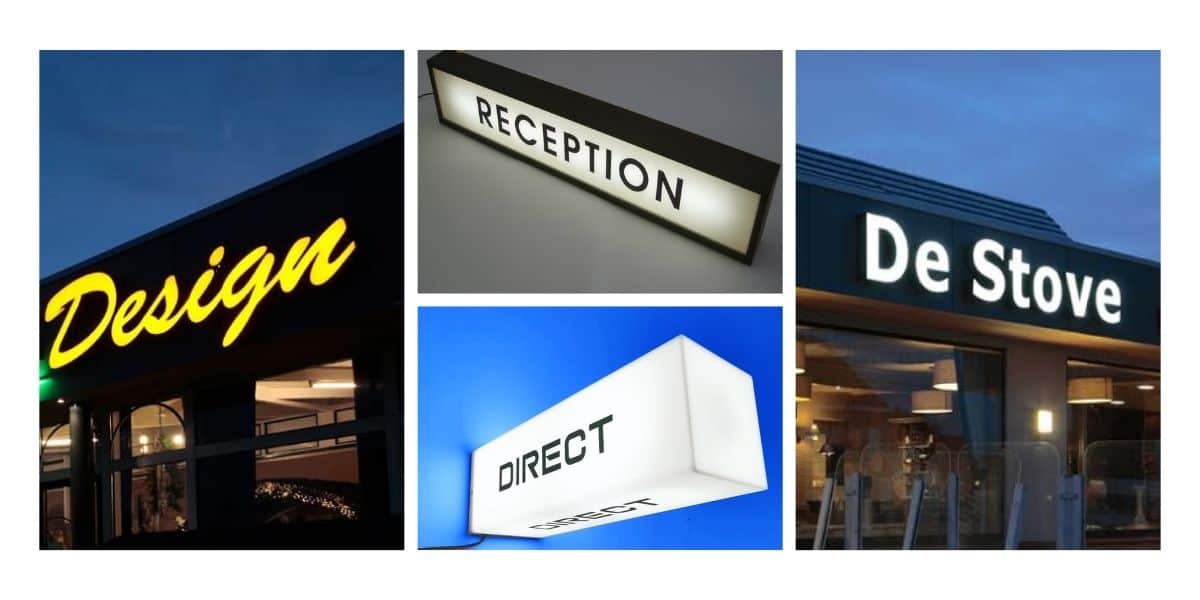
Os elementos de branding frequentemente envolvem logotipos, tipografia ou formas assimétricas. Uma folha de luz LED flexível pode ser moldada atrás de acrílico ou tecido para garantir um brilho uniforme em todas as seções.
A iluminação inconsistente comprometeria a apresentação da marca, tornando a uniformidade crítica.
Armários, vitrines e paredes de recursos
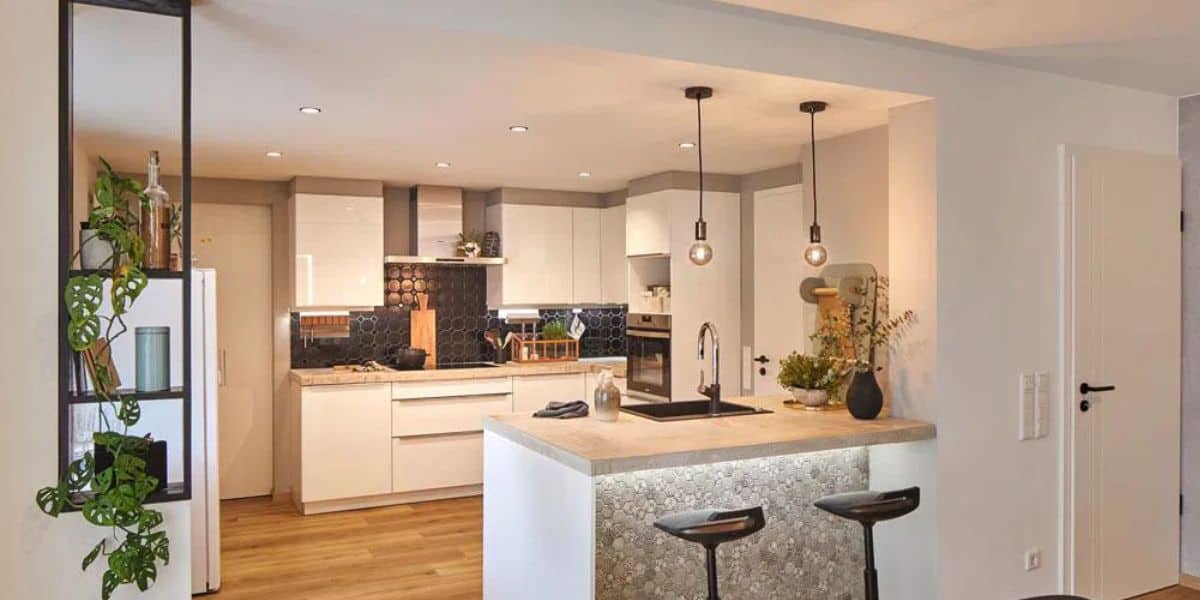
As vitrines geralmente têm profundidade limitada. Uma fina folha de LED permite uma instalação superficial, enquanto ainda oferece brilho suficiente.
As paredes apresentam, principalmente em ambientes de hotelaria e corporativos, beneficiando de uma iluminação limpa e sem sombras em superfícies largas.
Personalização em nível de fabricante em relação à modificação no local
Compreender onde a personalização deve ocorrer é essencial para as equipes de compras.
Personalização em nível de fabricante
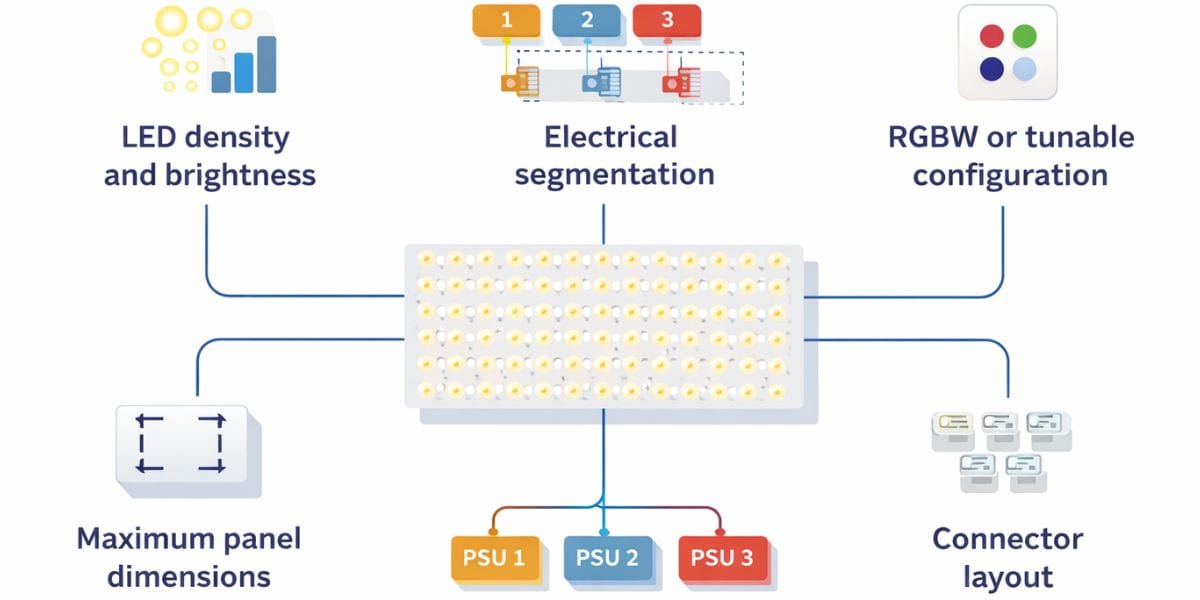
Os seguintes elementos devem ser definidos idealmente no nível de fábrica:
- Densidade e brilho do LED
- segmentação elétrica
- RGBW ou configuração ajustável
- Dimensões máximas do painel
- Layout do conector
A personalização definida pela fábrica garante o controle de qualidade, a confiabilidade elétrica e o desempenho consistente da iluminação.
Modificação no local
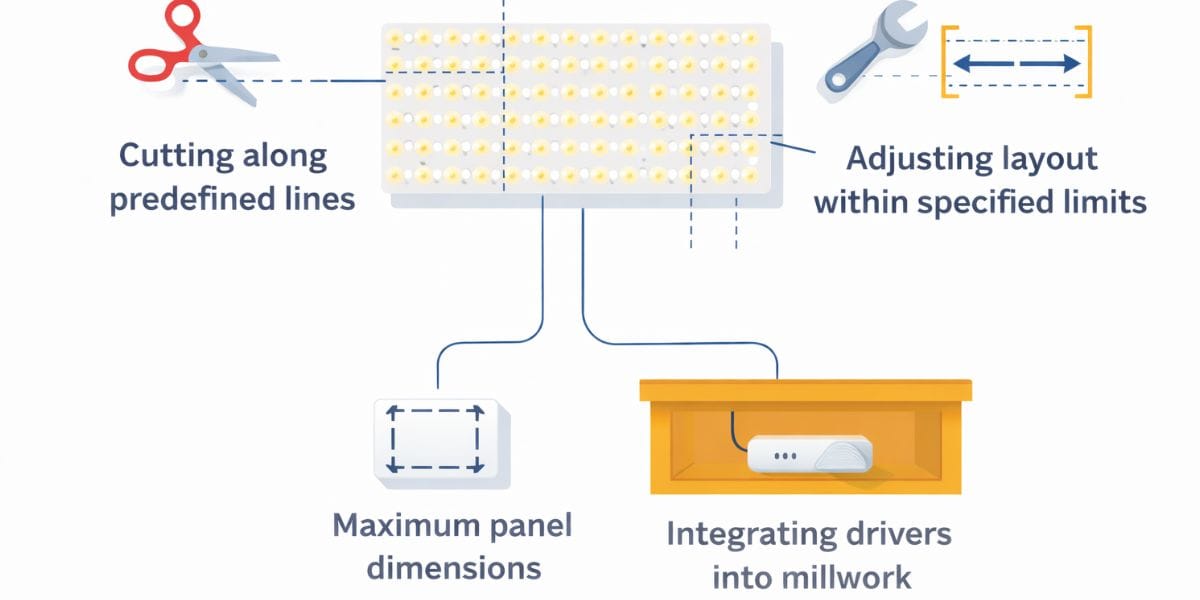
A modificação no local pode incluir:
- Cortando linhas predefinidas
- Ajustando o layout dentro dos limites especificados
- Integração de drivers no trabalho de marilha
No entanto, alterar as vias elétricas além dos pontos de corte projetados pode comprometer o desempenho e a segurança.
Para grandes projetos comerciais, os compradores B2B normalmente preferem a personalização definida pela fábrica porque reduz o risco de instalação e garante resultados previsíveis.
Limitações de personalização (realistas e honestos)
Embora as luzes de folha de LED sejam altamente adaptáveis, elas não são universalmente adequadas.
Restrições de design
Dobrar tridimensional extremo ou raios de dobra apertado podem exceder os limites de flexibilidade de uma folha de luz LED flexível.
limites elétricos
As instalações grandes exigem um cálculo de carga cuidadoso. Overstendering de um circuito além de sua capacidade nominal pode levar à queda de tensão e brilho irregular.
Considerações térmicas
Configurações de alta densidade em espaços fechados devem considerar o gerenciamento de calor.
Quando as luzes de folha de LED podem não ser ideais
Eles podem não ser a melhor solução para:
- Iluminação decorativa de vista direta
- Ambientes externos sem proteção adequada
- Aplicativos que requerem controle de feixe direcional profundo
Reconhecer esses limites garante especificações adequadas e confiabilidade a longo prazo.
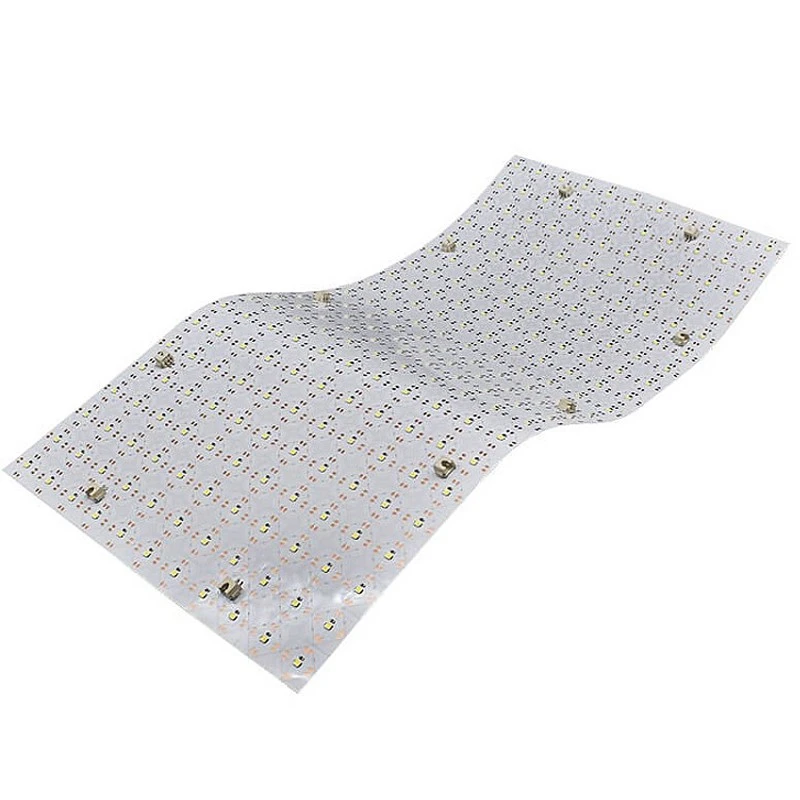
folhas de led de cor única
- tamanho ( l x w ): 250mm x 250 mm/ 490 mm x 245 mm
- Tipo de LED: 2835 SMD
- Quantidade do LED: 100 peças/242 pcs
- Tensão de funcionamento: CC 24 V
- Potência: 12W/28W
- CCT: 2700K/3000K/4000K/6000K/6500K
- Fluxo luminoso: 1200lm/2800lm
- IRC: >80ra
- Comprimento mínimo de corte: 25mmx25mm/22.3mmx22.3mm
- Regulável: sim
- Ângulo do feixe: 120°
- Nível impermeável: IP20 não à prova d'água, IP54 à prova d'água
- Garantia: 3 anos
Iluminação de folha de LED personalizada: lista de verificação de decisão
| Área de personalização | O que pode ser personalizado | Porque é que é importante |
| Tamanho e forma | Dimensões do painel personalizado e linhas de corte | Permite a integração em formas arquitetônicas exclusivas |
| Brilho | Densidade do LED e nível de saída | Garante uma iluminação correta para varejo, sinalização ou decoração |
| Cor | Branco, RGBW, capacidade de escurecimento | Suporta o controle de humor e as necessidades de branding |
| traçado | Segmentação e expansão modulares | Permite o escalonamento de instalações grandes |
| iluminação | Distribuição uniforme da luz na superfície | Oferece acabamento profissional e uniforme |
Essa avaliação estruturada ajuda as equipes de aquisição a alinharem as especificações técnicas com os objetivos do projeto.
Erros comuns do comprador a evitar
Um erro comum é confuso Tiras de LED Com luzes de folha de LED. As tiras fornecem iluminação linear, enquanto as folhas fornecem iluminação baseada na superfície. Eles não são intercambiáveis.
Outro problema frequente é supor que todos os produtos fornecem iluminação uniforme. Nem todas as folhas de LED são projetadas para uma distribuição consistente, especialmente em densidades mais baixas.
Alguns compradores também ignoram os recursos de personalização do fabricante. Sem confirmar a segmentação, densidade ou compatibilidade de controle antecipadamente, os projetos podem enfrentar desafios de instalação.
A especificação clara no início previne o reprojeto ou ajustes caros posteriormente.
Conclusão
As luzes de folha de LED podem ser personalizadas para diferentes designs, e essa flexibilidade as torna altamente adequadas para projetos comerciais e arquitetônicos.
Desde a adaptação de formato e tamanho até o controle de brilho e a configuração RGBW, a iluminação de folha LED personalizada permite que designers e engenheiros integrem a iluminação perfeitamente em estruturas modernas. Quando especificada corretamente, uma folha de luz LED fornece iluminação uniforme, layouts escaláveis e opções de controle adaptáveis que suportam uma ampla gama de aplicações.
Para os compradores B2B, a chave é definir a personalização no estágio correto, entender os limites técnicos e alinhar as especificações ópticas e elétricas com os objetivos do design.
FAQs
Postagens relacionadas