Português
  English
  简体中文
简体中文  Deutsch
  Español
  Français
  Italiano
  日本語
日本語  한국어
한국어  Polski
  Русский
  Türkçe
  Nederlands
  Tiếng Việt
  ไทย
ไทย 
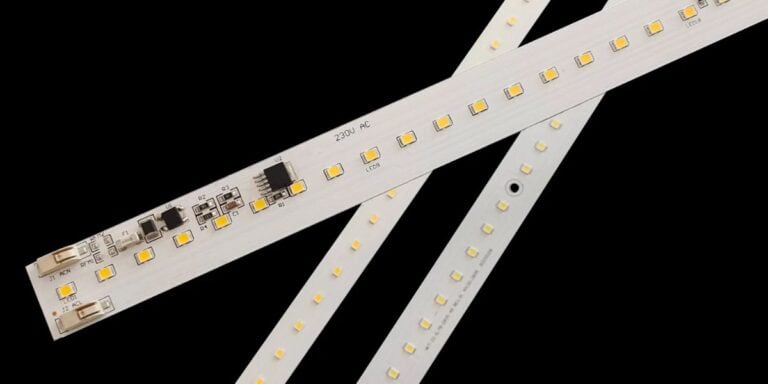
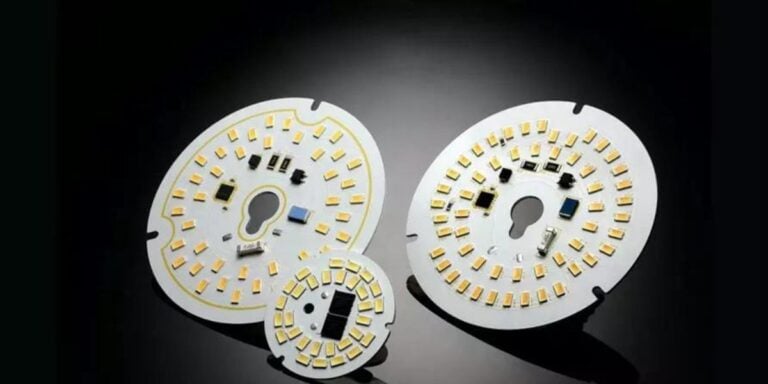
A indústria de iluminação LED transformou a iluminação moderna em aplicações residenciais, comerciais, industriais e automotivas. Os LEDs são favorecidos por alta eficiência energética, longa vida operacional e tamanho compacto. No entanto, seu desempenho depende muito do design do PCB, da qualidade do conjunto SMT e da confiabilidade da junta de solda. Até mesmo defeitos de montagem menores podem levar a cintilação, inconsistência de cor, formação de hotspot ou falha prematura.
Este guia explora
- Estratégias para melhorar a confiabilidade do LED de PCB
- Foco nas melhores práticas SMT, otimização de juntas de solda e gerenciamento térmico.
- Ajude os fabricantes a alcançar sistemas LED de alta qualidade e durabilidade.
Desafios comuns de confiabilidade em LEDs de PCB
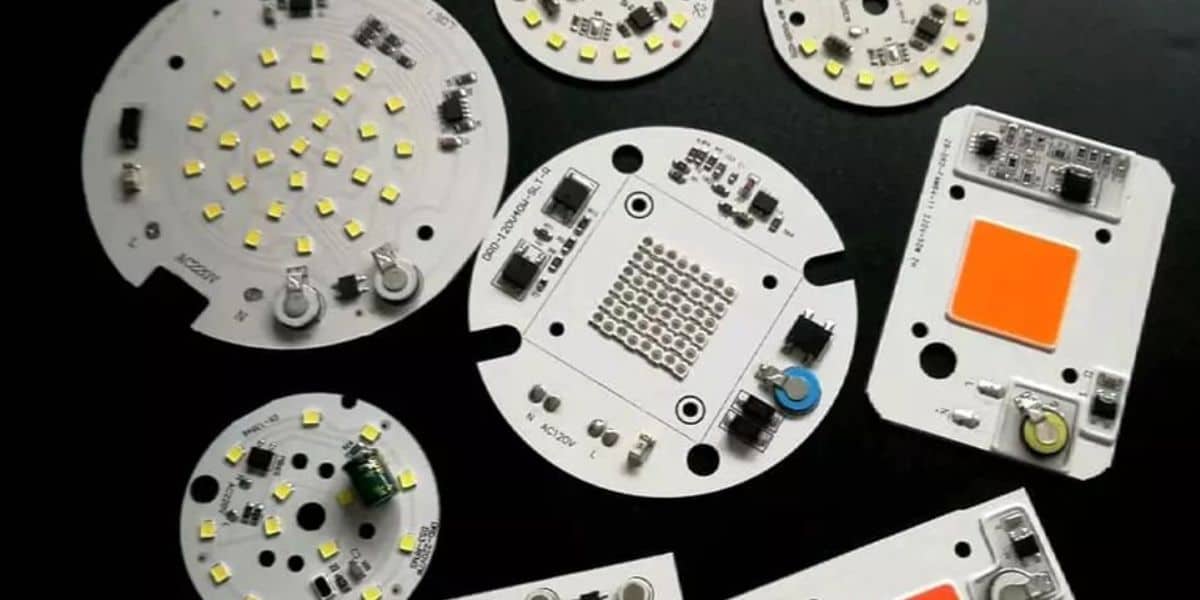
Os LEDs são altamente sensíveis a tensões térmicas, elétricas e mecânicas. O design ou a montagem ruins podem comprometer o desempenho e a vida útil. Os desafios típicos incluem:
- Juntas de solda rachadas ou abertas, levando a conexões intermitentes.
- Estresse térmico causando distorção de PCB e degradação de componentes.
- Eletromigração prejudicial aos traços de cobre sob alta densidade de corrente.
- Estresse mecânico de manuseio, transporte ou ciclagem térmica.
- LEDs desalinhados, resultando em uma saída de luz irregular ou pontos de acesso visíveis.
Tabela 1: Impacto dos problemas de PCB e SMT na confiabilidade do LED
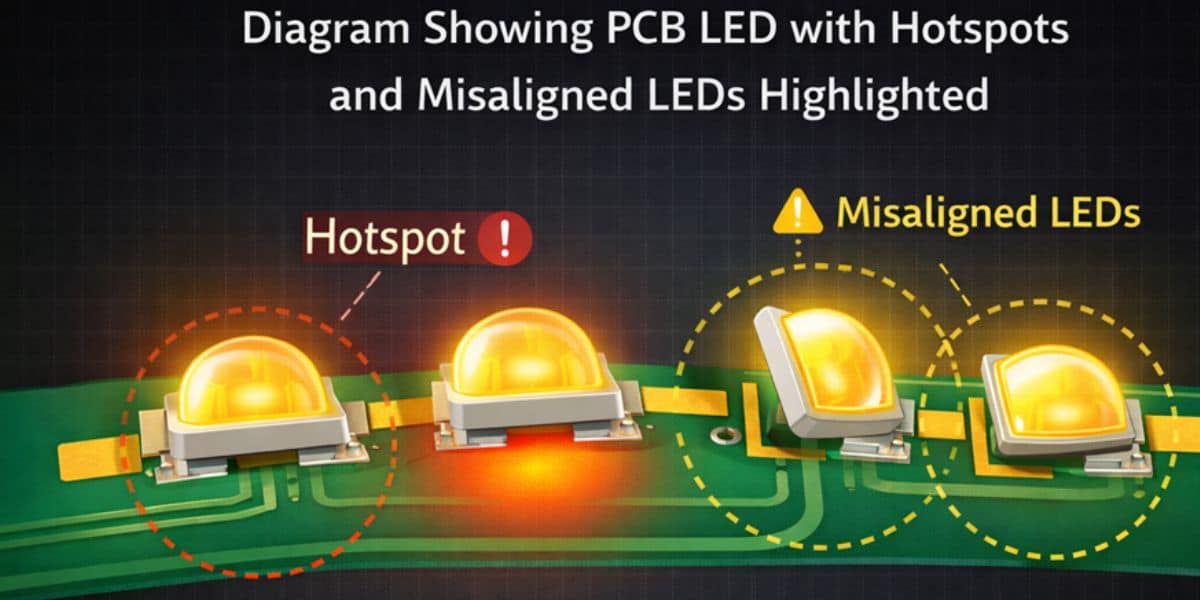
| emanação | causar | Efeito no sistema de LED |
| juntas de solda rachadas | Ciclagem térmica, estresse mecânico | Circuitos abertos e cintilantes |
| LEDs desalinhados | Erros de escolha e lugar | Distribuição de luz irregular |
| pontos de acesso térmicos | Dissipação de calor ruim | Depreciação do lúmen, falha precoce |
| eletromigração | Densidade de corrente alta, traços finos | Danos de rastreamento, falhas ao longo do tempo |
| vazios de solda | Deposição de pasta inadequada | Redução da condutividade térmica/elétrica |
Considerações sobre a tecnologia de montagem em superfície (SMT)
O SMT permite um posicionamento preciso do LED, formatos menores e desempenho elétrico aprimorado. No entanto, práticas ruins de SMT reduzem a confiabilidade.
1: Design de PCB para SMT
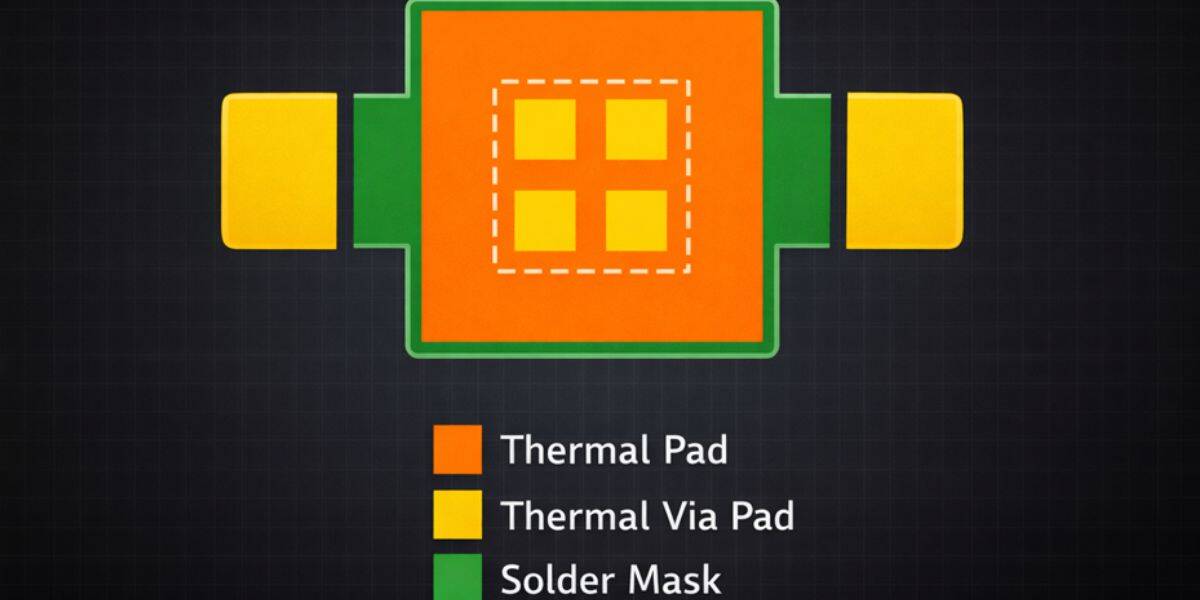
Um layout de PCB bem projetado oferece suporte à confiabilidade:
| elemento de design | Melhor prática |
| Tamanho e forma da almofada | Garanta a molhagem adequada da solda e evite a ponte |
| almofadas térmicas | Melhore a dissipação de calor para LEDs de alta potência |
| design de máscara de solda | Previna o derramamento de solda e mantenha a precisão do posicionamento |
| Largura do traço e cobre | Manter baixa resistência e manusear a corrente com eficiência |
2: precisão de pick-and-place
O posicionamento adequado é fundamental para a iluminação uniforme:
- A seleção do bico, a velocidade de colocação e a pressão devem ser otimizadas.
- O desalinhamento pode criar inconsistências ópticas e estresse mecânico.
- A calibração regular reduz os erros de posicionamento e o retrabalho.
3: aplicação de pasta de solda
A qualidade da pasta de solda e a aplicação são vitais:
- A pasta de baixo vazio e de alta qualidade garante umedecimento consistente.
- Os estêncils de precisão evitam a solda excessiva ou insuficiente.
- O conteúdo de fluxo deve ser adequado para prevenir a oxidação.
Confiabilidade da junta de solda
As juntas de solda formam a conexão mecânica e elétrica entre os LEDs e os PCBs. A má soldagem é uma causa primária de falha.
1: seleção de liga de solda
- SAC305 (SNAGCU) é o padrão sem chumbo.
- As ligas de baixo derretimento reduzem o estresse térmico durante o refluxo.
- A liga deve ser compatível com os acabamentos de PCB (ENIG, HASL, OSP).
2 : otimização do perfil de refluxo
A temperatura de refluxo deve ser controlada:
- O pré-aquecimento, o molho e as temperaturas máximas devem corresponder às recomendações do fabricante.
- Evite o superaquecimento de LEDs ou almofadas para evitar choque térmico.
- O resfriamento controlado reduz os riscos de fissuras.
3: geometria da junta de solda
A forma adequada da articulação melhora a resistência e a condutividade:
- A altura do filete deve cobrir a almofada sem excesso de solda.
- Filetes lisos e côncavos reduzem a formação de vazios.
- A coplanaridade garante um contato elétrico estável.
4: inspeção e controle de qualidade
- A Inspeção Óptica Automatizada (AOI) detecta defeitos visíveis.
- A inspeção por raios X identifica os vazios ocultos em almofadas térmicas.
- As auditorias regulares de processos mantêm uma qualidade consistente.
Tabela 2: Especificações de filete de solda recomendadas para LEDs
| Tipo de LED | Altura do filete (mm) | ângulo de junta | notas |
| 0,2–0,5 w LEDs | 0,2–0,3 | 45–60° | LED de montagem em superfície padrão |
| LEDs de 1 a 3 W | 0,3–0,5 | 45–70° | LEDs de alta potência requerem suporte térmico |
| > LEDs de 5 W | 0,4–0,6 | 60–75° | Use vias térmicas e PCB de metal-core |
Gerenciamento térmico de LEDs SMT
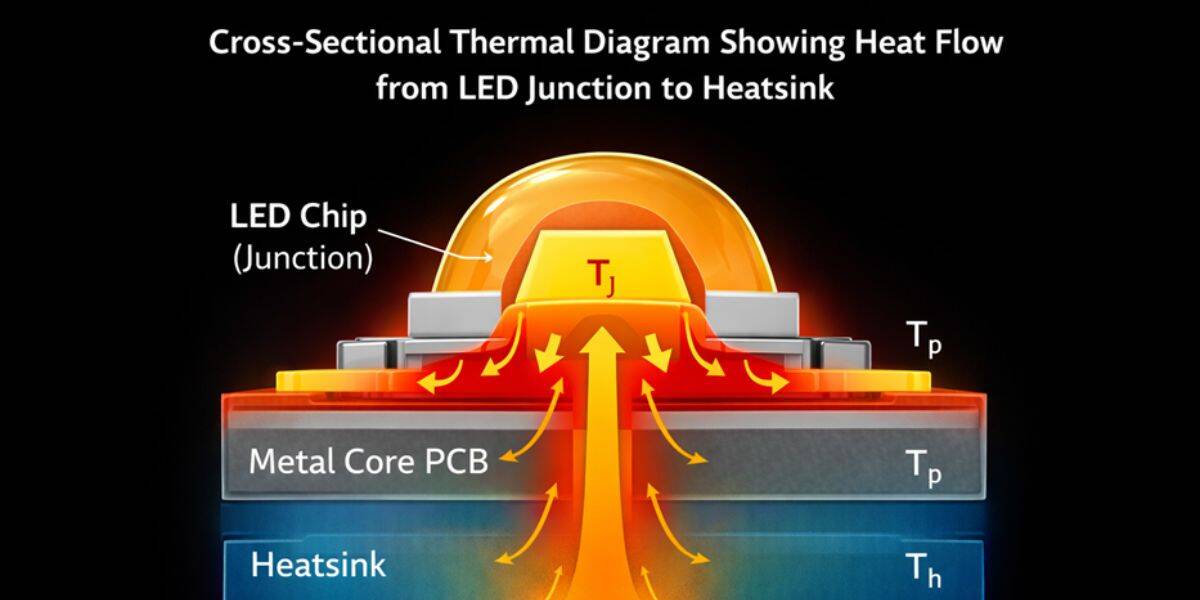
O calor é o mais Fator crítico para confiabilidade de LED. Altas temperaturas aceleram a depreciação do lúmen e reduzem a vida útil.
Estratégias chave:
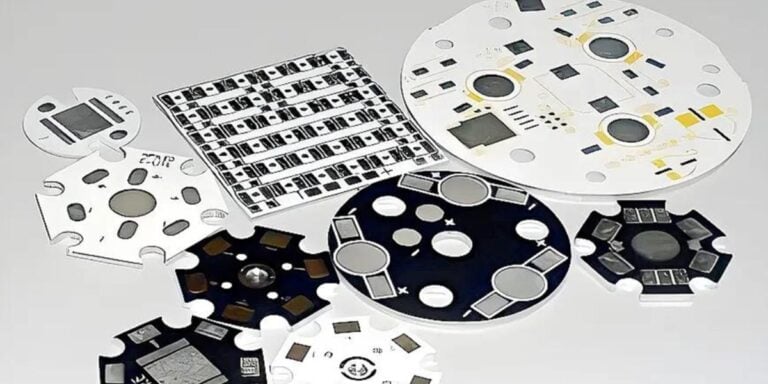
- Os PCBs de núcleo de alumínio melhoram a dissipação de calor.
- As vias térmicas sob LEDs transferem o calor para planos de cobre maiores.
- Dissipadores de calor e TIMS são essenciais para aplicações de alta potência.
- O espaçamento correto do LED previne os pontos de acesso e garante uma distribuição uniforme da temperatura.
Problemas comuns de SMT e solda
| emanação | causar | Solução |
| Tombstone | Tensão superficial irregular durante o refluxo | Ajuste o volume e o perfil da pasta de solda |
| ponte de solda | Solda em excesso, almofadas desalinhadas | Reduza a deposição de pasta, melhore o estêncil |
| juntas de solda fria | Molhamento ruim, baixa temperatura | Otimize o perfil de refluxo e o tipo de solda |
| mixórdia | ar preso ou fluxo | Use pasta de baixo vazio, refluxo adequado |
Práticas recomendadas para um conjunto de LED PCB confiável
Design para manufaturabilidade (DFM): Alinhe os pads, traços e caminhos térmicos com recursos SMT.
- Use pasta de solda de alta qualidade: Liga de baixo vazio e consistente com fluxo adequado.
- Perfil de refluxo controlado: Evite o superaquecimento e o resfriamento rápido.
- inspeção: AOI, raios X e verificações manuais.
- Manuseio: Minimize o estresse mecânico durante o transporte e montagem.
- Projeto térmico: PCBs de núcleo de metal, vias térmicas e dissipadores de calor.
- Processos padronizados: A documentação garante repetibilidade.
Estudo de caso: módulo LED de alta potência
Um módulo de LED industrial de alta baía teve falhas frequentes nas juntas de solda devido ao ciclagem térmica.
Melhorias implementadas:
- Mudados para PCBs de núcleo de alumínio.
- Deposição de pasta de solda otimizada.
- Perfis de refluxo controlados.
- Adicionadas vias térmicas sob LEDs.
Resultados:
- 30% Redução de defeitos de juntas de solda.
- Melhora na manutenção do lúmen após 5.000 horas de funcionamento.
Tendências emergentes no conjunto de LED de PCB
- Ligas de solda de baixa temperatura reduzem o estresse térmico.
- A solda sem chumbo garante a conformidade regulatória sem reduzir a confiabilidade.
- A inspeção assistida por IA detecta defeitos mais rapidamente do que os métodos tradicionais.
- Os materiais avançados de PCB com alta condutividade térmica melhoram a dissipação de calor.
- As simulações térmicas 3D predizem os hotspots antes da produção.
Dicas adicionais para fabricantes
- Use o software de design de estêncil para uma deposição precisa de pasta de solda.
- Realize simulações térmicas para evitar pontos de acesso antes da produção.
- Calibre regularmente as máquinas de coleta e lugar.
- Manter a umidade e a temperatura controladas nas áreas de montagem.
- Use revestimentos protetores para ambientes de alta umidade.
Conclusão
A confiabilidade do LED PCB depende da qualidade do conjunto SMT, da integridade da junta da solda e do gerenciamento térmico. O design adequado, a solda e o controle de processos evitam falhas, aprimoram o desempenho e prolongam a vida útil do LED. Os fabricantes que implementam layouts otimizados, soldagem de alta qualidade e estratégias térmicas avançadas obtêm sistemas LED confiáveis e duradouros com saída de luz consistente.
Para soluções de LED de alto desempenho e durabilidade, a confiança sinalizada para conjuntos de LED PCB com engenharia especializada. Nós nos concentramos na otimização SMT, soldagem precisa e gerenciamento térmico avançado para fornecer iluminação confiável.
Contato Signliteled hoje Para melhorar a qualidade do seu produto, reduzir falhas e garantir um desempenho superior do LED.
FAQs
Postagens relacionadas