Português
  English
  简体中文
简体中文  Deutsch
  Español
  Français
  Italiano
  日本語
日本語  한국어
한국어  Polski
  Русский
  Türkçe
  Nederlands
  Tiếng Việt
  ไทย
ไทย 
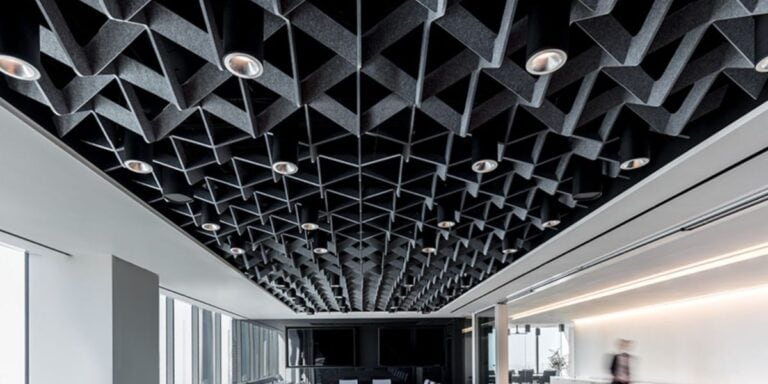
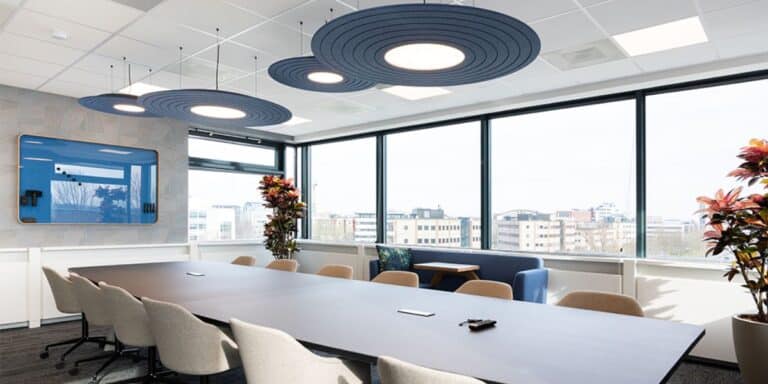
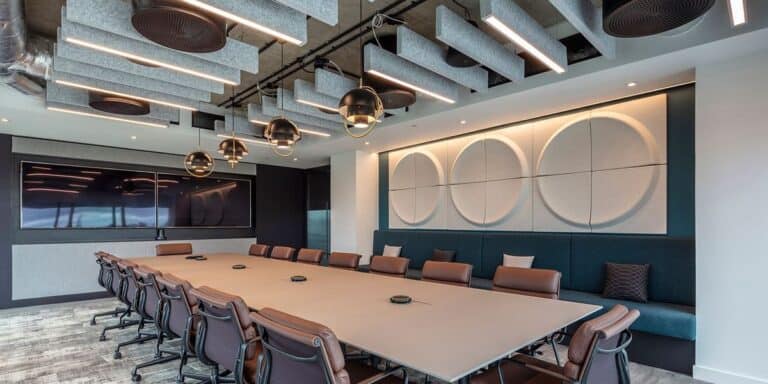
Sim, iluminação acústica Pode valer a pena o investimento em espaços comerciais quando tanto o desempenho da iluminação quanto o controle acústico são necessários no mesmo sistema de teto. Ao combinar iluminação e absorção de som em uma única instalação de engenharia, as organizações podem reduzir a reverberação, melhorar a clareza da fala e minimizar a necessidade de painéis acústicos separados. Em escritórios e ambientes colaborativos, reduções mensuráveis no tempo de reverberação podem melhorar a concentração e a eficiência da reunião. Do ponto de vista do ciclo de vida, a integração da iluminação e do tratamento acústico também pode diminuir a complexidade da instalação e os custos de coordenação de longo prazo.
Este artigo avalia custos, ROI, valor de longo prazo e quando a iluminação acústica faz sentido financeiro para os compradores comerciais. O foco é estritamente na lógica de investimento, no impacto do desempenho e no valor operacional de arquitetos, designers, gerentes de instalações e equipes de compras.
O que os compradores comerciais estão realmente pagando
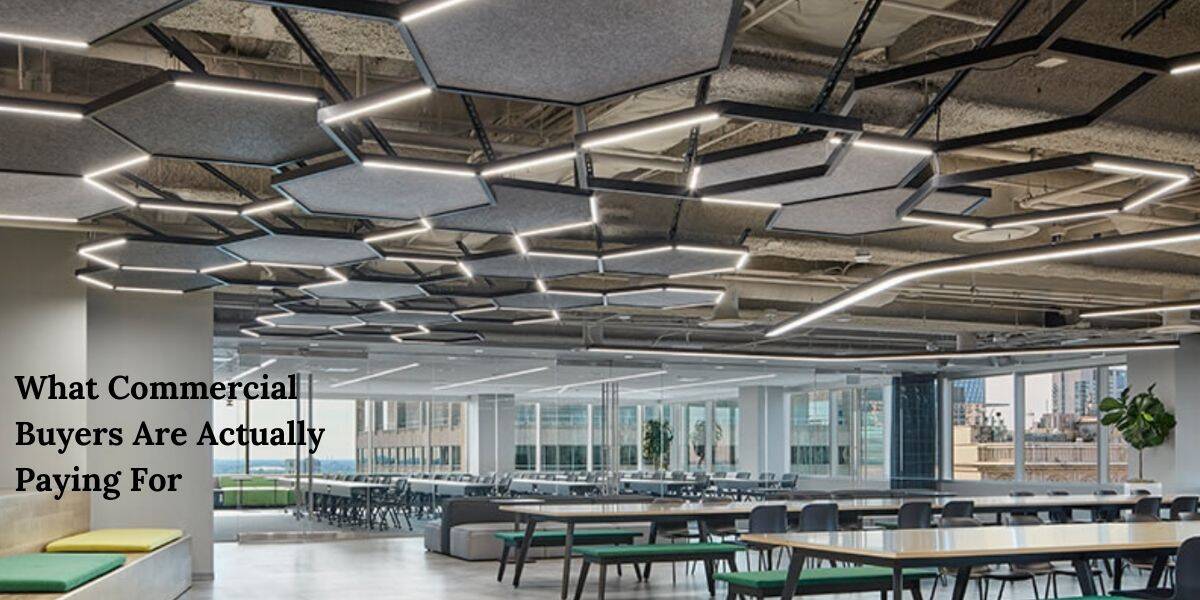
Quando as equipes de compras avaliam iluminação acústica, o investimento vai muito além de uma luminária com uma capa de feltro. Os sistemas de nível comercial são conjuntos projetados para atender aos padrões de iluminação, alvos de absorção acústica e códigos de segurança simultaneamente.
A estrutura de custos normalmente inclui:
- material acústico de engenharia
A maioria dos sistemas usa feltro de alta densidade ou material de absorção equivalente. Densidade, espessura, desempenho do NRC (coeficiente de redução de ruído) e classificação de incêndio influenciam o custo. As especificações comerciais geralmente exigem classificações de incêndio classe A e dados de desempenho acústico verificados. - Sistema de LED integrado
Ao contrário dos pingentes decorativos, os verdadeiros acessórios acústicos incluem módulos de LED de nível comercial, drivers, gerenciamento térmico, verificação de saída do lúmen e renderização de cores consistente. As classificações de vida útil geralmente caem entre 30.000 e 50.000 horas. - Projeto estrutural de dupla função
O dispositivo de fixação foi projetado para absorver o som, mantendo a distribuição óptica. Isso requer defletores internos, cavidades acústicas ou geometrias de feltro que aumentam a área de superfície. - Suspensão e hardware de montagem
Os sistemas de suspensão adequados garantem uma altura ideal para absorção acústica e distribuição de iluminação. O planejamento da instalação é um pouco mais complicado do que os troffers montados na superfície. - Intenção de teste acús
Os sistemas comerciais são normalmente desenvolvidos com a modelagem acústica em mente. O objetivo é a redução mensurável da reverberação, não apenas o amortecimento estético do som.
Lâmpadas decorativas de feltro vs sistemas de iluminação acústica projetados
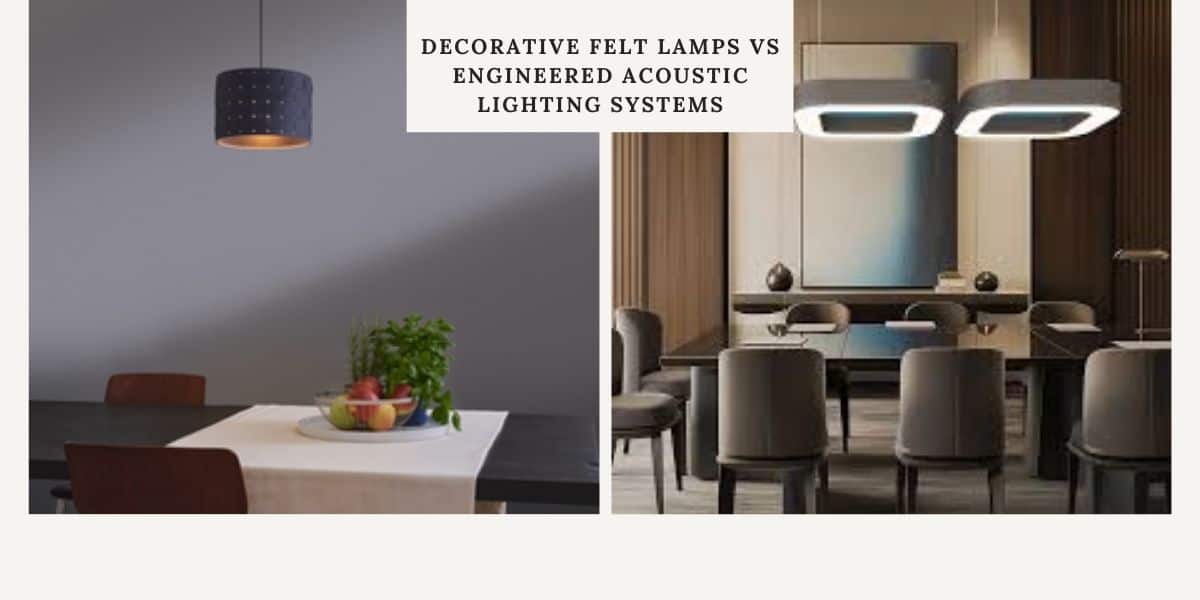
Um risco-chave de aquisição é confundir a iluminação decorativa de feltro com os verdadeiros sistemas de iluminação acústica.
Lâmpadas decorativas de feltro
- principalmente estética
- Testes acústicos
- Área superficial mínima para absorção
- Não foi projetado para uma contribuição mensurável do NRC
Sistemas de iluminação acústica verdadeiros:
- Projetado para funcionar como acessórios acústicos
- Fornecer valores de absorção quantificáveis
- Suporte padrões de desempenho de iluminação
- Contribua com a estratégia acústica de todo o teto
Por exemplo, sistemas feitos por fabricantes profissionais ilustram como a iluminação e o controle de som são projetados juntos, em vez de tratados como uma reflexão tardia. Esses sistemas são projetados com intenção acústica verificada, distribuição de luz adequada e suporte estrutural integrado em vez de simplesmente envolver uma luminária decorativa em feltro.
De uma perspectiva comercial, essa distinção afeta diretamente o ROI.
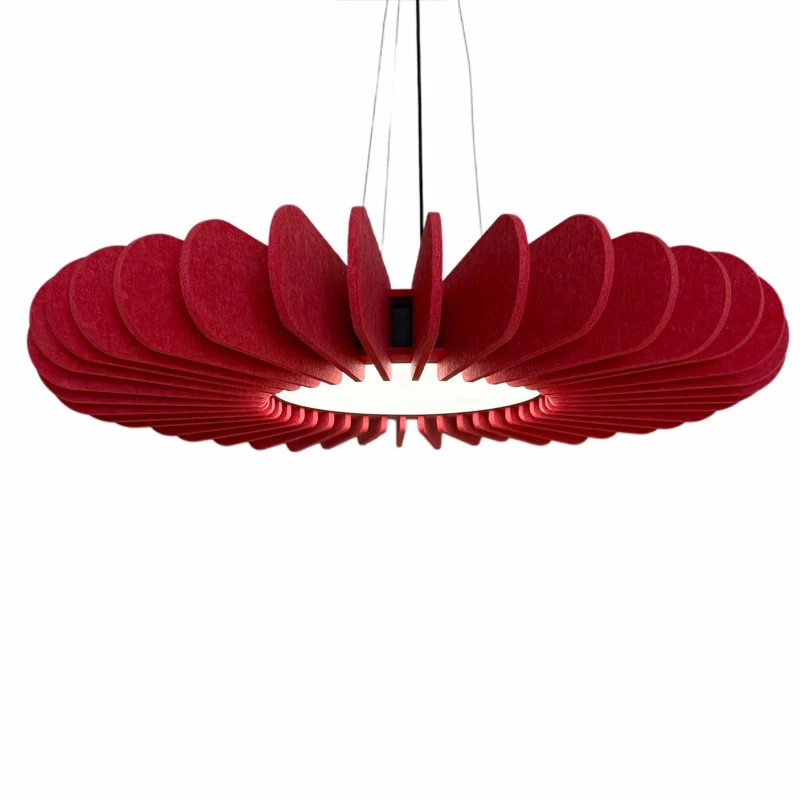
Luz pendente LED redonda ultrafino e fino
- Tensão de entrada: AC100-277V / AC220-240V, 50-60Hz
- Tamanho da carcaça: 120 mm
- Sentido de emissão: para baixo
- Tamanho DH: 500*80mm
- CCT: 3000K/4000K/6000K
- Potência: 15W
- Fluxo luminoso: 100-110LM/W
- CRI: >90ra
- PF: >0,90
- Flicker grátis: sim
- Ângulo de feixe: 120°
- Grau IP: IP20
- Garantia: 5 anos
- Opção de cor do painel acústico: vermelho/verde/azul/cinza mais de 48 cores
Repartição de custos clara
A iluminação acústica custa mais antecipadamente do que os acessórios de LED comerciais padrão. No entanto, o preço do dispositivo por si só não representa o custo total do projeto.
Abaixo está uma comparação de custos realista para sistemas de nível comercial:
| Categoria de custo | iluminação acústica | Iluminação LED comercial padrão |
| custo unitário | $400–$1.200+ POR FIXTURA | $120–$450 POR FIXTURA |
| Instalação | ligeiramente mais alto (suspensão + posicionamento) | padrão |
| Painéis acústicos adicionais necessários | muitas vezes reduzido ou eliminado | Geralmente requerido |
| Ciclo de vida (LED) | 30.000–50.000 horas | 30.000–50.000 horas |
Por que a iluminação acústica custa mais antecipadamente
O prêmio de preço é impulsionado por:
- material para feltro para animais de estimação
- Aumento do volume de material
- Suporte estrutural integrado
- engenharia acústica
- geometrias personalizadas
- Custos mais altos de transporte e manuseio
Em muitos projetos, as luminárias acústicas custam aproximadamente 1,5 a 3 vezes mais por unidade do que as luminárias de LED padrão.
No entanto, essa comparação se torna incompleta quando os painéis acústicos são necessários em paralelo.
Painéis de teto acústico comercial típicos ou defletores suspensos podem custar:
- $25–$60 por pé quadrado instalado
- $300–$900 POR ELEMENTO ACÚSTICO MONTADO, CONFORME O TAMANHO
Se um projeto requer tanto iluminação quanto tratamento acústico, a separação dos sistemas pode aumentar significativamente o custo total instalado.
Quando a iluminação e a absorção são combinadas, o projeto pode reduzir:
- Desordens do teto
- Coordenação do trabalho de instalação
- Número total de elementos suspensos
- Sistemas de suspensão redundantes
Para equipes de compras, a avaliação real deve ocorrer no nível do projeto e não no nível do acessório.
ROI e impacto nos negócios
O retorno do investimento para iluminação acústica está vinculado ao desempenho no local de trabalho e à eficiência operacional, e não à economia de energia isoladamente.
Em escritórios comerciais, a reverberação excessiva reduz a clareza da fala e aumenta a distração. Estudos mostram consistentemente que ambientes acústicos pobres reduzem a produtividade e aumentam a fadiga cognitiva. Em escritórios de plano aberto, os tempos de reverberação descontrolados podem exceder os limites recomendados, principalmente em espaços com concreto exposto ou tetos duros.
A iluminação acústica contribui para:
- Menor tempo de reverberação
- Melhor inteligibilidade da fala
- Distracao reduzida
- Zonas de colaboração mais eficientes
Abaixo está um resumo estruturado do impacto do valor:
| área de valor | impacto |
| Redução de ruído | Reduza a reverberação e o eco |
| clareza da fala | Melhor eficiência de colaboração |
| Eficiência do espaço | Necessário menos painéis acústicos separados |
| Manutenção a longo prazo | Sistema de dupla finalidade reduz a complexidade |
Lógica financeira por trás do ROI
- Redução de custos de retrofit
Se o desempenho acústico for abordado durante a construção inicial usando sistemas integrados, podem ser evitados retrofits caros. A modernização dos painéis de teto após a ocupação geralmente envolve uma interrupção operacional. - Reunião de ganhos de eficiência
Melhor clareza da fala pode reduzir os horários das reuniões e reduzir o erro de comunicação. Embora difícil de quantificar com precisão, isso contribui para a melhoria da produtividade mensurável. - Coordenação de teto simplificada
Sistemas integrados reduzem a coordenação entre os comércios elétricos e acústicos. - Conforto e retenção do funcionário
Ambientes acústicos confortáveis melhoram a qualidade percebida do local de trabalho, o que indiretamente apoia a retenção de talentos.
O período de retorno depende muito do tipo de espaço. Em escritórios abertos de alta densidade, o ROI pode ser realizado por meio de instalações de painéis acústicos evitados dentro do orçamento inicial de construção e não por meio de economias operacionais.
Quando a iluminação acústica vale o investimento
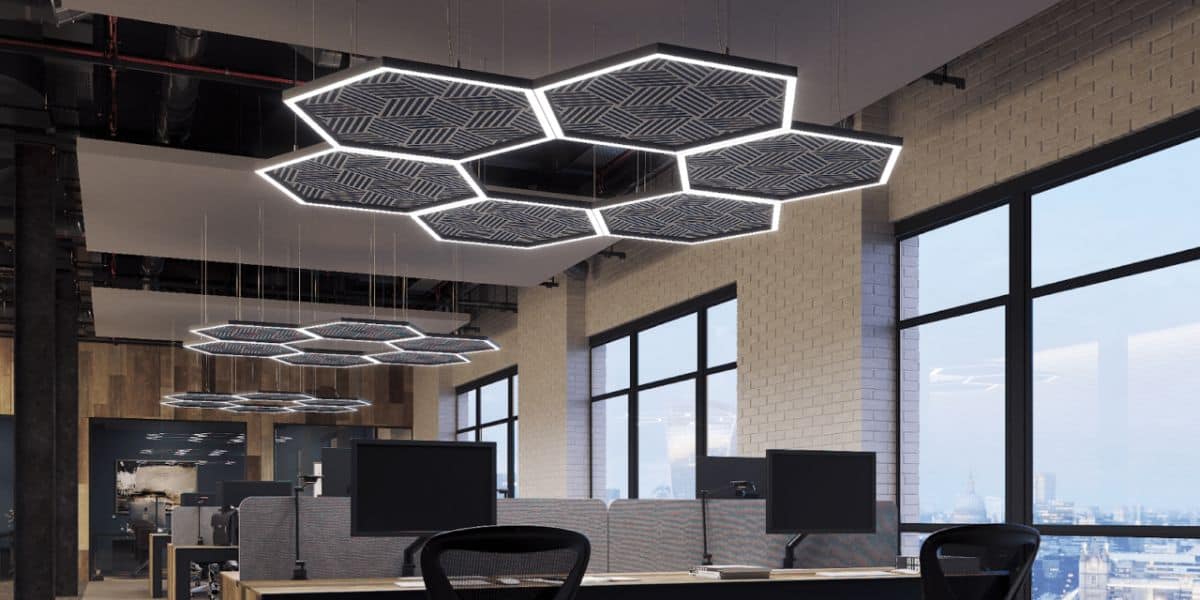
A iluminação acústica vale o investimento quando:
- Escritórios de plano aberto com alta atividade de fala
- Tetos refletivos duros (concreto, deck exposto)
- Espaços de colaboração híbrida
- Salas de treinamento e áreas de conferências
- Projetos já orçamentários para tratamento acústico
Nesses ambientes, combinando iluminação e acessórios acústicos Suporta metas de desempenho mensuráveis.
Pode não ser justificado financeiramente em:
- Pequenos escritórios fechados com baixa ocupação
- Quartos com carpete com amplo mobiliário macio
- Espaços já tratados com telhas completas do teto acústico
- Aplicações de iluminação estritamente decorativas
A decisão deve se alinhar com as metas de desempenho acústico, não tendências estéticas.
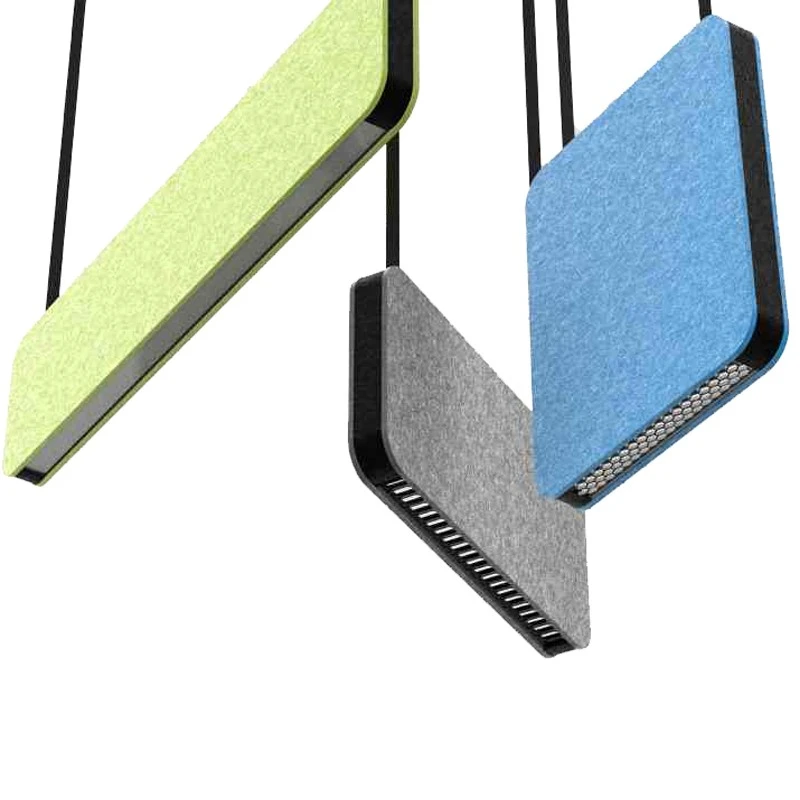
Luz linear de LED acústica super fina
- Tensão de entrada: AC100-277V / AC220-240V, 50-60Hz
- Sentido de emissão: para baixo
- Tamanho: 121836400mm
- CCT: 3000K/4000K/6000K
- Potência: 30W
- Fluxo luminoso: 100-110LM/W
- CRI: >80ra
- PF: >0,90
- Flicker grátis: sim
- Ângulo de feixe: 120°
- Grau IP: IP20
- Garantia: 5 anos
- Cor de placa acústica em feltro: vermelho/verde/azul/cinza mais do que 48 cores opção
Manutenção a longo prazo e custo de vida útil
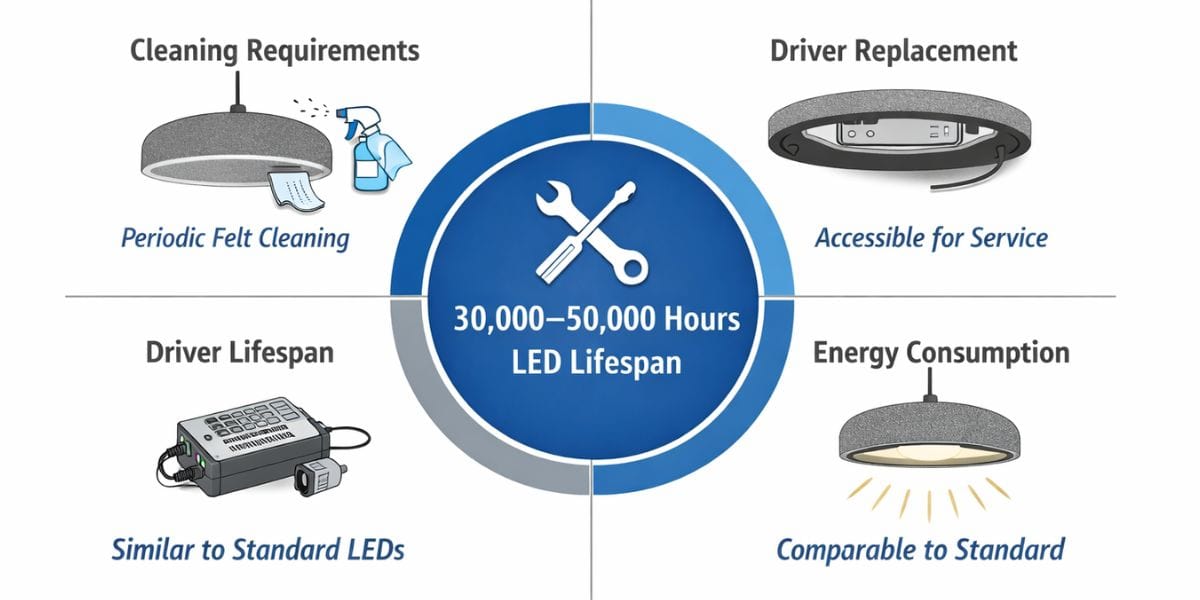
Do ponto de vista operacional, a iluminação acústica funciona de maneira semelhante aos sistemas de LED padrão em termos de consumo de energia.
Vida útil do LED
Os módulos de LED comerciais geralmente duram entre 30.000 e 50.000 horas. A vida útil do motorista pode variar, mas geralmente é comparável às luminárias padrão.
Requisitos de limpeza
Os materiais de feltro para animais de estimação atraem menos poeira do que o estofamento de tecido, mas exigem uma limpeza ocasional da superfície. Em aplicações de teto alto, a frequência de manutenção é mínima.
substituição do motorista
O acesso a drivers de LED deve ser considerado durante a especificação. Sistemas de alta qualidade fornecem compartimentos de motorista acessíveis para reduzir a mão de obra de manutenção.
Impacto do custo operacional
O uso de energia permanece comparável a Luminárias de LED padrão com saída de lúmen equivalente. A diferença está no desempenho acústico, não na economia de energia.
Com o tempo, os sistemas integrados podem reduzir a complexidade da manutenção, pois menos elementos separados no teto exigem manutenção.
Avaliação de risco para compradores comerciais
Os compradores comerciais devem avaliar a iluminação acústica com cuidado para evitar desempenho inferior.
Os principais riscos incluem:
- Seleção de acessórios decorativos sem teste acústico verificado.
- Instalando acessórios sem cálculos de cobertura acústica adequados.
- Altura baixa da suspensão, reduzindo a eficiência de absorção.
- Ignorando a conformidade com a classificação de fogo.
- Subestimação da área de cobertura necessária.
A iluminação acústica deve ser incorporada em uma estratégia acústica geral, em vez de instalada aleatoriamente.
A falha em avaliar os requisitos de cobertura pode resultar em redução insuficiente de reverberação, reduzindo o valor percebido do investimento.
Resumo do investimento estratégico
A iluminação acústica não é uma atualização decorativa. É uma decisão funcional do sistema de teto que integra dois elementos de desempenho de construção.
O investimento deve ser avaliado no nível do projeto, considerando:
- Custo total de iluminação
- Custo total do tratamento acústico
- Coordenação de instalação
- Eficiência operacional a longo prazo
Em projetos que exigem iluminação e controle acústico, os sistemas de dupla função podem reduzir a complexidade geral e reduzir o custo total potencialmente instalado em comparação com soluções separadas.
A lógica financeira central é simples: combinar dois sistemas de desempenho em um único dispositivo pode reduzir a redundância, os custos de coordenação e o congestionamento do teto.
Conclusão
A iluminação acústica vale o investimento em espaços comerciais onde tanto a iluminação quanto o controle acústico são necessários. Pode reduzir a necessidade de acessórios acústicos separados, simplificar os sistemas de teto e oferecer suporte a eficiência operacional a longo prazo.
O custo inicial mais alto é justificado quando avaliado no nível do projeto e não por acessório. Em ambientes com alta atividade de fala e superfícies reflexivas, a iluminação acústica integrada oferece melhorias de desempenho mensuráveis e valor estratégico.
Para compradores comerciais, a decisão deve ser baseada em metas acústicas, custo total instalado e desempenho de longo prazo do edifício, em vez de apenas o preço do dispositivo fixo.
FAQs
Postagens relacionadas