Português
  English
  简体中文
简体中文  Deutsch
  Español
  Français
  Italiano
  日本語
日本語  한국어
한국어  Polski
  Русский
  Türkçe
  Nederlands
  Tiếng Việt
  ไทย
ไทย 
Se você deseja uma iluminação linear verdadeiramente profissional e sem pontos, usar um canal LED adequado não é opcional - é essencial. Um canal LED determina diretamente a dissipação de calor, difusão de luz, conforto visual e a confiabilidade a longo prazo do seu sistema de iluminação LED. Sem isso, mesmo tiras de LED de alta qualidade podem sofrer de brilho, pontos de acesso visíveis e depreciação acelerada do lúmen causada pelo mau controle térmico.
Muitos problemas de iluminação atribuídos às tiras de LED são, na verdade, o resultado de pular o canal de LED de alumínio. Quando a fita LED é instalada diretamente na madeira, drywall ou superfícies de plástico, o calor se acumula rapidamente e a luz permanece áspera e irregular. Um sistema de canal LED bem projetado resolve esses problemas, atuando como um dissipador de calor e uma caixa de controle óptico, transformando as tiras de LED em uma iluminação arquitetônica refinada.
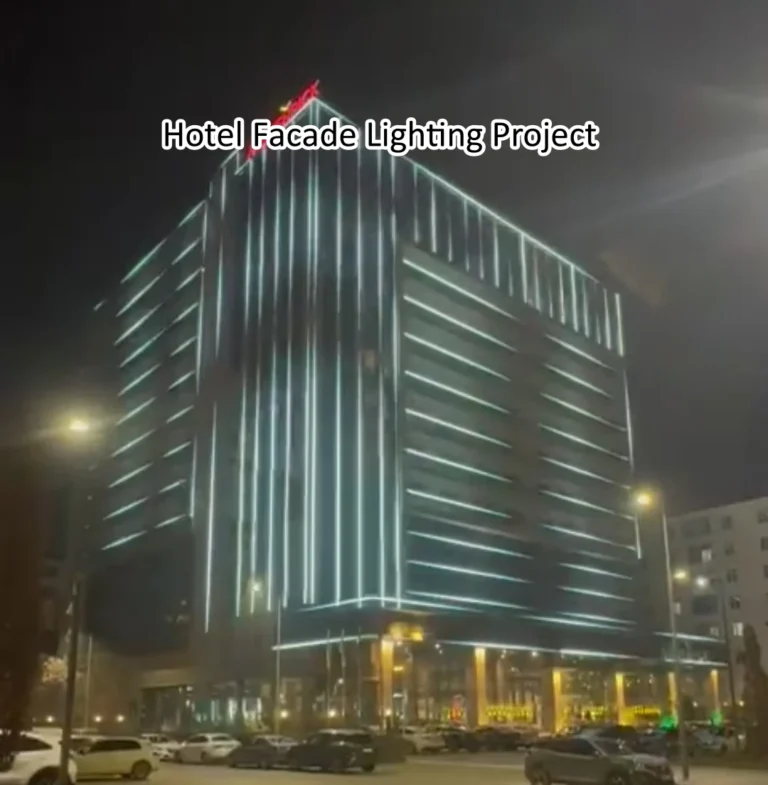
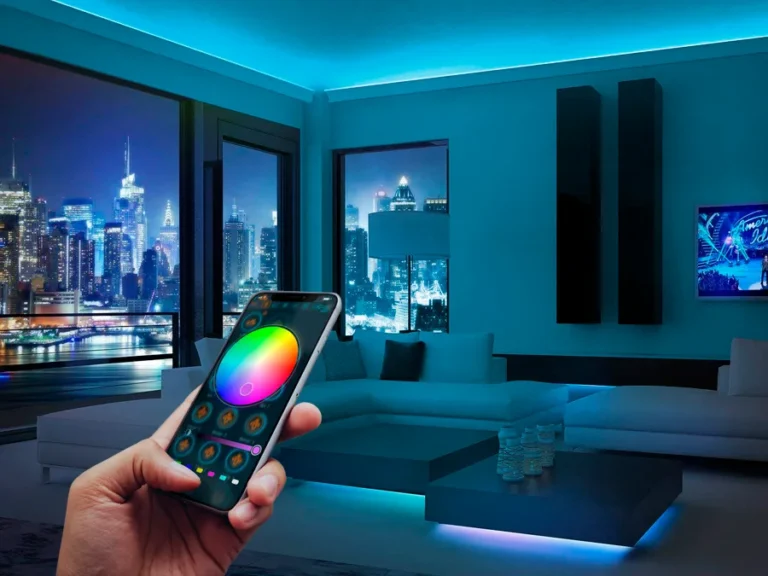
Neste guia, você aprenderá como escolher o canal de LED certo para diferentes aplicações, entender as regras críticas de dimensionamento, comparar as opções de difusor e aplicar dicas práticas de compra. Esteja você especificando um projeto ou planejando comprar sistemas de canais LED para instalação, esses princípios o ajudarão a obter uma iluminação linear consistente e sem manchas. Galeria de inspiração: Principais aplicações de perfis de alumínio LED
O que é um canal de LED e por que você precisa de um?
Definição técnica e função central
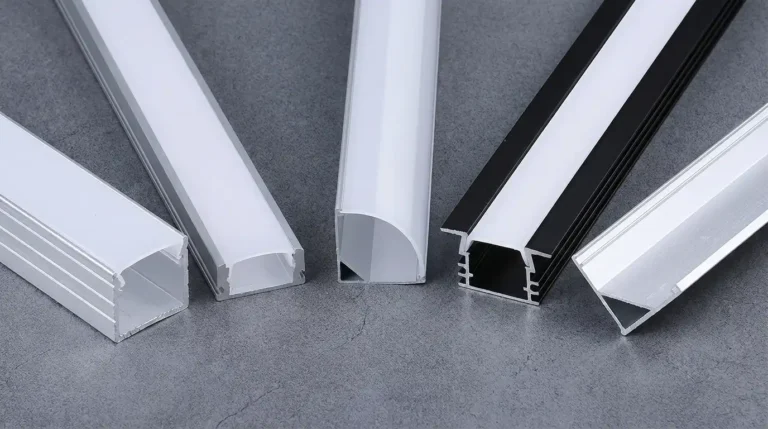
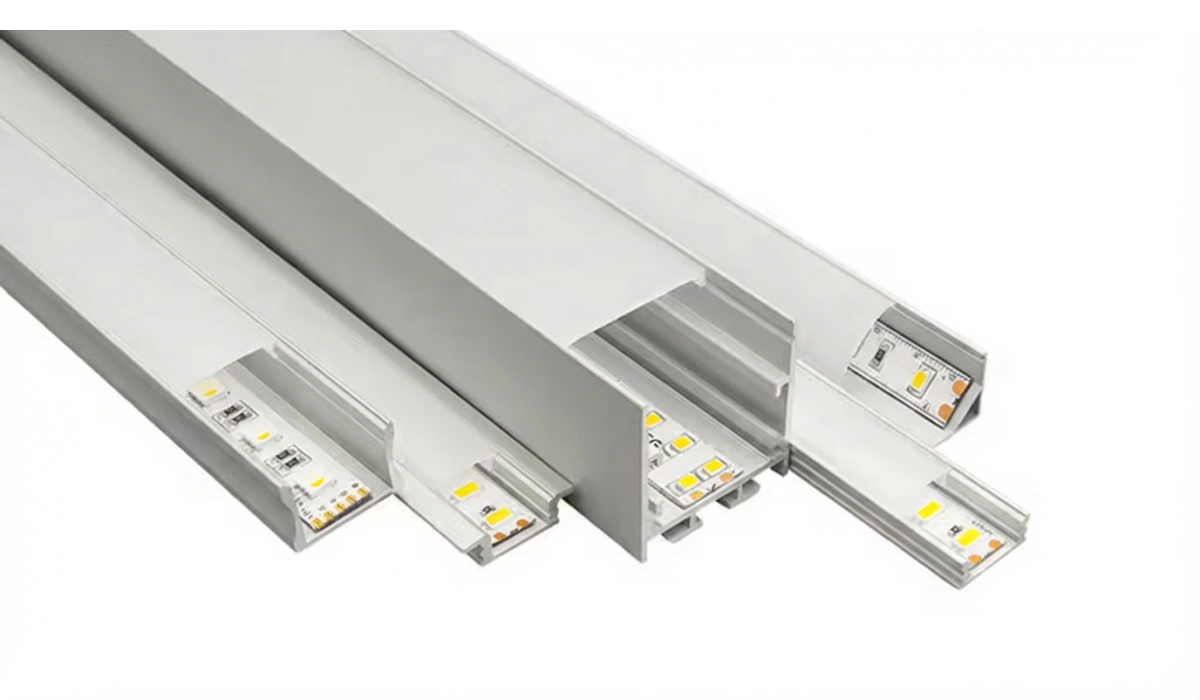
Um canal de LED (também chamado de canal de LED ou perfil de LED de alumínio) é um sistema de habitação rígido projetado para montar, proteger, resfriar e refinar visualmente as tiras de LED. Normalmente consiste em um corpo de alumínio extrudado, uma tampa difusora e acessórios de montagem, como clipes e tampas.
Em aplicações de iluminação profissional, um canal de LED não é um acessório — é um componente do sistema central. Ele transforma a fita LED exposta em uma solução de iluminação linear controlada, durável e integrada arquitetonicamente.
Dissipação de calor: a base da longevidade LED
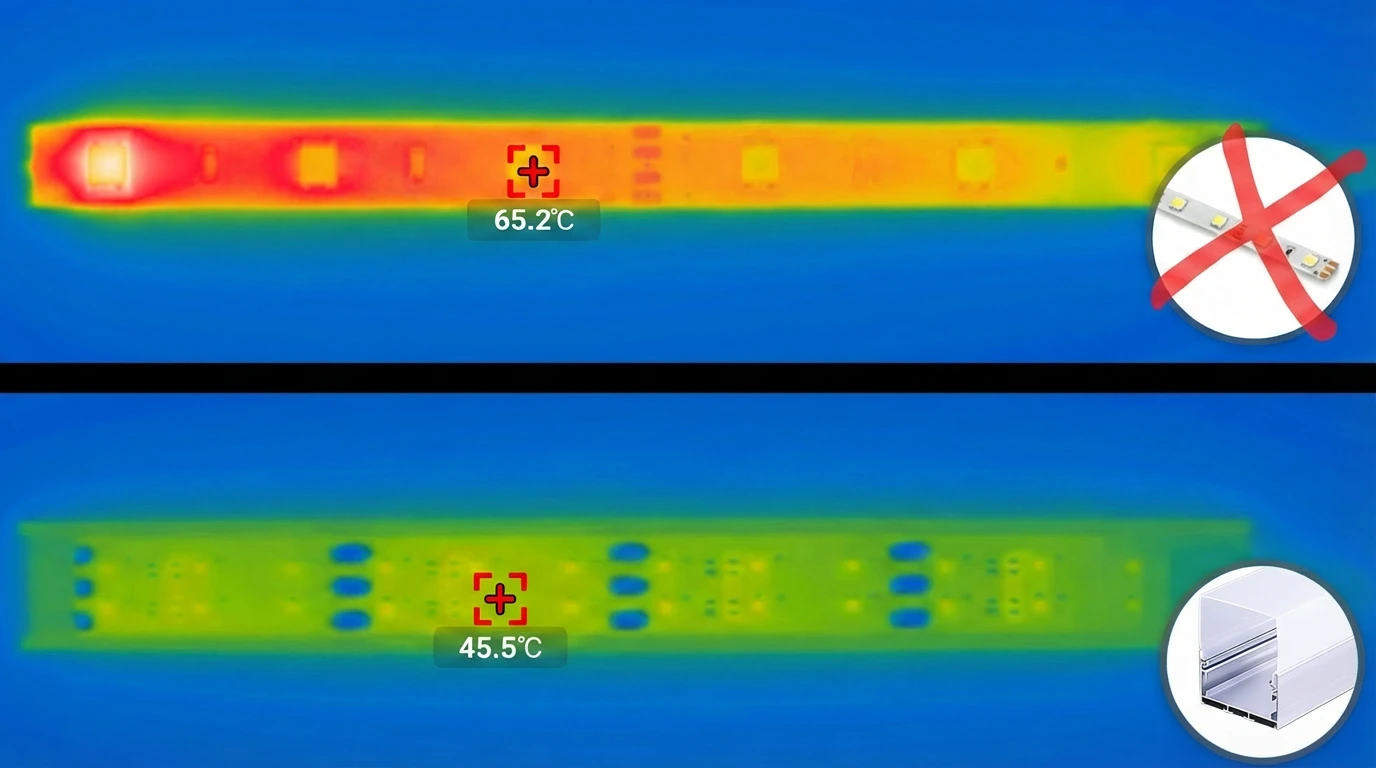
As tiras de LED geram calor no nível de PCB. Sem um gerenciamento térmico eficiente, as temperaturas das junções aumentam, levando a uma depreciação do lúmen mais rápida e a falha prematura. Um canal de LED de alumínio aborda isso atuando como um dissipador de calor passivo. O alumínio tem alta condutividade térmica (cerca de 205 W/M·K), superando dramaticamente os materiais plásticos.
Quando uma faixa de LED é instalada dentro de um canal de LED de alumínio, o calor se espalha ao longo da extrusão e se dissipa no ar circundante. Isso reduz a temperatura de operação e melhora a manutenção do lúmen. As tiras de LED de qualidade usadas com canais LED de alumínio de tamanho adequado podem exceder 50.000 horas (L70), enquanto as tiras montadas diretamente em madeira ou superfícies de plástico podem ter um decaimento de luz até 30% mais rápido.
Takeaway de engenharia: Um canal de LED de alumínio é um dispositivo de gerenciamento térmico que estende diretamente a vida útil do LED e estabiliza o desempenho do sistema.
Desempenho sem pontos: transformando pontos em linhas
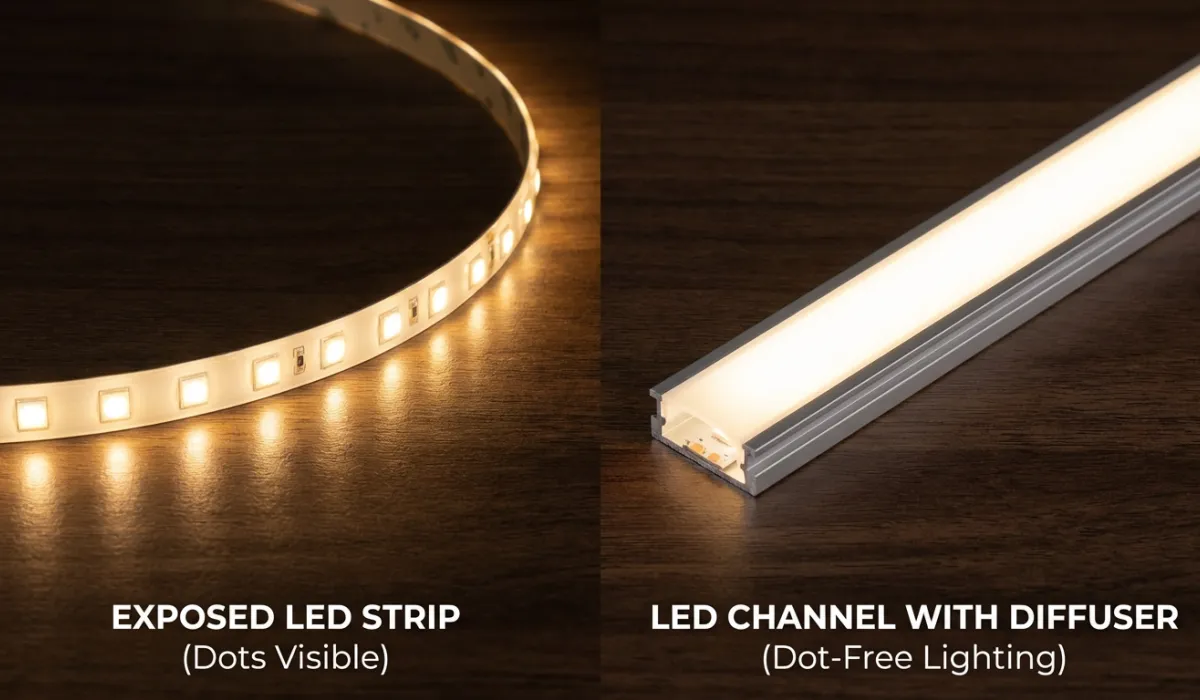
As tiras de LED cru produzem pontos de luz discretos porque os diodos individuais são espaçados ao longo da PCB. Sem controle óptico, isso cria pontos de acesso visíveis, especialmente em instalações de visão direta ou raso.
Um canal LED melhora a uniformidade visual por meio da difusão óptica:
- Profundidade do canal aumenta a distância entre a fonte do LED e o difusor
- O difusor espalha e mistura a luz emitida
- O resultado é um efeito linear contínuo em vez de pontos LED visíveis
Esse controle óptico é fundamental para aplicações como enseadas arquitetônicas, revelações de teto, pastagem de parede e iluminação de armários de alta qualidade.
Sem um canal LED e uma combinação de difusor de tamanho adequado, alcançar uma iluminação linear sem manchas é extremamente difícil, mesmo usando tiras de LED de alta densidade.
Proteção e integração arquitetônica
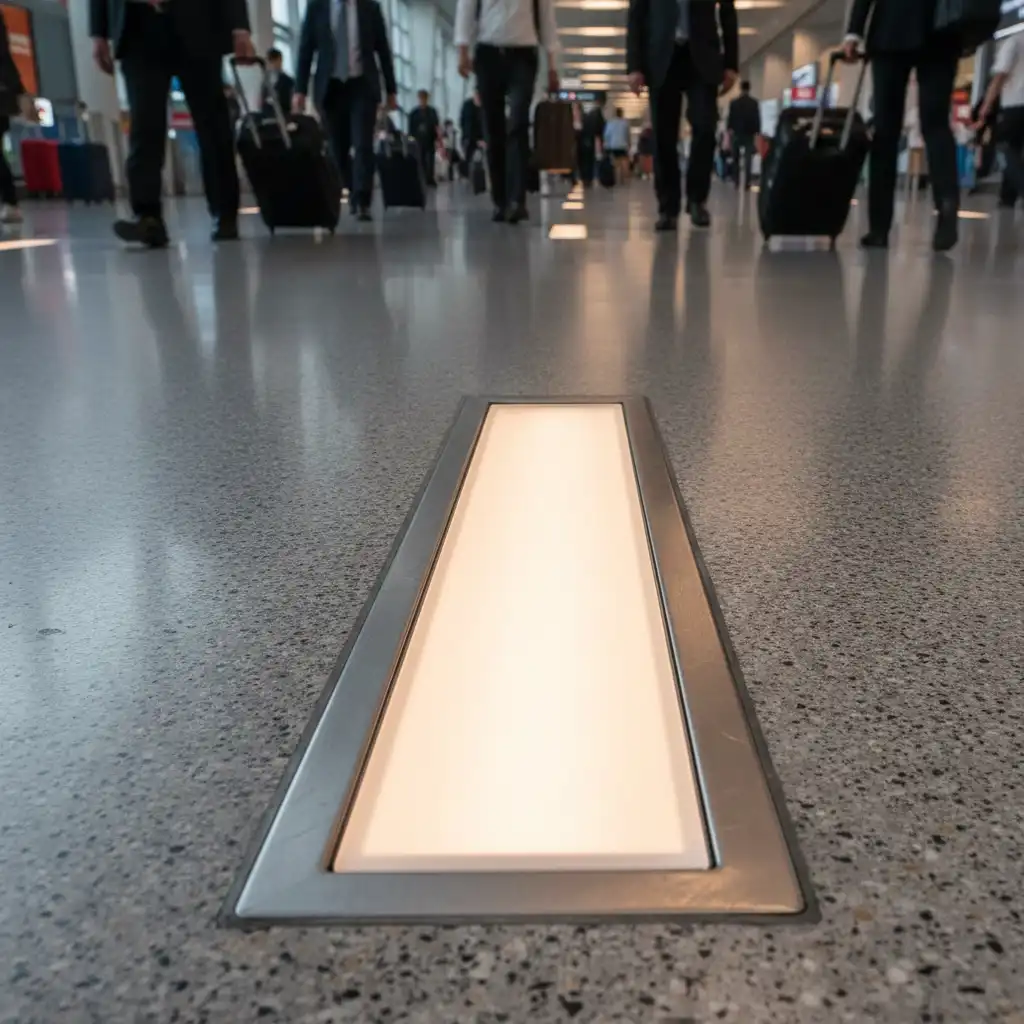
Além do desempenho térmico e óptico, um canal LED oferece proteção mecânica e suporta detalhes arquitetônicos limpos.
Proteção física
• Escudos tiras de LED contra poeira, impacto e contato acidental
• Previne a flexão da placa e o estresse da junta de solda
• Prolonga a vida útil em ambientes comerciais e de alto tráfego
acabamento arquitetônico
• Cria linhas claras e retas
• Oculta a fiação e as imperfeições de montagem
• Permite detalhes de iluminação embutidos, sem acabamento e perfeitos
Para projetistas e engenheiros, o canal LED funciona como um componente de iluminação e um elemento de construção, em pontes elétricas e acabamentos arquitetônicos.
Canais de alumínio e alumínio de plástico (por que o material é importante)
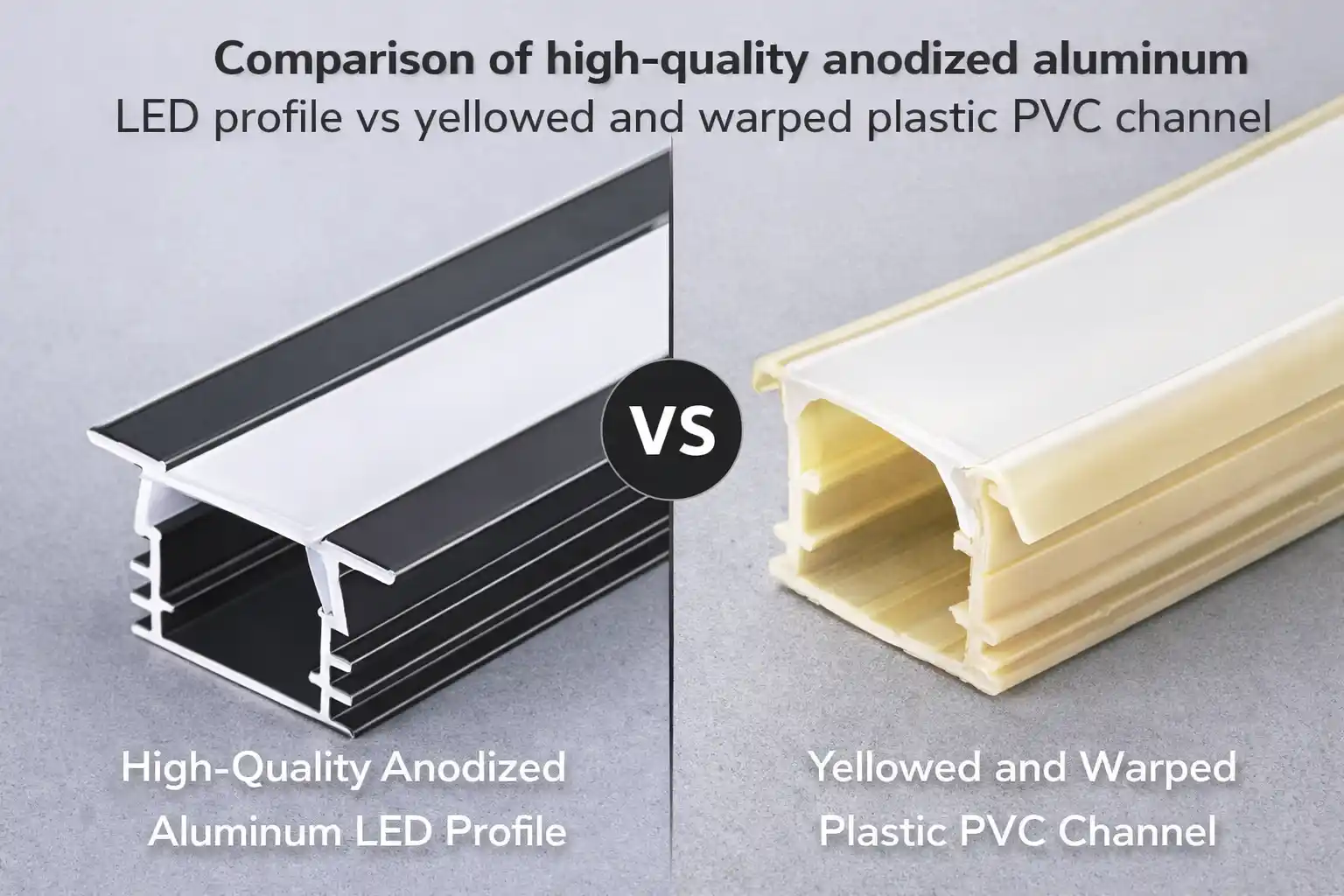
| Caraterística | Canais de LED em alumínio | Plásticos / canais de PVC |
| gerenciamento térmico | Excelente dissipação de calor, estabiliza a temperatura do LED | Má transferência de calor, retém o calor |
| Durabilidade | rígido, resistente a impactos, resistente ao calor | Pode deformar, rachar ou descolorir com o tempo |
| Manutenção do lúmen | Suporta estabilidade de brilho a longo prazo | Acumulo de calor acelera a perda do lúmen |
| qualidade estética | Acabamento arquitetônico e profissional | Muitas vezes parece temporário ou de baixo custo |
Os canais de LED de plástico podem ser aceitáveis para uso decorativo ou de curto prazo, mas os canais de LED de alumínio são o padrão da indústria para iluminação arquitetônica, comercial e de alta saída, onde o desempenho e a longevidade são críticos.
Tipos de canais LED (por método de instalação)
A seleção do canal de LED certo depende de como ele será integrado ao espaço. O método de instalação afeta diretamente o desempenho térmico, a difusão da luz, o controle do brilho e a complexidade da construção. As três categorias principais são montadas em superfície, embutidas (incluindo trimless) e canais de LED em canto ou em ângulo.
Canais de tiras de LED montadas na superfície
Os canais de LED montados em superfície são os mais versáteis e amplamente utilizados. Instalados diretamente em superfícies acabadas, como madeira, armários, metal ou alvenaria, eles são ideais para projetos de retrofit e iluminação integrada de móveis. As aplicações típicas incluem iluminação sob armário, iluminação de prateleiras e iluminação de tarefas.
Um fator técnico chave é a altura do canal, que influencia a mistura óptica e a visibilidade do ponto.
| Altura do canal | Alcance típico | efeito óptico | Uso recomendado |
| baixo perfil | 7–10 mm | Distância mínima de LED para difusor; maior risco de pontos visíveis | Acentos decorativos, tiras de baixo rendimento |
| Perfil padrão | 12–15 mm | Melhora da mistura de luz e controle de brilho | Tarefa geral e iluminação arquitetônica |
| Perfil de superfície profunda | 16–20+mm | Difusão superior e visibilidade reduzida do hotspot | Tiras de LED de alta densidade ou COB |
Os canais de LED mais profundos fornecem uma melhor propagação de luz e uma saída mais uniforme, o que é fundamental para reduzir os pontos visíveis do LED nas instalações de visualização direta.
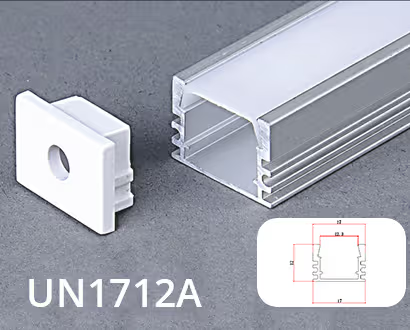
Perfil de alumínio montado à superfície
Peso:0.141KG
Espessura: 0,8 mm
Cor do PC: Branco leite
Tamanho: L1000*w17*H12mm
Tampas de extremidade/Clips: 1 par/m
Cor do alumínio: prateado/preto
Canais de tiras de LED embutidos e sem acabamento
Os canais de LED embutidos são instalados embutidos com os materiais de construção ao redor, produzindo um efeito de iluminação limpo e integrado. Trimless, também chamado de canais LED em gesso, elimina completamente as bordas visíveis e cria um “slot de luz perfeito”, tornando-os ideais para projetos arquitetônicos de última geração. Esses canais são normalmente incorporados em tetos de drywall ou em conjuntos de parede.
| Caraterística | canal embutido | Canal sem trim / gesso |
| Etapa de instalação | Após o corte da superfície | antes do gesso final e acabamento |
| moldura visível | Borda fina de acabamento visível | Sem corte visível após o acabamento |
| resultado estético | Abertura limpa, mas definida | Efeito de "slot leve" perfeito |
| Requisito de habilidade | Moderado | Alta (requer precisão de acabamento em drywall) |
| Aplicações típicas | Tetos, ranhuras de parede, armários | Residencial de luxo, hotéis, galerias |
Canais de LED embutidos mais profundos geralmente são combinados com tiras de LED de alta densidade para melhorar a mistura óptica e obter uma iluminação linear sem manchas.
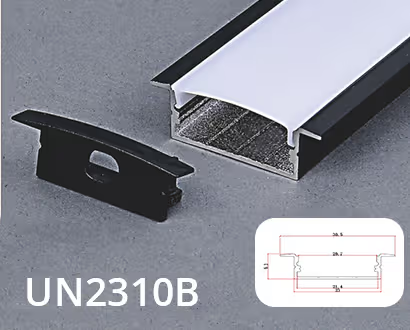
Perfil de alumínio encastrado
Peso:0.102KG
Espessura: 0,8 mm
Cor do PC: Branco leite
Tamanho: L1000*w23*H10mm
Tampas de extremidade/Clips: 1 par/m
Cor do alumínio: prateado/preto
Canais de canto e 45 ° de canto
Os canais de canto e LED de 45 graus são projetados para projetar a luz na diagonal, tornando-os ideais para iluminação indireta onde as superfícies verticais e horizontais se encontram. Ao mudar o ângulo do feixe, eles reduzem o brilho e melhoram a distribuição da luz nas superfícies adjacentes. Os usos comuns incluem cantos de gabinete, detalhes da escada, prateleiras de exibição e transições de enseada.
| Local de instalação | propósito de iluminação | Vantagem de desempenho |
| sob os armários (canto traseiro) | Iluminação de tarefas de bancada | Direciona a luz para fora, reduz as sombras do backsplash |
| Junção do teto a parede | iluminação ambiente indireta | Cria efeito de lavagem suave na parede |
| cantos frontais da prateleira | Iluminação de exibição | Ilumina uniformemente objetos verticais |
| cantos de degraus e escadas | Iluminação de segurança e destaque | Melhora a visibilidade sem brilho direto |
Os canais de canto de LED aumentam o brilho e o conforto visual percebidos sem aumentar a potência, tornando-os eficientes para o design de iluminação em camadas. Guia de instalação: Masterizando perfis de alumínio com LED de canto de 45°.
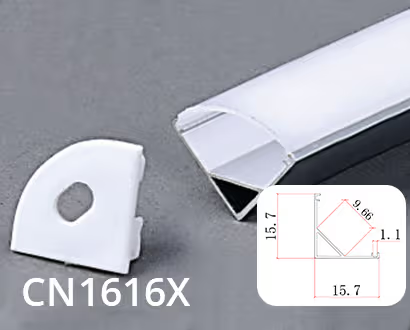
Perfis de alumínio para cantos
Peso:0.093KG
Espessura: 0,8 mm
Cor do PC: Branco leite
Tamanho: L1000*w16*H16mm
Tampas de extremidade/Clips: 1 par/m
Cor do alumínio: prateado/preto
Visão geral da comparação do tipo de instalação
O método de instalação de um canal LED influencia os requisitos de construção e o desempenho óptico. O resumo abaixo ajuda a simplificar as decisões de especificação.
| Tipo de canal | Método de montagem | estilo visual | Profundidade típica | melhor para | Complexidade da instalação |
| Montado em superfície | Fixado na superfície acabada | fixação linear visível | Raso a profundo | Armários, prateleiras, retrofit | Baixa |
| recuado | Instalado no slot de corte | Flush, integrado | Médio a profundo | Tetos, paredes, marcenaria | Médio |
| sem guarnição / gesso | embutido antes de terminar | slot de arquitetura sem costura | Médio a profundo | Projetos de arquitetura de luxo | Elevado |
| Canto / 45° | Montado em ângulos internos | Luz indireta e angulada | Raso a médio | Sob armários, enseadas, telas | Baixo a médio |
Escolher o tipo de canal LED adequado garante que o sistema de iluminação se alinhe com as restrições de construção e o efeito visual desejado.
Tamanhos de canais de LED: largura, profundidade e comprimento explicados
O tamanho do canal LED é um fator crítico no design de iluminação linear. Escolher as dimensões erradas pode levar a pontos de acesso visíveis, superaquecimento e desempenho de iluminação reduzido. O dimensionamento adequado garante o ajuste mecânico, o comportamento térmico estável e a difusão óptica suave.
Esta seção explica como selecionar a largura, profundidade e comprimento corretos para uma instalação profissional de um canal LED.
A regra da largura interna
Ao especificar um canal de LED, a dimensão mais importante é a largura interna utilizável, não o tamanho do perfil externo. Isso determina se a tira de LED se encaixa corretamente e se há espaço adequado para fiação, juntas de solda e conectores.
Uma regra prática de engenharia é permitir a folga em ambos os lados da faixa de LED.
Orientação recomendada:
Largura do canal LED interno = largura do PCB da tira LED + 1–2 mm
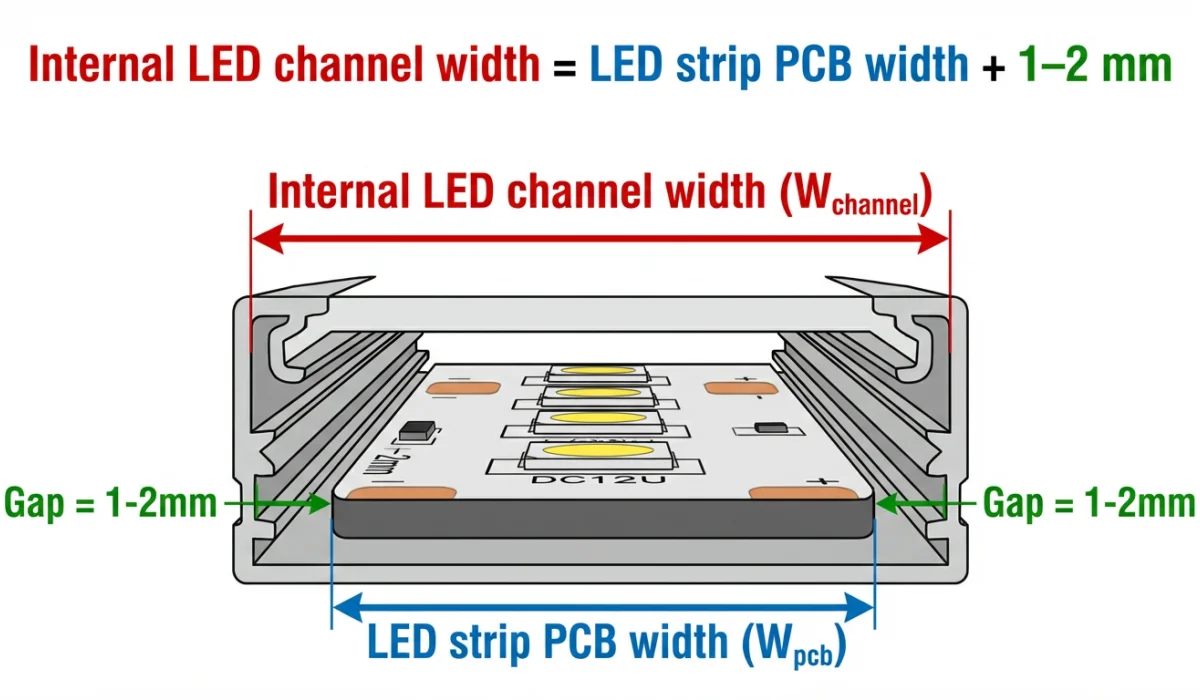
Esse espaço adicional evita a compressão, reduz o estresse nas almofadas de solda e simplifica a instalação.
| Largura da placa de LED tira de LED | Largura mínima do canal interno | notas |
| 8 mm | 10 mm | Adequado para tiras SMD de uma única linha |
| 10 mm | 12 mm | Comum para tiras de alta densidade 2835 ou 5050 |
| 12 mm | 14 mm | Recomendado para strips RGB ou de alta potência |
| 16 mm | 18–20 mm | Necessário para tiras largas ou de duas linhas |
Os canais de LED subdimensionados restringem o fluxo de ar e o calor do retér- mento, reduzindo a confiabilidade a longo prazo.
Profundidade versus tom LED: a fórmula de iluminação sem manchas
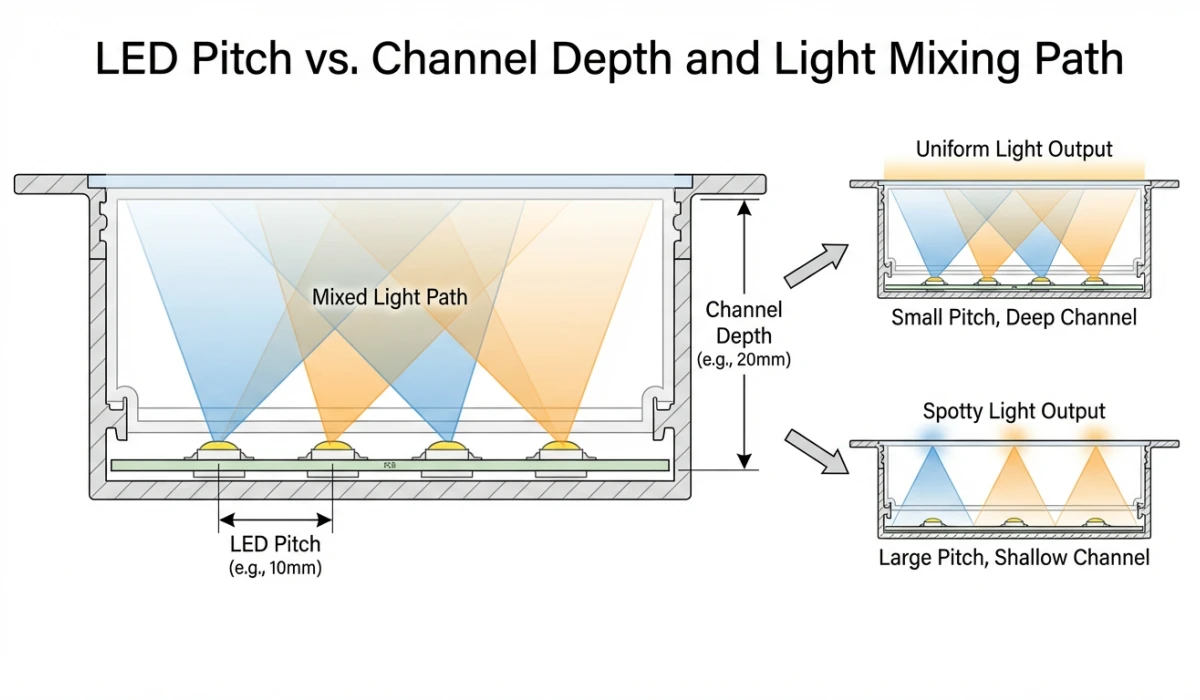
A profundidade do canal LED é um fator primário na difusão da luz. Maior profundidade aumenta a distância entre a fonte de LED e o difusor, permitindo que a luz se misture de forma mais eficaz. Para desempenho sem pontos com um difusor leitoso, a profundidade do canal deve ser igual ou superior ao passo do LED.
| Densidade do LED | aprox. passo de led | Profundidade mínima recomendada do canal |
| 60 LEDs/m | ~16,6 mm | 16 mm ou mais profundo |
| 120 LEDs/m | ~8,3 mm | 12 mm ou mais profundo |
| 180 LEDs/m | ~5,5 mm | 10 mm ou mais profundo |
| Fita de LED COB | Camada de fósforo contínua | 8–10 mm normalmente suficientes |
Os canais de LED rasos aumentam o risco de pontos de acesso visíveis, especialmente com tiras de LED de alta densidade.
Canais rasos vs. profundos: compensações de desempenho
Os canais de LED mais profundos melhoram a uniformidade da luz, mas exigem mais espaço de instalação. A escolha depende das expectativas visuais e das restrições de construção.
| Profundidade do canal | Vantagens | Limitações | melhores aplicativos |
| Raso (7–10 mm) | Aparência fina, se adapta a espaços apertados | Maior risco de pontos visíveis | Covas escondidas, iluminação indireta |
| Médio (12–15 mm) | Boa difusão, design equilibrado | Perfil ligeiramente mais visível | Armários, prateleiras, uso geral da arquitetura |
| Profundo (16–25 mm) | Excelente supressão de hotspots, brilho reduzido | Requer mais profundidade de instalação | Iluminação arquitetônica premium, tiras de espiga |
Onde o canal LED é diretamente visível, os perfis mais profundos melhoram significativamente o conforto visual e a qualidade da luz percebida.
Comprimentos padrão e considerações de engenharia
Os canais LED são fabricados em comprimentos padrão e a seleção do tamanho correto melhora o alinhamento e a eficiência da instalação.
| Comprimento padrão | Uso comum | notas |
| 1 metro | Projetos de varejo e bricolage | Fácil manuseio e transporte |
| 2 metros | Comercial residencial e leve | Menos juntas, linhas mais limpas |
| 3 metros | projetos arquitetônicos | Reduz os pontos de conexão |
| 8 pés (94 pol.) | Projetos comerciais norte-americanos | Corresponde ao espaçamento comum do módulo de construção |
Os canais LED mais longos reduzem o número de juntas, melhorando a continuidade visual e a resistência mecânica. No entanto, os instaladores devem considerar a expansão térmica e deixar um pequeno espaço entre as seções.
Largura, profundidade e desempenho térmico
As dimensões do canal LED também influenciam o comportamento térmico. Perfis de alumínio mais largos e profundos fornecem maior área de superfície para dissipação de calor, ajudando a manter as temperaturas de junção mais baixas e uma melhor manutenção do lúmen. Canais de LED subdimensionados podem reter o calor, acelerando a decaimento da luz e a vida útil do sistema de encurtamento. O dimensionamento adequado, portanto, oferece desempenho óptico, controle de brilho e confiabilidade a longo prazo, transformando uma faixa de LED simples em um sistema de iluminação linear profissional.
Matéria difusiva: clara x capas de leite e preto
O difusor é o principal componente de controle óptico em um sistema de canal LED. Enquanto o canal de LED de alumínio gerencia o calor e a estrutura, o difusor determina como a luz é vista – afetando o brilho, o brilho, a suavidade e se os pontos LED permanecem visíveis. Escolher o difusor de canal de LED errado pode resultar em luz dura, pontos de acesso visíveis ou conforto visual reduzido, mesmo quando o tamanho do canal está correto.
Os difusores são projetados para equilibrar a transmissão e difusão de luz, e cada tipo serve para uma meta de iluminação diferente.
| Tipo de difusor | transmissão de luz | efeito visual | melhor para |
| inocentar | ~90–95% | Brilho máximo, pontos LED frequentemente visíveis | Iluminação indireta, enseadas ocultas, canais ocultos |
| Leite (opal) | ~70–75% | Aparência suave e uniforme, leve e sem pontos | Baixo-gabinete, prateleiras, ranhuras de parede, iluminação geral arquitetônica |
| Preto (fumaça) | ~30–45% | O canal parece escuro quando desligado, um brilho sutil quando ligado | Varejo de alta qualidade, hotelaria, cinema, interiores minimalistas |
Os difusores transparentes priorizam a saída sobre a suavidade e são melhores onde o canal de LED está oculto da vista direta. Os difusores leitosos fornecem o melhor equilíbrio entre eficiência e conforto visual e são a escolha padrão para uma iluminação linear visível. Os difusores pretos se concentram na estética, ajudando o canal de LED a desaparecer visualmente quando desligado, embora com brilho reduzido quando iluminado.
Mergulho profundo: Como escolher o difusor de canal LED certo (claro vs. leitoso vs preto)
Materiais: PC vs PMMA
Os difusores de canais de LED são tipicamente feitos de policarbonato (PC) ou acrílico (PMMA), e a escolha do material afeta a durabilidade e a aparência a longo prazo.
O policarbonato oferece alta resistência ao impacto e melhor tolerância ao calor, tornando-o adequado para instalações de canais LED de alta potência. O PC estabilizado com UV também resiste ao amarelecimento em ambientes externos ou expostos ao sol.
O PMMA oferece clareza óptica excelente e difusão suave, mas pode amarelar mais rapidamente sob exposição prolongada aos raios UV, a menos que seja especialmente tratado. Para projetos arquitetônicos e comerciais, a qualidade do material é tão importante quanto a cor do difusor.
Canais LED à prova d'água e ao ar livre: o que saber
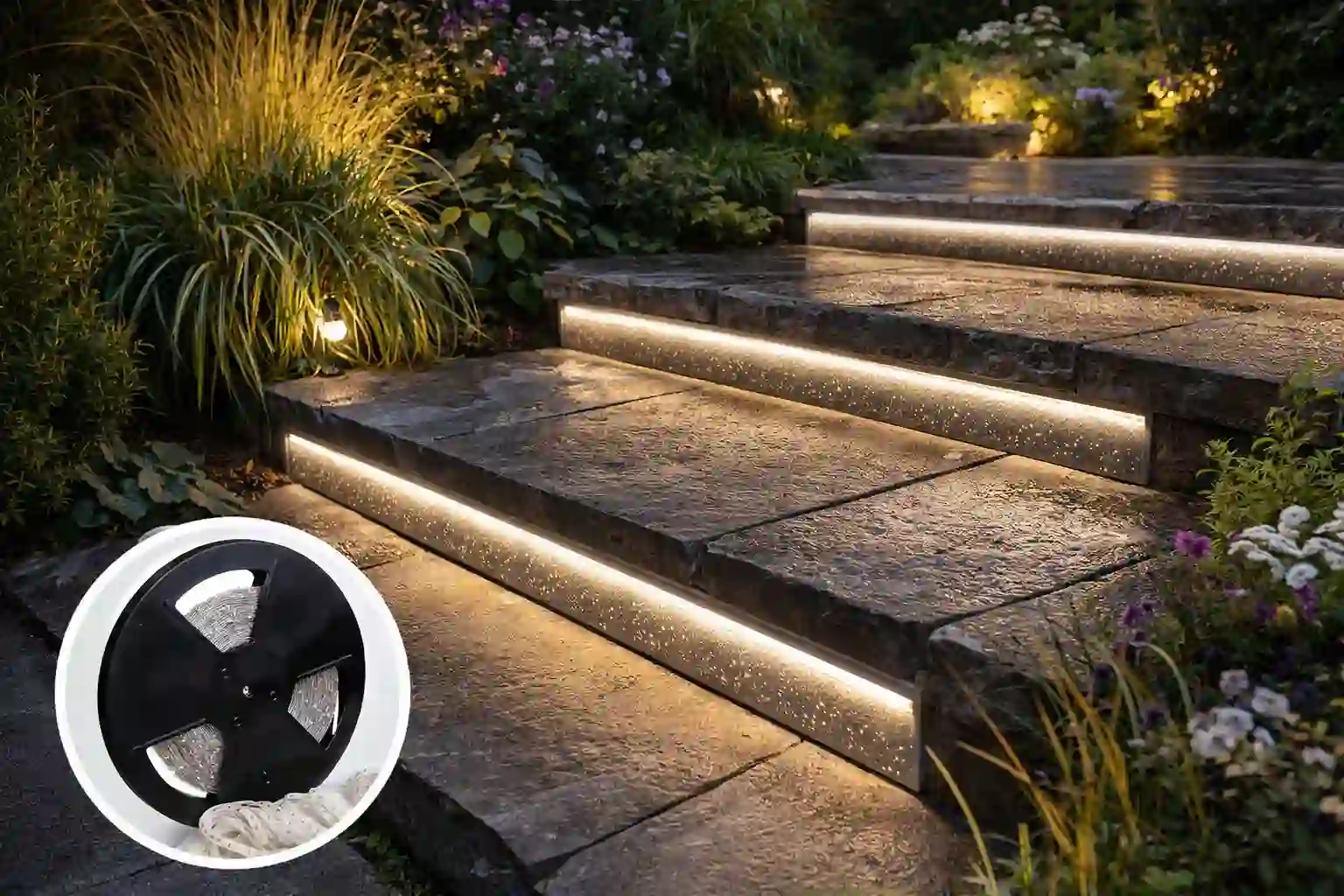
Os canais de LED à prova d'água e externos são essenciais para proteger os sistemas de iluminação linear contra umidade, poeira e condições ambientais adversas, mantendo o desempenho térmico e óptico. Um canal LED devidamente especificado não apenas protege a faixa de LED da entrada de água, mas também garante uma dissipação de calor estável em temperaturas flutuantes externas. Compreender os métodos de impermeabilização, classificações de IP e durabilidade do material é fundamental para a confiabilidade a longo prazo.
Impermeabilização estrutural vs. impermeabilização
A impermeabilização estrutural refere-se à vedação de todo o sistema de canais LED para bloquear a entrada de água. Isso inclui o uso de tampas seladas, juntas e selante de silicone neutro em todas as juntas e terminações.
A impermeabilização por tiras refere-se à própria tira de LED sendo revestida ou envolta em uma camada resistente à água, normalmente com classificação IP65 ou superior. No entanto, até mesmo uma faixa de LED à prova d'água pode falhar se instalada dentro de um canal de LED não selado, onde a água pode se acumular.
Para instalações externas, tanto a faixa de LED quanto o alojamento do canal LED devem ser considerados como parte de um sistema à prova d'água, especialmente em ambientes com chuva forte, umidade ou exposição ao sal.
Escolhendo a classificação IP certa para canais LED externos
As classificações de proteção de entrada (IP) indicam quão bem um sistema de canal LED resiste a poeira e água. A seleção da classificação correta depende do ambiente de instalação.
| Classificação IP | Nível de proteção | adequado para |
| IP65 | À prova de poeira e resistente a jatos de água | Paredes externas, fachadas e áreas expostas à chuva |
| IP66 | Protegido contra jatos de água potentes e à prova de poeira | Ambientes úmidos como fontes e passarelas |
| IP67 | Submersível até 1 metro por 30 minutos | Zonas de alta umidade, perto de piscinas ou docas |
| IP68 | Adequado para imersão contínua | Piscinas, recursos aquáticos, iluminação arquitetônica subaquática |
Técnicas de instalação para canais LED à prova d'água
A instalação adequada é fundamental para manter a integridade à prova d'água. Até mesmo um canal de LED de alto IP pode falhar se montado incorretamente.
• Use tampas seladas para evitar a entrada de água nas terminações do canal
• Aplique o selante de silicone de cura neutra ao longo das juntas e costuras
• Encaminhe a fiação através de caixas de junção à prova d'água para evitar conexões expostas
A atenção aos detalhes durante a instalação garante que o sistema de canais LED mantenha seu nível de proteção nominal ao longo do tempo.
Materiais e resistência aos raios UV para canais LED externos
Os canais LED de alumínio são ideais para uso externo devido à sua resistência, resistência à corrosão e excelente dissipação de calor. Para locais expostos ao sol, os canais devem apresentar revestimentos estabilizados com UV ou acabamentos anodizados para evitar descoloração e degradação da superfície.
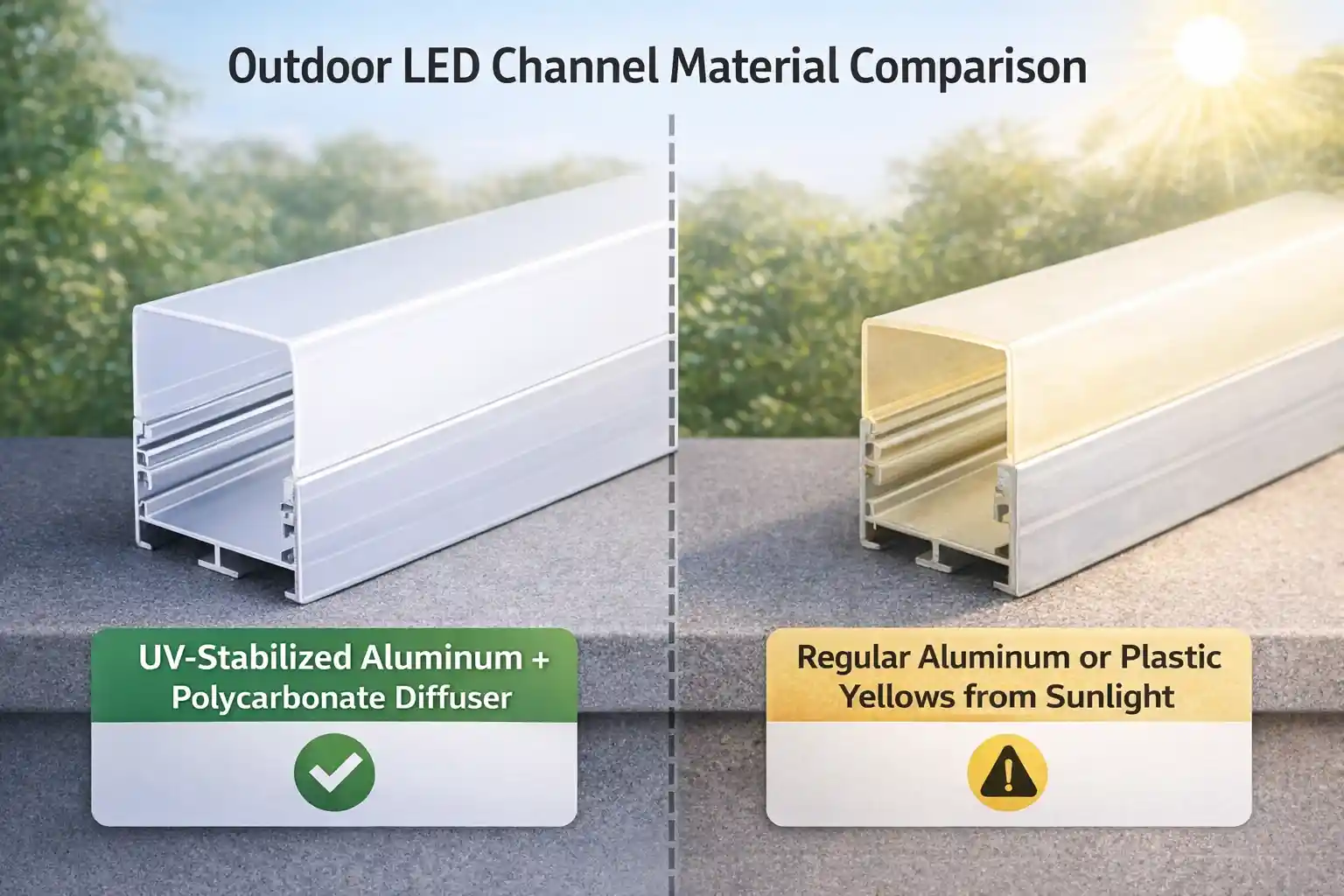
Os difusores usados em canais de LED externos também devem ser resistentes aos raios UV, normalmente feitos de policarbonato estabilizado com UV, para evitar o amarelecimento e a perda de transmissão de luz ao longo do tempo. A seleção adequada de materiais garante que o desempenho e a aparência sejam mantidos em ambientes externos exigentes.
Erros comuns ao comprar canais de LED
Escolher o canal de LED certo envolve mais do que selecionar um perfil que “parece certo”. Os erros de instalação e especificação podem levar a um brilho irregular, hotspots visíveis, superaquecimento e vida útil reduzida do sistema. Evitar os seguintes erros garante que o sistema de canais LED tenha um desempenho confiável e ofereça resultados de iluminação profissional.
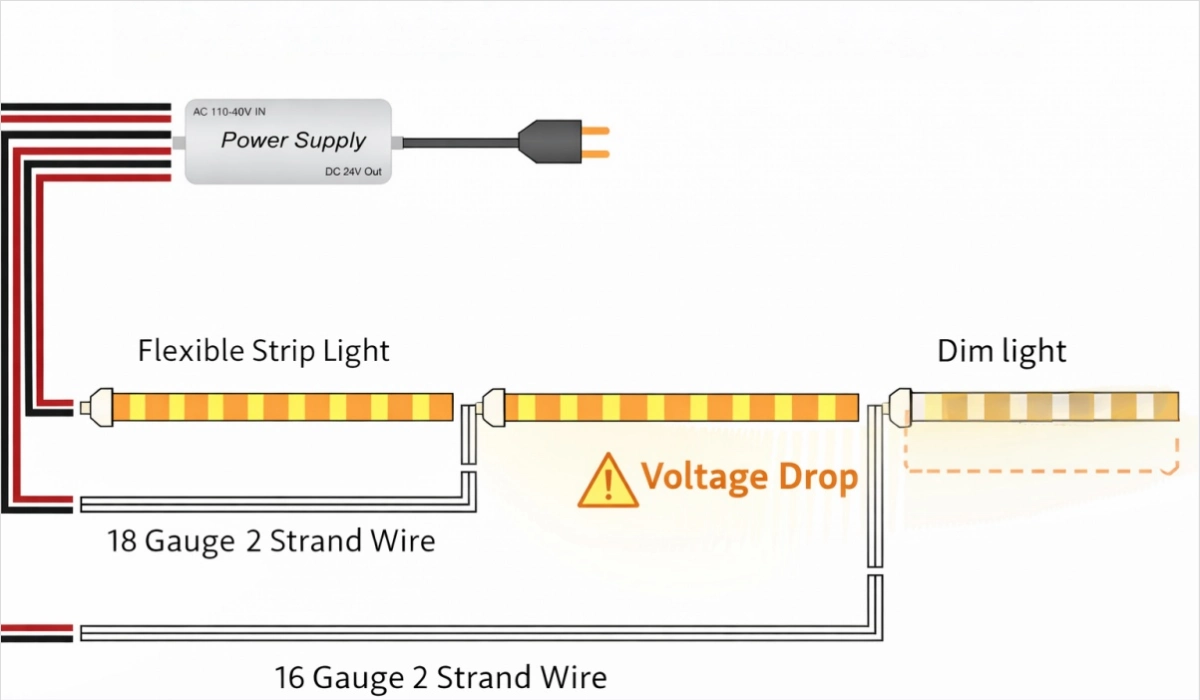
1. ignorando a queda de tensão
Em longas tiras de LED (normalmente mais de 5 a 10 metros), a queda de tensão pode causar um escurecimento e um brilho inconsistente. Mesmo com um canal de LED de tamanho adequado, a má distribuição de energia afeta o desempenho geral.
Use fios de bitola mais grossos para longas distâncias, confirme se a fonte de alimentação pode suportar a carga total e adicione pontos de injeção de energia para corridas além de 10 metros para manter uma iluminação estável.
2. Desprezando o gerenciamento térmico
Um canal LED também é um dispositivo de gerenciamento térmico. Perfis muito rasos ou feitos de materiais de baixa qualidade retêm o calor, acelerando a depreciação do lúmen e reduzindo a vida útil do LED.
Sempre escolha canais de LED de alumínio e combine a profundidade do canal para reprimir a potência e a densidade. Perfis mais profundos são especialmente importantes para tiras de LED de alto rendimento, como COB.
3. Visando a profundidade do canal
A profundidade do canal afeta diretamente o desempenho óptico. Os canais de LED rasos podem deixar pontos individuais de LED visíveis, criando pontos de acesso distrativos.
As tiras de baixa saída podem funcionar em perfis de 7 a 10 mm, mas as instalações de visão direta ou de alta densidade normalmente exigem canais LED de 12 a 16 mm ou mais profundos para obter uma luz uniforme e suave.
4. ignorando o tipo de difusor
O difusor de canal LED influencia fortemente a qualidade da luz final. Selecionar a capa errada pode resultar em brilho ou pontos de LED visíveis.
| Tipo de difusor | transmissão de luz | efeito visual | melhor para |
| inocentar | ~95% | Brilho máximo, pontos visíveis | Iluminação oculta ou indireta |
| Leite (opal) | 70–75% | Luz suave, uniforme e sem pontos | Iluminação de tarefas, execuções lineares visíveis |
| Preto (fumaça) | 30–45% | Brilho sutil, combina com o canal quando desligado | Espaços de arquitetura e varejo de alta qualidade |
Combine o difusor de canal LED com o objetivo visual e o ambiente de instalação.
5. Escolhendo o comprimento ou largura do canal errado
A largura interna deve ser 1 a 2 mm mais larga que a placa de LED para evitar compressão e permitir espaço na fiação. Canais que são muito estreitos e complicam a instalação.
Para corridas longas, certifique-se de que os comprimentos dos canais de LED sejam planejados para minimizar as juntas e manter a continuidade visual, permitindo ainda assim lacunas de expansão térmica.
6. Falha ao planejar a expansão
Os sistemas de iluminação geralmente evoluem. Sem planejamento, as atualizações futuras podem exigir a desmontagem dos canais LED instalados.
Deixe capacidade extra de fiação, pontos de energia acessíveis e layouts de canal modulares para que tiras ou drivers de LED adicionais possam ser adicionados sem danificar as superfícies acabadas.
7 . Ignorando as diretrizes de instalação
A instalação inadequada pode comprometer o desempenho e a segurança. Siga sempre as instruções do fabricante para montagem, fiação e vedação.
Para canais de LED à prova d'água, use as tampas, juntas e selantes especificados para manter a classificação IP pretendida e evitar a entrada de umidade.

Conclusão: Atenção cuidadosa à distribuição de energia, design térmico, seleção de difusor e práticas de instalação garantem que um sistema de canal LED oferece iluminação linear uniforme, eficiente e duradouro. Evitar esses erros comuns protege o desempenho e a qualidade visual.
Canais de tiras de LED personalizadas e por atacado do fabricante
Para projetos de iluminação em grande escala, os canais LED personalizados e por atacado oferecem maior flexibilidade e eficiência em comparação com as soluções prontas para uso. Ao trabalhar diretamente com fabricantes como o Signliteled, você pode proteger soluções personalizadas que atendam ao seu design exclusivo, desempenho e requisitos de custo. Seja você um arquiteto, designer de iluminação ou distribuidor, entender as vantagens dos canais LED personalizados garante que seus projetos de iluminação alcancem os resultados desejados.
Opções de personalização
A Signliteld oferece uma variedade de opções de personalização para atender aos requisitos específicos do projeto. Essas opções são vitais para atingir objetivos estéticos e necessidades de desempenho.
| Opção de personalização | Recursos disponíveis | Benefícios |
| Comprimento | Personalizável para especificações do projeto | Adapta-se às necessidades específicas do design |
| acabamento | Anodizado, fosco, brilhante, revestido a pó | Combina a estética do projeto |
| Tipo de difusor | Claro, leitoso, preto, fosco | Controla a difusão leve |
| Profundidade do canal | Raso a profundo | Garante o gerenciamento adequado do calor e a difusão da luz |
| Material | Alumínio, aço inoxidável, ligas personalizadas | Opções duráveis e resistentes à ferrugem |
Conclusão
Escolher o canal de LED certo é essencial para o desempenho e qualidade estética da sua instalação de iluminação. Se o seu objetivo é eliminar os pontos de LED visíveis, melhorar a dissipação de calor ou obter um acabamento arquitetônico elegante, o canal de LED certo pode fazer toda a diferença. Ao entender os vários tipos, tamanhos e opções de personalização disponíveis, você pode tomar decisões informadas que melhoram a funcionalidade e a longevidade do seu sistema de iluminação LED. Sempre considere fatores críticos, como profundidade de canal, tipo de difusor e ambiente de instalação para alcançar os melhores resultados. Com o conhecimento do canal LED certo, você criará sempre soluções de iluminação profissional perfeitas e perfeitas.
FAQ
Postagens relacionadas