Português
  English
  简体中文
简体中文  Deutsch
  Español
  Français
  Italiano
  日本語
日本語  한국어
한국어  Polski
  Русский
  Türkçe
  Nederlands
  Tiếng Việt
  ไทย
ไทย 
A aquisição de iluminação comercial não é uma decisão de design. É uma decisão de risco. Desempenho de iluminação, exposição à conformidade, custo operacional e manutenção a longo prazo dependem de especificações técnicas mensuráveis. Os resumos de marketing são irrelevantes a esse nível.
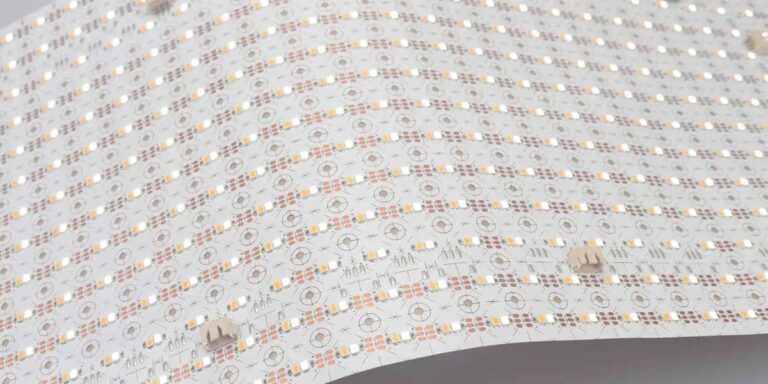
Para os compradores B2B, o folha de luz led é o documento de validação principal. Ele contém as métricas fotométricas, elétricas e ambientais que determinam se um produto funcionará conforme especificado após a instalação.
Este guia explica as sete especificações técnicas que afetam diretamente o desempenho, a confiabilidade do ciclo de vida e o risco do projeto ao obter um folha de luz led ou sistemas relacionados. Cada métrica pode ser verificada na documentação técnica. Cada um possui benchmarks comerciais mensuráveis.
7 Especificações técnicas Todo comprador B2B deve verificar
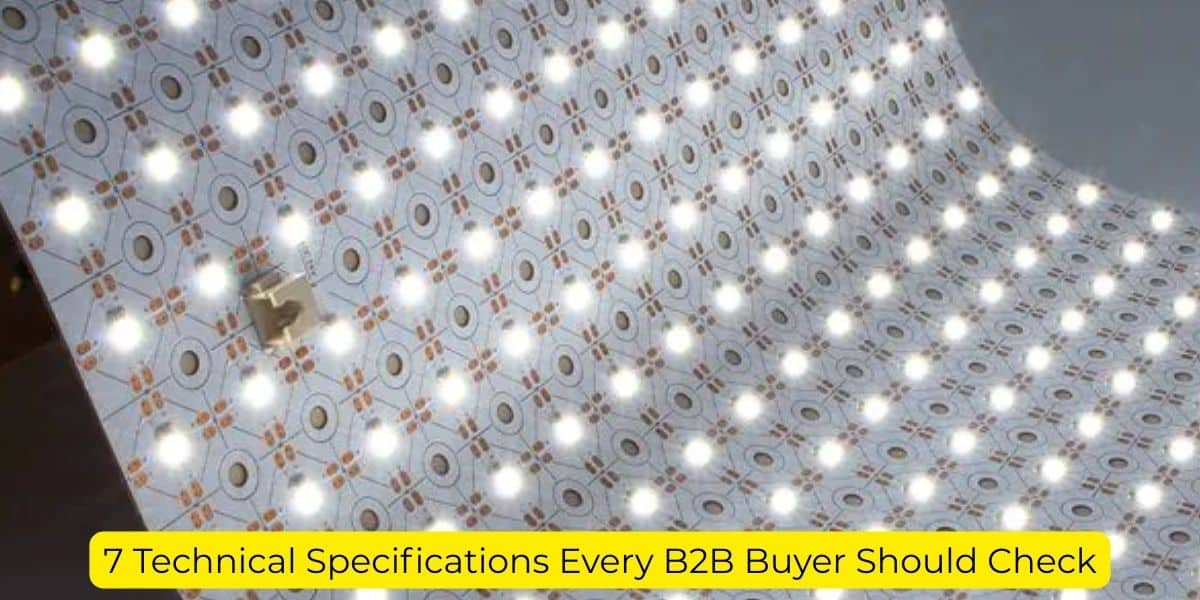
1. Eficácia luminosa (LM/W)
A eficácia luminosa mede a eficiência da energia elétrica convertida em luz visível. É expresso em lúmens por watt (LM/W). Essa métrica geralmente é confundida com o brilho, mas o brilho é medido em lúmens. A eficácia mede a eficiência, não a produção.
Em sistemas de nível comercial, as gamas realistas de folha de luz led são tipicamente 110–160 lm/W no nível do sistema, dependendo da qualidade do driver e do gerenciamento térmico. Os números significativamente acima dessa faixa geralmente refletem os valores de laboratório em nível de chip em vez de um desempenho integrado do sistema.
Em instalações reais, a eficácia afeta diretamente o custo operacional e a carga de calor. Uma folha que opera a 95 lm/W consumirá substancialmente mais energia para atingir a mesma densidade de lúmen que uma operando a 140 lm/W. em grandes lançamentos de varejo ou sinalização, essa diferença se compõe em aumentos de custo mensuráveis.
Se ignoradas, as equipes de compras correm o risco de aprovar produtos que atendam às metas de brilho, mas não reprovam as suposições de modelagem de energia. Para verificar, verifique o campo “Eficácia luminosa do sistema” ou “Lumens por watt” na folha de luz LED, não apenas nas especificações do chip LED.
2. Saída total do lúmen (LM/m²)
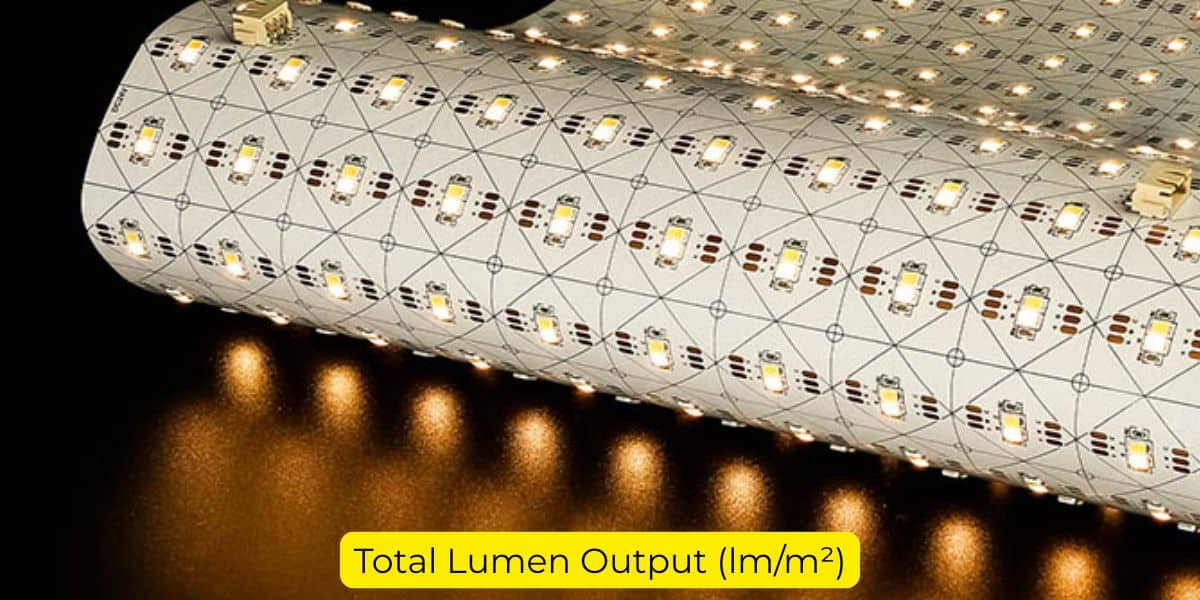
A saída total do lúmen por metro quadrado determina a densidade de brilho utilizável. Para sistemas baseados em folhas, a densidade do lúmen é mais relevante do que os lúmens totais por tira porque a área de instalação gera desempenho visual.
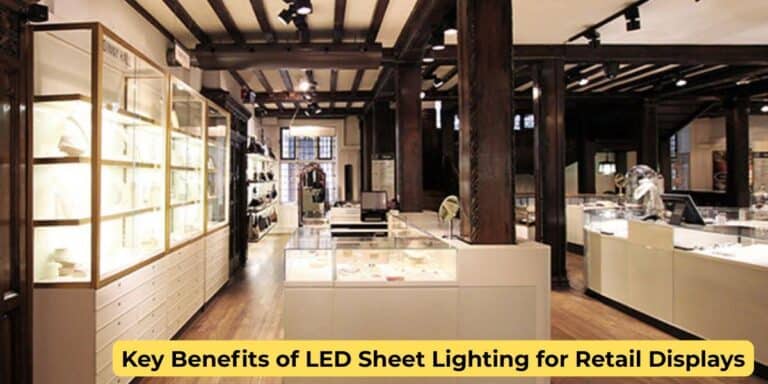
A iluminação de fundo arquitetônica interior geralmente requer 3.000–6.000 lm/m², dependendo da profundidade de difusão. Aplicativos de sinalização de varejo e lightbox podem exigir 6.000–10.000+ LM/m², especialmente em ambientes de alto nível. É aqui que um Folha de luz LED de alto brilho torna-se necessário.
Se a densidade do lúmen estiver subespecificada, o resultado será uma iluminação irregular, sombreando atrás de gráficos ou pontos de acesso visíveis. Compensar demais com folhas adicionais aumenta o consumo de energia e a complexidade da fiação.
A verificação aparece na folha de luz LED em "Saída total do lúmen", "Fluxo luminoso por área" ou resultados de testes fotométricos. Os compradores devem confirmar as condições de medição e distâncias de teste.
3. Consistência do Binning CRI e LED
O Índice de Renderização de Cor (CRI) mede a precisão com que uma fonte de luz renderiza as cores em comparação com a luz natural. Na maioria dos ambientes comerciais, CRI ≥80 é a linha de base. Os ambientes de varejo, moda e marca exigem frequentemente CRI ≥90.
Além do CRI, a consistência do binning é fundamental. Os fabricantes de LED classificam os diodos em caixas com base na cromaticidade. Se a tolerância do compartimento não for controlada, os lançamentos em vários locais podem mostrar uma variação de cor visível entre as instalações.
Na implantação do mundo real, o binning inconsistente cria inconsistência da marca em todas as redes de lojas. Paredes instaladas com meses de intervalo podem não corresponder visualmente. Isso é uma falha de aquisição, não um problema de instalação.
A folha de luz LED deve especificar o valor de CRI e a tolerância à cromaticidade, frequentemente expressas como SDCM (desvio padrão da correspondência de cores). Uma referência comercial é ≤3 SDCM Para aparência uniforme.
4. Precisão da temperatura de cor (CCT)
A temperatura de cor correlacionada (CCT) define o calor percebido ou o frescor da luz branca. Os padrões comerciais geralmente incluem:
- 3000K Para hospitalidade e ambientes de varejo aconchegantes
- 4000K Para escritórios e interiores comerciais em geral
- 6500K Para espaços técnicos ou de alta visibilidade
A precisão importa tanto quanto o valor nominal. Um sistema de 4000K com tolerância de ±500K pode produzir uma variação perceptível entre os lotes.
Em instalações arquitetônicas, os turnos incorretos do CCT alteram a percepção do material e a identidade da marca. Em projetos multifásicos, as faixas de temperaturas incompatíveis criam segmentação visível entre as seções.
A folha de luz LED deve indicar CCT nominal e faixa de tolerância. Procure tolerância de ±100K a ±300K em produtos de nível comercial. Tolerâncias mais amplas aumentam o risco de inconsistência visual.
5. Manutenção do lúmen (L70 e TM-21)
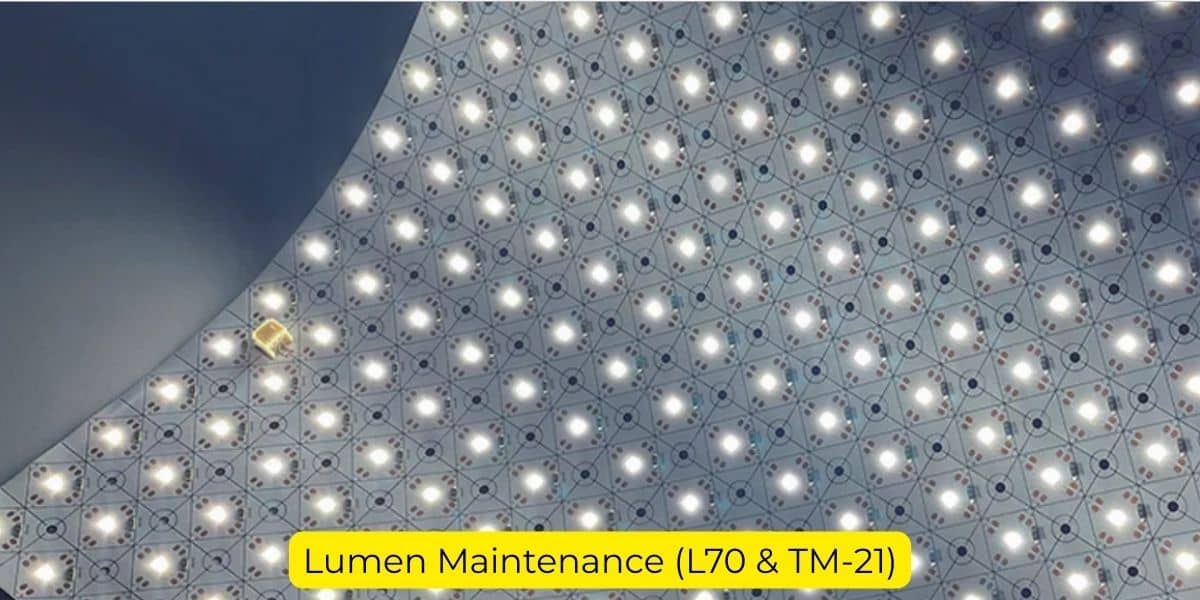
L70 representa o número de horas de operação até que a saída de luz caia para 70% do valor original. Não é um ponto de falha. É um limiar de depreciação.
Os fabricantes geralmente afirmam “50.000 horas” sem contexto. A validação mais importante é Os dados do teste LM-80 combinados com a metodologia de projeção TM-21. O TM-21 extrapola a manutenção do lúmen de longo prazo com base no desempenho medido.
Para projetos comerciais, sistemas credíveis fornecem L70 ≥50.000 horas na temperatura ambiente especificada, suportado por cálculos TM-21. Sem o TM-21, as reivindicações de vida útil não são tecnicamente fundamentadas.
Se ignorados, os compradores correm o risco de depreciação prematura do lúmen, levando a um brilho irregular nas áreas instaladas. Na folha de luz LED, verifique a referência do LM-80, o relatório de projeção TM-21 e as condições de temperatura do teste.
6. Classificação de IP e proteção ambiental
A classificação de proteção contra entrada (IP) indica resistência à poeira e umidade. O formato de classificação segue o IPXX, onde o primeiro dígito está relacionado aos sólidos e o segundo aos líquidos.
IP20 É típico para instalações secas internas.
IP65 Ou mais alto é necessário para sinalização, fachadas externas ou ambientes expostos à umidade.
Em aplicações de lightbox ou fachada, a condensação pode degradar os circuitos e reduzir a vida operacional. Até mesmo a sinalização de varejo do interior próximo às entradas pode exigir proteção IP elevada.
Se a classificação ambiental for insuficiente, ocorrerá uma falha de corrosão e do driver antes do ciclo de vida projetado. A folha de luz LED deve listar claramente a classificação do IP, o padrão de teste e a faixa de temperatura operacional.
7 . Compatibilidade com tensão e escurecimento
Os sistemas comerciais de folhas de LED normalmente operam em 24V DC, que suporta distribuição estável em painéis maiores e reduz a queda de tensão em comparação com os sistemas de 12 V.
A compatibilidade com escurecimento deve estar alinhada com os sistemas de controle de edifícios. Os padrões comerciais comuns incluem 0-10 V escurecimento analógico e Controle digital Dali. Projetos incorporando Folhas de luz LED reguláveis e RGBW Exigir a confirmação da compatibilidade do driver.
A incompatibilidade leva a cintilação, curvas irregulares de escurecimento ou falhas de integração com sistemas de automação predial. Esses problemas geralmente vêm à tona após a instalação quando a remediação é cara.
A folha de luz LED deve especificar a tensão de operação, o comprimento máximo de execução, o tipo de driver, a compatibilidade do protocolo de escurecimento e a frequência PWM, quando relevantes.
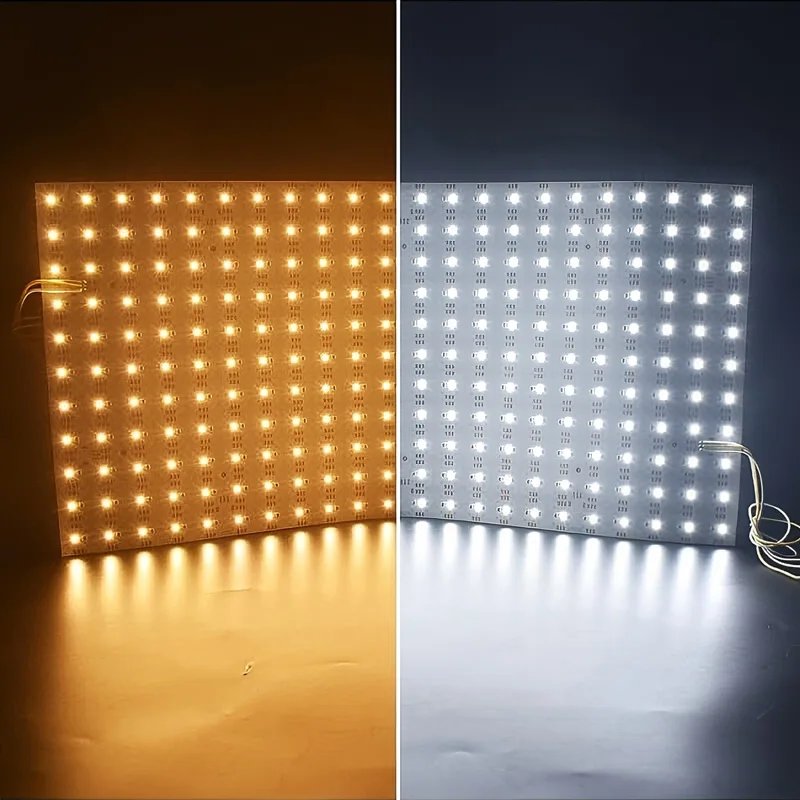
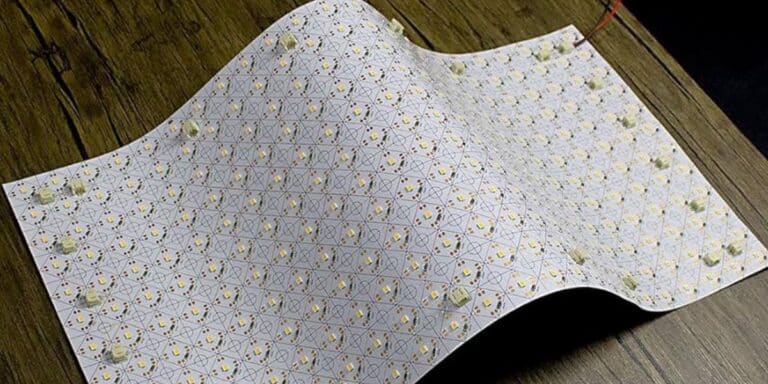
Folhas de LED brancas ajustáveis
- Tamanho ( l x w ): 250mm x250 mm/490mx245mm
- Tipo de LED: 2835 SMD
- Quantidade do LED: 200 peças/484 pcs
- Tensão de funcionamento: DC 24V
- Potência: 16w/40w
- Faixa ajustável da temperatura da cor: 2700K-6500K
- Fluxo luminoso: 1600lm/3800lm
- IRC: >90ra
- Comprimento mínimo de corte: 25mmx25mm/22.3mmx22.3mm
- Regulável: sim
- Ângulo do feixe: 120°
- Nível impermeável: IP20 não à prova d'água, IP54 à prova d'água
- Garantia: 3 anos
Lista de verificação de resumo para compradores B2B
| especificações técnicas | O que verificar | benchmark comercial | Risco se ignorado |
| Eficácia luminosa | Classificação LM/W do sistema | 110–160 lm/w | Custo de energia mais alto, excesso de calor |
| Saída total do lúmen | LM/m² em condições de teste | 3.000–10.000+ LM/m² dependendo do uso | Brilho irregular, sombreamento |
| CRI & BINNING | Valor CRI, tolerância SDCM | CRI ≥80 (≥90 varejo), ≤3 SDCM | Cor inconsistência em todos os sites |
| Precisão do CCT | CCT nominal e tolerância | ±100k a ±300k | Incompatibilidade visual entre lotes |
| Manutenção do lúmen | Dados LM-80 e TM-21 | L70 ≥50.000 horas suportadas por TM-21 | Perda de brilho prematuro |
| Classificação IP | Classificação de IP e intervalo de temperaturas | Sinalização de IP20 em ambiente interno e IP65 | Danos à umidade, corrosão |
| Tensão e escurecimento | Especificações de 24 V, compatibilidade de controle | 24V, 0-10V ou DALI | Flicker, falha de integração |
Como ler uma especificação de luz de folha de LED
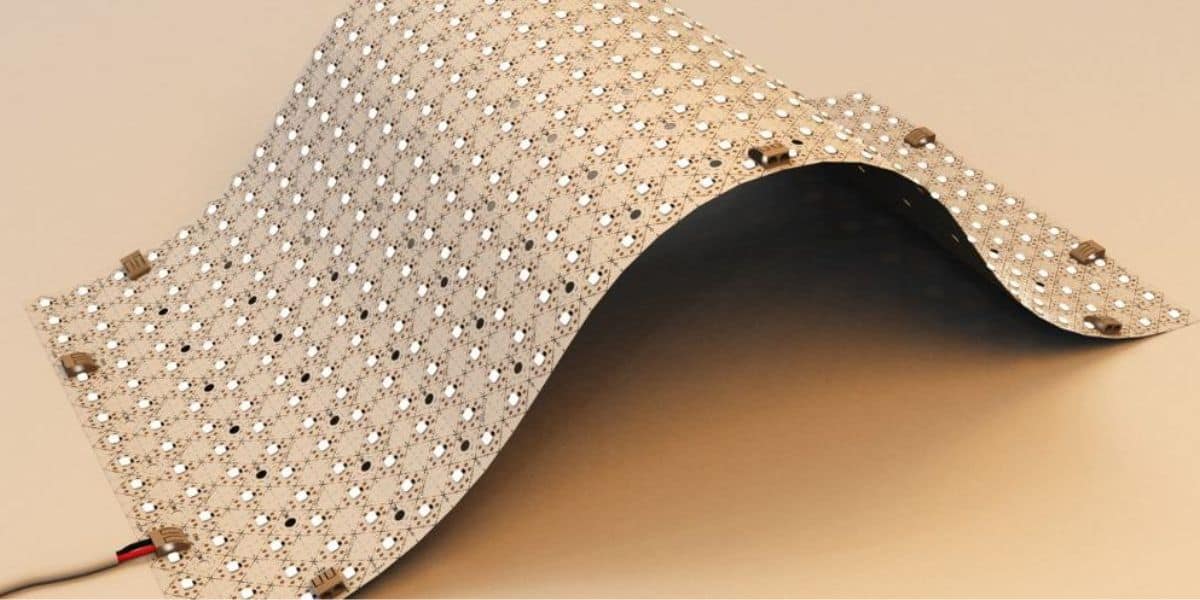
A folha de luz LED é estruturada em seções fotométricas, elétricas, térmicas e de conformidade. A eficácia luminosa e a produção total do lúmen aparecem sob desempenho fotométrico. A tolerância CRI, CCT e cromaticidade são tipicamente agrupadas dentro das características das cores. A compatibilidade de tensão, corrente e escurecimento é encontrada na tabela de especificações elétricas.
As reivindicações de manutenção do lúmen devem fazer referência aos relatórios de teste do LM-80 e incluir as projeções do TM-21. Se a vida útil for indicada sem os dados do LM-80, a afirmação não possui base técnica. Da mesma forma, a omissão da classificação do bin ou tolerância SDCM indica um risco potencial de inconsistência de cor.
A proteção ambiental aparece sob especificações mecânicas ou de conformidade. Se a classificação IP estiver listada sem um padrão de referência, é necessário um esclarecimento antes da aprovação.
Documentação incompleta sinaliza exposição à aquisição. Um fornecedor comercial deve fornecer uma folha de dados detalhada, não um folheto de marketing simplificado.
Erros comuns de compras
Um erro frequente é a aprovação de produtos baseados exclusivamente na produção total do lúmen sem validar a densidade do lúmen por área. Outro é aceitar reivindicações vitalícias sem verificar os dados de projeção do TM-21. Os compradores de vários sites geralmente ignoram a tolerância à lixeira, resultando em uma variação visível de cores entre as filiais. Às vezes, a compatibilidade de tensão é presumida em vez de confirmada, levando à substituição do driver durante o comissionamento.
Cada uma dessas falhas se origina da revisão insuficiente da folha de luz LED.
Conclusão
A aquisição de folhas de LED comercial é um processo de avaliação técnica. Desempenho, custo operacional e confiabilidade do ciclo de vida dependem de especificações mensuráveis, não de resumos de marketing.
Cada decisão de aprovação deve ser suportada por uma folha de luz LED verificada. Quando a documentação confirma eficácia, densidade do lúmen, estabilidade de cor, proteção ambiental e compatibilidade elétrica, o risco do projeto é reduzido significativamente.
Nunca confie em reivindicações de título. Valide os dados antes da implantação.
FAQs
Postagens relacionadas