Português
  English
  简体中文
简体中文  Deutsch
  Español
  Français
  Italiano
  日本語
日本語  한국어
한국어  Polski
  Русский
  Türkçe
  Nederlands
  Tiếng Việt
  ไทย
ไทย 
Prototipagem rápida de 3 a 5 dias em conjunto de PCB LED refere-se à produção de uma amostra de PCB LED funcional e de quantidade limitada dentro de uma janela de fabricação compactada. Isso não significa pular etapas ou apressar projetos incompletos. A velocidade de retorno depende da prontidão do projeto, disponibilidade confirmada de componentes e um escopo de montagem claramente definido. Quando essas condições se alinham, as compilações aceleradas são possíveis de alcançar sem alterar o processo de fabricação subjacente.
O que significa “prototipagem rápida de 3 a 5 dias” no conjunto de PCB LED
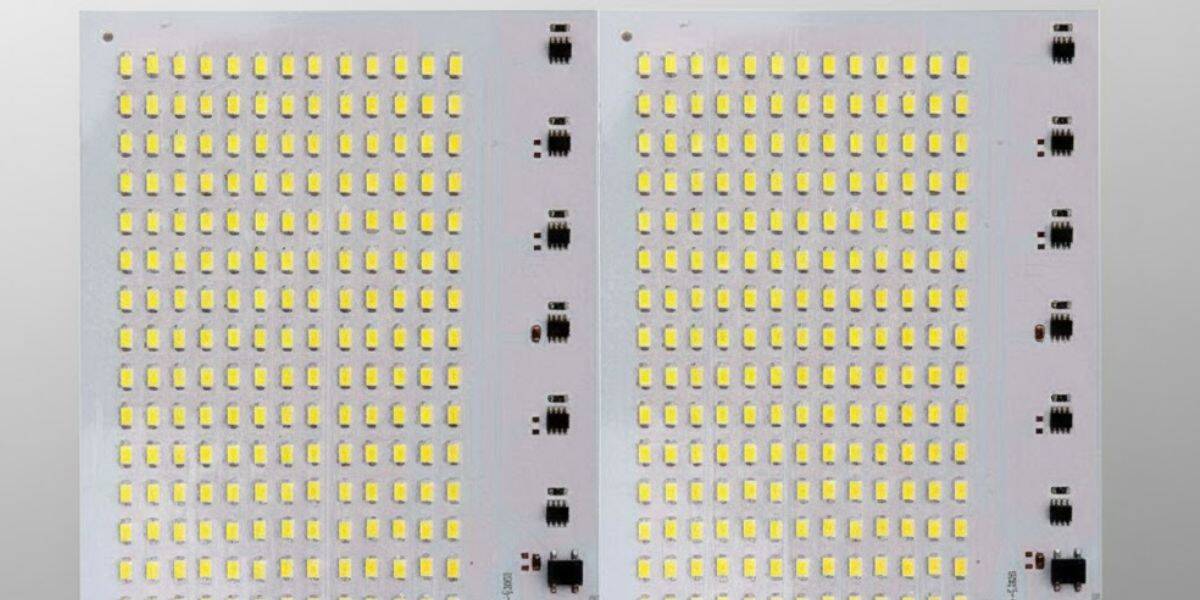
A Prototipagem Fast descreve um atalho controlado por meio de prazos de entrega padrão, não um atalho por meio da disciplina de engenharia. A saída é um protótipo, não um lote pronto para produção. O objetivo é a validação, não o volume.
O conjunto de PCB LED carrega restrições mais rígidas do que muitos outros tipos de placas. Caminhos térmicos, precisão do posicionamento do LED e consistência da corrente importam imediatamente, mesmo no estágio de protótipo. Por causa disso, a rápida prototipagem se concentra em placas que já são fabrisáveis, e não em designs ainda sendo explorados.
Em termos práticos, a prototipagem rápida de 3 a 5 dias geralmente inclui a fabricação de placas nuas, a colocação de LEDs e componentes do driver disponíveis e verificação funcional básica. Ele exclui o ajuste de processos, a queima estendida e a otimização cosmética que pertencem aos estágios posteriores.
Fluxo de trabalho típico por trás do Fast LED PCB Prototyping
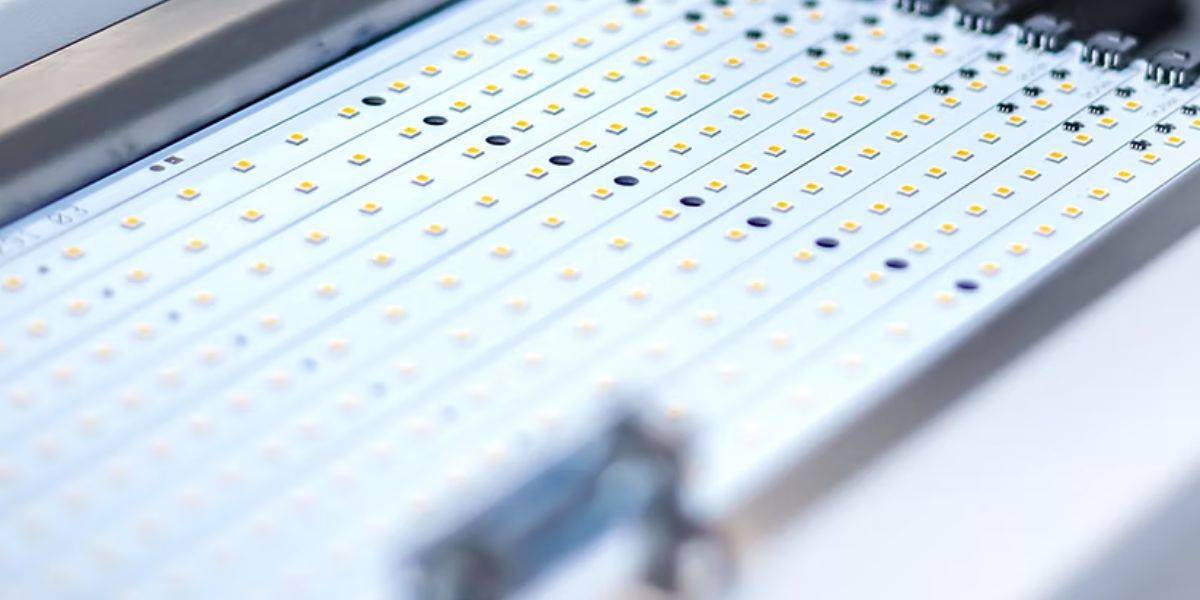
A recuperação rápida só é possível quando o fluxo de trabalho permanece previsível. O processo não muda, mas as prioridades mudam.
A prontidão do design é o primeiro portão. Os arquivos devem ser finais, revisados internamente e sem perguntas abertas. Não há buffer de tempo para ciclos de esclarecimento.
O fornecimento de componentes segue a realidade, não a intenção. Somente peças que estão em estoque, aprovadas e já qualificadas para montagem podem ser usadas. As substituições retardam tudo.
A priorização de montagem ocorre no nível do agendamento. Os trabalhos de protótipo são colocados em linhas existentes entre as execuções de produção ou atribuídas à capacidade de giro rápido.
O escopo do teste é intencionalmente limitado. O objetivo é a confirmação de que a placa funciona conforme projetado, não a caracterização total da confiabilidade.
A velocidade é alcançada reduzindo a incerteza, não comprimindo a física.
Fatores que permitem uma recuperação de 3 a 5 dias
1. Completude do projeto e manufaturabilidade
Um design completo é o único preditor mais forte de entrega rápida. Gerbers, dados de pick-and-place e BOMs devem se alinhar sem interpretação. As placas de LED que já seguem as pegadas padrão, as regras de espaçamento e as estratégias térmicas são rápidas.
- Erros de layout menores geralmente causam restauros completos de programação
- A clareza do DFM importa mais do que a novidade do design
2. Disponibilidade de componentes para assembleias de LED
Os componentes de LED não são intercambiáveis no último minuto. Caixas ópticas, classes de tensão e tipos de pacotes limitam a flexibilidade. A prototipagem rápida depende de componentes que já estão estocados ou de origem local.
- Os LEDs de cabo longo removem qualquer chance de 3 a 5 dias de build
- A disponibilidade do driver geralmente se torna o gargalo
3. Configuração da linha de montagem para placas de LED
Nem todas as linhas SMT são igualmente adequadas para o trabalho de LED. Placas que exigem manuseio especial, alto peso de cobre ou etapas de interface térmica lenta. As linhas já configuradas para o posicionamento do LED permitem transições mais rápidas entre os trabalhos.
4. Limites de teste e inspeção
Protótipos rápidos passam por uma inspeção focada. Verificações elétricas e validação funcional básica são típicos. O envelhecimento prolongado, a medição fotométrica ou os testes ambientais são adiados. Esta limitação é intencional e necessária para proteger os prazos.
Quando a prototipagem de PCB LED de 3 a 5 dias é realista, e quando não é
A prototipagem rápida é realista para designs de PCB LED simples a moderadamente complexos que reutilizam arquiteturas conhecidas. Módulos de LED lineares, integrações básicas de drivers e layouts de placa única se encaixam bem dentro de linhas de tempo aceleradas.
Torna-se irreal quando os projetos introduzem vários tipos de LED, novas estruturas térmicas ou layouts não comprovados. Cada variável adicionada aumenta o esforço e o risco de coordenação.
Os prazos perdidos geralmente vêm de lacunas de expectativa. Os engenheiros esperam velocidade, apesar dos detalhes do projeto não resolvidos. A aquisição espera velocidade, apesar do fornecimento incerto de componentes. A fabricação só pode se mover tão rápido quanto as entradas permitem.
Compreender esses limites evita a frustração de todos os lados.
Função das considerações de montagem específicas de LED
O conjunto de LEDs PCB introduz restrições que afetam a velocidade mesmo no estágio de protótipo. A precisão do posicionamento do LED afeta diretamente o desempenho óptico e não pode ser tratada casualmente. O retrabalho é limitado quando os LEDs são montados.
Os caminhos térmicos devem ser contínuos e intencionais. Interfaces térmicas ruins revelam-se rapidamente durante a inicialização inicial, muitas vezes interrompendo os testes.
O comportamento do nível do sistema é importante desde o início. Até mesmo protótipos devem gerenciar a propagação de calor, o equilíbrio da corrente e o alinhamento mecânico. Essas realidades explicam por que o protótipo do LED Rápido recompensa os designs maduros e penaliza os exploratórios.
A rapidez com que a prototipagem oferece suporte a decisões de montagem de PCB personalizadas
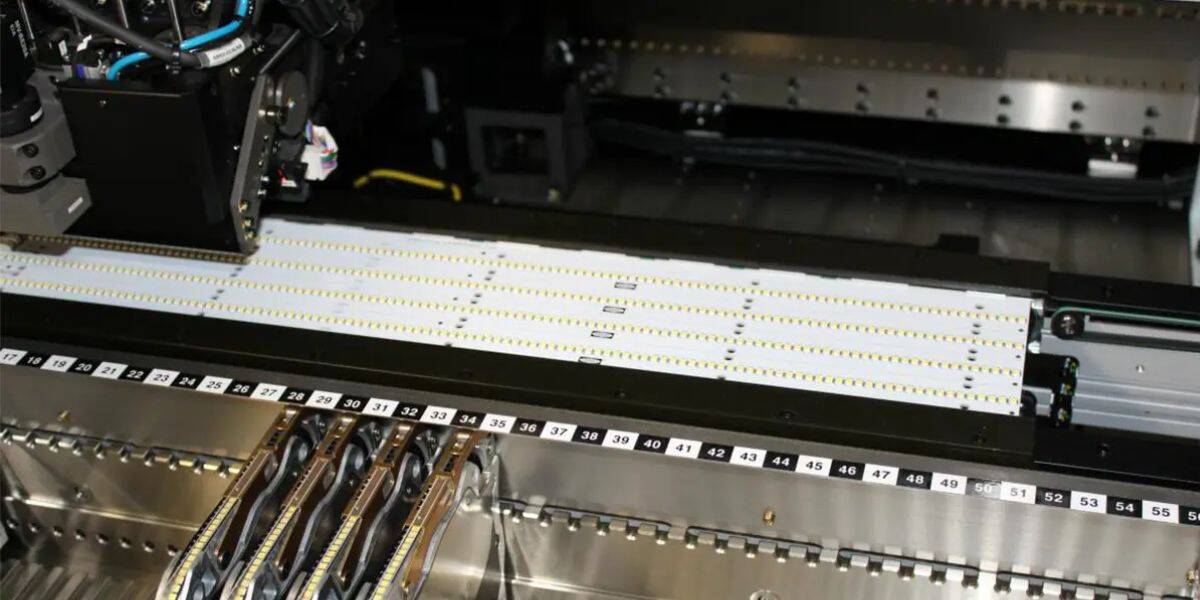
Existem protótipos rápidos para reduzir a incerteza antes do compromisso. Os engenheiros os usam para verificar as suposições do layout, confirmar o comportamento elétrico e observar a resposta térmica em condições reais.
Do ponto de vista da decisão, Conjunto de PCB personalizado Planeamento de benefícios com os primeiros sinais. Um protótipo pode confirmar que um projeto está pronto para ser dimensionado ou revelar que uma revisão é necessária antes do investimento em volume.
As equipes de compras também se beneficiam. As compilações iniciais expõem os riscos de sourcing e ajudam a validar se os componentes planejados oferecem suporte a cronogramas realistas.
A prototipagem rápida não é apenas sobre velocidade. Trata-se de uma tomada de decisão informada.
A rapidez com que a prototipagem se encaixa em dutos de fabricação de PCB personalizados
A prototipagem rápida ocupa uma posição estreita, mas crítica, no fluxo de fabricação de PCB personalizado mais amplo.
| ato | Objetivo | expectativa de velocidade |
| protótipo | Validação funcional | Escopo rápido e limitado |
| validação | refinamento de design | padrão |
| revisão | Correção de problemas | variável |
| escala | produção estável | Prazos planejados para entrega |
A prototipagem rápida termina assim que a confiança do design é estabelecida. A fabricação padrão começa quando a consistência, o rendimento e a repetibilidade se tornam prioridades.
Tentar esticar os métodos de transformação rápida em produção cria riscos de qualidade e agendamento.
Equívocos comuns sobre a prototipagem rápida de PCB
Uma crença comum é que rápido significa baixa qualidade. Na realidade, a qualidade depende da disciplina de design, não do comprimento do cronograma. Protótipos rápidos atendem a verificações definidas, mas evitam as desnecessárias.
Outro mal-entendido é que todo design se qualifica. A recuperação rápida favorece designs que já são estáveis. Os conceitos em estágio inicial raramente se encaixam.
Uma terceira suposição é que os protótipos representam o produto final. Os protótipos respondem a perguntas. Eles não definem a prontidão da produção por conta própria.
Clarificar esses pontos evita expectativas desalinhadas.
Conclusão
Prototipagem rápida de 3 a 5 dias em conjunto de PCB LED significa produzir um protótipo de PCB LED funcional dentro de um prazo comprimido, mas controlado. Depende da prontidão do design, disponibilidade de componentes e escopo de montagem limitado. Não é uma promessa de velocidade para cada projeto, nem um substituto para os processos de produção padrão. Quando usada corretamente, o Fast Prototyping fornece uma visão técnica inicial e oferece suporte a melhores decisões de produção de PCB personalizadas.
FAQs
Postagens relacionadas