Русский
  English
  简体中文
简体中文  Deutsch
  Español
  Français
  Italiano
  日本語
日本語  한국어
한국어  Polski
  Português
  Türkçe
  Nederlands
  Tiếng Việt
  ไทย
ไทย 
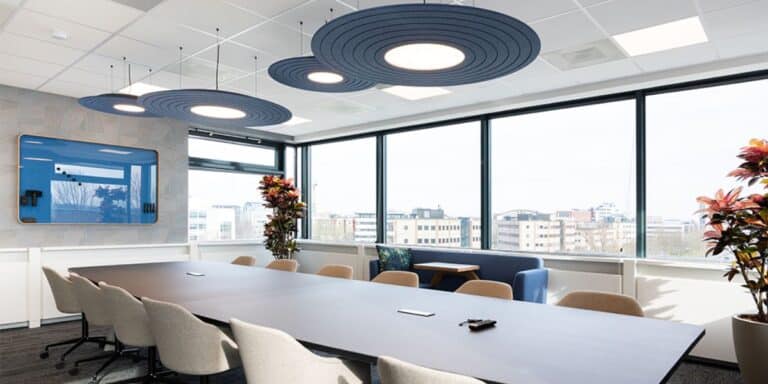
Улучшение акустики здания означает управление звуком внутри пространства, поэтому он поддерживает комфорт, общение и повседневное использование, а не работать против него. Хорошая акустика уменьшает нежелательный шум, ограничивает эхо и реверберацию, помогает речи оставаться ясной и понятной. Когда акустика плохая, люди испытывают усталость, отвлечение, стресс и снижение производительности. Это верно в офисах и коворкинговых помещениях, а также в домах, школах, больницах и общественных зданиях, где благополучие и ясность имеют такое же значение, как эстетика.
Улучшение акустики не в том, чтобы полностью исключить звук. Речь идет о управлении звуком таким образом, чтобы он соответствовал функции пространства.
В этой статье объясняются практические способы улучшения акустики строительства, охватывающие выбор материалов, стратегии компоновки и современные акустические решения, используемые в реальных проектах.
1. Что значит «хорошая акустика здания»?
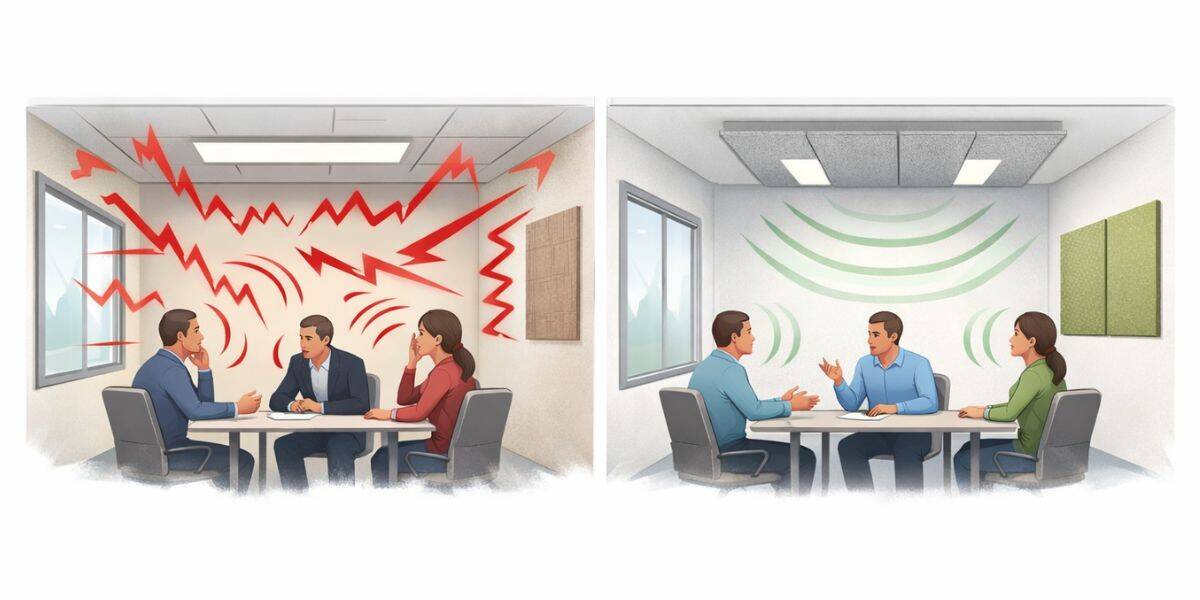
Хорошая акустика здания означает, насколько эффективно космический контролирует звук, чтобы соответствовать его предполагаемому использованию. Это включает в себя нечто большее, чем снижение уровня шума. Оно требует понимания того, как звук движется, отражается и воспринимается жителями.
Одно важное различие заключается в поглощении звука, блокировании звука и маскировании звука. Звукопоглощение уменьшает эхо и реверберацию, захватывая звуковую энергию, а не отражая ее. Такие материалы, как акустические панели, потолочные системы и войлочные продукты, поглощают звуковые волны и не позволяют им подпрыгивать по комнате. Блокировка звука, напротив, направлена на предотвращение прохождения звука сквозь стены, полы или потолки. Обычно это достигается за счет массового, герметичного строительства и разделения конструкции. Маскировка звука не уменьшает шум напрямую. Вместо этого он вводит контролируемый фоновый звук, который делает деструктивный шум менее заметным, что часто встречается в офисах открытой планировки.
Акустика часто ошибочно рассматривается как синоним шумоподавления, но это представление слишком узкое. Пространство может быть тихим и при этом иметь плохую акустику, если речь звучала неясно или если в комнате неудобно использовать. В офисах плохая акустика снижает фокусировку и повышает когнитивную нагрузку. В жилых домах они влияют на уединение и качество сна. В школах акустика влияет на результаты обучения и понимание речи. В больницах они влияют на восстановление пациентов и на работу персонала. В коммерческих помещениях они формируют опыт клиентов и время, проведенное в окружающей среде.
Хорошая акустика здания балансирует, блокирует, блокирует и решает, чтобы помочь людям в действительности использовать пространство.
2. Распространенные акустические проблемы в зданиях
В современных зданиях появляется несколько повторяющихся акустических проблем, особенно в которых дизайн отдает приоритет открытости и жесткой отделке.
- Эхо и чрезмерная реверберация
Звук, неоднократно отражающий необработанные поверхности, вызывает задержку шума, заставляя пространства звучать громче и хаотично, чем они есть на самом деле. - Проблемы с разборчивостью речи
Отраженный звук мешает прямой речи, уменьшая четкость конференц-залов, классов и открытых офисов и увеличивая усталость при прослушивании. - Шумы переноса между комнатами
Звук проходит через стены, потолки, полы и общие системы строительства, что влияет на конфиденциальность в жилых, офисных и медицинских сред. - Чрезмерное использование твердых поверхностей
Такие материалы, как стекло, бетон, гипсокартон, камень и металл, эффективно отражают звук и мало способствуют контролю акустики при использовании без компенсации. - Высокие потолки и открытые планировки
Большие объемы и бесперебойные поверхности увеличивают пути отражения, усиливая реверберацию, если не будет добавлено поглощение стратегически.
3. Практические способы улучшения акустики здания
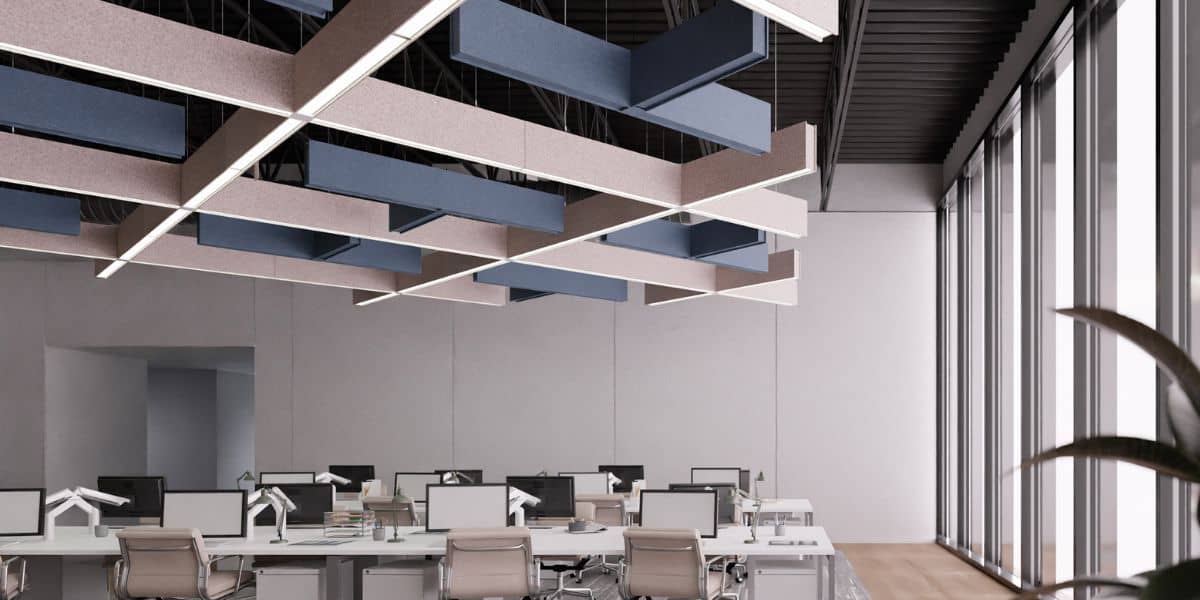
Для улучшения акустики не требуется единого решения. Эффективные результаты дают сочетание материалов, размещения и стратегий дизайна, которые учитывают поведение звука в пространстве.
Поверхность поглощения стен и потолков
Добавление поглощения поверхностей в комнатных условиях является одним из наиболее эффективных способов уменьшить эхо и улучшить четкость. Обычно используются настенные акустические панели, но потолки часто используются недостаточно, несмотря на их воздействие. Звук естественным образом движется вверх и отражает потолочные поверхности, что делает их критически важной областью для лечения.
Поглощающие поверхности должны быть размещены там, где звуковая энергия является самой высокой, например, вблизи зон отдыха, рабочих станциях и речевых позициях. Цель состоит не в том, чтобы покрыть каждую поверхность, а в том, чтобы прервать пути отражения и контролировать время реверберации.
Почему потолки имеют значение в акустической конструкции
Потолки влияют на акустику больше, чем многие думают. В открытых пространствах потолочные отражения в значительной степени способствуют общему уровню шума. Обработка потолков позволяет дизайнерам управлять звуком без ущерба для пространства на стене, которое может потребоваться для хранения, дисплеев или остекления.
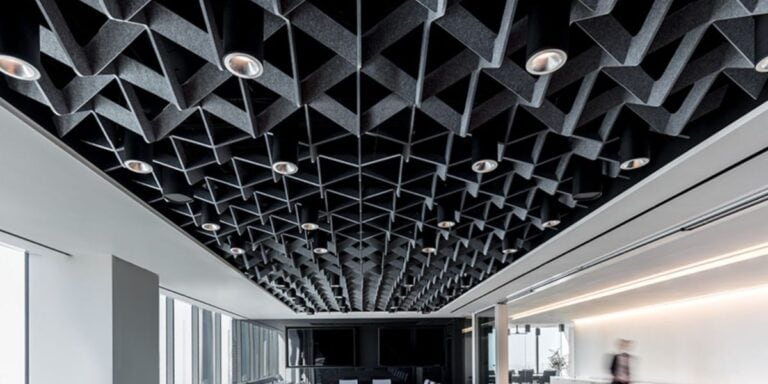
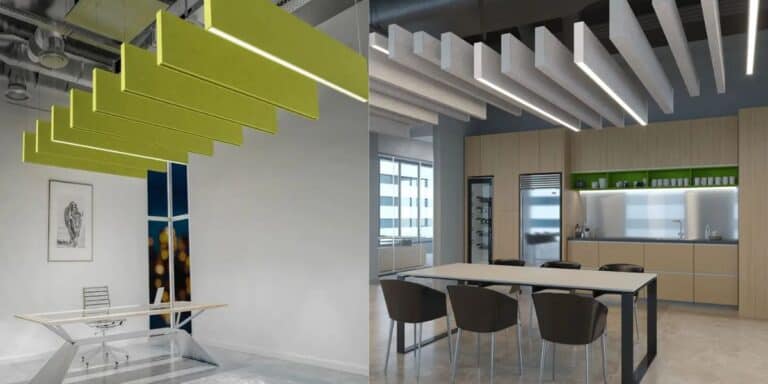
Потолочные решения включают акустические плитки, перегородки и облака. Эти системы особенно полезны в помещениях с высокими потолками или ограниченной площадью стены. Помещая поглощение над пассажирами, звук контролируется ближе к его источнику.
Роль акустических светильников в современных зданиях
Современные интерьеры часто требуют многофункциональных элементов, которые служат как техническим, так и эстетическим целям. Здесь все более важную роль играют акустические светильники. Эти элементы сочетают в себе звукопоглощение с другими функциями, такими как освещение или пространственное определение.
Акустические светильники особенно ценны в современных офисах и общественных местах, где приоритеты являются чистым дизайном и гибкостью. Они позволяют акустической обработке интегрироваться в общий дизайн, а не добавлять в заднюю мысль.
Как акустическое освещение улучшает акустику, не жертвуя дизайном
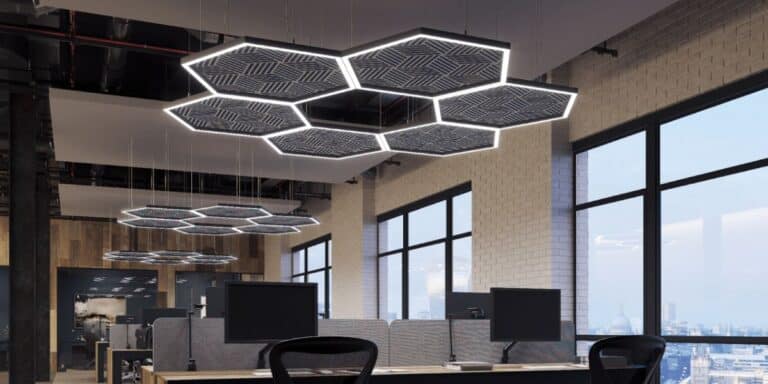
акустическое освещение Сочетает звукопоглощающие материалы со встроенным освещением. Этот подход рассматривает сразу две основные системы строительства: освещение и акустическое управление. Вместо того, чтобы добавлять отдельные панели и светильники, дизайнеры могут уменьшить визуальный беспорядок, улучшая производительность.
При правильном использовании акустическое освещение помогает управлять реверберацией в открытых офисах, конференц-залах и общих помещениях. Продукты, предназначенные для этой цели, часто принимают форму подвесных панелей или светильников, которые поглощают звук при одновременном обеспечении функционального света. При задумчивом определении акустическое освещение становится частью архитектурного языка пространства, а не чисто техническим вмешательством. Примеры таких интегрированных решений можно найти в современных системах акустического освещения, разработанных специально для коммерческих интерьеров.
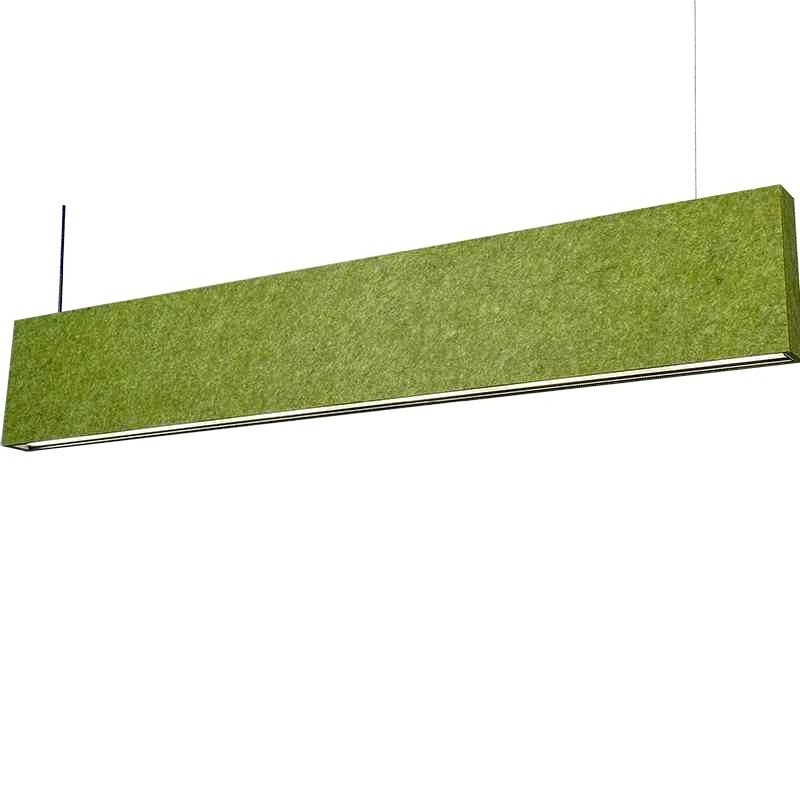
Тонкий антибликовый акустический светодиодный линейный свет
- Входное напряжение: AC100-277V/AC220-240V,50-60Гц
- Размер корпуса: W58*H200 мм/W58*H300 мм
- Направление излучателя: вниз
- Вариант длины: 1218 мм / 1220 мм / 1288 мм
- CCT: 3000K / 4000K / 6000K
- Мощность: 30 Вт / 32 Вт
- Световой поток: 100-110LM/Вт
- CRI: >90RA
- ПФ: >0,90
- мерцать бесплатно: да
- Угол луча: 36°
- Степень защиты: IP20
- Гарантия: 5 лет
- Цвет акустической доски войлочного цвета: красный/зеленый/синий/серый, более 48 цветов
Войлочное освещение и светильники в современных интерьерах
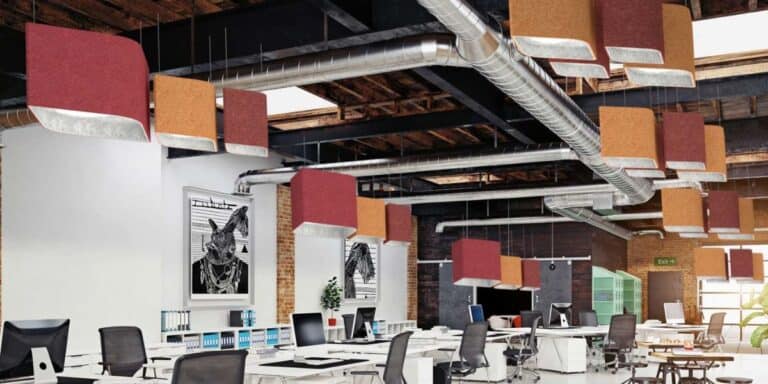
Материалы на основе войлока все чаще используются в акустических приложениях из-за их абсорбирующих свойств и гибкости конструкции. Войлочное освещение и светильники смягчают как звук, так и визуальный характер, что делает их подходящими для пространств для совместной работы, гостиной и творческой среды.
Эти решения хорошо работают в местах, где желательна более теплая и менее техническая эстетика. Акустические светильники на основе войлока могут уменьшить средне- и высокочастотную реверберацию, создавая при этом более комфортную атмосферу.
4. Советы по дизайну, улучшающие акустику
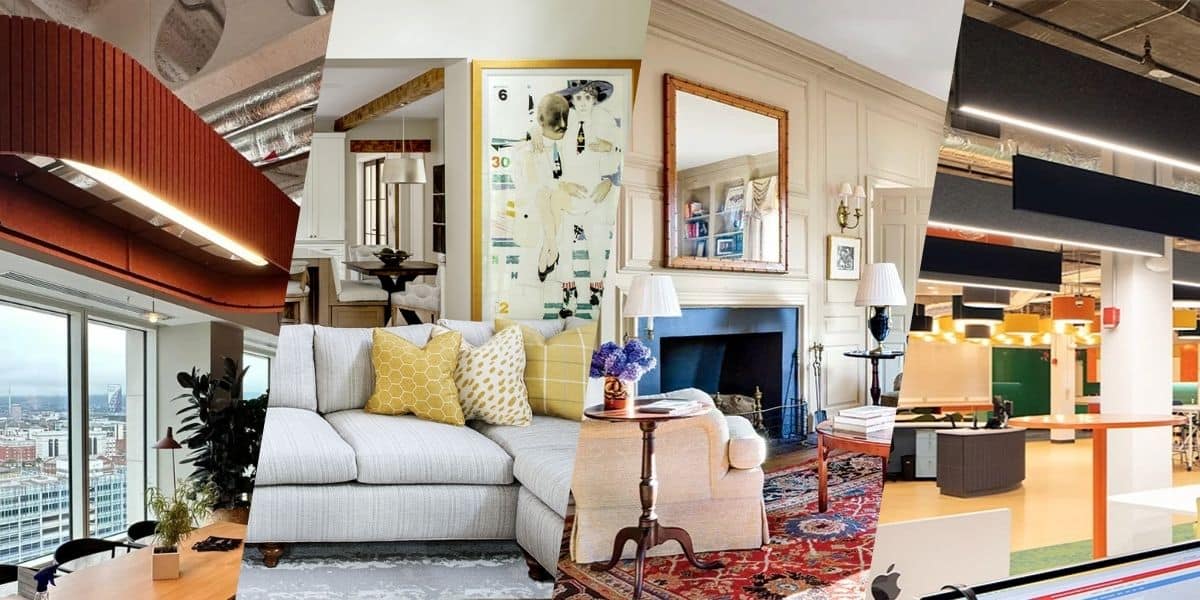
Многие акустические улучшения могут быть достигнуты за счет выбора дизайна и планировки без изменения структуры здания.
- Стратегии зонирования
Отделяйте шумные занятия от тихих, преднамеренно планируя макеты, например, размещая площадки для встреч от целевых рабочих зон. - размещение мебели
Мягкие сиденья, книжные полки, перегородки и склады помогают поглощать и рассеивать звук при расположении вдоль траекторий отражения. - Использование мягких материалов и отделки
Ковры, ковры, шторы и обтянутая тканью мебель уменьшают отраженный звук, особенно в жилых и многофункциональных помещениях. - Приоритетное размещение над количеством
Меньшее количество хорошо расположенных абсорбционных элементов часто работает лучше, чем чрезмерная обработка, установленная без акустической логики.
5. Акустические материалы и решения по сравнению
| Тип решения | основная функция | Лучший вариант использования | банкноты |
| Акустические стеновые панели | поглощение | Офисы, коридоры | Снижает эхо и улучшает четкость |
| Потолочные перегородки или облака | поглощение | открытые пространства | Контролирует реверберацию сверху |
| Акустические панели освещения | Свет и поглощение | Офисы, коворкинг | двойное решение |
| Войлочные светильники | Поглощение и дизайн | Современные интерьеры | Визуальный и акустический баланс |
| Системы маскировки звука | Контроль отвлечения | открытые офисы | Поддерживает стратегии поглощения |
Это сравнение подчеркивает, что ни одно решение не решает каждую проблему акустической задачи. Каждый вариант выполняет определенную роль в рамках более широкой акустической стратегии.
6. Где лучше всего подходит акустическое освещение в дизайне здания
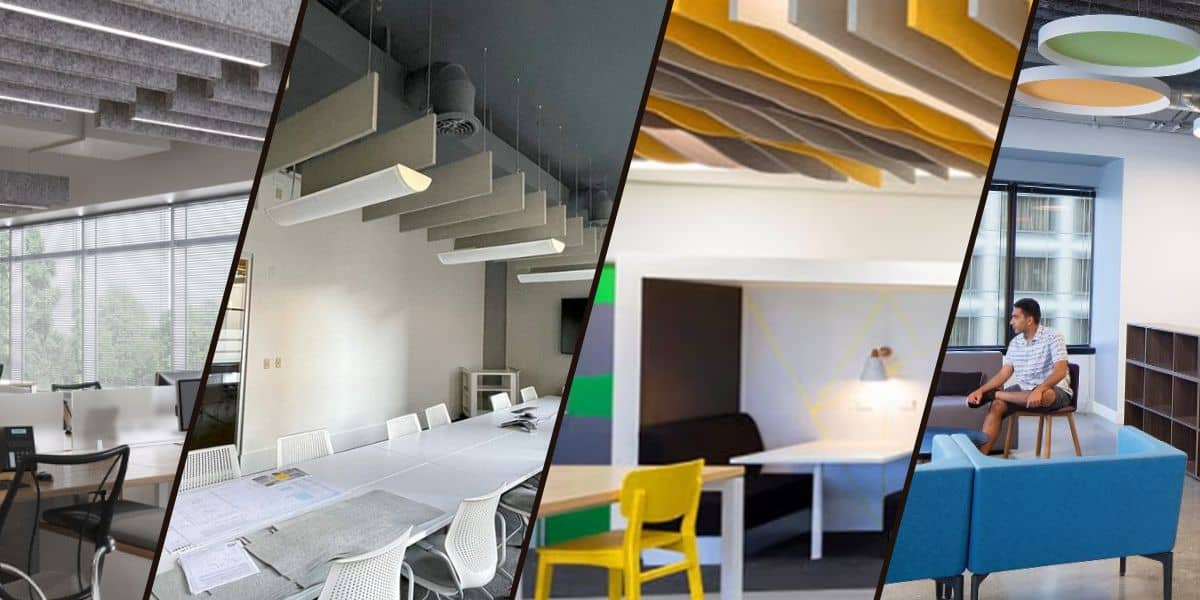
Акустическое освещение наиболее эффективно в местах, где критично и качество освещения, и где настенные решения ограничены.
На сайте Офисы и коворкинговые помещения, Акустическое освещение помогает управлять шумом в условиях открытого плана. Он уменьшает реверберацию, обеспечивая последовательное, соответствующее задаче освещение. Это поддерживает фокусировку и снижает усталость, не меняя открытого характера пространства.
конференц-залы Получите выгоду от акустического освещения, потому что важна четкость речи. Потолочная абсорбция возле стола уменьшает отражения, которые мешают разговору, а встроенное освещение обеспечивает равномерную видимость участников.
учебные здания Часто сталкиваются с ограничениями на стены из-за досок, дисплеев и хранения. Акустические панели освещения Обеспечьте поглощение, не конкурируя с функциональными элементами стены, улучшая разборчивость речи в классах и лекционных помещениях.
Здравоохранение и общественные места Требуются акустика, поддерживающая спокойствие и уединение. Акустическое освещение может помочь уменьшить фоновый шум в зонах ожидания и коридорах, сохраняя при этом чистый, незагроможденный дизайн потолка.
Во всех этих случаях панели акустического освещения особенно полезны, когда пространство на стене ограничено или визуально чувствительно, что делает интеграцию потолка наиболее практичным подходом.
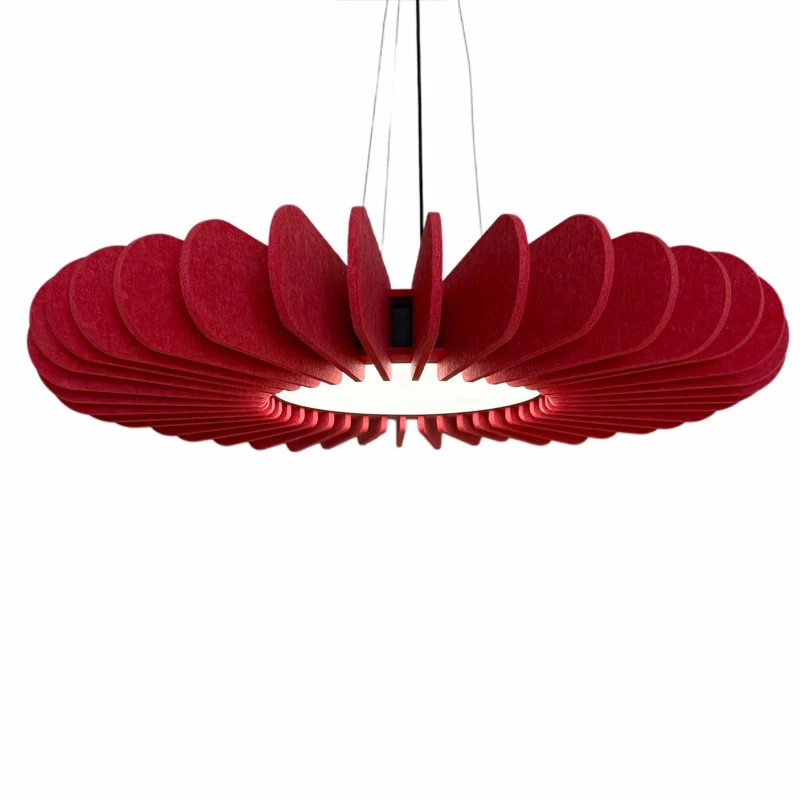
Ультратонкий тонкий круглый акустический светодиодный подвесной светильник
- Входное напряжение: AC100-277V/AC220-240V,50-60Гц
- Размер корпуса: 120 мм
- Направление излучателя: вниз
- Размер DH: 50080 мм
- CCT: 3000K / 4000K / 6000K
- Мощность: 15 Вт
- Световой поток: 100-110LM/Вт
- CRI: >90RA
- ПФ: >0,90
- Flicker Free: Да
- Угол луча: 120°
- Степень защиты: IP20
- Гарантия: 5 лет
- Вариант цвета акустической панели: красный/зеленый/синий/серый, более 48 цветов
7 . Распространенные ошибки в акустической конструкции
Даже благонамеренные проекты часто терпят неудачу из-за предположений о дизайне.
- Игнорирование потолочных поверхностей
Обработка только стен оставляет нетронутым основной плоскость отражения, особенно в комнатах с твердым полом. - Опираясь на декоративные элементы без акустической ценности
Не все визуально мягкие материалы эффективно поглощают звук, что приводит к минимальному улучшению в реальном мире. - Ожидание одного решения для решения всех проблем
Акустика требует системного подхода, сочетающего в себе стратегии поглощения, блокировки и компоновки. - Плохое размещение акустических элементов
Даже высококачественные материалы не работают, если их устанавливают, вдали от ключевых точек отражения или источников звука.
8. 2026 года в области строительства акустики
Строительство акустики движется к интеграции, а не к дополнительным решениям. Системы, сочетающие в себе освещение, поглощение и даже управление воздухом, становятся все более распространенными, поскольку дизайнеры стремятся к эффективности и визуальным представлениям.
модульный Акустические светильники набирают популярность, потому что они адаптируются к изменяющимся макетам, особенно в гибридных рабочих средах. Гибкость теперь является основным требованием.
Также растет внимание к благополучию. Акустика все больше признается фактором психического здоровья, производительности и общего комфорта, влияя на то, как пространство создается с самых ранних стадий.
Заключение
Для улучшения акустики здания требуется сбалансированный подход. Эффективные решения сочетают в себе звукопоглощение, интеллектуальное размещение и понимание того, как используются пространства. Стены, потолки, мебель и планировка — все это способствует акустическим характеристикам.
Комплексные решения, такие как акустическое освещение и хорошо спроектированные акустические светильники, позволяют управлять звуком с современными требованиями к дизайну. При тщательном применении эти стратегии создают комфортные, функциональные и поддерживающие благополучие, не полагаясь на чрезмерные или навязчивые процедуры.
Вопросы и ответы
Похожие посты