Русский
  English
  简体中文
简体中文  Deutsch
  Español
  Français
  Italiano
  日本語
日本語  한국어
한국어  Polski
  Português
  Türkçe
  Nederlands
  Tiếng Việt
  ไทย
ไทย 
Введение: Почему акустическое освещение становится новой горячей темой в индустрии освещения?
Современные офисные помещения, коммерческие здания, учебные заведения и медицинские среды все больше отдают приоритет «урегулированию шума» в качестве приоритета дизайна, наравне с освещением. Офисы открытого плана, общие помещения и пешеходное движение высокой плотности означают, что традиционные приспособления больше не могут адекватно решать растущие акустические проблемы, удовлетворяя требования освещения.
Именно на этом фоне акустическое освещение быстро завоевал популярность. Он не только обеспечивает освещение, но и эффективно улучшает акустические среды в помещении за счет конструктивного проектирования и звукопоглощающих материалов. Тем не менее, для покупателей, дизайнеров и подрядчиков остается основной вопрос: действительно ли эти акустические фонари подвергались надежному профессиональному тестированию?
В этой статье систематически рассматривается валидация акустического освещения из нескольких критичных измерений. Это помогает клиентам получить более четкое представление о ценности продукта, обеспечивая при этом надежные основания для принятия решений о закупках.
Что такое акустический свет? Как он достигает шумоподавления?
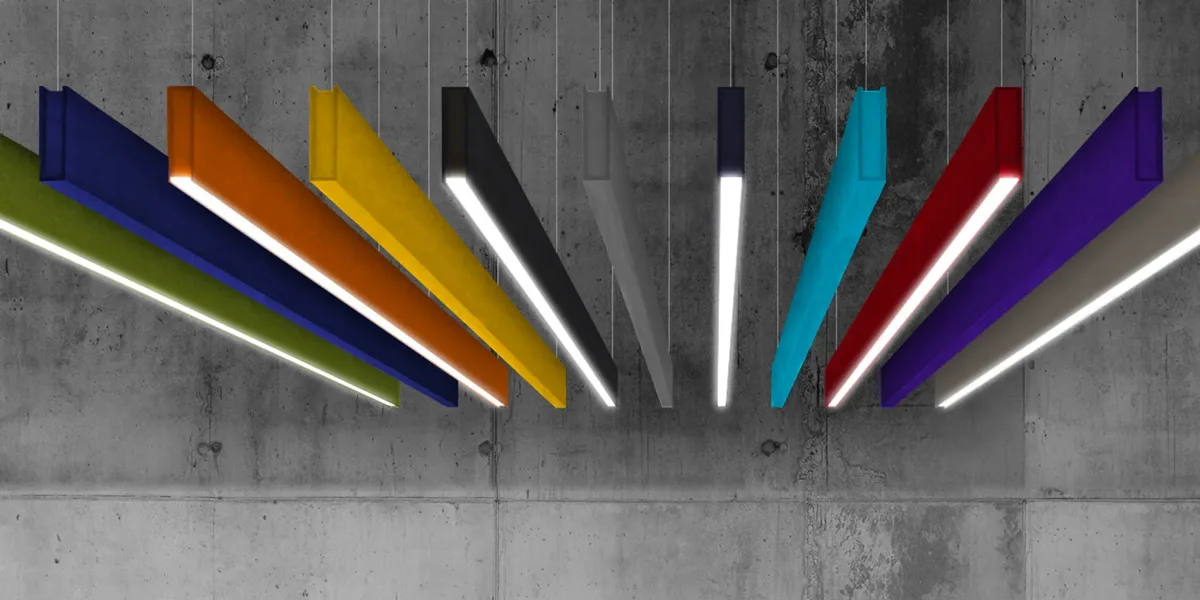
Акустические огни не просто приспособления с «дополнительным слоем материала» на своей поверхности. Это композитные продукты, которые глубоко интегрируют акустический дизайн с светотехникой.
К их основным принципам относятся
- Использование высокоэффективных звукопоглощающих материалов (таких как акустические волокна, полиэфирные волокна, микропористые материалы и т.д.)
- Увеличение звуковых диффузионных и поглощающих путей через структуру светильника
- Сокращение звуковых отражений до снижения времени реверберации (RT)
В отличие от обычных декоративных акустических ламп, оригинальные акустические лампы требуют проверки с помощью стандартизированных акустических испытаний, чтобы доказать их реальную способность звукопоглощения, а не просто «концептуальный дизайн».
Сертификация продукта: соответствие UL и CE — юридические барьеры для выхода на рынок
В рамках технических соответствия для акустических ламп сертификация UL (США), CE (ЕС) и TÜV (Германия и Европа) не просто обычные тестовые элементы. Они представляют собой обязательные или авторитетные условия для доступа к рынку в разных регионах, коллективно образуя сеть обеспечения соблюдения, охватывающую Северную Америку, Европу и основные мировые рынки.
Сертификация UL
Выданная Underwriters Laboratories (UL), эта сертификация не является федеральной мандатной, но служит де-факто стандартом доступа для освещения коммерческих и общественных помещений в Северной Америке. Знак UL означает независимую стороннюю проверку электробезопасности продукта, тепловой производительности, огнестойкости и долгосрочной надежности, что делает его основным символом доверия для розничных продавцов, архитекторов и владельцев зданий во время закупок.
Сертификация CE
Обязательная отметка соответствия для продуктов, поступающих на рынок Европейского Союза, включая основные директивы, включая директиву LVD (Директива по низковольтным), ЭМС (Директива по электромагнитной совместимости) и ROHS (ограничение опасных веществ). В качестве акустических оптических композитных устройств с электрическим приводом акустические светильники должны соответствовать стандартам EN 60598 и требованиям электромагнитной совместимости EN 55015/61547. Марка CE служит прямым доказательством их соблюдения юридической силы.
Сертификация TÜV
Эта сертификация, выпущенная немецкой TÜV (Ассоциация технической инспекции), обладает исключительными полномочиями на европейском рынке, особенно славящейся строгими стандартами в отношении деталей безопасности и качества. Ключевые аспекты сертификации включают в себя:
- Комплексные испытания на безопасность: покрытие механической прочности, устойчивости к старению материала и предельной адаптивности окружающей среды.
- Регулярный надзор за производственными системами, чтобы обеспечить согласованность массового производства. Хотя в ЕС не является обязательным, марка TÜV значительно повышает конкурентоспособность продукции на европейских рынках. Он служит жизненно важным символом качества и надежности, особенно в коммерческих проектах и в промышленных целях.
Экологические испытания SGS: основа соответствия, устойчивости и доверия
На международном рынке B2B тестирование SGS практически является синонимом «доверенного стороннего доверия третьих сторон». Для акустических ламп, SGS Environmental Testing в первую очередь фокусируется на следующих аспектах:
- Соответствие материальной окружающей среде: соблюдение таких правил, как RoHS и REACH
- Ограничение опасных веществ: тяжелые металлы, галогены и выбросы ЛОС
- Консистенция производства: стабильность и прослеживаемость партии материала
Эти тесты не только решают экологическую ответственность, но и напрямую определяют, могут ли продукты выйти на европейские и американские рынки и пройти проверку соответствия для крупных проектов. Для покупателей отчет SGS означает снижение рисков соответствия и повышенную безопасность проекта.
Тестирование производительности звукопоглощения: измерение фактического снижения шума
Международный стандарт частотной речи человека обычно относится к стандарту пропускной способности передачи голоса в цифровых телефонных коммуникациях, охватывающих 300 Гц до 3400 Гц. Наша повседневная речь в первую очередь зависит от диапазона частот от 500 до 3000 Гц, который содержит большую часть информации об энергии и ясности в речи, что имеет решающее значение для понимания языка. Слуховая дальность человека охватывает от 20 Гц до 2000 Гц, но подавляющее большинство речевых данных сосредоточено в более узкой полосе частот 300–3400 Гц.
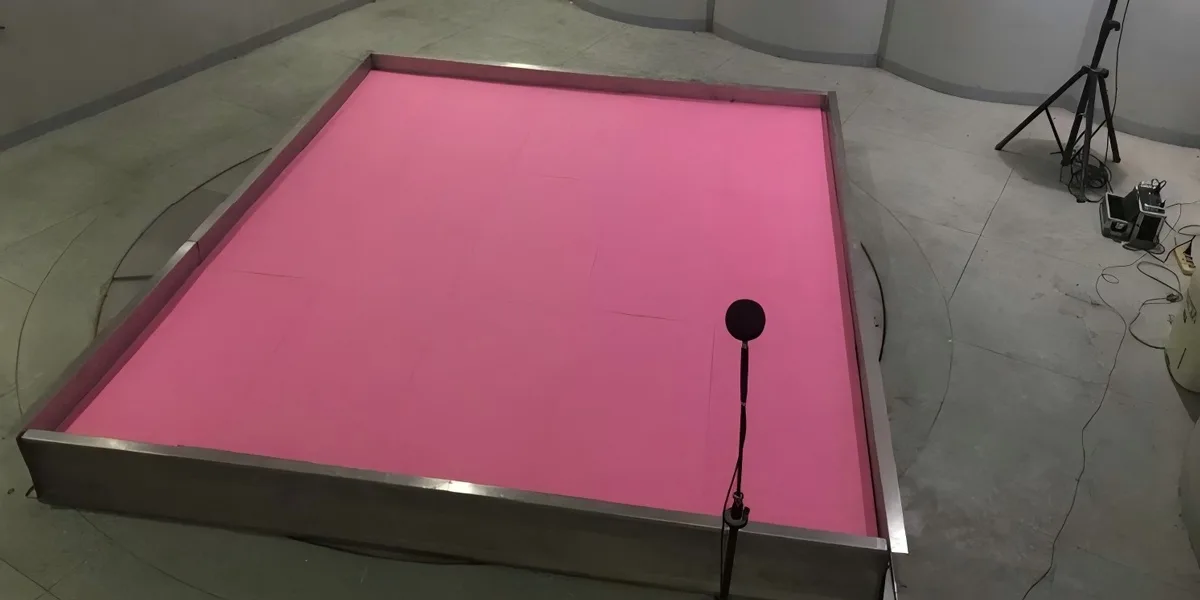
Звукопоглощение акустических панелей необходимо количественно оценить с помощью профессионального акустического лабораторного тестирования, в первую очередь с использованием таких приборов, как исследование B&K 2270, усилитель мощности 2716, 4292 всенаправленный громкоговоритель и микрофон 4189.
Общие метрики тестирования включают в себя:
- Коэффициент звукопоглощения (SAC)
- Коэффициент шумоподавления (NRC)
- Производительность звукопоглощения в диапазонах частот (низкая частота/средняя частота/высокочастотная)
- Стандарт тестирования: на основе EN ISO 354:2003 / ISO 354 «Акустика — измерение звукопоглощения в комнате реверберации»
Для достижения звукопоглощения и шумоподавления соответствующие материалы должны обладать свойствами «поглощающего звука». Ниже приведен отчет об испытаниях основного материала, используемого в акустических светильниках SignLiteld, акустических панелях из полиэфирного волокна, представленных для проверки:
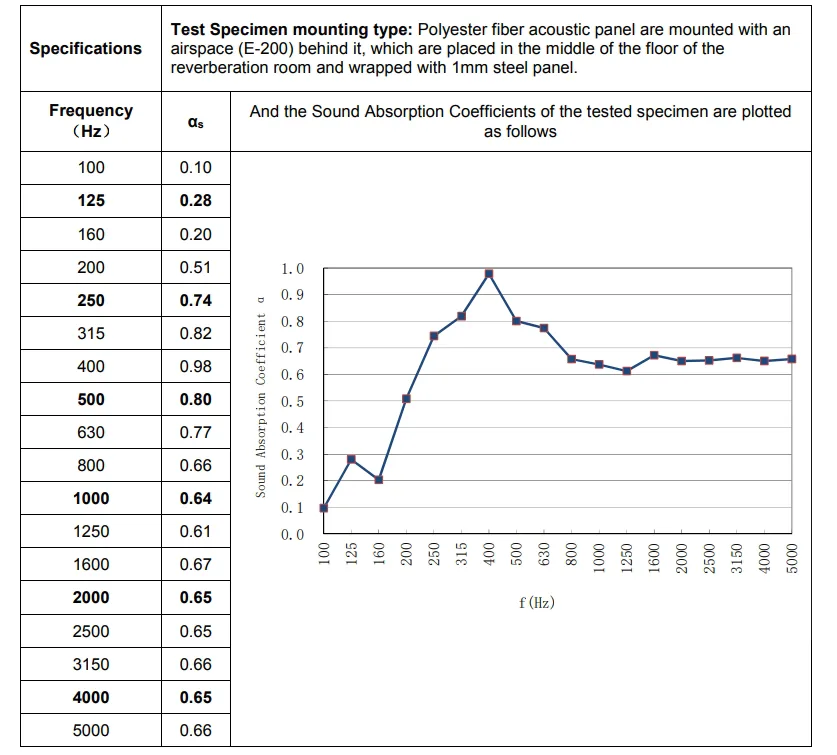
Как показано выше, тестируемые полиэфирные волокна панели демонстрируют коэффициенты звукопоглощения, которые постоянно выше 0,74 в основном диапазоне речи и частоте общего шума 250 Гц-1250 Гц, с пиковыми значениями 250 Гц и 800 Гц. Это указывает на превосходное поглощение человеческой речи, телефонного звонка и шума офисного оборудования, что делает его очень подходящим для повышения разборчивости речи в офисах, конференц-залах и школах.
Ниже 125 Гц коэффициент звукопоглощения ниже (<0,3), типичная характеристика тонких пористых материалов. Для устранения низкочастотного шума (например, гул кондиционера, шум движения) обычно требуются более толстые материалы или специализированные низкочастотные абсорбционные конструкции.
В отчетах указано, что эта акустическая панель из полиэфирного волокна превосходна в поглощении средне-высокочастотных шумов (особенно 250–1250 Гц), что обеспечивает ведущие показатели в отрасли на определенных частотах. При использовании в акустических светильниках этот материал обеспечивает заметное снижение шума для человеческой речи. Фактическое применение должно ссылаться на эти данные на основе конкретных спектров шума и условий установки.
Стандартизированные среды тестирования точно отражают возможности шумоподавления акустического освещения в реальных пространствах. Такие данные особенно важны для дизайнеров архитектурной акустики и системных интеграторов, служа ключевыми отличиями акустического освещения и обычных светильников.
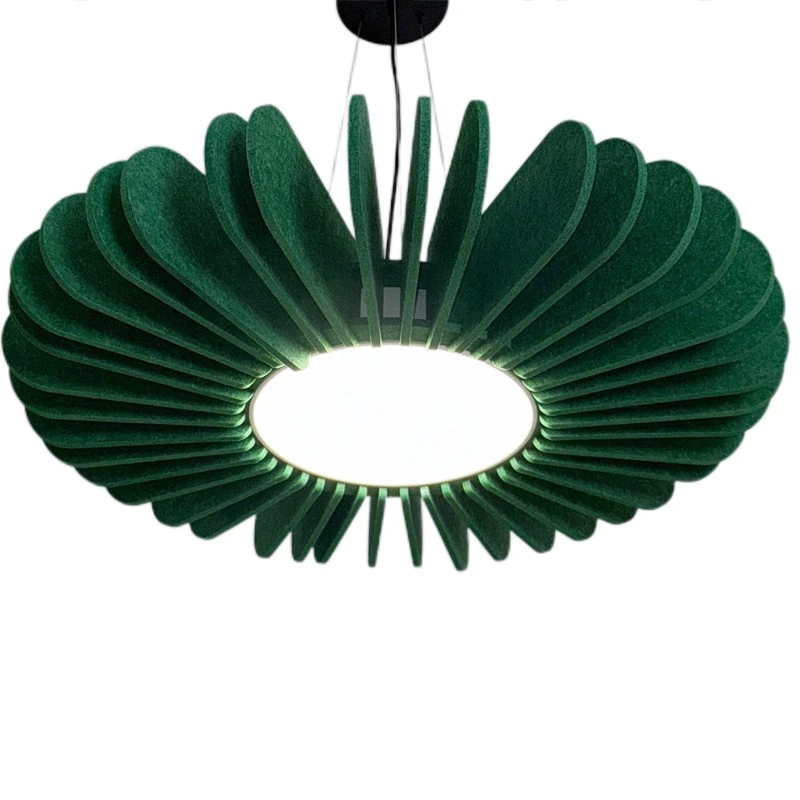
Ультратонкий тонкий круглый акустический светодиодный подвесной светильник
Входное напряжение: AC100-277V / AC220-240V, 50-60 Гц
Размер корпуса: 120 мм
Направление излучателя: вниз
Размер(ДХХ): 500x80мм
КСТ: 3000к/4000к/6000к
Сила: 15W
Световой поток: 100-110 лм/Вт
ИКР: >90
PF: >0.90
Flicker бесплатно: Да
Угол луча: 120°
Степень защиты IP: IP20
Гарантия: 5 лет
Вариант цветной акустической панели: Красный/зеленый/синий/серый более 48 цветов
Тестирование пожарной эффективности: безопасность в общественных и коммерческих помещениях
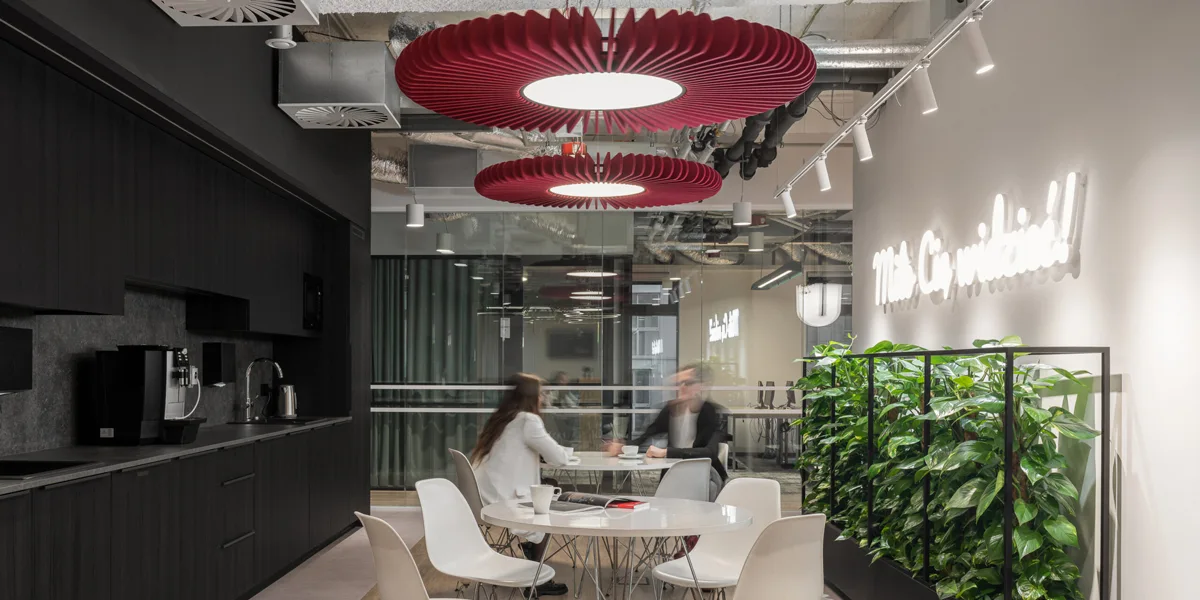
Акустические потолочные панели широко используются в подвесных потолках, общественных местах и помещениях с высокой посещаемостью, что делает стойкость к огню критическим. Поэтому необходимо, чтобы испытание материалов на огнестойкость. В общественных и коммерческих условиях материалы акустических панелей должны соответствовать требованиям к гидроизоляции и огнестойкости. Согласно американскому стандарту ASTM E84, номинальные значения пожара классифицируются на три уровня: A, B и C. Уровень B (FSI 26-75) предусматривает основное требование, обеспечивающее контролируемое распространение пламени во время пожара и индекс дыма, не превышающий 450, тем самым защищая безопасную эвакуацию. Европейский стандарт EN 13501-1 требует материалов для достижения как минимум класса B (эквивалент B1). Этот рейтинг оценивает распространение пламени и тепловыделение с помощью теста сгорания на одном теле, обеспечивая низкий риск пожара.
В итоге, Материалы акустического освещения Должен соответствовать классу ASTM E84 B или EN 13501-1 B1 и обладать базовой стойкостью к воде для соблюдения требований безопасности в общественном пространстве.
США ASTM E84 и EU En 13501-1 огнестойкость Rна сайте Cсравнение Tвозможный
| стандартный | Метод тестирования и рейтинг | Определение классификации оценок | Основные рынки приложений |
| США ASTM E84 | Тест Штайнера – Оценка распределения поверхностного пламени и образования дыма. – Ключевые показатели: индекс пламени (FSI), индекс развития дыма (SDI). – Результат интуитивно понятен, оценивает только характеристики поверхности горения. | класс А: FSI ≤ 25, SDI ≤ 450. класс Б: 26 ≤ FSI ≤ 75. класс С: 76 ≤ FSI ≤ 200. Классификация напрямую основана на значении FSI без сложного механизма деградации. | Североамериканские рынки (США, Канада) Широко используется в строительных кодексах, таких как NFPA, IBC. |
| ЕС 13501-1 | Мультитестовая комплексная оценка 1. EN 13823 (тест односжигания, SBI): оценивает распространение пламени и выделение тепла. 2. EN ISO 11925-2 (испытание на воспламенение маленького пламени): оценивает воспламеняемость. Одновременно оценивает генерацию дыма (S1/S2/S3) и расплавленную капельку (D0/D1/D2). | 7 основных сортов (A1 → A2 → B → C → D → E → F): A1 - самая высокая негорючечная марка. б класс: Материал «трудно зажигаться» с дополнительными номиналами дыма и капель (например, B-S1, D0). Строгая правила «не обратная деградация». | Рынки ЕС и всемирно признанные Обязательно для маркировки CE и строительных норм ЕС. |
ASTM E84 Классификация огнестойкости (США)
Классификации следующие:
| классификация | пламенем размах индекс, инцилинсьчи | дым-Dразвитой индекс, солидарность |
| класс А | 0-25 | 0-450 |
| класс Б | 26-75 | 0-450 |
| класс С | 76-200 | 0-450 |
Приложение: EN 13501-1 Классификация пожаров (ЕС)
Таблица 1 — Классы реакции на пожаробезопасность для строительных изделий, за исключением напольных покрытий и линейных трубоизоляционных изделий.
| класс | Метод(ы) тестирования | Критерии классификации | Дополнительная классификация | |
| первоклассный | EN ISO 1182 a и | △T≤30℃, и △M≤50%, и tf=0(т.е. нет устойчивое пламя) | – | |
| EN ISO 1716 | PCS≤2,0мДж/кг a и PCS≤2,0мДж/кг b с и PCS≤1,4 мДж/м² г и PCS≤2,0мДж/кг и | – | ||
| превосходный | EN ISO 1182 a или | и | △ T≤50℃, и △M≤50%, и tf≤20 с | – |
| EN ISO 1716 | шт.≤3.0мДж/кг a и шт.≤4.0мДж/м² b и шт.≤4.0мДж/м² г и шт.≤3.0мДж/кг и | – | ||
| EN 13823 | figra≤120W/s и LFS<ребро образца и по600 с≤7,5 мДж | дымовое производство f и Пылающие капли/частицы соль | ||
| B | EN 13823 и | figra≤120W/s и LFS<ребро образца и по600 с≤7,5 мДж | дымовое производство f и Пылающие капли/частицы соль | |
| EN ISO 11925-2 я Экспозиция = 30 с | FS≤150мм в течение 60 с | |||
| C | EN 13823 и | Фиг.≤250Вт/с и LFS<ребро образца и по600 с≤15 мДж | дымовое производство f и Пылающие капли/частицы соль | |
| EN ISO 11925-2 я Экспозиция = 30 с | FS≤150мм в течение 60 с | |||
| D | EN 13823 и | Фиг.≤750Вт/с | дымовое производство f и Пылающие капли/частицы соль | |
| EN ISO 11925-2 я Экспозиция = 30 с | FS≤150мм в течение 60 с | |||
| E | EN ISO 11925-2 я Экспозиция = 15 с | FS≤150мм в течение 20 с | Пылающие капли/частицы h | |
| F | EN ISO 11925-2 я Экспозиция = 15 с | FS>150мм в течение 20 с | – | |
Прохождение огневых испытаний гарантирует, что светильники и их акустические материалы не станут опасными для пожаров даже в ненормальных условиях. Это обязательное требование для таких проектов, как больницы, школы и коммерческие комплексы.
Оптическая проверка производительности: шум Rвыведение Столпа NВетхий Завет Cодин на Tон Eдар Lпыл Qкачество
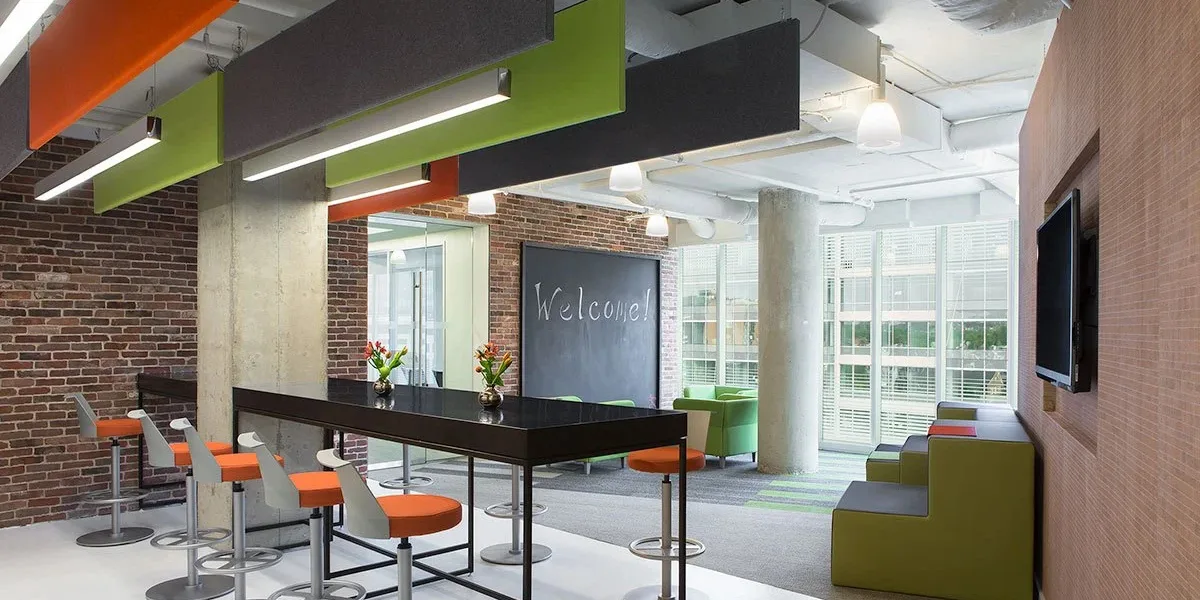
Отличный шумоподавляющий свет должен соответствовать балансу между акустической и оптической характеристикой.
Ключевые оптические тесты основываются на:
- Световой поток и светоотдача: Выбор должен основываться на размере и назначении пространства. Например, для типичной спальни может потребоваться 800-1500 мкм, а офисное рабочее место Может потребоваться 3000-5000 лм.
- Цветовая температура Консистен: Жесткий стандарт не существует, но основной принцип заключается в том, чтобы выбрать, исходя из функции пространства и требований к использованию. Обычно в диапазоне от 2700 до 5000 тыс., что отдает приоритет комфорту и практичности.
- Индекс цветопередачи (CRI): RA≥80 обеспечивает точную цветопередачу.
- Контроль бликов (UGR): Обычно поддерживается в UGR ≤ 19, универсальный стандарт для внутреннего освещения, обеспечивающий визуальный комфорт и уменьшающий нагрузку на глаза.
Эти тесты гарантируют, что звукоизоляция придает звуковые характеристики акустические условия, обеспечивая при этом комфортную, стабильную и высококачественную подсветку, избегая ловушки «молчащих, но неэффективных» решений.
Тестирование электробезопасности: основные меры для охраны персонала и системы
Независимо от сценариев применения, фундаментальный характер осветительных приборов как электрической продукции остается неизменным. Для обеспечения безопасности и надежности осветительного оборудования, такого как акустические потолочные светильники, необходимо внедрить комплексную систему испытаний электробезопасности, охватывающую следующие критические аспекты:
Тестирование производительности изоляции
Оценивает эффективность изоляции между подводящими деталями и доступными металлическими компонентами. Тестовое напряжение обычно составляет 500 В постоянного тока, что требует сопротивления изоляции не менее:
- 2 МОм (основная изоляция)
- 4 МОм (усиленная изоляция)
Проверка напряжения на выдерживающее
Проводится в соответствии с различными стандартами:
- Европейский стандарт: Испытательное напряжение 1000VAC или 1414VDC, наложенное на 2 раза номинальное напряжение. Ток утечки не должен превышать заданные пределы (например, 5 мА) во время испытаний.
- UL стандарт (США): Неподвижные светильники должны выдерживать испытание напряжения 1500 В в течение 1 секунды с током утечки не более 1,0 мА. Портативные светильники: ток утечки не должен превышать 0,5 мА.
Тестирование тока заземления и утечки
- Тест на непрерывность: Акустические светильники используются в основном в помещении и обычно классифицируются как светильники класса II (конструкция двойной изоляции), что устраняет необходимость в заземлении. Поэтому тестирование непрерывности наземных не является обязательным.
- Тест на ток утечки: Для светильников класса II требования к утечке тока более строги, что требует тока утечки не более 0,25 мА для обеспечения безопасности пользователя.
Значение и ценность
Эти тесты составляют основную составляющую международных стандартов освещения (например, IEC60598, UL1598). Имитируя экстремальные условия эксплуатации, они подтверждают долгосрочную надежность светильников, эффективно предотвращая риски поражения электрическим током, коротких замыканиями или пожароопасности. Это обеспечивает двойную защиту для безопасности персонала и стабильной работы строительных систем.
Проверка долговечности и срока службы: долгосрочная гарантия
Продолжительность срока службы продукта так же важна, как и затраты на техническое обслуживание. Надежные данные тестирования на срок службы позволяют предсказуемо циклы технического обслуживания, что значительно снижает общую стоимость владения.
Область тестирования и методы:
Светодиодный источник света
- Ускоренное тестирование на старение: Проводится по МЭК 62506 Стандарт: 6000 часов непрерывной работы при 85°C и влажности 85%, имитируя 15 лет нормального использования.
- Контроль затухания светового потока: измеряется каждые 500 часов с помощью интегрирующего фотометра сферы, чтобы обеспечить скорость затухания ≤30% (для номинальной мощности ≥10 Вт) и CRI (RA) изменения ≤5%.
- Анализ режима сбоя: явления деградации документов, такие как светодиодная щепа, пожелтение и отрыв люминофора для предотвращения внезапных отказов.
Тестирование срока службы блока питания драйвера
- Постоянное устаревание тока/постоянного напряжения: Непрерывная работа при номинальном токе 1,2 раза в течение 3000 часов при температуре окружающей среды 40°C, контролирует колебания выходного напряжения ≤ ±5%.
- Тест цикла переключения: Смоделируйте частые сценарии включения/выключения с 10 000 операций переключения с 10-секундными интервалами, не проверяя разрыв конденсатора или выгорание IC.
- Проверка защиты от перегрузки: Когда входное напряжение колеблется ±15%, блок питания должен активировать механизмы защиты в течение 0,1 секунды, чтобы предотвратить повреждение светодиодами.
Высокая температура и влажность Проверка стабильности
- Двойной 85 тест, После 500 часов при 85°C/85% сопротивление изоляции светильника должно оставаться ≥100 МОм без утечки или короткого замыкания.
- Тест на тепловой удар: Выдерживает 100 циклов от -40°C до 85°C, не обеспечивая ухудшение прочности сцепления между акустической пенкой и металлической рамой.
Срок службы, пройдя эти испытания, обеспечивает срок службы L70 (время до 70% светового потока) 50 000 часов, что эквивалентно 15 годам эксплуатации в коммерческих помещениях. Блок питания драйвера MTBF (в среднем между отказами) составляет ≥50 000 часов, при частоте отказов ниже 0,5%.
Тестирование сейсмической и механической стабильности: адаптировано к реальной среде
Во время транспортировки, установки и длительного использования светильники выдерживают вибрацию, удары и напряжения подвески. Сейсмическое тестирование обеспечивает безопасность и надежность в коммерческих проектах (например, в аэропортах, метро) и в общественных местах.
Тестирование содержимого и методов:
Проверка прочности конструкции светильника
- Моделирование стола вибрации для транспортировки: по стандартам ISTA 3A, случайное тестирование вибрации при частоте 5 Гц 500 Гц с пиковым ускорением 5G, длится 2 часа.
- Тестирование ударов: Тест свободного падения от 1,2 метра до бетонной поверхности. Корпус светильника не должен иметь трещин, при этом внутренняя часть компонента ≤2 мм.
Надежность фиксации внутреннего компонента
- Тест синусоиды: Вибрация при амплитуде 0,75 мм от 10 до 55 Гц в течение 30 минут, чтобы проверить отсутствие ослабления светодиодных винтов модуля или силовой платы.
- Тест крутящего момента: Приложите крутящий момент 50 Н·м к подвеске в течение 10 минут без пластической деформации.
Долгосрочная подвеска и безопасность вибрации
- усталостный тест: имитирует условия вибрации метро с 10 циклами при ускорении 2G. Отслоение при связи между звукопоглощающим хлопком и корпусом лампы.
- Тест на ветровую на: Выдерживает 30 минут при скорости ветра 15 м/с (эквивалент принудительно 7 ветров). Угол наклона лампы ≤5°, без риска падения.
Вывод: почему «проверенные звукопоглощающие огни» стоят инвестиций
Звукопоглощающие огни должны превзойти, являясь просто «новым концептуальным продуктом», а вместо этого представлять собой строго проверенное системное решение. От испытаний окружающей среды SGS до акустической абсорбции, огнестойкости, оптических характеристик, электрической безопасности, срока службы и оценки сейсмической устойчивости — каждая валидация снижает риски и создает доверие. Эти тесты не только демонстрируют технологический прогресс, но и повышают доверие потребителей.
На фоне эскалации шумового загрязнения акустическое освещение выделяется в отрасли благодаря инновационному дизайну и надежному качеству. Выбор комплексно протестированных Акустическое освещение Означает, что выбирайте спокойствие, здоровье и долговечность для своего пространства. Для специалистов по закупкам выбор полностью протестированного акустического освещения означает:
- Более высокие показатели одобрения проекта
- Снижение затрат на техническое обслуживание и соблюд
- Более стабильный и устойчивый пользовательский опыт
Вопросы и ответы
Похожие посты