Русский
  English
  简体中文
简体中文  Deutsch
  Español
  Français
  Italiano
  日本語
日本語  한국어
한국어  Polski
  Português
  Türkçe
  Nederlands
  Tiếng Việt
  ไทย
ไทย 
Светодиодные линейные модули решения для архитектурного освещения представляют собой интегрированные системы освещения, построенные вокруг жесткой печатной платы, в сочетании с оптикой, корпусом и интерфейсами управления. В отличие от основных светодиодных лент, они функционируют как устойчивые световые двигатели, предназначенные для длительного использования в архитектуре, обеспечивающие стабильное освещение, контролируемое тепловое поведение и бесшовную интеграцию в потолки, стены и линейные конструкции.
Что такое светодиодные линейные модули в архитектурном освещении?
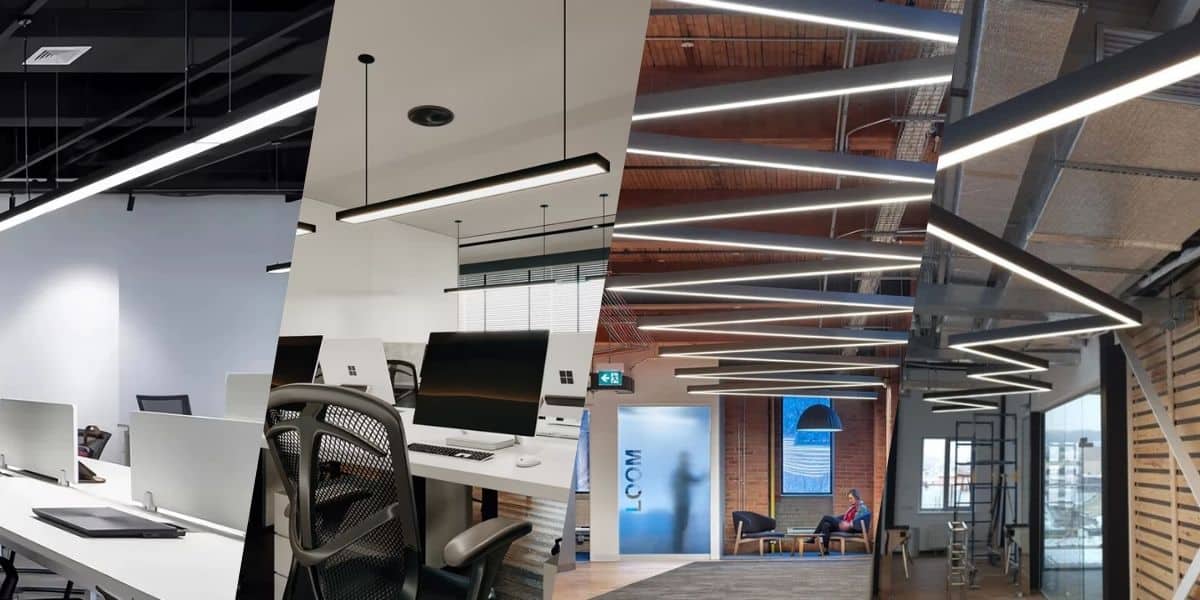
В архитектурном освещении линейный модуль представляет собой жесткий, инженерный блок освещения, предназначенный для создания непрерывного однородного света по определенной длине. В основе его лежит печатная плата, которая действует как световой двигатель, поддерживающий светодиоды, управляя тепловым потоком и обеспечивая электрическую стабильность.
В отличие от гибких светодиодных лент, которые отдают приоритет адаптации, линейные модули отдают приоритет структурной консистенции и предсказуемости. Архитектурные пространства требуют освещения, которое выглядит так же сегодня и спустя годы, особенно в стационарных установках, где доступ ограничен.
Основные компоненты обычно включают:
- Светодиодная печатная плата, действующая в качестве основного двигателя
- Определенный тепловой путь для теплоотвода
- Оптический диффузор или объектив для контролируемого освещения
- Интерфейс драйвера для стабильной мощности и управления
Этот подход на системном уровне является причиной того, что линейные модули предпочтительны, когда освещение становится частью самой архитектуры.
Почему линейные модули на основе печатных плат используются в архитектуре
Архитектурные среды предъявляют совершенно разные требования к освещению по сравнению с декоративными или временными приложениями. Линейные модули на основе печатных плат обеспечивают механическую жесткость, которая обеспечивает фиксированную промежуток светодиодов и предотвращает визуальные искажения с течением времени.
Термальная консистенция – еще одна главная причина жесткий печатная плата светодиодная лента Позволяет тепло распределяться по длине, уменьшая локальные точки, которые могут повлиять на цвет и продолжительность жизни. Это важно в проектах, где свет работает в течение долгих часов каждый день.
Равномерное распределение света также легче достичь, когда светодиоды установлены на контролируемой компоновке печатной платы, а не на гибкой подложке, которая может согнуть или провисать. Для архитекторов и инженеров эта надежность снижает визуальный риск после завершения проекта.
В профессиональных архитектурных проектах многие линейные модули разработаны вокруг Механическая и электрическая консистенция на основе Жага, что помогает поддерживать равномерную производительность на всех приспособлениях и упрощает долгосрочное обслуживание больших установок.
Ключевые технические характеристики архитекторов заботятся
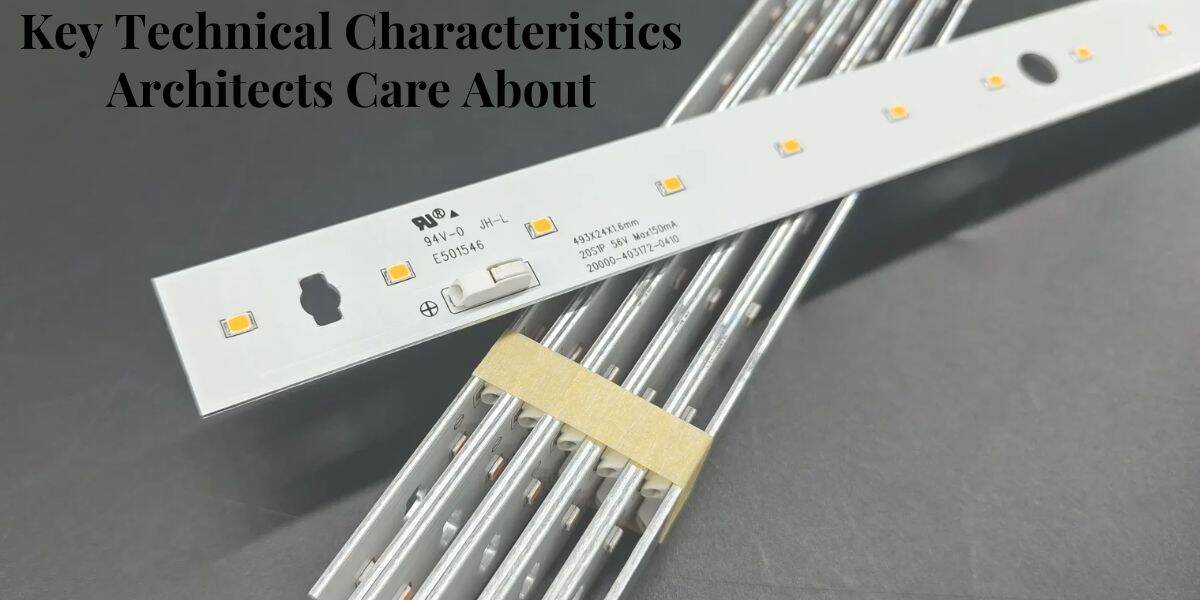
Архитекторы и дизайнеры освещения редко сосредотачиваются только на люменах сырых люменов. Главное, как свет ведёт себя в реальных пространствах.
Легкая однородность в длинных пробегах имеет решающее значение, особенно в коридорах, бухтах и линиях. Любая вариация становится сразу заметной. Тепловое поведение не менее важно, так как модули часто огорожены внутри потолков или стен, где поток воздуха ограничен.
Согласованность цвета для нескольких модулей гарантирует, что большие установки будут казаться сплоченными, а не сегментированными. Масштабируемость также имеет значение, поскольку проекты часто требуют одинакового освещения на разной длине и макетах без визуальных разрывов.
В 2026 году архитектурные проекты обычно уравновешивают эффективность с качеством визуальной, что способствует стабильной производительности и верности цвета, а не только в погоне за результатами. Эти факторы определяют, PCB светодиодная лента решение кажется архитектурным или импровизированным.
Линейные модули монтажа в архитектурном дизайне
Встраиваемые и безраздельные приложения
Эти установки позволяют свету появиться непосредственно с архитектурных поверхностей. Линейные модули здесь хорошо работают, потому что их жесткая форма поддерживает прямые линии и четкие края, поддерживая минималистские дизайнерские намерения.
Наземные архитектурные линии
Когда освещено освещение, консистенция становится еще более важной. Линейные модули обеспечивают точное выравнивание и равномерную выходную мощность, усиливая преднамеренную конструкцию, а не казнувшись как дополнительная приспособление.
Подвесное линейное освещение
В открытых пространствах подвесные модули сами становятся визуальными элементами. Стабильность и баланс имеют важное значение, поэтому жесткие решения на основе ПХД предпочтительнее гибких альтернатив.
Контроль управления, затемнение и интеллектуальная интеграция
Архитектурное освещение редко бывает статичным. Линейные модули должны плавно интегрироваться с системами управления на всей территории здания для поддержки затемнения, настройки сцены и адаптивного освещения.
Производительность затемнения оценивается по плавности и согласованности во всех моделях, а не только о возможности затемнения. Несоответствующее поведение нарушает непрерывность визуальных эффектов. Поэтому разработчики ищут решения, которые предсказуемо ведут себя как часть более крупной системы, независимо от метода управления.
Фокус — совместимость на системном уровне, а не на отдельных функциях.
Соображения проектирования и производства для архитектурных линейных модулей
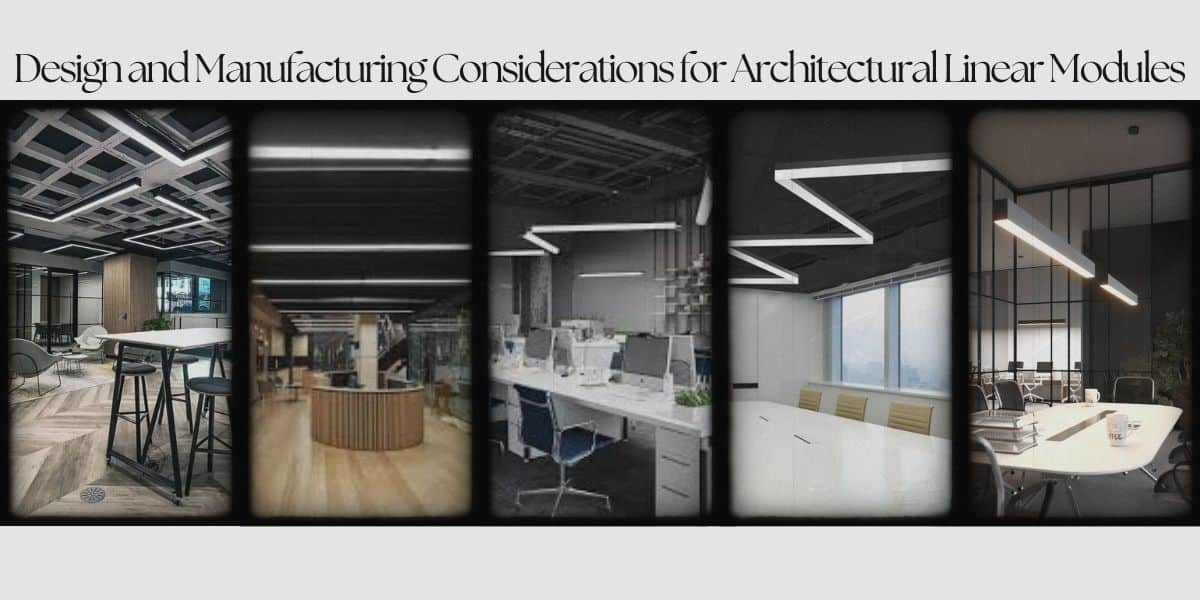
Дизайн печатной платы напрямую влияет на архитектурные результаты. Светодиодное размещение, толщина меди и компоновка влияют как на однородность, так и на тепловой поток. В течение длительных рабочих циклов небольшие компромиссы проектирования становятся видимыми.
Управление теплом особенно важно в непрерывных установках, где модули работают ежедневно в течение длительного времени. Контроль допусков также имеет значение, поскольку даже незначительные изменения могут привести к видимым несоответствиям после установки модулей рядом.
Дешевые решения в архитектурных условиях часто терпят неудачу в архитектурных условиях, поскольку они не предназначены для этих долгосрочных системных требований.
Распространенные ошибки при выборе линейного освещения
Одной из распространенных ошибок является рассмотрение архитектурного освещения как декоративного освещения, предполагая, что аналогичные продукты будут вести себя одинаково. Игнорирование теплового поведения — другое, особенно в закрытых установках.
Команды дизайнеров также иногда отдают предпочтение люмену, а не согласованности, что приводит к неравномерному освещению и визуальному дискомфорту. Эти проблемы редко проявляются во время коротких испытаний, но становятся очевидными после установки.
Понимание разницы между Светодиодная печатная плата Разработанная для архитектуры и базовая полоса помогает избежать этих проблем.
Сравнение подходов освещения в архитектурных проектах
| Осветительный подход | Типичные характеристики | архитектурная пригодность |
| Гибкие светодиодные ленты | адаптируемый, низкая жесткость, переменное расстояние | Ограничено для постоянной архитектуры |
| Основные линейные светильники | Предопределенные форматы, умеренная согласованность | Подходит для общих применений |
| LED-модули на основе печатных плат | Жесткая структура, управляемая оптика, стабильное тепловое поведение | Хорошо подходит для архитектурной интеграции |
Как светодиодные линейные модули поддерживают современные архитектурные цели
Современная архитектура подчеркивает визуальный комфорт, четкие линии и долгосрочную надежность. Линейные модули поддерживают эти цели, обеспечивая стабильный свет, который естественным образом интегрируется в пространства, а не конкурирует с ними.
Их модульная природа позволяет разработчикам поддерживать единый язык освещения в разных областях, а базовая конструкция системы обеспечивает предсказуемую производительность с течением времени. Модульные конструкции на основе печатных плат также поддерживают долгосрочную устойчивость, позволяя обслуживать или заменять на уровне модуля, а не удалять целые системы освещения.
Этот баланс между намерением дизайна и технической стабильностью является причиной того, что линейные модули остаются центральными в стратегиях архитектурного освещения.
Заключение
Светодиодные линейные модули решения для архитектурного освещения представляют собой системные светильники, созданные для обеспечения стабильности, стабильности и интеграции. Сочетая жесткую печатную плату, управляемую оптику, управление температурой и совместимые средства управления, они удовлетворяют долгосрочные требования архитектурных площадей. Их ценность заключается не только в выходных данных, а в предсказуемом поведении, которое поддерживает намерение в течение всего срока службы здания.
Вопросы и ответы
Похожие посты