Русский
  English
  简体中文
简体中文  Deutsch
  Español
  Français
  Italiano
  日本語
日本語  한국어
한국어  Polski
  Português
  Türkçe
  Nederlands
  Tiếng Việt
  ไทย
ไทย 
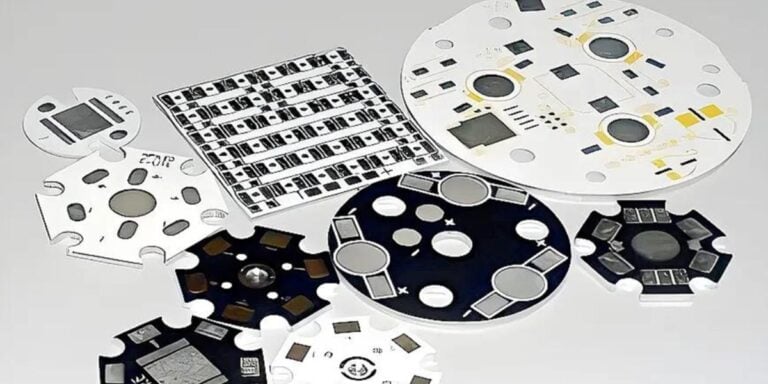
В современном освещении дизайна достижение равномерного распределения света больше не является визуальным предпочтением. Оптимизированная схема светодиодной печатной платы обеспечивает постоянную яркость, уменьшение бликов и улучшенный визуальный комфорт. Помимо эстетики, оптимизация компоновки напрямую влияет на тепловые характеристики, электрическую эффективность и срок службы продукта. Неправильное размещение светодиодов часто вызывает горячие точки, неравномерное освещение, изменение цвета и ускоренное ухудшение компонентов.
Оптимизация компоновки светодиодной печатной платы выходит за рамки простого размещения, требующих оптического, теплового и электрического планирования. Сбалансированный выбор материала и точная маршрутизация обеспечивают равномерный вклад в конечный результат. Неправильный выбор макета создает точки доступа, теневые, несовместимость с цветами и ранние сбои, снижающие надежность.
В этом блоге исследуются принципы дизайна для оптимизации светодиодная плата печатной платы Макеты, обеспечивающие равномерное распределение света. Он охватывает стратегии светодиодного интервала, контроль угла луча и методы оптического выравнивания. Тепловые пути и выбор субстрата объясняются для повышения долговечности и долгосрочных характеристик освещения.
Понимание равномерного распределения света в светодиодных продуктах
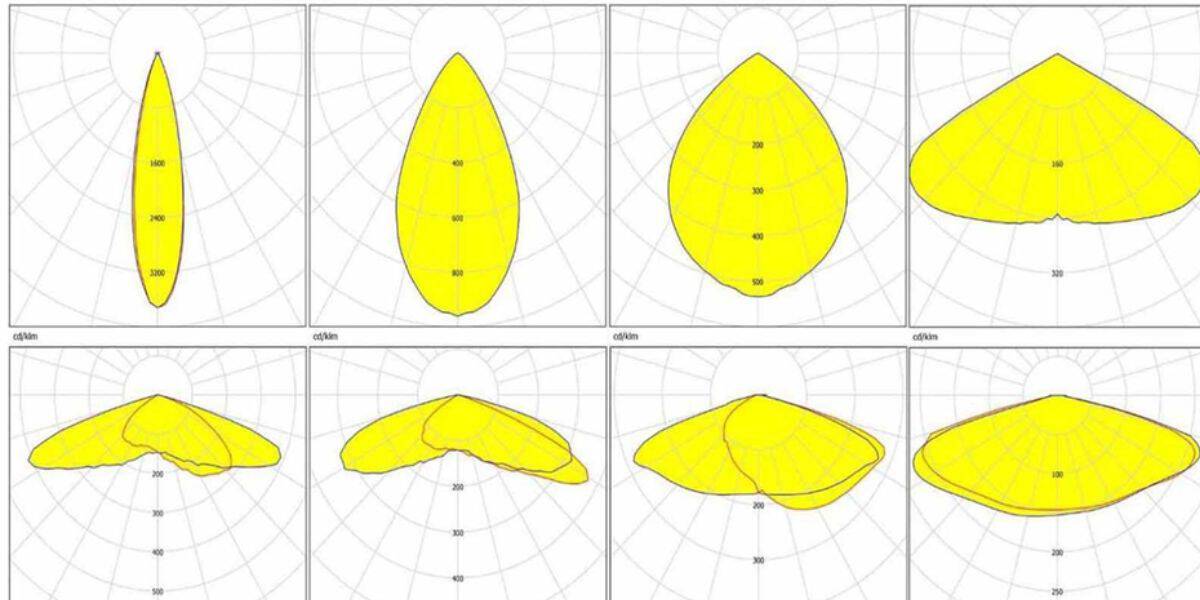
Равномерное распределение света относится к равномерному распространению световой интенсивности по намеченной осветительной области без видимых изменений яркости. В практических светодиодных изделиях неравномерность обычно выглядит следующим образом:
- Яркие пятна прямо над светодиодами
- Темные области между светодиодами
- Неравномерное освещение краев
- Блики, вызванные концентрированными точками освещения
Эти проблемы обычно вызваны не самими светодиодными микросхемами, а неоптимальным расположением печатных плат, интервалами и термальным дисбалансом.
Роль компоновки печатной платы в однородности светодиодного света
PCB — это физическая платформа, которая определяет:
- Светодиодная геометрия
- Расстояние между светодиодами
- Распределение электрического тока
- Пути теплоотвода
Поскольку светодиоды являются источниками точечного света, их расположение на печатной плате определяет, как свет перекрывается и смешивается, прежде чем достигать диффузоров, линз или открытого воздуха. Плохо спланированная компоновка может вызвать локализованные пикы яркости, а оптимизированная компоновка обеспечивает плавное смешивание света.
Светодиодный интервал и оптимизация высоты тона
1: Важность правильного промежутка со светодиодами
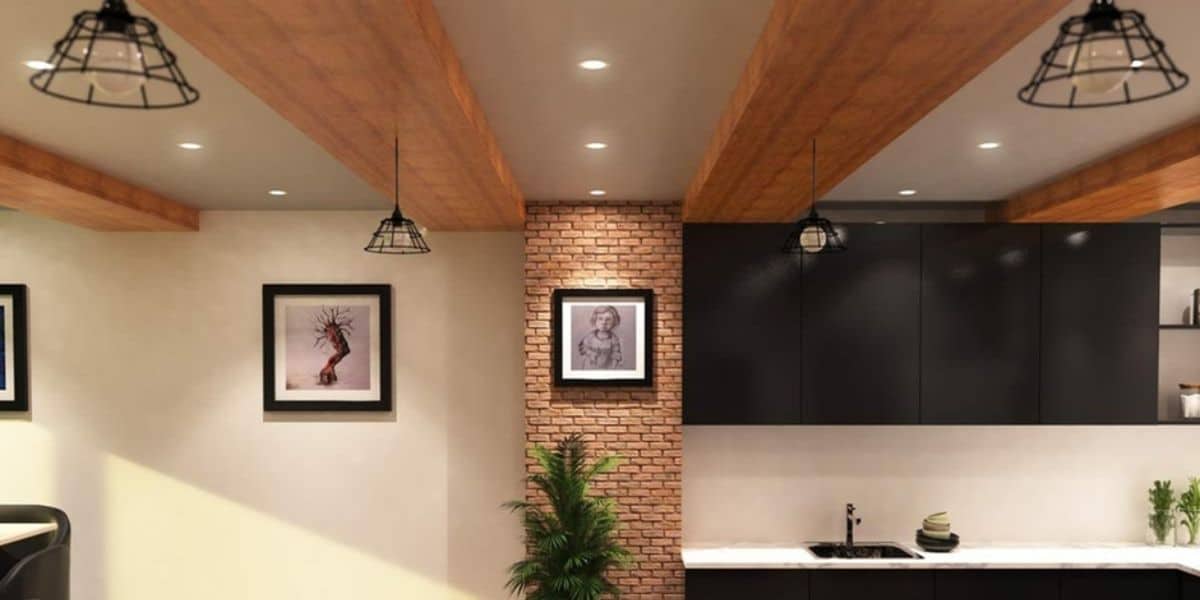
Светодиодный интервал, часто называемый шагом светодиода, представляет собой расстояние между соседними светодиодами на печатной плате. Неправильный интервал является одной из наиболее распространенных причин неравномерного выхода света.
а) Слишком близкое расстояние
- Создает избыточную концентрацию яркости
- Увеличивает температуру
- Приводит к бликам и оптическому дискомфорту
(б) слишком широкий интервал
- Вызывает темные пятна между светодиодами
- Требуются более сильные диффузоры
- Снижает общую эффективность
Оптимальное расстояние зависит от мощности светодиода, угла луча, высоты монтажа и оптических компонентов, используемых в конечном продукте.
2 : Соответствие интервалов оптической конструкции
Для продуктов, использующих диффузоры или линзы, светодиодный интервал должен соответствовать возможности смешивания диффузора. Высокодиффузионные материалы позволяют немного шире, а конструкции с низкой диффузией требуют более плотного размещения светодиодов для поддержания однородности.
Симметричное и последовательное размещение светодиодов
Важность симметрии макета
Симметричное размещение светодиодов обеспечивает сбалансированное распределение света по поверхности печатной платы. Асимметричные компоновки часто приводят к неравномерности, особенно в ближнем или углы.
Основные принципы включают:
- Равное расстояние в направлениях X и Y
- Постоянные шаблоны выравнивания (сетка или циркуляр)
- Избегайте случайного или нерегулярного позиционирования светодиодов
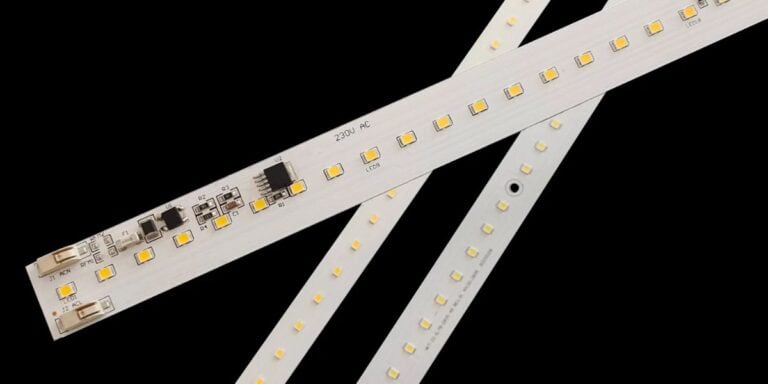
В линейных светильниках светодиоды должны следовать прямой, равномерно расположенной линии. В щитовом или участке предпочтительнее матрицы или матрицы сетчатой сетки предпочтительнее для улучшения перекрытия света.
Контроль краевой и угловой подсветки
Края и углы являются обычными проблемными зонами, где светоотдача имеет тенденцию к падению. Плохое освещение краев делает продукты более тусклыми и более низкими по качеству.
Чтобы решить эту проблему:
- Поместите светодиоды ближе к краям печатной платы
- Используйте немного более высокую плотность расположения вблизи угла
- Поддерживайте тепловой баланс, чтобы избежать перегрева светодиодов
Это обеспечивает постоянную яркость по всей поверхности излучающей поверхности.
Распределение тока и электрический баланс
Равномерный ток равен равномерному свету
Даже если светодиоды находятся в идеальном положении, распределение неравномерного тока все равно может вызывать изменения яркости. Светодиоды, подключенные к разным трактам тока, могут работать при несколько иных токах, что приводит к непоследовательному световому выходу.
Лучшие практики включают в себя:
- Сбалансированная последовательно-параллельная конструкция
- Равные длины трасс для параллельных светодиодных строк
- Избегайте избыточных падений напряжения на длинных трассах
Единая электрическая конструкция гарантирует, что каждый светодиод работает на предполагаемом уровне мощности.
Термическая однородность и ее влияние на светопроизводительность
1: Взаимосвязь между жаром и яркостью
Светодиодная яркость напрямую зависит от температуры соединения. Светодиоды, работающие горячее, излучают меньше света и быстрее деградируют. Таким образом, неравномерное распределение тепла по печатной плате приводит к неравномерному световому выходу с течением времени.
2: Термопластичная светодиодная планировка
Для поддержания равномерной яркости:
- Распределяйте светодиоды равномерно, чтобы избежать термальных точек
- Избегайте кластеризации светодиодов высокой мощности в одной области
- Используйте постоянные тепловые пути для всех светодиодов
Равномерная тепловая производительность обеспечивает стабильный световой выход по всей печатной плате.
Материал печатной платы и его влияние на эффективность компоновки
В то время как геометрия макета имеет решающее значение Материал печатной платы Играет вспомогательную роль в поддержании единообразия. ПХБ с лучшей теплопроводностью помогают выравнивать перепады температур по всей плате, уменьшая изменение яркости, вызванное накоплением тепла.
Металлические печатные платы, в частности, алюминиевые конструкции, обычно используются в высокомощных светодиодных продуктах, поскольку они обеспечивают стабильное тепловое поведение по всей компоновке.
Оптическое взаимодействие между светодиодами
Свет пересекается и смешивается
Однородное освещение зависит от контролируемого перекрытия отдельных светодиодных световых узоров. Правильная компоновка печатной платы гарантирует, что луч каждого светодиода перекрывается с соседними светодиодами под правильным углом и расстоянием.
Дизайнеры должны учитывать:
- Светодиодный угол обзора
- Расстояние от печатной платы до диффузора
- Отражающие поверхности в корпусе изделия
Оптимизированная компоновка уменьшает необходимость в чрезмерной диффузии, повышая эффективность при сохранении однородности.
Соображения компоновки для различных светодиодных изделий
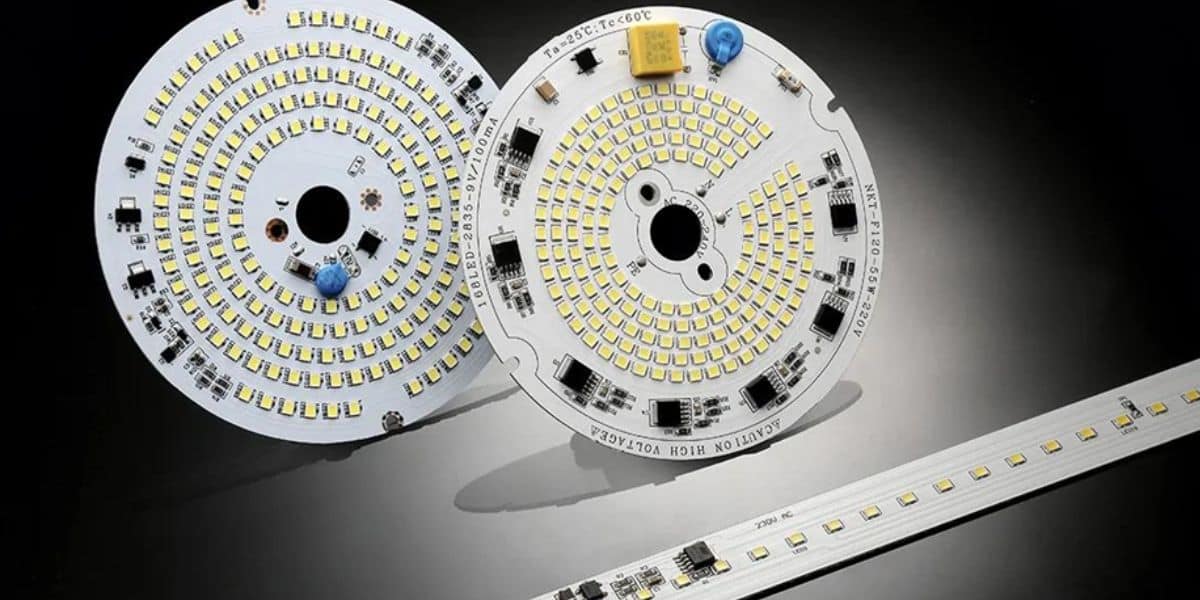
1: Линейные светодиодные изделия
- Используйте ровное, прямолинейное светодиодное расстояние
- Соблюдайте равное расстояние от диффузора
- Избегайте пробелов вблизи кончиков
2 : панельные и потолочные светильники
- Используйте сетку или матрицу в шахматном порядке
- Увеличьте плотность краевой светодиода, если это необходимо
- Баланс Центр и подсветка по периметру
3: Сильно-мощные места или прожекторы
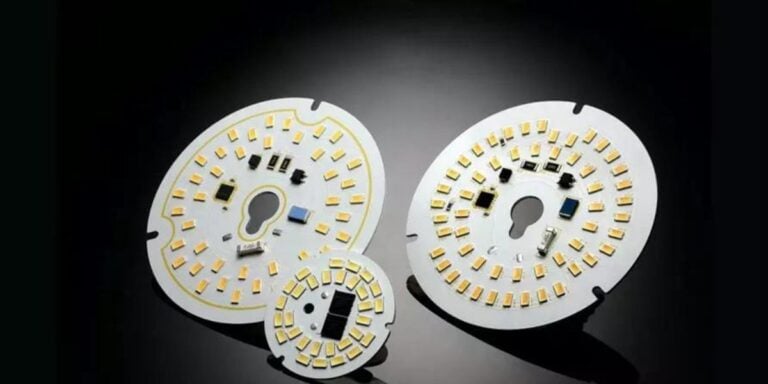
- Используйте симметричные круглые макеты
- Обеспечьте тепловой баланс вокруг центрального светодиода
- Избегайте чрезмерного вождения центральных светодиодов
Каждая категория продукта требует планировку, адаптированную к его оптической и механической конструкции.
Минимизация визуальных артефактов
Плохая схема светодиодной печатной платы может вызвать нежелательные визуальные артефакты, такие как:
- Эффект точки (видимые светодиодные точки)
- Зебра в линейных светильниках
- Теневые полосы на освещенных поверхностях
Оптимизированная компоновка в сочетании с правильным выбором диффузора устраняет эти дефекты и повышает воспринимаемое качество продукции.
Тестирование и итерация в оптимизации макета
Для достижения идеальной однородности часто требуется прототипирование и тестирование. Инструменты моделирования могут предсказывать распределение света, но тестирование в реальном мире подтверждает предположения.
Рекомендуемые шаги включают в себя
- Оптическое моделирование размещения светодиодов
- Термический анализ компоновки печатной платы
- Физическое прототипирование и фотометрическое тестирование
- Итеративная уточнение на основе результатов
Такой системный подход обеспечивает надежную, повторяемую равномерность света в массовом производстве.
Почему вы должны считать незначительным для вашего следующего партнера?
Для превосходных решений освещения и надежной светодиодной производительности, Signleteled специализируется на высококачественных светодиодных решениях, разработанных для точности и долговечности.
- Наша опытная команда развивает продвинутые Светодиодная плата печатной платы Компоновки, обеспечивающие равномерную яркость, электрическую стабильность и долгосрочную надежность.
- Используя премиальные материалы, такие как SMD LED плата печатная плата и Круглый алюминиевый печатный светодиод, Мы добиваемся отличного управления тепловыми расходами и улучшенной теплоотдачи.
- Наш индивидуальный Светодиодная печатная плата подход поддерживает масштабируемое производство, что делает наш Пользовательская светодиодная плата Решения, идеально подходящие для коммерческого, промышленного и архитектурного освещения.
Заключение
Оптимизация компоновки светодиодной печатной платы имеет основополагающее значение для достижения равномерного распределения света в светодиодных продуктах. Правильное расположение светодиодов, симметричное размещение, сбалансированная токовая конструкция и тепловая однородность — все это работает вместе, чтобы обеспечить плавное освещение без ослепления. Короче говоря, равномерный свет не бывает случайным. Это результат точного, продуманного дизайна светодиодной компоновки печатной платы.
Контакты указаны сегодня Обсуждать требования к проекту и опыт работы с высоким качеством, долговечностью Производитель светодиодных печатных плат адаптировано к вашим приложениям.
Вопросы и ответы
Похожие посты