Русский
  English
  简体中文
简体中文  Deutsch
  Español
  Français
  Italiano
  日本語
日本語  한국어
한국어  Polski
  Português
  Türkçe
  Nederlands
  Tiếng Việt
  ไทย
ไทย 
Разница между звукопоглощением и звукоизоляцией проста, но часто неправильно понимается. Звуковое поглощение управляет тем, как звук ведет себя внутри пространства, уменьшая отражения и реверберацию, а звукоизоляция предотвращает попадание звука или выхода из пространства через структурные барьеры. Смешивает два приводит к потраченным впустую бюджетам, потому что люди вкладывают средства в обработку поверхности, когда им действительно нужны изменения в строительстве, или ожидают декоративных решений для решения проблем структурного шума. Это недоразумение особенно распространено, когда речь идет о акустического освещения, когда ожидания часто превосходят то, для чего предназначено решение.
В этой статье четко объясняется различие, почему сохраняется путаница и где акустическое освещение подходит реально, без шума или предположений.
Что такое звукопоглощение?

Звуковая абсорбция — это управление отраженным звуком в помещении. Он фокусируется на том, как звук ведет себя после его создания, а не на том, чтобы останавливать звук от пробелов.
Что делает звукопоглощение
Поглощение звука уменьшает эхо, флаттер и чрезмерную реверберацию, позволяя звуковой энергии рассеиваться, когда она контактирует с абсорбционными поверхностями. Вместо того, чтобы многократно отскакивать от твердых поверхностей, звук смягчается и контролируется.
какую проблему решает
Основная проблема, которую адресует поглощение звука, — это плохая акустическая четкость. В необработанных пространствах речь становится все труднее понять, музыка звучит грязно, а фоновый шум накапливается. Поглощение помогает улучшить разборчивость речи и общий акустический комфорт.
где используется звукопоглощение
Звукопоглощение используется в офисах, конференц-залах, студиях, классах, ресторанах и других интерьерах, где имеют значение ясность и комфорт. Он обычно применяется через потолки, стеновые панели и другие элементы интерьера, предназначенные для управления отражениями.
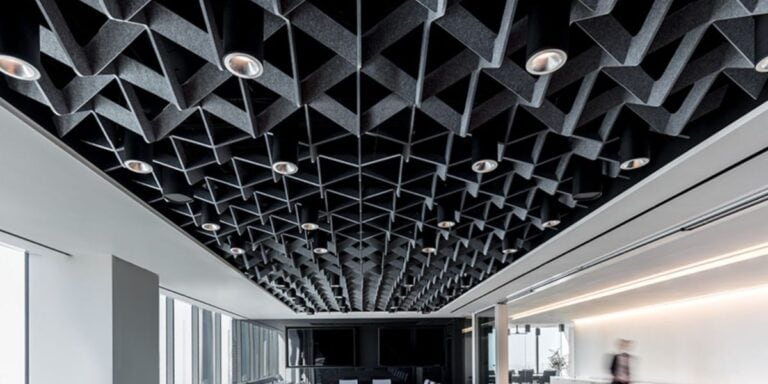
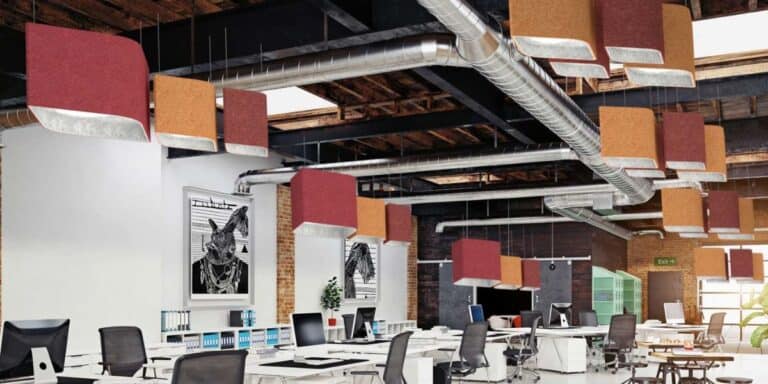
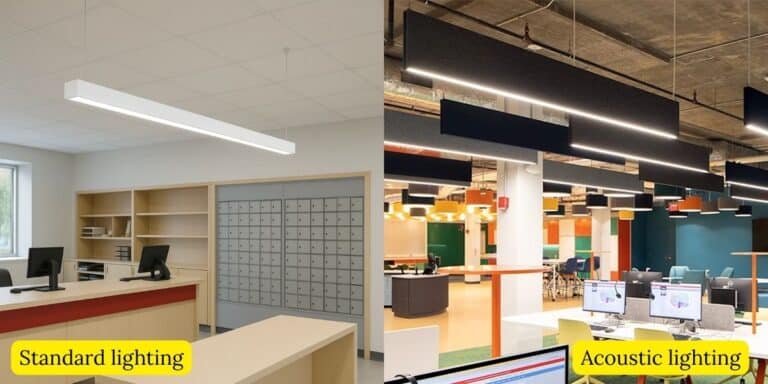
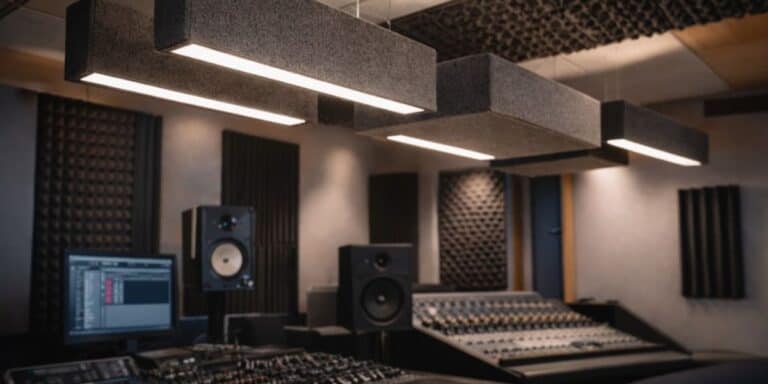
Акустическое освещение относится к этой категории. Он предназначен для того, чтобы способствовать звукопоглощению, а также обеспечивать освещение, особенно в потолочных работах.
Что такое звукоизоляция?

Звукоизоляция – это предотвращение передачи звука между пробелами. В нем рассказывается, как звук движется через стены, потолки, полы и структурные промежутки.
Что делает звукоизоляция
Звукоизоляция ограничивает количество звука, который проходит из одной комнаты в другую. Он фокусируется на блокировании, изоляции или разделении звуковых путей через строительные системы.
какую проблему решает
Звукоизоляция решает проблемы, связанные с утечкой шума и шумом. Это включает в себя остановку разговоров по соседству, предотвращение музыкальных поездок между комнатами или уменьшение внешнего шума.
Почему звукоизоляция конструкционная, а не декоративная
Звукоизоляция зависит от массы, воздухонепроницаемости, разделения и структурных деталей. Обычно это включает стены, полы, потолки и проникновение. Из-за этого его нельзя достичь только с помощью накладных или декоративных изделий. Светильники, абсорбционные панели и потолочные элементы не заменяют конструкционные системы звукоизоляции.
Почему люди путают звукопоглощение и звукоизоляцию?
Путаница возникает из-за того, как возникают проблемы со звуком и как решения продаются или неправильно понимаются.
Подобные симптомы, разные причины
Во многих офисах и студиях люди испытывают шум и предполагают, что звук «утечивается». На самом деле проблема часто заключается в внутреннем отражении, где звук накапливается и становится всепоглощающим. В этих случаях помогает впитывание, но не мешает звуку путешествовать в другие комнаты.
Примеры из реальной жизни
В открытых офисах сотрудники могут жаловаться на шум и неприкосновенность частной жизни. Добавление абсорбирующих потолков повышает комфорт, но не мешает разговорам прослушиваться в соседних комнатах.
В студиях отражения могут вызывать неясные записи, в то время как внешний шум все еще вступает в силу, потому что сама структура не изолирована. Решение одной проблемы не решает другую.
Как неверные предположения тратят деньги
Когда поглощение принимается за звукоизоляцию, бюджеты расходуются на продукты, которые не могут обеспечить ожидаемый результат. И наоборот, когда устанавливается звукоизоляция, где абсорбция была бы достаточной, проекты становятся излишне сложными и дорогими. Стоимость не только финансовая, но и оперативная, так как ожидания не оправдываются.
Где вписывается акустическое освещение

акустическое освещение часто попадает в середину этой спутанности. Понимание его роли явно предотвращает нереалистичные ожидания.

Тонкий антибликовый акустический светодиодный линейный свет
- Входное напряжение: AC100–277V / AC220–240V, 50–60 Гц
- Размер корпуса: W58 × H200 мм / W58 × H300 мм
- Направление излучателя: вниз
- Варианты длины: 1218 мм / 1220 мм / 1288 мм
- Коррелированная цветовая температура (CCT): 3000к/4000к/6000к
- Сила: 30 Вт/32 Вт
- Световой поток: 100–110 лм/Вт
- ИКР: > 90 РА
- Коэффициент мощности (ПФ): > 0,90
- мерцание бесплатно: Да
- Угол луча: 36°
- Рейтинг IP: IP20
- Гарантия: 5 лет
- Варианты цвета акустической доски: Красный/зеленый/синий/серый (более 48 цветовых вариантов)
Роль акустического освещения в звукопоглощении
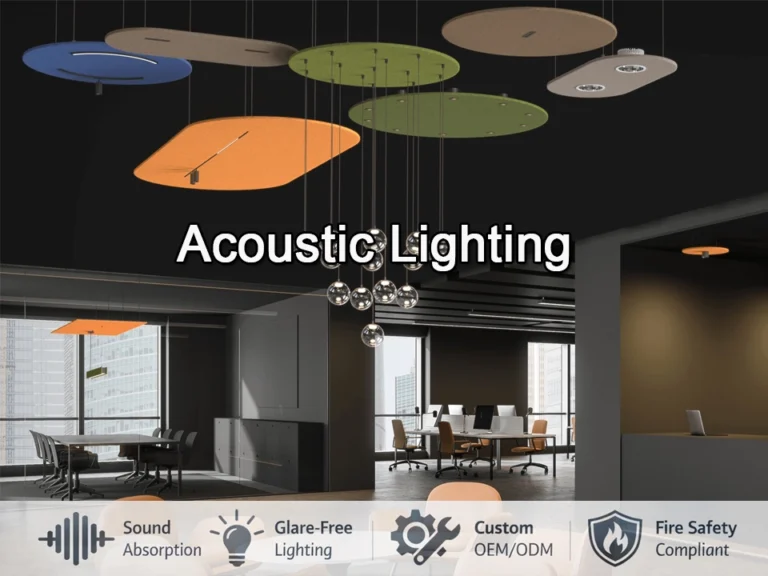
Акустическое освещение объединяет светодио дный звукопоглощающие элементы. Он предназначен для поддержки акустического комфорта, уменьшая отраженный звук от потолочных площадей, при этом выполняя требования к освещению. Его назначение - функциональная интеграция, а не шумоизоляция.
Почему акустическое освещение потолка влияет на отражения, а не на изоляцию
Потолки играют важную роль в звуковом отражении. Акустическое потолочное освещение помогает управлять этими отражениями, сочетая абсорбционные поверхности с светильниками. Однако он не добавляет массы, герметичности или разделения. По этой причине он не мешает звуку входить или выходить из пространства.
Как интегрированные решения для акустического освещения помогают управлять потолками
В современных интерьерах потолки должны вмещать освещение, акустику и услуги, не становясь загроможденными. Решения для акустического освещения позволяют дизайнерам вместе решать проблему поглощения и освещения звука, упрощая координацию, сохраняя при этом реалистичные акустические цели.
В соответствии с указанной категорией товаров эти системы разработаны как интегрированные потолочные элементы, сочетающие освещение с акустической поддержкой. Любые ожидания, не входящие в поглощение, выйдут за пределы их предполагаемого использования.
Звукопоглощение и звукоизоляция: четкое сравнение

| Аспект | звукопоглощение | шумоизоляция |
| Назначение | Улучшить акустический комфорт в помещении | Уменьшить передачу звука между пробелами |
| метод | Управление звуковыми отражениями | Блокировка или изоляция звуковых путей |
| Типичные материалы | Абсорбционные поверхности и обработка | Конструктивные сборки и барьеры |
| Что он может решить | Эхо, реверберация, проблемы с ясностью | Утечка шума, проблемы с конфиденциальностью |
| Что он не может решить | Звук, проходящий через стены или потолки | Плохая внутренняя акустика |
Это различие имеет решающее значение при выборе решений и установлении ожиданий.
Как непонимание влияет на решения по проектам
Последствия дизайна
Когда абсорбция и звукоизоляция не четко разделены, дизайнерские решения становятся несоосными. Декоративные процедуры предназначены для проблем, которые они не могут решить, в то время как структурные потребности упускаются из виду.
Бюджетные и реабилитационные риски
Решение неправильной проблемы сначала часто приводит к модернизации. Это увеличивает стоимость и нарушает работу. Во многих случаях первоначальный вопрос мог быть решен правильно при правильной диагностике.
Ожидания заинтересованных сторон
Архитекторы, дизайнеры и менеджеры объектов часто сталкиваются с необходимостью «исправить шум». Четкое сообщение о том, что делает каждое решение, помогает управлять ожиданиями и избежать неудовлетворенности после установки.
Заключение
Непонимание разницы между звукопоглощением и звукоизоляцией приводит к дорогостоящим ошибкам. Поглощение повышает акустический комфорт, управляя отражениями, а звукоизоляция направлена на передачу звука с помощью структурных средств. Отношение к одному как к замене других приводит к потраченным впустую бюджетам и неудовлетворенным ожиданиям.
Акустическое освещение четко входит в категорию звукопоглощения. Он помогает управлять отраженным звуком при обеспечении освещения, особенно в потолочных приложениях. Он не предназначен для блокирования шума или замены систем звукоизоляции.
Четкие определения и реалистичные ожидания являются основой эффективных акустических решений. Выбор правильного решения начинается с понимания того, какую проблему вы на самом деле пытаетесь решить.
Вопросы и ответы
Похожие посты