Русский
  English
  简体中文
简体中文  Deutsch
  Español
  Français
  Italiano
  日本語
日本語  한국어
한국어  Polski
  Português
  Türkçe
  Nederlands
  Tiếng Việt
  ไทย
ไทย 
Для большинства установок солнечных батарей лучшим подходом является координированная защита от перенапряжения: SPD постоянного тока на PV-массиве или входе инвертора постоянного тока, SPD переменного тока на выходе инвертора или распределительном щите и тип 2 SPD в качестве основного защитного уровня. Устройства типа 3 используются только вблизи чувствительных конечных точек.
Это означает, что для каждой солнечной системы не существует единого «лучшего» устройства защиты от перенапряжения. Наилучший результат дает использование правильного типа SPD в нужном месте с правильной установкой и заземлением, так что всплески постепенно уменьшаются, прежде чем они могут повредить инвертор или другую электронику.
Что означает «лучший SPD» в солнечных фотоэлектрических системах
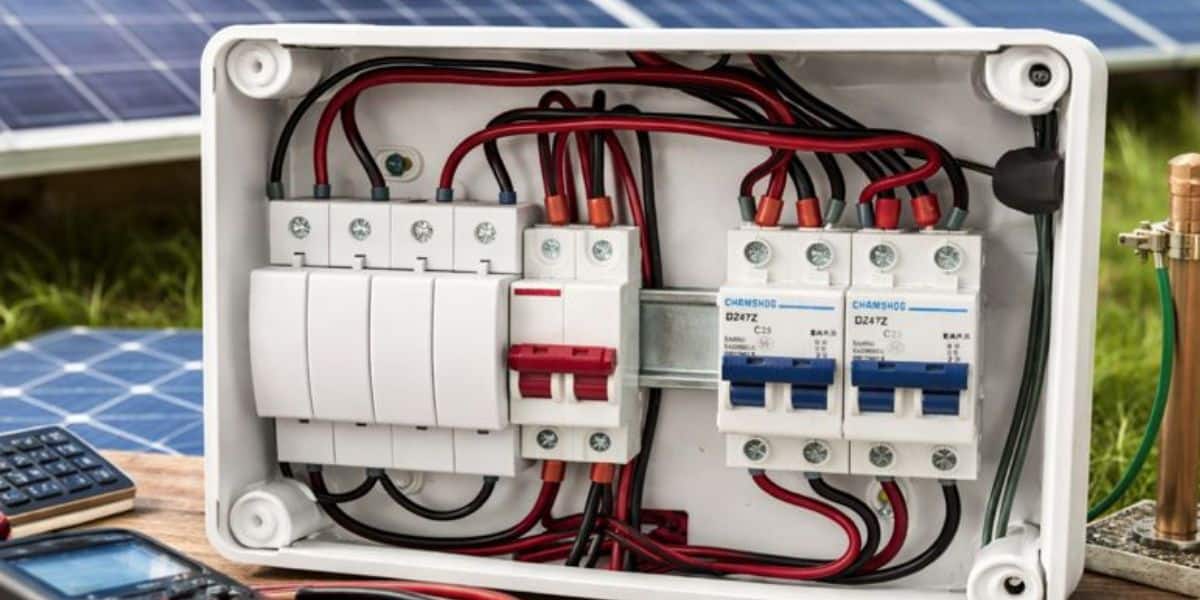
В солнечных фотоэлектрических системах «Лучшее» не означает самое большое устройство, самый высокий ток или самый дорогой продукт. Это означает, что концепция защиты подходит для системы, и способы, которыми в нее фактически входят всплески.
На практике «лучшее» означает:
Правильное местоположение
Солнечная система имеет два разных электрических мира: сторона постоянного тока от панелей и сторона переменного тока, подключенная к сети или нагрузкам. Обе стороны могут получать всплески, и обе стороны обычно нуждаются в собственной защите.
Правильный тип SPD
Устройства типа 2 обычно являются основным защитным уровнем в фотоэлектрических системах. Устройства Type 3 предназначены только для локальной, тонкой защиты вблизи чувствительного оборудования.
Расстояние и качество заземления
Даже очень хорошее устройство защиты от накачивания плохо работает, если оно установлено с длинными проводами, петлями или плохой связью с землей.
Повторяющаяся стойкость
Солнечные установки находятся на много лет. СДПГ должна терпеть многие меньшие всплески с течением времени, а не только одно большое событие.
Таким образом, «лучший» SPD для солнечной системы — это тот, который правильно выбран для стороны постоянного или переменного тока, правильно согласовывается с другими ступенями защиты и устанавливается с короткими хорошо связанными соединениями.
Почему установки солнечных батарей чувствительны к перенапряванию

Солнечные фотоэлектрические системы более подвержены проблемам с перенапряжением, чем многие другие электроустановки. Это не потому, что оборудование слабое, а из-за того, как и где установлена система.
Длинные кабели постоянного тока
Фрезы часто ходят десятки или даже сотни метров по крышам или полю. Длинные кабели действуют как антенны и могут улавливать индуцированные напряжения от активности ближайшего молнии, даже если прямого удара нет.
открытый космический
Панели, комбайновые коробки и части кабелей устанавливаются на открытом воздухе. Это увеличивает вероятность прямого или косвенного эффекта молнии и быстрых перенапряжения.
Чувствительная инверторная электроника
Современные инверторы содержат электронику высокой плотности, платы управления и интерфейсы связи. Эти компоненты могут быть повреждены относительно небольшими импульсами перенапряжения.
Два основных пути входа
Всплески могут исходить от сторона массива (по кабелям постоянного тока из поля PV) и от сетчатая сторона (через сеть переменного тока). Если только одна сторона защищена, другая сторона может все же уничтожить инвертор.
Из-за этих факторов скоординированная защита от перенапряжения не является необязательной в большинстве фотоэлектрических систем. Это часть базовой надежности и времени безотказной работы.
DC SPD против переменного тока SPD в установках солнечных батарей
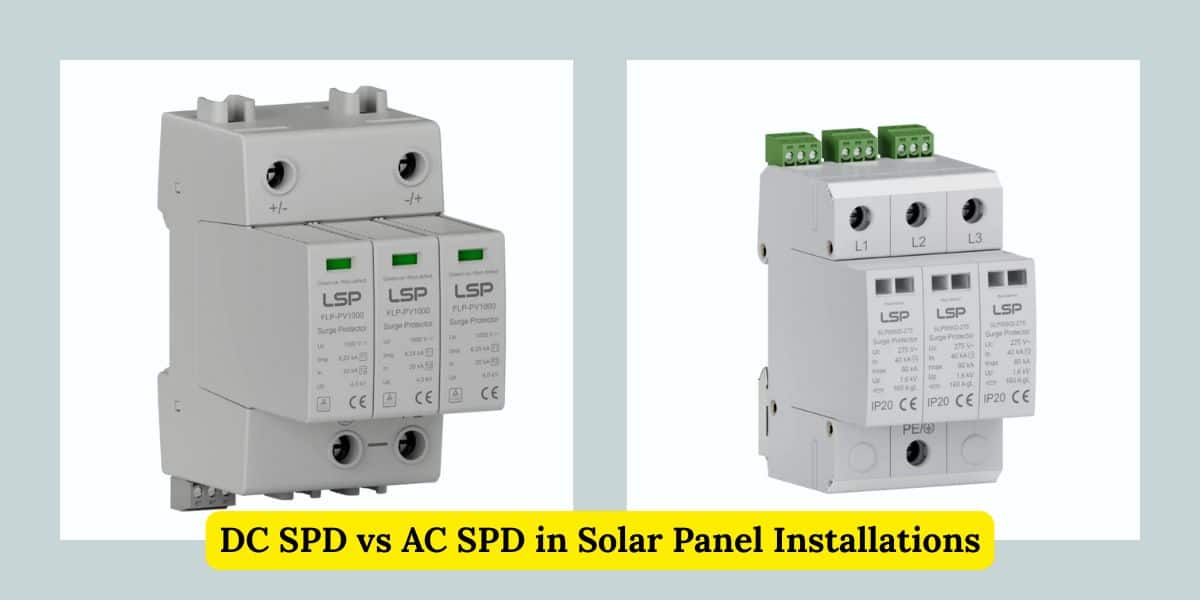
SPD DC и SPD переменного тока имеют разные задания в солнечной установке. Они не взаимозаменяемы, даже если они похожи.
A DC SPD Предназначен для работы на стороне PV, где постоянное напряжение постоянного тока, часто на высоких уровнях (600 В, 1000 В, 1500 В или более). Он должен обрабатывать специфическое для постоянного тока поведение дуги и соответствовать напряжению струны PV.
An переменный SPD предназначен для работы на стороне сетки, где чередуются напряжение, а нулевые пересечения помогают погашать дуги. Он защищает от скачков, поступающих от коммунальных сетей или от коммутационных событий внутри установки.
Чтобы это было понятнее, рассмотрим следующее сравнение.
Защита от перенапряжения со стороны постоянного тока и переменного тока в солнечных фотоэлектрических системах
| Аспект | Защита со стороны постоянного тока | Защита со стороны переменного тока |
| Место установки | Рядом с PV струны, комбайн-коробка или вход постоянного тока инвертора | На выходе инвертора, основной распределительной плате или подпанели |
| Тип SPD обычно используемый | DC SPD (обычно тип 2) | AC SPD (обычно тип 2, иногда координируется с типом 3) |
| Основной источник всплеска | Индуцированные молнии скачков от длинных фотоэлектрических кабелей, близлежащие удары | Скачки переключения сетки, молния поступает со стороны коммунального предприятия |
| Защита | Защитите вход постоянного тока инвертора и струнную электронику | Защита нагрузок на инверторе и на нисходящую нагрузку |
| Почему это важно | Сторона PV длинная и открытая, высокое напряжение постоянного тока чувствительна | Сетка может вводить сильные переходные процессы в инвертор и нагрузку |
В этой таблице показано, что SPD DC и AC защищают от различных путей перенапряжения и устанавливаются в разных точках. Они работают вместе как система. Защита только одной стороны оставляет другую сторону как открытую дверь для скачков.
Тип 2 против SPD типа 3 в солнечных системах
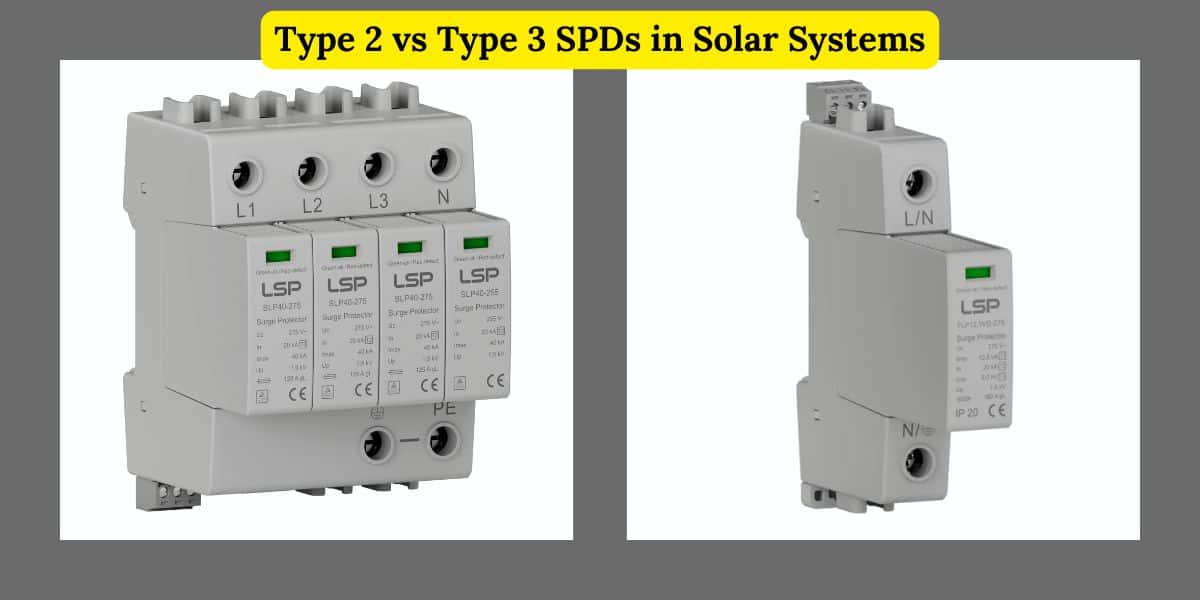
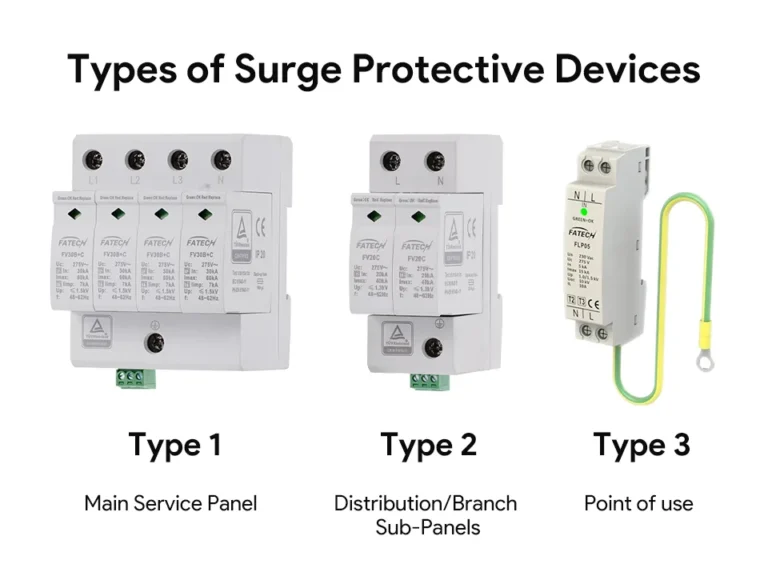
В большинстве солнечных установок основное решение принимается не между многими экзотическими типами СДП, а между использованием Тип 2 и Тип 3 устройства правильно.
- Почему Type 2 является стандартным для PV-панелей
Тип 2 СПД предназначены для обработки большинства индуцированных и переключения переключения, которые происходят в обычных установках. У них достаточно разрядной мощности и обработки энергии, чтобы пережить повторяющиеся события в течение многих лет. По этой причине тип 2 является стандартным выбором для сторон постоянного тока и переменного тока в большинстве фотоэлектрических систем. - Почему тип 3 является дополнительным
SPD Type 3 предназначены для тонкой защиты, очень близкой к чувствительному оборудованию. Они имеют меньшую разрядную емкость и не предназначены для первой или единственной защиты. В фотоэлектрических системах они иногда используются вблизи оборудования для мониторинга, портов связи или очень чувствительной электроники управления. - Почему Type 3 не может заменить защиту панели
Одно только устройство Type 3 не может безопасно справляться с энергией всплеска, исходящих от длинных наружных кабелей или от сети. Если он используется без надлежащего устройства типа 2, он может быстро выйти из строя или обеспечить небольшую реальную защиту.
Короче говоря, Type 2 — это рабочая лошадка защиты от перенапряжения в солнечных установках. Тип 3 — это только дополнительный локальный слой.
Основные критерии выбора SPD для солнечной системы
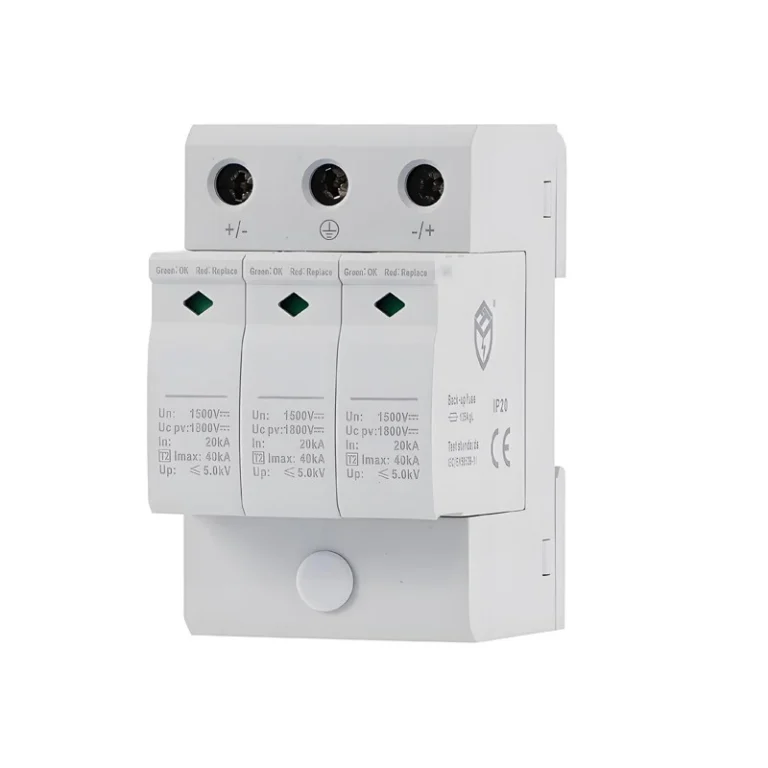
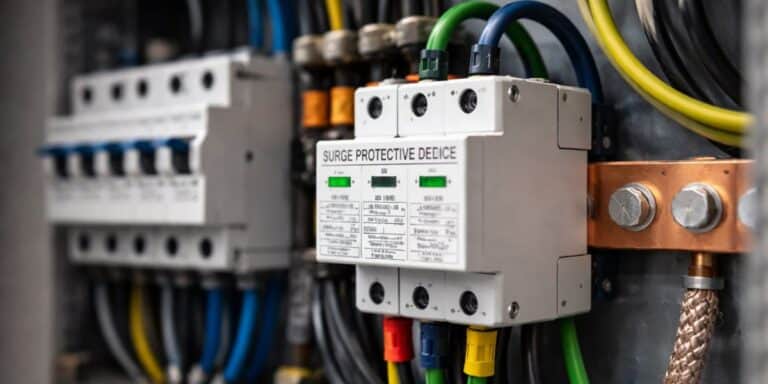
- SPD20C/3-1500 PV S класс II
- Обозначение: Тип 2
- Классификация: класс II
- Режим защиты: (+/-)->Pe , (-/+)->Пе , (+/-)->(-/+)
- Номинальное напряжение UN: 1500 В постоянного тока
- макс Непрерывное рабочее напряжение UC (L-N): 180 В постоянного тока
- Номинальный ток короткого замыкания ISCCPV: 100 А
- Непрерывный рабочий ток ICPV: <20 мкА
- Номинальный ток нагрузки: 80 А
- Максимальный разрядный ток (8/20 мкс) Imax: 40 кА
- Номинальный ток разряда (8/20 мкс) в: 20 кА
- Напряжение защиты: ≤5,0 кВ
- Сопротивление изоляции: 1000 мОм
- Материал корпуса: UL94V-0
- Степень защиты: IP20
Выбор SPD для солнечных систем не о бренде или маркетинговых заявлениях. Речь идет о соответствии устройства электрическим и физическим условиям установки. В следующем контрольном списке представлены наиболее важные моменты.
Контрольный список выбора
- Напряжение PV струн (VOC + температурные эффекты)
Максимальное напряжение в разомкнутом цепи струны PV увеличивается при низких температурах. SPD постоянного тока должен иметь номинальное напряжение непрерывного рабочего напряжения (UC) выше, чем это значение наихудшего случая, а не только номинальное напряжение системы. - DC и AC Placement
Убедитесь, что устройство специально разработано и сертифицировано для использования постоянного тока или переменного тока, в зависимости от того, где оно будет установлено. Не смешивайте их. - Длина кабеля и экспозиция
Длинные наружные кабели увеличивают риск всплеска и часто оправдывают размещение SPD как на стороне массива, так и на стороне инвертора, а не только в одном месте. - Система заземления и склеивания
SPD может отводить энергию на скачок на землю только при наличии низкоимпедансной системы заземления с низким сопротивлением. Концепция заземления и выбор SPD должны быть рассмотрены вместе. - Координация между ступенями
Если используется более одного SPD (например, один на главной плате и один вблизи инвертора), их уровни защиты напряжения и обработка энергии должны быть согласованы, чтобы они правильно разделяли напряжение, а не боремся друг с другом.
Когда эти точки соблюдаются, выбранные Устройство защиты от перенапряжения для солнечной панели Монтажные работы будут выполнять свою работу долгие годы, а не только на бумаге.
Типичные макеты размещения SPD в солнечных установках
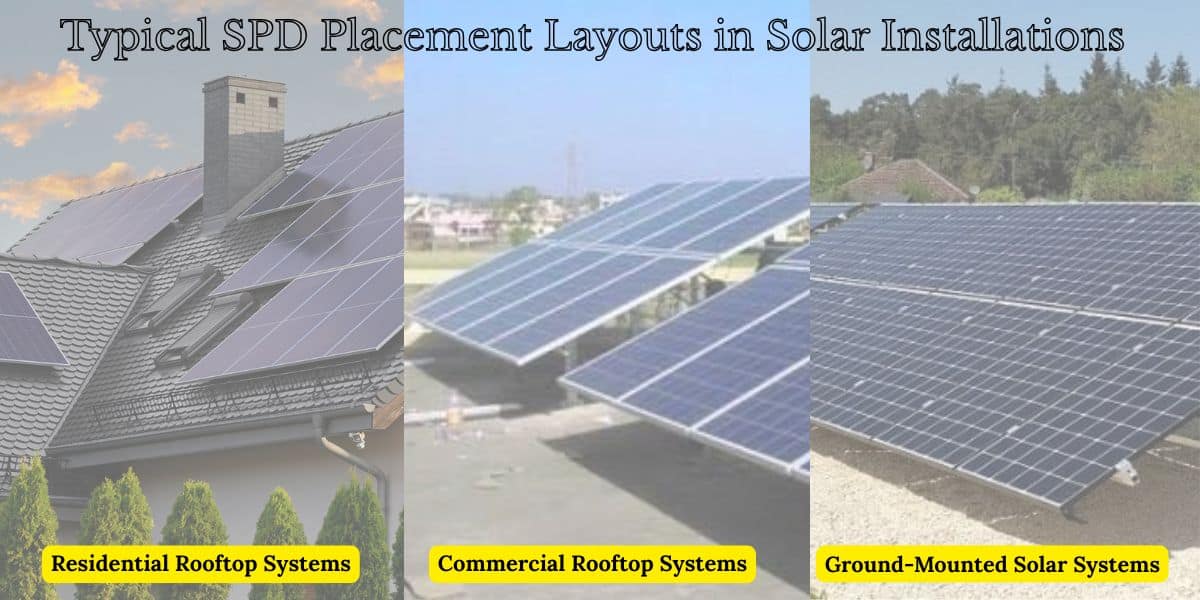
Точная компоновка зависит от размера системы и структуры, но логика в большинстве случаев схожа: остановки скачки максимально близки к тому, где они входят, и защищают инвертор с обеих сторон.
Жилые системы крыши
В типичной жилой системе струны фотоэлектрической энергии тянутся от крыши непосредственно к одному инвертору.
- на сторона постоянного тока, SPD DC типа 2 часто устанавливается либо в комбайном крыше (если он есть), либо на входе постоянного тока инвертора.
- на сторона переменного тока, SPD AC Type 2 установлен на главном распределительном щите или вблизи выходного инвертора.
Цель состоит в том, чтобы удерживать инвертор между двумя точками защиты, по одной на каждую траекторию всплеска.
Коммерческие системы крыш
Коммерческие системы обычно имеют более длинные кабели, несколько струнных, а иногда и несколько инверторов.
- сторона постоянного тока SPD часто помещаются в комбинаторные коробки, а иногда и возле входов инвертора, если расстояния большие.
- сторона переменного тока SPD размещаются на выходах инвертора и на главном низковольтном распределительном щите.
Здесь координация между несколькими SPD становится более важной, потому что всплески могут проходить во многих точках.
Наземные солнечные системы
Наземные системы могут иметь очень длинные кабели постоянного тока по открытым областям.
- сторона постоянного тока Защита часто устанавливается как в поле массива (в полях комбайна), так и на инверторе или электростанции.
- сторона переменного тока Защита устанавливается на выходе инвертора и в точке подключения сетки.
Логика всегда одна и та же: постепенно уменьшайте всплеск, вместо того, чтобы давать ему полную длину кабеля в электронику.
Практика установки, определяющая производительность
Даже лучшее устройство защиты от перенапряжений может работать плохо, если оно установлено неправильно. Во многих реальных сбоях проблема не в самом устройстве, а в том, как оно подключено.
- Короткие провода соединения
Провода от SPD к фазе, проводникам постоянного тока и земле должны быть как можно короче. Каждый дополнительный сантиметр добавляет индуктивность и увеличивает напряжение, которое появляется на оборудовании во время всплеска. - Нет петли в проводке
С петлями или спиральными проволоками действуют как индукторы и делают SPD гораздо менее эффективными во время быстрых переходных процессов. - Закрыть монтаж на защищенное оборудование или точку входа
SPD должен быть установлен близко к тому месту, где кабели входят в инвертор или здание, недалеко от другого шкафа, если нет веской причины. - Высококачественная связь с землей
Заземление должно быть низкое сопротивление и хорошо прикреплено к остальной части системы заземления. Плохая земля делает любое устройство защиты от перенапряжения почти бесполезным.
Эти сведения о установке часто оказывают большее влияние на реальную производительность, чем небольшие различия в значениях SPD.
Распространенные ошибки в дизайне солнечной энергии
Многие солнечные системы имеют некоторую форму защиты от перенапряжения, но все же получают повреждения из-за основных ошибок в конструкции.
Только AC или только защита DC
Защита только со стороны сетки или только стороны PV оставляет инвертор открытым с другого направления.
Неправильное размещение
SPD, установленный далеко от точки входа кабеля или с длинными проводами соединения, не может ограничивать напряжение там, где это важно.
Чрезмерное использование устройств Type 3
Устройства типа 3 иногда используются в качестве единственной защиты, потому что они маленькие и дешевые. Это не то, для чего они предназначены в фотоэлектрических системах.
Плохие допущения о заземлении
Предполагать, что «где-то есть связь с землей», недостаточно. Без хорошо спроектированной системы заземления и склеивания с низким импедансом устройства защиты от перенапряжений не могут работать должным образом.
Избегать этих ошибок часто важнее, чем выбирать между двумя аналогичными продуктами.
В дополнение к линиям электропередачи, инверторные коммуникационные порты, такие как RS485 или Ethernet, также могут нести энергию перенапряжения. В некоторых установках устройства защиты от перенапряжения линии передачи данных используются для снижения риска повреждения с помощью кабелей мониторинга и связи.
Заключение
Наилучшей защитой от солнечных панелей является не одно устройство, а система скоординированной защиты, которая охватывает как DC, так и AC стороны установки. Поскольку скачки могут поступать из массива фотоэлектрических систем или из сети, оба пути должны быть защищены, если инвертор и другая электроника в долгосрочной перспективе должны оставаться надежными. В большинстве солнечных систем устройства защиты от перенапряжений типа 2 обеспечивают основной защитный уровень, а устройства типа 3 используются только для локальной и дополнительной защиты вблизи чувствительного оборудования. Более чем необработанные рейтинги любого отдельного устройства, правильный выбор для использования постоянного тока или переменного тока, правильная координация между ступелями защиты, хорошее заземление и склеивание, а также тщательная установка, определяют, действительно ли будет работать защита от перенапряжения в реальных условиях эксплуатации.
Вопросы и ответы
Похожие посты