Русский
  English
  简体中文
简体中文  Deutsch
  Español
  Français
  Italiano
  日本語
日本語  한국어
한국어  Polski
  Português
  Türkçe
  Nederlands
  Tiếng Việt
  ไทย
ไทย 
Выбор акустического освещения сводится к балансировке звука, качества освещения, производительности материала и того, как система вписывается в реальное коммерческое пространство. Акустическое освещение сочетает в себе освещение и звукопоглощение, поэтому правильный выбор может уменьшить эхо, улучшить четкость речи и поддерживать визуальный комфорт в офисах, общественных интерьерах и общих условиях. Для архитекторов, дизайнеров и менеджеров объектов это решение напрямую влияет на удобство использования, соответствие требованиям и долгосрочные эксплуатационные расходы.
В этой статье объясняются ключевые технические, акустические и дизайнерские факторы, которые следует учитывать при выборе акустического освещения для коммерческой среды.
Как работает акустическое освещение в строительной системе
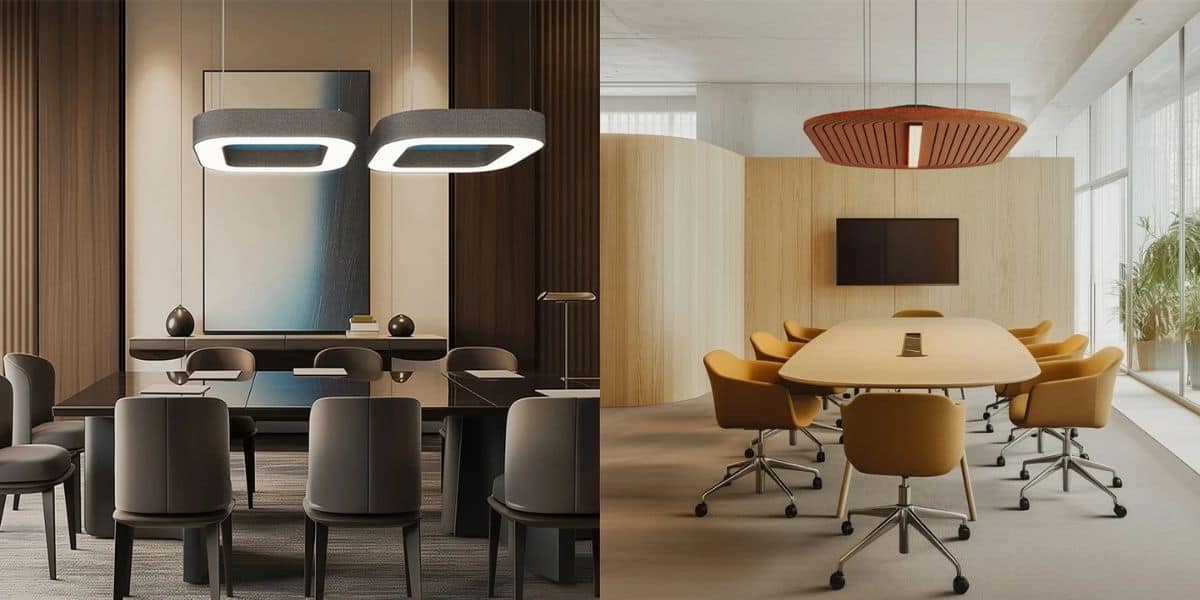
акустическое освещение Не следует понимать как просто светильник, покрытый войлоком. В коммерческих условиях он работает как часть общей акустической и освещенной стратегии здания.
В большинстве современных интерьеров потолки представляют собой самую большую непрерывную отражающую поверхность. Когда речь и звук окружающего воздуха поднимаются, они отражаются от потолков и распространяются по комнате. Традиционные светильники, установленные на жестких потолках, мало способствуют контролю звука и могут даже увеличить модели отражения.
Акустическое освещение меняет эту динамику, вводя абсорбционную массу непосредственно в плоскость потолка. Вместо того, чтобы позволить звуковой энергии свободно отражаться, интегрированное акустическое тело захватывает и рассеивает среднечастотные звуковые волны. Это сокращает время реверберации и ограничивает распространение речи по открытым областям.
В отличие от отдельных акустических панелей и светильников, акустическое освещение объединяет две системы в один архитектурный элемент. Компонент освещения обеспечивает освещение в соответствии с требуемыми уровнями LUX и стандартами визуального комфорта, а акустическая структура изменяет поведение звука в одной зоне.
Этот подход с двойным функцией в наибольшей степени имеет большое значение в условиях, где потолочное пространство ограничено или визуально чувствительно. В открытых офисах, зонах для сотрудничества и конференц-залах акустическое освещение позволяет дизайнерам управлять реверберацией, не покрывая весь потолок панелями.
С точки зрения строительных работ акустическое освещение должно оцениваться на основе:
- Как он изменяет пути отражения в комнате
- Вносит ли это значительный вклад в контроль реверберации
- Как равномерное покрытие акустического покрытия распределяется по потолку
- Содержит ли световой компонент стандарты визуального комфорта
При правильном определении акустическое освещение становится структурной частью пространственного исполнения, а не декоративным дополнением.
Ключевые факторы, которые следует учитывать при выборе акустического освещения
Акустические характеристики
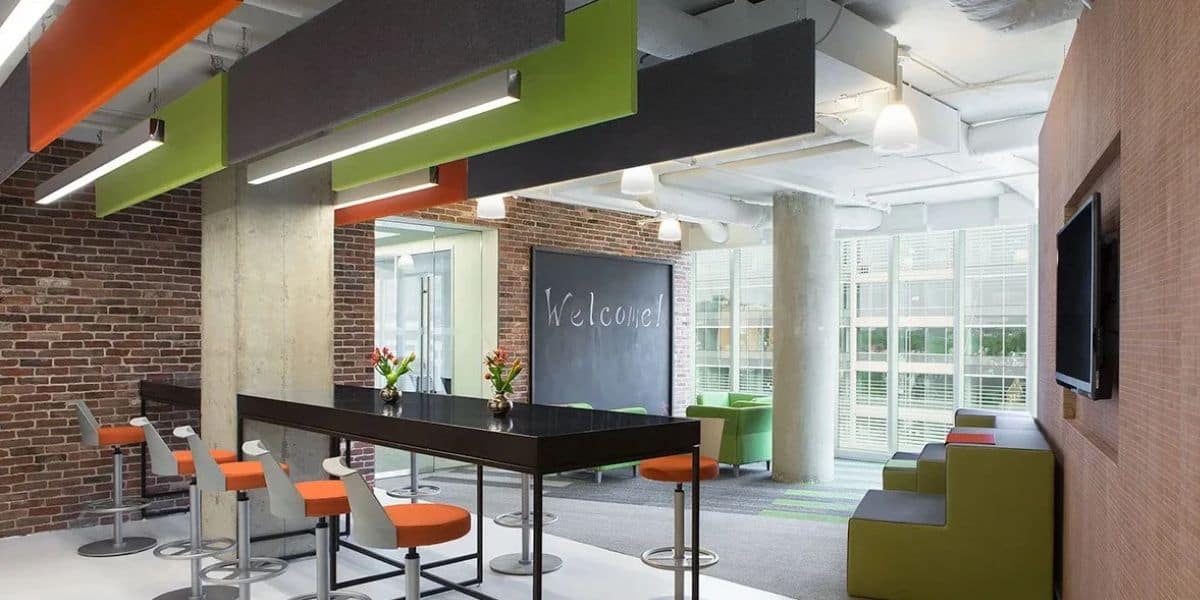
Акустические характеристики являются основной причиной того, что эти системы существуют, но часто они наименее понятны.
Коэффициент шумоподавления (NRC) является наиболее распространенной метрикой, используемой для описания того, сколько звука поглощает материал. Проще говоря, NRC указывает, сколько звуковой энергии поглощается, а не отражается обратно в пространство. Для коммерческих интерьеров значения NRC в среднем и высоком особенно важны, потому что человеческая речь, телефонные звонки и шум совместной работы обычно находятся в диапазоне средней частоты.
Среднечастотная абсорбция имеет большее значение, чем многие покупатели. Приспособление, которое хорошо работает только на высоких частотах, может не существенно улучшить четкость речи в офисах или конференц-залах. Просмотр данных о производительности, а не только одного номера NRC, помогает избежать этой проблемы.
Размещение также влияет на производительность. Акустическое освещение лучше всего работает при размещении звуковой энергии, например над рабочими станциями, зонами совместной работы или конференц-столами. даже высокоэффективный Акустические светильники Могут недоставлять, если они плохо распределены или обрабатываются как чисто декоративные элементы потолка.
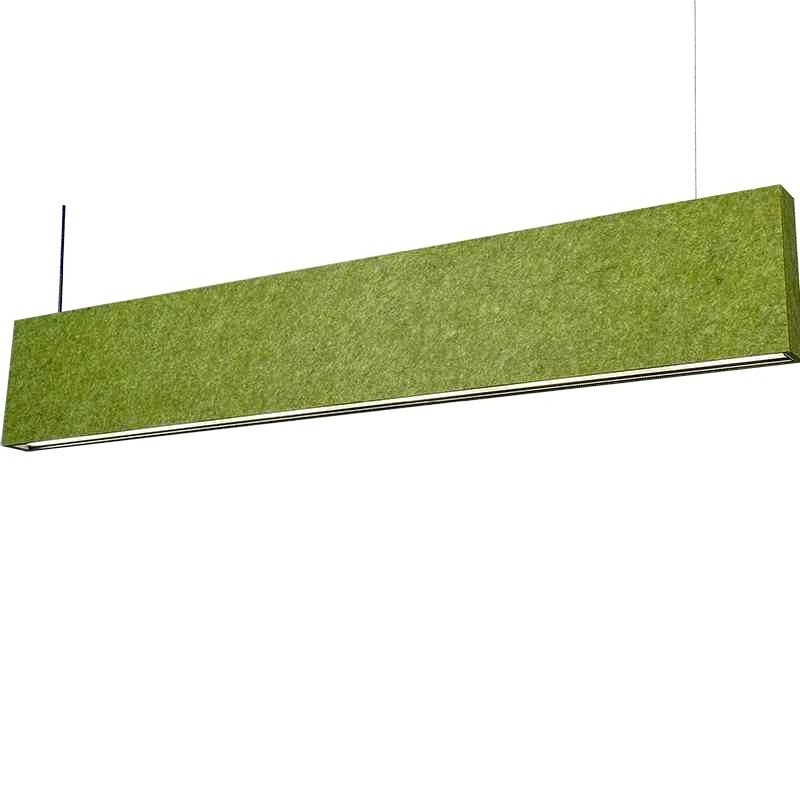
Тонкий антибликовый акустический светодиодный линейный свет
- Входное напряжение: AC100-277V/AC220-240V,50-60Гц
- Размер корпуса: W58*H200 мм/W58*H300 мм
- Направление излучателя: вниз
- Вариант длины: 1218 мм / 1220 мм / 1288 мм
- CCT: 3000K / 4000K / 6000K
- Мощность: 30 Вт / 32 Вт
- Световой поток: 100-110LM/Вт
- CRI: >90RA
- ПФ: >0,90
- мерцать бесплатно: да
- Угол луча: 36°
- Степень защиты: IP20
- Гарантия: 5 лет
- Цвет акустической доски войлочного цвета: красный/зеленый/синий/серый, более 48 цветов
качество материала
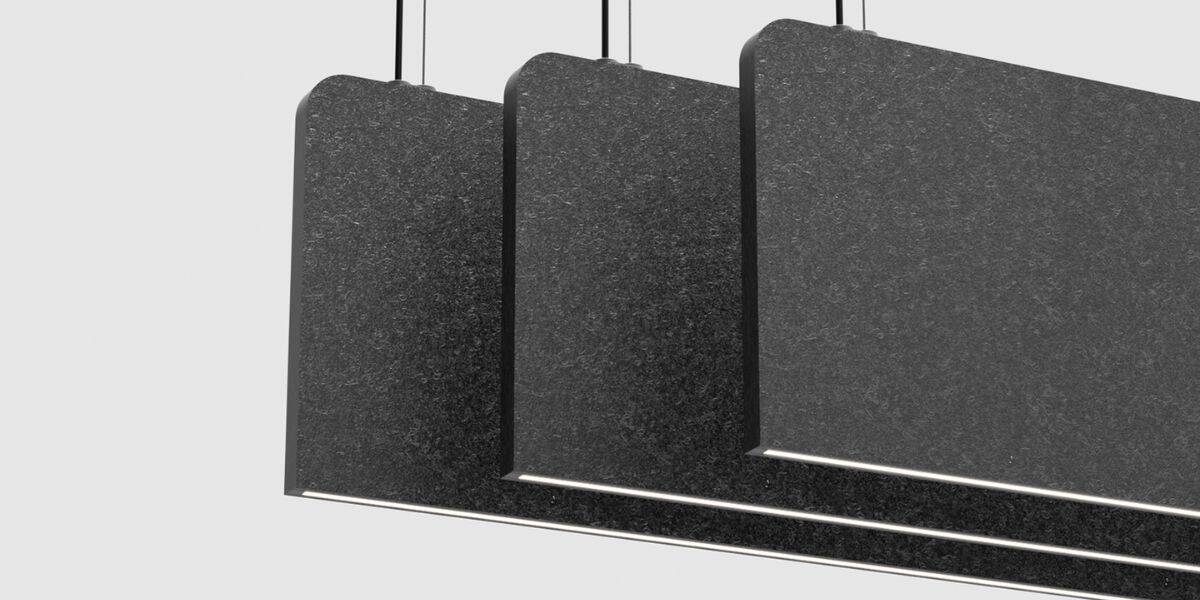
Выбор материала во многом определяет, будет ли акустическое освещение работать стабильно с течением времени.
ПЭТ-фестив является наиболее распространенным материалом в акустического освещения коммерческого уровня, поскольку он предлагает предсказуемое акустическое поведение, стабильность размеров и характеристики огня. Низкосортные войлок или слабосклеенные материалы могут изначально выглядеть одинаково, но имеют тенденцию провисать, обесцвечивать или терять эффективность всасывания по мере старения.
Плотность, толщина и слои напрямую влияют на поглощение. Более толстые и плотные панели обычно лучше работают на более низких и средних частотах. Многослойные конструкции могут улучшить производительность без значительного увеличения объема визуального объема.
Рейтинг пожара не подлежит обсуждению в коммерческих проектах. Акустическое освещение должно соответствовать соответствующим стандартам пожарной безопасности для потолочных изделий, особенно в офисах, в сфере гостиничного бизнеса и общественных интерьеров.
Прочность и старение часто упускают из виду. Высококачественные материалы сопротивляются накоплению пыли, сохраняют стабильность цвета и сохраняют свои акустические свойства в течение многих лет, сокращая циклы замены.
Производительность освещения
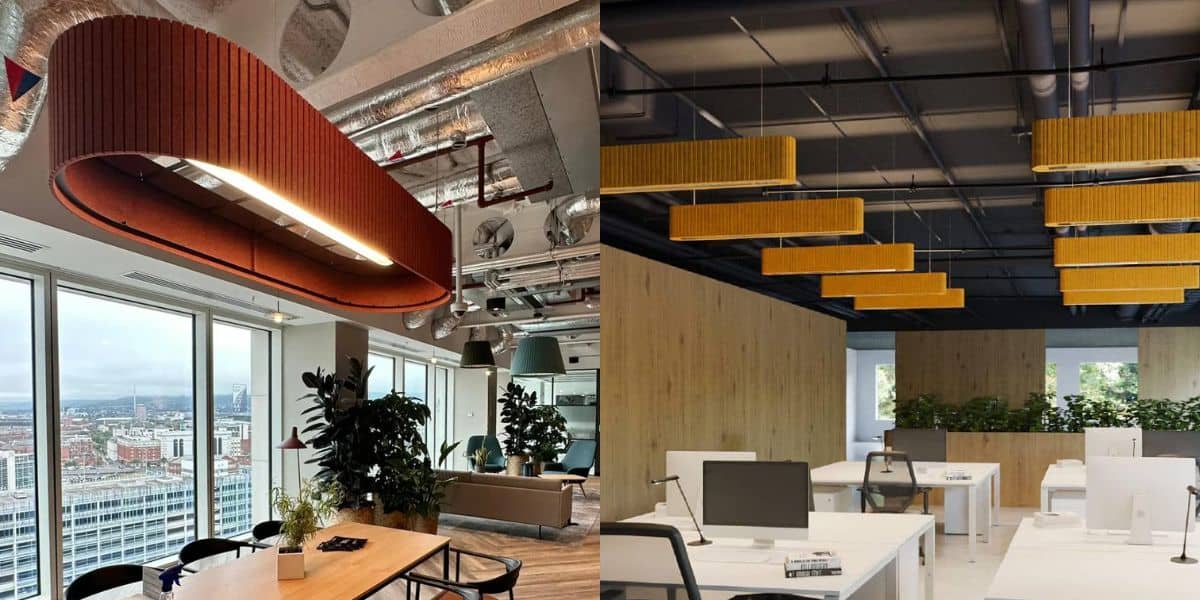
Акустические преимущества никогда не должны ставить под угрозу качество освещения.
Распределение света должно соответствовать поставленной задаче. Офисы и конференц-залы требуют контролируемого, даже освещения без суровых горячих точек. Плохая оптическая конструкция может привести к неравномерности, что подорвет юзабилити.
Контроль бликов имеет решающее значение, особенно в условиях интенсивного экрана. Акустическое освещение часто находится прямо над пассажирами, поэтому диффузоры, экранирование и оптические углы имеют большее значение, чем в стандартных декоративных подвесках.
Стабильность цветовой температуры влияет на визуальный комфорт и согласованность в пространстве. Светильники с нестабильным CCT могут со временем создавать несоответствующие зоны освещения.
Качество драйвера и срок службы влияют на циклы технического обслуживания и общую стоимость владения. Коммерческие проекты выигрывают от надежных драйверов с предсказуемыми показателями, а не краткосрочными приростами эффективности.

58 мм ширина акустический светодиодный линейный свет
- Входное напряжение: AC110-120V/AC220-240V,50-60Гц
- Ширина: 58 мм
- Размер: 1288*58*400мм/1288*80*400мм
- Светодиодный чип: SMD2835
- Угр: <19
- ПФ: >0,90
- CRI: >90RA
- Световой поток: 100 лм/Вт
- CCT: 3000K / 4000K / 6000K
- Мощность: 30 Вт
- Степень защиты: IP20
- Гарантия: 5 лет
- Вариант цвета акустической панели: красный/зеленый/синий/серый, более 48 цветов
Дизайн и интеграция
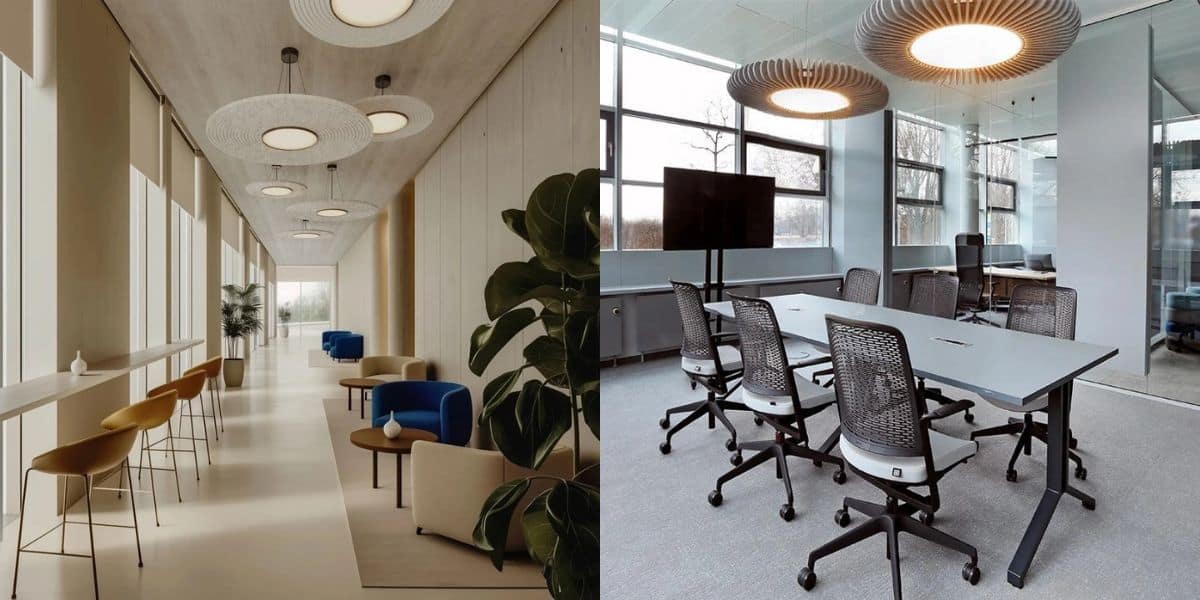
Акустическое освещение должно интегрироваться как в план потолка, так и в общую концепцию интерьера.
Потолочная недвижимость ограничена во многих коммерческих проектах. Сочетание акустики и освещения в единую систему может освободить место, в противном случае занимаемое отдельными панелями и светильниками.
Визуально акустическое освещение смягчает интерьеры, в которых преобладают твердые поверхности, такие как стекло, бетон и металл. Цель не декоративная, а визуальный баланс, который поддерживает комфорт.
Совместимость с современным интерьером имеет значение. Нейтральные формы, масштабируемые геометрии и адаптируемые конфигурации позволяют акустическому освещению работать в офисах, гостеприимстве и общественных местах, не привязывая дизайн к определенной тенденции.
Установка и обслуживание
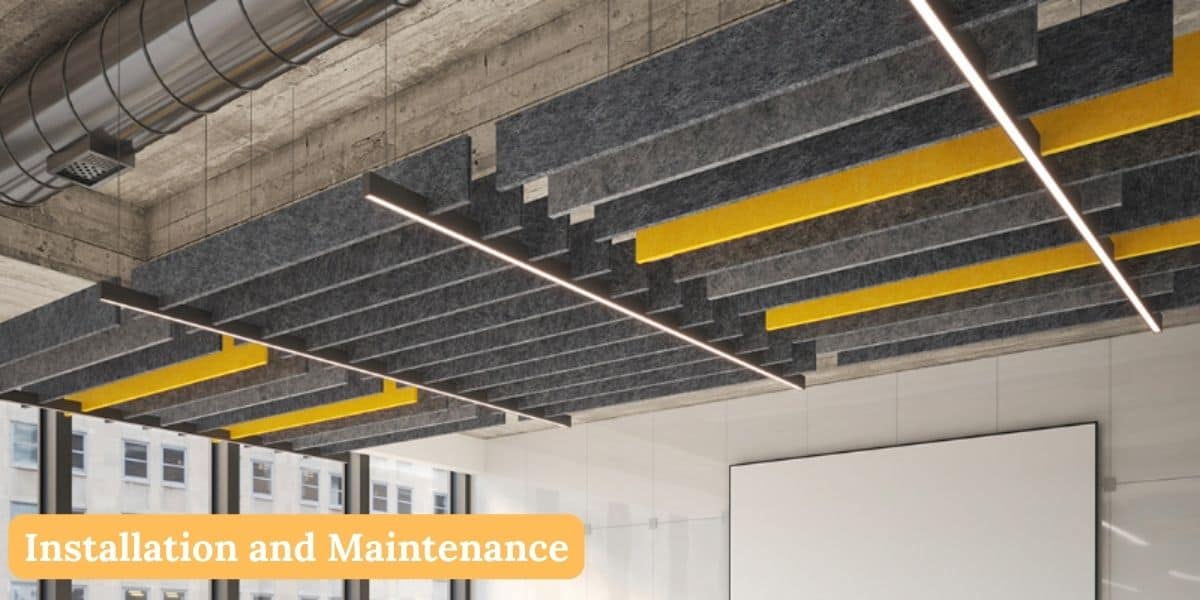
Метод установки влияет на гибкость и долгосрочное удобство использования.
Подвесные системы являются обычным явлением, поскольку они располагают поглощение ближе к источникам звука и позволяют настраивать позиционирование. Наземные опции могут работать там, где высота потолка ограничена, но может снизить акустическую эффективность.
Очистка и обслуживание должны быть простыми. Материалы, которые улавливают пыль или требуют специальной очистки, увеличивают эксплуатационные накладные расходы. Доступные драйверы и модульные компоненты упрощают долгосрочное обслуживание.
Четкие ожидания относительно интервалов технического обслуживания помогают менеджерам объектов более точно планировать затраты на протяжении всего срока службы прибора.
устойчивость и соответствие
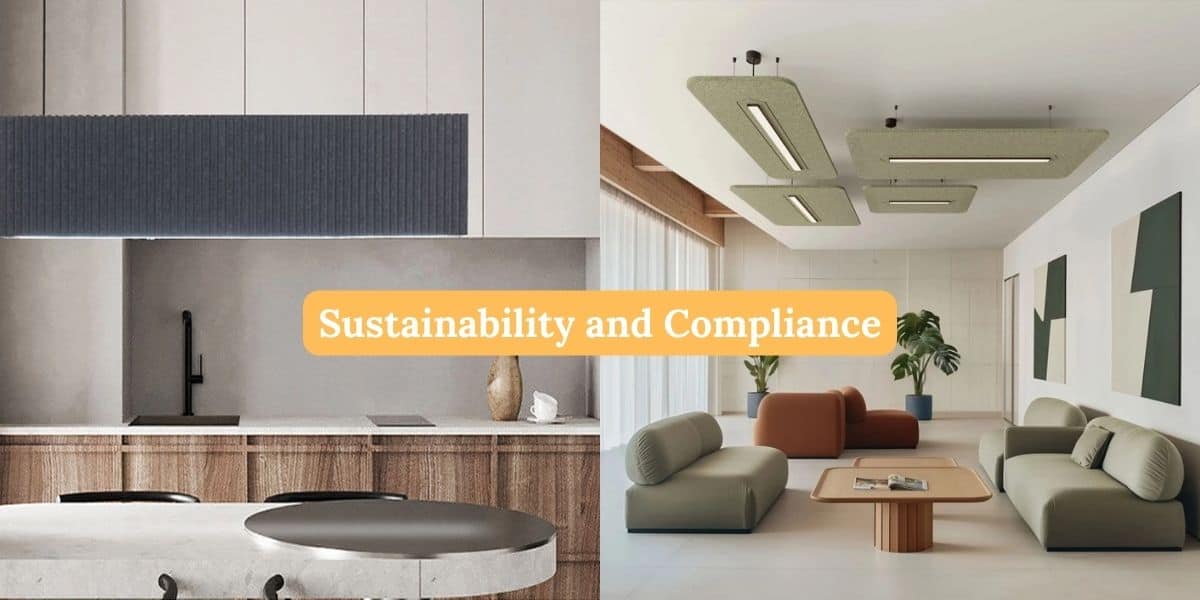
Устойчивость в настоящее время является базовым требованием для многих коммерческих покупателей.
переработанное содержание, особенно в домашнее животное, снижает воздействие на окружающую среду без ущерба для производительности. Многие системы в настоящее время используют высокий процент переработанного материала после потребителя.
Экологические сертификаты и соответствие стандартам строительных стандартов поддерживают утверждения проектов и целевые показатели устойчивого развития. Для покупателей B2B это часто связано с корпоративными обязательствами ESG, а не с эстетикой.
Ответственный за материнство и длительный срок службы также способствуют устойчивости за счет снижения частоты замены и отходов.
Быстрое сравнение для покупателей B2B
| коэффициент выбора | Что проверить | Почему это важно |
| Акустические характеристики | Диапазон NRC, зона покрытия | Определяет контроль эхо и речи |
| войлочный материал | Плотность ПЭТ, рейтинг огня | Безопасность, долговечность, консистенция |
| качество освещения | Контроль бликов, стабильность CCT | Визуальный комфорт и удобство использования |
| дизайн | Панель, подвеска, интегрированная система | Интеграция потолка и гибкость |
| Техническое обслуживание | Способ очистки, доступ к компонентам | Долгосрочные затраты и надежность |
Где акустическое освещение имеет наибольший смысл
Акустическое освещение наиболее эффективно в условиях, когда управление звуком и визуальный комфорт одинаково важны.
В офисах и коворкингах он поддерживает фокусировку и четкость речи в открытых макетах без добавления визуального беспорядка. Конференц-залы получают выгоду от повышения разборчивости во время встреч и видеозвонков. В гостиничном бизнесе используется акустическое освещение для управления окружающим шумом, сохраняя при этом изысканную атмосферу. Общественные интерьеры, такие как библиотеки или учебные заведения, полагаются на него, чтобы уравновесить открытость с акустическим контролем.
Решение всегда должно определяться тем, как используется пространство, а не только внешний вид приспособления.
Распространенные ошибки, которые совершают покупатели
Частая ошибка заключается в выборе акустического освещения, основанного исключительно на внешнем виде, предполагая, что все приспособления на основе войлока обеспечивают значимое поглощение. Другой — игнорирование спецификаций материалов и акустических данных, что приводит к неэффективности в реальных пространствах.
Некоторые покупатели предполагают, что размещение не имеет значения, устанавливая светильники, где они выглядят лучше, а не там, где они эффективно поглощают звук. Другие занижают потребности в обслуживании, выбирая материалы, которые быстро ухудшаются в условиях высокой эксплуатации.
Чтобы избежать этих ошибок, необходимо рассматривать акустическое освещение как функциональную систему здания, а не декоративный аксессуар.
Тенденции выбора акустического освещения на 2026 год
Текущие тенденции подчеркивают интегрированное освещение и акустику, а не дополнительные решения. Модульные системы, которые адаптируются к изменяющимся схемам, набирают обороты, особенно в гибридных рабочих средах. Существует также более сильное внимание к благополучию, а дизайн, ориентированный на производительность, имеет приоритет над чисто декоративными элементами.
Заключение
Ключевыми факторами, которые следует учитывать при выборе акустического освещения, являются акустические характеристики, качество материала, надежность освещения и пригодность для предполагаемого пространства. Для коммерческих проектов правильный выбор зависит от проверенных данных о производительности, прочных материалов и продуманной интеграции, а не только от эстетики. Акустическое освещение — это функциональное дизайнерское решение, которое влияет на комфорт, производительность и долгосрочную ценность.
Вопросы и ответы
Похожие посты