Türkçe
  English
  简体中文
简体中文  Deutsch
  Español
  Français
  Italiano
  日本語
日本語  한국어
한국어  Polski
  Português
  Русский
  Nederlands
  Tiếng Việt
  ไทย
ไทย 
Signliteled'de güvenilir, uygulama odaklı LED çözümleri sağlayarak profesyonel alıcıları destekliyoruz.
Küresel aydınlatma endüstrisi 2026'ya ilerledikçe, LED performansı artık yalnızca LED çip tarafından belirlenmiyor. bugün, PCB LED Tasarım, termal kararlılık, renk tutarlılığı, elektrik güvenliği ve genel sistem ömründe belirleyici bir rol oynar. Aydınlatma üreticileri, OEM alıcıları ve proje mühendisleri için, Sağ PCB LED Yapılandırma kritik bir ticari ve teknik karar haline geldi.
Bu blogda, PCB LED'lerinde güç derecelendirmelerinin termal performansı nasıl etkilediğini açıklayacağız. İlişkili renk sıcaklığının ısı kontrolüne ve tasarımına nasıl bağlı olduğunu gösterir. Biz de nasıl açıklayacağız PCB Malzemeleri Verimliliği, ömrünü ve aydınlatma güvenilirliğini etkiler.
LED PCB nedir?

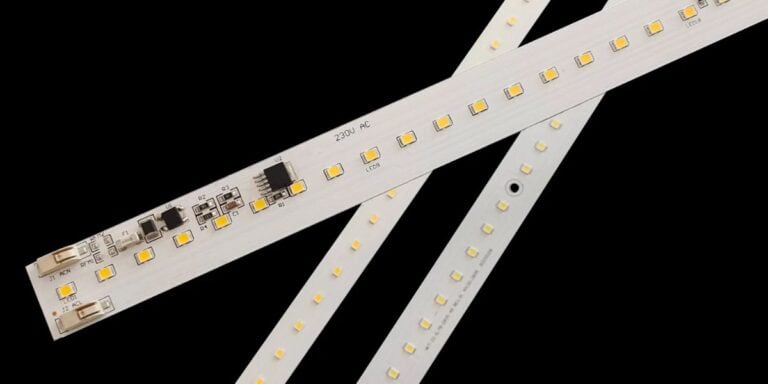
LED PCB, ışık yayan diyotları desteklemek için özel olarak tasarlanmış baskılı bir devre kartıdır. Çalışma sırasında üretilen ısıyı yönetirken elektrik bağlantıları ve mekanik destek sağlar. uygun LED PCB Tasarımı Aydınlatma uygulamalarında istikrarlı performans, tutarlı parlaklık ve daha uzun ömür sağlar.
Standart PCB'lerin aksine, LED PCB'ler büyük ölçüde termal yönetim ve malzeme seçimine odaklanır. Isıyı verimli bir şekilde dağıtmak için genellikle metal veya yüksek iletkenlikli substratlar kullanırlar. Bu, modernde aşırı ısınmayı, renk değişimini ve erken başarısızlığı önlemeye yardımcı olur. LED aydınlatma sistemleri.
LED PCB'nin temel yapısı

LED PCB'ler, her katmanın güç dağıtımı, ısı yönetimi ve dayanıklılıkta benzersiz bir rol oynadığı, özenle tasarlanmış çok katmanlı panolardır. Yapıları sadece LED çipleri mekanik olarak desteklemek için değil, aynı zamanda yüksek güçlü, sürekli çalışma koşullarında optimum performansı korumak için tasarlanmıştır.
Temel malzeme (alt tabaka)
Substrat, LED PCB'nin temelini oluşturur. Alüminyum, mükemmel termal iletkenliği nedeniyle en yaygın seçimdir, ancak üst düzey tasarımlar daha fazla ısı transferi için bakır veya seramik kullanabilir. Bu katman, ısıyı LED'lerden verimli bir şekilde uzaklaştırırken kartın sert kalmasını sağlar.
İletken bakır tabaka
Bakır tabakası, güç kaynağından elektrik enerjisini LED yongalarına taşır. Akım dağılımını, voltaj kararlılığını ve ışık çıkışının tekdüzeliğini etkilediği için deseni ve kalınlığı kritiktir. Ek olarak, iyi tasarlanmış bir bakır ağ, termal birikimleri azaltmaya ve sıcak noktaları önlemeye yardımcı olur.
dielektrik yalıtım tabakası
Bakır tabakası ve metal taban arasında yer alan dielektrik tabaka, hem elektriksel bir yalıtkan hem de bir termal köprü görevi görür. Elektrik devrelerini izole ederken ısının aşağı doğru akmasını sağlar ve termal verimlilikten ödün vermeden güvenli çalışma sağlar.
Koruyucu lehim maskesi ve yüzey kaplaması
Koruyucu bir lehim maskesi, maruz kalan bakır izleri kaplar, onları korozyona ve kazara kısa devrelere karşı korur. Bu arada, yüzey kaplaması, özellikle tekrarlanan ısıtma ve soğutma döngülerinde, lehim bağlantılarını güçlendirir ve uzun vadeli güvenilirliği artırır.
Termal yol optimizasyonu
Verimli LED PCB'ler, LED çipinden ısı emiciye veya fikstüre doğrudan bir termal yol sağlar. Isı, lehim eklemi, bakır devresi, dielektrik tabaka ve substrat boyunca sırayla hareket eder. Kısa, düşük dirençli bir yol, sıcaklık artışını en aza indirir, LED ömrünü uzatır ve zaman içinde ışık çıkışını dengeler.
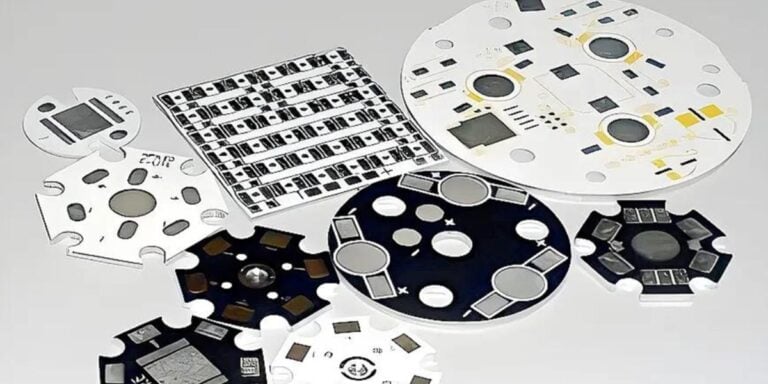
Malzemeye göre farklı LED PCB türleri
LED PCB'ler, her biri ısı dağılımını, elektrik performansını ve dayanıklılığı etkileyen çeşitli malzemelerden yapılmıştır. Doğru malzemeyi seçmek, özellikle yüksek güçlü ve endüstriyel uygulamalar için uzun ömürlü, güvenilir aydınlatma sağlar.
| PCB Malzeme Türü | EN KERİ Ö | TERMİ TER | Tipik Uygulama |
| FR-4 | düşük maliyetli | Orta ateş | dekoratif LED'ler |
| Alüminyum | dayanıklı tasarım | Yüksek ısı dağılımı | Sokak ve Ticari |
| bakır | yüksek iletkenlik | Mükemmel ısı transferi | Endüstriyel LED'ler |
| seramik | birinci sınıf malzeme | Üstün termal direnç | Otomotiv ve Havacılık |
1: FR-4 LED PCB'ler
FR-4 PCB'ler elektrik devreleri için bakır tabakalı standart fiberglas malzemeden oluşur. En az ısı üretimi ile düşük güçlü LED uygulamaları için uygun fiyatlı ve uygundur.
Bu panolar dekoratif veya gösterge LED'leri için idealdir. Bununla birlikte, sınırlı termal iletkenlikleri, ısı yönetiminin performans ve uzun ömür için kritik olduğu yüksek güçlü veya endüstriyel aydınlatmada kullanımı kısıtlar.
2 : Alüminyum LED PCB'ler
Alüminyum PCB'ler, LED çiplerinden ısıyı etkili bir şekilde aktarmak için metal bir çekirdek kullanır. Bu, yüksek güçlü LED'lerin aşırı ısınmadan verimli bir şekilde çalışmasını sağlar.
Sokak aydınlatmasında, ticari armatürlerde ve endüstriyel uygulamalarda yaygın olarak kullanılmaktadır. Alüminyum PCB'ler sürekli çalışma için mekanik mukavemet, termal kararlılık ve uygun maliyetli performans sunar.
3: Bakır LED PCB'ler
Bakır bazlı PCB'ler, son derece verimli ısı dağılımına izin vererek en yüksek termal iletkenliği sağlar. Isının küçük alanlarda yoğunlaştığı kompakt yüksek güçlü LED tasarımları için uygundur.
Bu PCB'ler genellikle endüstriyel LED sistemlerde, yüksek yoğunluklu kartlarda ve özel ekipmanlarda bulunur. Daha yüksek maliyet, sürekli çalışma altında geliştirilmiş güvenilirlik, daha uzun ömür ve kararlı ışık çıkışı ile dengelenir.
4: Seramik LED PCB'ler
Seramik PCB'ler, elektrik yalıtımını olağanüstü termal dirençle birleştirir. Aşırı ısı ve zorlu çalışma koşullarında istikrarlı performans sağlarlar, bu da onları hassas uygulamalar için ideal hale getirir.
Genellikle otomotiv aydınlatması, havacılık ve diğer üst düzey veya özel uygulamalarda kullanılırlar. Seramik PCB'ler, renk kararlılığı, verimlilik ve uzun vadeli dayanıklılık sağlarken yüksek güçlü LED'leri destekler.
LED PCB'nin doğru tasarımı nasıl seçilir?
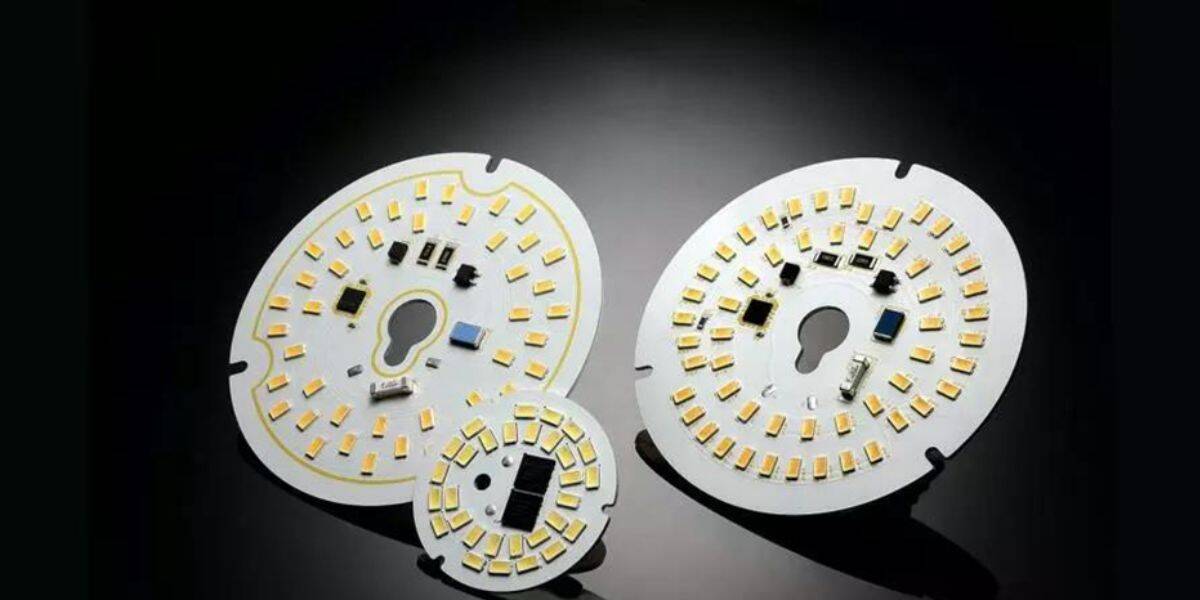
A İyi tasarlanmış LED PCB Termal yönetimi, elektriksel kararlılığı ve ışık kalitesini dengeler. Bu elemanlar, LED'lerin ömürleri boyunca parlak, verimli ve güvenilir kalmasını sağlamak için birlikte çalışır.
- Termal Yönetim: Isı, LED performansını sınırlayan birincil faktördür. İyi bir PCB tasarımı, özellikle yüksek güçlü uygulamalarda, sıcak noktaları azaltarak ve erken arızaları önleyerek, LED'den verimli bir şekilde ısınır.
- Isı alıcılar, termal yollar ve bakır kalınlığı: Isı alıcılar, ısıyı çevreleyen ortama bırakırken, termal yollar ve daha kalın bakır katmanlar, ısıyı tahtaya eşit olarak yayar. Bu, daha düşük bağlantı sıcaklıkları ve daha uzun LED ömrü sağlar.
- Devre düzeni ve akım dengesi: Optimize edilmiş bir devre düzeni, akımı her LED'e eşit olarak dağıtır. Dengeli akım akışı, tüm kart boyunca tutarlı parlaklık sağlayan karartma, sıcak noktalar veya titremeyi önler.
- LED aralığı ve yerleşimi: LED'ler arasındaki uygun boşluk hava akışını iyileştirir ve lokalize ısı birikimini azaltır. Stratejik yerleşim, aynı zamanda daha düzgün ışık çıktısı da yaratarak karanlık noktaları ve parlamayı ortadan kaldırır.
- Elektrik güvenliği ve izolasyon: PCB, güç devresini metal çekirdekten güvenli bir şekilde ayırmalıdır. İyi yalıtım kısa devreleri önler, elektriksel riskleri azaltır ve sistemin genel güvenilirliğini artırır.
- Optik tasarım: PCB düzeni sadece performansı değil, ışık dağılımını da etkiler. Doğru LED yerleşimi, açı ve hizalama, pürüzsüz, eşit aydınlatma elde etmeye ve renk tutarlılığını korumaya yardımcı olur.
LED PCB nasıl yapılır?

Bu bölümde nasıl olduğunu açıklayacağız LED PCB'ler tasarlanıp üretilir. Doğru malzemeyi seçmekten LED çipleri monte etmeye kadar her adım, optimum ısı yönetimi, elektrik performansı ve uzun süreli güvenilirlik sağlar.
Adım 1: Alt tabakayı seçin
Termal ve elektriksel ihtiyaçlara göre uygun bir temel malzeme seçin. Seçenekler arasında düşük güç için FR-4, yüksek güç için alüminyum, maksimum iletkenlik için bakır ve özel uygulamalar için seramik bulunur. Substrat, ısı dağılımını ve mekanik mukavemeti belirler.
Adım 2: Bakır tabakayı uygulayın ve kazıyın
Bakır, substrata uygulanır ve elektrik devreleri oluşturmak için hassas bir şekilde kazınır. Düzen, akım akışını kontrol eder, voltaj kararlılığı sağlar ve ısının tahtaya eşit olarak dağıtılmasına yardımcı olur.
Adım 3: Dielektrik Yalıtım Ekleyin
Dielektrik tabaka bakır devreyi metal tabandan ayırır. Isının verimli bir şekilde geçmesine izin verirken, güvenli çalışmayı sürdürerek ve termal yönetimi desteklerken elektriksel olarak yalıtılır.
Adım 4: Lehim maskesi ve yüzey kaplaması uygulayın
Koruyucu bir lehim maskesi, oksidasyon ve şortlardan bakır izleri korur. Yüzey kaplamaları, lehim bağlantılarını güçlendirerek, ısı döngüleri ve uzun LED çalışması sırasında güvenilirlik sağlar.
Adım 5: LED çipleri monte edin ve test edin
LED talaşlar yerleştirilir ve tahtaya lehimlenir. PCB daha sonra termal verimlilik, elektrik performansı ve ışık tutarlılığı açısından test edilerek tasarım ve uygulama gereksinimlerini karşılar.
LED PCB'nin Temel Faydaları

Yüksek performanslı aydınlatma için bir PCB LED'i gereklidir. Isı yönetimi, elektriksel kararlılık ve mekanik desteği birleştirir. İyi tasarlanmış LED PCB Kurulu LED'lerin verimli ve güvenilir bir şekilde çalışmasını sağlar. Yüksek kaliteli bir kullanım LED ışık PCB kurulu Voltaj düşüşlerini ve kısa devreleri önler. uygun LED PCB Tasarımı Kararlı akım akışını garanti eder. ilerlemiş PCB LED Tasarım Dayanıklılığı ve uzun vadeli performansı artırır.
Verimli Isı Dağıtımı
SMD LED PCB Kurulu Ve yuvarlak alüminyum pcb led Alt tabakalar, ısıyı LED çiplerinden uzaklaştırır. 2835SMD LED PCB Panel Düzenler aşırı ısınmayı önler. PCB için LED Düzenlemeler tekdüze sıcaklığı korur. Yüksek güçlü panolar gibi 100W LED PCB Ve 220V LED Panel PCB Akımları güvenli bir şekilde yönetin. Bu tasarımlar LED ömrünü uzatır ve hassas bileşenleri korur.
tek tip ışık çıkışı
dengeli bakır yollar LED ışık PCB tasarımı Tüm LED'lerin eşit şekilde parlamasını sağlayın. kullanma PCB LED Işık Panolar sıcak noktaları ve loş alanları ortadan kaldırır. LED'li PCB Düzenler tutarlı parlaklık sağlar. uygun LED Şerit PCB Kurulu Tasarım, tüm uygulamalarda sorunsuz aydınlatma sağlar.
elektrik güvenilirliği
Güvenilir LED PCB kartı üreticilerinden ve LED PCB kartı tedarikçilerinden yüksek kaliteli malzemeler, devre kararlılığını artırır. Hassas özel LED PCB tertibatı, kısa devreleri ve enerji kaybını azaltır. PCB LED şerit çözümleri, güvenlikten ödün vermeden esnek aydınlatma tasarımlarını destekler.
Mekanik mukavemet ve uyumluluk
Sert veya güçlendirilmiş LED PCB kartı 18W alt tabakalar güçlü destek sağlar. Kurulum veya uzun süreli çalışma sırasında hasarı azaltırlar. İyi tasarlanmış 3W LED PCB ve RGB PCB LED tasarımları mekanik stresi kaldırır. Gelişmiş PCB'ler ticari, endüstriyel ve dış mekan yüksek güçlü LED'ler için idealdir.
Geliştirilmiş optik performans
LED'lerin PCB LED'lerine dikkatli yerleştirilmesi Philips ve PCB OSRAM LED kartları ışık dağıtımını iyileştirir. Uygun LED PCB çapı seçimi, düzgün renk sıcaklığı sağlar. Optimize edilmiş düzenler, tüm alanlarda görsel kaliteyi ve pürüzsüz aydınlatmayı artırır.
LED PCB'nin yaygın uygulamaları

LED PCB'ler çok çeşitli aydınlatma sistemlerinde kullanılmaktadır. Verimlilikleri, ısı yönetimi ve güvenilirliği onları hem günlük hem de özel uygulamalar için uygun hale getirir.
Konut Aydınlatması
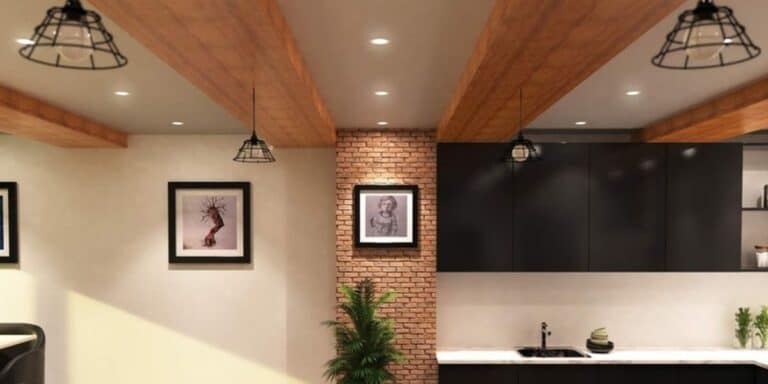
LED PCB'ler, tavan ışıkları, dekoratif armatürler ve kabin altı aydınlatması için evlerde yaygın olarak kullanılmaktadır. Uzun süreli performans ile enerji tasarruflu aydınlatma sağlarlar.
Ticari Aydınlatma
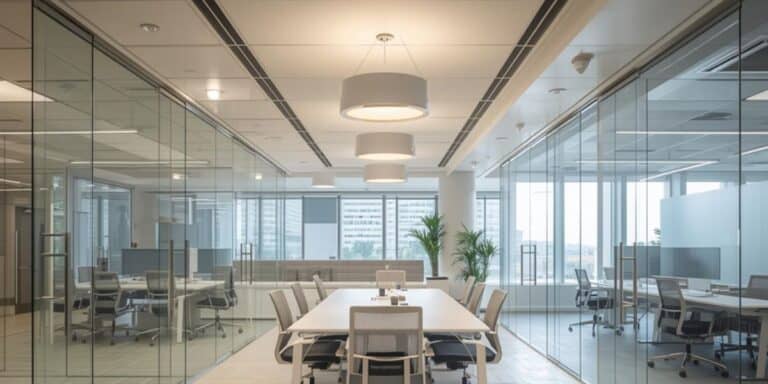
Ofisler, perakende mağazaları ve restoranlar, panel ışıklarında, downlight'larda ve ekran aydınlatmasında LED PCB'ler kullanır. Tutarlı parlaklık sağlar ve enerji maliyetlerini azaltır.
Endüstriyel Aydınlatma
Fabrikalar, depolar ve atölyeler, projektörler ve yüksek bölmeli aydınlatma için yüksek güçlü LED PCB'lere dayanır. Sağlam tasarımları, zorlu ortamlarda sürekli çalışmayı destekler.
Sokak ve dış aydınlatma
Sokak lambalarında, otoparklarda ve kamusal alanlarda alüminyum ve metal çekirdekli LED PCB'ler kullanılır. Aşırı koşullar altında güvenilir performansı korurken yüksek gücü idare ederler.
Otomotiv Aydınlatma
LED PCB'ler farlarda, arka lambalarda ve iç araç ışıklarında kullanılır. Kompakt tasarımları, ısı yönetimi ve dayanıklılıkları uzun vadeli otomotiv uygulamalarını destekler.
Özel Uygulamalar
Seramik ve esnek LED PCB'ler havacılıkta, tıbbi cihazlarda ve giyilebilir elektroniklerde kullanılır. Yüksek güvenilirlik, termal performans ve tasarım esnekliği sağlarlar.
LED PCB'yi seçmeden önce adım adım satın alma kılavuzu

seçilmiş Sağ LED PCB bir tahta seçmekten daha fazlasıdır - termal verimliliği, elektrik stabilitesini ve aydınlatma kalitesini etkiler. Bu kılavuz, alıcıların güvenilir, yüksek performanslı LED sistemler için bilinçli kararlar almasına yardımcı olur.
Güç gereksinimlerinizi anlayın
LED kurulumunuzun toplam gücünü ve mevcut taleplerini belirleyin. Düşük güçlü LED'ler FR-4 kartlarını kullanabilirken, yüksek güçlü veya endüstriyel LED'ler optimum ısı kullanımı için alüminyum veya bakır çekirdeklere ihtiyaç duyar.
Termal Yönetime Öncelik Verin
LED'lerinizin ne kadar ısı üreteceğini değerlendirin. İstikrarlı çalışmayı sağlamak ve erken arızayı önlemek için termal yollar, metal çekirdekler veya çok katmanlı yapılar ile tasarımları seçin.
En uygun PCB malzemesini seçin
FR-4, düşük güçlü uygulamalar için, ticari ve endüstriyel aydınlatma için alüminyum, yüksek yoğunluklu veya yüksek akımlı kurulumlar için bakır ve birinci sınıf veya özel uygulamalar için seramik.
katman yapısına karar verin
Tek katmanlı PCB'ler basit kurulumlara uygundur. Çok katmanlı veya çift katmanlı tasarımlar, ısı dağılımını iyileştirir, elektriksel paraziti azaltır ve kompakt veya akıllı aydınlatma çözümlerini destekler.
Devre düzenini ve LED yerleşimini planlayın
Akımın tüm LED'ler arasında eşit şekilde akmasını sağlayın. Doğru boşluk ve düzen, sıcak noktaları önler, hava akışını artırır ve tutarlı ışık dağılımı sağlar.
Elektrik güvenliğini ve yalıtımını kontrol edin
PCB, elektrik devrelerini metal tabandan izole etmelidir. Doğru yalıtım kısa devreleri önler, güvenilirliği artırır ve her koşulda güvenli çalışma sağlar.
Prototipleme ve test ile doğrulama
Toplu dağıtımdan önce PCB'nizi simüle edin veya prototipleyin. Hem fonksiyonel hem de uzun ömürlülük gereksinimlerini karşıladığını doğrulamak için ısı dağılımı, voltaj kararlılığı ve ışık tekdüzeliği testi yapın.
Gelecekteki yükseltmeleri ve ölçeklenebilirliği düşünün
Gelecekteki yükseltmeleri göz önünde bulundurarak PCB seçiminizi planlayın. Esnek tasarımlar, çok katmanlı panolar ve modüler düzenler, yeni LED'lere veya akıllı kontrol sistemlerine kolay adaptasyon sağlar.
Çözüm
Doğru LED PCB'yi seçmek, optimum ısı kontrolü, elektrik stabilitesi ve ışık kalitesi sağlar. Uygun malzeme, düzen ve tasarım verimliliği, güvenilirliği ve ömrünü iyileştirir. Üreticiler ve alıcılar için bilgili PCB seçimi, yüksek performanslı, tutarlı ve dayanıklı LED aydınlatma çözümlerini yönlendirir.
SSS
İlgili Yazılar