Türkçe
  English
  简体中文
简体中文  Deutsch
  Español
  Français
  Italiano
  日本語
日本語  한국어
한국어  Polski
  Português
  Русский
  Nederlands
  Tiếng Việt
  ไทย
ไทย 
Balıkçılık açık renklerini seçmek söz konusu olduğunda, birçok balıkçının sorduğu ilk soru, “Hangi renk en iyisidir?” - ancak bu soru yanıltıcı olabilir. Gerçekte, bir balıkçı ışığının etkinliği tek bir "en iyi renk"e bağlı değildir. Bu bir sistem kararıdır: açık renk su koşullarına, hedef türlere, balıkçılık yöntemine ve kurulum kurulumuna uygun olmalıdır.
Bu kılavuz, en uygun olanı seçmenize yardımcı olacak net bir dört adımlı karar çerçevesi sunar. LED balıkçılık ışık renkleri ve tuzlu su, tatlı su ve ticari balıkçılık senaryoları için kurulumlar. Su, ışık ve balık davranışı arasındaki ilişkiyi anlayarak, hedef türlerinizi daha tutarlı ve verimli bir şekilde çekebilir, deneme yanılmayı azaltabilir ve gece balıkçılığı başarınızı artırabilirsiniz.
Su koşulları balıkçılık açık renk performansını nasıl etkiler?
Sudaki hafif davranış
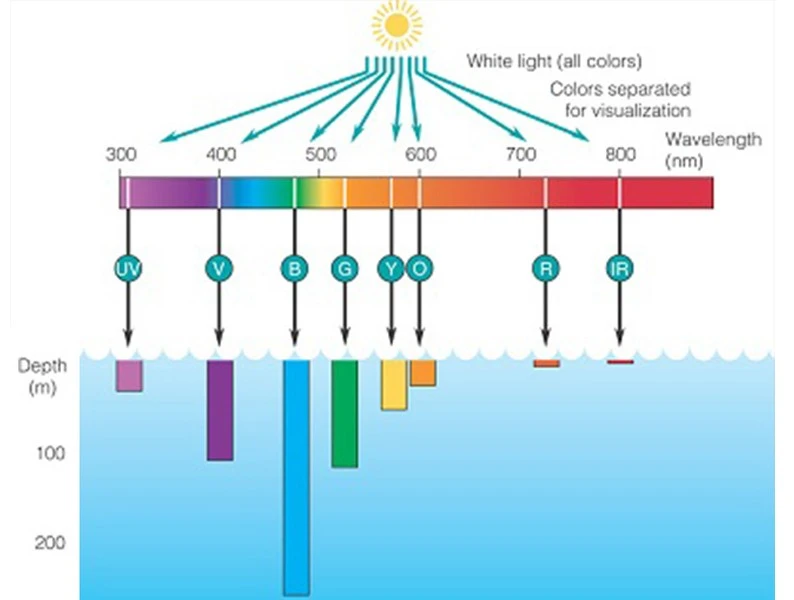
Balıkçılık açık renklerinin performansı, ışığın suda nasıl hareket ettiğine büyük ölçüde bağlıdır. Havadan farklı olarak, su altı ışık, emilim ve saçılmadan hızla etkilenir. Farklı dalga boyları farklı hızlarda kaybolur, bu da bazı renklerin diğerlerinden çok daha uzakta görünür kalması anlamına gelir.
Mavi ve yeşil gibi daha kısa dalga boyları genellikle su altında daha uzağa giderken, daha uzun dalga boyları daha hızlı azalır. Bu fark, balık avı rengi seçiminin asla rastgele olmamasının önemli bir nedenidir.
Su berraklığı ve görünürlüğü
Su berraklığı, hangi açık rengin en iyi performans gösterdiğini belirlemede önemli bir rol oynar. Berrak suda, ışık saçılmadan önce daha uzağa gidebilir ve belirli renklerin daha geniş bir alanı aydınlatmasına izin verir. Buna karşılık, bulanık veya plankton açısından zengin su, ışığı daha hızlı emer ve görünürlüğü azaltır.
Yeşil ışık genellikle tercih edilir, çünkü hem penetrasyon hem de kontrast arasında bir denge sağlar, hem açık hem de orta derecede bulanık koşullarda görünür kalır.
Geceleri su derinliği ve ortam ışığı
Derinlik, balıkçılık açık renklerinin nasıl performans gösterdiğini daha da etkiler. Su derinliği arttıkça, bazı renkler diğerlerinden daha hızlı emilir. Sığ tatlı suda iyi çalışan bir renk, daha derin tuzlu su ortamlarında etkinliğini kaybedebilir.
Geceleri, ortam ışığı seviyeleri önemli ölçüde düşer. Orta çıkışlı balıkçılık ışıkları bile çevredeki karanlığa karşı güçlü bir kontrast yaratarak renk seçimini saf parlaklıktan daha kritik hale getirebilir.
Neden evrensel “en iyi” balıkçılık açık rengi yok?
Su berraklığı, derinlik ve ortam ışığı koşulları çok geniş değiştiğinden, hiçbir balık rengi her durumda en iyi performansı göstermez. Etkili renk seçimi her zaman ışığın belirli bir balıkçılık ortamıyla eşleştirilmesine bağlıdır.
Bu nedenle, balıkçılık açık renk seçenekleri, herkese uyan tek bir çözüm olarak değil, tipik olarak senaryo tarafından tartışılır.
| Faktör | Açık renk performansına etkisi |
| su berraklığı | Temiz su daha uzun görünürlüğü destekler; bulanık su menzili azaltır |
| su derinliği | Daha fazla derinlik, renk absorpsiyonunu artırır |
| Dalga boyu | Daha kısa dalga boyları su altında daha uzağa gider |
| Gece Koşulları | Düşük ortam ışığı renk kontrassını güçlendirir |
Tuzlu su balıkçılığı için en iyi balıkçılık açık renkleri
Tuzlu su ortamları, derinlikleri ve değişen su berraklığı nedeniyle benzersiz zorluklar sunar. Tuzlu su balıkçılığı için en iyi balıkçılık rengi, suyun derinliği, suyun netliği ve hedeflediğiniz balık türü gibi çeşitli faktörlere bağlıdır. Bu koşullarda yeşil, mavi ve camgöbeği gibi bazı açık renkler diğerlerine göre avantajlar sunar.
Tuzlu su ortamları, derinlik, su berraklığı ve değişken koşullar nedeniyle benzersiz zorluklar sunar. En etkili balıkçılık açık rengini seçmek sadece hedef türe değil, aynı zamanda su özelliklerine ve balıkçılık derinliğine de bağlıdır. Bu ortamlarda yeşil, mavi, camgöbeği, kırmızı ve hatta beyaz ışık, balık ve yemi çekmede avantajlar sunabilir.
Açık renk genel bakış
Yeşil ışık: en yaygın kullanılan seçim
Yeşil balıkçılık ışıkları, penetrasyon ve görünürlüğü dengeledikleri için tuzlu su balıkçılığında yaygın olarak kullanılmaktadır. Yeşil ışık, suya etkili bir şekilde nüfuz eder, orta derinliklerde görünür kalır ve güçlü bir şekilde planktonu çeker, bu da yem balıklarını ve daha büyük avcıları çeker.
Mavi ışık: berrak ve derin sularda etkilidir
Mavi ışık, diğer renklerden daha derine nüfuz ederek açık deniz veya derin su balıkçılığı için idealdir. Temiz suda en etkilidir, ancak bulanık koşullarda daha az etkilidir.
Camgöbeği ışık: dengeli penetrasyon ve kontrast
Camgöbeği (mavi-yeşil) ışık, mavinin penetrasyonunu yeşilin görünürlüğü ile birleştirir, daha derin veya plankton açısından zengin sularda iyi performans gösterir. Balıkların ışığı görmesi ve tepki vermesi için iyi bir kontrast yaratır.
Kırmızı ışık: Gizli çekim
Kırmızı ışık, çoğu balık için daha az görünürdür, bu da onu balıkların ışığa duyarlı olduğu basınçlı alanlarda veya sığ sularda faydalı kılar. Ancak, plankton çekmede daha az etkilidir.
Beyaz ışık: geniş aydınlatma
Beyaz ışık geniş, tek tip aydınlatma sağlar ve navigasyon veya genel görünürlük için yararlı olabilir. Plankton ve yırtıcı balıkları çekmek için genellikle yeşil, mavi veya camgöbeği daha az etkilidir.
Aşağıda, bir tekne ve yüzen plankton ile tuzlu su ortamında farklı açık renklerin (beyaz, yeşil, mavi, kırmızı) nasıl davrandığını gösteren örnek bir resim bulunmaktadır. Bu görsel, yem balıkları ve hedef türler için penetrasyon, renk görünürlüğü ve çekim bölgelerini gösterir.
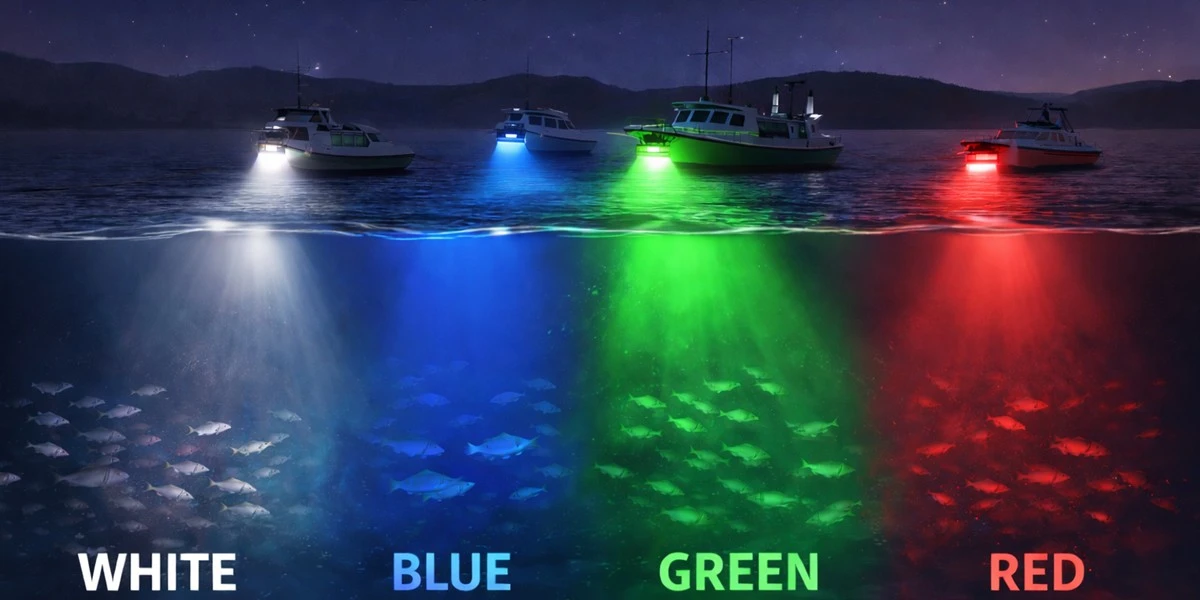
Hızlı karşılaştırma: tuzlu su balıkçılığı açık renkleri
| açık renk | En iyi tuzlu su kullanım durumu | En önemli avantaj | sınırlama |
| Yeşil | Kıyıya yakın ve açık deniz | Dengeli penetrasyon ve cazibe | - |
| Mavi | Açık deniz, derin açık deniz suyu | Uzun menzilli görünürlük | Bulanık suda daha düşük kontrast |
| camgöbeği | Derin, plankton bakımından zengin sular | Yüksek penetrasyon, iyi kontrast | Bulanık sularda daha az etkili olabilir |
| Kırmızı | Sığ sular ve basınçlı balık | Balıklara daha az görünür, rahatsızlık yok | Plankton için daha az etkili |
| Beyaz | kıyıya yakın, genel aydınlatma | Geniş aydınlatma, iyi görünürlük | Plankton ve yırtıcı balıkları çekmek için daha az etkilidir |
Tatlı su balıkçılığı için en iyi balıkçılık açık renkleri
Tipik tatlı su koşullarında en iyi sonucu veren şey
Göller, rezervuarlar ve yavaş hareket eden nehirler gibi çoğu tatlı su ortamında amaç aşırı penetrasyon değil, istikrarlı balık toplamadır.
Açık deniz balıkçılığı ile karşılaştırıldığında, tatlı su balıkları, çok yoğun veya keskin odaklanmış kirişlerden ziyade ılımlı, eşit olarak dağıtılmış ışığa daha iyi tepki verir.
Uygulamada, yeşil ve camgöbeği ışık, balıkları aşırı uyarmadan görünür bir çekim bölgesi oluşturdukları için tatlı su balıkçılığında yaygın olarak kullanılmaktadır.
Mavi ışık daha net göllerde etkili olabilirken, kırmızı ışık sudaki hızlı zayıflaması nedeniyle genellikle çok sığ veya kısa menzilli uygulamalarla sınırlıdır.
Renk seçimini kolaylaştırmak için aşağıdaki tablo, tipik tatlı su ortamlarında farklı ışık renklerinin nasıl performans gösterdiğini özetlemektedir.
Tatlı su balıkçılığı açık renk karşılaştırması
| açık renk | Tipik tatlı su performansı | En iyi kullanım senaryoları | nota lar |
| Yeşil | Güçlü ve istikrarlı balık toplama | Göller, rezervuarlar, yavaş nehirler | Gece balıkçılığı için yaygın olarak kullanılan dengeli cazibe |
| camgöbeği | Daha yumuşak görsel efektli yeşile benzer | Temiz su, eğlence amaçlı balıkçılık | Yeşilden daha az agresif, uzun seanslar için iyi |
| Mavi | Temiz suda orta derecede çekicilik | Açık göller, sığ tatlı su | Bulanık suda daha az etkili |
| Beyaz | Yüksek görünürlük, geniş aydınlatma | Genel aydınlatma, kısa menzilli kullanım | böcekleri çekebilir; daha az seçici |
| Kırmızı | Sınırlı su altı penetrasyonu | Çok sığ su, yüzey aydınlatması | Temel olarak görünürlük için, birincil balık cazibesi değil |
Göllerde ve nehirlerde balıkçılık ışıkları kullanmak için pratik ipuçları
Tatlı su balıkçılığı için, ışık yerleştirme ve çıkış kontrolü genellikle tek başına renkten daha önemlidir.
Işığı suyun üzerine monte etmek ve aşağı doğru yönlendirmek, ışının doğal olarak yayılmasını sağlayarak yem balıklarının ve avcıların yavaş yavaş toplanmasına yardımcı olur.
Tutarlı çıkışa sahip daha az ışık kullanmak, genellikle birden fazla yüksek güçlü lamba takmaktan daha iyi sonuçlar verir.
Küçük ve orta büyüklükteki tatlı su teknelerinde, gece operasyonları için bir ila iki uygun şekilde konumlandırılmış olta lambası yeterlidir.
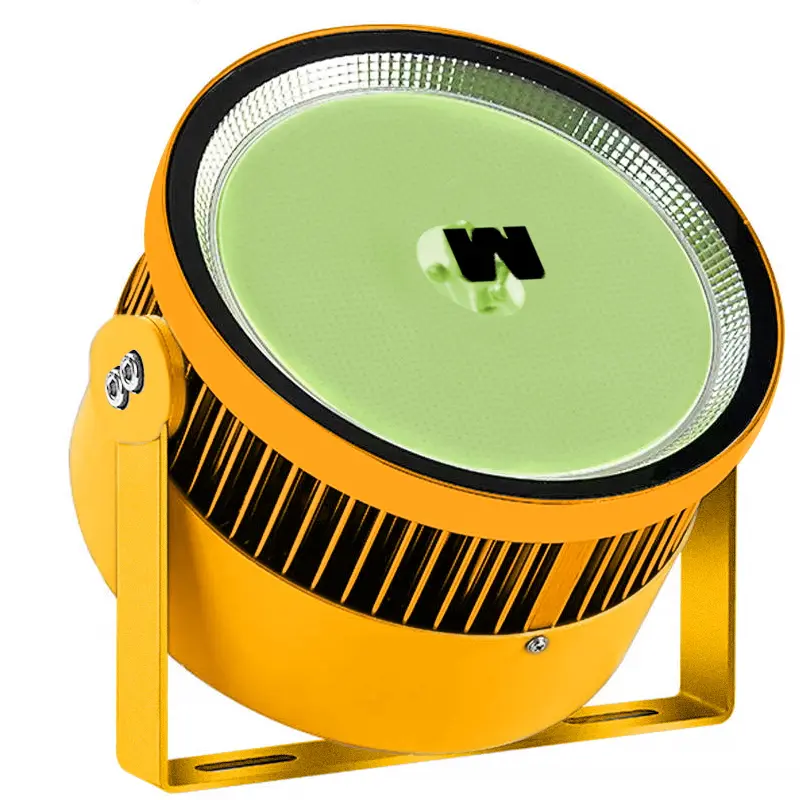
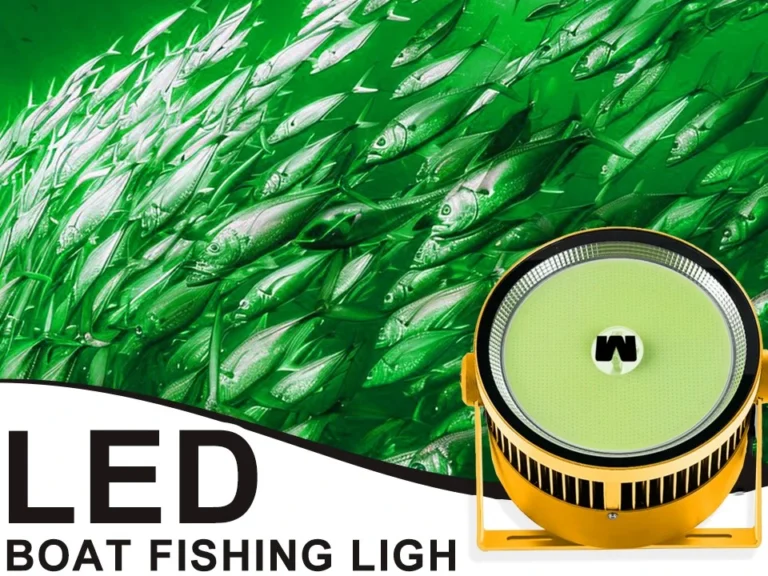
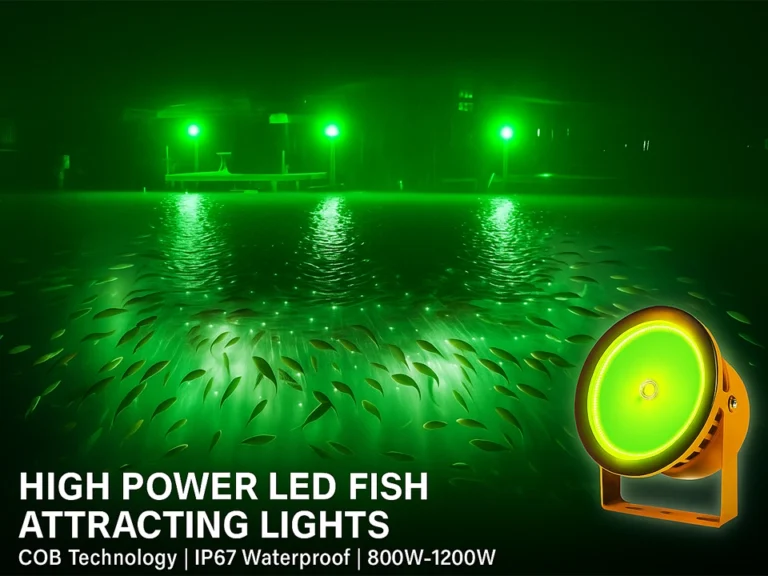
YÜKSEK GÜÇLÜ KOÇAN BALIĞI AYDINLATMASI
Model No.: Yuvarlak Tip
Giriş Gerilimi: AC100-320V
Dalgalanma: 10000V
Watt/adet: 800W/1000W/1200W
LED Tipi: COB
Boyut (mm): Φ230 × 140
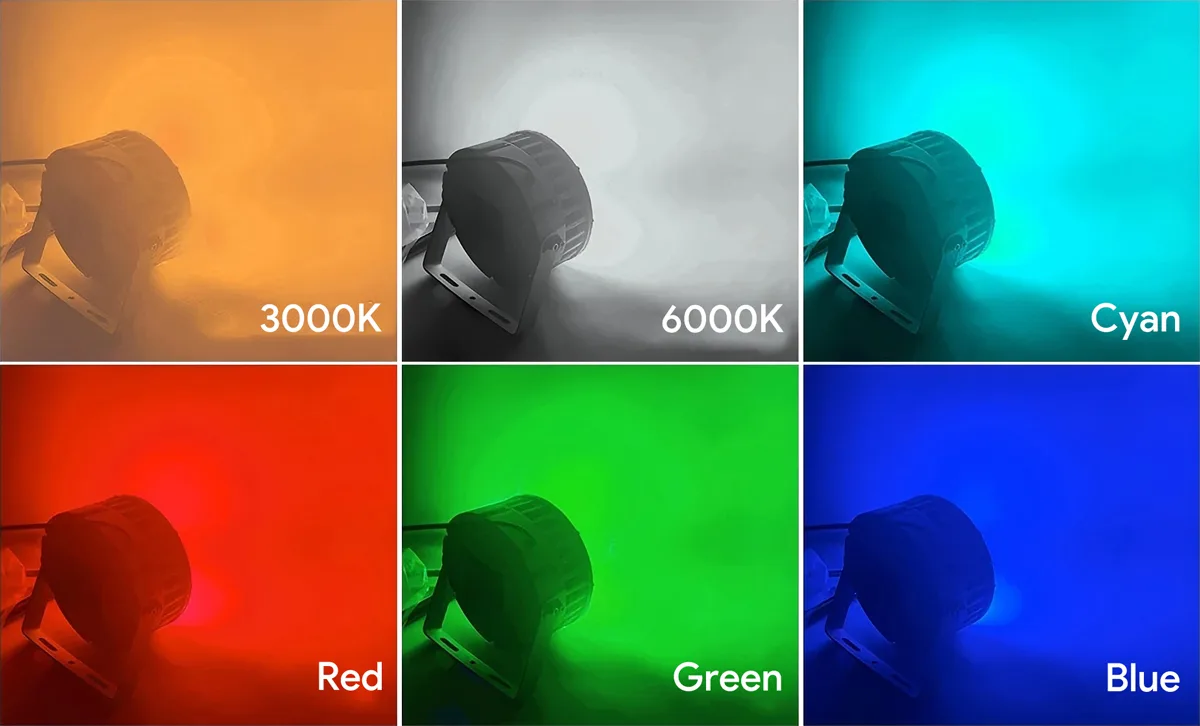
Renk: 3000K / 4000K / 5000K / 6000K/ Kırmızı / Yeşil / Mavi / Mor
CRI: >80@3000K / 4000K / 5000K / 6000K/
Lümen: >120lm/w@3000K / 4000K / 5000K / 6000K/
IP Sınıfı: IP67
Etkili bir balıkçılık ışığı kurulumu nasıl yapılır
Önceki bölümlerde, açık renklerin farklı su ortamlarında nasıl davrandığını, çeşitli dalga boylarına balık tepkilerini ve tuzlu su ve tatlı sudaki farklı renklerin pratik performansını analiz ettik. Bu ilkeleri göz önünde bulundurarak, bir sonraki önemli adım, onları gerçek dünya balıkçılık ışığı sistemine dönüştürmektir.
Balıkçılık açık rengi seçmek sistemin sadece bir parçasıdır. Çeşitli su koşullarında istikrarlı ve verimli balık çekiciliği elde etmek için su berraklığı, derinlik, hedef tür ve balıkçılık yöntemi gibi faktörler birlikte düşünülmelidir. Yalnızca “hangi rengin en iyi olduğuna” odaklanmak genellikle tutarsız sonuçlara yol açar.
Bu süreci takip etmeyi kolaylaştırmak için, balıkçılık ortamınızı anlamadan en uygun rengi, ışık sayısını ve düzeni belirlemeye kadar size adım adım rehberlik eden basit bir karar çerçevesine ayırabiliriz.
Balıkçılık aydınlatma karar akışı
- Çevreyi tanımlayın (tatlı su / tuzlu su / bulanıklık)
- Birincil hedefi tanımlayın (baitfish / hedef avcıları çekmek)
- Derinlik ve penetrasyon ihtiyaçlarına göre renkleri seçin (yeşil / mavi / camgöbeği)
- Tekne boyutuna göre ışık sayısını ve düzeni belirleyin
Tekne tipine göre önerilen balıkçılık lambası sayısı
| Tekne Tipi / Balıkçılık Senaryosu | Tipik tekne uzunluğu | Önerilen ışık miktarı | Önerilen toplam güç aralığı | nota lar |
| Küçük eğlence tekneleri | < 6 m | 1-2 birim | 200–400 W | Sakin tatlı su veya kıyıya yakın balıkçılık için uygundur; yüzeye monte edilmiş ışıklar tercih edilir |
| Küçük ticari balıkçı tekneleri | 6-10 m | 2-4 birim | 400-800 W | Teknenin etrafındaki eşit dağılım, çekim istikrarını artırır |
| Orta açık deniz balıkçı gemileri | 10-20 m | 4-8 birim | 800–1500 W | Daha geniş ışık dağılımı, tek yüksek güçlü ışıklardan daha önemlidir |
| Büyük ticari balıkçı gemileri | > 20 m | 8+ birim | 1500 W ve üzeri | Tutarlı çekim bölgeleri için ışıklar eşit aralıklarla yerleştirilmelidir |
| Dock / Sabit Balıkçılık Platformları | Sabit kurulum | 2-6 birim | 300–1000 W | Sayı yerine su derinliğine ve kiriş açısına odaklanın; yüzey montajı tercih edilir |
Optimum yüzeye monte balık ışığı kurulumu
- Gelişmiş operasyonel güvenlik
Su üstü montajı, suya batırılmış aydınlatma kurulumlarına kıyasla su girişi, elektrik tehlikeleri ve akım veya kalıntılardan kaynaklanan hasar riskini azaltır. - Geniş ışık kapsama alanı
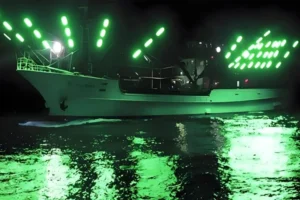
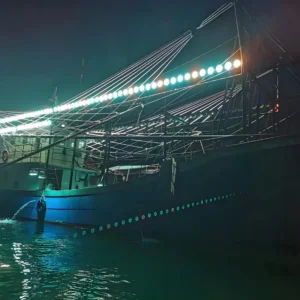
Düzgün konumlandırılmış yüzey ışıkları, plankton, yem balığı ve avcıları etkili bir şekilde hedefleyen geniş cazibe bölgeleri yaratarak suya yansıtır ve kırılır. - Kolay bakım ve kontrol
Su yüzeyine montaj, ışıkları sudan çıkarmaya gerek kalmadan temizlik, ayarlama ve rutin bakım için kolay erişim sağlar. - Esnek kurulum seçenekleri
Yüzey ışıkları, tekne veya platform çevresinde raylara, direklere veya braketlere monte edilebilir, bu da ışın açıları, örtüşme ve ışık dağılımı üzerinde hassas kontrol sağlar.
Eşleşen çıktı ve düzen
Deneyimli operatörler sadece renk yerine sistem sinerjisine odaklanır
- Toplam güç ve ışık dağılımını senaryoyla eşleştirin:
Açık deniz / büyük gemiler / yüksek akım → daha yüksek toplam çıkış + daha geniş kapsama alanı sakin tatlı su / kıyıya yakın → orta güç + odaklanmış aydınlatma - Işık dağılımı ve örtüşme, tek yüksek güçlü ışıklardan daha önemlidir
- Deneyimli operatörler sadece renk yerine sistem sinerjisine odaklanır
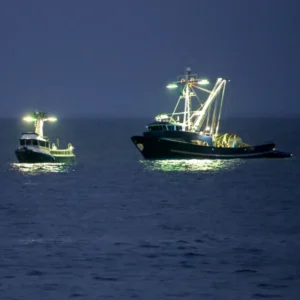
Çözüm
Balıkçılık rengi balıkların çekilmesinde önemli bir rol oynarken, bir balıkçılık ışığı sisteminin gerçek etkinliği renk, ışık çıkışı, kapsama alanı ve kurulumun birlikte ne kadar iyi çalıştığına bağlıdır. Farklı balıkçılık ortamları (tatlı su, tuzlu su, kıyıya yakın veya açık deniz) herkese uyan tek bir çözümden ziyade farklı aydınlatma stratejileri gerektirir.
Yeşil balıkçılık ışıkları, penetrasyon derinliği, görünürlük ve enerji verimliliğinin dengeli bir kombinasyonunu sundukları için yaygın olarak kullanılmaktadır. Bununla birlikte, doğru sayıda ışık, uygun ışın açıları ve uygun montaj yüksekliği seçmek, kararlı ve tekrarlanabilir balık avı sonuçlarını hedeflerken genellikle tek başına renkten daha kritiktir.
Yeni bir balıkçılık ışığı kurulumu planlıyorsanız veya mevcut bir sistemi yükseltiyorsanız, Gerçek balıkçılık durumunda aydınlatmanın nasıl çalıştığını anlamaks Deneme-yanılma azaltmanıza ve başlangıçtan itibaren verimliliği artırmanıza yardımcı olabilir. Işık türleri, kurulum yöntemleri ve uygulamaya özel öneriler hakkında daha ayrıntılı rehberlik için, balıkçılık ışığı anlama, tekneye monte aydınlatma çözümleri ve Farklı balıkçılık senaryolarında pratik uygulamalar.
İlgili Yazılar