Türkçe
  English
  简体中文
简体中文  Deutsch
  Español
  Français
  Italiano
  日本語
日本語  한국어
한국어  Polski
  Português
  Русский
  Nederlands
  Tiếng Việt
  ไทย
ไทย 
Ticari bir aydınlatma projesi için doğru LED ışık levhasını seçmek, genel performans iddialarına dayanmak yerine ölçülebilir teknik kriterlerin değerlendirilmesini gerektirir. Tedarik ekipleri, metrekare başına lümen çıkışını, CRI seviyelerini (perakende için tipik olarak ≥80 veya ≥90), tutarlı renk sıcaklığı (Kelvin kararlılığı), voltaj uyumluluğunu (genel olarak 24V sistemler), maksimumdan minimuma kadar parlaklık tekdüzeliğini ve termal yönetim yapısını değerlendirmelidir. Yanlış LED aralığı, yetersiz ısı dağılımı veya uyumsuz sürücü kapasitesi, görünür sıcak noktalara, voltaj düşüşüne, erken lümen amortismanına ve kurulumdan sonra pahalı yeniden işlemeye neden olabilir.
Ticari uygulamalar ayrıca, sınırlı derinliğe sahip akrilik, kumaş veya mimari malzemelerin arkasında öngörülebilir entegrasyon gerektirir. Aydınlatma gücü, difüzör mesafesi veya güç yüklemesi düzgün bir şekilde hesaplanmazsa, sistem geniş yüzeylerde düzgün parlaklık elde edemeyebilir.
Bu makalede, profesyonel B2B projeleri için gerekli olan temel teknik özellikleri, performans kriterlerini, uygulamaya dayalı seçim kriterlerini ve tedarikçi değerlendirme standartlarını detaylandırarak ticari aydınlatma projeleri için LED ışık levhalarının nasıl seçileceğini açıklar.
Dikkate alınması gereken temel teknik faktörler
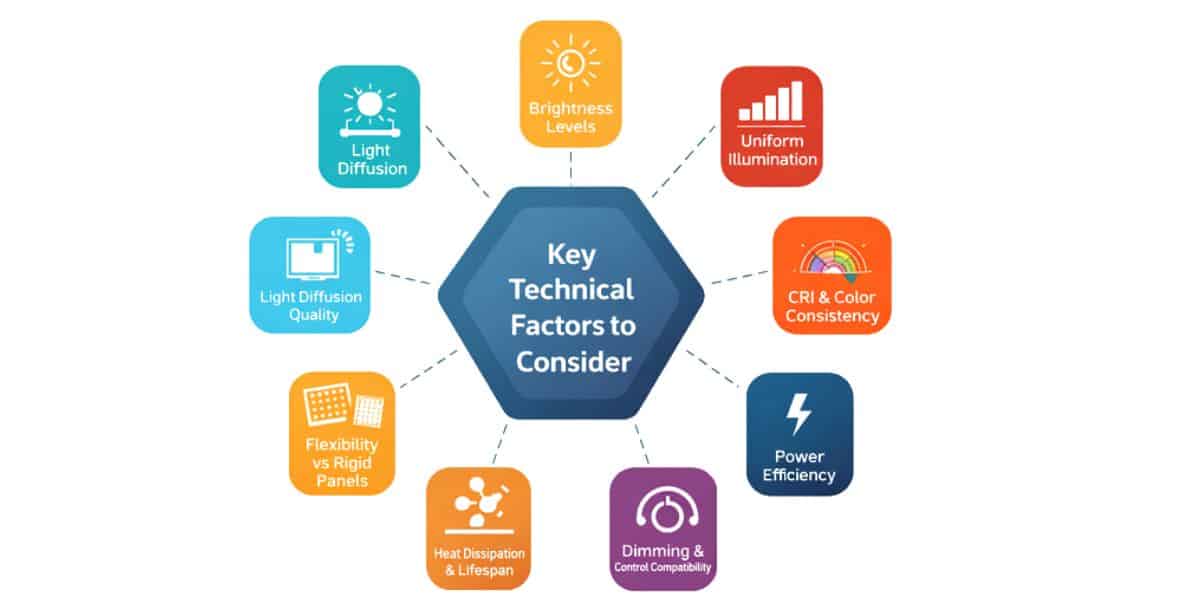
Bir LED ışık sayfası seçmek, yalnızca genel parlaklık veya esneklik iddialarını değil, ölçülebilir performans kriterlerinin yapılandırılmış bir incelemesini gerektirir. Ticari projelerde, metrekare başına lümen çıkışı, CRI derecesi, voltaj konfigürasyonu, termal limitler ve modüler bağlantı kapasitesi gibi özellikler, sistemin yıllarca süren çalışma boyunca güvenilir bir şekilde performans gösterip göstermeyeceğini doğrudan belirler.
parlaklık seviyeleri
Ticari uygulamalar genellikle konut ayarlarından önemli ölçüde daha yüksek çıktı gerektirir. Yüksek parlaklıkta bir LED ışık tabakası, uygulama derinliğine ve difüzör tipine bağlı olarak tipik olarak metrekare başına 3.000-8.000 lümen arasında teslim edilmelidir.
Sığ ışık kutuları için (50 mm derinlik altında), görünür LED noktaları olmadan yüzey parlaklığını korumak için daha yüksek çıkış gerekir. Gün ışığına maruz kalan vitrin ekranları, ortam ışığı seviyeleri ile rekabet edebilmek için daha yüksek parlaklık gerektirebilirken, iç mimari özellikler, parlamayı veya aşırı aydınlatmayı önlemek için kontrollü parlaklık gerektirebilir.
Çıktı özellikleri her zaman, malzeme kalınlığına bağlı olarak görünür parlaklığı 20–40% azaltabilen difüzör ışık kaybını hesaba kattıktan sonra değerlendirilmelidir.
Üniforma aydınlatma performansı
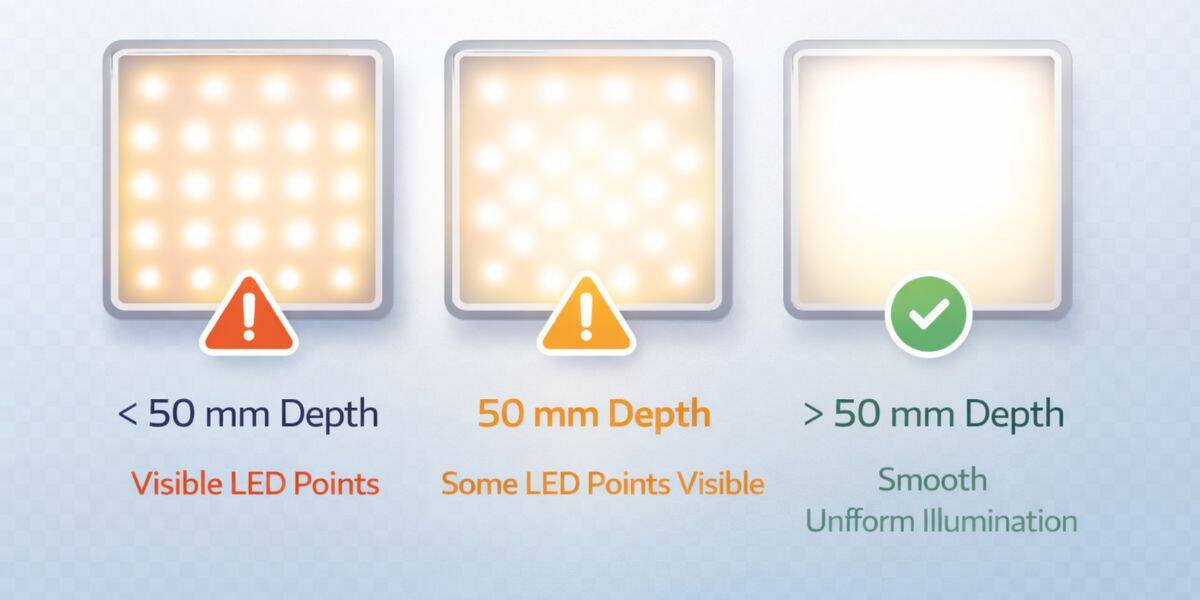
Tekdüzelik, LED aralık yoğunluğuna, optik yerleşime ve montaj boşluğunun yansıtıcı özelliklerine bağlıdır. Tek tip bir aydınlatma LED ışık sayfası, profesyonel ekran ortamları için 1,2:1 ila 1,5:1'e yakın maksimum-minimum parlaklık oranına ulaşmalıdır.
Tekdüzeliği değerlendirirken şunları değerlendirin:
• Panel genelinde maksimum-minimum parlaklık oranı
• Gerekli görüş mesafesi ve gözlem açısı
• Belirli difüzör malzemeleri ve kalınlığı ile uyumluluk
• Sacdan difüzöre önerilen minimum kurulum derinliği
Kötü aralık tasarımı, özellikle 40 mm'nin altındaki sığ derinliklerde görünür sıcak noktalara neden olabilir.
Işık yayılım kalitesi
Yeterli parlaklıkta bile, eşit olmayan optik yayılma gölgelenmeye veya LED nokta görünürlüğüne neden olabilir. Ticari sınıf sistemler, tanımlanmış kurulum derinliklerinde (örneğin, konfigürasyona bağlı olarak 30-80 mm boşluk derinliği) etkin bir şekilde performans gösterecek şekilde tasarlanmıştır.
Spesifikasyon sayfaları, tek tip performans sağlamak için önerilen difüzör mesafesini belirtmelidir.
CRI ve renk tutarlılığı
Renk oluşturma indeksi (CRI), ürünlerin, kumaşların ve markalama grafiklerinin aydınlatma altında nasıl göründüğünü doğrudan etkiler. Perakende ortamları tipik olarak CRI ≥80 gerektirirken, birinci sınıf perakende, kozmetik veya sanat enstalasyonları genellikle CRI ≥90'ı belirtir.
Renk kutusu tutarlılığı eşit derecede kritiktir. Birden çok kurulumda kullanılan LED levhalar, partiler arasında görünür renk değişimini önlemek için sıkı bir kutu kontrolünü (örneğin, 3 adımlı Macadam Elipse içinde) sağlamalıdır.
güç verimliliği
Enerji verimliliği, watt başına lümen (LM/W) ve sistem düzeyinde sürücü verimliliği kullanılarak değerlendirilmelidir. Ticari projeler, parlaklık sınıfına ve konfigürasyona bağlı olarak tipik olarak 100–150 lm/w'yi hedefler.
Daha büyük kurulumlarda eşit olmayan parlaklığı önlemek için sürücü verimliliği, uzun çalışmalarda voltaj düşüşü ve güç kaynağı uyumluluğu da gözden geçirilmelidir.
Esneklik ve Sert Paneller
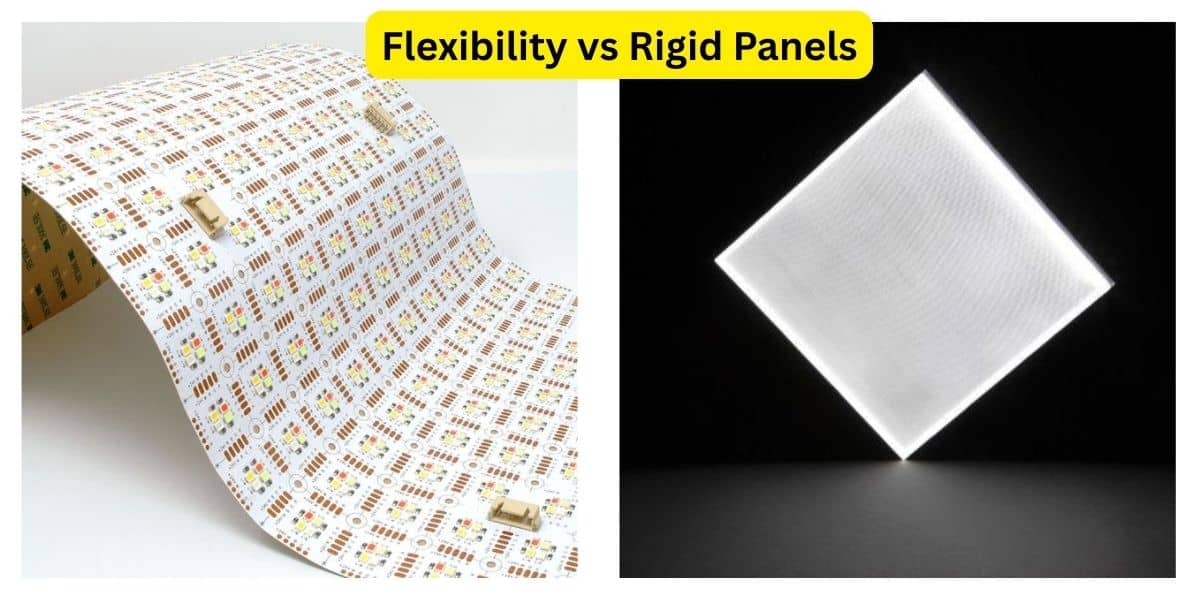
Esnek bir LED ışık tabakası, kavisli yüzeyler, silindirik kolonlar ve düzensiz mimari formlar için uygundur. Ancak rijit paneller, 1 metreyi aşan büyük düz tesisatlar için daha iyi mekanik stabilite sunabilir.
Seçim şunları dikkate almalıdır:
• Montaj yüzey stabilitesi
• Yapısal destek kullanılabilirliği
• Gerekli eğrilik yarıçapı
• Uzun süreli mekanik dayanıklılık
Esneklik, termal performanstan veya elektriksel güvenilirlikten ödün vermemelidir.
Karartma ve kontrol uyumluluğu
Ticari projeler sıklıkla 0-10V, PWM, DALI veya diğer kontrol sistemleri ile entegrasyon gerektirir. LED ışık sayfası, sistem voltajına (genellikle 24V) uygun sabit voltaj sürücüleri ile uyumlu olmalıdır.
Özellikle 20% parlaklığın altında, titremeden pürüzsüz karartma, konukseverlik ve mimari ortamlarda kritik öneme sahiptir.
Isı dağılımı ve ömrü
Termal yönetim, lümen bakımını ve ömrünü doğrudan etkiler. Ticari sistemler, çalışma sıcaklığı aralığını ve öngörülen lümen bakımını (örneğin, 50.000 saatte L70) belirtmelidir.
Isı yayılan alt tabakalar, alüminyum arka katmanlar ve uygun hava akışı aralığı, erken bozulmayı azaltır.
Panel boyutu ve modüler ölçeklenebilirlik
Bir LED ışık levhası panel sistemi, bölümler arasında görünür parlaklık varyasyonu olmadan modüler bağlantıyı desteklemelidir. Dikişsiz elektrik konektörleri ve tutarlı akım dağıtımı, büyük duvarlar veya perakende satış zeminleri için gereklidir.
Zayıf modüler tasarım, voltaj düşüşüne neden olarak, genişletilmiş kurulumlarda eşit olmayan parlaklığa yol açabilir.
Ticari projelerde neden LED ışık levhaları kullanılıyor?
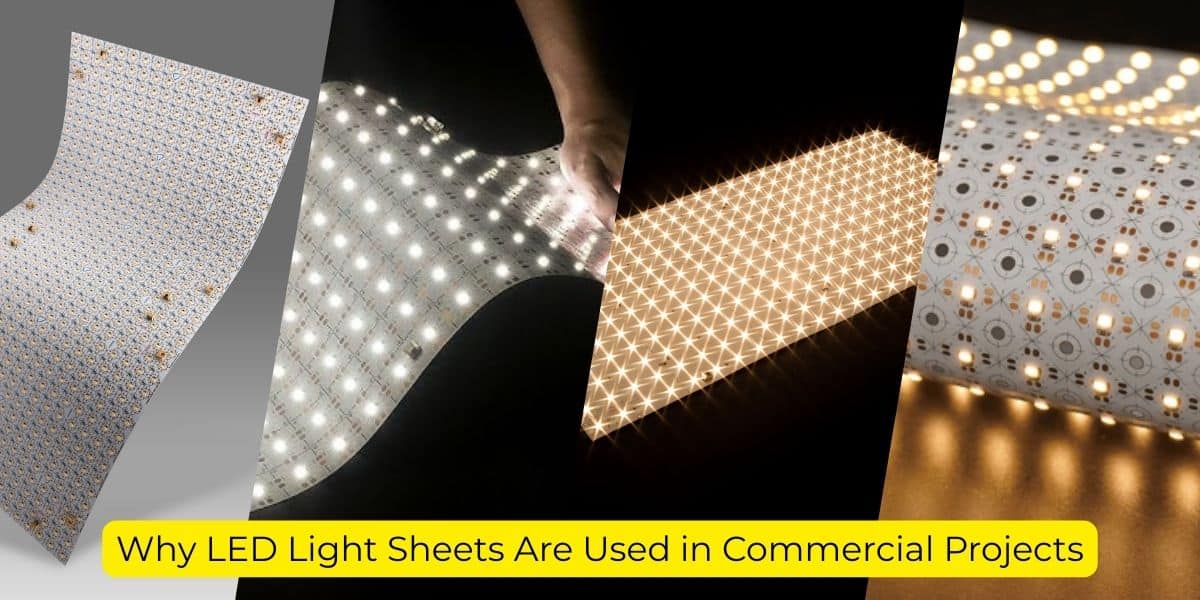
Ticari aydınlatma projelerinde LED ışık levhaları sadece estetik için değil, kontrollü arka aydınlatma ortamlarında ölçülebilir performans avantajları için seçilmiştir. Kullanımları üç operasyonel gereksinim tarafından yönlendirilir: tek tip parlaklık dağılımı, azaltılmış kurulum derinliği ve uzun vadeli termal kararlılık.
Üniforma aydınlatma performansı
Tekdüzelik, perakende, tabela ve mimari arka aydınlatmada teknik bir gerekliliktir. Tutarsız ışık dağılımı, akrilik veya kumaş difüzörlerinin arkasında görünür sıcak noktalar, gölge bantları ve renk bozulması ile sonuçlanır. Düzgün tasarlanmış bir düzgün aydınlatmalı LED ışık levhası, tipik olarak, görüntüleme mesafesine ve difüzör kalınlığına bağlı olarak 1,3:1 ila 1,5:1 arasında bir maksimum-min parlaklık oranını hedefleyen yüzey boyunca sıkı parlaklık değişimini korur.
Ticari tabela ve ekran sistemlerinde bu, markanın renk doğruluğunu ve görsel tutarlılığını doğrudan etkiler. Özellikle geniş formatlı kurulumlarda yarı saydam grafikleri arkadan aydınlatmaya başladığında küçük parlaklık dengesizliği bile görünür hale gelir.
İnce yapı ve entegrasyon derinliği
Ticari tesisler genellikle katı derinlik kısıtlamaları altında çalışır. Geleneksel floresan ışık kutuları veya çerçeveli LED paneller 50–100 mm kurulum derinliği gerektirebilir. Buna karşılık, bir LED ışık levha paneli, parlaklık seviyesine ve difüzör tipine bağlı olarak genellikle 30 mm'nin altında, önemli ölçüde daha sığ boşluklarda etkili bir şekilde çalışabilir.
Bu azaltılmış derinlik şunları sağlar:
• Daha ince vitrinler
• Daha hafif alüminyum çerçeveleme sistemleri
• Azaltılmış malzeme tüketimi
• Daha fazla mimari esneklik
Derinlik verimliliği, perakende raflarda, vitrinlerde ve duvara entegre markalama sistemlerinde özellikle kritik hale gelir.
Termal yönetim ve operasyonel güvenilirlik
Isı birikimi, LED lümen amortismanı ve erken başarısızlığın başlıca nedenlerinden biridir. ticari LED ışık levha Paneller, lokalize termal konsantrasyonu azaltmak için dağıtılmış LED aralığı ve iletken substrat katmanları ile tasarlanmıştır.
Uygun termal dağıtım destekleri:
• Uzatılmış çalışma saatleri boyunca kararlı lümen bakımı
• Zamanla azaltılmış renk değişimi
• Daha düşük sürücü stresi
• Genişletilmiş servis aralıkları
Sistemlerin günde 10-14 saat çalışabileceği yüksek hizmet tipi ticari ortamlarda, termal kararlılık, yaşam döngüsü maliyetini ve bakım planlamasını doğrudan etkiler.
Standart LED panellerden fonksiyonel farklılıklar
Standart LED tavan panelleri tipik olarak sabit boyutlarda üretilir ve ızgara tabanlı tavan kurulumu için optimize edilir. Hassas arkadan aydınlatma uygulamaları için tasarlanmamıştır:
• Özel kesim boyutları gereklidir
• Düzensiz şekiller aydınlatılmalıdır
• Kurulum derinliği sınırlıdır
• Işık tabela yüzeylerine eşit olarak dağıtılmalıdır
Buna karşılık, LED aydınlatma levha panelleri, ticari ortamlarda modüler genişleme, boyuta göre uyarlanabilirlik ve kontrollü arka aydınlatma performansı için tasarlanmıştır.
Ticari kullanım için LED ışık levha türleri
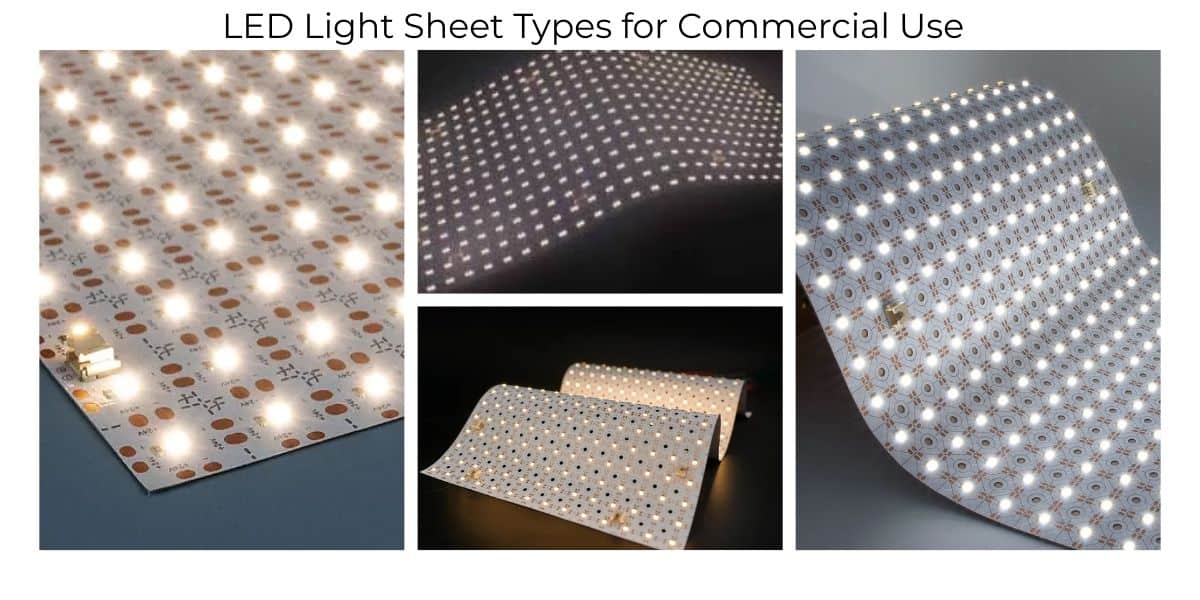
Farklı LED Levha Işık Türleri Ticari ortamlarda farklı performans hedeflerine hizmet eder. Doğru türü seçmek, uygulama gereksinimlerine, kontrol ihtiyaçlarına ve marka hedeflerine bağlıdır.
Tek renkli LED levhalar
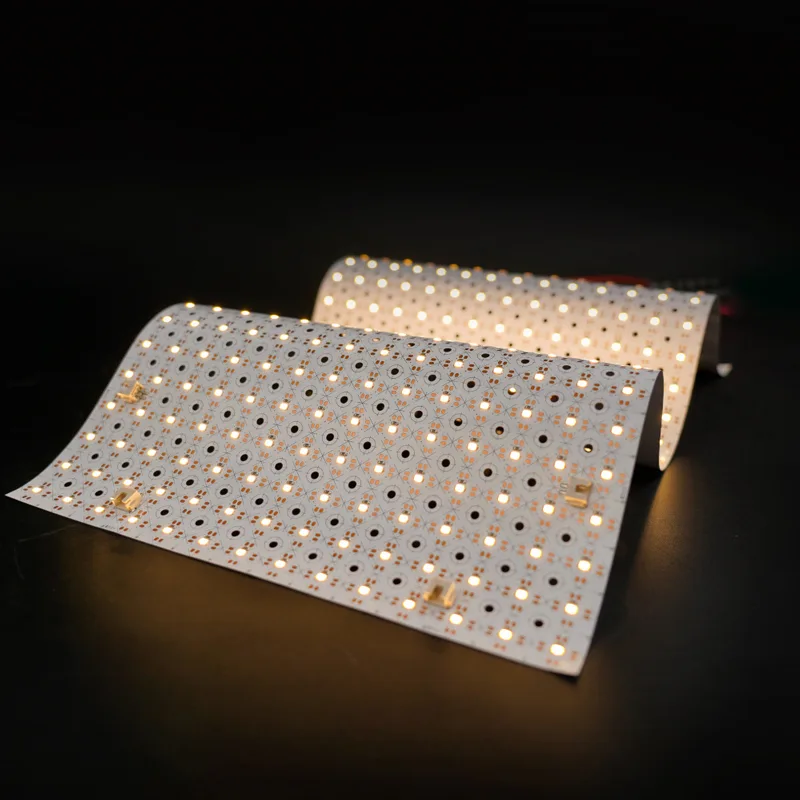
- Ana modeller: PQX4925T242C
- LED IYPE: SMD2835
- LED QIY: 242 adet/plece
- Giriş Voltajı: DC24V
- Güç: 28W/LÜK
- koorlar:2700K/3000K/4000K/6000K
- Lümenler: 2800im/plece
- CRL:80/90
- Boyut (LX W):490 mmx245 mm
- Minimum kesme ünitesi: 22,3 mm x 22,3 mm
- Kısılabilir: Evet
- Işın açısı:120°
- IP Derecesi: IP20/IP54
- Yaşam süresi:50.000 saat
- Garanti: 3Yıl
- Sertifika: CE, RoHS
- Arka kısımda SM çift taraflı yapışkan bant bulunur
Tek renkli LED levhalar tek bir sabit renk sıcaklığı (örneğin, 3000K, 4000K veya 6500K) yayar. Bunlar, tutarlı beyaz aydınlatmanın gerekli olduğu perakende raflarda, vitrinlerde ve ışık kutularında yaygın olarak kullanılır.
Tipik olarak:
• Daha uygun maliyetli
• Kontrol etmek daha kolay
• Büyük ölçekli kullanıma uygun
Tek renkli sistemler, renk tutarlılığı ve bütçe kontrolü öncelikli olduğunda idealdir.
Ayarlanabilir beyaz LED levhalar
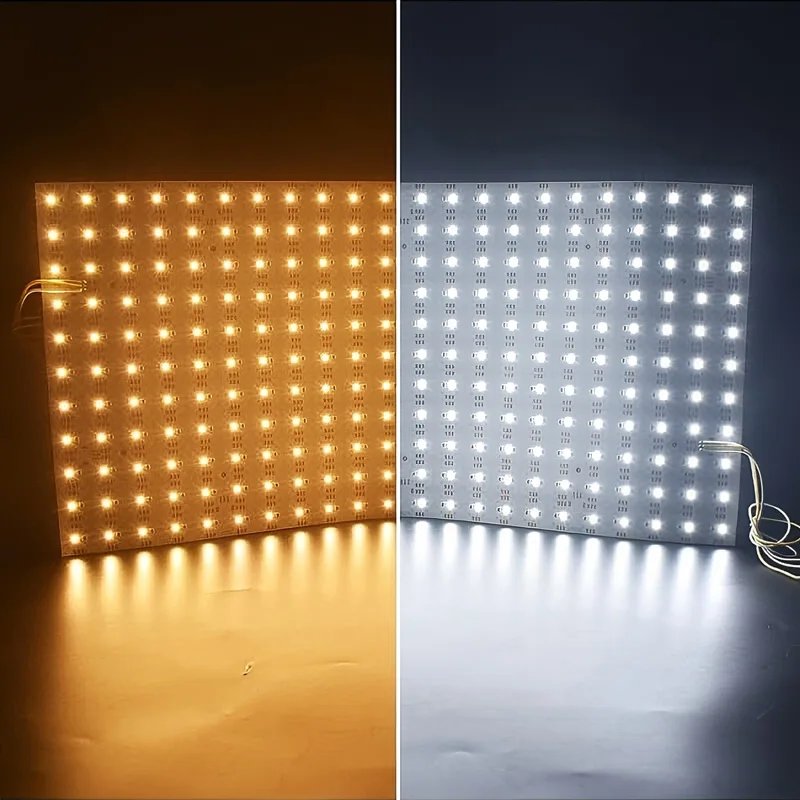
- Boyut( L x W ): 250mmx250 mm/490mmx245mm
- LED tipi: 2835 SMD
- LED Miktar: 200 adet/484 adet
- Çalışma voltajı: DC 24V
- Güç: 16W/40W
- Renk sıcaklığı ayarlanabilir aralık: 2700K-6500K
- Işık akısı: 1600LM/3800LM
- CRI: >90ra
- Minimum kesme uzunluğu: 25mmx25mm/22.3mmx22.3mm
- Kısılabilir: olumlu cevap
- Işın açısı: 120°
- Su geçirmez seviye: IP20 su geçirmez, IP54 su geçirmez
- Garanti: 3 yıl
Ayarlanabilir beyaz LED levhalar, sıcak ve soğuk beyaz tonlar arasında ayarlama sağlar. Bu esneklik, aydınlatma ortamının gün boyunca uyum sağlaması gereken ortamları destekler.
Genellikle şurada kullanılırlar:
• Showroomlar
• Ağırlama alanları
• Premium perakende ortamları
Ayarlanabilir sistemler proje maliyetini artırır, ancak daha fazla çevresel kontrol ve kullanıcı deneyimi özelleştirmesi sağlar.
RGB LED Levhalar
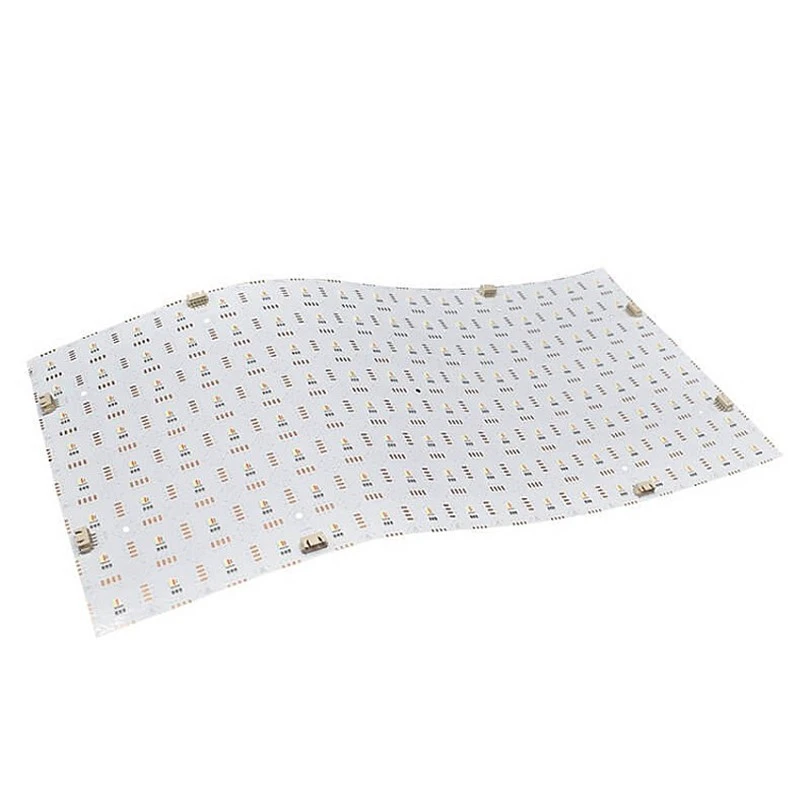
- Boyut( L x W ): 490mmx245 mm
- LED tipi: 5050 SMD
- LED Miktar: 128 adet
- Çalışma voltajı: DC24V
- Güç: 45W
- Renk: RGB
- Kısılabilir: olumlu cevap
- Kesim uzunluğu: 39,6 mm
- Işın açısı: 120°
- WaTerproof seviyesi: IP20 su geçirmez, IP54 su geçirmez
- Yaşam süresi: >35.000 saat
- Garanti: 3 yıl
RGB LED levhalar, marka ve dekoratif uygulamalar için dinamik renk değişimi sağlar. Genellikle renk değişiminin gerekli olduğu deneyimsel perakende, tabela ve mimari özellikler için seçilirler.
Ancak, RGB sistemleri:
• Gelişmiş sürücüler gerektir
• Uygun kontrol entegrasyonuna ihtiyacınız var
• Daha hassas kurulum planlaması talep edin
Standart beyaz arka aydınlatma projeleri için tipik olarak kullanılmazlar.
piksel LED sayfalar
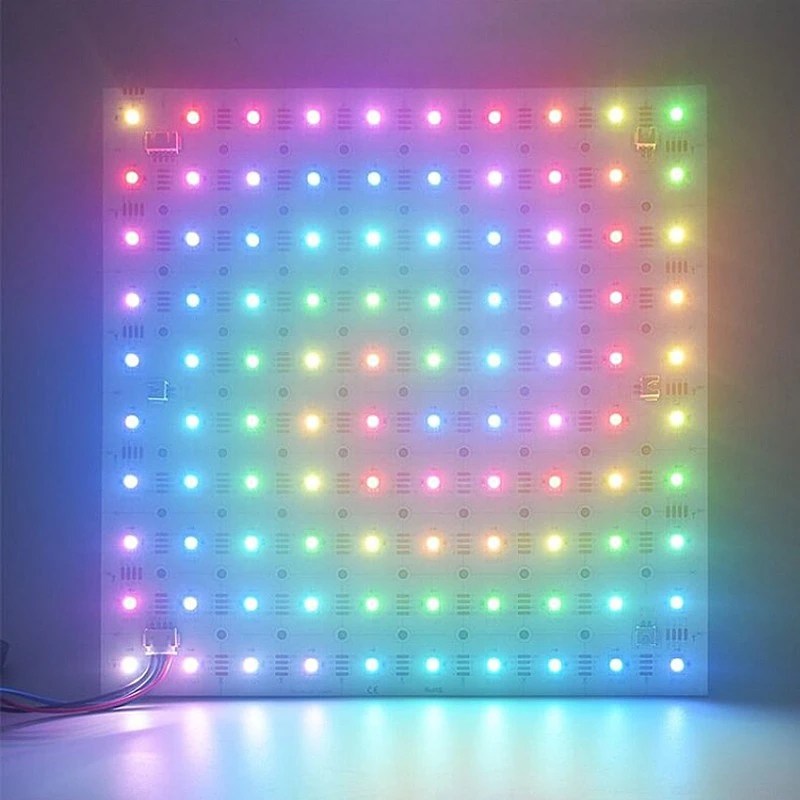
- Boyut( L x W ): 250mmx250mm
- LED Tipi: 5050 SMD
- LED Miktar: 100 adet
- IC türü: Dahili WS2812
- IC Miktarı: 100 adet
- Renk: RGBIC
- Çalışma voltajı: DC 12V
- Güncel: 1.08a
- Güç: 13W
- Işık akısı: 20LM/LED
- Işın açısı: 120°
- Su geçirmez seviye: IP20 su geçirmez, IP54 su geçirmez
- Yaşam Süresi: >35.000 saat
- Garanti: 3 yıl
Piksel LED sayfaları, animasyonlar veya dinamik efektler için ayrı LED kontrolüne izin verir. Bunlar dijital ekran duvarlarında, etkileşimli kurulumlarda ve gelişmiş marka uygulamalarında kullanılır.
Piksel sistemleri şunları gerektirir:
• Özel kontrolörler
• Programlama desteği
• Daha yüksek teknik entegrasyon
Görsel etki, temel aydınlatmadan daha önemli olduğunda seçilirler.
Uygulamaya dayalı seçim kılavuzu
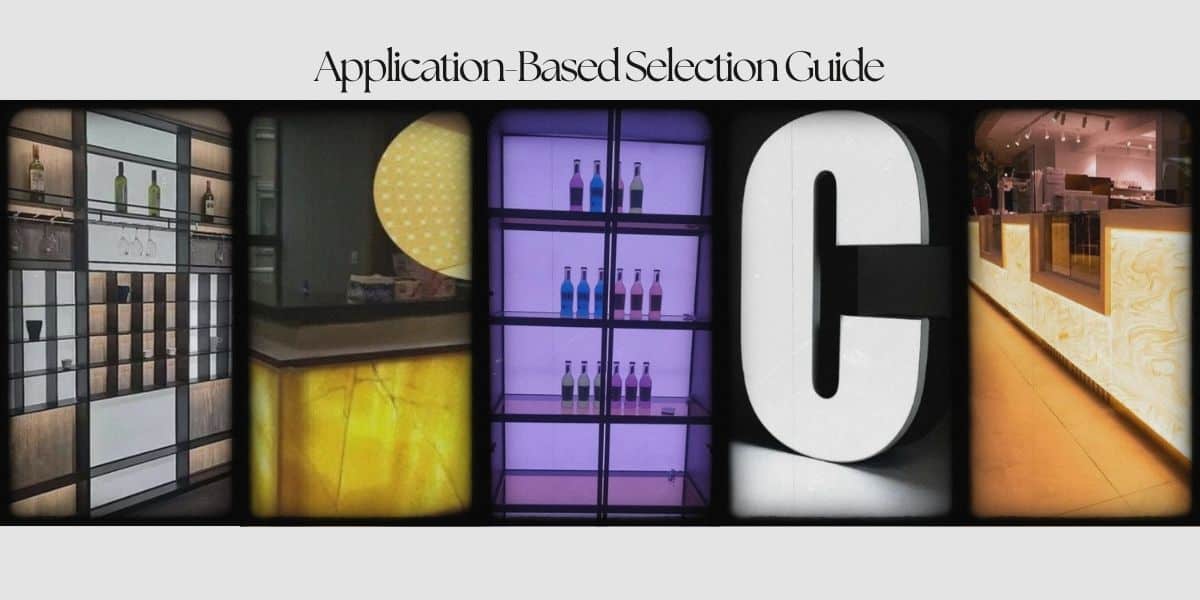
Aydınlatma gereksinimleri uygulamaya göre değişir. Standartlaştırılmış bir spesifikasyon nadiren tüm ortamlara uygundur.
Perakende ekranlar
Perakende ortamları, yüksek parlaklık ve mükemmel renk oluşturmaya öncelik verir. pek iyi Yüksek parlaklıkta LED ışık levhası Ortam aydınlatması altında ürün görünürlüğünü sağlar. Raflarda gölgelenmeyi önlemek için tekdüzelik çok önemlidir.
vitrin
Mağaza pencereleri gün ışığı rekabetiyle karşı karşıya. Daha yüksek çıkış ve parlama kontrolü önemlidir. Doğrudan güneşe maruz kalma nedeniyle termal stabilite de önemlidir.
vitrin
Ekran dolapları orta derecede parlaklık ve mükemmel bir tekdüzelik gerektirir. Sınırlı iç alan ince yapar LED Levha Aydınlatma çözümler avantajlıdır.
Tabela ve markalama
Tabela uygulamaları, grafik yüzeyler arasında tutarlı parlaklık gerektirir. pek iyi Üniforma aydınlatma led ışık levha Marka öğelerini bozan noktaları önler.
Mimari özellik aydınlatma
Mimari uygulamalar, kavisli bir entegrasyon gerektirebilir, Esnek LED ışık levha daha uygun. Estetik süreklilik ve karartma kontrolü birincil kaygılar haline gelir.
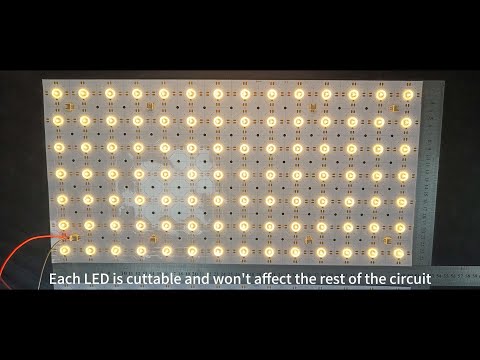
Gerçek tesisatlarda boşluk, kesme bölgeleri ve yerleştirme derinliği hakkında daha net bir anlayış için, aşağıdaki video örneği ticari arka aydınlatma projelerinde yarı saydam panellerin arkasında LED ışık levhalarının nasıl düzenlendiğini göstermektedir.
LED ışık levha kalitesi nasıl değerlendirilir
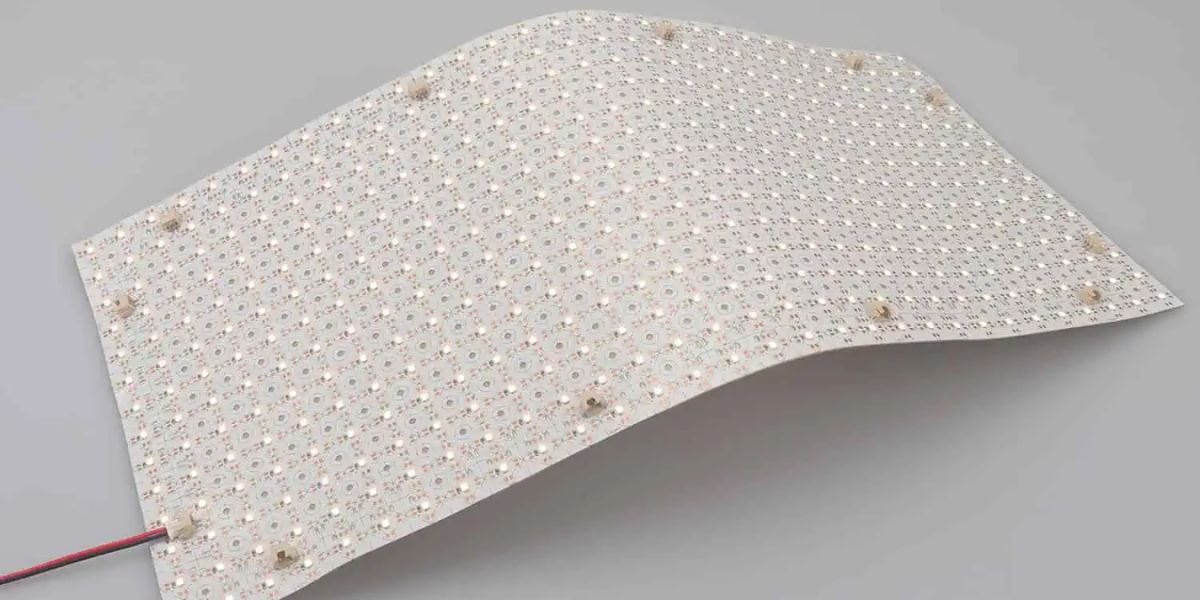
Kalite değerlendirmesi parlaklığın ötesine geçer.
Malzeme kalitesi dayanıklılığı ve ısı iletimini etkiler. Substrat stabilitesi zamanla bükülmeyi önler.
LED çip tutarlılığı renk tekdüzeliğini belirler. Zayıf çöp kutusu yönetimi, birden çok arasında görünür varyasyon yaratabilir LED ışıklı levha paneller.
Difüzör uyumluluğu, algılanan tekdüzeliği etkiler. Test, gerçek dünya kurulum derinlik koşullarını içermelidir.
Uzun vadeli güvenilirlik testi, uzun çalışma saatlerini simüle etmelidir. Termal stres testi ve lümen bakım değerlendirmesi, yaşam süresi hakkında fikir verir.
Üretim tutarlılığı, tekrar siparişlerin çok fazlı ticari projeler için gerekli olan ilk örneklerle eşleşmesini sağlar.
Ticari projeler için tedarikçi değerlendirmesi
Bir tedarikçi seçmek, yapılandırılmış değerlendirmeyi içerir.
Örnek testi, parlaklık, tekdüzelik ve karartma davranışının değerlendirilmesine izin verir. Gerçek kurulum maketleri doğru bilgi sağlar.
Parti tutarlılığı, belgelenmiş kalite kontrol süreçleri aracılığıyla doğrulanmalıdır. Gönderiler arasındaki farklılıklar marka tutarlılığını bozabilir.
Özelleştirme özelliği, standart olmayan boyutlar veya parlaklık ayarı için önemlidir. Bir tedarikçi, adaptasyon için mühendislik desteği göstermelidir. LED Levha Aydınlatma proje ihtiyaçlarına.
Üretim ölçeklenebilirliği, kaliteden ödün vermeden büyük ticari dağıtımlar için kapasite sağlar.
Fotometrik veriler ve termal performans raporları dahil teknik belgeler, uyumluluk ve tasarım doğrulamasını destekler.
Özelleştirme önemli olduğunda
Özelleştirme şu durumlarda gerekli hale gelir:
- Kurulum derinliği sınırlıdır
- Şekiller düzensiz
- Parlaklık, belirli marka gereksinimlerine göre ayarlanmalıdır
- Mimari elemanlarla entegrasyon, hassas boyutlandırma gerektirir
kişiye özel LED ışık levha paneli Yapılandırma, yapısal kısıtlamalar ve tasarım amacı ile uyum sağlar. Kavisli veya karmaşık şekiller için, bir Esnek LED ışık levha sorunsuz entegrasyon sağlamak için gerekli olabilir.
Çözüm
Doğru Seçme LED ışık levha Parlaklık, tekdüzelik, enerji verimliliği, termal yönetim, esneklik ve ölçeklenebilirlik dengelenmesini gerektirir. Ticari projeler, genişletilmiş operasyonel yaşam döngüleri üzerinde öngörülebilir performans gerektirir.
Karar verme, yapılandırılmış bir değerlendirme sürecini takip etmelidir: uygulama ihtiyaçlarını tanımlamalı, teknik özellikleri değerlendirme, tekdüzeliği ve parlaklığı doğrulama, kontrol sistemleriyle uyumluluğu doğrulama ve tedarikçi tutarlılığını gözden geçirme.
Doğru şekilde belirlenmiş bir çözüm, görsel kaliteyi artırır, bakım riskini azaltır ve uzun vadeli proje performansını destekler. Aydınlatmanın doğrudan marka algısını ve operasyonel verimliliği etkilediği ticari ortamlarda dikkatli seçim isteğe bağlı değildir. temeldir.
SSS
İlgili Yazılar