Türkçe
  English
  简体中文
简体中文  Deutsch
  Español
  Français
  Italiano
  日本語
日本語  한국어
한국어  Polski
  Português
  Русский
  Nederlands
  Tiếng Việt
  ไทย
ไทย 
LED Levha Işıkları tedarikçilerinin değerlendirilmesi, teknik numune testi ile başlayan ve tedarikçi denetimi, pilot üretim ve tam ölçekli üretim doğrulaması yoluyla devam eden yapılandırılmış bir doğrulama süreci gerektirir. Bir tedarikçi yalnızca numune kalitesine göre onaylanamaz. Değerlendirme, performans, süreç kontrolünün ve üretim disiplininin ilk prototipten seri üretime kadar tutarlı kaldığını doğrulamalıdır.
Birçok alıcı tahmin edilebilir bir sorun yaşar: ilk numuneler iyi performans gösterir, ancak siparişler ölçek, parlaklık tutarlılığı düşer, termal davranış değişiklikleri, kesme toleransları kayması veya yapışkan performansı zayıflar. Bu "kalite azalması", mühendislik ekibi güçlü erken örnekler üretebilse bile, tedarikçinin süreç kontrolü hacim üretimini destekleyemediğinde gerçekleşir.
Bu kılavuz, adım adım bir değerlendirme sistemini özetlemektedir. Belirli tedarikçileri önermez. Bunun yerine, tedarik yöneticilerinin, OEM/ODM alıcılarının, proje mühendislerinin ve marka sahiplerinin, tam üretime hazır olma yoluyla tezgah testinden LED levha ışık tedarikçilerini nasıl doğrulamaları gerektiğini tanımlar.
Aşama 1: Örnek Değerlendirme
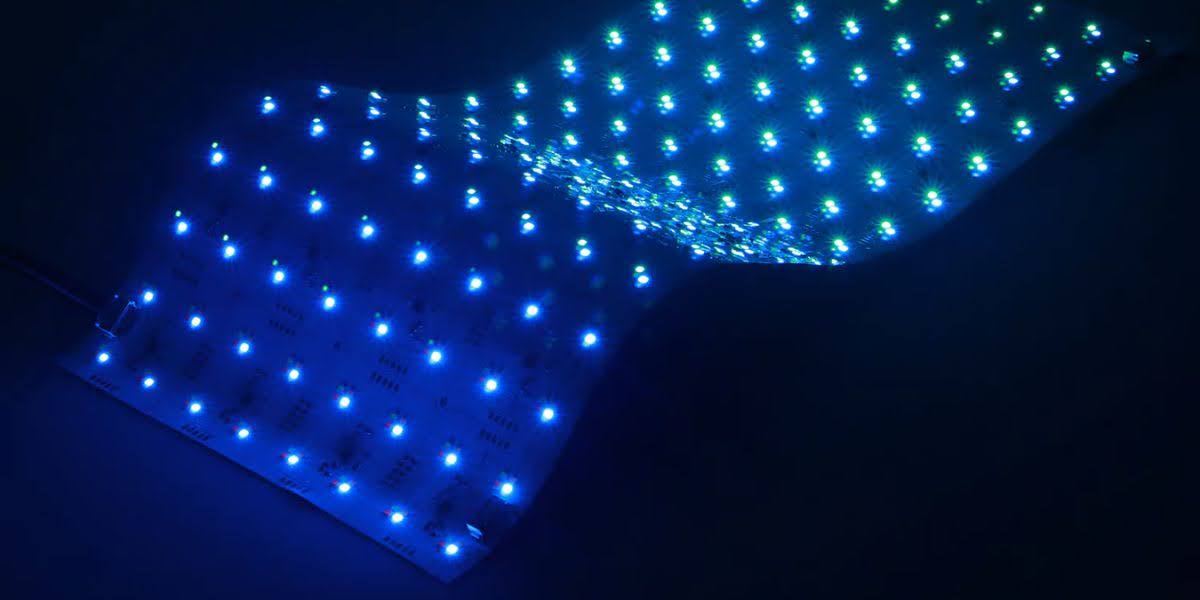
Örnek test, ilk izlenimlerle ilgili değildir. Kontrollü koşullar altında tekrarlanabilirlik ile ilgilidir. Her LED levha ışık örneği, daha sonra üretim partilerine uygulanabilecek ölçülebilir kriterler kullanılarak değerlendirilmelidir.
Alıcılar aşağıdaki doğrulama çerçevesini kullanarak numuneleri test etmelidir:
- LED levha ışık paneli boyunca optik tekdüzelik
Parlaklığı birden fazla ızgara noktasında ölçün. LED ışıkların tabakası boyunca ışık yoğunluğundaki değişimler, tanımlanmış bir tolerans aralığında kalmalıdır. Düzensiz difüzyon veya tutarsız diyot aralığı, potansiyel ölçekleme sorunlarını gösterir. - Genişletilmiş çalışma süresi altında parlaklık kararlılığı
Yüksek parlaklıkta LED ışık levhası örnekleri için 8-24 saat boyunca sürekli çalışma testleri yapın. Lümen düşüşünü, renk değişimini ve akım dalgalanmasını izleyin. Termal yük altında kararlılık, ilk tepe çıkışından daha önemlidir. - Termal Performans Haritalama
Hotspot dağılımını kaydetmek için termal görüntülemeyi kullanın. Merkez ve kenar sıcaklık artışını karşılaştırın. Aşırı ısı konsantrasyonu, üretimi ölçeklendirirken genellikle uzun vadeli bozulmayı öngörmektedir. - Esnek ve sert formatların mekanik bütünlüğü
Esnek LED ışık levhası formatları için bükme döngüsü testleri yapın. Sert formatlar için, lehim eklemi dayanıklılığını doğrulamak için hafif torsiyon stresi uygulayın. Mekanik stabilite, birden fazla numune arasında tekrarlanabilir olmalıdır. - Kesme toleransı ve elektriksel süreklilik
LED levha ışığı alan kesimine izin veriyorsa, birden fazla kesme noktasını test edin. Elektriksel sürekliliğin sabit kaldığını ve kenarda karartma olmadığını doğrulayın. Tutarsız bakır iz yönlendirmesi burada görünür hale gelir. - Yapışkan performans ve substrat yapıştırma
Isıya maruz kalma altında kabuk mukavemetini ve yapışma stabilitesini değerlendirin. Zayıf yapışkan sistemler, malzeme ikameleri nedeniyle genellikle büyük ölçekli üretim sırasında bozulur.
Temel ilke çoğaltmadır. Alıcılar, mümkünse farklı üretim tarihlerinden birden fazla numuneyi test etmelidir. Performans birimler arasında değişirse, tedarikçi muhtemelen süreç tutarlılığından yoksundur.
Aşama 2: Tedarikçi Arka Plan ve Yetenek Denetimi
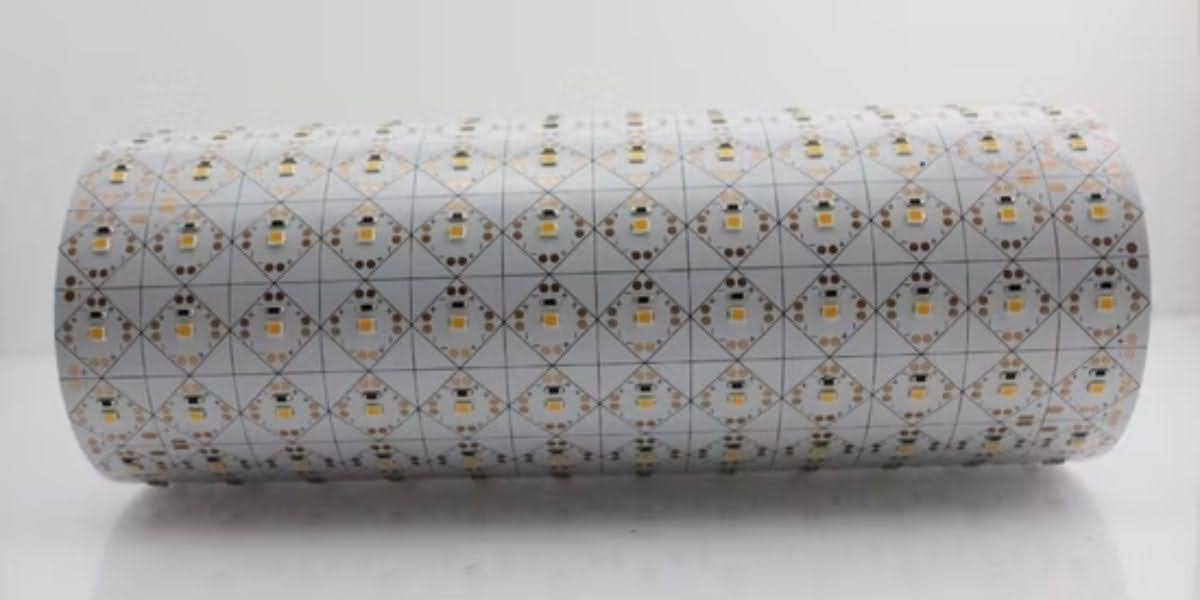
Güçlü numuneler yetenekli bir üreticiyi garanti etmez. Birçok tedarikçi, kısmi üretimi dışarıdan temin eder veya değerlendirme birimleri için küçük mühendislik partilerine güvenir. Bir arka plan denetimi, tedarikçinin sürekli olarak üretip üretemeyeceğini belirler. LED Levha Işıkları hacimde.
Uzmanlığı inceleyerek başlayın. Öncelikle genel LED şeritler üreten bir fabrika, yüksek parlaklıkta LED ışık levha panel üretiminde derin bir deneyime sahip olmayabilir. Üretim hatları, SMT konfigürasyonu ve optik difüzyon kontrolü, formatlar arasında önemli ölçüde farklılık gösterir.
Ardından, mühendislik derinliğini değerlendirin. Özel LED Levha aydınlatma projeleri Yerleşim optimizasyonu, mevcut dengeleme ve termal modelleme gerektirir. Tedarikçiler, sadece parlaklık seviyelerini ayarlamakla kalmayıp, PCB mimarisini değiştirme yeteneğini göstermelidir. Önceki proje belgelerini ve mühendislik değişikliği iş akışlarını gözden geçirin.
Üretim tarihi de önemlidir. Sınırlı üretim döngülerine sahip bir tedarikçi, yapılandırılmış verim izlemeden yoksun olabilir. Tutarlı büyük parti geçmişi, ölçekleme riskini azaltır.
Son olarak, kalite sistemi olgunluğunu değerlendirin. Odak, sertifika ekranlarında olmamalıdır. Bunun yerine, aşağıdakileri doğrulayın:
- Belirli süreç içi kontrol kontrol noktaları vardır.
- İşlem parametreleri belgelenir ve kilitlenir.
- Mühendislik değişiklikleri yapılandırılmış onay gerektirir.
- Kök neden analizi kaydedilir ve izlenebilir.
Yetenekli bir tedarikçi, pazarlama belgelerini değil, operasyonel disiplini gösterir.
Aşama 3: Uyum ve Süreç Doğrulaması
Uyumluluk doğrulama, standartları listelemekle ilgili değildir. Tedarikçinin, belgelenmiş kanıtlarla test izlenebilirliğini ve düzenleyici uygunluğunu kanıtlayabileceğini doğrulamakla ilgilidir.
İlk olarak, güvenlik testinin satın alınan gerçek LED levha ışık konfigürasyonuna karşılık gelip gelmediğini doğrulayın. Belgeler watt, alt tabaka türü ve sürücü uyumluluğu ile eşleşmelidir. Belirli yapı yapılandırmalarına atıfta bulunmayan genel sertifikalar risk oluşturur.
İkincisi, dahili kalite kontrol noktalarını onaylayın. Lehim pastası denetiminin nasıl doğrulandığını sorun. LED çöp kutusu seçiminin nasıl kaydedildiğini gözden geçirin. Yüksek parlaklıkta LED ışık levhası varyantları için mevcut kalibrasyonun nasıl yapıldığını inceleyin.
Üçüncüsü, toplu izlenebilirliği gözden geçirin. Her LED ışık sayfası, LED BIN kodlarına, PCB lot numaralarına ve montaj kaydırma kayıtlarına kadar izlenebilir olmalıdır. İzlenebilirlik olmadan, saha başarısızlığı araştırmaları imkansız hale gelir.
Doğrulanamayan belgeler, potansiyel istikrarsızlığı işaret eder. Bir tedarikçi bir test sonucunun nasıl oluşturulduğunu veya hangi partiyi temsil ettiğini açıklayamazsa, üretim güvenilirliği garanti edilemez.
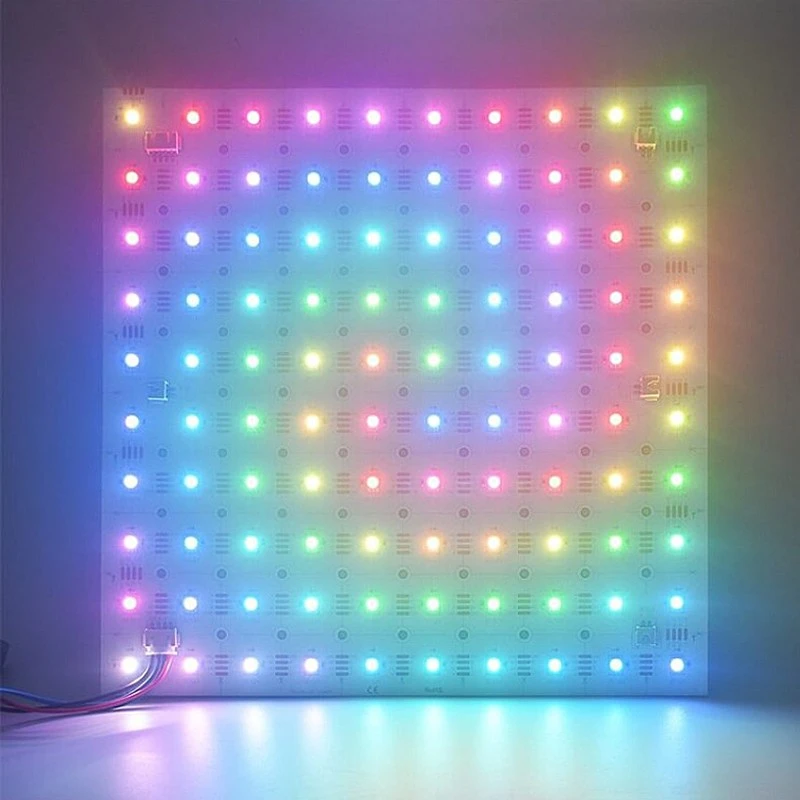
Adreslenebilir LED Sayfalar
- Boyut( L x W ): 250mmx250mm
- LED Tipi: 5050 SMD
- LED Miktar: 100 adet
- IC türü: Dahili WS2812
- IC Miktarı: 100 adet
- Renk: RGBIC
- Çalışma voltajı: DC 12V
- Güncel: 1.08a
- Güç: 13W
- Işık akısı: 20LM/LED
- Işın açısı: 120°
- Su geçirmez seviye: IP20 su geçirmez, IP54 su geçirmez
- Yaşam süresi: >35.000 saat
- Garanti: 3 yıl
Aşama 4: Pilot Çalıştırma ve Ön Üretim Doğrulaması
Örnek onayı her zaman kontrollü bir pilot çalıştırma ile takip edilmelidir. Bu, gerçek üretim stresinin ortaya çıktığı aşamadır.
Alıcılar, pilot üretimi aşağıdaki kriterleri kullanarak değerlendirmelidir:
- Üretim ayarlarının küçük parti çoğaltma
Pilot, prototip bileşenlerini değil, gerçek seri üretim takımlarını ve malzemeleri kullanmalıdır. - Çoklu LED ışıklı levha paneller arasında tutarlılık
Parlaklığı, renk sıcaklığını ve gücü en az 20-50 birim arasında ölçün. Değişkenlik, süreç kararlılığını ortaya çıkarır. - Gruplandırılmış kurulum koşulları altında termal kararlılık
Gerçek uygulama ısı birikimini simüle etmek için birlikte kurulu birden fazla paneli test edin. - Getiri ve kusur oranı takibi
Üretim getiri yüzdesi hakkında veri isteyin. Erken verim istikrarsızlığı gelecekteki ölçek sorunlarını gösterir. - Paketleme ve taşıma dayanıklılığı
Nakliye titreşim testleri, zayıf lehim bağlantılarını veya yapışkan kusurlarını ortaya çıkarır.
Pilot çalıştırmalar, tek örneklerin ortaya çıkaramadığı sorunları ortaya çıkarır. Lehim yeniden akış sıcaklığındaki veya LED çöp kutusu karıştırmasındaki küçük değişiklikler genellikle yalnızca parti boyutu arttığında ortaya çıkar.
Aşama 5: Seri üretime geçiş
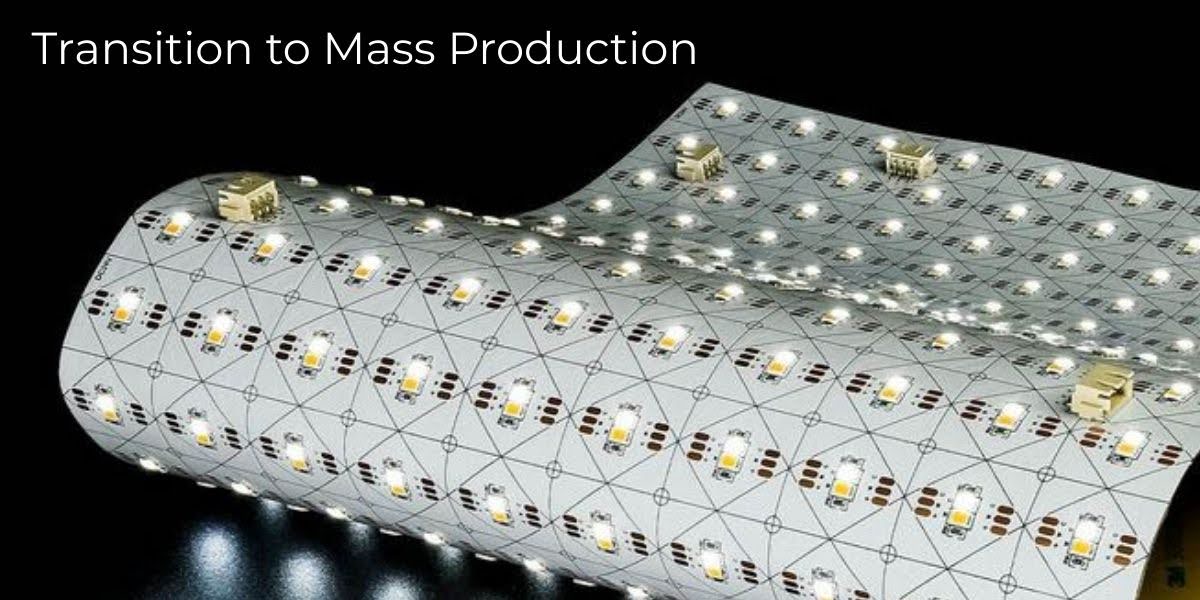
Pilottan seri üretime geçiş, kalitenin en sık ortaya çıktığı yerdir. İyi performans gösteren esnek LED ışıklı ürünler bile hacim basınçları arttığında bozulabilir.
Bu riske birkaç faktör katkıda bulunur:
Malzeme ikamesi ölçekte yaygındır. Tedarikçiler, maliyet hedeflerini karşılamak için yapışkan markaları, PCB bakır kalınlığını veya LED partilerini değiştirebilir. Her ikame, optik ve termal kararlılığı etkiler.
Şablon aşınması lehim hacminin biriktirilmesini değiştirdiğinde takım kayması meydana gelebilir. Zamanla, bu LED levha ışık paneli boyunca parlaklık tekdüzeliğini etkiler.
Termal yük davranışı da ölçekte değişir. Yüksek parlaklıkta LED ışık levhası üretiminde, küçük akım dengesizliği büyük miktarlarda artar. Isı yayılımı varyansı, erken lümen amortismanına yol açabilir.
Süreç kilitleme kritiktir. Pilot onayı tamamlandıktan sonra, tedarikçiler bileşen özelliklerini, SMT parametrelerini ve inceleme eşiklerini dondurmalıdır. Herhangi bir değişiklik, belgelenmiş bir mühendislik incelemesini tetiklemelidir.
Alıcılar aşağıdakilerin onayını talep etmelidir:
- Bileşen kilitleme prosedürleri
- Hammaddeler için onaylı satıcı listeleri
- Bildirim protokollerini değiştir
- Sürekli performans izleme yöntemleri
Kitlesel üretime hazır olma, kapasite değil kontrol ile tanımlanır.
Aşama 6: Seri üretim sırasında devam eden kalite kontrol
Kalite güvencesi, satın alma siparişi ihracında bitmez. Performans istikrarını korumak için sürekli doğrulama gereklidir. LED Levha Işıkları.
Gelen malzeme denetimi, LED kutularının onaylanmış özelliklere uymasını sağlar. PCB substratları, tanımlanmış bakır kalınlığı ve yalıtım direnci kriterlerini karşılamalıdır.
İşlem içi inceleme, lehim macun birikimini, LED yerleştirme doğruluğunu ve mevcut kalibrasyonunu izlemelidir. Otomatik optik inceleme, kusurlar çoğalmadan önce hizalama kaymasını algılayabilir.
Son inceleme mantığı doğrulamalıdır:
- Kesme noktalarında elektriksel süreklilik
- Tek tip parlaklık dağılımı
- Tolerans dahilinde güç tüketimi
- yapışkan yapıştırma bütünlüğü
Disiplinli süreç kontrolüne sahip fabrikalar, daha büyük ancak gevşek bir şekilde yönetilen operasyonlardan daha iyi performans gösterir. Tutarlılık, üretim hacmine değil, süreç disiplinine göre belirlenir.
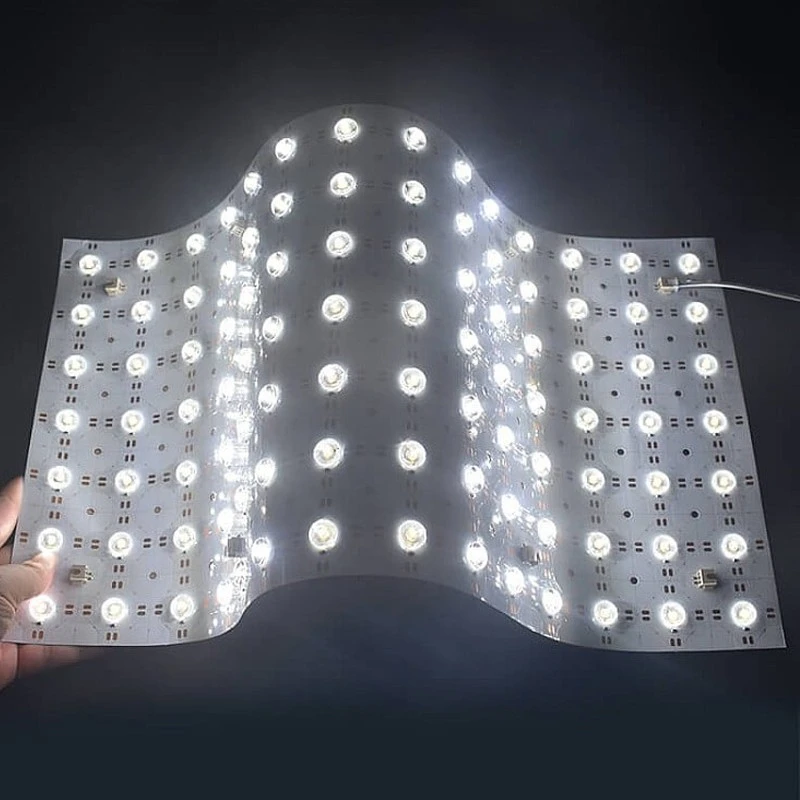
Optik Lens Led Levhalar
- Boyut( L x G x Y ): 500mmx250mmx8mm
- LED tipi: 2835 SMD
- LED Miktar: 98 adet
- Çalışma voltajı: DC 24V
- Güç: 20W
- CCT: 2700K/3000K/4000K/6000K/6500K
- Aydınlık akı: 1800LM
- CRI: > 90ra
- Işın açısı: 180°
- Boyutu Kes: 1 LED
- IP derecesi: IP20 su geçirmez olmayan
- Yaşam süresi: >35.000 saat
- Garanti: 3 yıl
Tedarikçi Değerlendirme Tablosu
| değerlendirme aşaması | Hangi alıcıyı doğrulamalı | Neden Ölçekte Önemlidir? | atlanırsa risk |
| Örnek Test | Optik tekdüzelik, termal kararlılık, tekrarlanabilirlik | Erken tasarım zayıflıklarını tespit eder | Üretimde gizli kusurlar ortaya çıkıyor |
| Tedarikçi Denet | Mühendislik derinliği, süreç disiplini, üretim geçmişi | güvenilir bir şekilde ölçeklendirme yeteneğini onaylar | Zayıf fabrikalardan güçlü örnekler |
| uygunluk kontrolü | İzlenebilir belgeler, toplu kayıtlar | Hata izlemeyi etkinleştirir | Kontrolsüz düzenleyici risk |
| pilot işletme | Parti tutarlılığı metrikleri, getiri oranı | Üretim stresini simüle eder | Sipariş onayından sonra kalite solması |
| seri üretim kilidi | Malzeme kontrolü, takım kararlılığı | Zaman içinde kaymayı önler | Partiler arasında performans düşüşü |
Ortak alıcı hataları
Birçok tedarik ekibi, yalnızca ilk örnek performansına dayalı olarak tedarikçileri onaylar. Bu, süreç yeteneğini ve ölçeklendirme disiplinini göz ardı eder.
Pilot koşularını atlamak başka bir yaygın hatadır. Toplu çoğaltma olmadan, gizli verim sorunları fark edilmeden kalır.
Alıcılar genellikle esnek LED ışıklı levha ürünlerinin küçük test partilerinde olduğu gibi hacimde aynı şekilde davrandığını varsayarlar. Gerçekte, lehim toleransı, bakır iz stresi ve üretim ölçeği ile ısı dağılımı değişimi.
Başka bir hata, iç izlenebilirliği gözden kaçırmaktır. Saha kurulumlarında arıza meydana geldiğinde, toplu belgelerin olmaması kök neden analizini önler.
Tedarikçi değerlendirmesi, fiyat karşılaştırmalarının ve estetik denetimin ötesine geçmelidir. Devam eden üretim izlemeye kadar ilk numuneden yapılandırılmış doğrulama gerektirir.
Çözüm
LED Levha Işıkları Tedarikçilerini Değerlendirmek, numune doğrulamadan seri üretim disiplinine adım adım ilerleyen süreç odaklı bir alıştırmadır. Güçlü örnekler gerekli ancak yetersiz. Gerçek tedarikçi yeteneği, tekrarlanabilirlik, izlenebilirlik, pilot çoğaltma ve süreç kilitleme ile kanıtlanmıştır.
Alıcılar her aşamada yapılandırılmış doğrulama uyguladığında, numune ve ölçek arasında kalite azalması önlenebilir. Tedarik kararları, ilk fiyatlandırma veya ilk izlenimlere değil, süreç kontrol gücüne dayanmalıdır.
Tezgah testinden hacim kararlılığına kadar, tedarikçi değerlendirmesi bir sistemdir. Titizlikle uygulandığında performansı, güvenilirliği ve uzun vadeli ürün bütünlüğünü korur.
SSS
İlgili Yazılar