Türkçe
  English
  简体中文
简体中文  Deutsch
  Español
  Français
  Italiano
  日本語
日本語  한국어
한국어  Polski
  Português
  Русский
  Nederlands
  Tiếng Việt
  ไทย
ไทย 
Giriş: Akustik aydınlatma neden aydınlatma endüstrisinde yeni bir konu haline geliyor?
Modern ofis alanları, ticari binalar, eğitim kurumları ve sağlık hizmeti ortamları, aydınlatma ile aynı düzeyde “gürültü kontrolü”ne tasarım önceliği olarak giderek daha fazla öncelik vermektedir. Açık plan ofisler, paylaşılan alanlar ve yüksek yoğunluklu yaya trafiği, geleneksel armatürlerin aydınlatma gereksinimlerini karşılarken artan akustik zorlukları artık yeterince ele alamayacağı anlamına geliyor.
Akustik aydınlatmanın hızla popülerlik kazanması bu zemine karşıdır. Sadece aydınlatma sağlamakla kalmaz, aynı zamanda yapısal tasarım ve ses emici malzemelerle iç mekan akustik ortamlarını da etkili bir şekilde geliştirir. Yine de alıcılar, tasarımcılar ve müteahhitler için temel bir soru var: Bu akustik ışıklar gerçekten güvenilir, profesyonel testlerden geçti mi?
Bu makale, çoklu kritik test boyutlarından akustik aydınlatmanın arkasındaki doğrulama çerçevesini sistematik olarak incelemektedir. Müşterilerin tedarik kararları için güvenilir zeminler sağlarken ürün değeri hakkında daha net fikir edinmelerine yardımcı olur.
akustik ışık nedir? Gürültü azaltmayı nasıl sağlar?
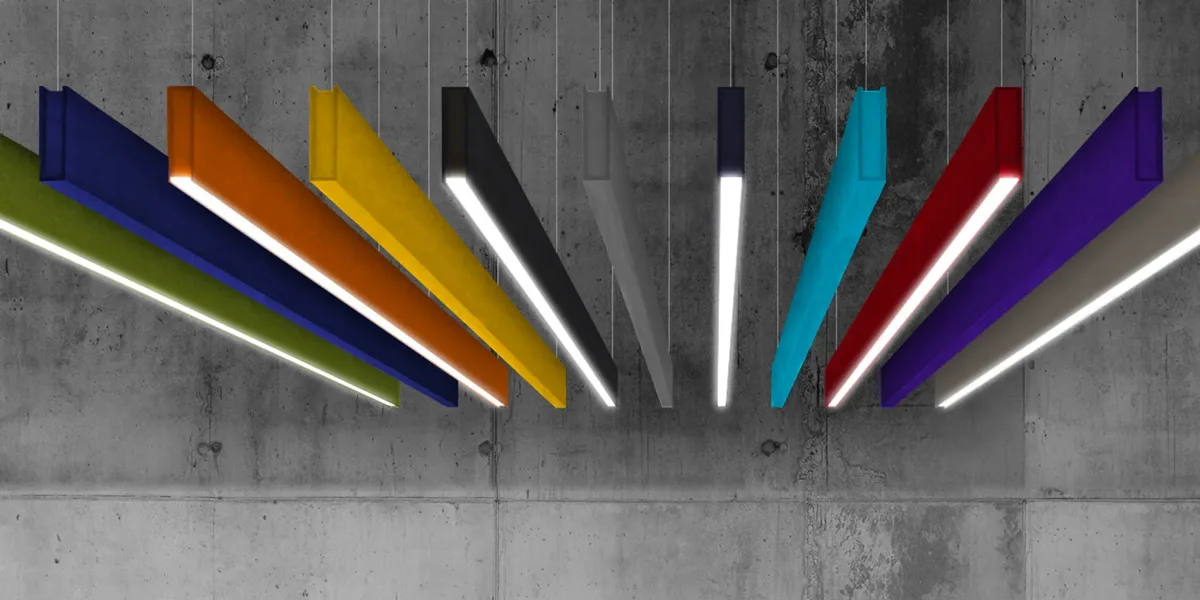
akustik ışıklar yüzeylerinde “eklenen bir malzeme tabakası” bulunan armatürler değildir. Akustik tasarımı aydınlatma mühendisliği ile derinden bütünleştiren kompozit ürünlerdir.
Temel ilkeleri şunları içerir:
- Yüksek verimli ses emici malzemeler (akustik lifler, polyester elyaflar, mikro gözenekli malzemeler vb.)
- Armatür yapısında ses difüzyonu ve absorpsiyon yollarının arttırılması
- Ses yansımalarını daha düşük yankılanma süresine (RT) düşürme
Sıradan dekoratif akustik lambaların aksine, orijinal akustik lambalar, yalnızca "kavramsal tasarım" değil, gerçek ses emme yeteneklerini kanıtlamak için standartlaştırılmış akustik testler yoluyla doğrulama gerektirir.
Ürün Sertifikası: UL ve CE Uyumluluğu—Pazara girişin önündeki yasal engeller
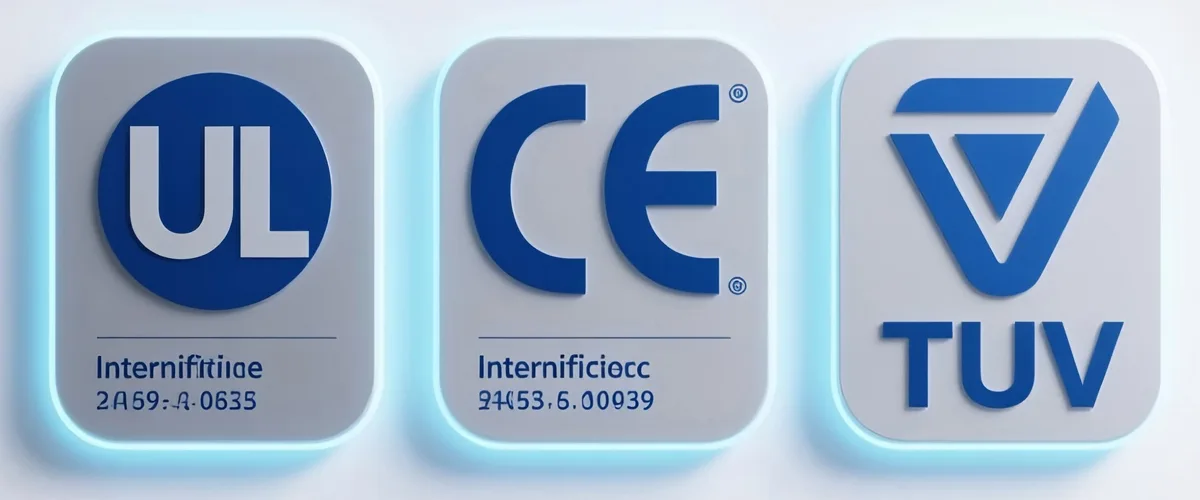
Akustik lambalar için teknik uyumluluk çerçevesi içinde UL (ABD), CE (AB) ve TÜV (Almanya ve Avrupa) sertifikaları yalnızca rutin test öğeleri değildir. Farklı bölgelerde pazara erişim için zorunlu veya yetkili önkoşulları oluştururlar ve toplu olarak Kuzey Amerika, Avrupa ve büyük küresel pazarları kapsayan bir uyumluluk güvence ağı oluştururlar.
UL Sertifikası
Underwriters Laboratories (UL) tarafından yayınlanan bu sertifika, federal olarak zorunlu değildir, ancak Kuzey Amerika'daki ticari ve kamusal alan aydınlatması için fiili bir erişim standardı olarak hizmet eder. UL işareti, bir ürünün elektrik güvenliği, termal performansı, alev direnci ve uzun vadeli güvenilirliğinin bağımsız üçüncü taraf doğrulamasını ifade ederek, onu tedarik sırasında perakendeciler, mimarlar ve bina sahipleri için temel bir güven sembolü haline getirir.
CE Sertifikası
Avrupa Birliği pazarına giren ürünler için zorunlu bir uyum işareti, LVD (Düşük Gerilim Direktifi), EMC (Elektromanyetik Uyumluluk Direktifi) ve RoHS (Tehlikeli Maddelerin Kısıtlanması) gibi temel direktifleri kapsar. Elektrikle çalışan akustik-optik kompozit cihazlar olarak akustik armatürler, EN 60598 serisi güvenlik standartlarına ve EN 55015/61547 elektromanyetik uyumluluk gereksinimlerine uygun olmalıdır. CE işareti, yasal uyumlarının doğrudan kanıtı olarak hizmet eder.
TÜV sertifikası
Almanya'nın TÜV'si (Teknik Denetleme Derneği) tarafından yayınlanan bu sertifika, özellikle güvenlik ve kalite ayrıntılarıyla ilgili sıkı standartları ile tanınan Avrupa pazarında olağanüstü bir yetkiye sahiptir. Temel sertifikasyon özellikleri şunları içerir:
- Kapsamlı güvenlik testi: Mekanik mukavemet, malzeme yaşlanma direnci ve aşırı çevresel uyum.
- Seri üretim tutarlılığını sağlamak için fabrika kalite sistemlerinin düzenli gözetimi. AB'de zorunlu olmasa da, TÜV markası Avrupa pazarlarında ürün rekabet gücünü önemli ölçüde artırmaktadır. Özellikle üst düzey ticari projelerde ve endüstriyel uygulamalarda kalite ve güvenilirliğin hayati bir sembolü olarak hizmet eder.
SGS Çevresel Test: Uyum, Sürdürülebilirlik ve Güven Temeli
Uluslararası B2B pazarında, SGS testi neredeyse “üçüncü taraf güvenilir onay” ile eş anlamlıdır. Akustik lambalar için SGS Çevresel Test öncelikle aşağıdaki hususlara odaklanır:
- Malzeme Çevresel Uyum: RoHS ve Reach gibi düzenlemelere bağlılık
- Tehlikeli maddelerin kısıtlanması: ağır metaller, halojenler ve VOC emisyonları
- Üretim tutarlılığı: malzeme parti kararlılığı ve izlenebilirlik
Bu testler yalnızca çevresel sorumluluğu ele almakla kalmaz, aynı zamanda ürünlerin Avrupa ve Amerika pazarlarına girip girmeyeceğini ve büyük projeler için uyumluluk incelemelerini geçip geçemeyeceğini doğrudan belirler. Alıcılar için bir SGS raporu, azaltılmış uyumluluk riskleri ve gelişmiş proje güvenliği anlamına gelir.
Ses Emme Performans Testi: Gerçek Gürültü Azaltma Ölçümü
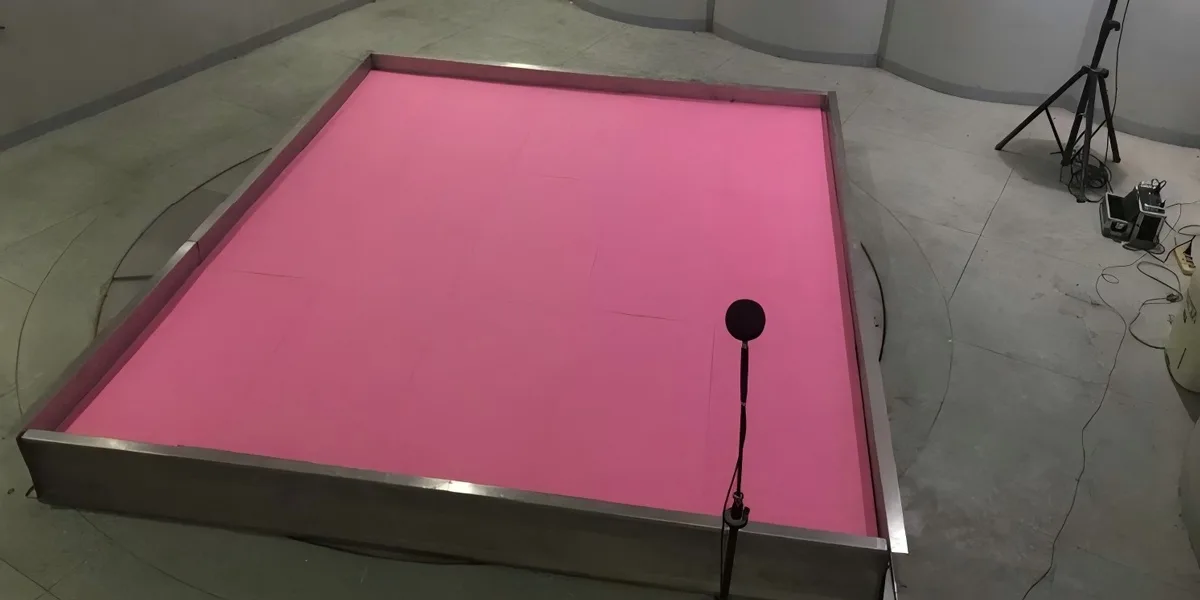
İnsan konuşmasının frekans aralığı için uluslararası standart, tipik olarak, 300 Hz ila 3400 Hz arasında değişen dijital telefon iletişiminde ses iletim bant genişliği standardını ifade eder. Günlük konuşmamız öncelikle konuşmadaki enerji ve netlik bilgilerinin çoğunu içeren 500 Hz ila 3000 Hz frekans aralığına dayanır - dili anlamak için çok önemlidir. İnsan işitsel aralığı 20 Hz ila 2000 Hz arasındadır, ancak konuşma bilgilerinin büyük çoğunluğu daha dar 300–3400 Hz frekans bandı içinde yoğunlaşmıştır.
Akustik panellerin ses absorpsiyon kabiliyeti, öncelikle B&K 2270 Investigation, 2716 Power Amplifier, 4292 OmniDirectional Hoparlör ve 4189 Microphone gibi cihazlar kullanılarak profesyonel akustik laboratuvar testleri ile ölçülmelidir.
Ortak test metrikleri şunları içerir:
- Ses Emme Katsayısı (SAC)
- Gürültü azaltma katsayısı (NRC)
- Frekans bantları arasında ses absorpsiyon performansı (düşük frekanslı / orta frekanslı / yüksek frekanslı)
- Test standardı: EN ISO 354:2003 / ISO 354'e dayalıdır “Akustik—Yankı odasında ses emiliminin ölçülmesi”
Ses emilimi ve gürültü azaltma sağlamak için ilgili malzemelerin “ses emici” özelliklerine sahip olması gerekir. Signliteled'in akustik aydınlatma ürünlerinde kullanılan birincil malzemenin (Polyester Fiber Akustik Paneller) incelemeye gönderilmesi için test raporu aşağıdadır:
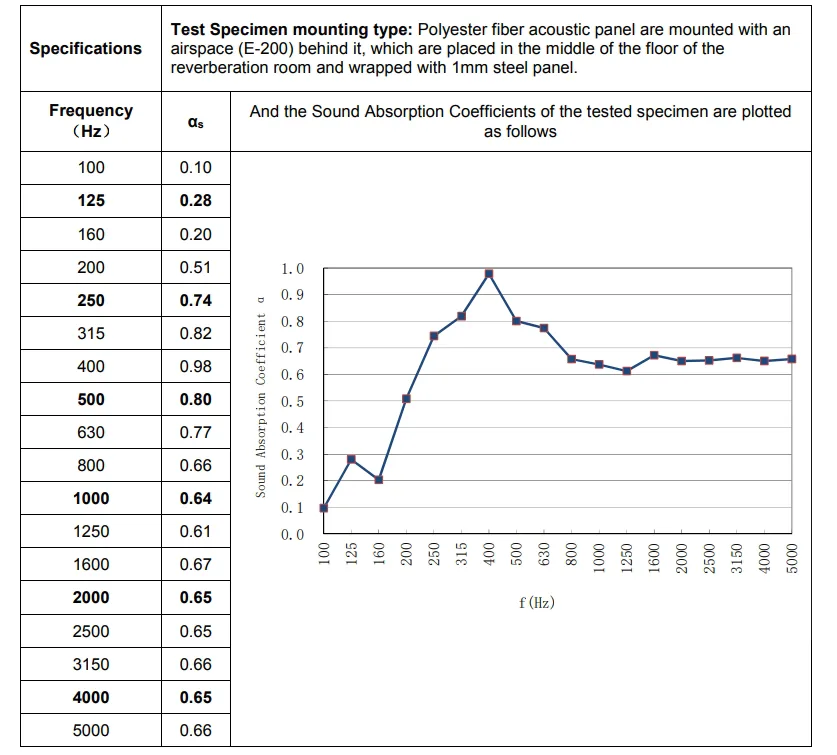
Yukarıda gösterildiği gibi, test edilen polyester fiber paneller, çekirdek konuşma ve 250 Hz-1250 Hz'lik ortak gürültü frekansı aralığında 250 Hz ve 800 Hz'de tepe değerleriyle tutarlı bir şekilde 0,74'ün üzerinde ses absorpsiyon katsayıları sergiler. Bu, insan konuşmasının, telefon zil sesinin ve ofis ekipmanının gürültüsünün mükemmel şekilde emildiğini gösterir ve ofislerde, konferans salonlarında ve okullarda konuşma anlaşılmasını geliştirmek için son derece uygun hale getirir.
125 Hz'nin altında, ses absorpsiyon katsayısı daha düşüktür (<0.3), ince, gözenekli malzemelerin tipik bir özelliğidir. Düşük frekanslı gürültüyü (örneğin, klima, uğultu, trafik gürültüsü), daha kalın malzemeler veya özel düşük frekanslı absorpsiyon yapıları tipik olarak gereklidir.
Raporlar, bu polyester fiber akustik panelin, belirli frekanslarda endüstri lideri performans elde etmede (özellikle 250-1250 Hz) orta-yüksek frekans gürültüsünü emmede üstün olduğunu gösteriyor. Akustik aydınlatma armatürlerinde kullanıldığında, bu malzeme insan konuşması için gözle görülür bir gürültü azaltma sağlar. Gerçek uygulama, bu verilere, belirli gürültü spektrumlarına ve kurulum koşullarına dayalı olarak başvurmalıdır.
Standartlaştırılmış test ortamları, gerçek alanlarda akustik aydınlatmanın gürültü azaltma yeteneklerini doğru bir şekilde yansıtır. Bu tür veriler, akustik aydınlatma ve geleneksel armatürler arasında temel farklılaştırıcılar olarak hizmet eden mimari akustik tasarımcıları ve sistem entegratörleri için özellikle önemlidir.
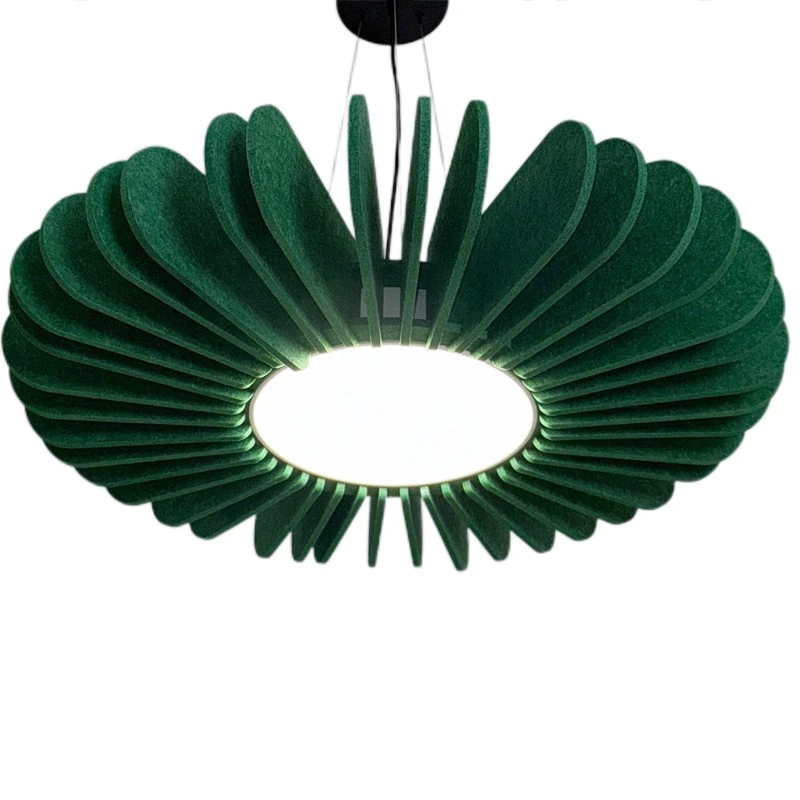
Ultra ince ince yuvarlak akustik led kolye ışık
Giriş Voltajı: AC100-277V / AC220-240V, 50-60Hz
Konut Boyutu: 120 mm
Yayılan yön: aşağıya doğru
Boyut (DxH): 500x80mm
CCT: 3000K / 4000K / 6000K
Güç: 15W
Aydınlık akı: 100-110 lm/w
CRI: >90
PF: >0.90
Flicker Ücretsiz: Evet
Işın Açısı: 120°
IP Sınıfı: IP20
Garanti: 5 yıl
Akustik panel renk seçeneği: Kırmızı / Yeşil / Mavi / Gri 48'den Fazla Renk Seçeneği
Yangın Performans Testi: Kamu ve Ticari Alanlarda Güvenlik
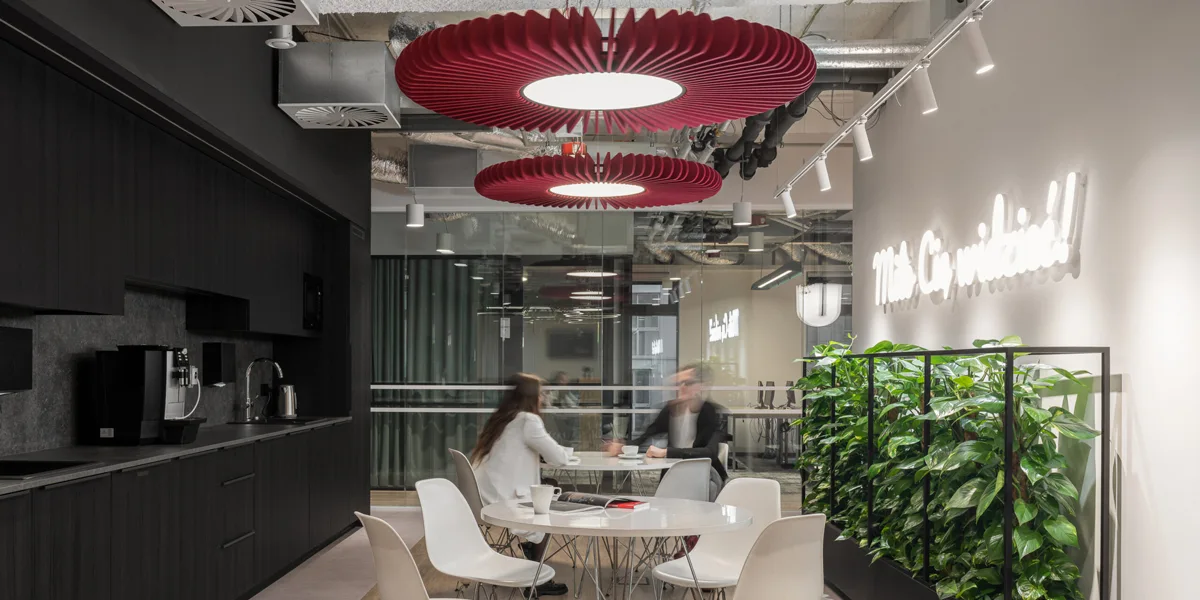
Akustik tavan panelleri, asma tavanlarda, kamusal alanlarda ve yüksek doluluklu alanlarda yaygın olarak kullanılmaktadır ve yangına dayanıklılığı kritik bir husus haline getirmektedir. Bu nedenle malzemelerin alev geciktiriciliği test edilmelidir. Kamu ve ticari ortamlarda akustik panel malzemeleri hem su yalıtımı hem de yangına dayanıklılık gereksinimlerini karşılamalıdır. American ASTM E84 standardına göre, yangın derecelendirmeleri üç seviyeye ayrılmıştır: A, B ve C seviyesi B (FSI 26-75) temel gereksinimi temsil eder, yangın sırasında kontrollü alev yayılımını ve 450'yi aşmayan bir duman indeksini sağlar, böylece güvenli tahliyeyi sağlar. Avrupa EN 13501-1 standardı, en az B sınıfı (B1'e eşdeğer) elde etmek için malzeme gerektirir. Bu derecelendirme, alev yayılımını ve ısı salınımını tek gövdeli bir yanma testi yoluyla değerlendirerek düşük yangın riski sağlar.
Özetle, Akustik Aydınlatma Malzeme ASTM E84 Sınıf B veya EN 13501-1 B1 Yangın derecelendirmelerini karşılamalı ve kamu alanı güvenliği gereksinimlerini karşılamak için temel su direncine sahip olmalıdır.
ABD ASTM E84 ve AB EN 13501-1 Yangın Dayanımı Rating CKARŞILAŞTIRMA Tbecerikli
| standart | Test yöntemi ve derecelendirme esası | Sınıf Sınıflandırma Tanımı | Ana uygulama pazarları |
| ABD ASTM E84 | Steiner Tünel Testi – Yüzey alevi yayılmasını ve duman oluşumunu değerlendirir. – Temel Göstergeler: Alev Yayılma Endeksi (FSI), Duman Geliştirme Endeksi (SDI). – Sonuç sezgiseldir, sadece yüzey yanma özelliklerini değerlendirir. | A Sınıfı: FSI ≤ 25, SDI ≤ 450. B sınıfı: 26 ≤ FSI ≤ 75. C Sınıfı: 76 ≤ FSI ≤ 200. Sınıflandırma, karmaşık bir bozunma mekanizması olmadan doğrudan FSI değerine dayanır. | Kuzey Amerika Pazarları (ABD, Kanada) NFPA, IBC gibi bina kodlarında yaygın olarak kullanılır. |
| AB EN 13501-1 | Çoklu test kapsamlı değerlendirme 1. EN 13823 (tek yanan madde testi, SBI): Alev yayılımını ve ısı salınımını değerlendirir. 2. EN ISO 11925-2 (Küçük Alevli Ateşleme Testi): tutuşabilirliği değerlendirir. Aynı anda duman oluşumunu (S1/S2/S3) ve erimiş damlacık (D0/D1/D2) değerlendirir. | 7 ana sınıf (A1 → A2 → B → C → D → E → F): A1, en yüksek yanıcı olmayan en yüksek nottur. B sınıfı: Ek duman ve damlacık derecelendirmeleri (örn., B-S1, D0) ile malzeme "kutup ateşlemek zor". katı “ters bozulma yok” kuralı. | AB pazarları ve dünyaca tanınmış CE işareti ve AB bina yönetmelikleri için zorunludur. |
ASTM E84 Yangına Dayanım Sınıflandırması (ABD)
Sınıflandırmalar aşağıdaki gibidir:
| sınıflandırma | alevlenmek süzülmek indeks, FSİ | dumanlıDyüceltilmiş indeks, nöbetçi |
| A Sınıfı | 0-25 | 0-450 |
| B sınıfı | 26-75 | 0-450 |
| C Sınıfı | 76-200 | 0-450 |
Ek: EN 13501-1 Yangın Sınıflandırması (AB)
Tablo 1—Döşemeler ve lineer boru ısı yalıtım ürünleri hariç inşaat ürünleri için yangın performansına tepki sınıfları.
| sınıf | Test Yöntemleri | Sınıflandırma kriterleri | Ek sınıflandırma | |
| A1 | tr ISO 1182 a Ve | △T≤30℃ ve △M≤50%, ve tf=0(yani hayır sürekli alev alma) | – | |
| tr ISO 1716 | adet≤2.0mj/kg a Ve adet≤2.0mj/kg b C Ve adet≤1.4mJ/m² D Ve adet≤2.0mj/kg Ve | – | ||
| a2 | tr ISO 1182 a veya | Ve | T≤50℃ ve △M≤50%, ve tf≤20 s | – |
| tr ISO 1716 | PCS≤3.0MJ/kg a Ve adet≤4.0mJ/m² b Ve adet≤4.0mJ/m² D Ve PCS≤3.0MJ/kg Ve | – | ||
| 13823 | Figra≤120W/sn ve LFS<Numunenin kenarı ve tahrik600'ler≤7.5mj | duman üretimi f Ve Yanıcı damlacıklar/parçacıklar bin | ||
| B | tr 13823 ve | Figra≤120W/sn ve LFS<Numunenin kenarı ve tahrik600'ler≤7.5mj | duman üretimi f Ve Yanıcı damlacıklar/parçacıklar bin | |
| tr ISO 11925-2 Ben maruz kalma=30'lar | 60 s içinde FS≤150mm | |||
| C | tr 13823 ve | Figra≤250W/sn ve LFS<Numunenin kenarı ve tahrik600'ler≤15mj | duman üretimi f Ve Yanıcı damlacıklar/parçacıklar bin | |
| tr ISO 11925-2 Ben maruz kalma=30'lar | 60 s içinde FS≤150mm | |||
| D | tr 13823 ve | Figra≤750W/s | duman üretimi f Ve Yanıcı damlacıklar/parçacıklar bin | |
| tr ISO 11925-2 Ben maruz kalma=30'lar | 60 s içinde FS≤150mm | |||
| E | tr ISO 11925-2 Ben maruz kalma=15s | 20 s içinde FS≤150mm | Yanıcı damlacıklar/parçacıklar hırt | |
| F | tr ISO 11925-2 Ben maruz kalma=15s | 20 s içinde FS> 150mm | – | |
Yangın testlerini geçmek, armatürlerin ve akustik malzemelerinin anormal koşullarda bile yangın tehlikesi oluşturmamasını sağlar. Bu, hastaneler, okullar ve ticari kompleksler gibi projeler için zorunlu bir gerekliliktir.
Optik performans testi: gürültü Rdirekt olarak eğit Ssığınak Ngüya Come ile gelmek To Etüketmek Lçakmak Quality
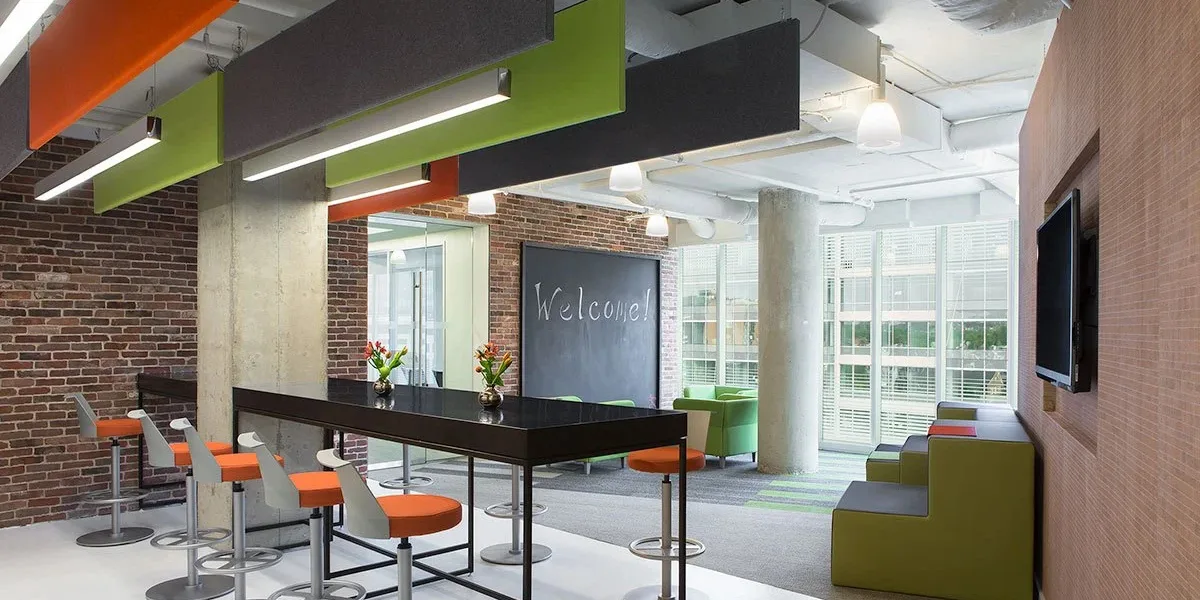
Mükemmel bir gürültü azaltıcı ışık, akustik ve optik performans arasında bir denge kurmalıdır.
Anahtar optik testler şunlara odaklanır:
- Aydınlık akı ve ışık etkinliği: Seçim, alan boyutuna ve amacına göre yapılmalıdır. Örneğin, tipik bir yatak odası 800-1500 lm gerektirebilir, ofis çalışma alanı 3000-5000 lm'ye ihtiyaç duyabilir.
- Renk sıcaklığı tutarlılığı: Sert standart yoktur, ancak temel ilke, alan işlevine ve kullanım gereksinimlerine göre seçim yapmaktır. Tipik olarak 2700K ile 5000K arasında değişen konfor ve pratiklik önceliklidir.
- Renk İşleme İndeksi (CRI): RA≥80, doğru renk üretimi sağlar.
- Parlama kontrolü (UGR): Tipik olarak, görsel konfor sağlayan ve göz yorgunluğunu azaltan iç mekan aydınlatması için evrensel bir standart olan UGR ≤ 19'da tutulur.
Bu testler, ses azaltıcı ışıkların, rahat, istikrarlı, yüksek kaliteli aydınlatma sağlarken akustik ortamları iyileştirmesini sağlar ve "sessiz ama etkisiz" çözümlerin tuzağından kaçınır.
Elektrik güvenliği testi: Personel ve sistem koruması için çekirdek önlemler
Uygulama senaryolarından bağımsız olarak, elektrikli ürünler olarak aydınlatma armatürlerinin temel doğası değişmeden kalmaktadır. Akustik tavan lambaları gibi aydınlatma ekipmanlarının güvenliğini ve güvenilirliğini sağlamak için, aşağıdaki kritik hususları kapsayan kapsamlı bir elektriksel güvenlik test sistemi uygulanmalıdır:
Yalıtım Performans Testi
Canlı parçalar ve erişilebilir metal bileşenler arasındaki yalıtım performansını değerlendirir. Test voltajı tipik olarak 500VDC'dir ve yalıtım direnci değerleri aşağıdakilerden daha az değildir:
- 2MΩ (temel yalıtım)
- 4MΩ (takviyeli yalıtım)
Gerilim testine dayanmak
Farklı standartlara göre yürütülen:
- Avrupa Standardı: 2 kat anma gerilimi ile üst üste bindirilmiş 1000VAC veya 1414VDC test voltajı. Kaçak akım, test sırasında belirtilen limitleri (örn. 5mA) aşmamalıdır.
- UL Standardı (ABD): Sabit armatürler, 1.0mA'yı aşmayan kaçak akımla 1 saniye boyunca 1500V voltaj testine dayanmalıdır.Taportatif armatürler: Kaçak akım 0,5mA'yı geçmemelidir.
Topraklama ve Kaçak Akım Testi
- Zemin sürekliliği testi: Akustik armatürler öncelikle iç mekanlarda kullanılır ve tipik olarak Sınıf II armatürler (çift yalıtım tasarımı) olarak sınıflandırılır ve topraklama ihtiyacını ortadan kaldırır. Bu nedenle, zemin sürekliliği testi zorunlu değildir.
- Kaçak akım testi: Sınıf II armatürler için, kaçak akım gereksinimleri daha katıdır ve kullanıcı güvenliğini sağlamak için 0,25mA'yı aşmayan kaçak akımı zorunlu kılar.
önem ve değer
Bu testler, uluslararası aydınlatma standartlarının (örneğin, IEC60598, UL1598) temel bir bileşenini oluşturur. Aşırı çalışma koşullarını simüle ederek, aydınlatma armatürlerinin uzun vadeli güvenilirliğini doğrular, elektrik çarpması, kısa devre veya yangın tehlikeleri risklerini etkin bir şekilde önler. Bu, personel güvenliği ve bina sistemlerinin istikrarlı çalışması için çift koruma sağlar.
Dayanıklılık ve kullanım ömrü testi: Uzun vadeli performans güvencesi
Ürünün ömrü, bakım maliyetleri kadar kritiktir. Güvenilir kullanım ömrü testi verileri, öngörülebilir bakım döngüleri sağlayarak toplam sahip olma maliyetini önemli ölçüde azaltır.
Kapsam ve Yöntemleri Test Etme:
LED ışık kaynağı yaşlandırma testi
- Hızlandırılmış yaşlanma testi: IEC 62506 standardına göre yürütülür: 15 yıllık normal kullanımı simüle eden 85°C ve 85% neminde 6.000 saat sürekli çalışma.
- Aydınlık akı bozunma izleme: Düşük hızı ≤30% (noted güce ≥10w) ve CRI (RA) değişimi ≤5% sağlamak için bir entegrasyon küre fotometresi kullanılarak her 500 saatte bir ölçülür.
- Arıza modu analizi: Ani arızaları önlemek için LED çip kapsülleyici sararması ve fosfor tabakası ayrılması gibi belge bozunma fenomeni.
Sürücü güç kaynağı ömrü testi
- Sabit akım/sabit voltaj yaşlanması: 40°C ortam sıcaklığında 3000 saat boyunca 1,2 kez anma akımı, çıkış voltajı dalgalanmasını izleme ≤ ±5%.
- Anahtarlama döngüsü testi: 10 saniyelik aralıklarla 10.000 anahtarlama işlemiyle sık sık açma/kapama senaryolarını simüle edin, kapasitör kopuşu veya IC yanma olmadığını doğrulayın.
- Aşırı yük koruması doğrulaması: Giriş voltajı ±15% dalgalandığında, LED aşırı akım hasarını önlemek için güç kaynağı koruma mekanizmalarını 0,1 saniye içinde etkinleştirmelidir.
Yüksek sıcaklık ve nem kararlılığı doğrulama
- Çift 85 Testi: 85°C/85% RH'de 500 saat sonra, armatürün yalıtım direnci, sızıntı veya kısa devre olmadan ≥100MΩ kalmalıdır.
- Termal şok testi: Akustik köpük ve metal çerçeve arasında bağlanma mukavemeti içinde bozulma olmadığını doğrulayan -40°C'den 85°C'ye kadar 100 döngüye dayanır.
Bu testleri geçen armatürler, 50.000 saatlik bir L70 ömrü (70% ışık akı bakımı) sağlar - ticari alanlarda 15 yıllık bakım gerektirmeyen çalışmaya eşdeğerdir. Sürücü güç kaynağı MTBF (arızalar arasındaki ortalama süre) 0,5%'nin altında bir arıza oranı ile ≥50.000 saattir.
Sismik ve mekanik stabilite testi: gerçek dünya ortamlarına uyarlanmıştır
Taşıma, kurulum ve uzun süreli kullanım sırasında, armatürler titreşim, darbe ve süspansiyon gerilmelerine dayanır. Sismik testler, ticari projelerde (örneğin havaalanları, metrolar) ve kamusal alanlarda güvenlik ve güvenilirlik sağlar.
İçerik ve Yöntemleri Test Etme:
Armatür Yapısal Mukavemet Doğrulaması
- Taşıma için titreşim tablosu simülasyonu: ISTA 3A standartlarına göre, 5 Hz-500 Hz frekans aralığında rastgele titreşim testi 5G'lik pik ivme ile 2 saat sürer.
- darbe testi: 1,2 metreden beton bir yüzeye serbest düşüş düşüşü testi. Armatür gövdesi, dahili bileşen yer değiştirmesi ≤2 mm olan hiçbir çatlak göstermemelidir.
Dahili Bileşen Sabitleme Güvenilirliği
- Sinüs titreşim testi: LED modülünün veya güç kartı vidalarının gevşemediğini doğrulamak için 10 Hz ile 55 Hz arasında 0,75 mm genlikte 30 dakika boyunca 30 dakika boyunca titreşir.
- tork testi: 10 dakika boyunca plastik deformasyon olmadan süspansiyon braketine 50 N·m tork uygulayın.
Uzun süreli süspansiyon ve titreşim güvenliği
- yorgunluk testi: 2G ivme ile metro titreşim koşullarını 10 döngü ile simüle eder. Ses emici pamuk ile lamba gövdesi arasındaki bağlantıda hiçbir kopukluk olmaz.
- Rüzgar Yük Testi: 15m/s rüzgar hızında 30 dakika dayanır (7 rüzgarı zorlamaya eşdeğer). Lamba eğim açısı ≤5°, düşme riski yoktur.
Sonuç: “Test edilmiş ses emici ışıklar” neden yatırıma değer?
Ses emici ışıklar, yalnızca bir "yeni konsept ürünü" olmaktan öte olmalı ve bunun yerine titizlikle doğrulanmış bir sistem çözümünü temsil etmelidir. SGS çevre testinden akustik absorpsiyon, yangın direnci, optik performans, elektrik güvenliği, kullanım ömrü ve sismik esneklik değerlendirmelerine kadar her doğrulama riski azaltır ve güven oluşturur. Bu testler sadece teknolojik ilerlemeyi göstermekle kalmaz, aynı zamanda tüketici güvenini de artırır.
Gürültü kirliliğinin ortasında, akustik aydınlatma, yenilikçi tasarım ve güvenilir kalite ile sektörde öne çıkıyor. kapsamlı bir şekilde test edilmiş seçim akustik aydınlatma armatürü Alanınız için huzur, sağlık ve uzun ömürlülüğü seçmek anlamına gelir. Tedarik uzmanları için, tam olarak test edilmiş akustik aydınlatmayı seçmek şu anlama gelir:
- Daha yüksek proje onay oranları
- Daha düşük bakım ve uyum maliyetleri
- Daha istikrarlı ve sürdürülebilir bir kullanıcı deneyimi
SSS
İlgili Yazılar