Türkçe
  English
  简体中文
简体中文  Deutsch
  Español
  Français
  Italiano
  日本語
日本語  한국어
한국어  Polski
  Português
  Русский
  Nederlands
  Tiếng Việt
  ไทย
ไทย 
Modern aydınlatma tasarımında, tek tip ışık dağılımı elde etmek artık görsel bir tercih değildir. Optimize edilmiş bir PCB LED düzeni, tutarlı parlaklık, daha az parlama ve gelişmiş görsel konfor sağlar. Estetiğin ötesinde, yerleşim optimizasyonu, termal performansı, elektrik verimliliğini ve ürün ömrünü doğrudan etkiler. Yanlış LED yerleşimi genellikle sıcak noktalara, düzensiz aydınlatmaya, renk değişimine ve hızlandırılmış bileşen bozulmasına neden olur.
PCB LED düzeninin optimize edilmesi, optik, termal ve elektriksel planlama gerektiren basit yerleşimin ötesine geçer. Dengeli malzeme seçimi ve hassas yönlendirme, her bir LED'in nihai çıktıya eşit şekilde katkıda bulunmasını sağlar. Kötü düzen seçenekleri, sıcak noktalar, gölgeleme, renk tutarsızlığı ve güvenilirliği azaltan erken arızalar yaratır.
Bu blog, optimize etmek için tasarım ilkelerini araştırıyor LED PCB Kurulu Düzgün ışık dağılımı sağlayan düzenler. LED aralık stratejilerini, ışın açısı kontrolünü ve optik hizalama tekniklerini kapsar. Dayanıklılığı ve uzun vadeli aydınlatma performansını artırmak için termal yollar ve substrat seçimleri açıklanmıştır.
LED ürünlerde tek tip ışık dağılımını anlama
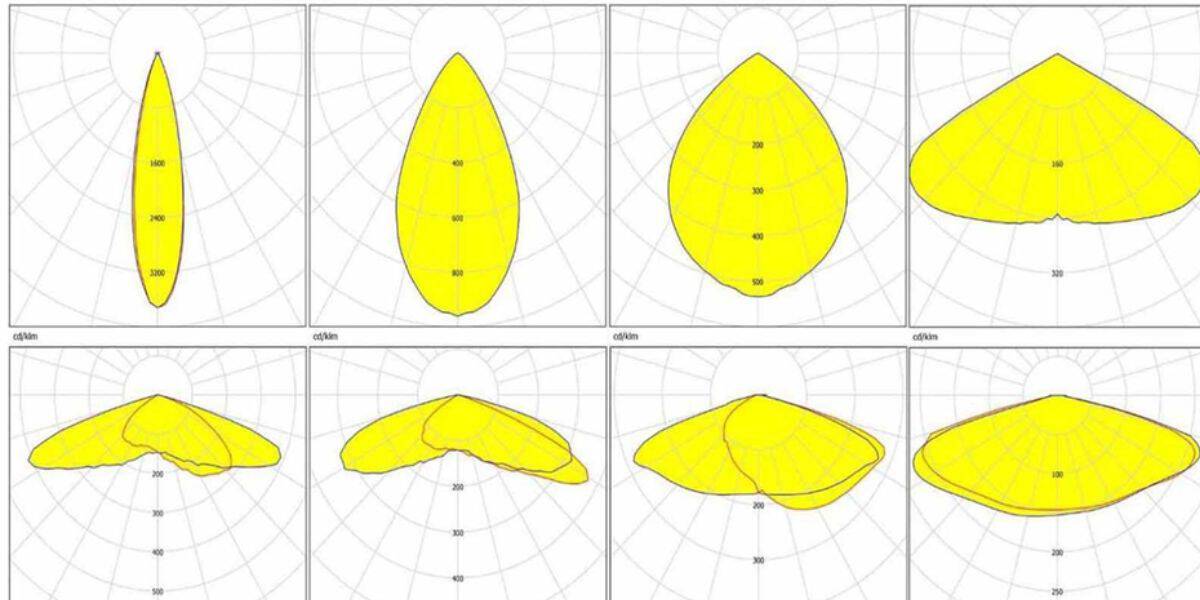
Tek tip ışık dağılımı, görünür parlaklık değişimleri olmaksızın, amaçlanan aydınlatılan alan boyunca ışık yoğunluğunun eşit yayılmasını ifade eder. Pratik LED ürünlerinde, tekdüze olmayanlar tipik olarak şöyle görünür:
- LED'lerin doğrudan üzerindeki parlak noktalar
- LED'ler arasındaki karanlık alanlar
- Düzensiz kenar aydınlatması
- Konsantre ışık noktalarının neden olduğu parlama
Bu sorunlar genellikle LED çiplerinin kendisinden değil, yetersiz PCB yerleşimi, aralık ve termal dengesizlikten kaynaklanır.
LED ışık tekdüzeliği içinde PCB düzeninin rolü
PCB, belirleyen fiziksel platformdur:
- LED Yerleştirme Geometrisi
- LED'ler arasındaki boşluk
- Elektrik akımı dağılımı
- Termal dağılma yolları
LED'ler nokta ışık kaynakları olduğundan, PCB üzerindeki düzenlemeleri, ışığın difüzörlere, lenslere veya açık havaya ulaşmadan önce nasıl örtüştüğünü ve karıştığını belirler. Kötü planlanmış bir düzen, yerelleştirilmiş parlaklık zirvelerine neden olabilirken, optimize edilmiş bir düzen, pürüzsüz ışık harmanlama sağlar.
LED aralığı ve perde optimizasyonu
1: Uygun LED aralığının önemi
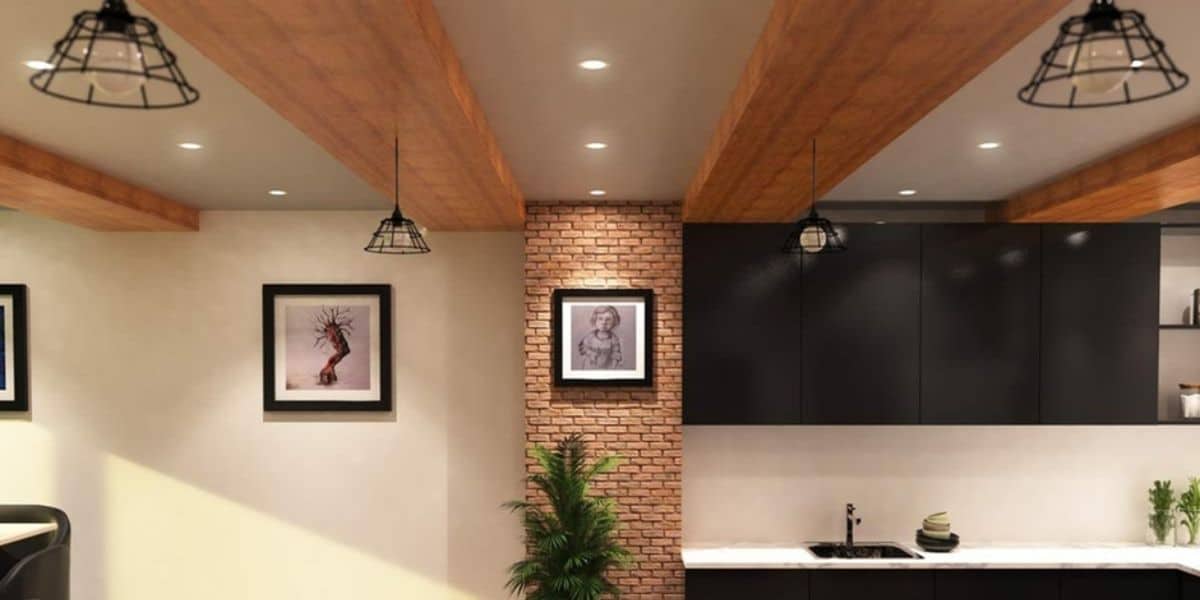
Genellikle LED aralığı olarak adlandırılan LED aralığı, PCB üzerindeki bitişik LED'ler arasındaki mesafedir. Yanlış aralık, eşit olmayan ışık çıkışının en yaygın nedenlerinden biridir.
(a) Çok yakın aralık
- Aşırı parlaklık konsantrasyonu oluşturur
- Termal yoğunluğu artırır
- Parlama ve optik rahatsızlığa yol açar
(b) Çok geniş aralık
- LED'ler arasında koyu noktalara neden olur
- Daha güçlü difüzörler gerektirir
- Genel verimliliği azaltır
Optimum aralık, nihai üründe kullanılan LED gücüne, ışın açısına, montaj yüksekliğine ve optik bileşenlere bağlıdır.
2 : Optik tasarımla boşluk eşleme
Difüzör veya lens kullanan ürünler için, LED aralığı, difüzörün ışık karıştırma özelliği ile uyumlu olmalıdır. Yüksek difüzyon malzemeleri biraz daha geniş aralıklara izin verirken, düşük difüzyon tasarımları tekdüzeliği korumak için daha sıkı LED yerleşimi gerektirir.
Simetrik ve tutarlı LED yerleşimi
Düzen simetrisinin önemi
Simetrik LED yerleşimi, PCB yüzeyinde dengeli ışık dağılımı sağlar. Asimetrik düzenler genellikle özellikle kenarlara veya köşelere yakın eşit olmayan parlaklığa neden olur.
Temel ilkeler şunları içerir:
- x ve y yönlerinde eşit aralık
- Tutarlı hizalama desenleri (ızgara veya dairesel)
- Rastgele veya düzensiz LED konumlandırmadan kaçınma
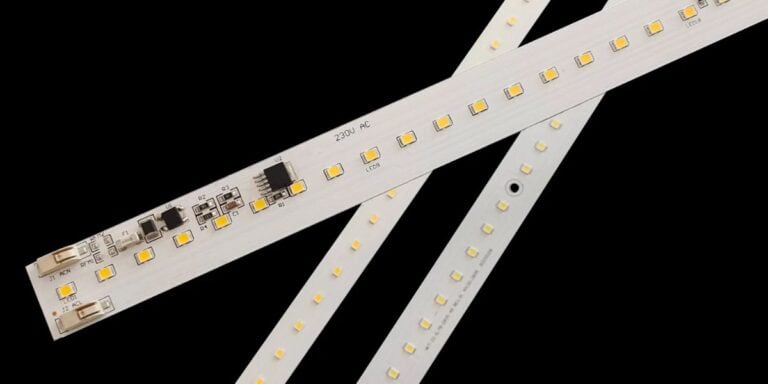
Doğrusal aydınlatma ürünlerinde LED'ler düz, eşit aralıklı bir çizgi izlemelidir. Panel veya alan aydınlatmasında, ışık örtüşmesini iyileştirmek için matris veya kademeli ızgara düzenleri tercih edilir.
Kenar ve köşe aydınlatma kontrolü
Kenarlar ve köşeler, ışık çıkışının düşme eğiliminde olduğu yaygın sorunlu alanlardır. Kötü kenar aydınlatması, ürünlerin daha sönük ve daha düşük kalitede görünmesini sağlar.
Bunu ele almak için:
- LED'leri PCB kenarlarına daha yakın yerleştirin
- Köşelerin yakınında biraz daha yüksek yoğunluklu yerleşim kullanın
- Aşırı ısınma kenar LED'lerini önlemek için termal dengeyi koruyun
Bu, yayılan tüm yüzey boyunca tutarlı bir parlaklık sağlar.
Akım dağılımı ve elektrik dengesi
Düzgün akım, tek tip ışığa eşittir
LED'ler mükemmel aralıklı olsa bile, eşit olmayan akım dağılımı yine de parlaklık değişikliklerine neden olabilir. Farklı akım yollarına bağlı LED'ler, tutarsız ışık çıkışına yol açan biraz farklı akımlarda çalışabilir.
En iyi uygulamalar şunları içerir:
- Dengeli seri-paralel devre tasarımı
- Paralel LED dizileri için eşit iz uzunlukları
- Uzun izler boyunca aşırı gerilim düşüşlerinden kaçınmak
Düzgün elektriksel tasarım, her LED'in istenen güç seviyesinde çalışmasını sağlar.
Termal tekdüzelik ve ışık çıkışı üzerindeki etkisi
1: Isı ve parlaklık arasındaki ilişki
LED parlaklığı, bağlantı sıcaklığından doğrudan etkilenir. Daha sıcak çalışan LED'ler daha az ışık üretir ve daha hızlı bozulur. PCB'de eşit olmayan ısı dağılımı bu nedenle zaman içinde eşit olmayan ışık çıkışına yol açar.
2: Termal Bilinçli LED Düzeni
Tek tip parlaklığı korumak için:
- Termal sıcak noktalardan kaçınmak için LED'leri eşit olarak dağıtın
- Yüksek güçlü LED'leri tek bir alanda kümelemekten kaçının
- Tüm LED'ler için tutarlı termal yollar kullanın
Düzgün termal performans, PCB boyunca tutarlı ışık çıkışı sağlar.
PCB malzemesi ve yerleşim etkinliği üzerindeki etkisi
Düzen geometrisi kritik iken, PCB malzeme tekdüzeliği korumada destekleyici bir rol oynar. Daha iyi termal iletkenliğe sahip PCB'ler, ısı birikimi nedeniyle oluşan parlaklık değişimini azaltarak, panodaki sıcaklık farklarını eşitlemeye yardımcı olur.
Metal çekirdekli PCB'ler, özellikle alüminyum tabanlı tasarımlar, yerleşim genelinde tutarlı termal davranışı destekledikleri için yüksek güçlü LED ürünlerinde yaygın olarak kullanılır.
LED'ler arasındaki optik etkileşim
Hafif örtüşme ve harmanlama
Tek tip aydınlatma, bireysel LED ışık desenlerinin kontrollü örtüşmesine dayanır. Uygun PCB düzeni, her LED'in ışınının komşu LED'lerle doğru açı ve mesafede üst üste gelmesini sağlar.
Tasarımcılar şunları dikkate almalıdır:
- LED görüş açısı
- PCB-yayıcı mesafesi
- Ürün muhafazası içindeki yansıtıcı yüzeyler
Optimize edilmiş düzen, aşırı difüzyon ihtiyacını azaltır ve tekdüzeliği korurken verimliliği artırır.
Farklı LED ürünleri için düzen konuları
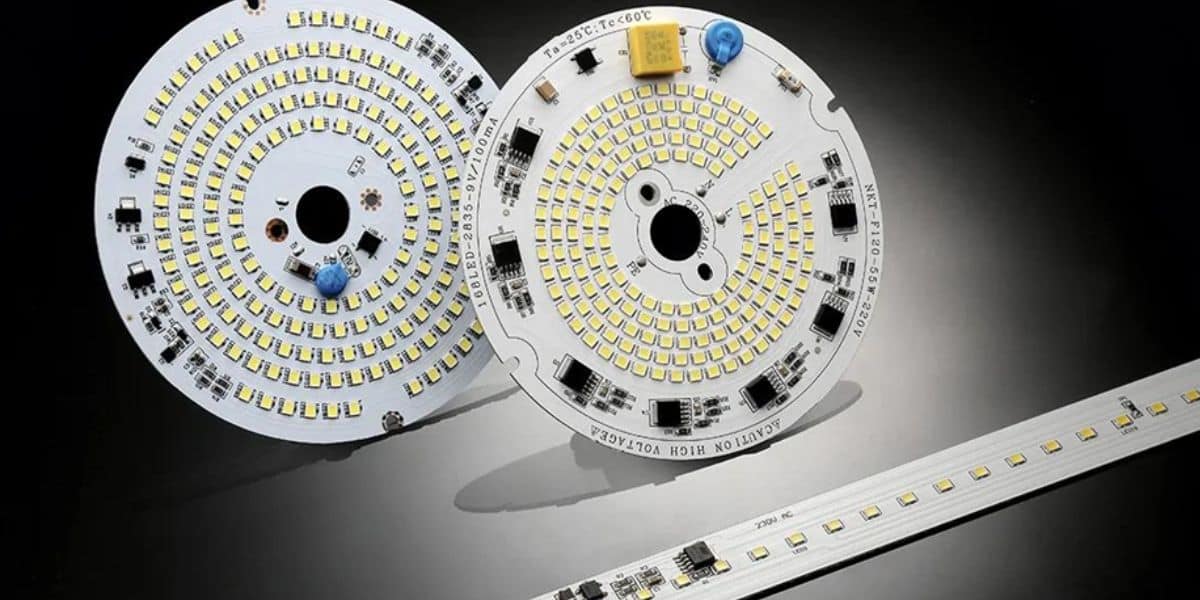
1: Doğrusal LED Ürünler
- Tutarlı, düz çizgi LED aralığı kullanın
- difüzörden eşit mesafeyi koruyun
- Uçlara yakın boşluklardan kaçının
2 : Panel ve tavan ışıkları
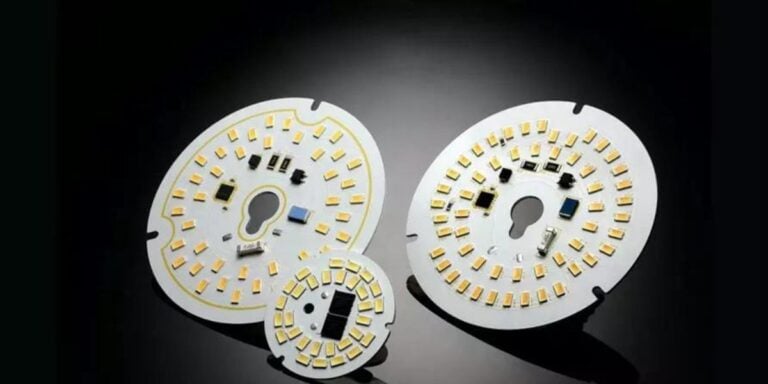
- Izgara veya kademeli matris düzenlerini kullanın
- Gerekirse kenar LED yoğunluğunu artırın
- Denge merkezi ve çevre aydınlatması
3: Yüksek güçlü nokta veya sel ışıkları
- Simetrik dairesel düzenler kullanın
- Merkez LED'in etrafında termal dengeyi sağlayın
- Aşırı sürüş merkezi LED'lerden kaçının
Her ürün kategorisi, optik ve mekanik tasarımına göre uyarlanmış bir düzen gerektirir.
Görsel eserleri en aza indirme
Kötü PCB LED düzeni, aşağıdakiler gibi istenmeyen görsel eserlere neden olabilir:
- Noktalama etkisi (görünür LED noktaları)
- Lineer armatürlerde zebra şeritleme
- Aydınlatmalı yüzeylerde gölge bantları
Doğru difüzör seçimi ile birleştirilen optimize edilmiş yerleşim, bu kusurları ortadan kaldırır ve algılanan ürün kalitesini artırır.
Düzen optimizasyonunda test ve yineleme
Mükemmel tekdüzelik elde etmek genellikle prototip oluşturmayı ve test etmeyi gerektirir. Simülasyon araçları ışık dağılımını tahmin edebilir, ancak gerçek dünya testi varsayımları doğrular.
Önerilen adımlar şunları içerir:
- LED yerleşiminin optik simülasyonu
- PCB yerleşiminin termal analizi
- Fiziksel prototipleme ve fotometrik test
- Sonuçlara dayalı yinelemeli iyileştirme
Bu sistematik yaklaşım, seri üretimde güvenilir, tekrarlanabilir ışık tekdüzeliği sağlar.
Bir sonraki partneriniz için neden SignLited'i düşünmelisiniz?
Üstün aydınlatma çözümleri ve güvenilir LED performansı için Signliteled, hassasiyet ve dayanıklılık için tasarlanmış yüksek kaliteli PCB LED çözümlerinde uzmanlaşmıştır.
- Deneyimli ekibimiz gelişmiş geliştiriyor LED PCB Kurulu Tasarımı Tek tip parlaklık, elektriksel kararlılık ve uzun vadeli güvenilirlik sağlayan yerleşimler.
- gibi birinci sınıf malzemelerden yararlanarak SMD LED PCB Kurulu Ve yuvarlak alüminyum pcb led, Mükemmel termal yönetim ve iyileştirilmiş ısı dağılımı elde ediyoruz.
- bizim özelleştirilmiş LED ışık PCB tasarımı yaklaşım ölçeklenebilir üretimi destekler, özel LED PCB Ticari, endüstriyel ve mimari aydınlatma uygulamaları için ideal çözümler.
Çözüm
PCB LED düzenini optimize etmek, LED ürünlerinde tek tip ışık dağılımı elde etmek için esastır. Uygun LED aralığı, simetrik yerleşim, dengeli akım tasarımı ve termal tekdüzelik, pürüzsüz, parlamasız aydınlatma sağlamak için birlikte çalışır. Kısacası, tek tip ışık tesadüfen olmaz. Hassas, düşünceli PCB led düzeni tasarımının sonucudur.
bugün sinyal verilen kişi Proje gereksinimlerinizi tartışmak ve yüksek kaliteli, dayanıklı deneyim LED PCB Üreticisi uygulamalarınız için özel olarak hazırlanmıştır.
SSS
İlgili Yazılar