Tiếng Việt
  English
  简体中文
简体中文  Deutsch
  Español
  Français
  Italiano
  日本語
日本語  한국어
한국어  Polski
  Português
  Русский
  Türkçe
  Nederlands
  ไทย
ไทย 
Trong thiết kế chiếu sáng hiện đại, việc đạt được sự phân bố ánh sáng đồng đều không còn là ưu tiên thị giác nữa. Bố cục LED PCB được tối ưu hóa đảm bảo độ sáng nhất quán, giảm độ chói và cải thiện sự thoải mái khi nhìn thấy. Ngoài tính thẩm mỹ, tối ưu hóa bố cục ảnh hưởng trực tiếp đến hiệu suất nhiệt, hiệu quả điện và tuổi thọ của sản phẩm. Vị trí LED không đúng thường gây ra các điểm nóng, chiếu sáng không đồng đều, biến đổi màu sắc và suy giảm thành phần nhanh.
Tối ưu hóa bố cục LED PCB mở rộng vượt ra ngoài vị trí đơn giản, yêu cầu lập kế hoạch quang học, nhiệt và điện. Lựa chọn vật liệu cân bằng và định tuyến chính xác đảm bảo mỗi đèn LED đóng góp đồng đều vào đầu ra cuối cùng. Lựa chọn bố cục kém tạo ra các điểm nóng, bóng, không nhất quán màu sắc và lỗi sớm làm giảm độ tin cậy.
Blog này khám phá các nguyên tắc thiết kế để tối ưu hóa Bảng PCB LED Bố cục đạt được sự phân bố ánh sáng đồng đều. Nó bao gồm các chiến lược khoảng cách LED, điều khiển góc chùm và kỹ thuật căn chỉnh quang học. Các đường dẫn nhiệt và lựa chọn chất nền được giải thích để cải thiện độ bền và hiệu suất chiếu sáng lâu dài.
Hiểu phân phối ánh sáng đồng đều trong các sản phẩm LED
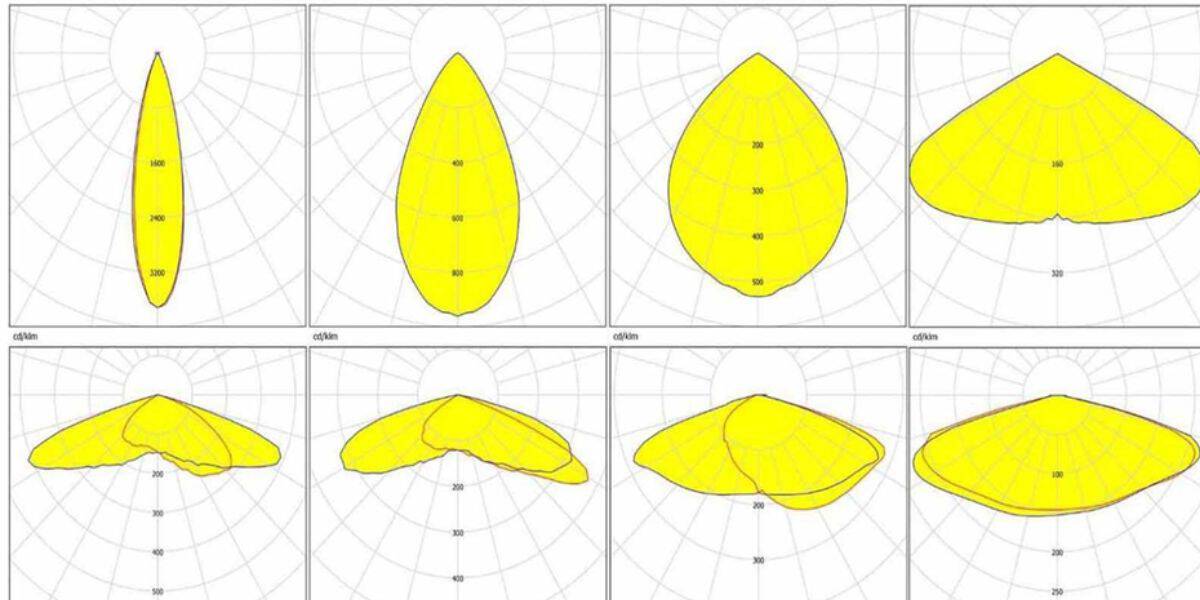
Sự phân bố ánh sáng đồng đều đề cập đến sự lan truyền đồng đều của cường độ sáng trên khu vực được chiếu sáng dự định, không có sự thay đổi độ sáng có thể nhìn thấy được. Trong các sản phẩm LED thực tế, không đồng nhất thường xuất hiện như:
- Điểm sáng ngay phía trên đèn LED
- Vùng tối giữa các đèn LED
- Chiếu sáng cạnh không đồng đều
- Gây chói do các điểm sáng tập trung
Những vấn đề này thường không phải do bản thân chip LED, mà do bố trí PCB, khoảng cách và mất cân bằng nhiệt dưới mức tối ưu.
Vai trò của bố cục PCB trong độ đồng nhất ánh sáng LED
PCB là nền tảng vật lý xác định:
- Hình học vị trí LED
- Khoảng cách giữa các đèn LED
- Phân phối dòng điện
- Đường tản nhiệt
Bởi vì đèn LED là nguồn sáng điểm, sự sắp xếp của chúng trên PCB quy định cách ánh sáng chồng lên và pha trộn trước khi đến bộ khuếch tán, thấu kính hoặc không khí mở. Bố cục được lên kế hoạch kém có thể gây ra các đỉnh độ sáng cục bộ, trong khi bố cục được tối ưu hóa đảm bảo hòa trộn ánh sáng mượt mà.
Khoảng cách LED và tối ưu hóa cao độ
1: Tầm quan trọng của khoảng cách LED thích hợp
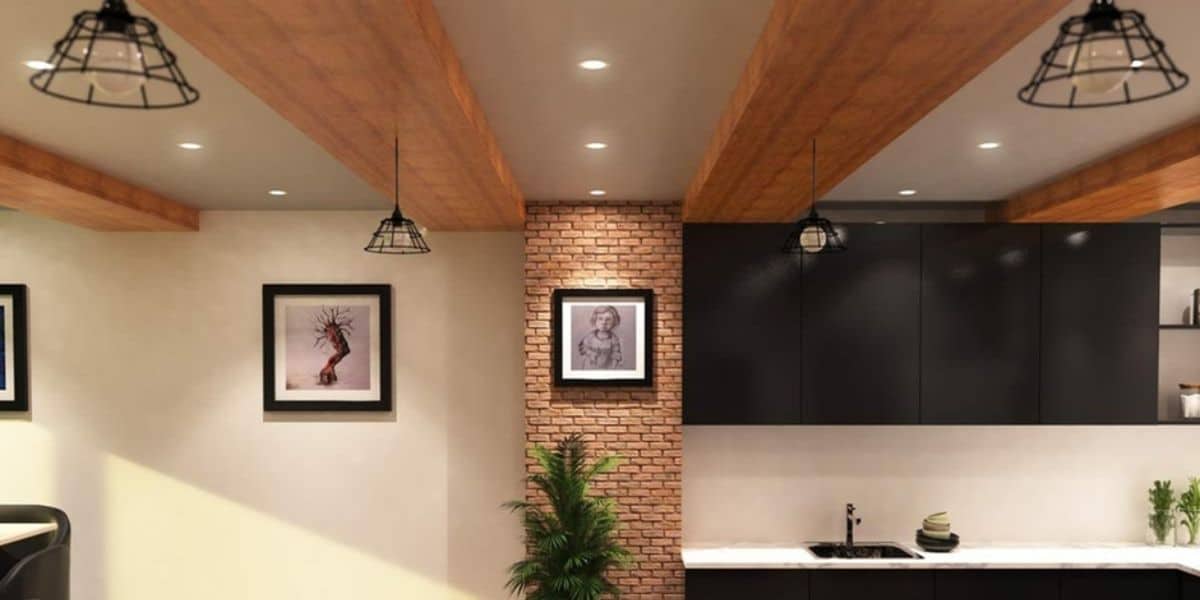
Khoảng cách LED, thường được gọi là độ cao LED, là khoảng cách giữa các đèn LED liền kề trên PCB. Khoảng cách không chính xác là một trong những nguyên nhân phổ biến nhất của việc phát ra ánh sáng không đồng đều.
(a) Khoảng cách quá gần
- Tạo ra sự tập trung độ sáng quá mức
- Tăng mật độ nhiệt
- dẫn đến chói và khó chịu quang học
(b) Khoảng cách quá rộng
- gây ra các đốm tối giữa các đèn LED
- yêu cầu bộ khuếch tán mạnh hơn
- Giảm hiệu quả tổng thể
Khoảng cách tối ưu phụ thuộc vào công suất LED, góc chùm, chiều cao lắp và các thành phần quang học được sử dụng trong sản phẩm cuối cùng.
2 : Phù hợp với khoảng cách với thiết kế quang học
Đối với các sản phẩm sử dụng bộ khuếch tán hoặc ống kính, khoảng cách LED phải phù hợp với khả năng trộn ánh sáng của bộ khuếch tán. Vật liệu khuếch tán cao cho phép khoảng cách rộng hơn một chút, trong khi các thiết kế khuếch tán thấp đòi hỏi vị trí LED chặt chẽ hơn để duy trì tính đồng nhất.
Vị trí LED đối xứng và nhất quán
Tầm quan trọng của sự đối xứng bố cục
Vị trí LED đối xứng đảm bảo sự phân bố ánh sáng cân bằng trên bề mặt PCB. Bố cục không đối xứng thường dẫn đến độ sáng không đồng đều, đặc biệt là các cạnh hoặc góc gần.
Nguyên tắc chính bao gồm:
- Khoảng cách bằng nhau theo hướng X và Y
- Các mẫu căn chỉnh nhất quán (lưới hoặc hình tròn)
- tránh định vị đèn LED ngẫu nhiên hoặc không đều
Trong các sản phẩm chiếu sáng tuyến tính, đèn LED nên đi theo đường thẳng, cách đều nhau. Trong ánh sáng bảng điều khiển hoặc khu vực, bố cục lưới hoặc lưới so le được ưu tiên để cải thiện sự chồng chéo ánh sáng.
Điều khiển chiếu sáng cạnh và góc
Các cạnh và góc là những khu vực có vấn đề phổ biến mà ánh sáng có xu hướng giảm. Chiếu sáng cạnh kém làm cho sản phẩm có vẻ mờ hơn và chất lượng thấp hơn.
Để giải quyết vấn đề này:
- Đặt đèn LED gần các cạnh PCB hơn
- Sử dụng vị trí mật độ cao hơn một chút gần các góc
- Duy trì cân bằng nhiệt để tránh đèn LED cạnh quá nóng
Điều này đảm bảo độ sáng nhất quán trên toàn bộ bề mặt phát ra.
Phân phối hiện tại và cân bằng điện
Dòng điện đồng đều bằng ánh sáng đồng đều
Ngay cả khi đèn LED cách nhau hoàn hảo, phân phối dòng điện không đồng đều vẫn có thể gây ra sự thay đổi độ sáng. Đèn LED được kết nối với các đường dẫn dòng điện khác nhau có thể hoạt động ở các dòng điện hơi khác nhau, dẫn đến việc phát ra ánh sáng không nhất quán.
Các phương pháp hay nhất bao gồm:
- Thiết kế mạch cân bằng nối tiếp cân bằng
- Độ dài dấu vết bằng nhau cho các chuỗi LED song song
- Tránh giảm điện áp quá mức qua các dấu vết dài
Thiết kế điện đồng nhất đảm bảo mỗi đèn LED hoạt động ở mức công suất dự kiến.
Tính đồng nhất nhiệt và tác động của nó đến sản lượng ánh sáng
1: Mối quan hệ giữa nhiệt và độ sáng
Độ sáng LED bị ảnh hưởng trực tiếp bởi nhiệt độ mối nối. Đèn LED chạy nóng hơn tạo ra ít ánh sáng hơn và xuống cấp nhanh hơn. Do đó, sự phân bố nhiệt không đồng đều trên PCB dẫn đến sản lượng ánh sáng không đồng đều theo thời gian.
2: Bố trí đèn LED nhận biết nhiệt
Để duy trì độ sáng đồng nhất:
- Phân phối đèn LED đồng đều để tránh các điểm nóng nhiệt
- Tránh phân cụm đèn LED công suất cao trong một khu vực
- Sử dụng đường dẫn nhiệt phù hợp cho tất cả các đèn LED
Hiệu suất nhiệt đồng đều đảm bảo đầu ra sáng nhất quán trong toàn bộ PCB.
Vật liệu PCB và ảnh hưởng của nó đến hiệu quả bố trí
Trong khi hình học bố cục là rất quan trọng, vật liệu pcb đóng vai trò hỗ trợ trong việc duy trì sự đồng nhất. PCB có độ dẫn nhiệt tốt hơn giúp cân bằng chênh lệch nhiệt độ trên bảng, giảm sự thay đổi độ sáng do tích tụ nhiệt.
PCB lõi kim loại, đặc biệt là các thiết kế dựa trên nhôm, thường được sử dụng trong các sản phẩm LED công suất cao vì chúng hỗ trợ hoạt động nhiệt nhất quán trên toàn bộ bố cục.
Tương tác quang học giữa các đèn LED
ánh sáng chồng lên nhau và pha trộn
Chiếu sáng đồng đều dựa vào sự chồng chéo có kiểm soát của các mẫu ánh sáng LED riêng lẻ. Bố trí PCB phù hợp đảm bảo rằng mỗi chùm đèn LED chồng chéo với các đèn LED lân cận ở góc và khoảng cách chính xác.
Người thiết kế phải xem xét:
- Góc nhìn LED
- Khoảng cách PCB đến bộ khuếch tán
- Các bề mặt phản chiếu trong vỏ sản phẩm
Bố trí tối ưu giúp giảm nhu cầu khuếch tán quá mức, nâng cao hiệu quả đồng thời vẫn duy trì tính đồng nhất.
Cân nhắc bố trí cho các sản phẩm LED khác nhau
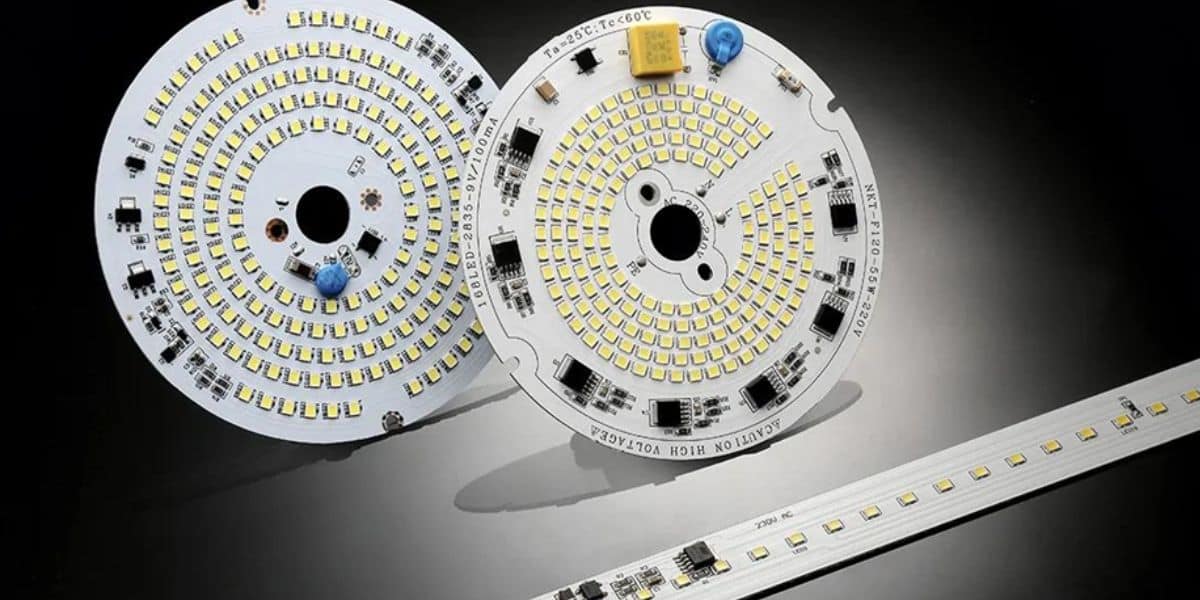
1: Sản phẩm LED tuyến tính
- Sử dụng khoảng cách LED thẳng hàng, thẳng hàng
- Duy trì khoảng cách bằng nhau từ bộ khuếch tán
- Tránh khoảng trống gần đầu
2 : Bảng điều khiển và đèn trần
- Sử dụng bố cục ma trận lưới hoặc so le
- Tăng mật độ LED cạnh nếu cần
- Chiếu sáng trung tâm và chu vi chiếu sáng
3: Điểm sáng hoặc đèn chiếu sáng công suất cao
- Sử dụng bố cục hình tròn đối xứng
- Đảm bảo cân bằng nhiệt xung quanh đèn LED trung tâm
- Tránh lái xe quá nhiều đèn LED trung tâm
Mỗi loại sản phẩm yêu cầu bố trí phù hợp với thiết kế quang học và cơ khí của nó.
Giảm thiểu các hiện vật trực quan
Bố cục LED PCB kém có thể gây ra các tạo tác không mong muốn như:
- Hiệu ứng chấm (điểm LED hiển thị)
- Sọc ngựa vằn trong đồ đạc tuyến tính
- Dải bóng trên bề mặt được chiếu sáng
Bố cục được tối ưu hóa, kết hợp với việc lựa chọn bộ khuếch tán chính xác, loại bỏ những khiếm khuyết này và nâng cao chất lượng sản phẩm cảm nhận.
Kiểm tra và lặp lại trong tối ưu hóa bố cục
Để đạt được sự đồng nhất hoàn hảo thường đòi hỏi sự tạo mẫu và thử nghiệm. Các công cụ mô phỏng có thể dự đoán phân phối ánh sáng, nhưng thử nghiệm trong thế giới thực xác nhận các giả định.
Các bước được đề xuất bao gồm:
- Mô phỏng quang học của vị trí LED
- Phân tích nhiệt của bố cục PCB
- Tạo mẫu vật lý và kiểm tra trắc quang
- Tinh chỉnh lặp lại dựa trên kết quả
Cách tiếp cận hệ thống này đảm bảo tính đồng nhất ánh sáng đáng tin cậy, lặp lại trong sản xuất hàng loạt.
Tại sao bạn nên xem xét Signlited cho đối tác tiếp theo của bạn?
Đối với các giải pháp chiếu sáng vượt trội và hiệu suất LED đáng tin cậy, Signiteled chuyên về các giải pháp LED PCB chất lượng cao được thiết kế cho độ chính xác và độ bền.
- Đội ngũ giàu kinh nghiệm của chúng tôi phát triển nâng cao Thiết kế bảng PCB LED Bố trí đảm bảo độ sáng đồng đều, độ ổn định điện và độ tin cậy lâu dài.
- Bằng cách sử dụng các vật liệu cao cấp như Bảng mạch PCB LED SMD Và Đèn LED PCB tròn, Chúng tôi đạt được quản lý nhiệt tuyệt vời và cải thiện nhiệt tản nhiệt.
- tùy chỉnh của chúng tôi Thiết kế PCB đèn LED phương pháp hỗ trợ sản xuất có thể mở rộng, làm cho PCB LED tùy chỉnh Giải pháp lý tưởng cho các ứng dụng chiếu sáng thương mại, công nghiệp và kiến trúc.
Phần kết luận
Tối ưu hóa bố trí PCB LED là cơ bản để đạt được sự phân phối ánh sáng đồng đều trong các sản phẩm LED. Khoảng cách LED thích hợp, vị trí đối xứng, thiết kế dòng điện cân bằng và đồng nhất nhiệt đều làm việc cùng nhau để mang lại ánh sáng trơn tru, không chói. Tóm lại, ánh sáng đồng nhất không tình cờ xảy ra. Đó là kết quả của thiết kế bố trí PCB LED chính xác, chu đáo.
Liên hệ với Signlited hôm nay Để thảo luận về các yêu cầu dự án của bạn và trải nghiệm chất lượng cao, bền Nhà sản xuất PCB LED phù hợp với các ứng dụng của bạn.
hỏi Ẩn
Bài viết liên quan