Tiếng Việt
  English
  简体中文
简体中文  Deutsch
  Español
  Français
  Italiano
  日本語
日本語  한국어
한국어  Polski
  Português
  Русский
  Türkçe
  Nederlands
  ไทย
ไทย 
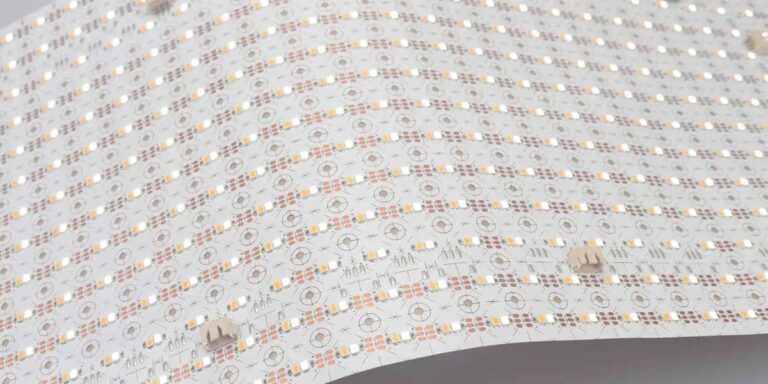
Đèn LED chiếu sáng đã trở thành một giải pháp thiết thực cho tủ trưng bày và cửa sổ cửa hàng vì nó cung cấp ánh sáng đồng đều, đòi hỏi độ sâu tối thiểu, thích ứng với bố cục linh hoạt và cho phép kiểm soát độ sáng chính xác. Trong môi trường bán lẻ, nơi trình bày trực quan ảnh hưởng trực tiếp đến nhận thức của khách hàng, ánh sáng không đồng đều, điểm nóng có thể nhìn thấy hoặc đồ đạc cồng kềnh có thể làm suy yếu tác động của sản phẩm. Hệ thống tấm đèn LED được thiết kế phù hợp giải quyết những vấn đề này bằng cách phân phối ánh sáng đồng đều trên các bề mặt trong khi vẫn duy trì một cấu hình mỏng phù hợp bên trong tủ nông và cụm cửa sổ hẹp.
Bài viết này giải thích cách chiếu sáng tấm LED cải thiện hiệu suất bán hàng trực quan cụ thể trong tủ trưng bày và cửa sổ cửa hàng. Nó bao gồm các lợi ích có thể đo lường được của đèn nền đồng nhất, các chiến lược để lập kế hoạch bố trí trong tủ được hạn chế sâu sắc, logic lựa chọn bộ khuếch tán, tính toán mật độ độ sáng, kiểm soát độ chói cho cửa sổ hướng ra đường, lập kế hoạch cài đặt và tối ưu hóa hiệu suất. Trọng tâm vẫn là các ứng dụng tủ và cửa sổ, với lý do kỹ thuật đằng sau mỗi quyết định thiết kế.
Lợi ích chính của đèn LED chiếu sáng cho màn hình bán lẻ
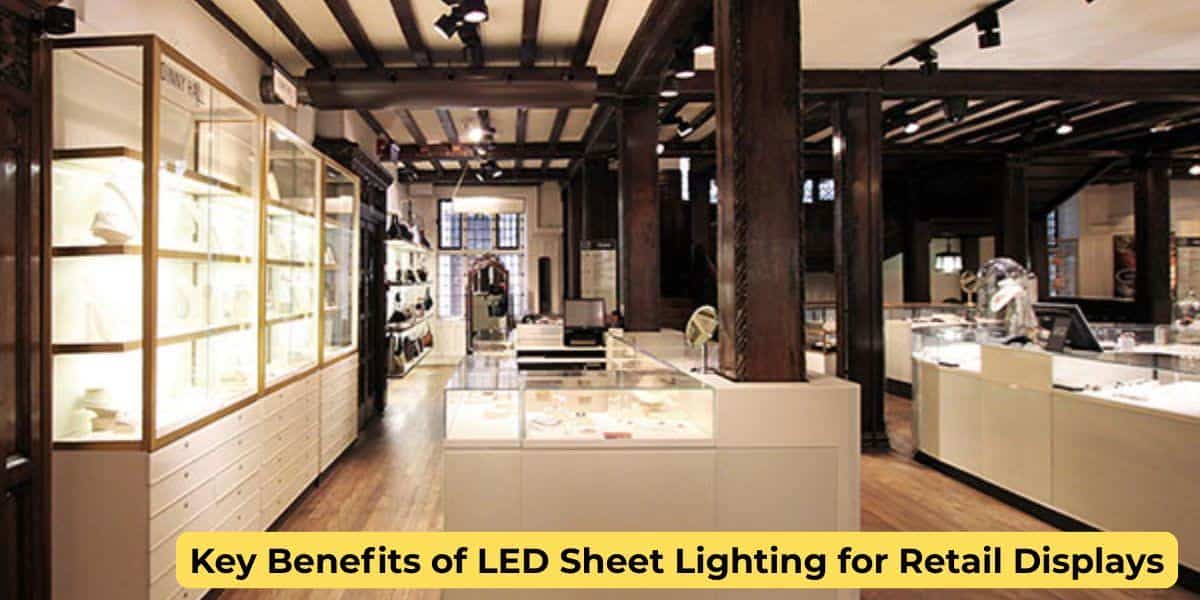
- Đồng phục đèn nền không có điểm phát sóng
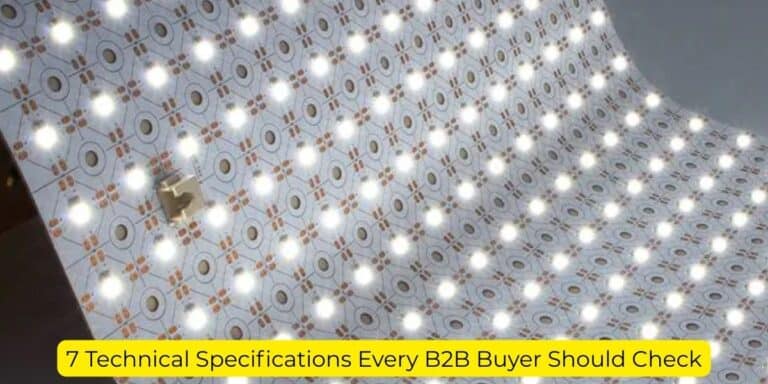
Ánh sáng tấm LED phân phối các điốt trên một bề mặt phẳng thay vì dọc theo một đường thẳng duy nhất. Khi được kết hợp với một tấm khuếch tán ánh sáng LED thích hợp, bố cục này tạo ra độ sáng đồng đều trên các bức tường tủ và đồ họa cửa sổ. Kết quả là giảm độ dốc bóng, loại bỏ các nút sáng và trình bày trực quan nhất quán. - Tích hợp siêu mỏng
nốt thứ sáu trong tấm đèn led thường chỉ dày vài mm, cho phép lắp đặt bên trong tủ trưng bày nông mà không làm thay đổi độ sâu kết cấu. Điều này làm cho nó phù hợp cho tủ chật hẹp, nơi không gian bị hạn chế sau khi tính toán kính, giá đỡ phần cứng và khung hỗ trợ. - Hiệu quả năng lượng cho thời gian bán lẻ kéo dài
Vì các tấm chiếu sáng LED chiếu sáng một bề mặt đồng nhất, chúng thường yêu cầu ít nguồn sáng chồng lên nhau hơn so với bố cục dựa trên dải. Điều này cải thiện hiệu quả bao phủ khu vực và giảm mức tiêu thụ tổng thể trong thời gian hoạt động bán lẻ dài. - Cải thiện khả năng hiển thị sản phẩm
Ngay cả chiếu sáng nền cũng tăng cường các cạnh, màu sắc và kết cấu của sản phẩm. Bằng cách giảm sự tích tụ bóng tối và các bản vá độ sáng không đồng đều, các sản phẩm xuất hiện rõ ràng hơn trong cả tủ và cửa sổ cửa hàng. - Sản lượng nhiệt thấp hơn
Cấu hình diode phân tán làm giảm nồng độ nhiệt cục bộ. So với đèn nền huỳnh quang hoặc đèn chiếu sáng cường độ cao, hệ thống đèn LED tạo ra nhiệt bức xạ thấp hơn, có lợi cho tủ kín và hàng hóa nhạy cảm với nhiệt độ. - Thích ứng bố cục linh hoạt
Nhiều hệ thống tấm đèn LED có thể cắt được, cho phép tùy chỉnh để phù hợp với hình dạng tủ không đều hoặc định dạng hiển thị cửa sổ. Tính linh hoạt này hỗ trợ tích hợp vào các bề mặt cong và không gian lắp đặt chặt chẽ mà không ảnh hưởng đến tính đồng nhất.
Ứng dụng trong tủ trưng bày
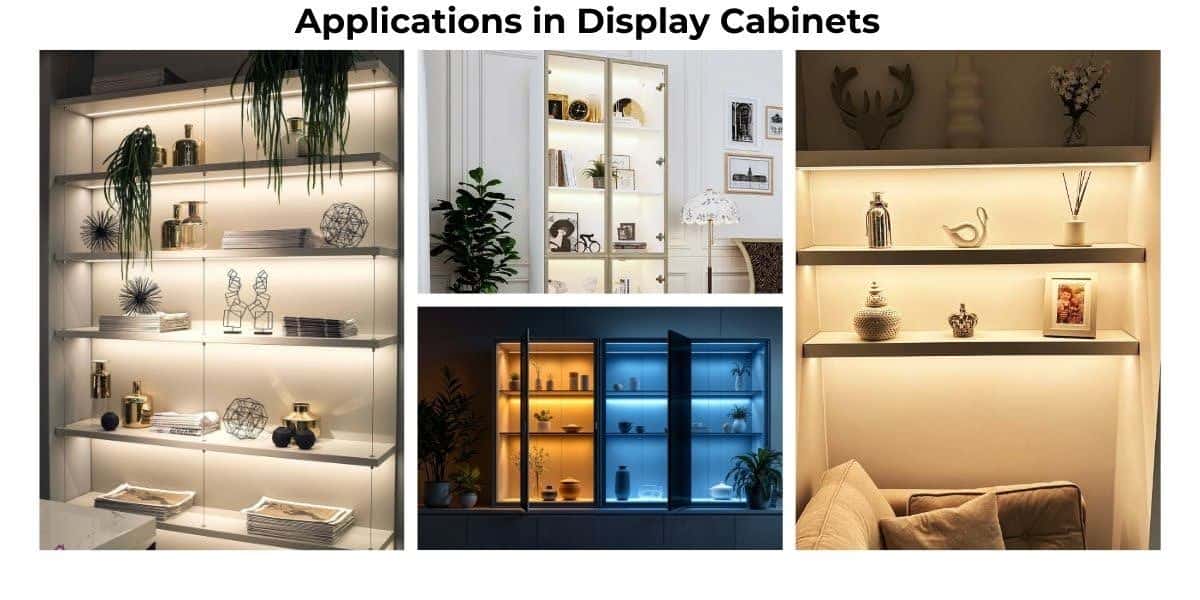
Tủ trưng bày có những thách thức về ánh sáng độc đáo do độ sâu nông, bề mặt kính phản chiếu và sự đa dạng của sản phẩm. Đèn LED chiếu sáng giải quyết những hạn chế này khi được áp dụng một cách chiến lược.
Đèn nền kệ
Đèn nền của kệ bao gồm việc đặt một tấm đèn LED phía sau một bảng điều khiển phía sau thẳng đứng để tạo nền được chiếu sáng. Kỹ thuật này tăng cường bóng sản phẩm và ngăn chặn sự tích tụ bóng. Đối với tủ có độ sâu dưới 80 mm, mật độ diode phải đủ để đảm bảo độ sáng đồng đều trong khoảng cách bộ khuếch tán ngắn.
Tấm acrylic cho ánh sáng LED thường được chọn trong các cấu hình như vậy vì nó mang lại độ rõ quang học mạnh mẽ và khả năng khuếch tán ánh sáng tốt trong các cụm nông. Bộ khuếch tán acrylic phù hợp khi khoảng cách giữa tấm đèn LED và bề mặt bộ khuếch tán được giới hạn ở 10–20 mm.
phát sáng dưới kệ
Chiếu sáng dưới kệ giúp tăng cường phân lớp sản phẩm và ngăn chặn bóng từ các kệ trên. Trong trường hợp này, các phần nhỏ hơn của tấm đèn LED có thể được gắn theo chiều ngang dưới mỗi kệ. Một tấm khuếch tán mỏng để chiếu sáng LED làm mềm phát xạ trực tiếp và ngăn ánh sáng chói khi khách hàng nhìn sản phẩm ngang tầm mắt.
Quy hoạch mật độ độ sáng là quan trọng ở đây. Nếu các điốt được đặt quá rộng, các điểm riêng lẻ có thể nhìn thấy được. Nếu quá dày đặc, việc sử dụng năng lượng tăng lên một cách không cần thiết. Trong các cấu hình dưới kệ nông, khoảng cách diode gần hơn đảm bảo độ lan truyền nhẹ.
chiếu sáng tường tủ đầy đủ
Một số khái niệm bán lẻ yêu cầu toàn bộ bức tường phía sau của tủ để phát sáng đồng đều. Cách làm này thường gặp trong mỹ phẩm, trang sức, màn hình điện tử cao cấp. Có thể chọn tấm khuếch tán ánh sáng LED polycarbonate thay vì acrylic trong môi trường yêu cầu khả năng chống va đập cao hơn, đặc biệt là trong các môi trường bán lẻ có lưu lượng truy cập cao.
Máy khuếch tán polycarbonate cung cấp độ bền và đặc tính truyền ánh sáng hơi khác nhau. Khi được kết hợp với tấm phản xạ ánh sáng LED được đặt phía sau bề mặt LED, hiệu quả ánh sáng phía trước được cải thiện, giảm ánh sáng lãng phí bên trong khoang tủ.
Làm nổi bật các khu sản phẩm cao cấp
Phân vùng độ sáng chọn lọc có thể đạt được bằng cách phân đoạn tấm khác nhau hoặc sử dụng các kênh làm mờ độc lập. Ví dụ, một khu vực sản phẩm cao cấp trung tâm có thể hoạt động ở độ sáng cao hơn 20–30% so với các khu vực xung quanh. Phương pháp này hướng dẫn khách hàng chú ý mà không sử dụng đèn chiếu tạo ra sự tương phản khắc nghiệt.
Ràng buộc về độ sâu và quy hoạch bố trí
Độ sâu ảnh hưởng trực tiếp đến việc lựa chọn bộ khuếch tán và mật độ diode. Trong tủ có độ sâu khoang có sẵn dưới 50 mm, đèn chiếu sáng LED mật độ cao kết hợp với tấm acrylic khuếch tán cao để chiếu sáng LED ngăn cản tầm nhìn của chấm. Trong tủ sâu hơn 80 mm, tấm mật độ thấp hơn vẫn có thể đạt được sự đồng nhất vì ánh sáng có nhiều không gian để trải rộng hơn.
Các tấm có khoảng cách quá lớn trên một bức tường tủ lớn tạo ra các dải độ sáng không đồng đều. Thay vào đó, các tấm chiếu sáng LED liên tục nên được lắp đặt với khoảng trống tối thiểu để duy trì độ sáng nhất quán.
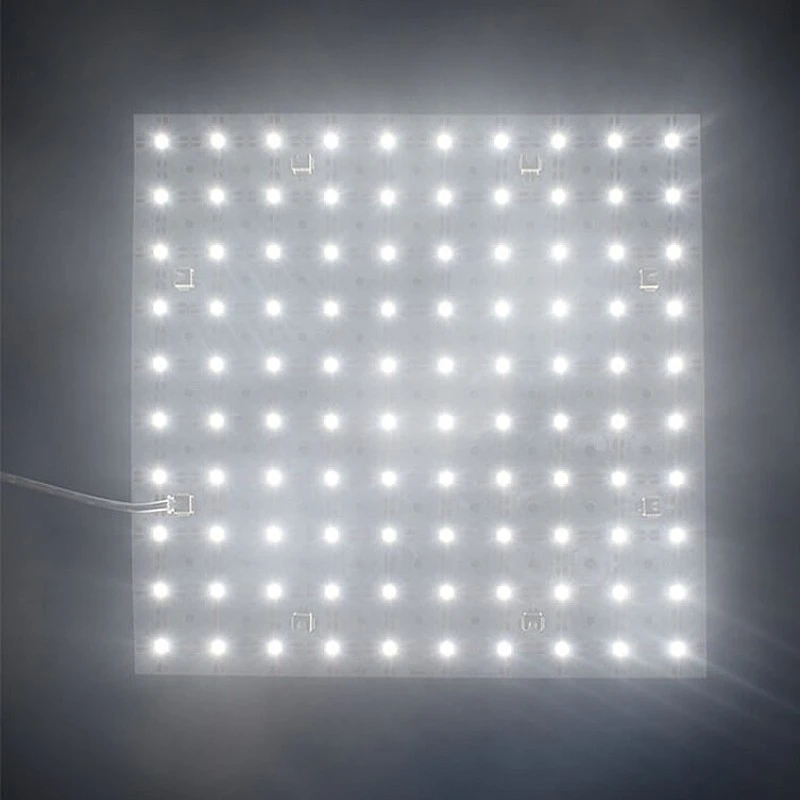
Tấm LED đơn màu
- Kích thước (L x W): 250mmx250mm / 490mmx245mm
- Loại LED: 2835 SMD
- Số lượng LED: 100 cái/242 chiếc
- Điện áp làm việc: DC24V
- Sức mạnh: 12W/28W
- CCT: 2700k/3000k/4000k/6000k/6500k
- Thông lượng phát sáng: 1200lm/2800lm
- CRI: > 80ra
- Chiều dài cắt tối thiểu: 25mmx25mm/22.3mmx22.3mm
- Có thể làm mờ: vâng
- Góc chùm: 120 °
- Mức độ không thấm nước: IP20 không thấm nước, chống nước IP54
- Bảo hành: 3 năm
Ứng dụng trong cửa sổ cửa hàng
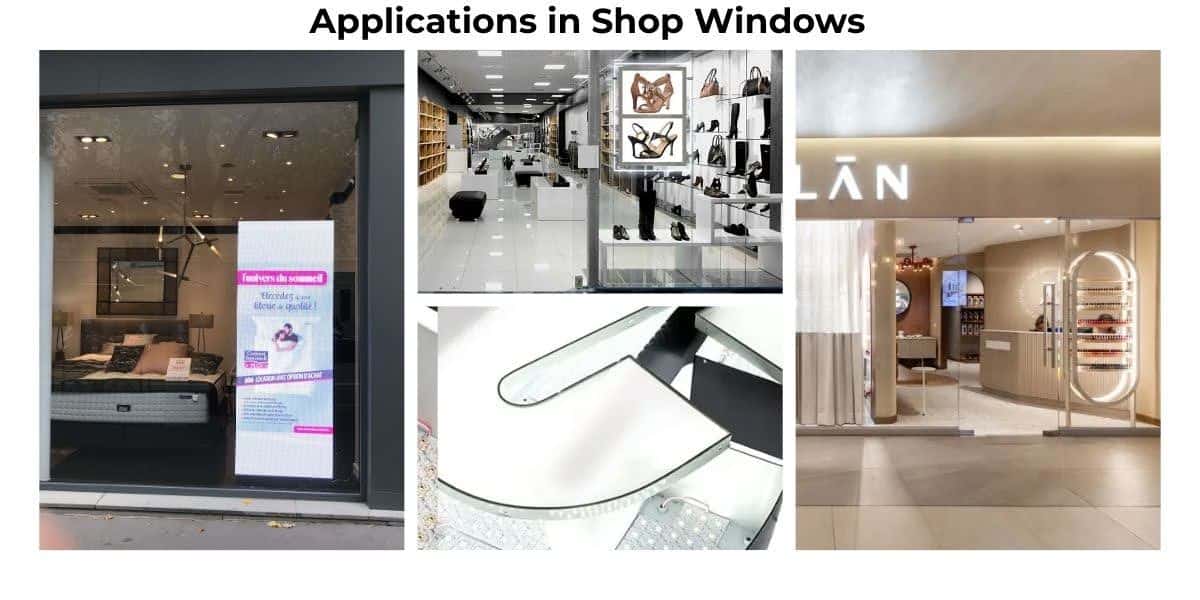
Cửa sổ cửa hàng khác với tủ trưng bày vì chúng cạnh tranh với ánh sáng ban ngày và phản xạ đường phố xung quanh. Cường độ chiếu sáng và quản lý ánh sáng trở nên quan trọng.
Chiếu sáng màn hình cửa sổ khổ lớn
Đồ họa cửa sổ lớn thường sử dụng một tấm đèn LED được lắp đặt phía sau bảng điều khiển mờ được in để tạo ra một bề mặt hiển thị được chiếu sáng đồng đều. Do các điốt được phân phối trên toàn bộ khu vực bảng điều khiển, đầu ra ánh sáng vẫn nhất quán trên toàn bộ đồ họa, giảm các bản vá lỗi không đồng đều và thay đổi độ sáng.
Trong các cài đặt hướng ra đường phố, đèn LED có độ sáng cao hơn thường được yêu cầu để cạnh tranh với ánh sáng ban ngày. Màn hình cửa sổ tiếp xúc với ánh sáng mặt trời trực tiếp phải được thiết kế với độ sáng vừa đủ để đồ họa không bị mờ hoặc bị trôi.
Lập kế hoạch độ sáng nên dựa trên mức ánh sáng ban ngày dự kiến. Nếu cửa sổ cửa hàng nhận được ánh sáng tự nhiên mạnh, độ sáng hiển thị phải vượt quá độ sáng xung quanh để duy trì độ rõ nét và độ nét màu sắc của hình ảnh. Lựa chọn mật độ lumen phù hợp, kết hợp với tấm phản xạ ánh sáng LED được đặt phía sau lớp chiếu sáng, có thể cải thiện hiệu quả ánh sáng phía trước mà không cần tăng tổng mức tiêu thụ điện năng một cách không cần thiết.
Chiếu sáng logo thương hiệu
Các biểu trưng được nhúng trong màn hình cửa sổ có thể được chiếu sáng bằng cách sử dụng các phân đoạn nhỏ hơn của tấm bảng đèn LED được đặt phía sau các dạng acrylic cắt ra. Một tấm khuếch tán cho ánh sáng LED đảm bảo phát sáng ngay cả logo mà không cần các mẫu diode có thể nhìn thấy được.
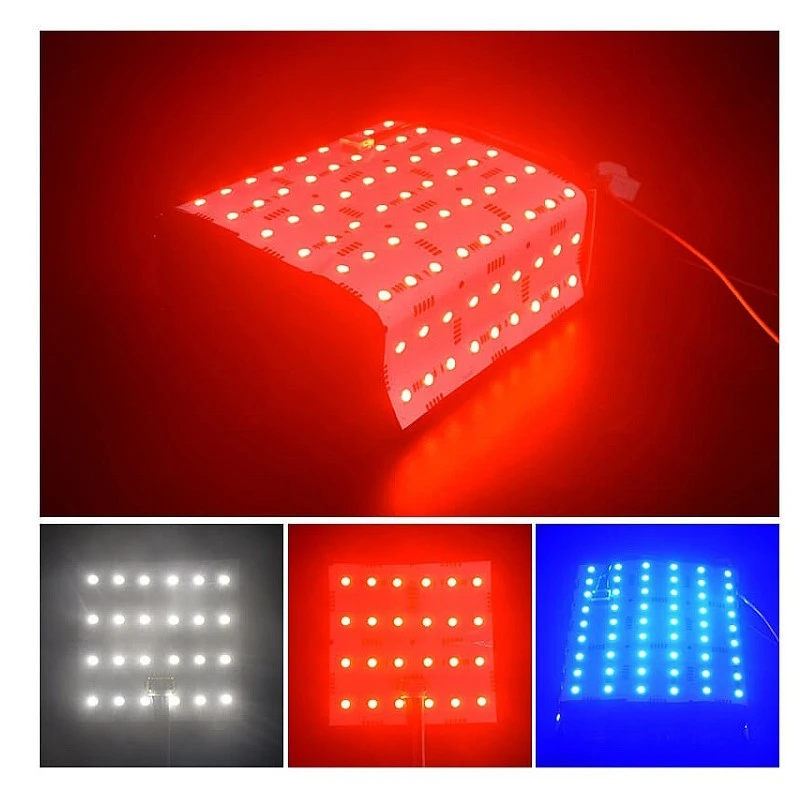
RGBW
- Kích thước (L x W): 250mmx250mm/490mmx250mm
- Loại LED: 5050 RGBW 4 trong 1 SMD
- Số lượng LED: 150 cái/288 chiếc
- Điện áp làm việc: DC 24V
- Sức mạnh: 24W/48W
- phát ra màu sắc: RGB + 3000K, RGB + 4000K, RGB + 6500K
- Hiệu quả ánh sáng: 90lm / W
- Chiều dài cắt tối thiểu: 50mmx50mm/20.4mmx122.5mm
- Góc chùm: 120 °
- Có thể làm mờ: vâng
- Mức độ không thấm nước: IP20 không thấm nước, chống nước IP54
- Bảo hành: 3 năm
Bảng khuyến mại theo mùa
Cửa sổ bán lẻ thường xuyên thay đổi nội dung quảng cáo. Các tấm chiếu sáng LED mô-đun cho phép thay thế đồ họa nhanh chóng trong khi vẫn duy trì hình học chiếu sáng nhất quán. Các kết nối nguồn phải được cố định trong khi các lớp đồ họa được hoán đổi.
Chiến lược cạnh tranh ánh sáng ban ngày
Ánh sáng mặt trời giới thiệu ánh sáng chói và phản chiếu. Định vị tấm phản xạ ánh sáng LED phía sau bề mặt đèn LED làm tăng đầu ra về phía trước và giảm mất ánh sáng ngược. Điều này làm tăng độ chói hiệu quả mà không tăng tiêu thụ điện quá mức.
Phản xạ và quản lý ánh sáng
Phản xạ thủy tinh có thể làm sai lệch độ sáng cảm nhận. Độ dày của bộ khuếch tán và bề mặt hoàn thiện nên được lựa chọn cẩn thận. Tấm khuếch tán ánh sáng LED polycarbonate hoàn thiện mờ có thể làm giảm phản xạ chói so với các bề mặt có độ bóng cao.
Khi khách hàng tiếp cận từ các góc độ khác nhau, độ chói đồng đều giúp giảm mỏi mắt và tăng cường độ rõ nét đồ họa.
Chiến lược khuếch tán & quang học
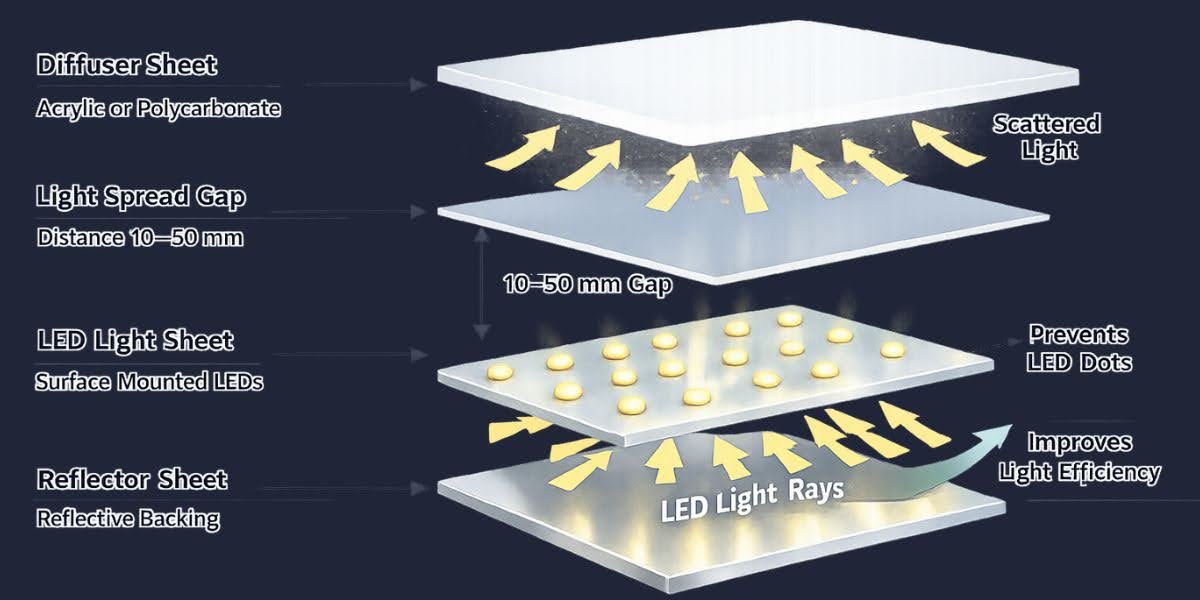
Tấm khuếch tán ánh sáng LED đóng vai trò trung tâm trong việc đạt được độ chiếu sáng đồng đều. Nếu không có sự khuếch tán thích hợp, các điểm diode riêng lẻ sẽ hiển thị, đặc biệt là ở khoảng cách ngắn.
Vai trò của bộ khuếch tán
Bộ khuếch tán tán xạ ánh sáng phát ra để tạo ra một bề mặt sáng liên tục. Lượng tán xạ phụ thuộc vào thành phần và độ dày của vật liệu. Một tấm khuếch tán để chiếu sáng LED phải cân bằng hiệu quả truyền và độ mờ.
Acrylic vs Polycarbonate
Một tấm acrylic để chiếu sáng LED thường cung cấp truyền ánh sáng cao hơn và độ rõ quang học tốt. Nó hoạt động tốt trong tủ trong nhà được kiểm soát, nơi khả năng chống va đập không phải là mối quan tâm lớn.
Một tấm khuếch tán ánh sáng LED polycarbonate cung cấp độ bền cơ học lớn hơn và chịu nhiệt độ cao hơn. Nó thường được chọn cho cửa sổ cửa hàng nơi độ bền và sự tiếp xúc công cộng là những yếu tố.
Khoảng cách lan truyền ánh sáng
Khoảng cách giữa tấm đèn LED và bộ khuếch tán ảnh hưởng đến tính đồng nhất. Một khoảng trống nhỏ hơn đòi hỏi mật độ diode cao hơn để tránh các điểm nóng. Khoảng trống lớn hơn cho phép ánh sáng lan tỏa tự nhiên nhưng đòi hỏi không gian tủ sâu hơn.
Ngăn chặn khả năng hiển thị điểm LED
Khả năng hiển thị dấu chấm xảy ra khi khoảng cách diode vượt quá khả năng khuếch tán. Tăng độ dày của bộ khuếch tán hoặc giảm khoảng cách giữa các đèn LED giải quyết vấn đề này. Tính đồng nhất phải được kiểm tra trực quan ở khoảng cách xem điển hình.
Vai trò của tấm phản xạ
Một tấm phản xạ ánh sáng LED được lắp đặt phía sau bề mặt đèn LED giúp cải thiện hiệu quả về phía trước bằng cách phản xạ ánh sáng phát ra phía sau. Điều này làm tăng độ sáng cảm nhận mà không làm tăng công suất. Vật liệu phản xạ phải có độ phản xạ cao và hấp thụ tối thiểu.
Chiến lược lắp đặt tủ & cửa sổ
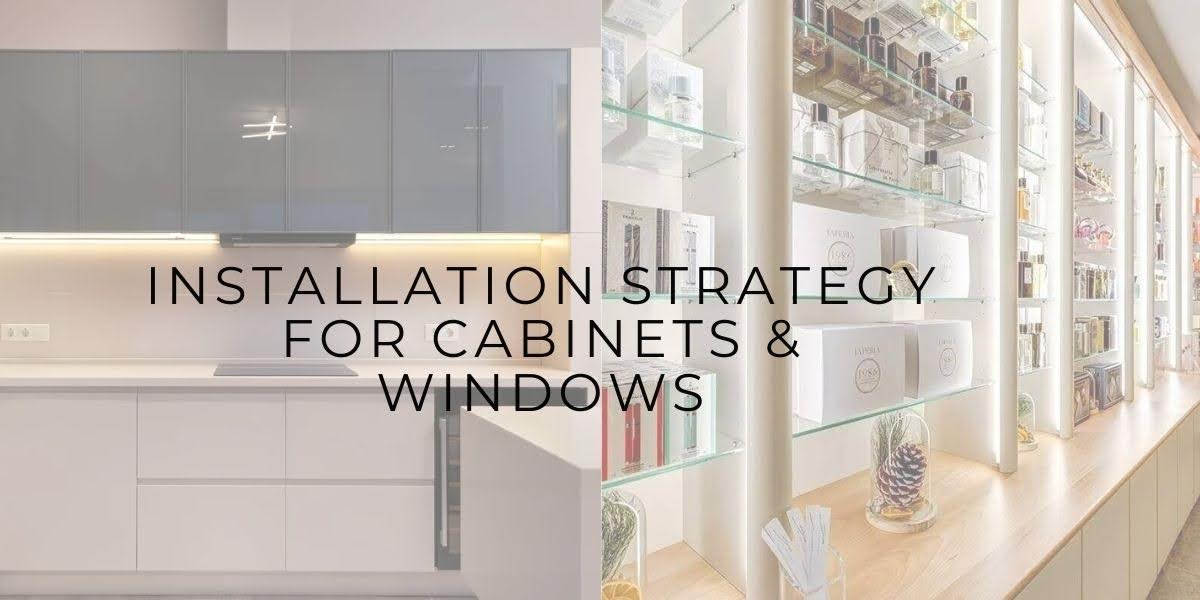
- Đảm bảo các bề mặt lắp đặt sạch sẽ, phẳng và không có bụi để ngăn chặn sự kết dính không đồng đều và biến dạng ánh sáng.
- Duy trì khoảng cách thích hợp giữa tấm đèn LED và tấm khuếch tán ánh sáng LED Dựa trên mật độ diode và độ sâu tủ.
- Định vị nguồn điện bên ngoài các hốc tủ kín khi có thể để giảm tích nhiệt bên trong.
- Định tuyến cáp dọc theo các cạnh được che giấu của tủ để tránh các đường bóng hoặc dây điện có thể nhìn thấy qua các tấm kính.
- Cung cấp thông gió tối thiểu nhưng hiệu quả trong tủ kín để ngăn chặn sự tích tụ nhiệt, đặc biệt là trong các ứng dụng cửa sổ có độ sáng cao.
- Xác nhận khả năng tương thích với loại trình điều khiển cụ thể để tránh chuyển đổi độ sáng nhấp nháy hoặc không đồng đều.
Tối ưu hóa thiết kế cho bán hàng trực quan
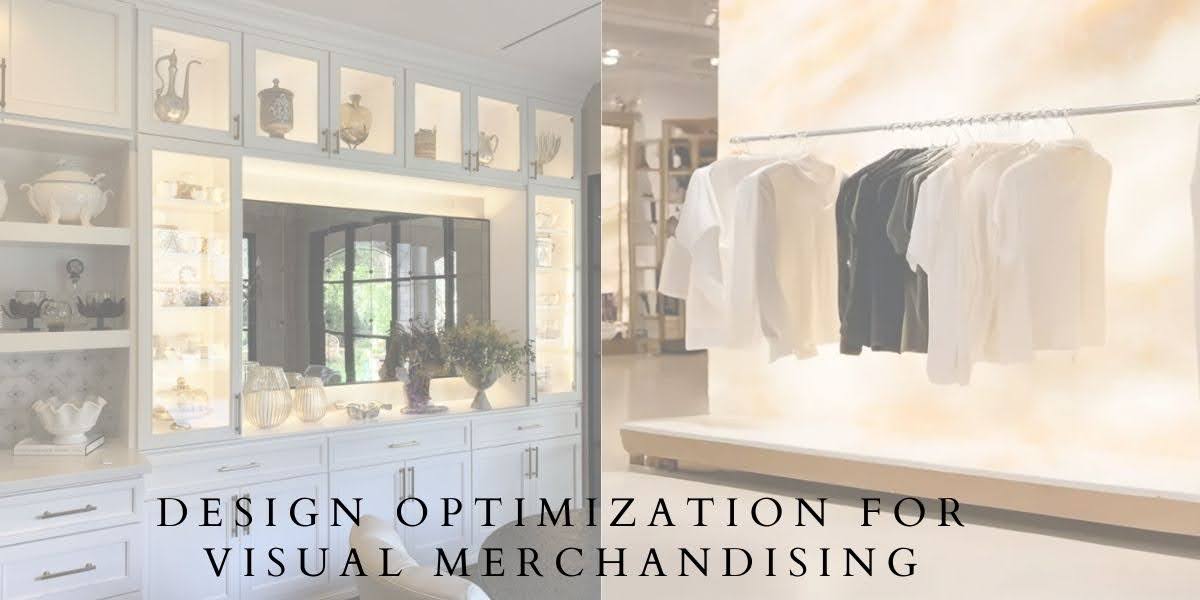
- Sử dụng ánh sáng nhiều lớp bằng cách kết hợp nền Đèn LED chiếu sáng Với ánh sáng điểm nhấn tập trung để tạo ra sự phân cấp trực quan.
- Tích hợp bảng đèn LED phía sau đồ họa thương hiệu đồng thời thêm các điểm nhấn cạnh tinh tế để đóng khung khu vực hiển thị.
- Kiểm soát tỷ lệ tương phản để sản phẩm nổi bật xuất hiện sáng hơn các yếu tố xung quanh mà không gây chói mắt.
- Áp dụng Dynaming Dyming trong cửa sổ cửa hàng để thích ứng độ sáng từ ban ngày đến buổi tối.
- Khớp các mức độ chói với loại sản phẩm, sử dụng ánh sáng nhẹ nhàng hơn cho các mặt hàng phản chiếu và độ sáng cao hơn cho hàng hóa mờ đục.
Bảng so sánh hiệu suất
| người mua bán | Đèn LED chiếu sáng | Dải đèn LED truyền thống | đèn nền huỳnh quang |
| bề dầy | rất mỏng, thường là một vài mm | vừa phải, yêu cầu kênh | Độ sâu cố định cồng kềnh |
| trạng thái không đều | Cao với bộ khuếch tán | Thường không đồng đều, rủi ro điểm nóng | vừa phải, bóng ống |
| Hiệu quả năng lượng | Hiệu quả diện tích cao | ức chế | thấp hơn so với đèn LED |
| tỏa nhiệt | Nhiệt phân phối thấp | Điểm nhiệt cục bộ | Tạo nhiệt cao hơn |
| chất lượng thị giác | Bề mặt sáng mịn | Đường dải có thể nhìn thấy có thể | Lấp lánh và lão hóa không đồng đều |
| Tính linh hoạt tích hợp | Có thể cắt, hình dạng thích ứng | Chỉ tuyến tính | Chiều dài ống cố định |
Những sai lầm phổ biến trong việc lắp đặt tấm LED bán lẻ
Một sai lầm thường xuyên là không đủ kế hoạch mật độ lumen. Lắp đặt hệ thống chiếu sáng tấm LED mật độ thấp trong tủ nông thường dẫn đến các mẫu diode có thể nhìn thấy được. Độ sáng phải phù hợp với khoảng cách bộ khuếch tán và khoảng cách xem.
Lựa chọn bộ khuếch tán kém cũng ảnh hưởng đến hiệu suất. Sử dụng bộ khuếch tán mỏng trong tủ có độ sâu ngắn có thể không phân tán ánh sáng đầy đủ, trong khi vật liệu quá mờ có thể làm giảm độ sáng quá mức.
Bỏ qua điều kiện ánh sáng ban ngày trong cửa sổ cửa hàng dẫn đến màn hình thiếu sức mạnh. Các cài đặt hướng ra đường phố yêu cầu tính toán độ sáng dựa trên mức độ lux xung quanh.
Các tấm khoảng cách quá nhiều trên các tấm lớn tạo ra độ sáng. Độ phủ liên tục đảm bảo độ sáng đồng đều.
Cuối cùng, bỏ qua tích hợp làm mờ ngăn chặn việc kiểm soát độ sáng thích ứng. Môi trường bán lẻ được hưởng lợi từ việc điều chỉnh độ sáng dựa trên thời gian trong ngày và thay đổi theo mùa.
Phần kết luận
Ánh sáng tấm LED cải thiện đáng kể chất lượng trình bày trong tủ trưng bày và cửa sổ cửa hàng bằng cách cung cấp ánh sáng đồng đều, giảm thiểu chiều sâu kết cấu và cho phép tích hợp bố cục linh hoạt. Cấu hình diode phân tán của nó hỗ trợ đèn nền mượt mà không có điểm nóng, trong khi độ sáng được kiểm soát và tích hợp phản xạ tăng cường hiệu quả.
Việc thực hiện thành công phụ thuộc vào việc lựa chọn vật liệu khuếch tán thích hợp, tính toán mật độ độ sáng dựa trên độ sâu tủ và độ phơi sáng ban ngày, đồng thời áp dụng logic lắp đặt phù hợp. Khi các yếu tố kỹ thuật này được giải quyết cẩn thận, ánh sáng tấm LED sẽ tăng cường độ rõ nét, tiêu điểm sản phẩm và hiệu quả năng lượng trong môi trường bán lẻ.
hỏi Ẩn
Bài viết liên quan